Why Michigan Homeowners Add Wood Ash To Their Gardens In December
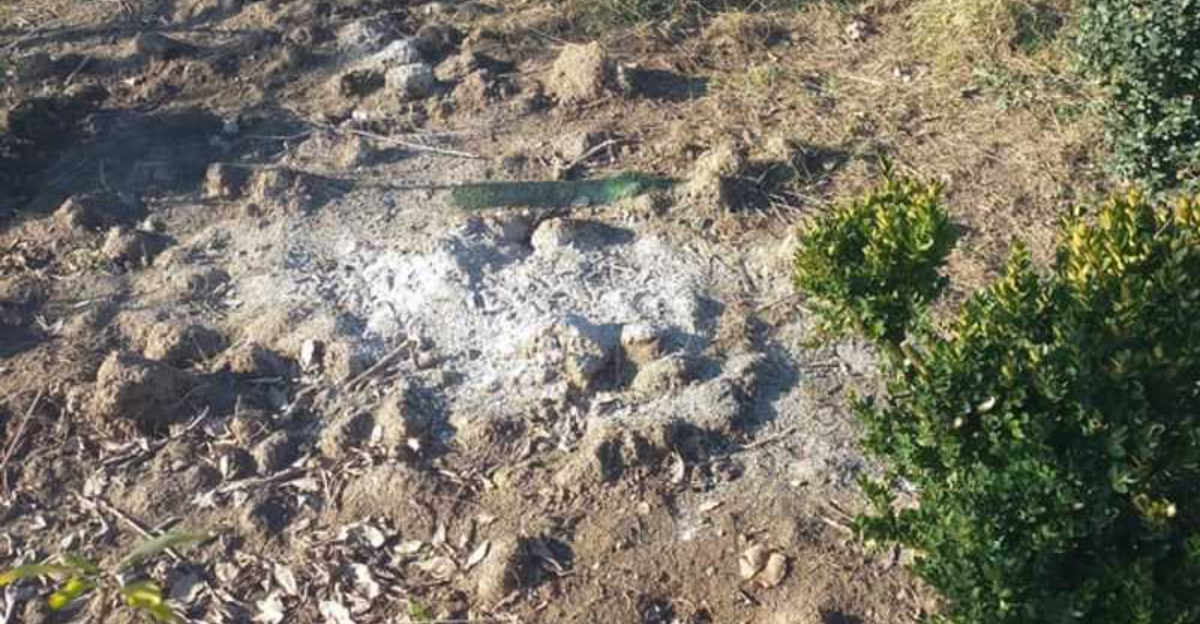
As wood stoves glow across Michigan in December, many homeowners are repurposing their fireplace leftovers in a surprisingly beneficial way—by adding wood ash to their gardens.
Far more valuable than it may appear, clean, untreated ash is rich in potassium, calcium, and trace minerals that Michigan’s often acidic soils crave.
Winter is the perfect time to apply it, too: the freeze-thaw cycle helps distribute nutrients evenly, and dormant beds absorb minerals without risk of fertilizer burn.
For generations, gardeners have used wood ash to improve soil structure, raise pH levels, and prepare their beds for productive spring planting.
Today, even modern gardeners are rediscovering this traditional technique as a sustainable, cost-free way to support healthier soil.
Whether you’re tending vegetables, perennials, or fruit trees, December wood ash applications can give your garden a quiet but powerful head start. Here’s why Michigan gardeners swear by it.
Raises Soil pH Naturally
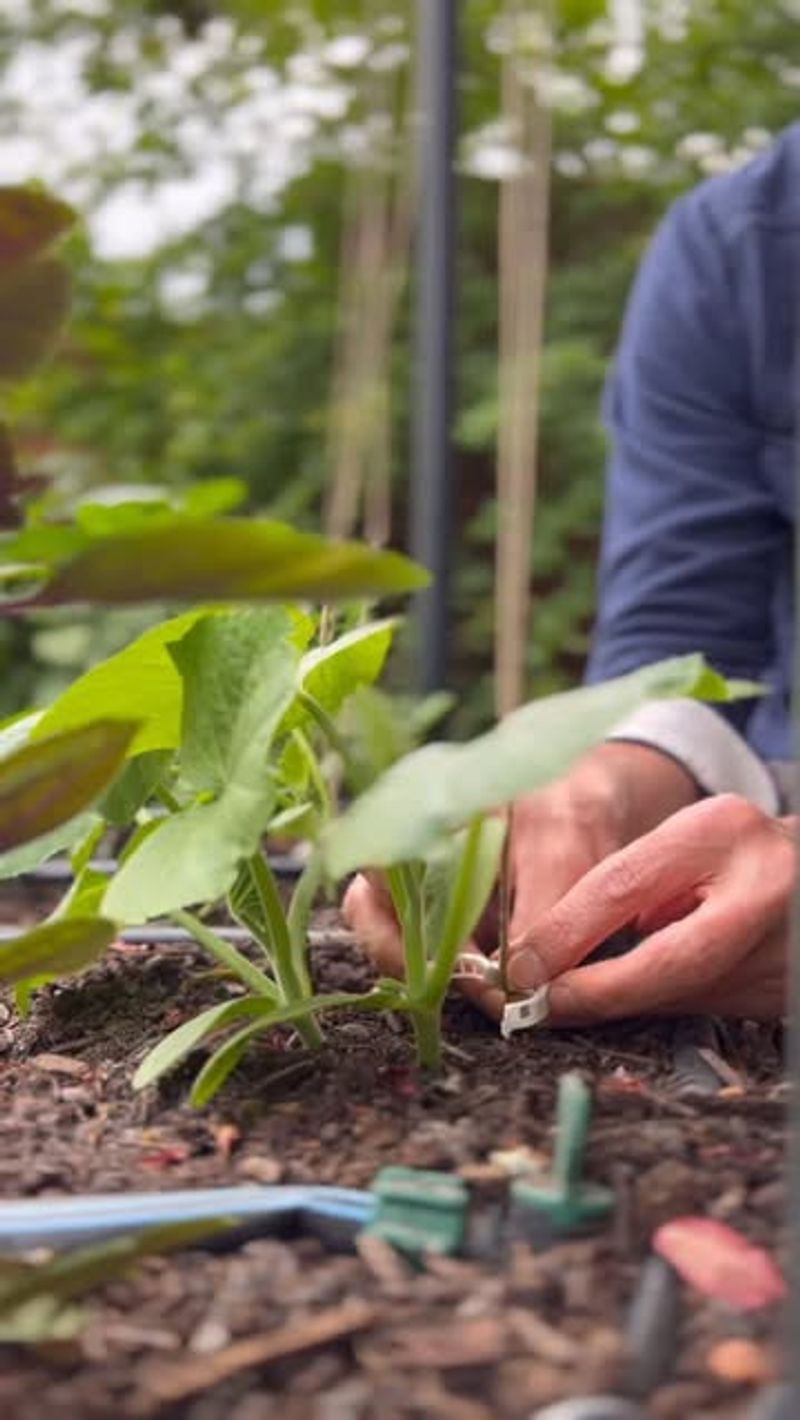
Michigan soils often lean toward the acidic side, especially in areas with heavy rainfall and pine tree coverage.
Wood ash works as a natural lime substitute, gradually raising pH levels to create a more balanced growing environment for vegetables and flowers.
Most garden plants thrive in slightly acidic to neutral soil, with pH levels between 6.0 and 7.0.
Applying ash in December gives it months to integrate with the soil before spring planting begins.
Winter moisture from snow and rain helps dissolve the alkaline compounds in ash, distributing them evenly throughout your garden beds.
This slow-release approach prevents the sudden pH spikes that can stress plants when amendments are added right before planting.
Vegetables like broccoli, cabbage, and asparagus particularly appreciate the pH boost that wood ash provides.
Testing your soil first ensures you apply the right amount, since overly alkaline conditions can be just as problematic as acidic ones.
A simple home test kit reveals whether your garden will benefit from this natural pH adjustment.
The gradual winter application method makes wood ash one of the gentlest ways to correct acidic soil conditions.
Delivers Essential Potassium
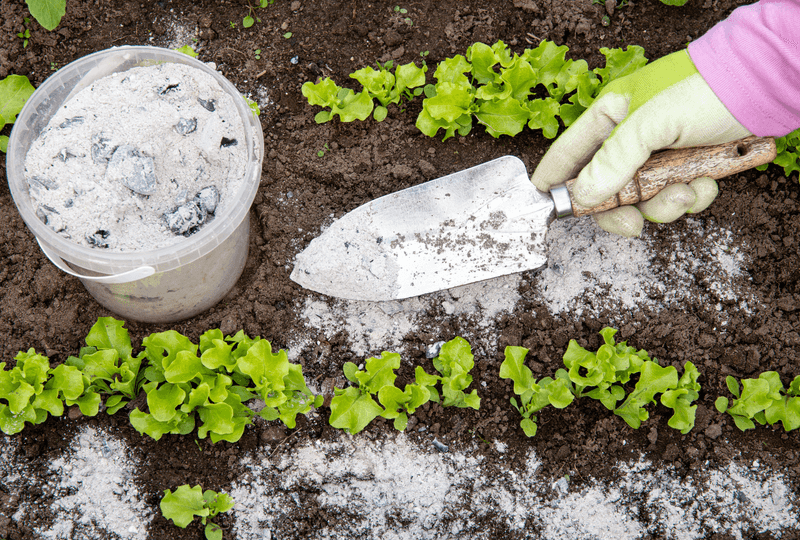
Potassium stands as one of the three major nutrients plants need for vigorous growth and disease resistance.
Wood ash contains between 3 and 7 percent potassium carbonate, making it an excellent organic source of this vital element.
December application allows potassium to penetrate deep into the root zone before your spring crops need it most.
This nutrient strengthens plant cell walls, improves drought tolerance, and enhances the flavor and color of fruits and vegetables.
Tomatoes, beans, and root vegetables show remarkable improvement when grown in potassium-rich soil.
Unlike synthetic fertilizers that can leach away quickly, the potassium in wood ash releases slowly throughout the growing season.
Michigan’s freeze-thaw cycles actually help break down ash particles, making nutrients more available to plant roots come springtime.
Roses and flowering perennials produce more vibrant blooms when they have adequate potassium supplies.
The slow-release nature means you’re building fertility for multiple growing seasons, not just one quick boost.
Spreading ash now creates a nutrient reserve that supports healthy growth from early spring through late summer harvests.
Deters Garden Pests Naturally

Soft-bodied pests like slugs and snails find wood ash extremely unpleasant to cross, making it a natural barrier for vulnerable plants.
The fine, abrasive texture irritates their sensitive undersides, encouraging them to find easier targets elsewhere.
Applying ash in December creates a protective layer that remains effective through winter and into early spring when these pests become active.
Michigan gardeners often struggle with slug damage on hostas, lettuce, and other tender plants as temperatures warm.
A light ring of ash around susceptible plants provides months of protection without harsh chemicals or expensive commercial products.
The alkaline nature of wood ash also discourages certain soil-dwelling insects that prefer acidic conditions.
Winter application means the barrier is already in place before pest populations explode in April and May.
Rain and snow will gradually reduce the effectiveness, but December ash still offers valuable early-season protection.
Refreshing the ash barrier in early spring extends protection throughout the growing season.
This simple, free pest management strategy works particularly well in organic gardens where chemical pesticides aren’t an option.
Improves Soil Structure

Heavy clay soils plague many Michigan gardens, creating drainage problems and making spring planting difficult.
Wood ash contains calcium carbonate and other minerals that help break up dense clay particles, improving overall soil structure.
December application takes advantage of winter weather to naturally incorporate ash throughout the soil profile.
Freeze-thaw cycles work the ash deeper into the ground, creating air pockets and improving drainage without manual tilling.
Better soil structure means roots can penetrate more easily and water drains properly instead of pooling on the surface.
The calcium in wood ash acts as a binding agent that helps clay particles clump together into larger, more manageable aggregates.
This process creates the crumbly, workable texture that gardeners dream about when preparing spring beds.
Improved structure also increases the soil’s ability to hold nutrients and beneficial microorganisms.
Sandy soils benefit too, as ash adds body and helps retain moisture that would otherwise drain away too quickly.
Applying ash now means your soil will be in prime condition when planting season arrives, saving hours of backbreaking work.
Provides Trace Minerals

Beyond the major nutrients, wood ash delivers a spectrum of trace minerals that plants need in smaller quantities but still require for optimal health.
Calcium, magnesium, phosphorus, and boron all appear in varying amounts depending on what type of wood was burned.
These micronutrients support everything from photosynthesis to fruit development, acting as catalysts for countless plant processes.
December application ensures these minerals integrate fully with your soil ecosystem before the growing season demands them.
Calcium prevents blossom-end rot in tomatoes and peppers, a common problem in Michigan gardens with mineral-deficient soil.
Magnesium plays a central role in chlorophyll production, giving plants their healthy green color and supporting vigorous growth.
Boron improves pollination and fruit set, leading to better yields from fruit trees, berries, and vegetable crops.
The trace mineral content varies based on wood type, with hardwoods generally providing richer mineral profiles than softwoods.
Winter moisture helps dissolve and distribute these minerals evenly, creating a balanced nutrient base throughout your garden beds.
This comprehensive mineral boost supports healthier plants that resist disease and produce abundant harvests all season long.
Reduces Aluminum Toxicity
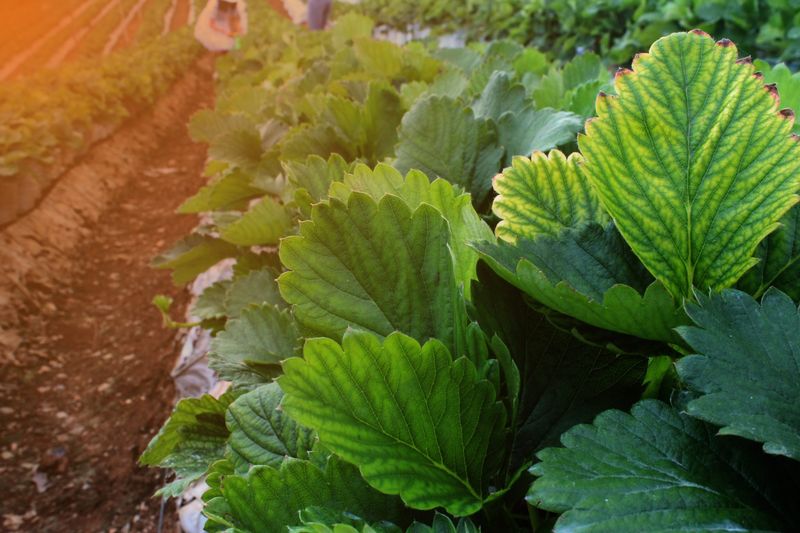
Acidic Michigan soils sometimes contain elevated aluminum levels that become toxic to plants, stunting root growth and limiting nutrient uptake.
Wood ash raises soil pH, which causes aluminum to form compounds that plants cannot absorb, effectively neutralizing its harmful effects.
December application provides months for this chemical transformation to occur naturally before spring planting begins.
Blueberries and other acid-loving plants naturally tolerate aluminum, but most vegetables and flowers suffer when levels climb too high.
Symptoms of aluminum toxicity include stunted growth, yellowing leaves, and poor root development despite adequate water and nutrients.
The calcium in wood ash competes with aluminum for binding sites on soil particles, further reducing aluminum availability to plant roots.
This protective effect lasts for several growing seasons, making winter ash application a long-term solution rather than a quick fix.
Testing your soil for both pH and aluminum content helps determine whether wood ash will benefit your specific garden conditions.
Areas near pine trees or in naturally acidic zones often show the most dramatic improvement from regular ash applications.
Healthier root systems translate directly to stronger plants that produce better yields and resist environmental stress more effectively.
Enhances Compost Quality
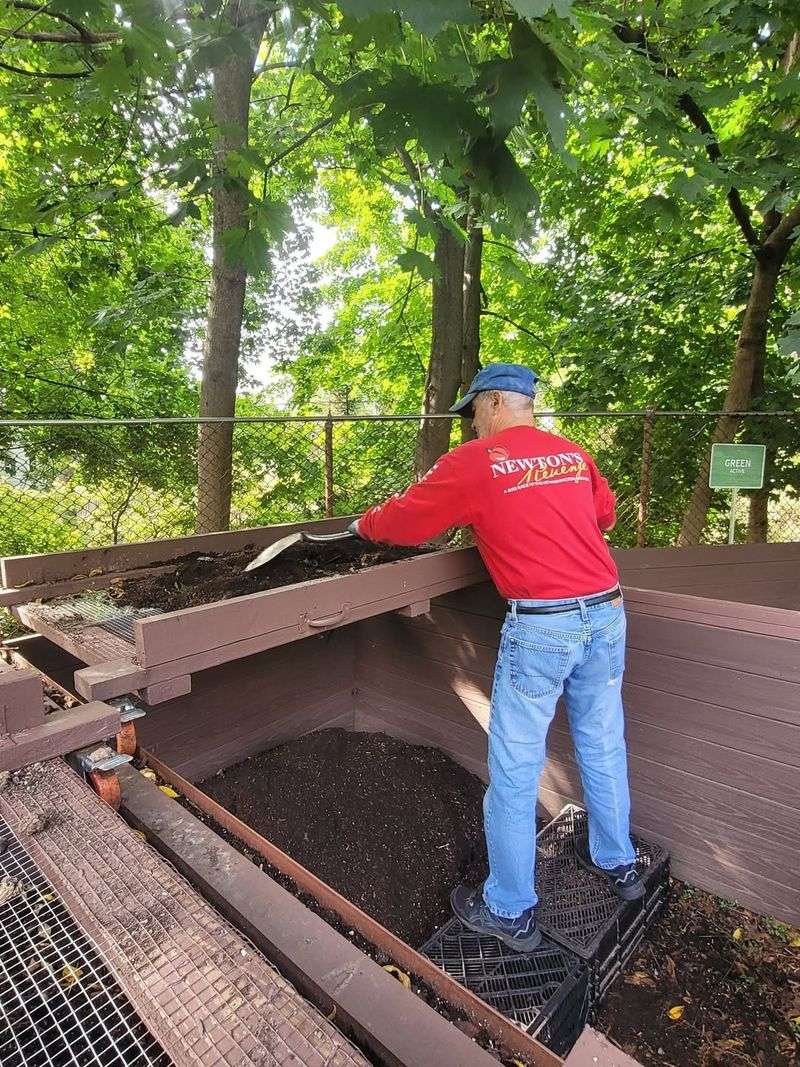
Adding wood ash to your compost pile during December boosts its mineral content and helps balance pH levels in the finished product.
Compost naturally tends toward acidity as organic matter breaks down, so ash acts as a natural counterbalance.
Winter composting slows down but doesn’t stop completely, and ash speeds decomposition by providing minerals that beneficial microorganisms need.
A light sprinkling between layers of kitchen scraps and yard waste creates ideal conditions for efficient breakdown.
The potassium and calcium in ash enrich your finished compost, making it an even more valuable soil amendment come spring.
Too much ash can make compost overly alkaline, so moderation matters—aim for about one cup per cubic foot of compost material.
December additions have all winter to integrate fully, producing beautifully balanced compost ready for spring garden beds.
The minerals from ash remain stable through the composting process, unlike some nutrients that can be lost through leaching or volatilization.
Finished compost enriched with wood ash provides both organic matter and mineral nutrition in one easy-to-apply package.
This double benefit makes ash-enhanced compost especially valuable for building long-term soil fertility in Michigan gardens.
Prevents Ice And Provides Traction
Garden paths and walkways become treacherous during Michigan winters, but wood ash offers a safer alternative to salt-based ice melts.
The dark color absorbs sunlight, helping melt thin ice layers while the gritty texture provides immediate traction on slippery surfaces.
Unlike rock salt, wood ash won’t harm plants when it washes into garden beds during spring thaw.
December through February applications keep pathways safe while simultaneously enriching the surrounding soil.
Salt damages plant roots and changes soil structure, but ash actually benefits both when used appropriately.
Spreading ash on garden paths means every step you take contributes to next season’s soil fertility rather than creating long-term damage.
The minerals gradually work into pathway edges where herbs, flowers, and vegetables will benefit from the nutrition.
This dual-purpose approach saves money on both ice melt products and garden amendments.
Ash works best on light ice and frost rather than thick ice layers, making it ideal for regular maintenance throughout winter.
Keeping a bucket of ash near your back door provides quick access for treating slippery spots before they become hazardous.
Supports Beneficial Microorganisms
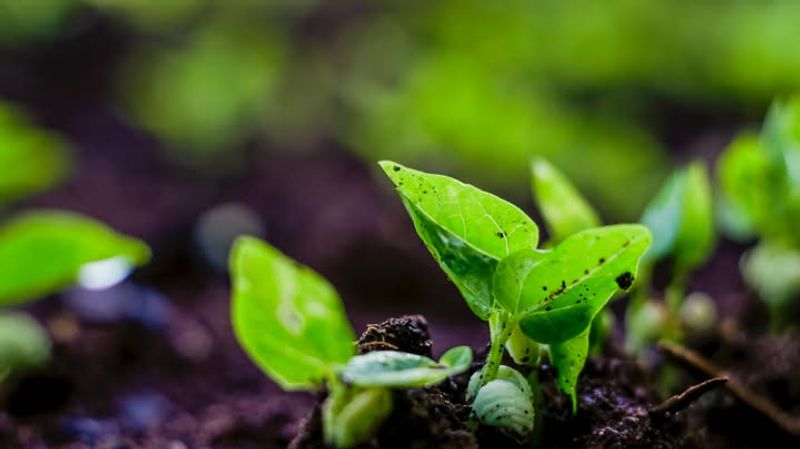
Healthy garden soil teems with billions of beneficial bacteria, fungi, and other microorganisms that support plant growth in countless ways.
Wood ash provides minerals that these tiny helpers need to thrive, creating a more vibrant underground ecosystem.
December application gives microbial populations all winter to adjust to improved conditions and multiply before spring planting demands increase.
Calcium from ash supports bacterial cell walls, while potassium aids in various metabolic processes that keep soil biology functioning efficiently.
Beneficial fungi form partnerships with plant roots, extending their reach and improving nutrient uptake in exchange for sugars from photosynthesis.
These fungal networks grow more extensively in mineral-rich soil, creating stronger, healthier plant communities.
The pH adjustment from wood ash also favors beneficial organisms over harmful ones that prefer highly acidic conditions.
Winter months allow these populations to establish themselves without competition from weeds or disturbance from gardening activities.
By spring, your soil biology will be primed and ready to support vigorous plant growth from the moment seeds germinate.
This underground support system works tirelessly to break down organic matter, suppress diseases, and deliver nutrients exactly where plants need them most.