Why Michigan Lavender Struggles In Winter And How To Help It Survive
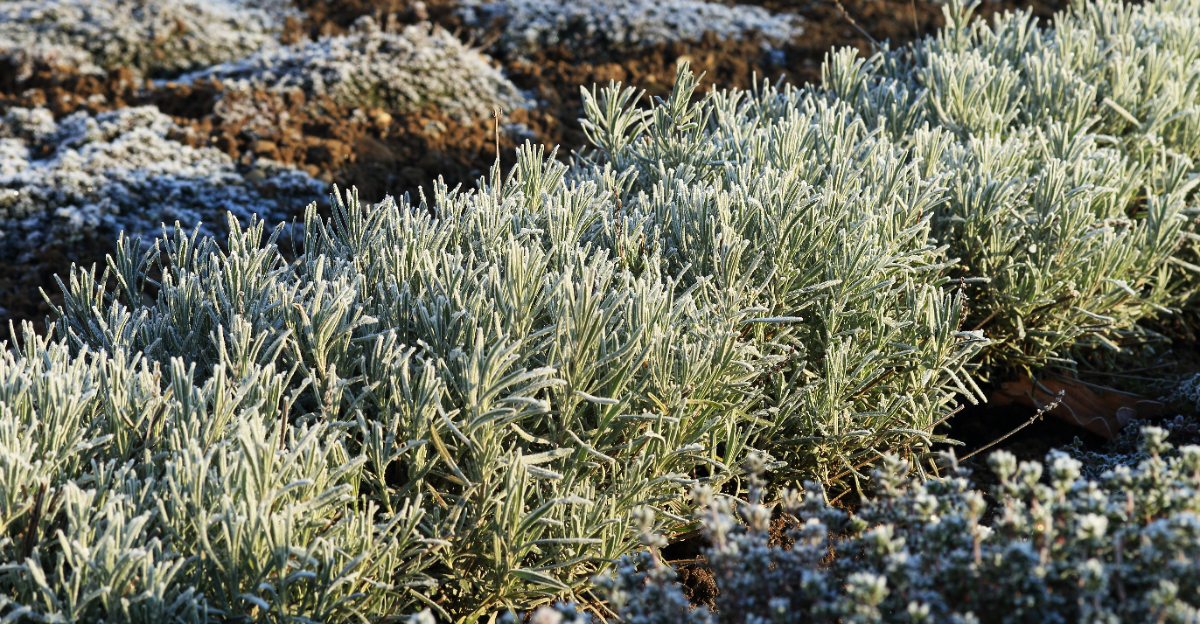
Few plants capture the imagination quite like lavender, with its silvery foliage and calming fragrance that instantly brings to mind sunny fields and warm breezes.
In Michigan, however, growing lavender can feel challenging once winter arrives. Cold temperatures combined with excess moisture create conditions that this Mediterranean native does not naturally prefer.
Many gardeners plant lavender with excitement, only to discover weak growth or patchy plants when spring returns. The issue is rarely just the cold itself.
Poor drainage, heavy soil, and winter wetness often play a larger role in plant stress. The encouraging part is that most of these problems are avoidable with the right preparation and planting choices.
Michigan gardeners who understand how winter conditions affect lavender can make simple adjustments that dramatically improve survival and performance.
By recognizing these nine common challenges, you can protect your plants and enjoy healthy, fragrant lavender thriving beautifully throughout the year.
1. Winter Wetness Causes Root Rot
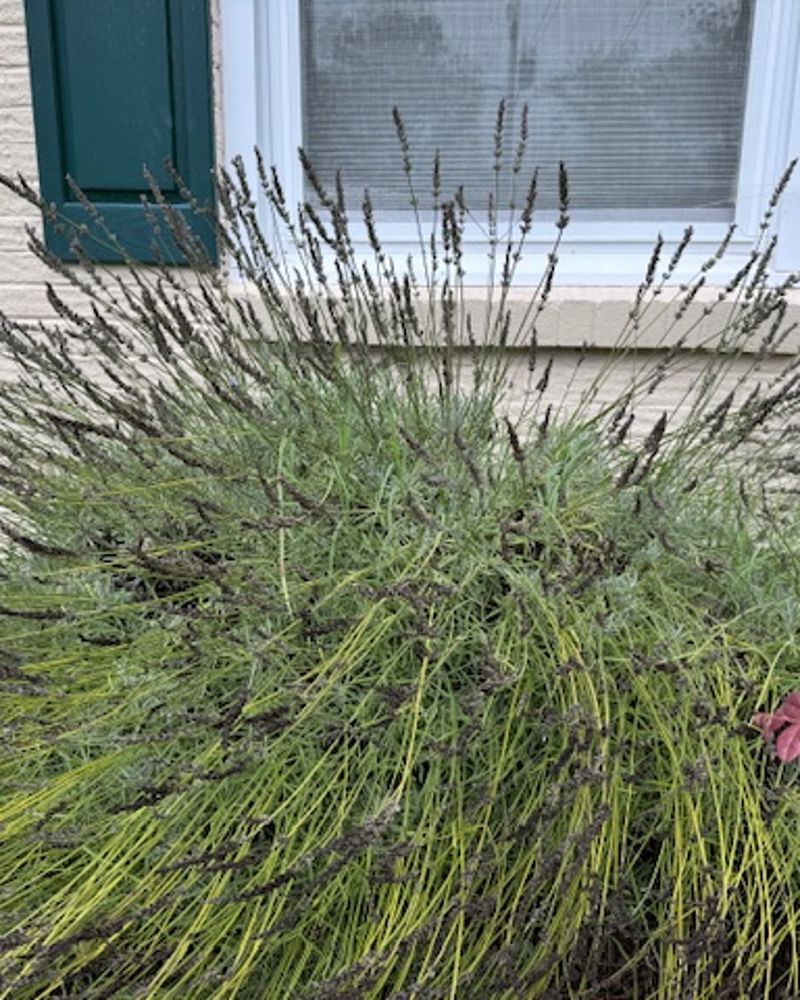
Here is a surprising truth most Michigan gardeners learn the hard way: lavender rarely struggles because of cold temperatures alone.
The real culprit hiding beneath the surface is soggy, waterlogged soil that suffocates roots through the long winter months.
When water sits around the roots without draining away, oxygen cannot reach them, and the roots begin to break down from rot.
Michigan winters bring consistent moisture through snow, ice, and freezing rain, and that moisture has nowhere to go in poorly draining ground.
Lavender evolved in the dry, rocky hillsides of the Mediterranean region, where water drains almost instantly after rainfall.
Placing that same plant in dense, wet Michigan soil is like asking a cactus to thrive in a swamp. Raising your lavender beds by even six to eight inches makes a dramatic difference in drainage.
Mixing coarse sand and fine gravel into your planting area creates the sharp drainage lavender roots genuinely need.
Raised beds work especially well because they allow water to flow away from the crown naturally.
Choosing a planting spot with a slight slope also helps redirect winter moisture before it has a chance to pool. Give your lavender the dry footing it craves, and it will reward you beautifully come spring.
2. Freeze-Thaw Cycles Damage Roots
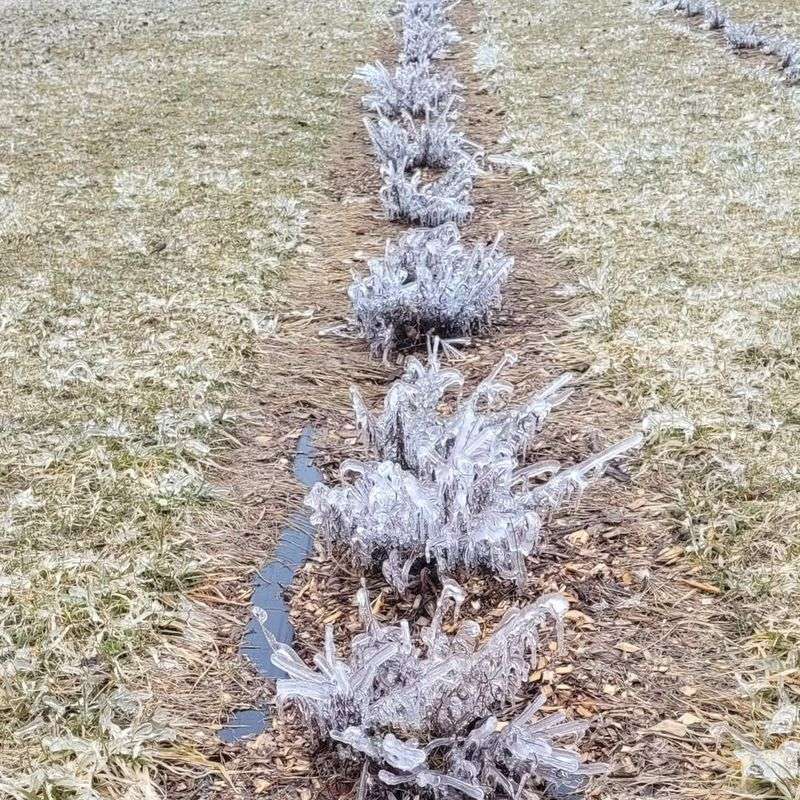
Michigan winters are not always a steady deep freeze, and that inconsistency is actually one of the biggest threats to lavender survival.
Temperatures can drop sharply below freezing overnight and then climb back above freezing during the afternoon, sometimes multiple times within a single week.
This back-and-forth cycle puts enormous physical stress on lavender roots and crowns in ways that a consistent cold snap simply does not. When soil freezes, it expands. When it thaws, it contracts.
This repeated movement can literally push lavender plants upward out of the ground in a process called frost heaving, leaving roots exposed to drying air and additional cold damage.
The crown of the plant, which sits right at soil level, takes the hardest hit during these swings because it sits at the exact point where freezing and thawing are most intense.
Improving soil drainage is the most effective defense against freeze-thaw damage because drier soil heaves far less than saturated soil.
Adding coarse grit and sand to your planting mix keeps soil looser and better aerated through temperature swings.
Avoid piling heavy organic mulch directly against the plant base, since that traps moisture and makes heaving worse.
A thin layer of gravel around the crown allows air to circulate while still offering a small buffer against the most extreme overnight temperature drops Michigan winters like to throw at gardeners.
3. Heavy Clay Soils Retain Too Much Moisture
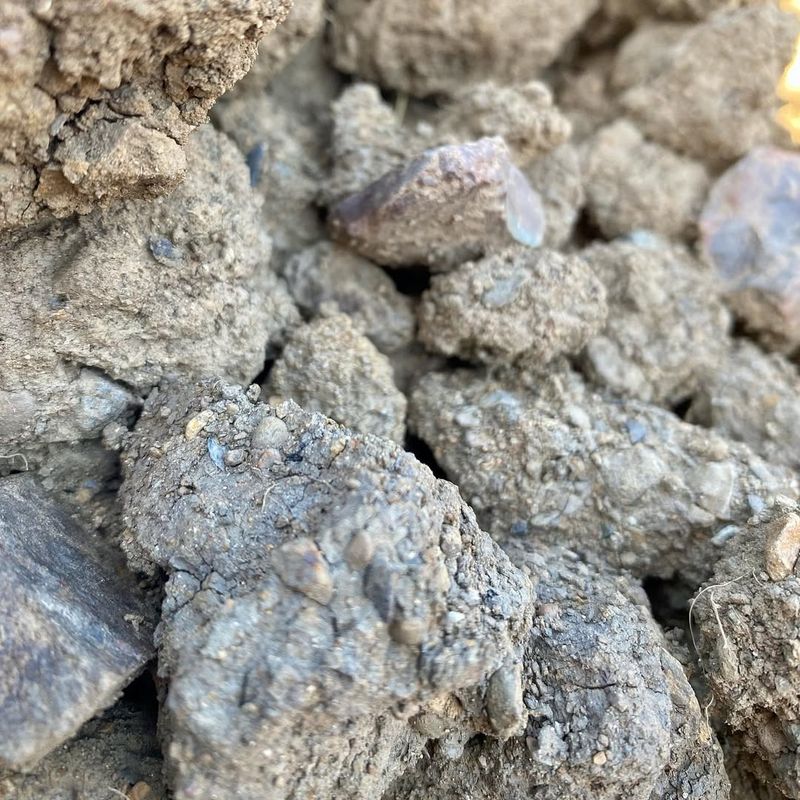
Much of Michigan sits on top of heavy clay soil, and while that might be great for certain vegetables, lavender absolutely cannot tolerate it through winter.
Clay particles are incredibly fine and pack tightly together, leaving almost no space for water to move through or drain away.
After a heavy snow melts or a rainy autumn week, clay soil holds onto that moisture for days or even weeks at a time.
Lavender roots sitting in clay through a Michigan winter are essentially submerged in cold, wet ground with very little oxygen available.
That combination is a perfect recipe for crown rot, fungal problems, and root failure by the time spring arrives.
Many gardeners assume their lavender simply could not handle the cold, when the real issue was the soil holding water against the roots the entire time.
Correcting clay soil takes some real effort, but the results are absolutely worth it. Work generous amounts of coarse builder’s sand and pea gravel into the planting bed, aiming for a ratio that creates a noticeably grittier, looser texture.
Raised beds filled with a custom sandy mix are honestly the easiest solution for Michigan clay gardeners because they sidestep the native soil entirely. Planting in containers with excellent drainage is another smart workaround.
Once you give lavender the fast-draining, gritty home it needs, surviving a Michigan winter becomes far more realistic and rewarding.
4. Snow Melt Saturates The Crown
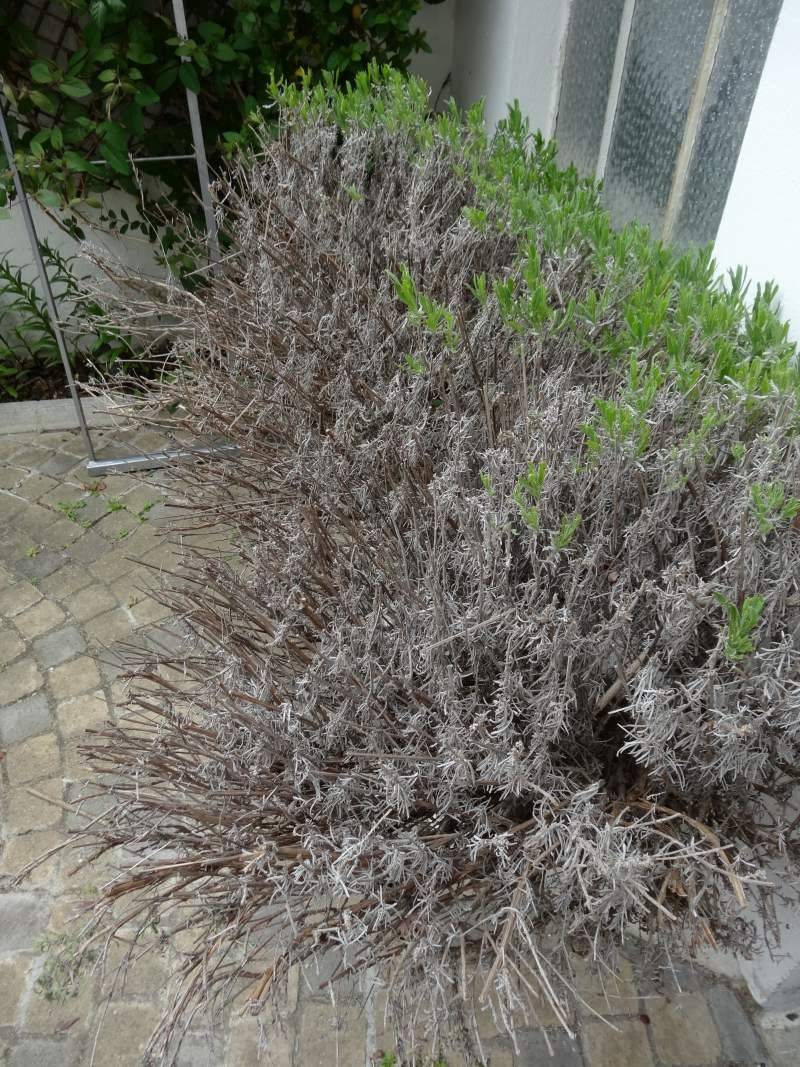
Snow looks harmless sitting on top of a garden bed through January and February, but what happens when it melts is a completely different story.
A heavy snowpack built up over several weeks can release a surprisingly large volume of water in a short period of time, and all of that water flows directly down toward plant crowns sitting at ground level.
Lavender crowns are especially sensitive to prolonged wet conditions, and weeks of snowmelt pooling around the base of the plant can push them past their limit.
The crown is the central growing point of the lavender plant, the spot where stems meet roots, and it is the most vulnerable part of the whole plant during winter.
When the crown stays wet for extended periods, it becomes a prime target for fungal rot and bacterial breakdown.
By the time you notice the damage in spring, recovery is often very difficult because the core of the plant has already been compromised from the inside out.
Planting lavender slightly elevated above the surrounding soil grade is one of the simplest and most effective solutions to this problem.
Even a gentle mound just three to four inches high allows snowmelt to flow away from the crown rather than pooling around it. Sloping your beds away from the planting area adds even more protection.
Pairing elevation with excellent drainage below creates the ideal conditions for lavender to stay drier through the critical late winter and early spring melt period Michigan gardeners know so well.
5. Incorrect Lavender Variety Selection
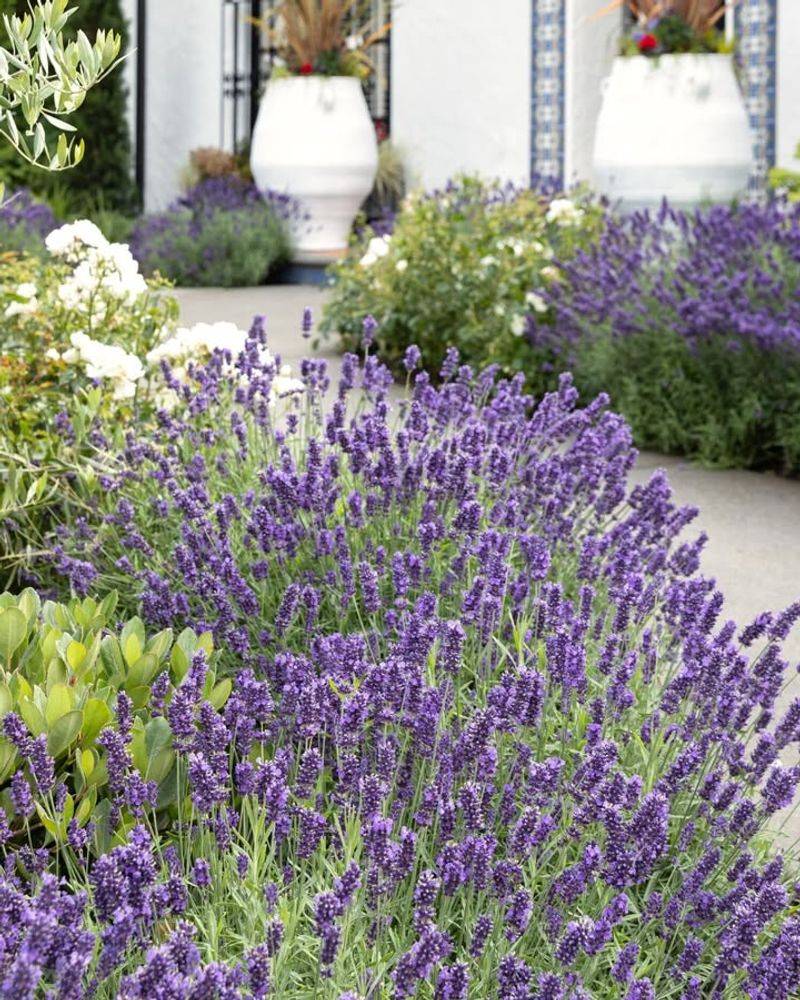
Not all lavender is created equal, and choosing the wrong type for Michigan’s climate is one of the most common mistakes gardeners make.
French lavender and Spanish lavender are beautiful plants with unique, showy blooms, but they are simply not built to handle the freezing temperatures Michigan winters regularly deliver.
Most French and Spanish varieties begin to struggle when temperatures drop below about 10 to 15 degrees Fahrenheit, which is well within Michigan’s normal winter range.
English lavender, known by its botanical name Lavandula angustifolia, is the cold-hardy champion of the lavender world.
It evolved in cooler mountain climates and carries genuine genetic toughness against frost and prolonged cold.
Specific cultivars within this species offer even better cold tolerance, making variety selection one of the most important decisions a Michigan lavender gardener can make before ever touching a shovel.
Munstead and Hidcote are two of the most reliably cold-hardy English lavender cultivars available, and both perform consistently well in Michigan gardens when drainage and soil conditions are right.
Munstead grows into a compact, tidy mound with soft lavender-blue flowers, while Hidcote produces deeper purple blooms on a slightly more upright plant. Both handle cold down to USDA zone 5, which covers most of Michigan comfortably.
Shopping at reputable local nurseries rather than big-box stores increases your chances of finding truly cold-hardy stock grown and tested for northern climates.
6. Heavy Mulch Traps Moisture
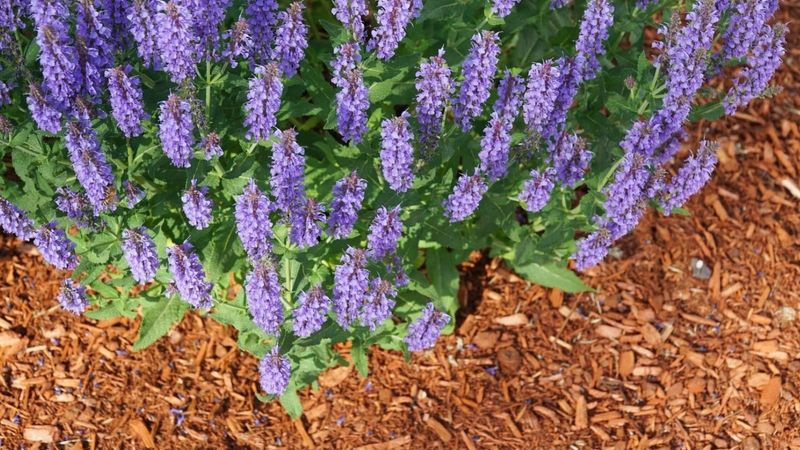
Mulching feels like the responsible, protective thing to do before winter sets in, and for most garden plants, it absolutely is. Lavender, though, plays by a completely different set of rules.
Piling thick organic mulch like wood chips, straw, or shredded leaves directly against the base of a lavender plant traps moisture right where the crown is most vulnerable.
Instead of protecting the plant, heavy organic mulch can actually speed up the very rot you were trying to prevent.
Organic mulches are designed to hold moisture and slowly break down, releasing nutrients into the soil over time.
Those are wonderful qualities for moisture-loving plants, but lavender wants the opposite. It needs its crown and root zone to stay as dry as possible through winter dormancy.
A thick blanket of soggy wood chips sitting against lavender stems through a Michigan winter creates a persistently damp microenvironment that fungal pathogens absolutely love.
Switching to a gravel or crushed stone mulch changes everything for lavender. Gravel allows water to pass through quickly without holding it against the plant, and it also reflects a small amount of warmth from sunlight during the day.
Apply a two to three inch layer of pea gravel or coarse grit around the base of the plant, keeping it a little away from direct contact with the stems.
This simple swap dramatically reduces moisture-related problems and gives lavender the dry, well-ventilated base it naturally thrives with through cold Michigan winters.
7. Poor Air Circulation Increases Fungal Risk
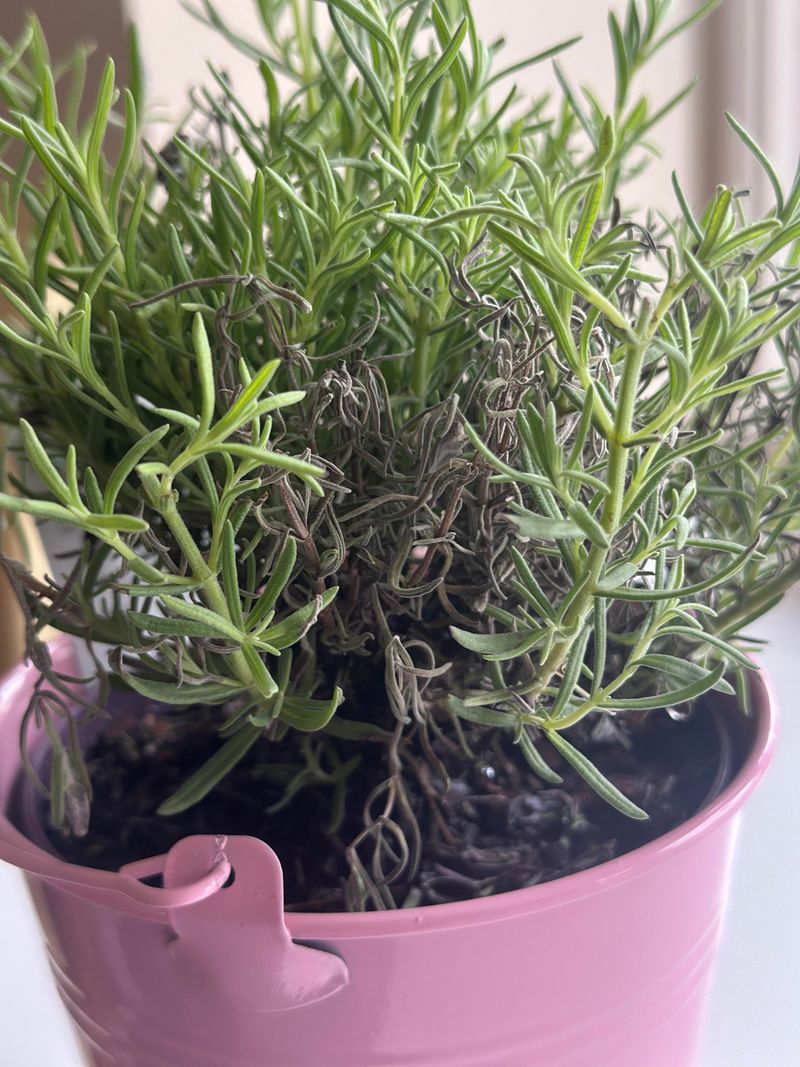
Lavender loves breathing room, and that need becomes even more critical during Michigan’s cold, damp winters.
When plants are crowded too closely together, air cannot move freely between them, and moisture from rain, snow, and morning frost lingers on stems and foliage far longer than it should.
That persistent dampness creates exactly the kind of humid microclimate where fungal diseases like botrytis blight and gray mold quietly take hold.
Fungal problems in lavender often develop slowly and invisibly through the winter months, only becoming obvious once spring arrives and the plant fails to push out fresh growth. By then, the damage is already deep inside the plant’s structure.
Crowded spacing is often overlooked as a cause because it seems like such a small detail, but it consistently contributes to winter losses in Michigan lavender gardens more than most growers expect.
Spacing English lavender varieties at least two to three feet apart in all directions gives each plant the airflow it needs to stay drier and healthier through dormancy.
Pruning lavender into a neat, rounded mound shape in late summer also helps by reducing the density of the plant’s interior and allowing better air movement through the canopy.
Avoid planting lavender near fences, walls, or other dense plantings that block prevailing breezes.
Good airflow is one of those simple, cost-free strategies that pays off enormously when Michigan winter finally releases its grip and your lavender emerges looking fresh and full of life.
8. Winter Winds Cause Desiccation
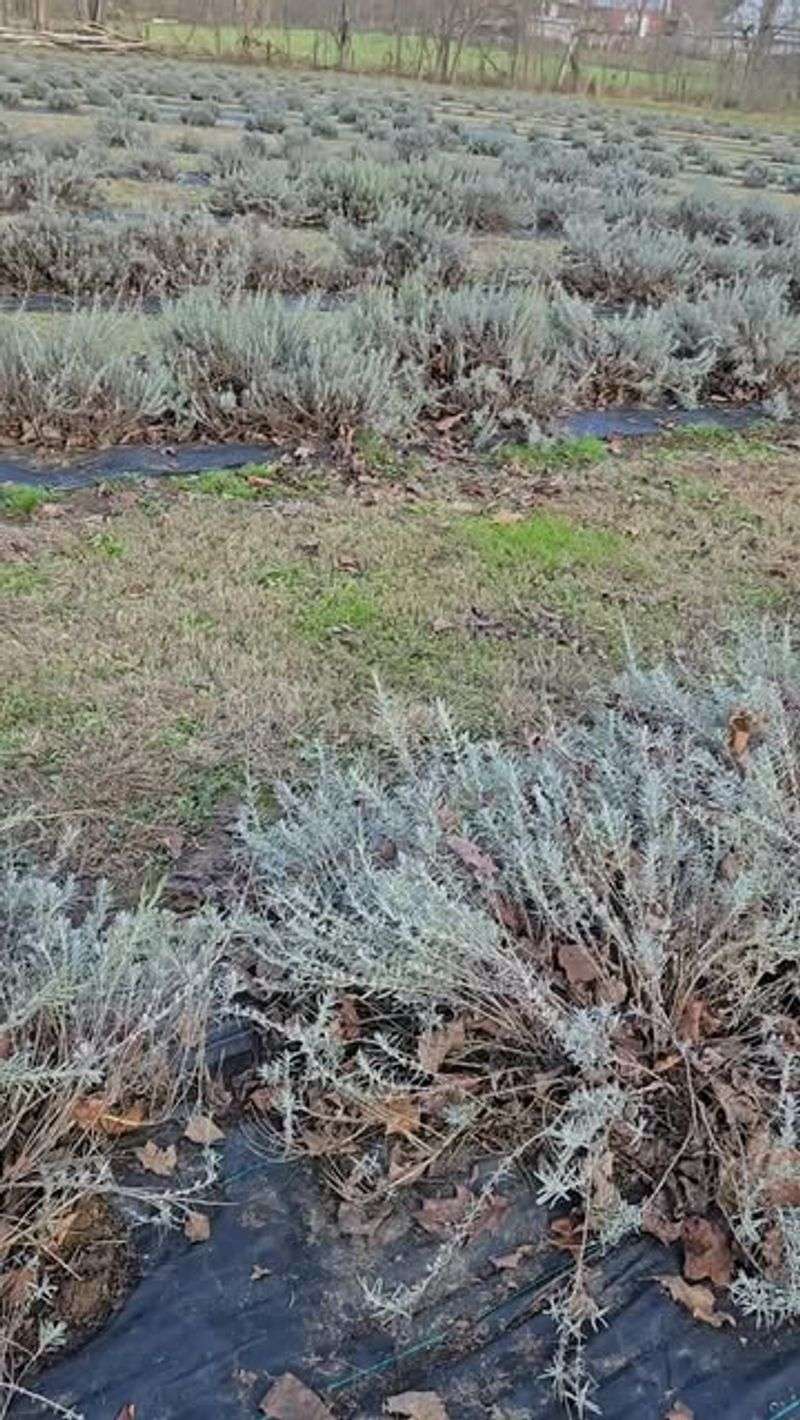
Michigan winters are not just cold and wet, they are also notoriously windy, especially across the western part of the state near Lake Michigan.
That persistent winter wind creates a problem for lavender that most gardeners do not immediately think about: desiccation.
Lavender is an evergreen plant, meaning it holds onto its foliage through winter rather than going fully dormant like most perennials.
That foliage is constantly exposed to drying wind while the roots remain locked in frozen ground and cannot replace the lost moisture.
When foliage loses moisture faster than roots can supply it, the plant essentially dries out from the top down.
Leaves turn brown and brittle, stems become fragile, and the plant enters spring already weakened and stressed.
In severe cases, entire sections of the plant that looked perfectly healthy through December can be completely dried out by February, not from freezing cold, but from wind pulling moisture out of the leaves nonstop.
Choosing a planting location that offers some natural wind protection makes a meaningful difference without sacrificing the drainage lavender needs.
A spot near a low garden wall, a loose hedge, or on the sheltered side of a building can cut wind exposure significantly while still allowing good air movement around the plant.
Avoid low-lying areas where cold air pools overnight, and skip fully exposed hillsides or open fields in windy regions.
Finding that sweet spot between shelter and drainage is the key to helping Michigan lavender handle winter wind with grace.
9. Planting Too Late In Fall Prevents Root Establishment
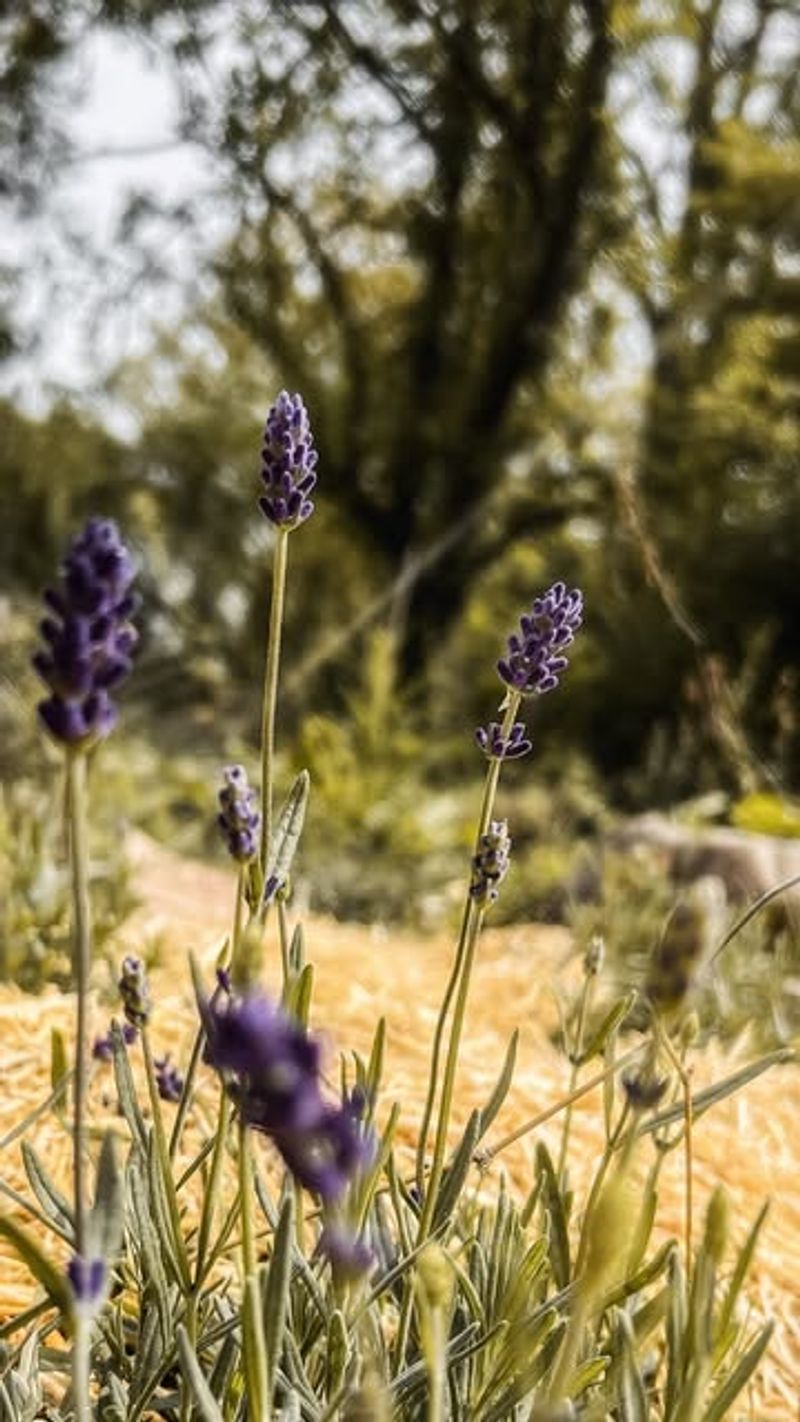
Timing matters more than most people realize when it comes to planting lavender in Michigan, and fall planting is one of the riskiest choices you can make.
When lavender goes into the ground in September or October, it has very little time to grow a strong, established root system before the soil freezes solid.
Roots need warmth, consistent moisture, and several weeks of active growth to anchor the plant firmly and build the resilience needed to handle a Michigan winter.
A newly planted lavender with shallow, undeveloped roots is far more vulnerable to frost heaving, crown saturation, and freeze-thaw stress than one that has spent an entire growing season getting established.
The plant simply does not have the root depth or mass to buffer itself against the rapid temperature changes and moisture extremes that Michigan winters deliver.
Many gardeners blame cold hardiness or variety choice for spring failures that were actually caused by late fall planting all along.
Spring planting, ideally in May or early June after the last frost date has passed, gives lavender the longest possible window to establish before winter returns.
An early summer planting in a Michigan garden can produce a surprisingly strong root system by autumn if the soil is well-prepared and the plant receives consistent watering during its first few weeks.
Give your lavender a full growing season to settle in, and it will face its first Michigan winter from a position of real strength rather than vulnerability.