Why Mindful Planting Helps Colorado Gardeners Handle Winter Stress
Mindful planting helps Colorado gardeners handle winter stress by giving them calm moments with soil, gentle tasks and simple routines that make cold days feel far more manageable.
I enjoy how these slow activities create peaceful focus because tending small indoor plants offers comforting structure and a soothing break from busy thoughts during long winter stretches.
Many gardeners appreciate this practice since mindful planting brings steady relaxation, supportive habits, gentle creativity and a grounding feeling that makes challenging winter weeks feel easier to navigate successfully.
1. Indoor Herb Gardens Bring Fresh Purpose
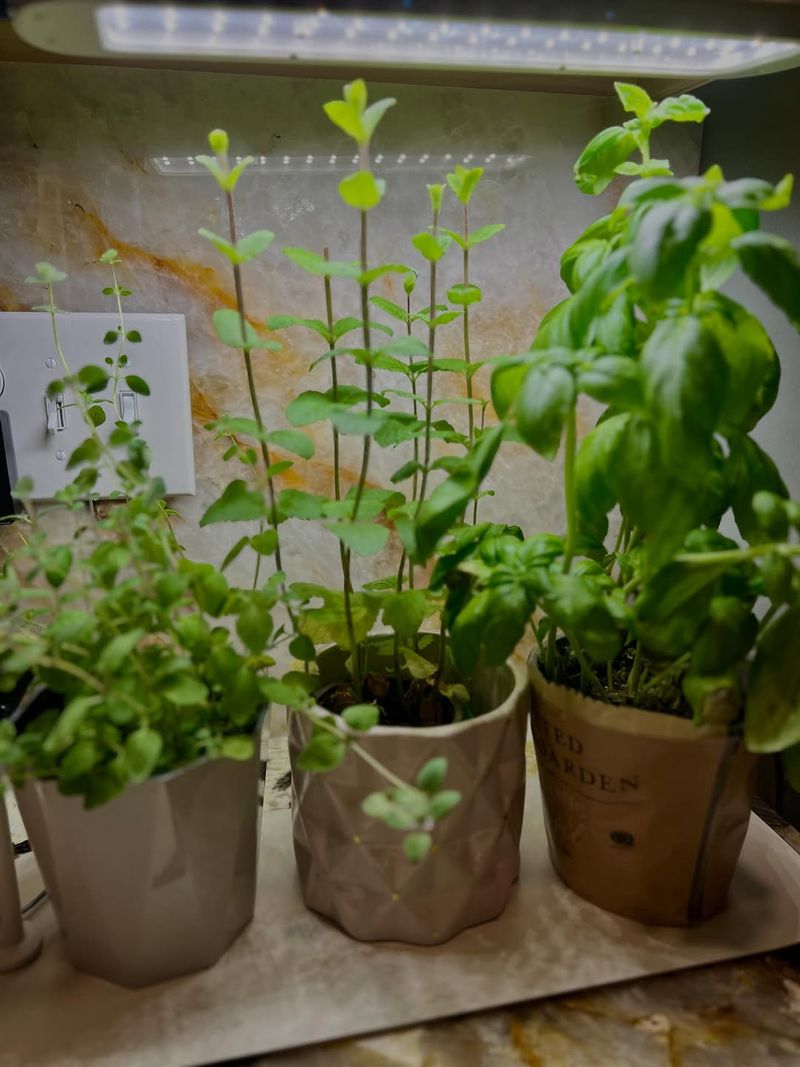
Growing herbs indoors during Colorado winters creates a sense of accomplishment that helps combat seasonal sadness and keeps your gardening skills sharp throughout colder months.
Basil, mint, and parsley thrive on sunny windowsills and require only basic care, making them perfect choices for beginners who want low-stress gardening experiences at home.
The simple act of watering and tending to these plants each morning establishes a calming routine that grounds you before the day’s challenges begin.
Fresh herbs also enhance your cooking, adding flavor and nutrition to winter meals while reminding you of summer gardens and warmer days ahead in Colorado.
Watching green leaves unfurl and stems stretch toward sunlight provides visual proof that life continues growing even when the world outside appears frozen and dormant.
Mindful attention to leaf color, soil moisture, and growth patterns trains your observation skills and helps you stay present in each moment rather than worrying constantly.
Indoor herb gardens require minimal space and investment, making them accessible to apartment dwellers and homeowners alike who seek connection with nature during harsh winters.
This practice transforms your kitchen into a living space filled with fragrance and vitality, creating a sanctuary from winter stress throughout the Colorado cold season.
2. Evergreen Container Planting Offers Year-Round Beauty
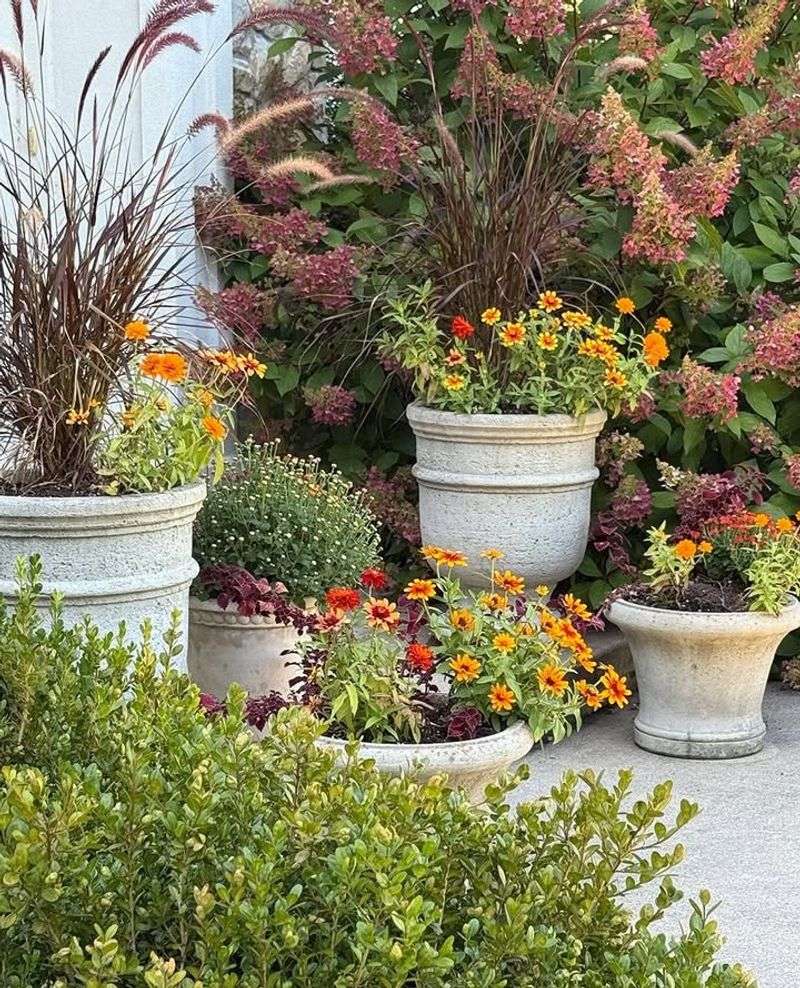
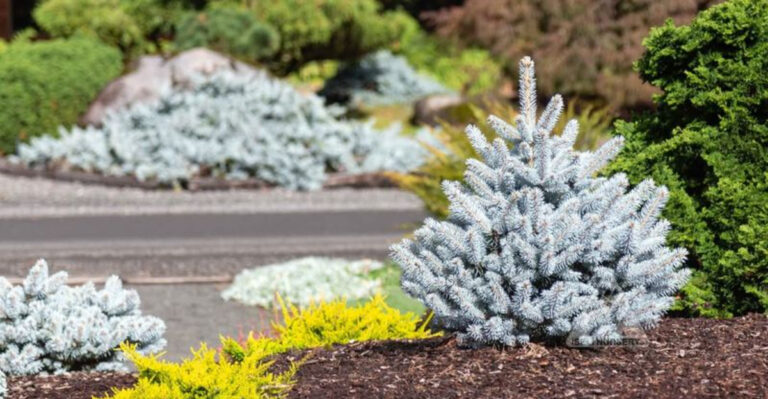
Container gardens featuring cold-hardy evergreens bring structure and color to porches and patios throughout Colorado winters, offering visual interest when most landscapes look barren.
Dwarf conifers, boxwood, and ornamental grasses survive freezing temperatures and provide texture that contrasts beautifully against snow-covered surfaces and gray winter skies across the state.
Arranging these containers becomes a meditative activity that encourages creativity while allowing you to work with your hands in a purposeful way during stressful times.
Unlike annual flowers that fade quickly, evergreen arrangements last for months with minimal care, giving you lasting satisfaction from a single planting effort in Colorado.
Adding seasonal elements like pinecones, birch branches, or colorful stems creates variety and keeps your containers feeling fresh as winter progresses through different phases statewide.
The act of checking on these plants and brushing off heavy snow becomes a gentle outdoor ritual that gets you moving and breathing fresh air regularly.
Evergreen containers also attract birds seeking shelter, adding movement and life to your outdoor space that brings joy and distraction from winter worries in Colorado.
This approach to mindful planting proves that gardening never truly stops, but simply adapts to the season, helping you maintain hope and connection year-round.
3. Bulb Forcing Creates Anticipation and Hope
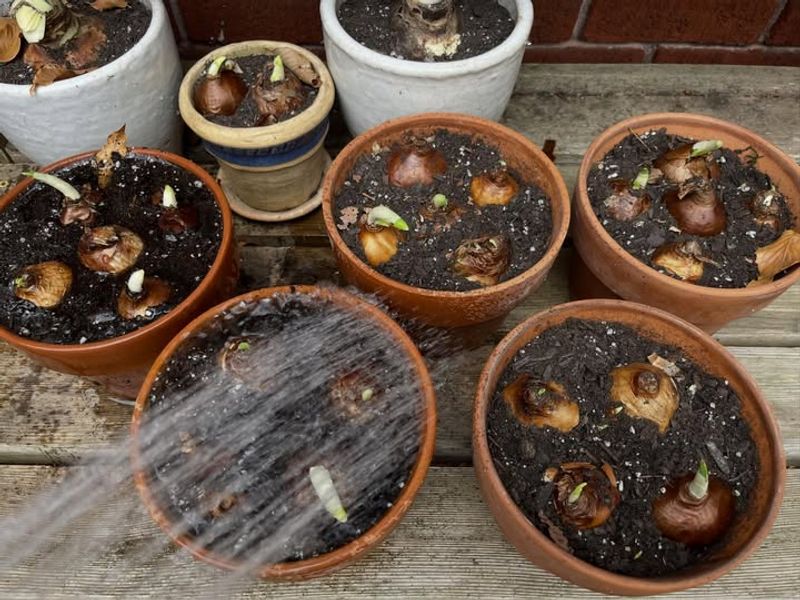
Forcing spring bulbs indoors during winter months gives Colorado gardeners something concrete to look forward to, as watching roots and shoots develop provides tangible evidence of progress.
Paperwhites, amaryllis, and hyacinth bulbs need only water and light to bloom indoors, making them foolproof projects that build confidence during seasons when nothing grows outside.
The slow transformation from dormant bulb to fragrant flower mirrors personal growth and reminds us that periods of rest eventually lead to beautiful breakthroughs in life.
Tracking daily changes in root length and stem height becomes a mindfulness practice that anchors attention in the present moment rather than dwelling on stressors.
Bulb forcing requires patience, teaching valuable lessons about trusting natural processes and accepting that some things cannot be rushed, no matter how much we worry or push.
The sweet fragrance of blooming bulbs fills Colorado homes with springtime scent during dreary winter days, lifting moods and creating positive associations with indoor spaces.
Sharing forced bulbs with friends and neighbors spreads joy throughout your community while strengthening social connections that help everyone cope better with seasonal challenges statewide.
This simple practice demonstrates that even in dormancy, potential exists, offering a powerful metaphor for maintaining optimism during Colorado’s longest and most challenging winter months.
4. Winter Sowing Connects You to Future Seasons
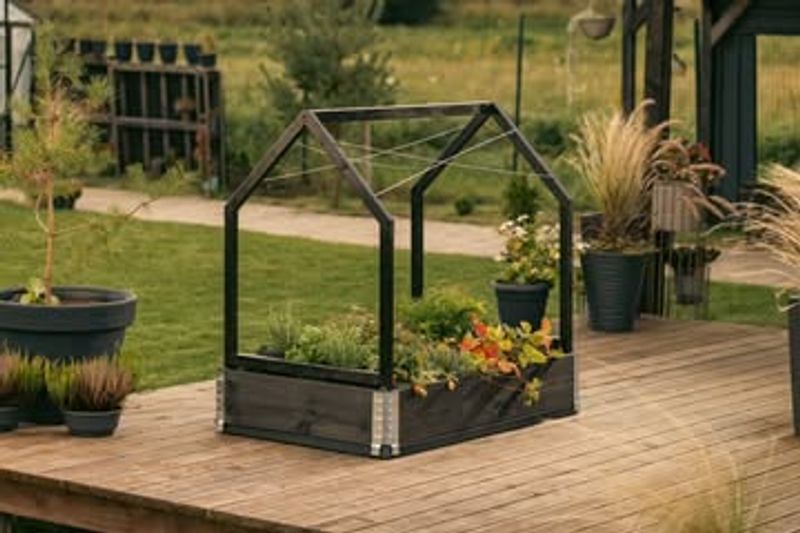
Winter sowing involves planting seeds in outdoor containers during cold months, allowing natural freeze-thaw cycles to prepare them for spring growth across Colorado’s variable climate zones.
This method requires minimal effort but keeps you engaged with gardening throughout winter, as preparing containers and selecting seeds provides purposeful activity on otherwise empty days.
Using recycled milk jugs and plastic containers turns waste into resources, adding an element of environmental mindfulness that aligns with sustainable living values many gardeners hold dear.
Checking on winter-sown containers becomes a reason to venture outside regularly, ensuring you get fresh air and sunlight even when motivation feels low during Colorado winters.
The process teaches trust in natural systems, as seeds stratify and prepare for germination without constant intervention, reminding us that growth happens even without control.
Planning which varieties to sow gives you something to research and dream about, filling winter evenings with hope-filled activity rather than stress or boredom in Colorado.
Come spring, winter-sown seedlings emerge strong and hardy, rewarding your patience with vigorous plants that outperform those started indoors under artificial conditions throughout the state.
This practice bridges seasons beautifully, helping Colorado gardeners maintain continuity in their relationship with the earth even when weather makes traditional gardening temporarily impossible or impractical.
5. Succulent Arrangements Require Minimal Stress
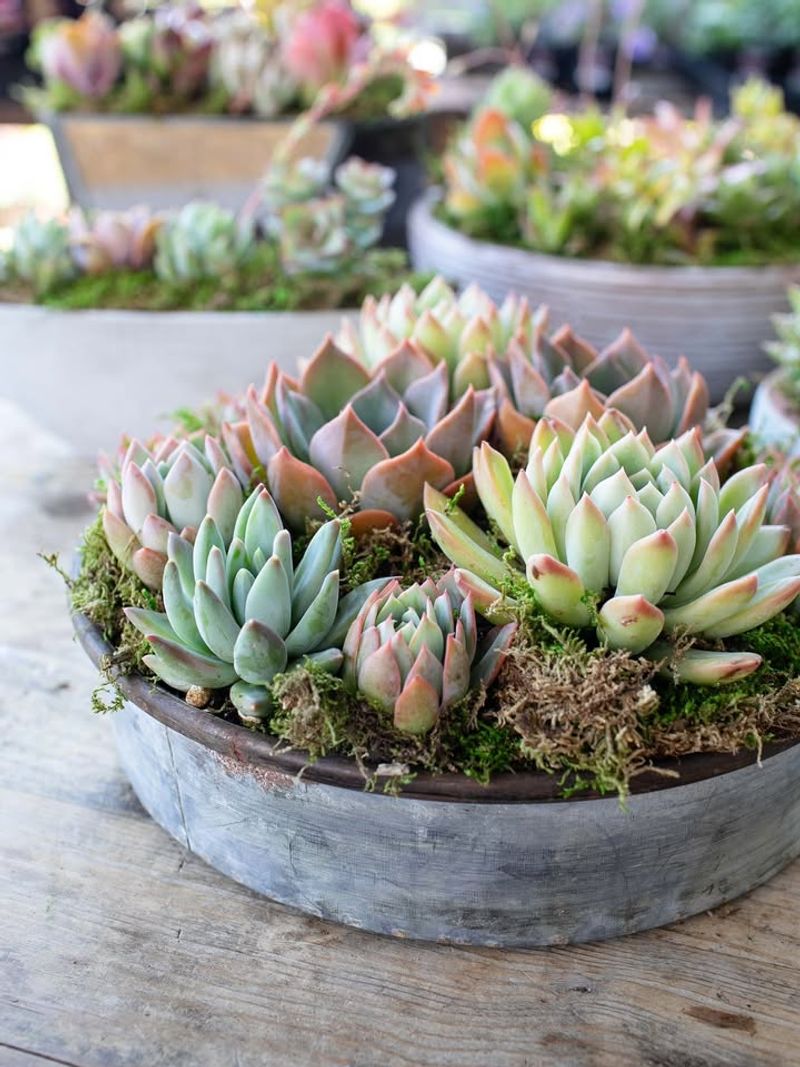
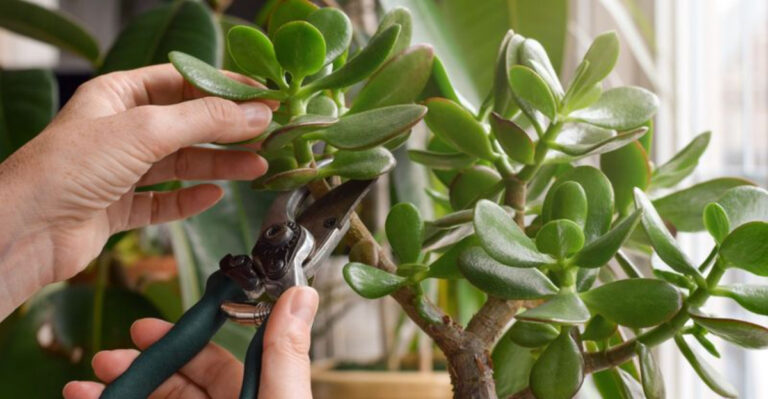
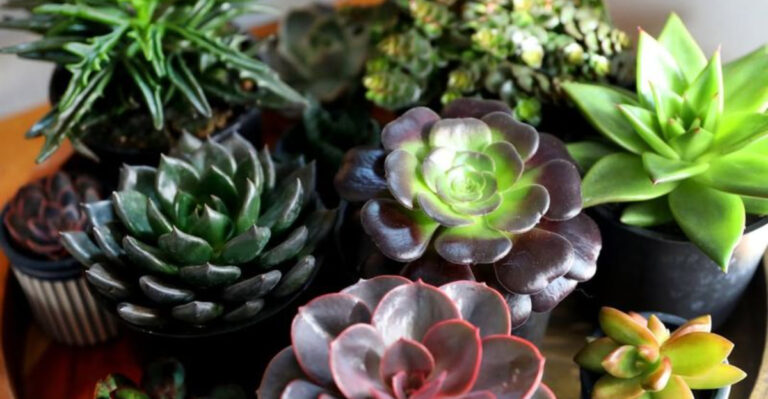
Succulents demand very little water or attention, making them ideal companions for Colorado gardeners who feel overwhelmed by winter responsibilities and need low-maintenance plant relationships.
Creating succulent arrangements becomes a form of artistic expression that combines gardening with design, engaging different parts of your brain and providing creative outlet during stressful periods.
The fleshy leaves and unusual shapes of succulents offer interesting textures to touch and observe, grounding you in sensory experience that pulls attention away from anxious thoughts.
These plants tolerate indoor conditions beautifully, thriving in the dry air that central heating creates in Colorado homes during winter months when humidity levels drop significantly.
Propagating succulents from leaves or cuttings gives you a sense of multiplication and abundance, countering feelings of scarcity or limitation that winter sometimes brings psychologically.
Arranging and rearranging succulents allows for ongoing creativity without commitment, as these hardy plants tolerate being moved and replanted without suffering damage or setbacks in Colorado.
Watching new roots form and baby plants develop from single leaves provides quiet entertainment and wonder that distracts from worries while teaching patience naturally.
Succulent care fits easily into busy schedules, requiring attention only once every week or two, making them perfect for Colorado gardeners balancing multiple winter stressors simultaneously.
6. Microgreens Provide Quick Gratification
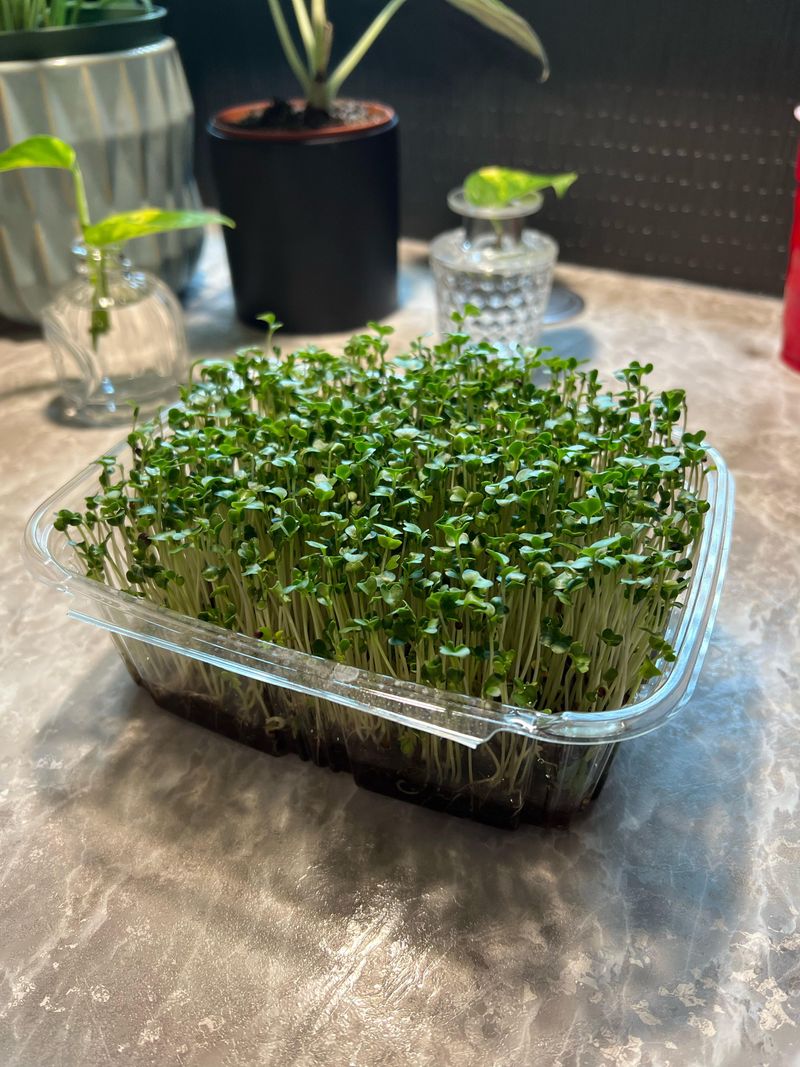
Microgreens grow from seed to harvest in just seven to fourteen days, offering Colorado gardeners nearly instant results that boost morale during the slow-moving winter months.
Growing these nutrient-dense greens indoors requires only basic supplies like trays, soil, and seeds, removing barriers that might prevent stressed individuals from starting new projects.
The rapid growth cycle means you can experiment frequently with different varieties, keeping the activity fresh and interesting rather than repetitive or boring throughout Colorado winters.
Harvesting and eating your own microgreens creates a direct connection between effort and reward, reinforcing positive feelings about your ability to nurture life successfully at home.
The vibrant colors and intense flavors of microgreens brighten winter meals, adding nutrition and visual appeal that combat the bland, heavy foods often craved during cold seasons.
Tending microgreens requires only minutes each day, making it manageable even when winter depression or anxiety reduces your energy levels and motivation significantly across Colorado.
Watching seeds sprout and grow so quickly demonstrates that change happens faster than we often believe, offering hope that difficult periods will pass sooner than expected.
This practice turns your kitchen into a productive growing space, transforming an ordinary room into a source of fresh food and accomplishment throughout Colorado’s coldest months.
7. Seed Catalog Planning Fuels Optimism
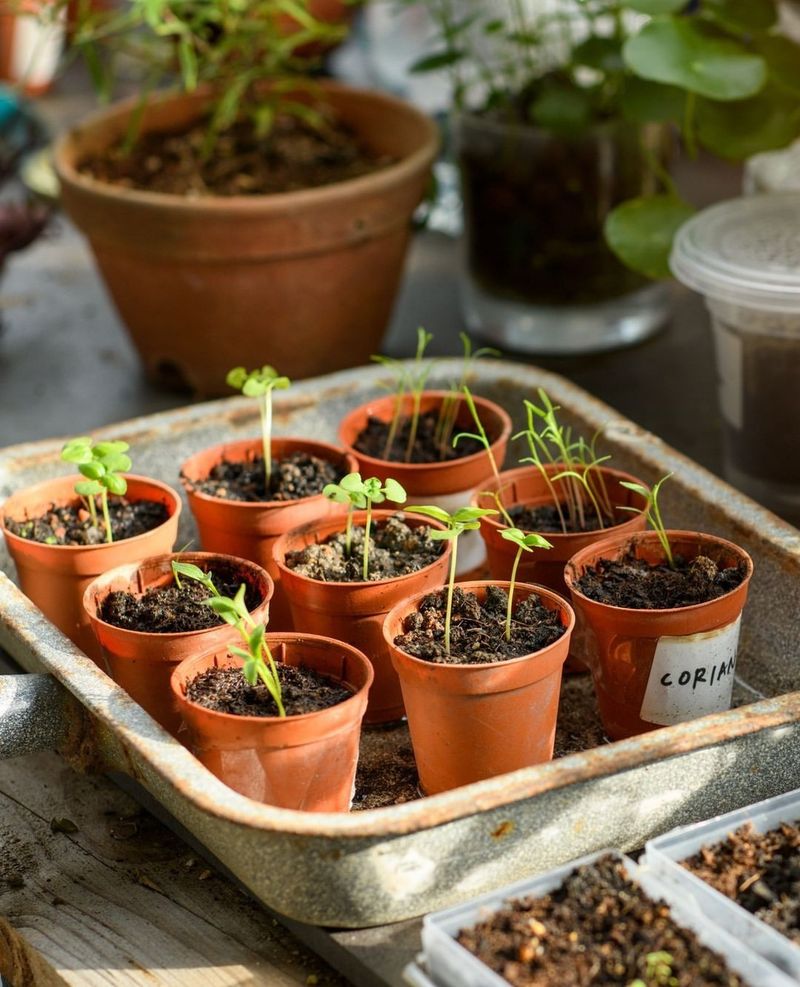
Browsing seed catalogs and planning future gardens during winter provides Colorado gardeners with hopeful distraction from current stress while engaging the imagination in positive future-thinking activities.
Researching plant varieties and their requirements becomes an educational journey that expands knowledge and builds confidence for upcoming growing seasons throughout the Colorado region.
Making lists and drawing garden layouts exercises organizational skills and gives a sense of control during a season when much feels unpredictable or beyond personal influence.
The colorful photographs in catalogs bring summer’s beauty into winter days, offering visual escape from gray landscapes and reminding you that warmth and growth will return eventually.
Planning crop rotations and companion plantings engages problem-solving abilities in a low-stakes way, providing mental stimulation without the pressure of real-world consequences if mistakes occur in Colorado.
Ordering seeds becomes an act of faith in the future, a declaration that you believe better days are coming and that you will be there to enjoy them.
Sharing plans with fellow gardeners through online forums or local clubs strengthens community bonds and reduces isolation that often intensifies during Colorado’s long winter season statewide.
This planning phase transforms winter from a period of loss into a time of preparation, reframing the season as necessary and valuable rather than simply endured.
8. Houseplant Propagation Builds Confidence
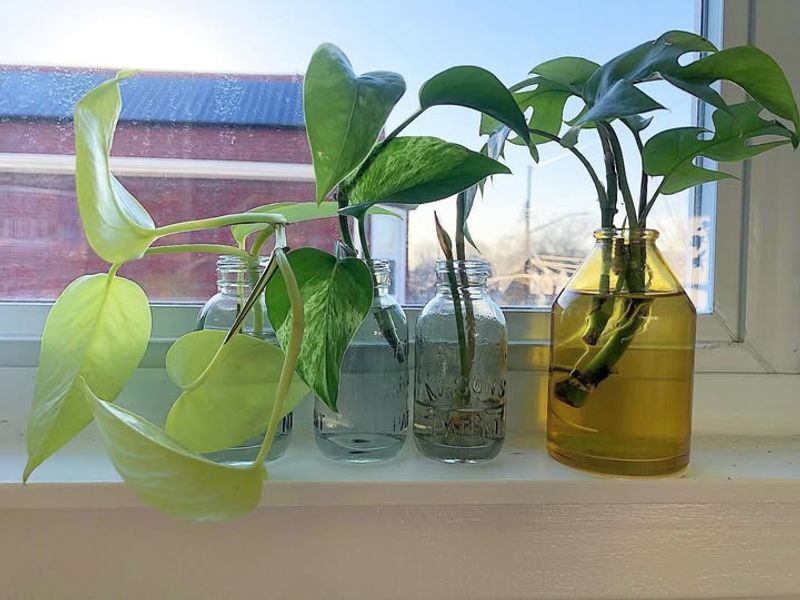
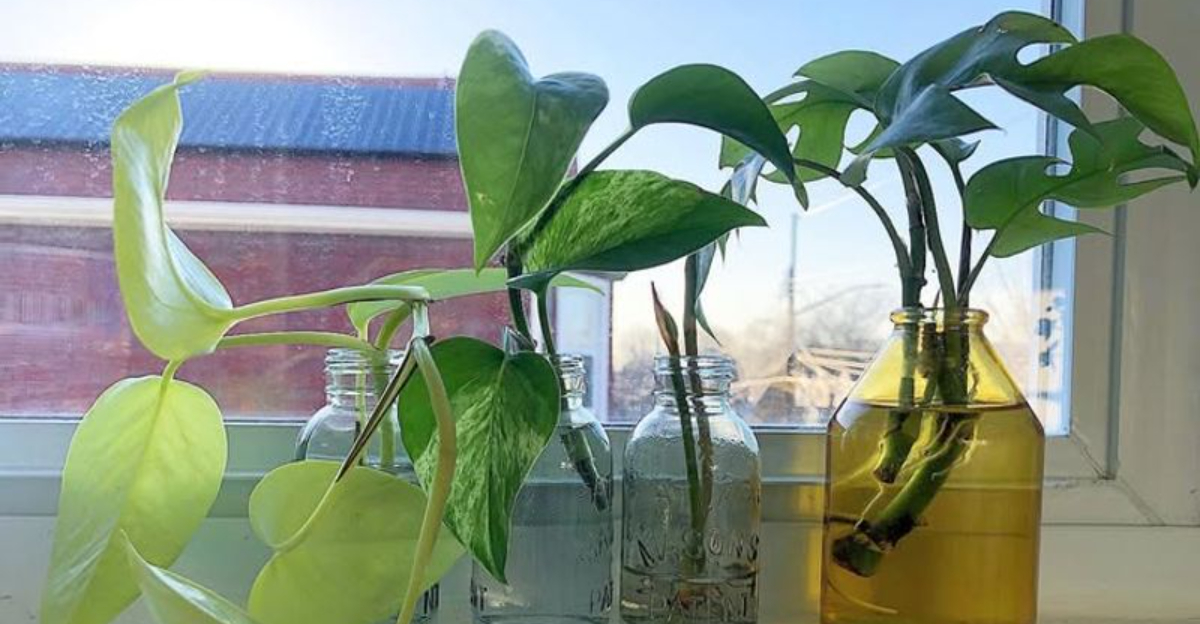
Taking cuttings from existing houseplants and rooting them in water or soil provides Colorado gardeners with a sense of mastery and accomplishment during months when outdoor success seems impossible.
Propagation costs nothing but attention and patience, making it accessible to everyone regardless of budget constraints that winter heating bills and holiday expenses might create across Colorado.
Watching roots emerge from stem cuttings feels almost magical, rekindling childlike wonder and curiosity that stress and adult responsibilities often diminish over time throughout life.
Successful propagation proves your ability to create and multiply life, countering feelings of helplessness or incompetence that winter darkness sometimes amplifies in vulnerable individuals statewide.
Giving rooted cuttings to friends and family spreads joy while strengthening relationships, creating positive social interactions that buffer against isolation and seasonal depression in Colorado.
The process requires regular observation and care, establishing routines that provide structure to days that might otherwise feel aimless or unproductive during long winter periods.
Different plants root at different rates, teaching lessons about individual timing and the importance of respecting unique processes rather than forcing everything to progress identically.
Houseplant propagation transforms your home into a nursery of possibility, filling spaces with new life and potential that counteracts the stillness and dormancy visible outside Colorado windows.
9. Terrarium Building Creates Miniature Worlds
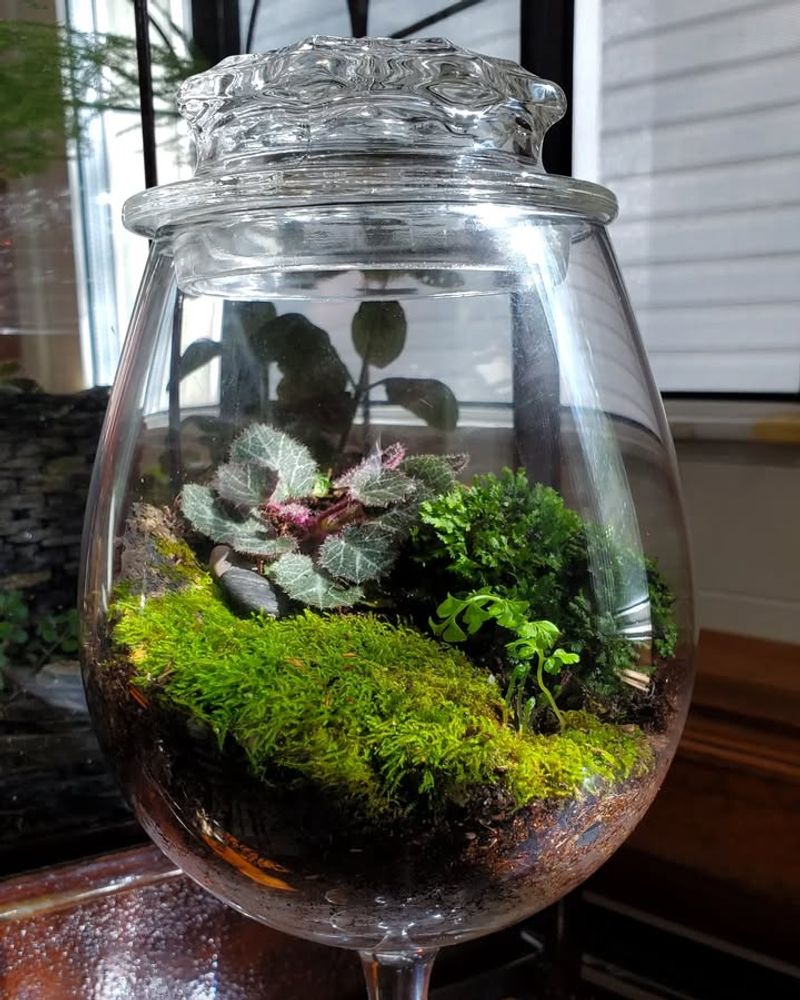
Constructing terrariums allows Colorado gardeners to design and control entire miniature ecosystems, providing creative outlet and sense of agency during seasons when outdoor environments feel harsh and unmanageable.
Selecting plants, stones, and decorative elements for terrariums engages aesthetic sensibilities and offers
opportunities for self-expression that might otherwise go unfulfilled during stressful winter months statewide.
Sealed terrariums require almost no maintenance once established, making them perfect for individuals whose energy fluctuates with seasonal mood changes common across Colorado’s mountain and plains regions.
The humid microclimate inside glass containers creates tropical conditions that contrast sharply with dry winter air, bringing diversity to your indoor plant collection and living environment.
Watching condensation cycle through your terrarium demonstrates water and nutrient cycles in miniature, providing educational value that deepens understanding of natural systems and ecological relationships overall.
Terrariums occupy small spaces efficiently, making them ideal for Colorado apartment dwellers or those with limited room who still crave connection with living plants during winter confinement.
The contained nature of terrariums feels manageable and controllable, offering psychological comfort when other aspects of life feel chaotic or overwhelming during the challenging season ahead.
Building these miniature gardens becomes a meditative practice that requires focus and precision, pulling your mind away from anxious thoughts into present-moment awareness and careful action.
10. Winter Garden Journaling Processes Emotions
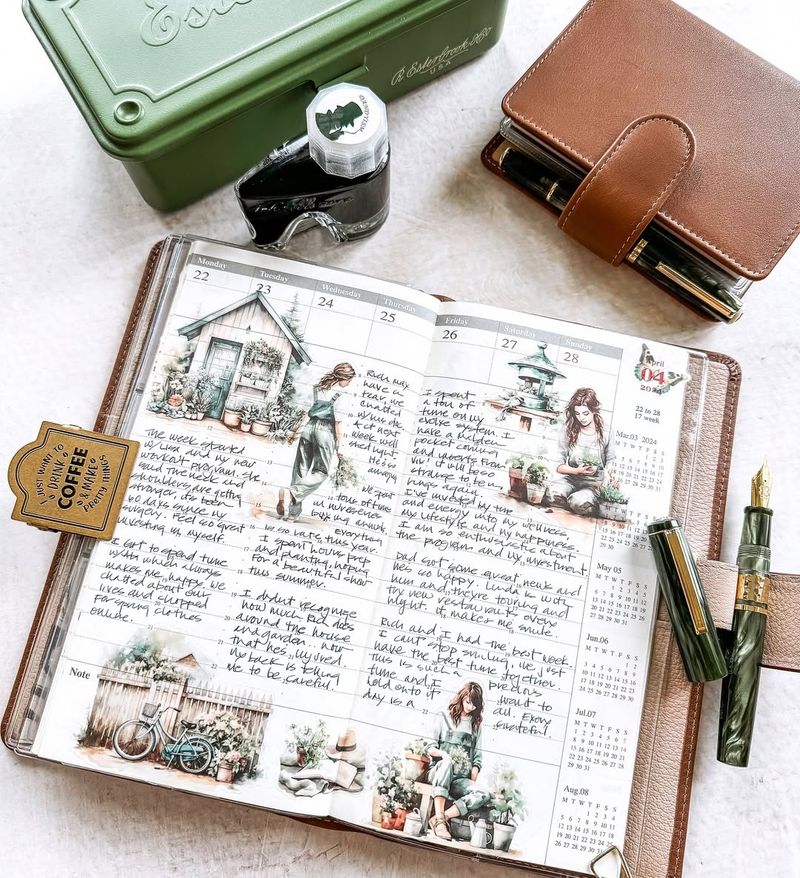
Keeping a garden journal throughout winter allows Colorado gardeners to reflect on past seasons, process emotions, and maintain connection with their gardening identity during months of enforced separation.
Writing about successes and challenges from previous growing seasons helps identify patterns and lessons learned, transforming experiences into wisdom that improves future outcomes across the Colorado region.
Sketching garden layouts and plant combinations engages visual creativity while planning for spring, giving your hands and mind purposeful work during long winter evenings at home.
Recording observations about indoor plants and winter sowing experiments keeps your naturalist skills sharp and maintains the habit of noticing details that makes gardening rewarding year-round.
Journaling provides a safe space to express frustrations about weather, pests, or failures without judgment, helping you process negative emotions rather than letting them accumulate inside.
Reviewing past journal entries reveals growth in your knowledge and skills over time, building confidence and reminding you how much you have learned throughout your Colorado gardening journey.
Adding pressed flowers, seed packets, or photographs creates a multisensory record that becomes increasingly valuable and meaningful as years pass and memories naturally fade somewhat.
This reflective practice transforms winter from empty waiting time into a season of integration and preparation, giving purpose to the dormant period Colorado gardeners must endure annually.
11. Cold Frame Gardening Extends Growing Seasons
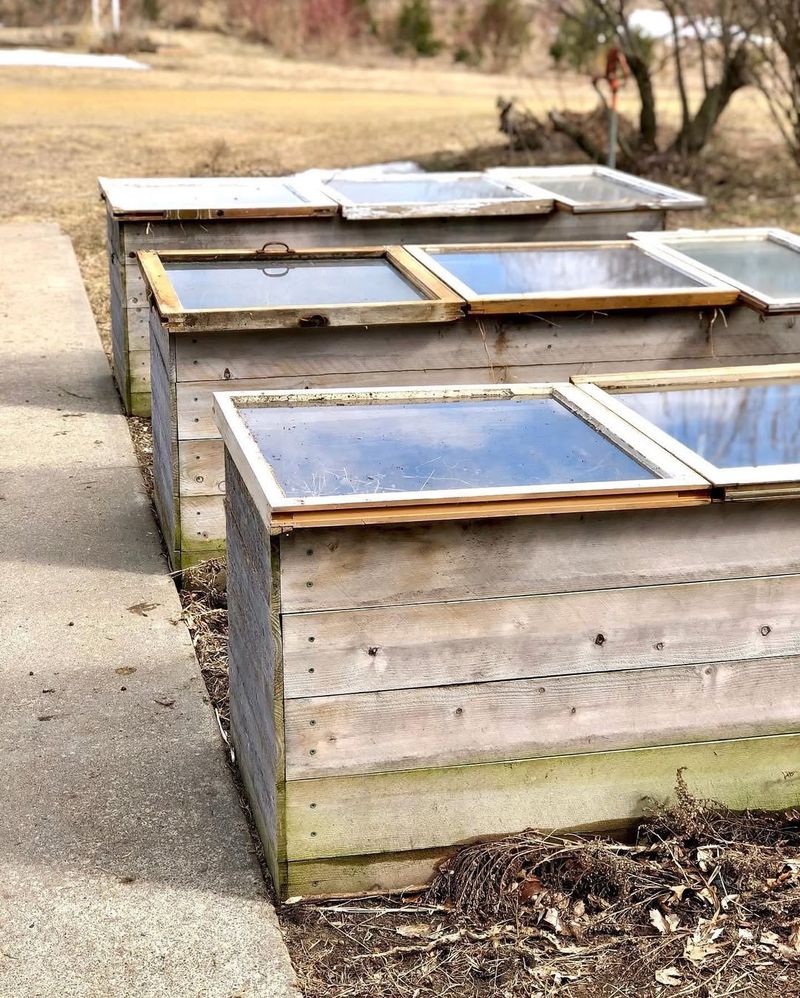
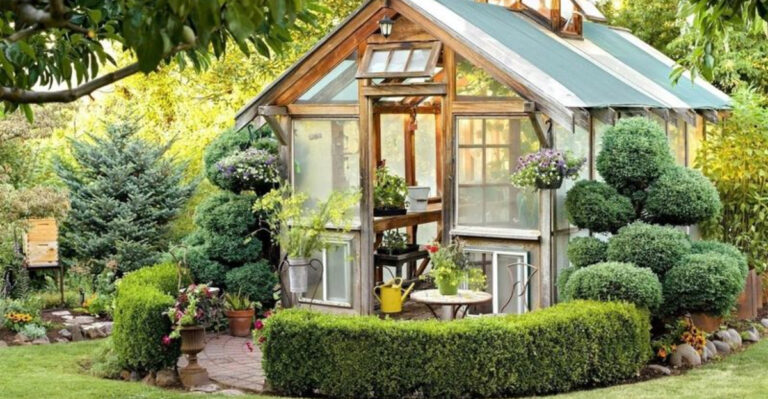
Cold frames create protected microclimates that allow Colorado gardeners to grow hardy vegetables throughout winter, maintaining active gardening practice even when temperatures regularly drop below freezing outside.
Building or installing a cold frame provides a satisfying construction project that gets you outdoors and working with your hands during a season when such opportunities feel scarce.
Harvesting fresh greens like spinach, kale, and lettuce from your cold frame in January feels triumphant, proving that winter does not mean complete surrender to dormancy.
Tending plants in a cold frame requires venturing outside regularly, ensuring you get natural light and fresh air that are essential for mental health during Colorado winters.
The simple technology of a cold frame demonstrates that small interventions can create significant results, offering lessons applicable to many areas of life beyond gardening itself.
Eating homegrown vegetables during winter reduces grocery bills while providing superior nutrition and flavor compared to shipped produce from distant locations across the country or world.
Monitoring temperatures and ventilation in your cold frame teaches you about microclimates and plant needs, deepening horticultural knowledge that will serve you well in future Colorado seasons.
This practice proves that gardening never truly stops for those willing to adapt their methods, helping maintain identity and purpose throughout the year regardless of challenging conditions.