Why Mini Garden Projects Are A Big Hit With Indiana Kids
Mini garden projects have become a little treasure for Indiana kids, and it’s adorable how excited they get when something tiny they planted starts growing.
You can almost feel their pride when they point out a sprout or a colorful pot they decorated, and suddenly the garden becomes their favorite place to hang out.
It’s such a simple idea that brings big joy, and you might even find yourself wanting to join in on their tiny gardening adventures.
1. Fairy Garden in a Pot
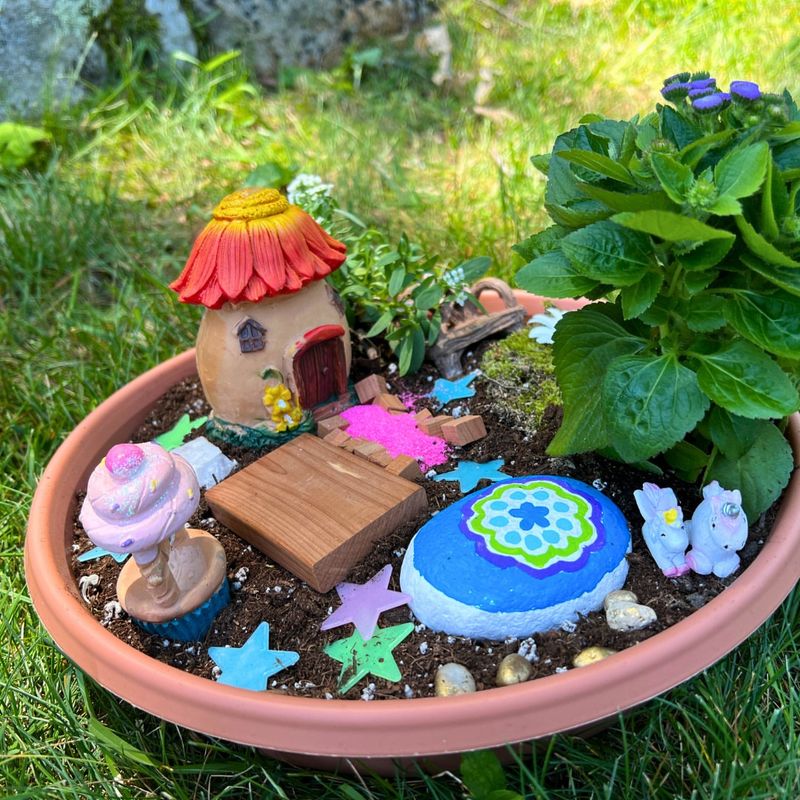
Miniature worlds capture children’s imaginations like nothing else, and fairy gardens deliver that magic right to your backyard or patio space in Indiana.
Kids can design entire landscapes using small containers, succulents, moss, and tiny decorative items that transform ordinary pots into enchanted realms instantly.
Start by selecting a wide, shallow container with drainage holes to prevent water from pooling and damaging the delicate plants you’ll add.
Let your children arrange small houses, bridges, and pathways using pebbles, twigs, and miniature furniture available at craft stores throughout the state.
Succulents work wonderfully because they require minimal watering and thrive in Indiana’s variable weather conditions, making maintenance simple for young gardeners learning responsibility.
Encourage kids to add personality by including figurines, tiny benches, or even small solar lights that glow softly when evening arrives.
This project teaches spatial planning, plant care basics, and creative storytelling as children invent adventures for their fairy garden inhabitants each day.
Watching their miniature world grow and change throughout the seasons keeps kids engaged and excited about checking on their creation regularly outdoors.
2. Pizza Garden Wheel
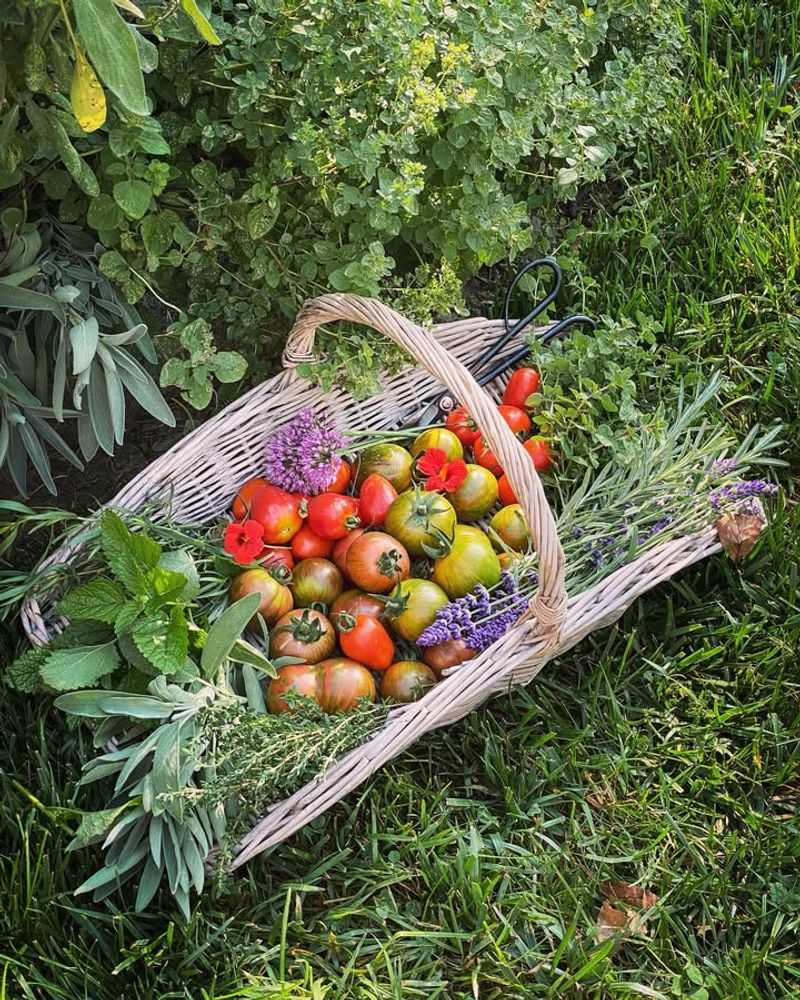
Combining food and gardening creates powerful motivation for children, and a pizza garden wheel makes growing ingredients fun and educational across Indiana homes.
Design a circular garden bed divided into wedge-shaped sections, each dedicated to a different pizza topping like tomatoes, basil, oregano, or peppers.
Children love the concept because they can literally see their pizza coming together as plants mature throughout Indiana’s warm summer growing season.
Use string and stakes to mark out six or eight sections, ensuring each wedge gets adequate sunlight and space for roots to spread.
Tomatoes need deeper soil and staking, while herbs like basil thrive in well-drained areas with consistent moisture and plenty of sunshine daily.
Kids can label each section with colorful signs they decorate themselves, adding ownership and pride to their gardening efforts in the backyard.
Harvest time becomes especially exciting when children pick fresh ingredients and help create homemade pizza using produce they nurtured from tiny seedlings.
This project teaches nutrition, plant growth cycles, and patience while connecting kids to their food sources in meaningful, memorable ways throughout summer.
3. Butterfly Feeding Station
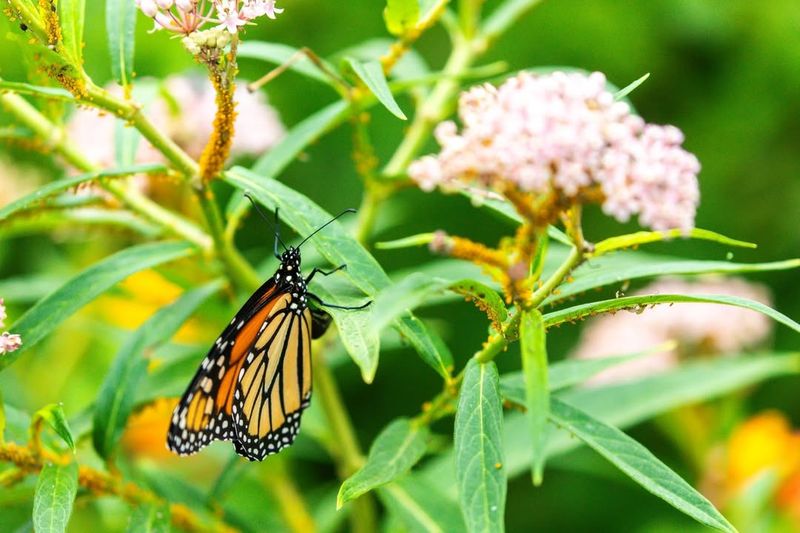
Attracting butterflies to your yard creates living lessons in biology and ecology that captivate children throughout Indiana’s blooming seasons each year.
Plant nectar-rich flowers like zinnias, coneflowers, and milkweed in a small dedicated area where butterflies can feed and rest safely without disturbance.
Kids enjoy watching different species visit throughout the day, learning to identify monarchs, swallowtails, and painted ladies by their distinctive wing patterns.
Add shallow dishes filled with sugar water or overripe fruit slices to supplement natural nectar sources and attract even more colorful visitors daily.
Place flat stones in sunny spots where butterflies can bask and warm their wings before flying, creating perfect observation points for curious children.
Indiana’s climate supports many butterfly species from spring through fall, offering extended opportunities for kids to document sightings in nature journals they create.
This project naturally introduces concepts like pollination, metamorphosis, and habitat needs while fostering respect for delicate creatures sharing our outdoor spaces year-round.
Encourage children to photograph visitors or sketch them in notebooks, building observation skills and appreciation for the natural world around them constantly.
4. Sunflower House
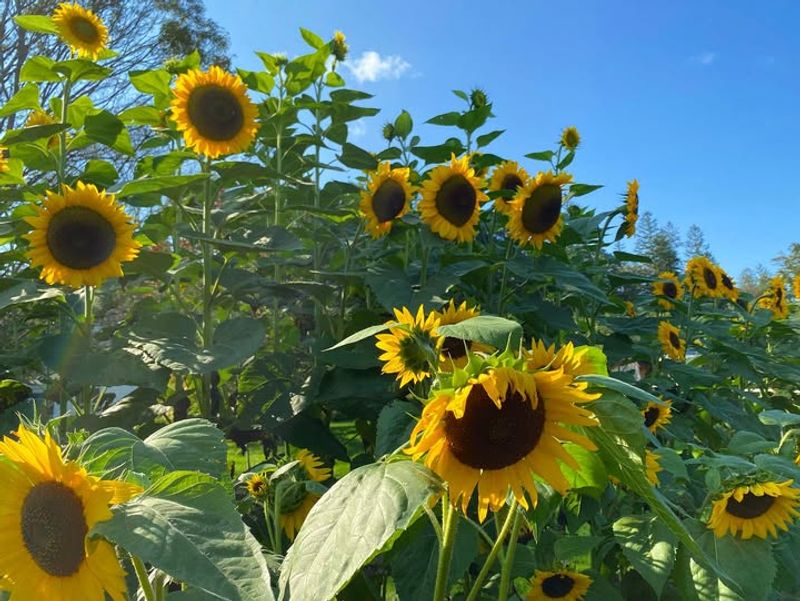
Creating living structures from plants amazes children, and a sunflower house provides a magical hideaway that grows taller throughout Indiana’s sunny summer months.
Plant sunflower seeds in a large circle, leaving an opening for a doorway where kids can enter their secret space once blooms tower overhead.
Choose mammoth varieties that reach eight to twelve feet tall, creating impressive walls that provide shade and privacy for imaginative play sessions outdoors.
Space seeds about six inches apart to ensure dense growth while allowing enough room for stalks to develop strong, sturdy stems supporting heavy blooms.
Kids love measuring their sunflower house weekly, tracking growth on a chart and marveling at how quickly their living fort rises toward the sky.
Indiana’s soil and climate suit sunflowers perfectly, making this project relatively foolproof even for beginner gardeners learning about plant needs and care routines.
Once flowers bloom, children can observe bees and birds visiting for seeds, turning their playhouse into a wildlife observation post naturally and effortlessly.
This project combines architecture, biology, and play in one unforgettable experience that kids will remember and talk about for years to come enthusiastically.
5. Rainbow Vegetable Patch
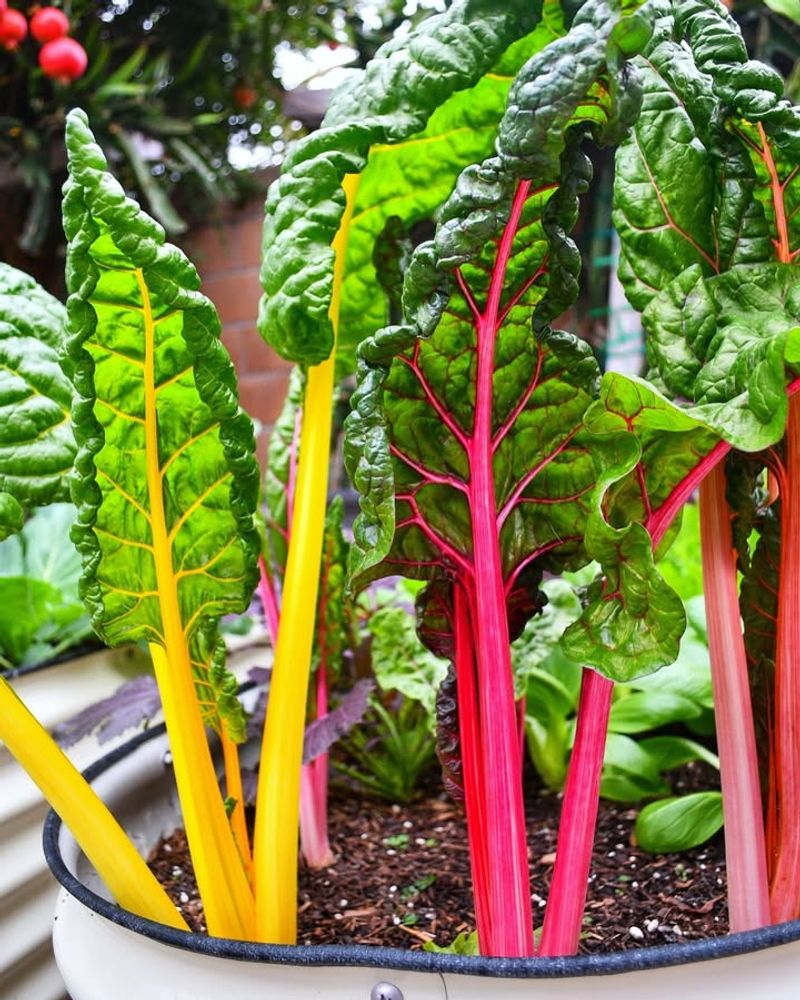
Teaching nutrition through color makes vegetables exciting for picky eaters, and rainbow gardens turn healthy eating into a vibrant adventure for Indiana families.
Select vegetables in different colors—purple eggplant, orange carrots, red tomatoes, yellow peppers, and green lettuce—to create a visually stunning edible landscape together.
Children respond enthusiastically when they can eat the rainbow they’ve grown themselves, making them more willing to try new foods at mealtime daily.
Dedicate small rows or sections to each color group, allowing kids to take ownership of specific vegetables and track their progress independently throughout summer.
Indiana’s growing season supports a wide variety of colorful crops, from early spring greens to late summer squash that keeps the harvest interesting continuously.
Involve children in meal planning by asking which rainbow vegetables they’d like to harvest for dinner, empowering them to make healthy food choices.
This project naturally teaches about vitamins, antioxidants, and how different colored foods provide unique nutrients that keep bodies strong and healthy every day.
Watching carrots emerge from soil or peppers change from green to yellow fascinates kids and demonstrates plant development in tangible, delicious ways constantly.
6. Herb Spiral Tower
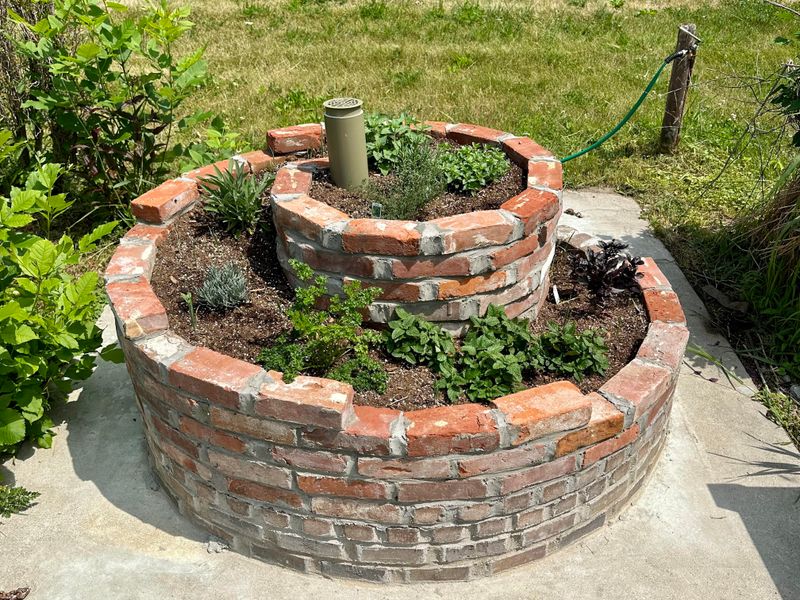
Vertical gardening maximizes small spaces while creating visual interest, and herb spirals offer three-dimensional growing areas that fascinate young gardeners throughout Indiana.
Build a spiral structure using stacked stones or bricks that creates different microclimates from top to bottom, accommodating herbs with varying moisture needs.
Plant drought-tolerant herbs like rosemary and thyme at the sunny top, while moisture-loving parsley and mint thrive at the shadier, damper base naturally.
Children enjoy the architectural aspect of building the spiral, stacking materials carefully to create a stable structure that will last through multiple seasons.
Indiana’s climate allows most culinary herbs to flourish from spring through fall, providing fresh flavors for family meals kids helped grow themselves proudly.
Encourage children to pinch and smell different herbs regularly, developing their sensory awareness and learning which flavors complement various dishes at home.
This project introduces concepts like drainage, sun exposure, and companion planting in a hands-on format that makes abstract ideas concrete and understandable immediately.
Harvesting herbs for cooking gives kids a sense of contribution to family meals, boosting confidence and interest in both gardening and culinary arts.
7. Painted Rock Garden Markers
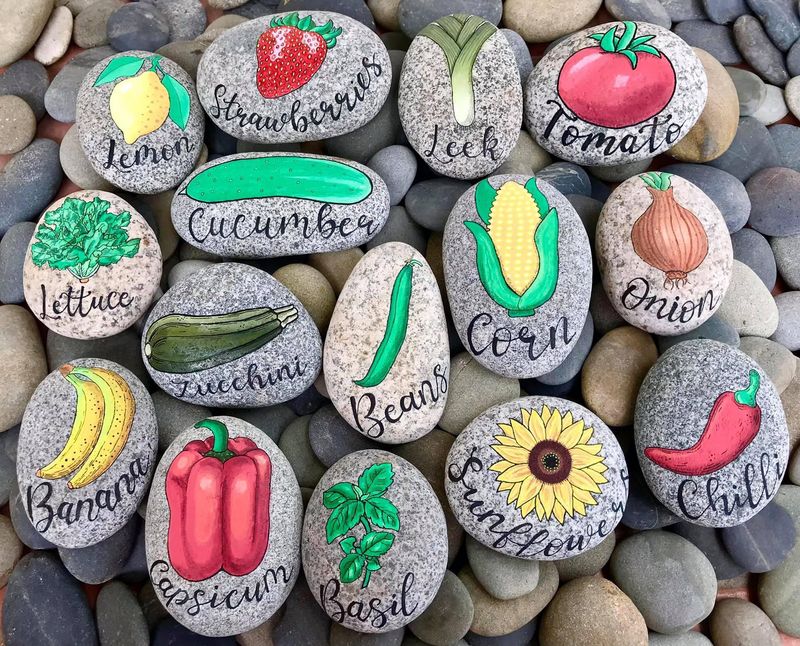
Crafting meets gardening when kids create personalized plant markers that add personality and functionality to any growing space across Indiana backyards everywhere.
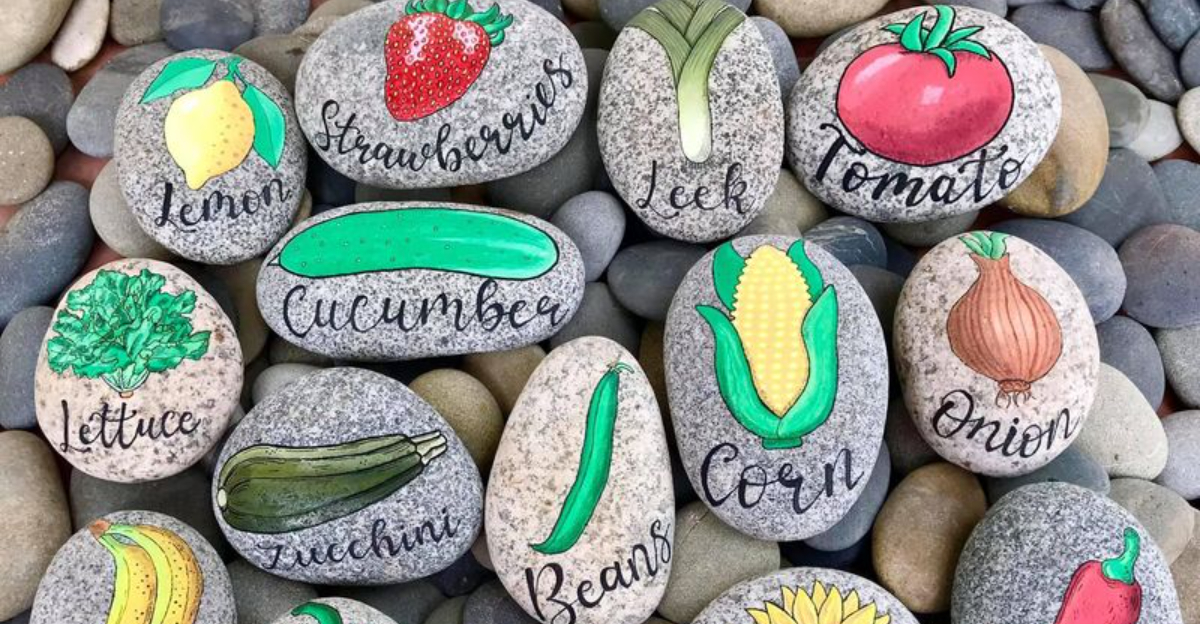
Collect smooth, flat rocks from around your property or local areas, then let children paint them with bright colors and label each stone clearly.
This activity works perfectly on rainy days when outdoor planting isn’t possible, keeping kids connected to their garden projects even when weather prevents work.
Use acrylic paints and clear sealant to ensure designs withstand Indiana’s rain, humidity, and temperature fluctuations throughout the entire growing season without fading.
Kids can get creative with designs, adding illustrations of the plants alongside names or using fun fonts that reflect their unique artistic styles.
Placing their handmade markers in the garden gives children pride of ownership and helps them remember what they planted where as seedlings emerge.
This project develops fine motor skills, creativity, and responsibility while producing practical tools that make garden organization simple and visually appealing always.
Encourage siblings to work together, creating a consistent design theme or competing to make the most creative markers for different garden sections cooperatively.
8. Worm Composting Bin
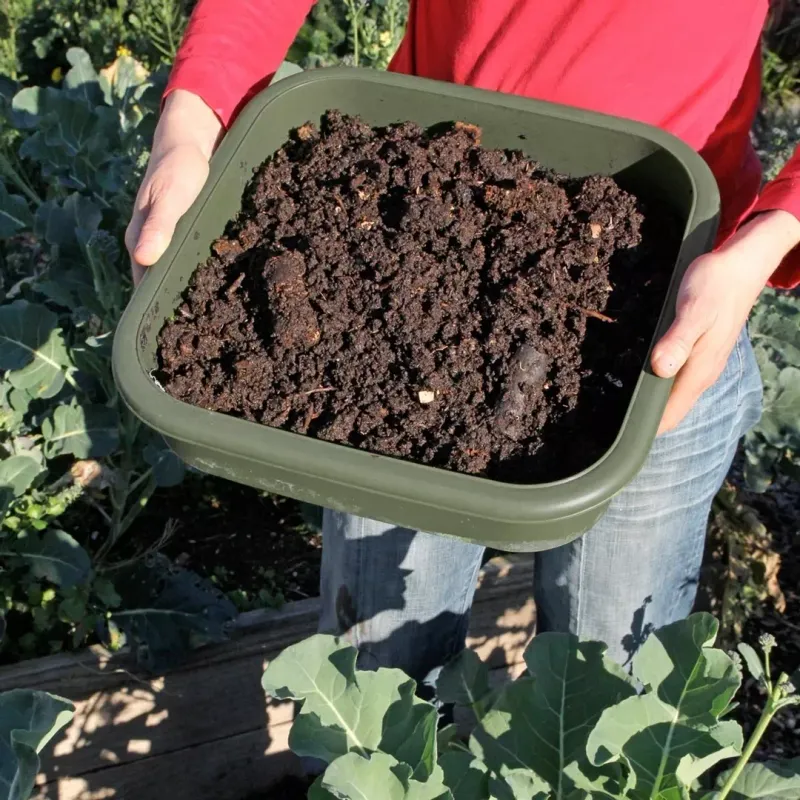
Understanding decomposition and nutrient cycles becomes hands-on entertainment when kids maintain their own worm composting system throughout the year in Indiana homes.
Set up a small bin with red wiggler worms that transform fruit and vegetable scraps into nutrient-rich compost children can use in their gardens.
Kids find worms fascinating rather than gross when they understand how these creatures help reduce waste while creating natural fertilizer for plants to thrive.
Feed the bin regularly with appropriate scraps, avoiding meat, dairy, and oily foods that attract pests or create unpleasant odors in enclosed spaces.
Children can monitor the bin weekly, observing how quickly worms process materials and learning about decomposition rates through direct, memorable experience consistently.
Indiana’s indoor temperatures work well for vermicomposting year-round, making this project suitable even during cold winter months when outdoor gardening pauses temporarily.
Harvesting finished compost feels like discovering treasure, and kids love adding this black gold to their plants and watching growth improve noticeably afterward.
This project teaches environmental stewardship, waste reduction, and soil science in an engaging format that connects abstract concepts to tangible results children witness.
9. Teepee Bean Tower
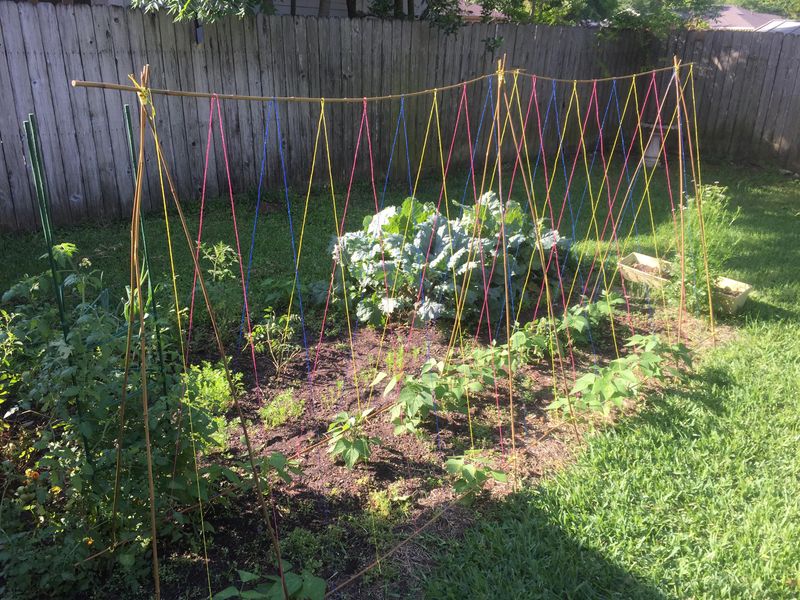
Vertical structures capture children’s attention while maximizing garden space, and bean teepees provide both climbing plants and secret hideaways for Indiana kids outdoors.
Arrange six to eight tall bamboo poles in a circle, tying tops together securely to create a stable cone shape that withstands wind.
Plant pole beans or scarlet runner beans at the base of each pole, and watch vines climb upward throughout Indiana’s warm growing months.
Children love having a living fort where they can sit inside while beans dangle around them, creating an edible playhouse experience unlike anything else.
Beans grow quickly and produce abundantly, giving kids frequent harvests and immediate gratification that keeps them interested and engaged with their garden project.
This structure works in small yards or even large containers on patios, making it accessible for families with limited outdoor space throughout the state.
Teach children to gently guide vines around poles as they grow, developing their understanding of plant behavior and how to support healthy development naturally.
Harvesting beans together becomes a treasure hunt as kids search through leaves for hidden pods, turning garden maintenance into an exciting game daily.
10. Sensory Garden Bed
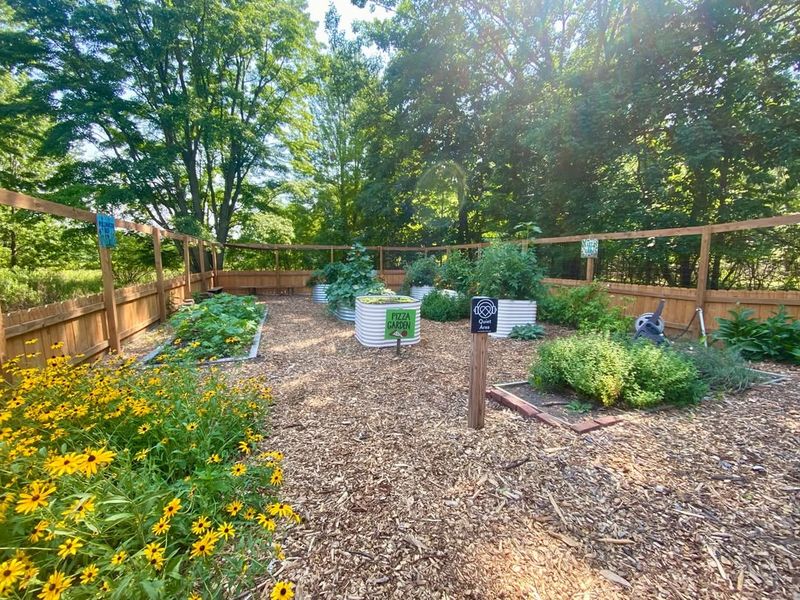
Engaging all five senses transforms gardening into a rich learning experience that benefits children of all abilities and learning styles across Indiana communities.
Select plants specifically for their textures, scents, colors, sounds, and even flavors to create a multisensory exploration space kids can enjoy daily.
Fuzzy lamb’s ear invites touching, while fragrant lavender and mint stimulate smell, and rustling ornamental grasses provide soothing sounds when breezes blow through.
Include edible flowers like nasturtiums or pansies that children can safely taste, expanding their understanding of which garden plants are food versus decoration.
Indiana’s climate supports a diverse range of sensory plants from spring bulbs to fall ornamental grasses, providing year-round interest and exploration opportunities continuously.
This project particularly benefits children with sensory processing differences, offering calming, regulated input through natural materials in a safe outdoor environment always.
Encourage kids to describe what they experience using descriptive language, building vocabulary while deepening their connection to the natural world around them constantly.
Creating a sensory garden teaches that gardens aren’t just for looking at but for experiencing fully with every sense, making nature accessible and engaging.