Why Minimalist Garden Rooms Are Trending Across California
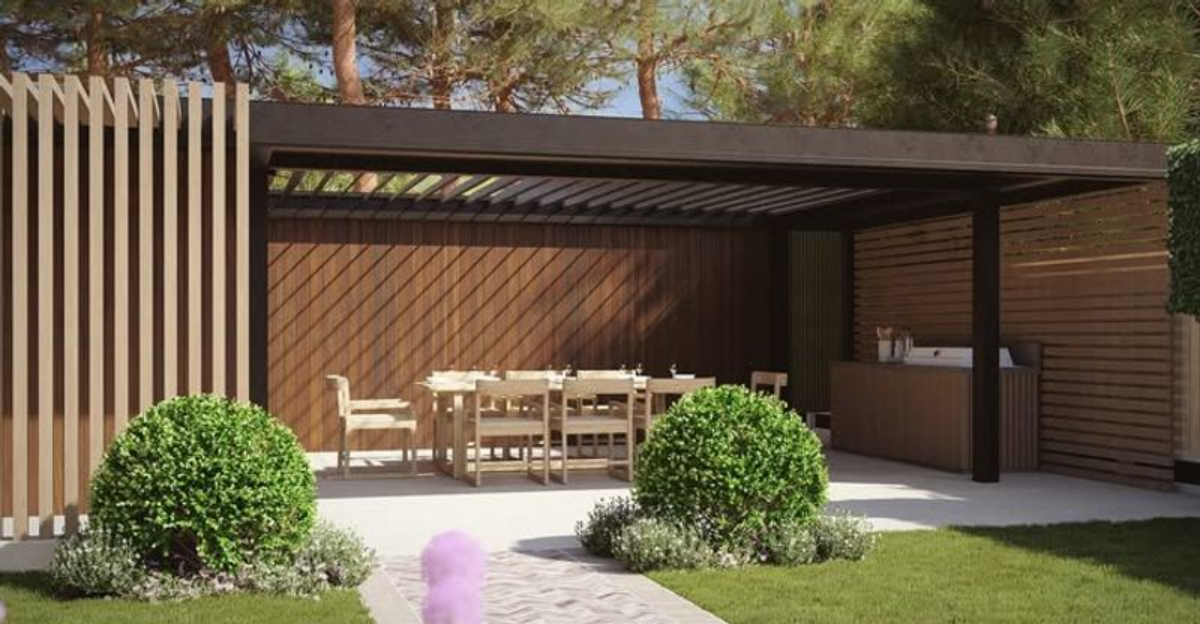
California garden rooms are shedding the extra layers, and minimalist design is stepping into the spotlight.
Homeowners are trading clutter for clean lines, open space, and a calmer outdoor experience.
In a state where indoor and outdoor living blur together, simplicity is starting to feel like the right fit.
Minimalist garden rooms focus on what matters most.
Comfortable seating, thoughtful plant choices, and natural materials take center stage.
Instead of filling every corner, these spaces leave room to breathe.
Fewer elements mean less upkeep, which suits busy lifestyles and water conscious habits.
In California’s sun soaked climate, shade, airflow, and function often trump decoration.
This shift also reflects a broader mindset.
People want outdoor spaces that feel like an escape, not another to do list.
A pared down garden room offers balance, turning backyards into peaceful retreats instead of crowded showpieces.
Like clearing a desk to focus better, removing excess helps the space shine.
As design trends come and go, minimalism keeps gaining ground.
For many Californians, a simple garden room feels less like a trend and more like a long term solution that works with the land, the climate, and everyday life.
1. Year-Round Perfect Weather Makes Them Practical
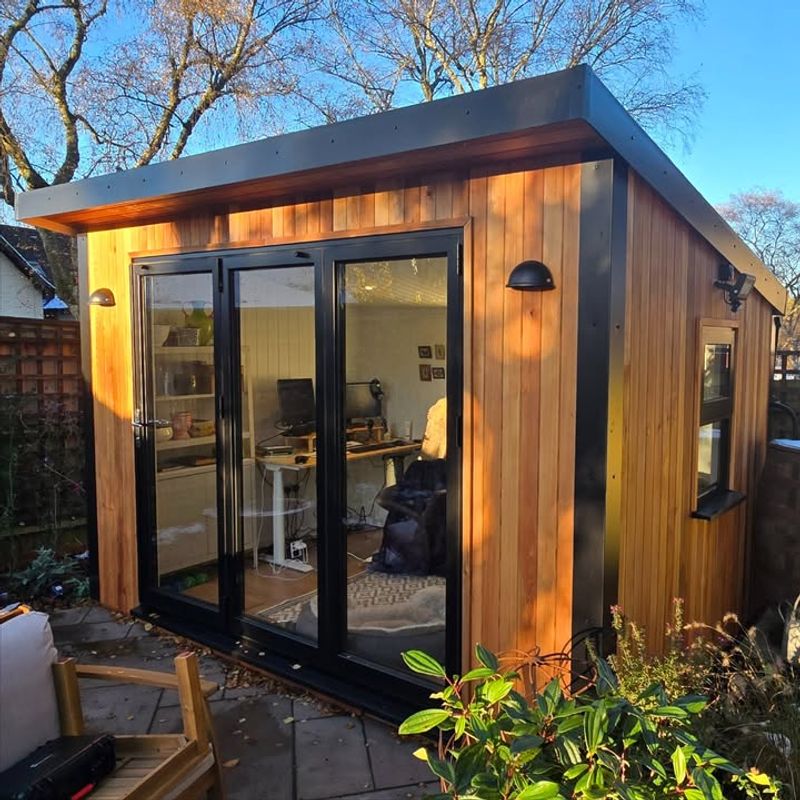
California’s Mediterranean climate creates ideal conditions for garden rooms that can be used every single day of the year.
Unlike other states where extreme temperatures limit outdoor structure usage, California offers mild winters and warm summers that make these spaces functional throughout all seasons.
Homeowners in Los Angeles, San Francisco, and Orange County can enjoy their garden rooms without worrying about snow, ice, or harsh weather conditions.
The consistent sunshine across California means natural light floods these minimalist spaces, reducing the need for artificial lighting during daytime hours.
This connection to natural light improves mood, productivity, and overall well-being.
Many Californians report feeling more energized and focused when working or relaxing in their garden rooms compared to traditional indoor spaces.
Temperature control remains manageable thanks to California’s generally moderate climate.
A simple heating system or portable unit handles cooler evenings, while proper ventilation and strategic window placement keep spaces comfortable during warmer months.
This eliminates the need for expensive, complex HVAC systems that would be required in regions with more extreme weather patterns.
The outdoor-indoor connection feels natural in California, where people already spend significant time outside.
Garden rooms extend this lifestyle by providing a sheltered space that still feels connected to nature.
You can open doors and windows to let fresh air circulate, creating a seamless transition between your garden and your personal retreat.
California’s low rainfall in many regions means less worry about water damage, leaks, or moisture problems that plague outdoor structures in wetter climates.
This durability factor makes garden rooms a smart long-term investment for California property owners who want low-maintenance additional space.
2. Remote Work Demands Dedicated Office Space
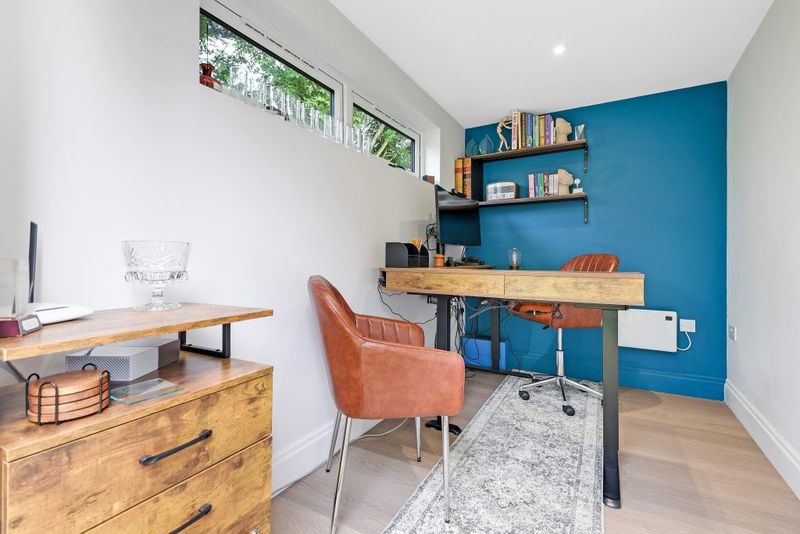
Remote work has transformed how Californians think about their homes, creating urgent demand for dedicated workspace separate from family living areas.
Garden rooms provide the perfect solution for professionals who need quiet, focused environments without daily commutes.
Tech workers in Silicon Valley, creative professionals in Los Angeles, and consultants throughout California are converting backyard spaces into productive offices.
The physical separation between home and work helps establish healthy boundaries that improve work-life balance.
Walking across your garden to reach your office creates a mental transition similar to a traditional commute, helping you shift into professional mode.
This separation proves especially valuable for parents who need uninterrupted time away from household distractions and noise.
Minimalist design principles keep garden offices clutter-free and distraction-free, promoting concentration and efficiency.
Clean lines, neutral colors, and simple furniture arrangements create calming environments that enhance focus.
California professionals appreciate how these streamlined spaces help them stay organized and productive throughout their workday.
Video conference backgrounds become instantly more impressive when your office features natural light and garden views.
Clients and colleagues notice the professional, thoughtful workspace, which can positively impact your business image.
Many California remote workers report increased confidence during virtual meetings when calling from their stylish garden offices.
Tax benefits may apply when you dedicate a separate structure exclusively to business use, making garden offices financially smart choices.
Consulting with a tax professional can help California homeowners understand potential deductions.
The investment often pays for itself through increased productivity, reduced stress, and possible tax advantages over time.
3. Smaller Living Spaces Need Creative Solutions
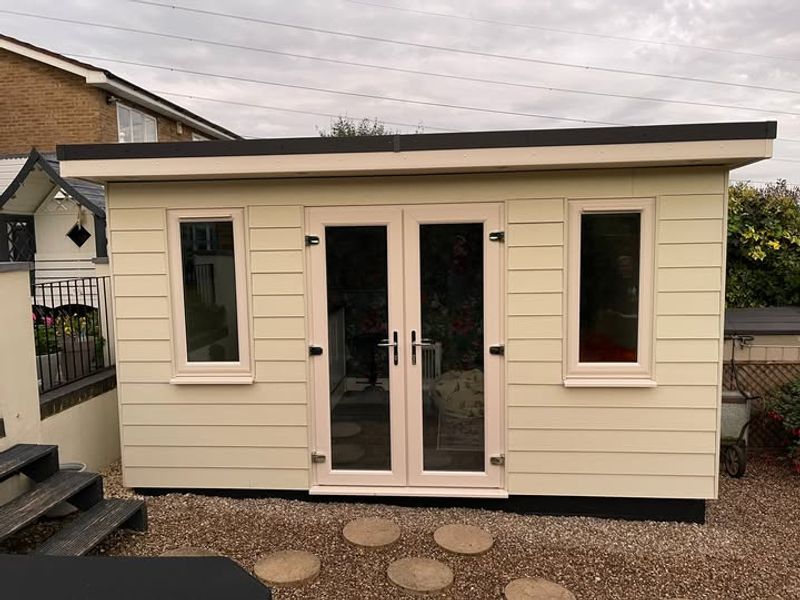
California’s housing market ranks among the most expensive in the nation, pushing many people into smaller homes, condos, and townhouses with limited square footage.
Garden rooms offer an affordable way to gain extra space without the enormous expense of moving to a larger property or undertaking major home renovations.
Families in San Diego, Sacramento, and throughout California are maximizing their existing properties by adding these functional outdoor structures.
Traditional home additions require permits, contractors, foundation work, and months of disruptive construction that can cost tens of thousands of dollars.
Garden rooms typically install much faster, with some prefabricated models ready to use within weeks.
This speed and simplicity appeals to California homeowners who want immediate results without lengthy construction timelines and hassles.
The minimalist approach maximizes every square foot through smart design and multi-functional furniture.
Built-in storage, fold-down desks, and convertible seating help small garden rooms serve multiple purposes throughout the day.
California residents appreciate how these clever design elements make compact spaces feel larger and more versatile than their actual dimensions suggest.
Property values often increase when you add well-designed, functional outdoor structures to your home.
Real estate agents throughout California note that garden rooms appeal to potential buyers looking for home offices, studios, or guest accommodations.
This added value can significantly boost your return on investment when you eventually sell your property.
Zoning regulations in many California communities allow smaller accessory structures without the extensive permitting required for permanent additions.
Always check local rules, but many homeowners discover they can install garden rooms with minimal bureaucratic obstacles.
This regulatory flexibility makes garden rooms accessible options for space-constrained California families.
4. Connection To Nature Improves Mental Health
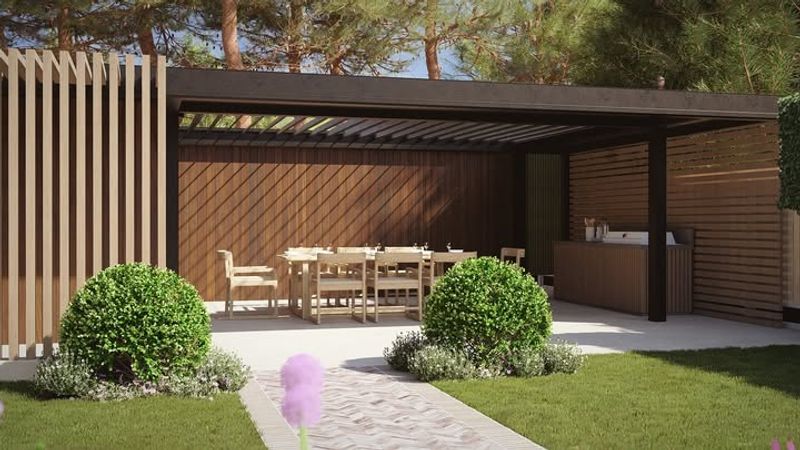
Mental health awareness has grown tremendously in recent years, with more Californians recognizing the importance of stress reduction and emotional well-being.
Garden rooms provide daily access to nature, which research consistently shows reduces anxiety, lowers blood pressure, and improves overall mood.
Having a personal retreat space surrounded by plants and fresh air creates opportunities for mindfulness and relaxation that busy modern life often lacks.
Biophilic design principles, which emphasize human connections to nature, are central to minimalist garden room concepts.
Large windows, natural materials, and strategic placement among plants and trees help occupants feel grounded and peaceful.
California’s abundant sunshine and beautiful landscapes make these connections particularly powerful and restorative for residents dealing with work stress or personal challenges.
Morning meditation, evening yoga, or simple quiet reading time becomes more meaningful when practiced in a space that opens directly to your garden.
The sounds of birds, the sight of swaying trees, and the fresh outdoor air enhance relaxation practices in ways indoor rooms cannot replicate.
Many California garden room owners report developing new wellness routines once they have dedicated outdoor spaces for these activities.
Children benefit tremendously from having access to nature-connected spaces where they can play, read, or do homework.
Garden rooms can serve as creative play spaces, art studios, or homework nooks that feel special and separate from main house distractions.
California families find these structures encourage kids to spend more time outdoors while still having shelter and comfort.
Seasonal changes become more noticeable and appreciated when you spend regular time in a garden room.
Watching plants bloom, leaves change, and gardens evolve through the year creates a deeper connection to natural rhythms.
This awareness brings a sense of peace and perspective that many California residents find increasingly valuable in our fast-paced digital world.
5. Sustainable Living Aligns With California Values
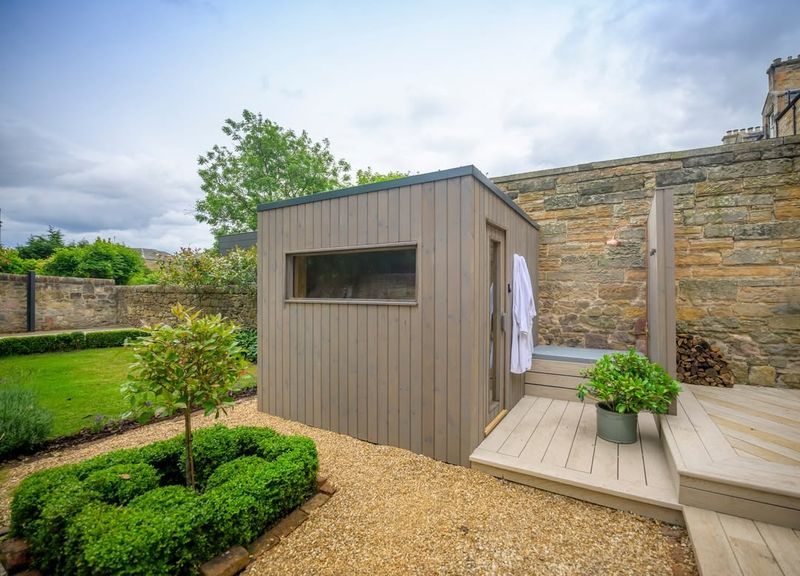
Environmental consciousness runs deep in California culture, with residents leading the nation in sustainability initiatives and green living practices.
Minimalist garden rooms align perfectly with these values through smaller footprints, reduced material consumption, and energy-efficient designs.
Californians appreciate how these structures demonstrate environmental responsibility while providing functional benefits for their families.
Solar panels integrate easily onto garden room roofs, providing clean energy for lighting, heating, and electronic devices.
California’s abundant sunshine makes solar power particularly effective and cost-efficient for these smaller structures.
Many homeowners find their garden rooms operate entirely off-grid, reducing overall household energy consumption and utility bills significantly.
Sustainable building materials like reclaimed wood, recycled metal, and low-VOC finishes are increasingly popular choices for California garden rooms.
These materials reduce environmental impact while creating healthy indoor air quality.
Builders throughout California now specialize in eco-friendly construction methods that minimize waste and use locally sourced materials whenever possible.
Water conservation features like rainwater collection systems and drought-resistant landscaping around garden rooms reflect California’s ongoing water challenges.
These additions demonstrate commitment to resource conservation while maintaining beautiful outdoor environments.
Native plants require less irrigation and support local wildlife, creating ecosystems that benefit the broader California environment.
The minimalist philosophy itself promotes sustainability by rejecting excess and focusing on essential, quality elements.
Fewer materials, simpler designs, and multi-functional furniture reduce consumption and waste.
California homeowners find this approach satisfying both environmentally and aesthetically, creating spaces that feel intentional, purposeful, and aligned with their personal values regarding environmental stewardship and responsible living.
6. Aesthetic Appeal Matches Modern Design Trends
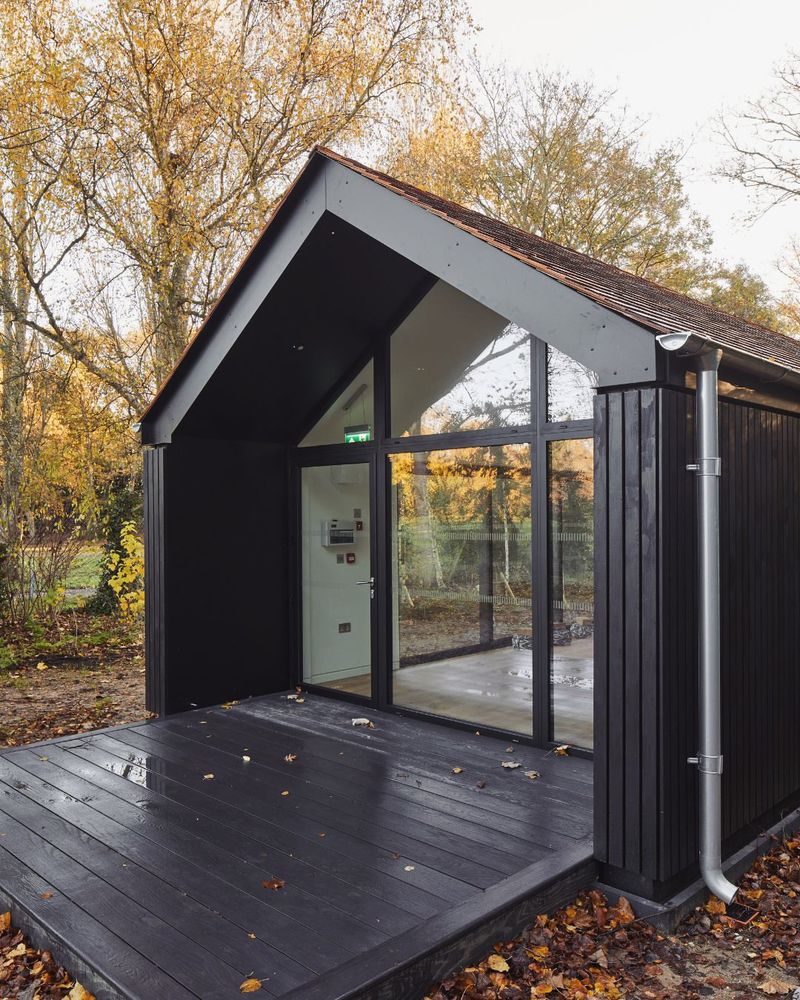
Contemporary design trends favor clean lines, neutral palettes, and uncluttered spaces that create visual calm and sophistication.
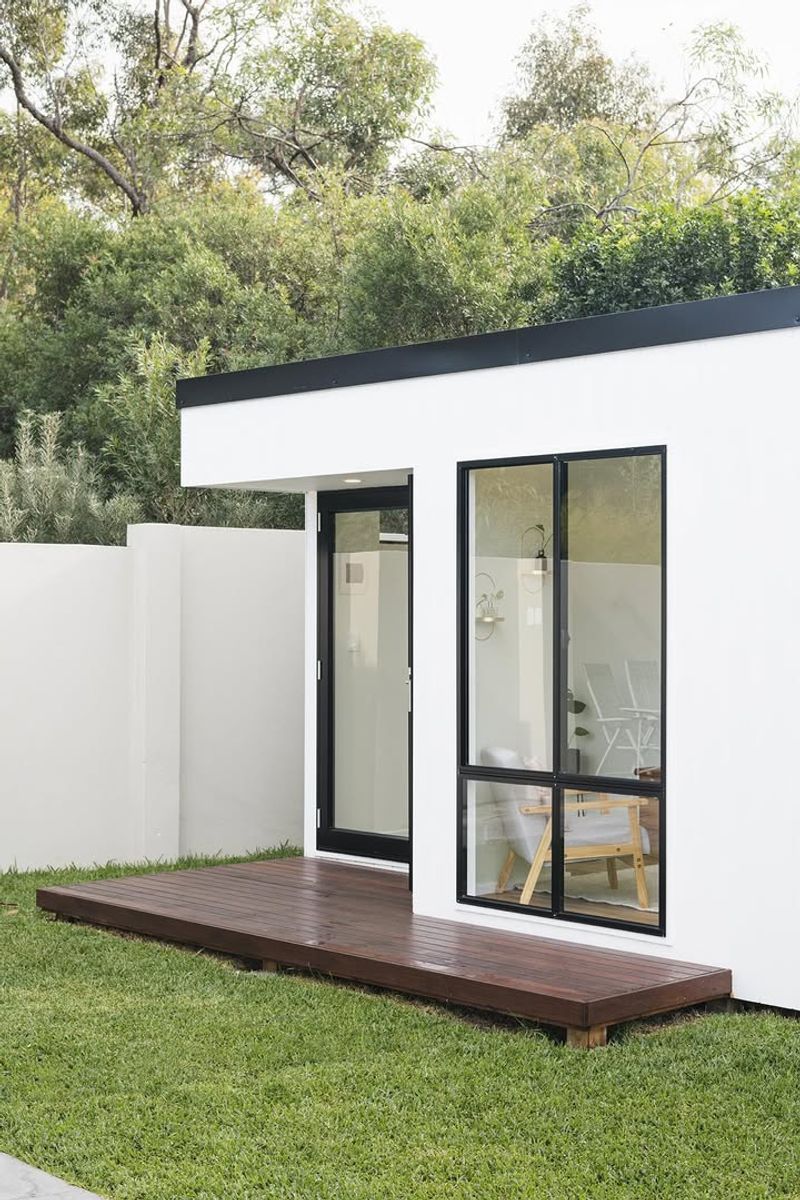
Minimalist garden rooms embody these principles perfectly, offering architectural beauty that complements modern California homes.
Homeowners throughout the state appreciate how these structures enhance their property’s overall aesthetic while providing functional benefits.
Instagram and Pinterest have amplified interest in beautiful outdoor spaces, with minimalist garden rooms featuring prominently in home design inspiration feeds.
California residents see stunning examples online and want to recreate similar looks in their own backyards.
This social media influence has accelerated the trend, making garden rooms aspirational additions that homeowners proudly share with friends and online communities.
Neutral color schemes featuring whites, grays, and natural wood tones ensure garden rooms complement various architectural styles without clashing.
This versatility means the structure will remain visually appealing even if you update your main house’s exterior colors or landscaping.
California homeowners value this timeless quality that prevents garden rooms from looking dated or out of place as design trends evolve.
Large glass panels and floor-to-ceiling windows create striking visual elements that blur boundaries between indoor and outdoor spaces.
These features maximize natural light while showcasing your California garden as living artwork.
The transparency creates an open, airy feeling that makes even small garden rooms feel spacious and inviting.
Architectural details like flat roofs, sliding doors, and geometric shapes give minimalist garden rooms a distinctly modern appearance.
These elements appeal to California homeowners who appreciate contemporary design and want their properties to reflect current aesthetic sensibilities.
The result is a cohesive, thoughtfully designed outdoor environment that increases pride of ownership and enjoyment of your home.
7. Flexible Spaces Adapt To Changing Needs
Life circumstances change constantly, and California homeowners need spaces that adapt to evolving family needs and personal interests.
Minimalist garden rooms excel at flexibility, easily transforming from home offices to art studios, guest rooms to fitness centers, or meditation spaces to teen hangouts.
This adaptability makes them smart long-term investments that continue providing value through different life stages.
Empty nesters throughout California are repurposing garden rooms as hobby spaces, craft studios, or private retreats now that children have moved away.
The same structure that once served as a playroom or homework space becomes a pottery studio or music practice room.
This transformation happens quickly and inexpensively compared to renovating interior rooms, giving homeowners freedom to explore new interests.
Growing families appreciate how garden rooms provide teenagers with semi-independent spaces that offer privacy while keeping them close to home.
A teen can use the structure for studying, socializing with friends, or pursuing hobbies without taking over shared family spaces.
California parents find this arrangement reduces household tension while teaching responsibility and independence.
Seasonal needs shift throughout the year, and garden rooms accommodate these changes effortlessly.
Summer might find the space serving as a cool retreat for reading, while winter transforms it into a cozy writing nook.
Holiday seasons can see garden rooms temporarily converted to gift-wrapping stations or overflow guest accommodations when family visits.
The minimalist design philosophy supports flexibility by avoiding built-in features that lock spaces into single purposes.
Simple, movable furniture and neutral finishes allow quick reconfigurations without renovation.
California homeowners love how they can completely reimagine their garden room’s function over a weekend simply by rearranging furniture and swapping a few accessories, keeping the space fresh and perfectly suited to current needs.