Why Minimalist Green Spaces Are Becoming A Maryland Favorite
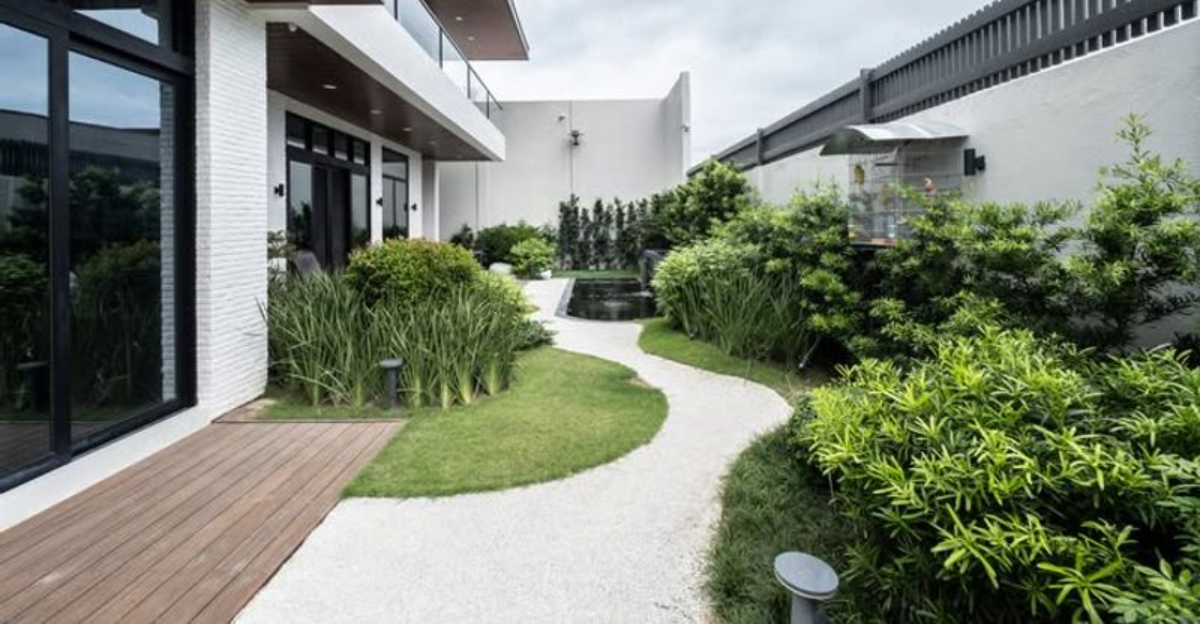
Minimalist green spaces are becoming a favorite because Maryland homeowners want yards that feel calm, clean, and easy to enjoy without too much fuss.
You can spot the trend everywhere, giving Maryland a fresh look built around open lawns, simple plant choices, and spaces that feel light instead of crowded.
If you’ve been craving a yard that feels peaceful the second you step outside, Maryland is showing how beautifully this minimalist style works.
1. Lower Maintenance Requirements Save Time and Energy
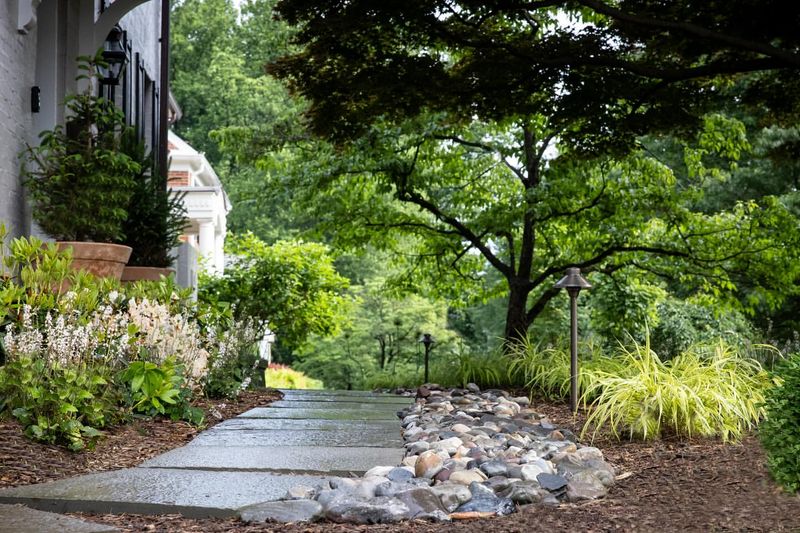
Busy families across Maryland appreciate outdoor spaces that look beautiful but do not demand hours of weekly work to maintain properly and keep attractive.
Minimalist green spaces use fewer plant varieties, simpler layouts, and strategic design choices that naturally reduce the time spent on watering, pruning, and general care.
Homeowners find they can enjoy their yards more and work in them less, which fits perfectly with modern lifestyles that value efficiency and relaxation.
Simple grass areas combined with carefully selected native plants create attractive landscapes that practically take care of themselves throughout Maryland’s changing seasons and weather patterns.
Fewer decorative elements mean less cleaning, repairing, and replacing items that break or fade, saving both time and money over the long term for residents.
Maryland communities are embracing this practical approach because it allows more time for actually using outdoor spaces rather than constantly maintaining them with endless tasks.
Simplicity in design translates directly to simplicity in upkeep, making minimalist green spaces an intelligent choice for people who value their weekends and free time.
The reduced maintenance burden appeals especially to older adults and working parents who want beautiful yards without the traditional labor that landscaping typically requires.
2. Mental Clarity Through Uncluttered Natural Settings
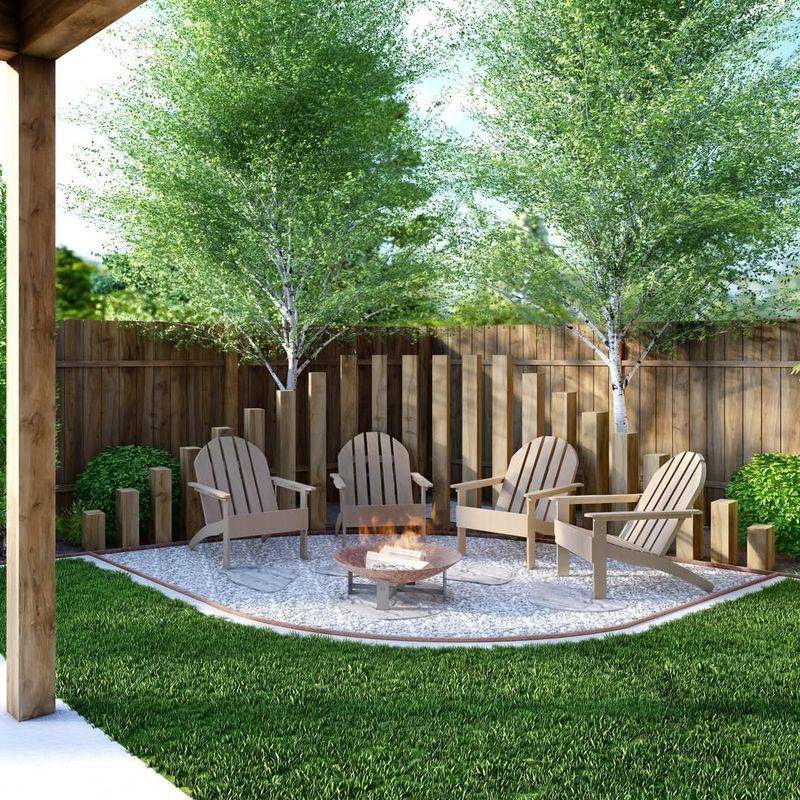
Open spaces with minimal visual distractions create environments where minds can rest and people can experience genuine relaxation away from daily stresses and constant stimulation.
Maryland residents report feeling calmer when surrounded by simple natural settings that lack the overwhelming decorations and busy designs common in traditional landscaping approaches today.
Research shows that uncluttered environments reduce mental fatigue and help people focus better, making minimalist green spaces valuable for psychological health and overall personal wellness.
Clean sight lines and simple compositions allow eyes to rest comfortably without jumping between competing focal points, which naturally promotes feelings of peace and contentment.
Families in Maryland use these spaces for meditation, quiet reading, and thoughtful conversation because the simplicity supports concentration rather than fragmenting attention across multiple elements.
Children benefit too, as open green areas encourage imaginative play without overstimulation from excessive structures, decorations, or complicated features that limit creative thinking patterns.
The psychological benefits extend beyond individual moments, contributing to reduced anxiety levels and improved mood over time for people who regularly spend time outdoors.
Maryland communities recognize that mental health matters as much as physical health, making these calming spaces increasingly important in neighborhood planning and residential landscape design.
3. Cost-Effective Design Reduces Landscaping Expenses Significantly
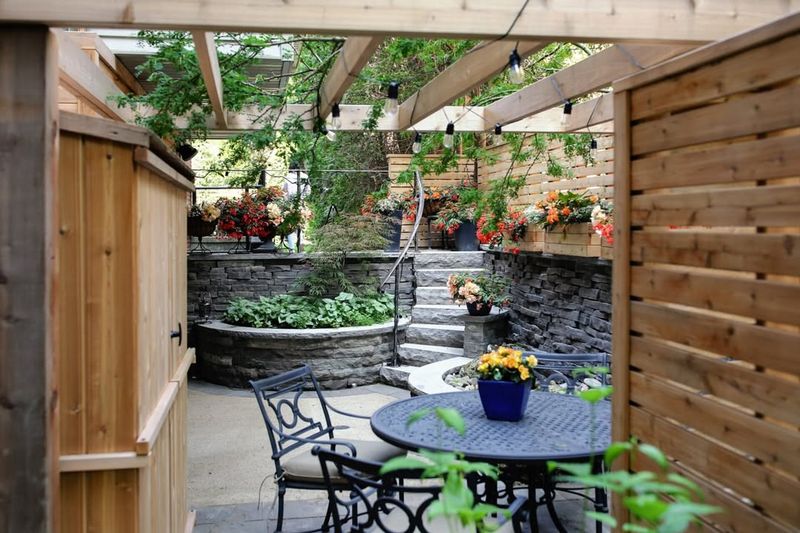
Creating beautiful outdoor areas does not require expensive materials, elaborate features, or professional installation services when embracing minimalist principles that emphasize simplicity and natural beauty.
Maryland homeowners save thousands of dollars by choosing fewer high-quality plants over many mediocre ones and selecting durable natural materials instead of costly decorative items.
Initial installation costs drop dramatically when designs focus on open grass areas, strategic plantings, and simple hardscaping rather than complex water features or elaborate structures.
Ongoing expenses also decrease because minimalist spaces require fewer replacement plants, less fertilizer, reduced watering, and minimal professional maintenance services throughout each growing season in Maryland.
Budget-conscious families appreciate that these spaces deliver visual appeal and functional value without the financial burden associated with traditional elaborate landscaping projects and ongoing upkeep.
Simple does not mean cheap or unattractive; rather, it means thoughtful resource allocation that maximizes impact while minimizing waste and unnecessary spending on fleeting trends.
Maryland residents find that investing in quality over quantity creates lasting value, with spaces that remain attractive and functional for years without requiring constant updates.
Economic practicality combined with aesthetic appeal makes minimalist green spaces accessible to families across different income levels throughout Maryland’s diverse communities and varied neighborhoods.
4. Environmental Benefits Support Local Ecosystems and Wildlife
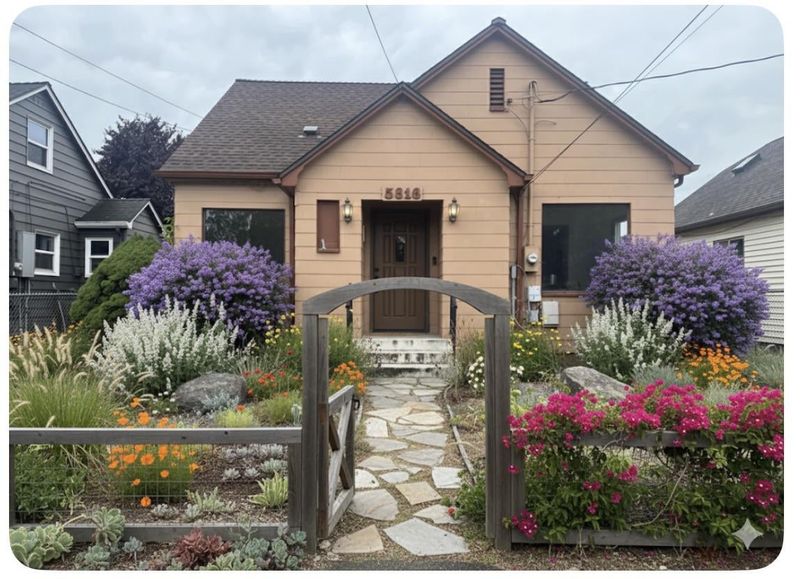
Native plants and simplified landscapes support Maryland’s local ecosystems more effectively than exotic ornamental gardens that often require chemicals and disrupt natural environmental balances and patterns.
Minimalist designs typically incorporate indigenous species that provide food and habitat for birds, butterflies, and beneficial insects without demanding pesticides or excessive water resources unnecessarily.
Reduced lawn areas mean less mowing, which decreases carbon emissions and noise pollution while allowing wildflowers and native grasses to flourish naturally throughout Maryland’s landscape.
Fewer ornamental plants mean fewer imported species that sometimes escape cultivation and become invasive, threatening native Maryland plants and disrupting established ecological relationships over time.
Simplified green spaces often include permeable surfaces that allow rainwater to soak naturally into soil rather than running off into storm drains carrying pollutants downstream.
Maryland communities concerned about environmental stewardship appreciate how minimalist approaches align with conservation goals while still creating attractive, functional outdoor spaces for human enjoyment and recreation.
Sustainable practices embedded in minimalist design philosophy help protect the Chesapeake Bay watershed by reducing chemical runoff and preserving natural filtration systems throughout the region.
Ecological consciousness drives many Maryland residents toward simpler landscapes that work with nature rather than against it, creating harmony between human needs and environmental health.
5. Flexible Spaces Adapt to Changing Family Needs
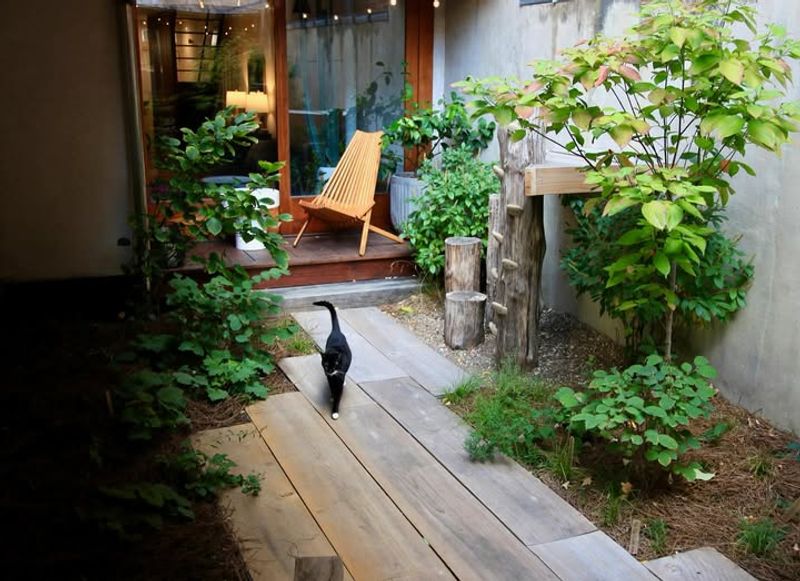
Open layouts without permanent structures or fixed garden beds allow Maryland families to reimagine and repurpose outdoor spaces as children grow and household needs evolve naturally.
Simple green areas serve equally well for toddler play, teenage sports practice, adult gatherings, or quiet retirement relaxation without requiring expensive renovations or significant design changes.
Minimalist spaces avoid the commitment trap of elaborate features that become obsolete or unwanted, offering freedom to adapt outdoor areas as lifestyles and preferences shift.
Temporary additions like portable fire pits, seasonal seating, or movable planters let Maryland homeowners customize spaces for specific occasions without permanent alterations that limit flexibility.
Families appreciate not being locked into design decisions made years earlier when household composition, interests, and needs were completely different from current circumstances and priorities.
The adaptability proves especially valuable in Maryland’s real estate market, where homes with versatile outdoor spaces appeal to broader buyer audiences with diverse lifestyle preferences.
Simple foundations support endless possibilities, allowing creativity and personal expression to flourish without the constraints imposed by complicated existing landscapes that resist modification and change.
Flexibility means outdoor spaces remain relevant and useful throughout decades of ownership rather than becoming outdated relics of previous owners’ tastes or bygone family stages.
6. Enhanced Property Value Through Timeless Appeal
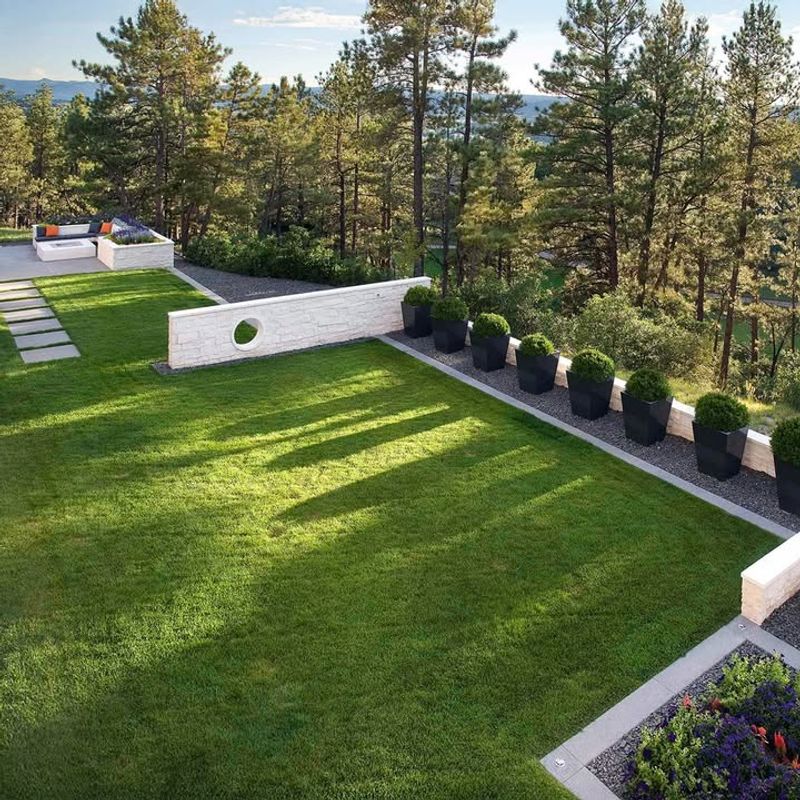
Real estate professionals throughout Maryland note that homes with clean, well-maintained minimalist landscapes often sell faster and command higher prices than properties with dated designs.
Timeless simplicity appeals to broad buyer demographics because it avoids polarizing style choices that reflect specific personal tastes rather than universal aesthetic principles and preferences.
Potential buyers can easily envision personalizing minimalist spaces to match their preferences, whereas elaborate existing landscapes may seem difficult or expensive to modify according to taste.
Professional appraisers recognize that low-maintenance landscapes add value by reducing future owner obligations, making properties more attractive to busy professionals and retirees seeking convenience.
Maryland homeowners investing in minimalist green spaces enjoy immediate benefits while also building equity through improvements that enhance long-term marketability and financial return potential.
Clean designs photograph beautifully for listing presentations, creating strong first impressions that generate interest and motivate prospective buyers to schedule property viewings and tours.
Unlike trendy landscaping that quickly appears outdated, minimalist approaches remain fresh and relevant across changing design fashions, protecting investment value over extended time periods naturally.
Strategic simplicity communicates care and attention without overwhelming buyers, striking the perfect balance that Maryland real estate markets reward with premium pricing and faster transaction closings.
7. Improved Social Connections in Neighborhood Communities
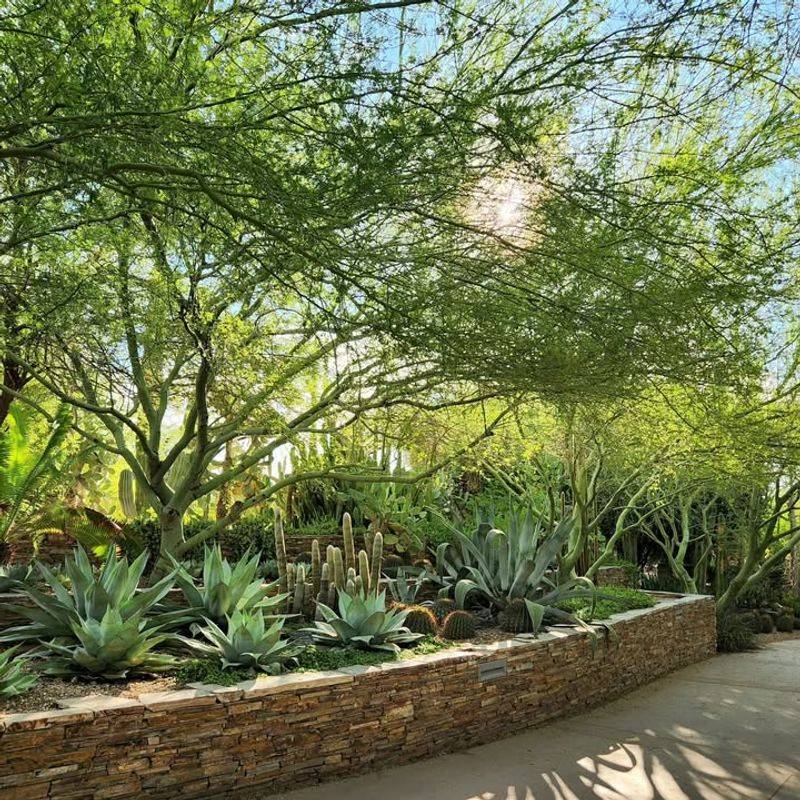
Open green spaces without physical barriers or visual clutter naturally encourage neighbors to interact, creating opportunities for spontaneous conversations and building stronger community bonds throughout Maryland.
Minimalist designs often include simple seating areas that invite casual gatherings, making it easy for residents to host impromptu get-togethers without elaborate planning or preparation.
Visible, accessible yards foster connection rather than isolation, contrasting with fortress-like landscapes that discourage interaction and separate families from surrounding community members and neighbors.
Maryland neighborhoods with shared minimalist green spaces report higher resident satisfaction and stronger social networks, which contribute to safety, mutual support, and overall quality of life.
Children playing in open yards naturally attract other kids, helping families form friendships and support systems that enrich daily life beyond what isolated households experience.
Community events like outdoor movie nights, picnics, or casual sports games happen more easily in flexible minimalist spaces that accommodate groups without complicated setup requirements.
The welcoming nature of simple, uncluttered landscapes signals openness and approachability, making newcomers feel more comfortable introducing themselves and integrating into established Maryland neighborhood social circles.
Social connections formed in shared green spaces contribute to mental health, personal happiness, and community resilience during challenges, making these areas valuable beyond their aesthetic contributions.
8. Climate Resilience Through Smart Plant Choices

Maryland’s increasingly unpredictable weather patterns demand landscapes that withstand temperature extremes, irregular rainfall, and other climate challenges without constant intervention or resource-intensive maintenance efforts.
Minimalist approaches emphasize hardy native species adapted to local conditions, reducing vulnerability to droughts, floods, and temperature swings that stress non-native ornamental plants significantly.
Simplified plant palettes make it easier to select proven performers rather than experimenting with temperamental varieties that may fail during Maryland’s occasional extreme weather events.
Reduced turf areas and increased native plantings improve soil health and water retention, helping landscapes survive dry periods without irrigation systems that waste water and increase costs.
Climate-smart minimalist designs position Maryland homeowners to maintain attractive outdoor spaces even as environmental conditions shift and traditional landscaping approaches become less viable over time.
Resilient landscapes require fewer emergency interventions, replacement plantings, and recovery efforts after storms or unusual weather, saving money and reducing frustration for property owners statewide.
Forward-thinking Maryland communities recognize that sustainable landscaping practices today prevent costly problems tomorrow while supporting environmental goals and protecting natural resources for future generations.
Adaptability built into minimalist design philosophy ensures outdoor spaces remain functional and beautiful despite climate uncertainties that make rigid traditional landscaping increasingly impractical and expensive.
9. Personal Wellness Through Connection with Nature
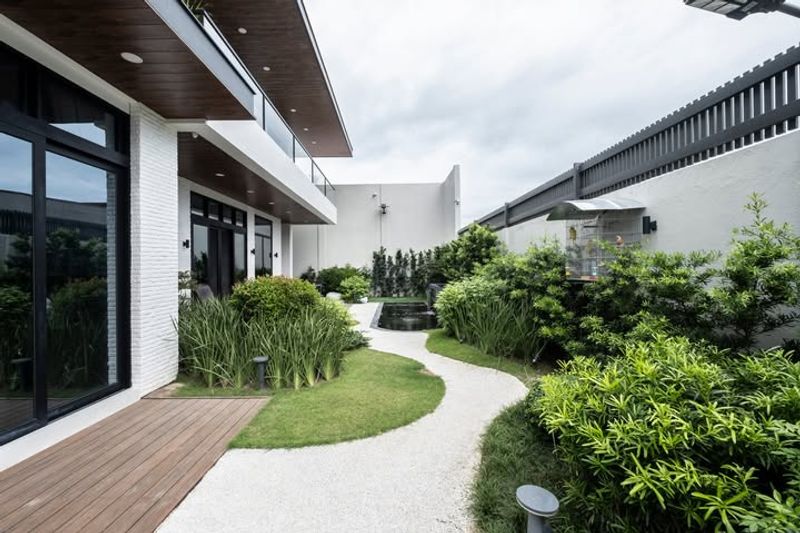
Direct contact with natural environments provides documented health benefits including reduced blood pressure, improved immune function, and enhanced emotional wellbeing that Maryland residents increasingly seek actively.
Minimalist green spaces remove barriers between people and nature, creating intimate experiences with grass, trees, and sky without distracting ornamental features that dilute connection.
Simple outdoor areas encourage daily use for activities like morning coffee, evening walks, or weekend relaxation, embedding nature contact into regular routines rather than special occasions.
Maryland families report that accessible, uncomplicated yards make it easier to spend time outside consistently, multiplying health benefits through regular exposure rather than occasional visits to parks.
Children who play regularly in natural settings develop stronger immune systems, better focus, and improved creativity compared to those spending most time indoors or in artificial environments.
Adults benefit from stress reduction and mental restoration that natural settings provide, with minimalist spaces offering particularly effective environments for meditation, yoga, and mindful relaxation practices.
The physical activity encouraged by welcoming outdoor spaces contributes to fitness and weight management, addressing health concerns prevalent throughout Maryland’s population across all age groups.
Holistic wellness encompasses mental, physical, and emotional health, with minimalist green spaces supporting all three dimensions through accessible, appealing natural environments that invite regular engagement.