Why Minnesota Gardens Need At Least 7 Milkweed Plants, Now More Than Ever
Monarch butterflies are vanishing from Minnesota gardens at an alarming rate, and the solution starts with a simple plant that once blanketed our prairies.
Milkweed is not just another pretty flower—it is the lifeline that monarchs depend on to survive, reproduce, and complete their incredible migration journey.
Planting at least seven milkweed plants in your yard can make a real difference for these iconic insects and the entire ecosystem they support.
Here is why your garden needs more milkweed than ever before.
1. Milkweed Is Essential For Monarch Butterfly Survival
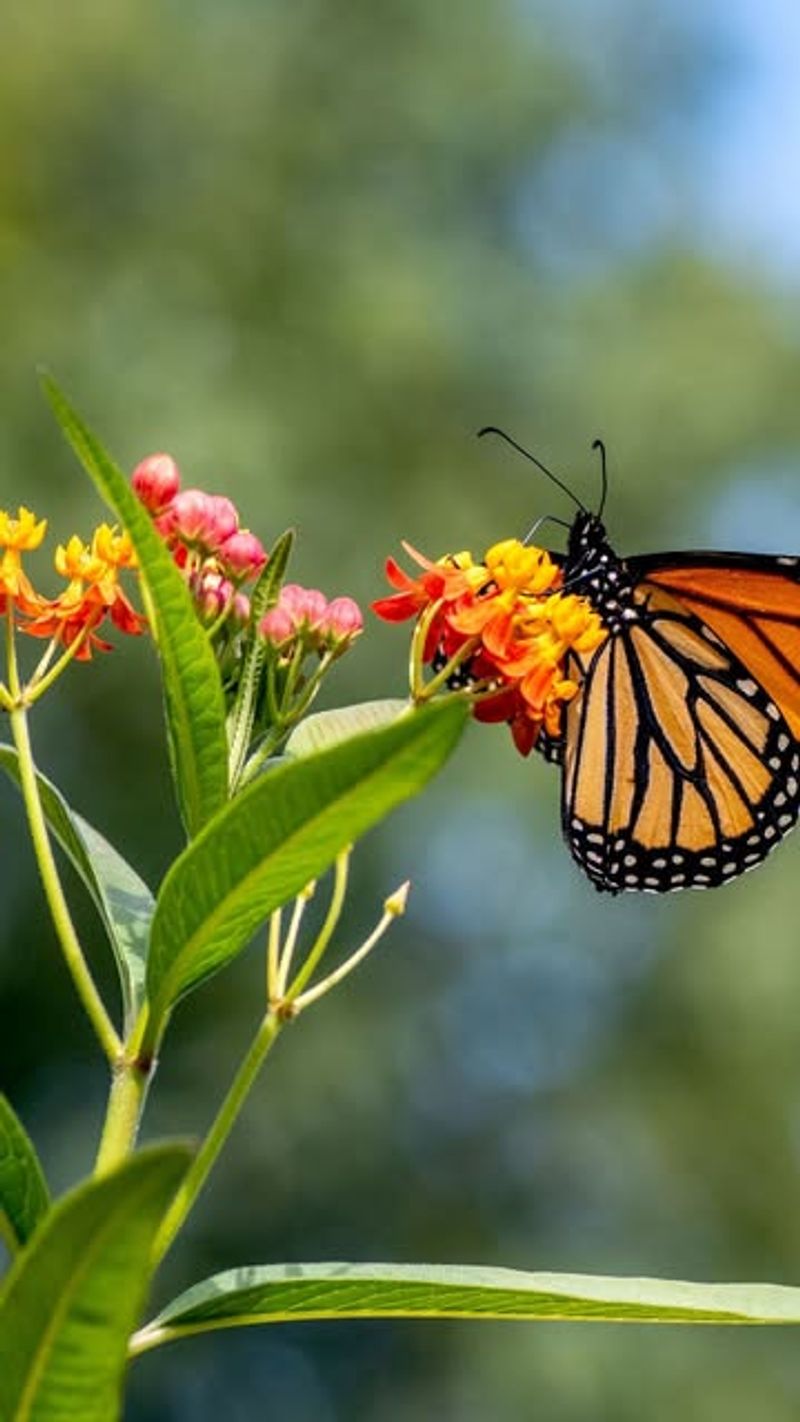
Monarch butterflies have one of nature’s most exclusive relationships with a single plant species.
Female monarchs lay their eggs only on milkweed because the leaves contain special compounds that caterpillars need to grow and develop.
Without milkweed, monarch caterpillars simply cannot survive—no other plant will do.
These compounds, called cardenolides, also make the caterpillars taste bitter to predators, offering them protection throughout their vulnerable early stages.
Minnesota sits right in the heart of the monarch migration corridor, making our gardens critical rest stops and nurseries during their long journey.
Each summer, monarchs travel north from Mexico to breed across the Midwest, and they rely entirely on milkweed to fuel the next generation.
When you plant milkweed in your Minnesota garden, you provide an irreplaceable resource that monarchs cannot find anywhere else.
Your yard becomes a vital link in the survival chain of one of North America’s most beloved insects.
Every milkweed plant you add increases the chances that monarch caterpillars will have enough food to reach adulthood.
This connection between plant and butterfly is so strong that losing milkweed means losing monarchs forever.
2. Monarch Populations Are Declining Rapidly In The Midwest
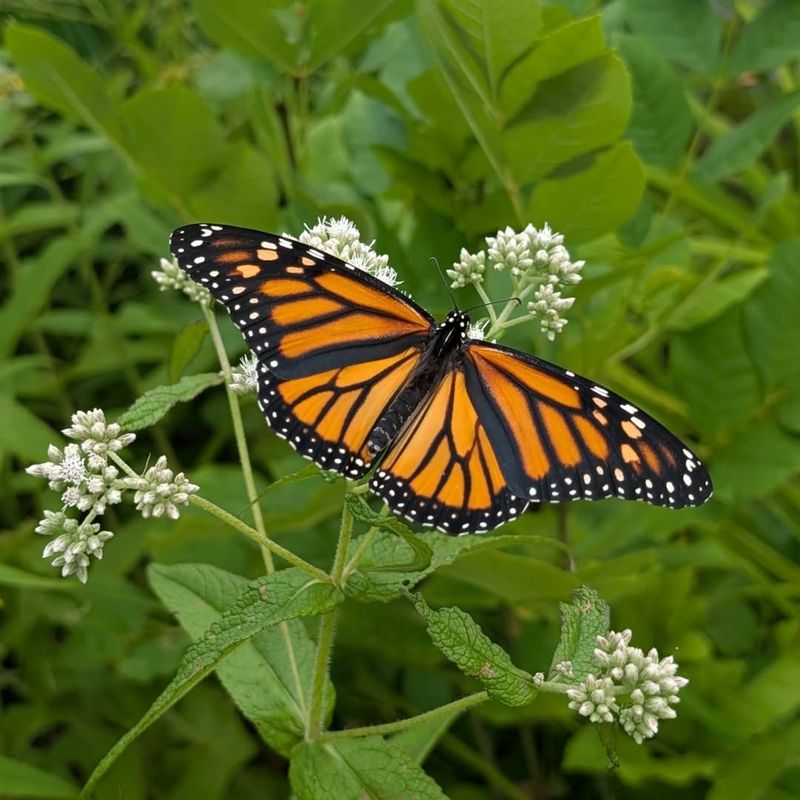
Over the past two decades, monarch butterfly numbers have dropped by more than 80 percent across the Midwest.
Scientists have documented this sharp decline through careful monitoring at overwintering sites in Mexico and breeding grounds throughout Minnesota and neighboring states.
Habitat loss is the biggest culprit—prairies that once held millions of milkweed plants have been converted to farmland, parking lots, and subdivisions.
Roadsides that used to bloom with native wildflowers are now mowed regularly, removing the very plants monarchs need most.
Agricultural practices have also changed dramatically, with herbicide use eliminating milkweed from crop fields where it once grew abundantly.
Climate shifts and extreme weather events further stress monarch populations during migration and breeding seasons.
Home gardens have become unexpectedly important because they now represent some of the last remaining habitat patches in developed areas.
Your backyard might seem small, but when thousands of Minnesota gardeners plant milkweed, it creates a network of safe havens across the landscape.
Urban and suburban gardens can collectively provide enough resources to help stabilize declining monarch populations.
Every single garden counts in this conservation effort.
3. Why Planting Just One Milkweed Isn’t Enough
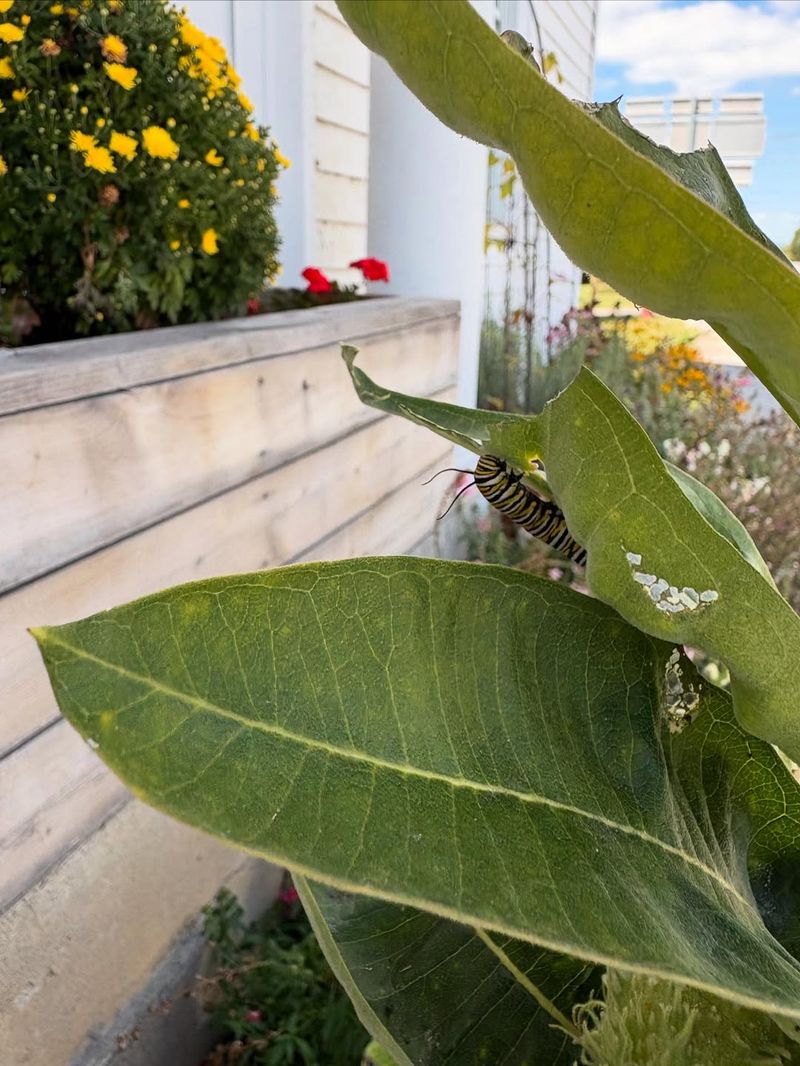
A lone milkweed plant might attract a visiting monarch, but it cannot support the caterpillars that hatch from her eggs.
Monarch caterpillars are surprisingly hungry—each one consumes dozens of milkweed leaves before forming a chrysalis.
If only one or two plants are available, the caterpillars will strip every leaf and then face starvation before they can complete their transformation.
Research shows that planting at least seven milkweed plants significantly increases caterpillar survival rates by ensuring enough food throughout their development.
Multiple plants also provide backup when some get damaged by weather, pests, or other garden visitors.
Clustering milkweed plants together makes it easier for female monarchs to find them and lay eggs in productive locations.
A small patch of seven or more plants sends a strong visual and chemical signal that attracts monarchs from greater distances.
Spacing your milkweed plants about 12 to 18 inches apart creates an ideal feeding station without overcrowding.
This approach mirrors how milkweed naturally grows in prairie communities—in groups rather than isolated individuals.
Seven plants is the minimum recommended number to truly make a difference for monarch reproduction in your garden.
4. Minnesota’s Climate Makes Milkweed Even More Important
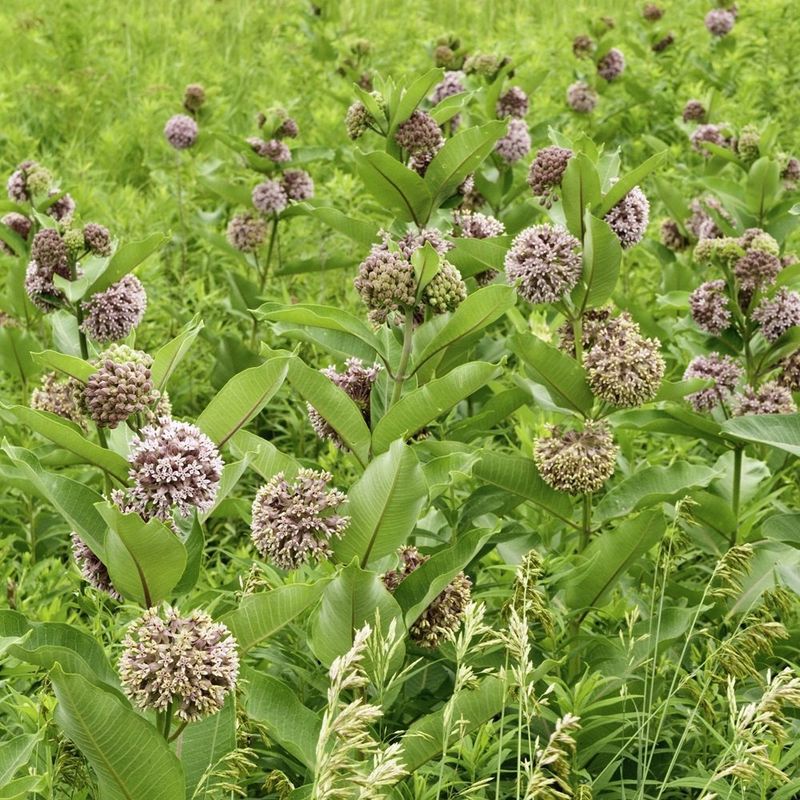
Minnesota’s short growing season compresses the entire monarch breeding cycle into just a few precious months.
Monarchs arrive in late May or early June and must quickly find milkweed to lay eggs before summer ends.
Our harsh winters mean that every moment of the growing season counts—there is no time to waste searching for scattered, isolated plants.
Concentrated patches of milkweed allow monarchs to lay multiple eggs efficiently, maximizing their reproductive success during the brief window available.
Late summer is especially critical because the final generation of monarchs born in Minnesota will make the incredible migration to Mexico.
These special butterflies need abundant milkweed to build up the energy reserves required for their 2,000-mile journey south.
Cold snaps and early frosts can suddenly end the growing season, making reliable milkweed patches even more valuable.
Gardens that maintain healthy milkweed stands from June through September provide consistent resources throughout the entire breeding period.
Minnesota gardeners who plant at least seven milkweed plants help ensure that monarchs can complete multiple generations before migration begins.
Your garden becomes a dependable oasis in an unpredictable northern climate.
5. Milkweed Supports More Than Just Monarchs
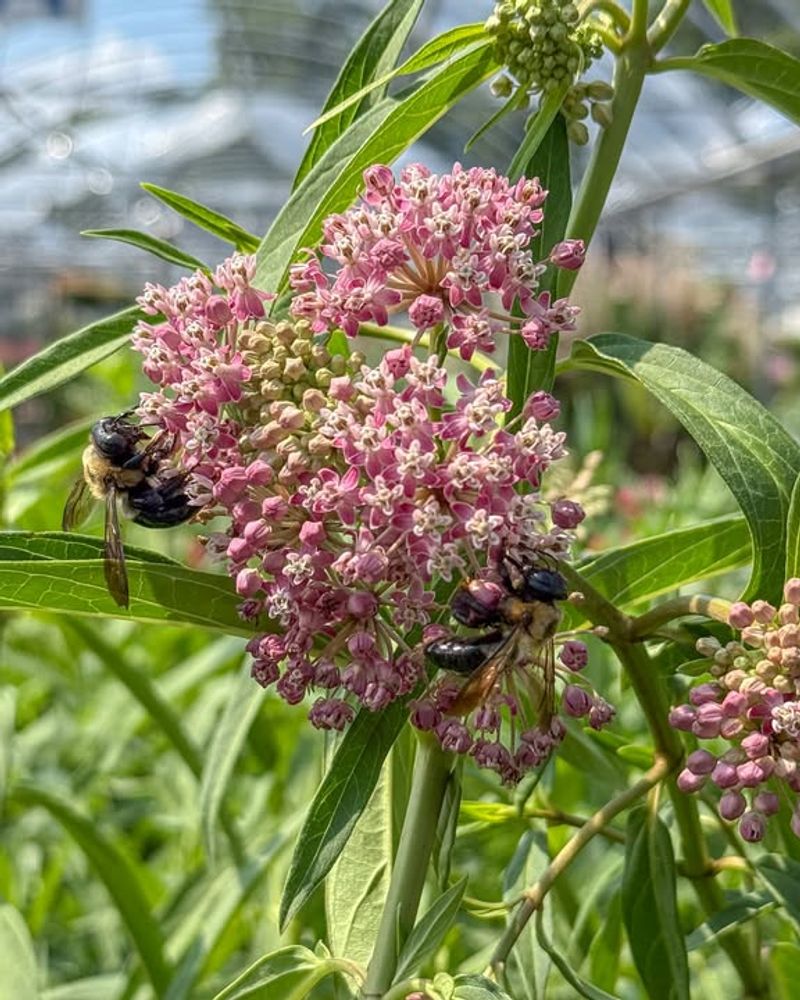
Bumblebees absolutely love milkweed flowers, visiting them repeatedly throughout the day to gather nectar and pollen.
Native bees, including sweat bees and mining bees, also flock to milkweed blooms, making your garden buzz with activity.
Honeybees find milkweed flowers irresistible, and beekeepers often notice increased hive activity when milkweed is blooming nearby.
Hummingbird moths, those fascinating daytime fliers that hover like tiny hummingbirds, frequently visit milkweed for its rich nectar.
Beneficial predatory insects, such as ladybugs and lacewings, use milkweed plants as hunting grounds for aphids and other garden pests.
Spiders often build webs among milkweed stems, creating a balanced ecosystem that naturally controls insect populations.
Planting seven or more milkweed plants creates a pollinator magnet that supports dozens of species beyond monarchs.
This biodiversity strengthens your entire garden by improving pollination for vegetables, fruits, and other flowering plants.
A diverse insect community also makes your garden more resilient to pests and environmental stresses.
Milkweed truly functions as a keystone species that benefits the whole backyard ecosystem in ways you will notice all summer long.
6. The Best Milkweed Varieties For Minnesota Gardens
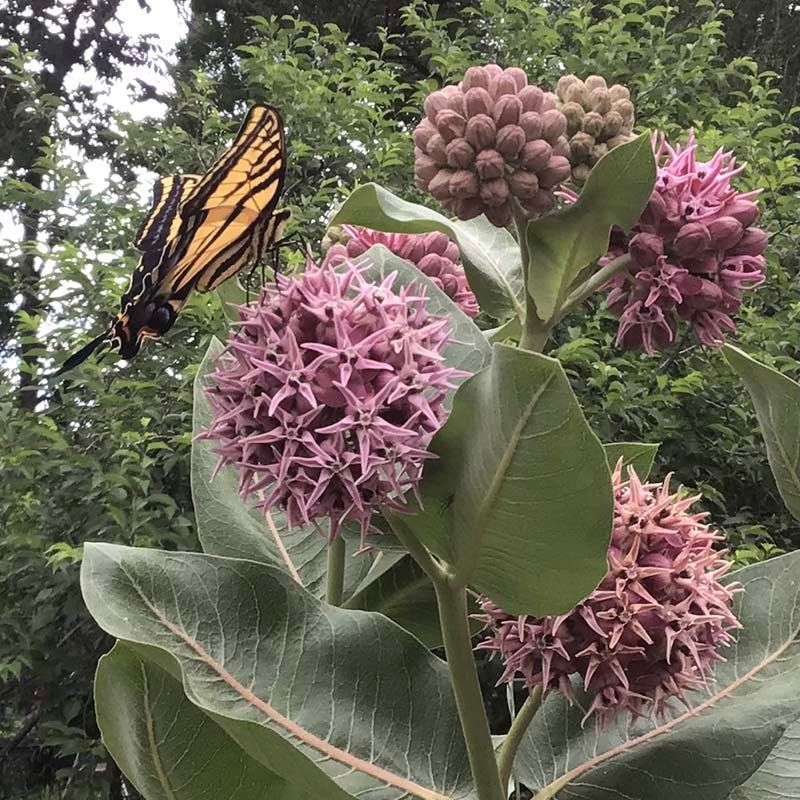
Common milkweed is the workhorse of Minnesota gardens, thriving in full sun and tolerating a wide range of soil conditions.
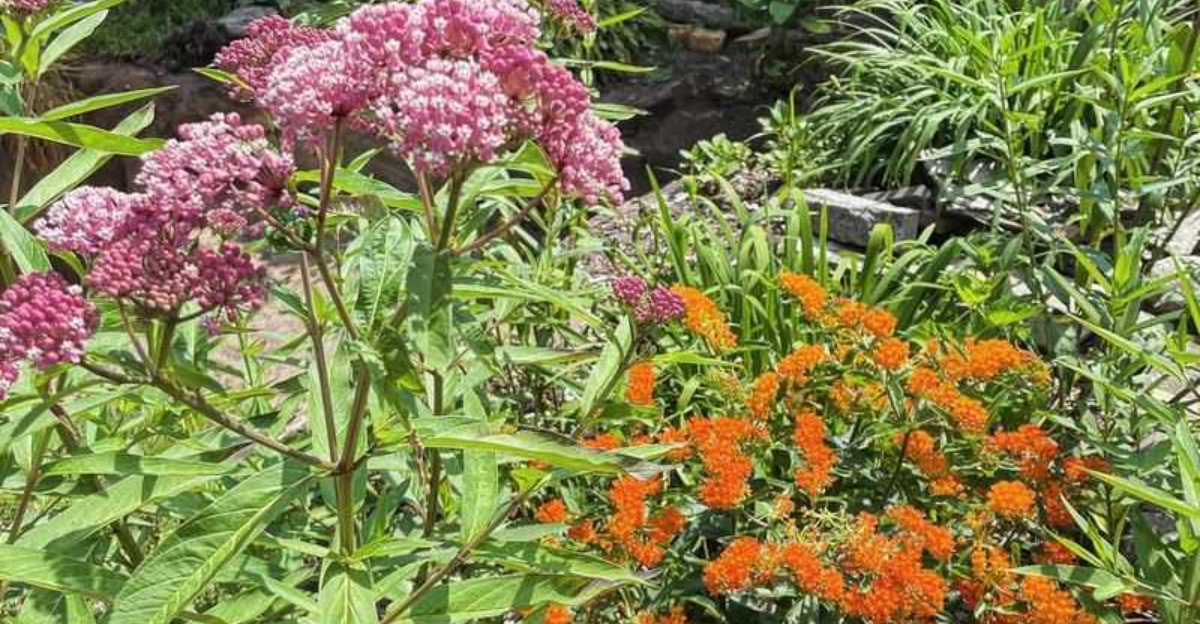
Its large pink flower clusters bloom from June through August and produce the most food for monarch caterpillars.
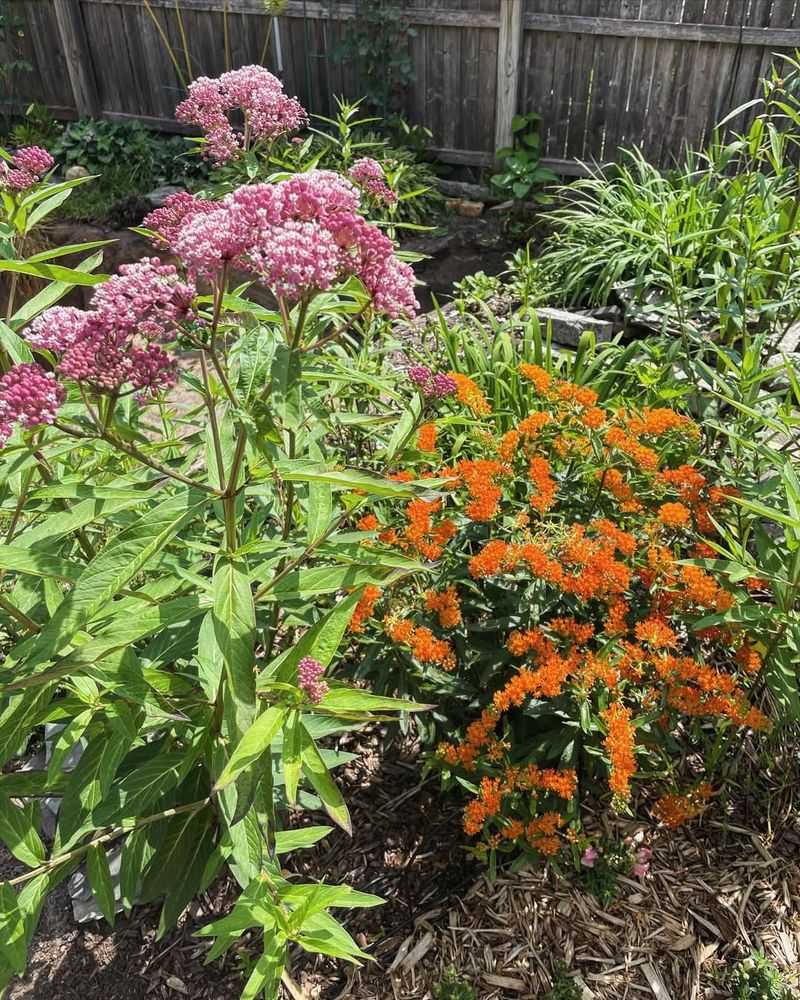
Swamp milkweed prefers moist areas and features stunning rose-pink flowers that bloom slightly later in the season.
This variety works beautifully in rain gardens or near downspouts where other plants might struggle with wet feet.
Butterfly weed stands out with brilliant orange flowers and tolerates dry, sandy soils better than other milkweed species.
Its compact growth habit makes it perfect for smaller gardens or mixed perennial borders.
Whorled milkweed is a Minnesota native that grows well in partial shade and features delicate white flowers.
All of these species are perennials that return year after year, becoming stronger and more productive with age.
Mixing different milkweed varieties extends the blooming period and provides resources throughout the entire growing season.
Choose species that match your garden’s sunlight and moisture conditions for the healthiest plants and best results supporting monarchs and other pollinators.
7. How Minnesota Gardeners Can Make An Immediate Impact
Start by choosing a sunny spot in your yard that receives at least six hours of direct sunlight daily.
Spring is the ideal planting time, but you can also plant milkweed in early fall to give roots time to establish before winter.
Space your seven milkweed plants 12 to 18 inches apart to create a concentrated patch that monarchs can easily find and use.
Water newly planted milkweed regularly for the first few weeks until roots establish, then these tough natives can handle typical Minnesota rainfall.
Avoid using pesticides anywhere near your milkweed, as chemicals harm caterpillars and other beneficial insects you want to attract.
Leave milkweed stems standing through winter—they provide shelter for beneficial insects and add winter interest to your garden.
Connect with local native plant nurseries or conservation groups that often host milkweed seed giveaways and plant sales each spring.
Share your success with neighbors and encourage them to plant milkweed too—collective action creates the strongest impact.
Document the monarchs and other pollinators that visit your garden and consider reporting your observations to citizen science projects.
Your decision to plant at least seven milkweed plants today helps secure a future for monarchs and strengthens Minnesota’s natural heritage for generations to come.