Why Moles Become More Noticeable In Michigan Yards In April
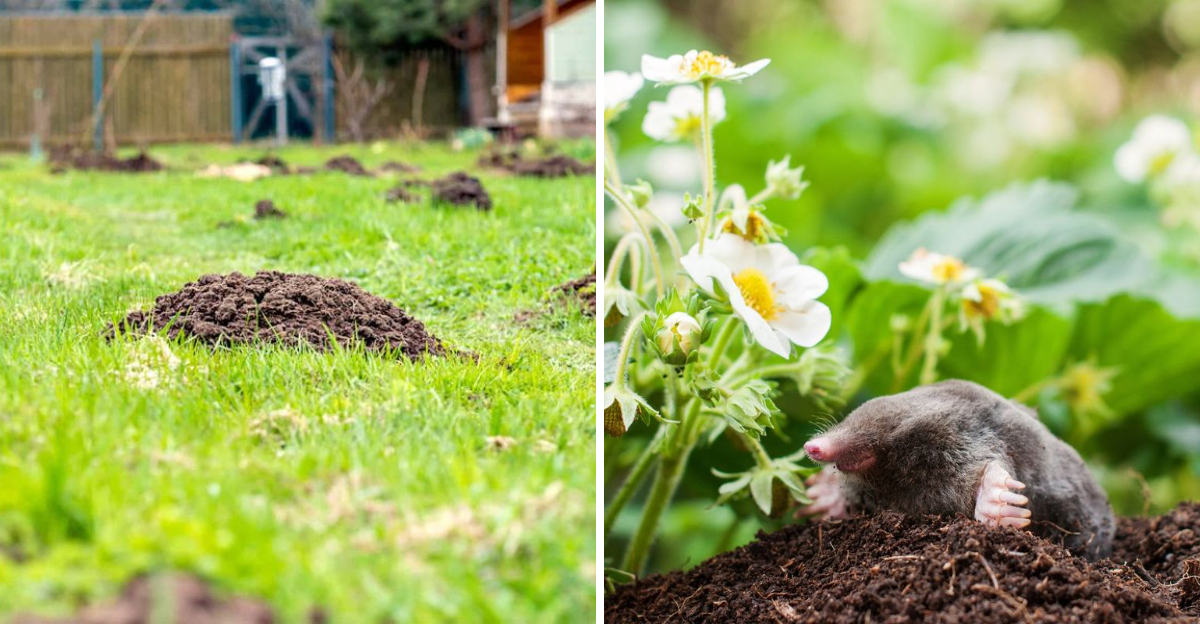
As April arrives in Michigan, many lawns start to show strange new signs that were not there before. Raised tunnels, soft patches of soil, and uneven ground can seem to appear almost overnight.
It is easy to wonder what changed so quickly, especially when your yard looked fine just weeks earlier. The answer often comes down to moles becoming more active as the soil warms up.
After a long winter, the ground softens and fills with the insects they feed on, making it the perfect time for them to move closer to the surface. This is when their tunneling becomes easier to spot and harder to ignore.
What feels like a sudden problem is really a natural seasonal shift. Once you understand why moles are more noticeable in April, you can take the right steps to manage the situation and keep your lawn looking its best.
1. Soil Thaws And Becomes Easy To Tunnel Through
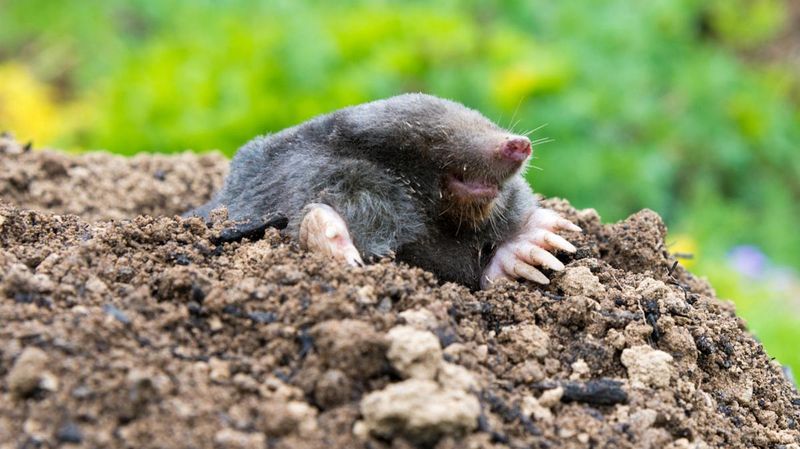
Frozen ground is basically a wall that stops moles in their tracks. All winter long, Michigan soil stays too hard and cold for moles to push through comfortably, so they retreat to deeper layers where the ground stays softer.
Once April rolls around and temperatures start climbing, that frozen barrier slowly melts away from the top down.
Soft, thawed soil is a mole’s dream. It takes far less energy to push through, and they can cover ground quickly while searching for food.
This sudden burst of movement is what creates those familiar ridges and mounds that seem to show up overnight in Michigan lawns and garden beds.
Homeowners often think a new mole just arrived, but in reality the same animal has simply moved back up toward the surface. The soil near the top becomes loose and workable, making shallow tunneling easy and efficient.
You might notice fresh dirt pushed up along clean lines running across your yard, which is a clear sign that tunneling is happening just inches below your feet.
Checking your lawn after a warm stretch of days in early April is a smart way to catch activity early before it spreads further across your yard.
2. Increased Insect Activity Provides More Food
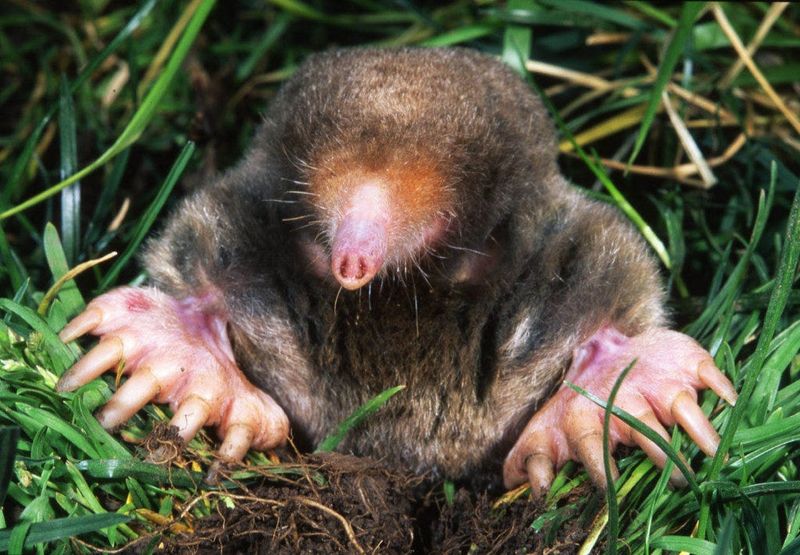
Moles are eating machines, and April gives them a buffet they simply cannot resist. As soil temperatures in Michigan climb above 40 degrees Fahrenheit, earthworms and grubs start moving around again after months of staying deep underground.
This sudden increase in food near the surface pulls moles upward and keeps them busy tunneling in search of their next meal.
A single mole can consume up to 70 percent of its body weight in food every single day. That kind of appetite means constant movement, and constant movement means constant tunneling.
The more insects and worms that wake up in your soil, the more active your resident mole is going to become throughout April.
Michigan yards with rich, healthy soil tend to attract more insect life, which in turn attracts more mole activity. Garden beds with organic compost, thick grass with deep roots, and areas near trees are especially popular hunting grounds.
Watching where the tunnels concentrate in your yard can actually tell you a lot about where your soil is most fertile and full of life.
If you want to reduce mole appeal over time, managing grub populations with appropriate lawn care products is one of the most practical steps Michigan homeowners can take during spring.
3. Spring Moisture Brings Prey Closer To The Surface
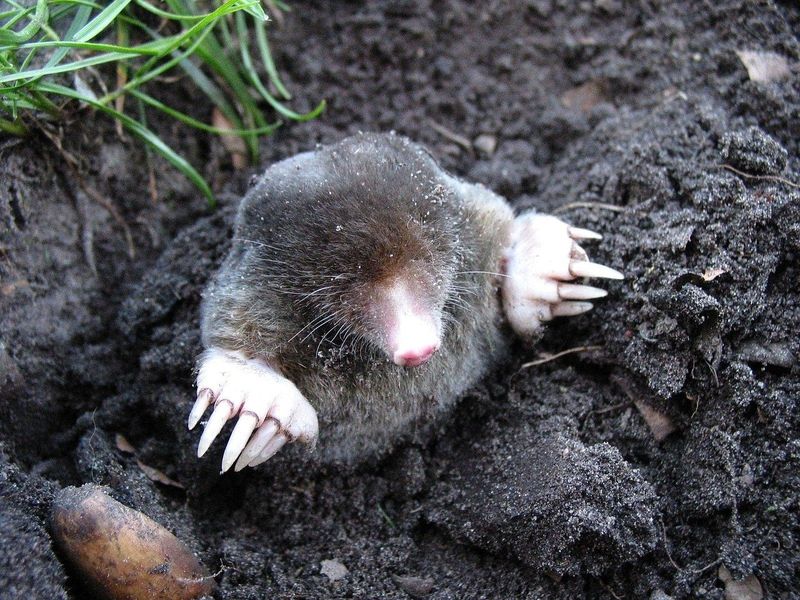
April rain in Michigan does more than water the grass. When rainfall soaks into the ground, it pushes air out of the tiny spaces between soil particles, and earthworms cannot breathe without that air.
So they move upward, crowding into the top few inches of soil where oxygen is still available. Moles pick up on this shift quickly and follow their food source straight toward the surface.
Shallow tunneling is much more visible than the deep tunnels moles use during winter. When they work just two to four inches below the surface, every push of soil creates a raised ridge you can easily spot from across the yard.
A good rain followed by a warm April day in Michigan is almost a guaranteed recipe for fresh mole activity showing up in your lawn.
Wet soil is also physically easier to move through, which means moles can tunnel faster and cover more territory after a rainstorm. You might notice that new ridges appear within a day or two of heavy April rainfall, which is not a coincidence.
Keeping an eye on your yard after spring rain events is a great habit for Michigan homeowners.
Addressing mole activity early, before extensive tunnel networks form, makes management much more straightforward and keeps lawn damage to a minimum throughout the season.
4. Mating Season Increases Movement And Tunneling

April is prime mating season for moles across Michigan, and that changes everything about how they behave. Normally, moles are fairly solitary creatures that stick to their own tunnel networks and rarely venture far from familiar ground.
But during breeding season, males start pushing outward aggressively, extending tunnels in multiple directions as they search for a mate.
This extra movement creates a noticeable spike in surface activity. Instead of one clean tunnel line running across your lawn, you might suddenly see branching ridges going off in several directions at once.
Young moles born in March or April also begin establishing their own territories by late spring, which adds even more tunneling to the mix as they push outward from the birth area.
The gestation period for moles is roughly four to six weeks, and litters typically arrive between March and May across Michigan. That timing lines up almost perfectly with the surge in visible yard damage that homeowners report every spring.
Understanding that breeding behavior drives much of April’s mole activity can help you make smarter decisions about when to act.
Catching the problem before young moles disperse and establish separate tunnel systems of their own is the most effective window for managing mole populations in your Michigan yard this spring.
5. Winter Tunnels Collapse And Get Rebuilt
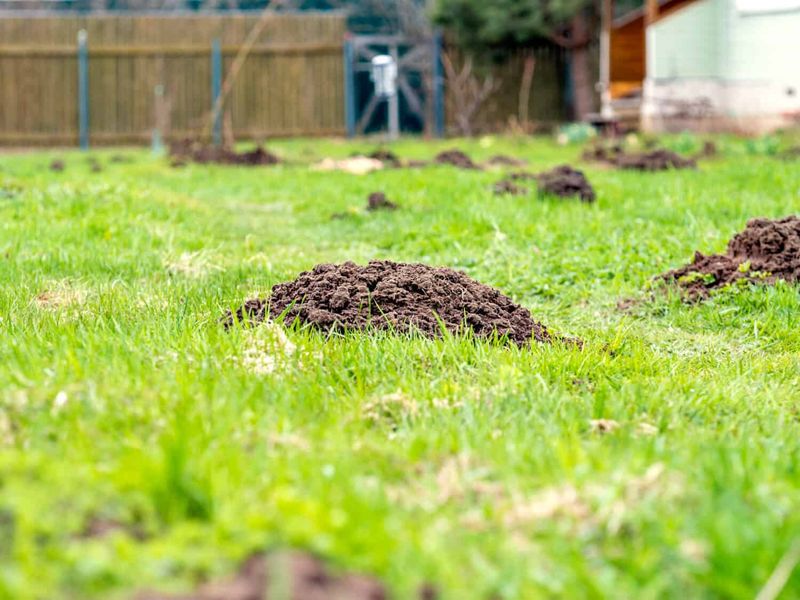
Winter is rough on mole tunnel systems in Michigan. Repeated freezing and thawing cycles, heavy snow loads, and soil shifting caused by frost heave can crush and collapse the shallow tunnels that moles built during the previous fall.
By the time April arrives, large sections of those old pathways are no longer usable, and moles have to start fresh.
Rebuilding tunnels takes a lot of work, and all of that digging creates fresh surface disruption that homeowners notice right away.
You might see areas where the ground looks churned up or uneven, which is often a sign that a mole is excavating a new tunnel to replace one that got damaged during winter.
This rebuilding phase can make April feel like mole activity doubled overnight compared to what you saw in late fall.
What makes this phase especially frustrating for Michigan homeowners is that the new tunnels often follow slightly different paths than the old ones. That means previously undisturbed areas of your lawn can suddenly show new ridges and mounds.
Keeping records of where you spotted tunnels last fall can help you predict where rebuilding might happen in spring.
Proactive yard checks in early April, especially after a stretch of warmer days, give you the best chance of spotting new tunnel construction before it spreads across a wider section of your yard.
6. Reduced Ground Cover Makes Activity More Visible
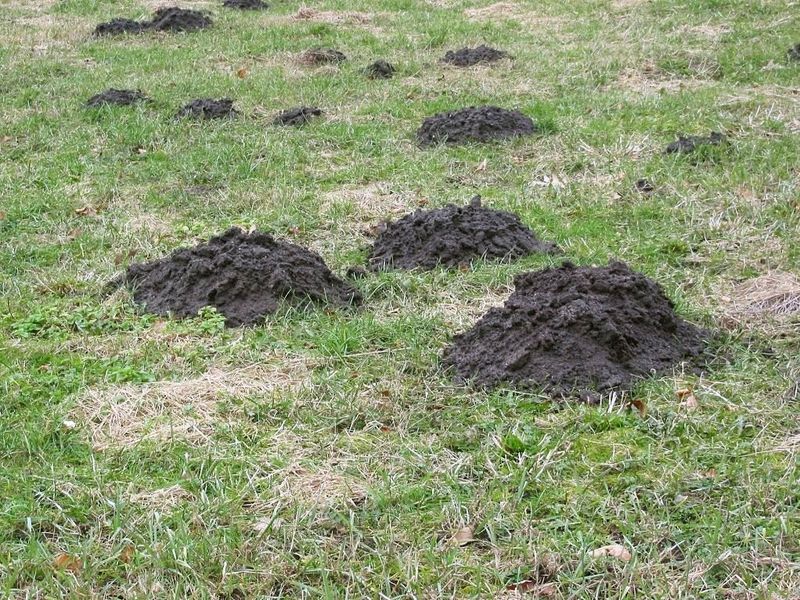
Grass in Michigan does not fully wake up until soil temperatures consistently stay above 50 degrees Fahrenheit.
That means for much of April, lawns are still thin, patchy, and low to the ground, offering almost no visual cover over whatever is happening just beneath the surface.
Mole tunnels that might blend into thick summer turf become impossible to miss against a sparse spring lawn.
Bare soil patches, dead thatch, and short dormant grass blades create a perfect backdrop for spotting raised ridges and fresh mounds. Even a small amount of tunneling activity stands out clearly when there is little plant growth to soften the look of disturbed earth.
This is one reason why Michigan homeowners often feel like moles suddenly appeared in April, even though the animals may have been active in deeper soil all winter long.
The contrast between healthy-looking sections of your yard and areas disrupted by tunneling becomes especially sharp on bright spring mornings when low sunlight casts shadows across raised ridges.
Walking your yard in the early morning is one of the easiest ways to map out where mole activity is concentrated.
Once you identify the active zones, you can focus your management efforts precisely where they will have the most impact, rather than treating your entire Michigan lawn all at once.
7. Lawn Recovery Highlights New Damage Patterns

Something interesting happens as Michigan lawns start greening up in April. The healthy grass grows back strong and even, but the areas disrupted by mole tunnels stay brown, uneven, or sunken because the roots underneath got pushed out of the soil.
That contrast between lush green turf and damaged patches makes mole activity jump out in a way it simply did not during the gray days of winter.
Tunnel ridges that went unnoticed for weeks suddenly become obvious once surrounding grass fills in with color.
Homeowners who had no idea moles were active through late winter are often surprised to find a network of trails and mounds revealed by the first real flush of spring growth.
The lawn is essentially doing the detective work for you by showing exactly where underground disturbance happened.
Michigan homeowners can use this visual contrast to their advantage by walking the yard carefully as grass starts to green up and mapping out all visible damage.
Noting where the tunnels run, where mounds cluster, and which areas look most disturbed helps you build a clear picture of the mole’s territory.
Acting on that information quickly, before summer growth fully hides everything again, gives you a practical window to manage the situation effectively.
A healthy, well-maintained Michigan lawn is always your best long-term defense against ongoing mole damage season after season.