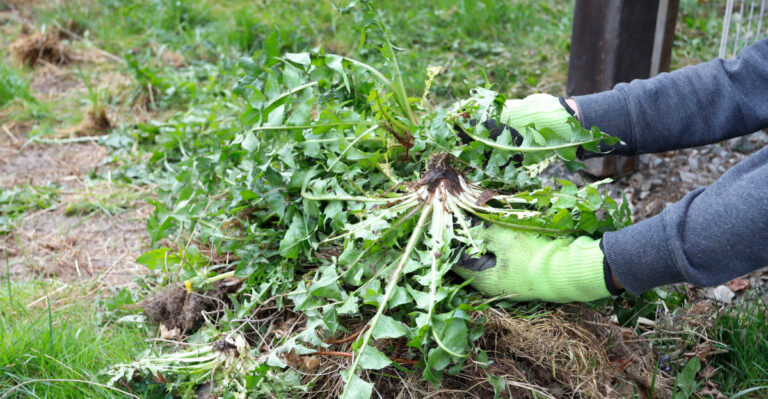
Why Moles Keep Returning To The Same Pennsylvania Lawn
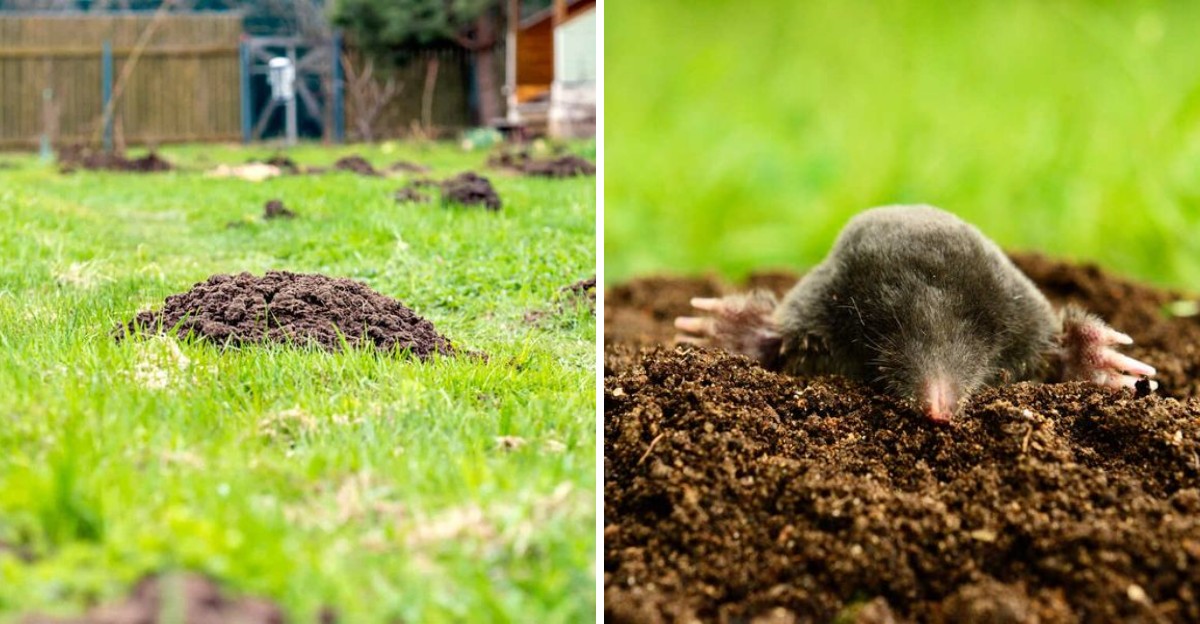
If moles keep coming back to the same areas of your Pennsylvania lawn no matter what you try, there is a specific reason. And it has very little to do with luck or the persistence of any individual mole.
Moles return to the same lawn and the same tunneling routes because your lawn is consistently offering what they need. Until those conditions change, the tunnels will keep reappearing.
The frustrating cycle most Pennsylvania homeowners experience with moles is not a sign that removal methods don’t work. It’s a sign that something in the yard keeps drawing new ones in after old ones are gone.
Understanding what that something is gives you a completely different approach to the problem. One that addresses the source rather than the symptom.
1. A Buffet Of Earthworms And Grubs
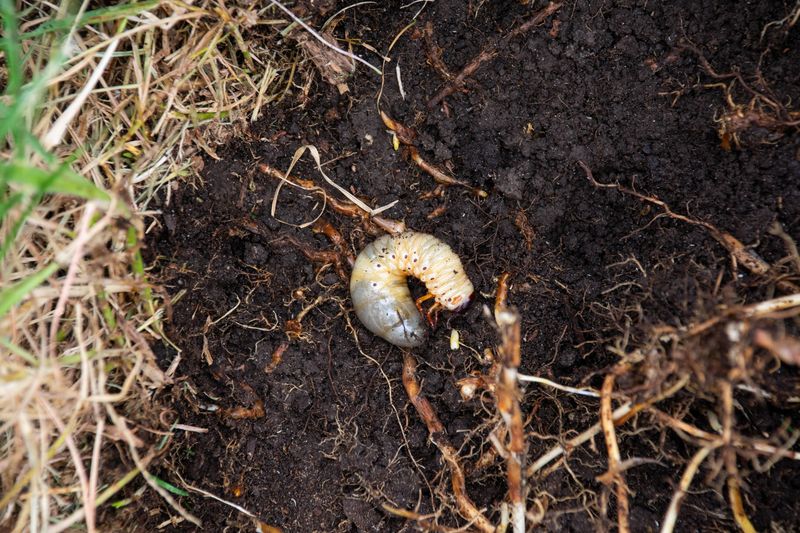
Picture a table stacked with your favorite snacks that magically refills every single day. That is basically what your lawn looks like to a hungry mole.
Moles are not eating your grass or plant roots like many people think. They are chasing the earthworms, grubs, and insects living in your soil. Pennsylvania’s moist, rich dirt happens to be perfect for these creatures.
Where there are plenty of worms and grubs, moles will dig and stay. A single mole can munch through its own body weight in bugs each day. That is a huge appetite for such a small animal.
When your soil stays packed with food, there is simply no reason for a mole to move on. It just keeps tunneling toward the next tasty meal.
You can start turning things around by treating your lawn for grubs in late summer. Milky spore and beneficial nematodes are two natural options many Pennsylvania homeowners like. They lower the grub population slowly and safely.
Keep in mind that removing food takes time and patience. The moles will not vanish overnight, but their reason to stay slowly fades.
Watering your lawn less often can also help. Soggy soil brings worms closer to the surface, right where moles love to hunt.
Try aiming for deep, occasional watering instead of daily sprinkles. Drier surface soil pushes worms deeper and makes hunting harder for moles.
Once the food supply shrinks, your yard becomes far less appealing. The moles will eventually search for a busier buffet somewhere else.
2. Soft, Moist Soil That Is Easy To Dig
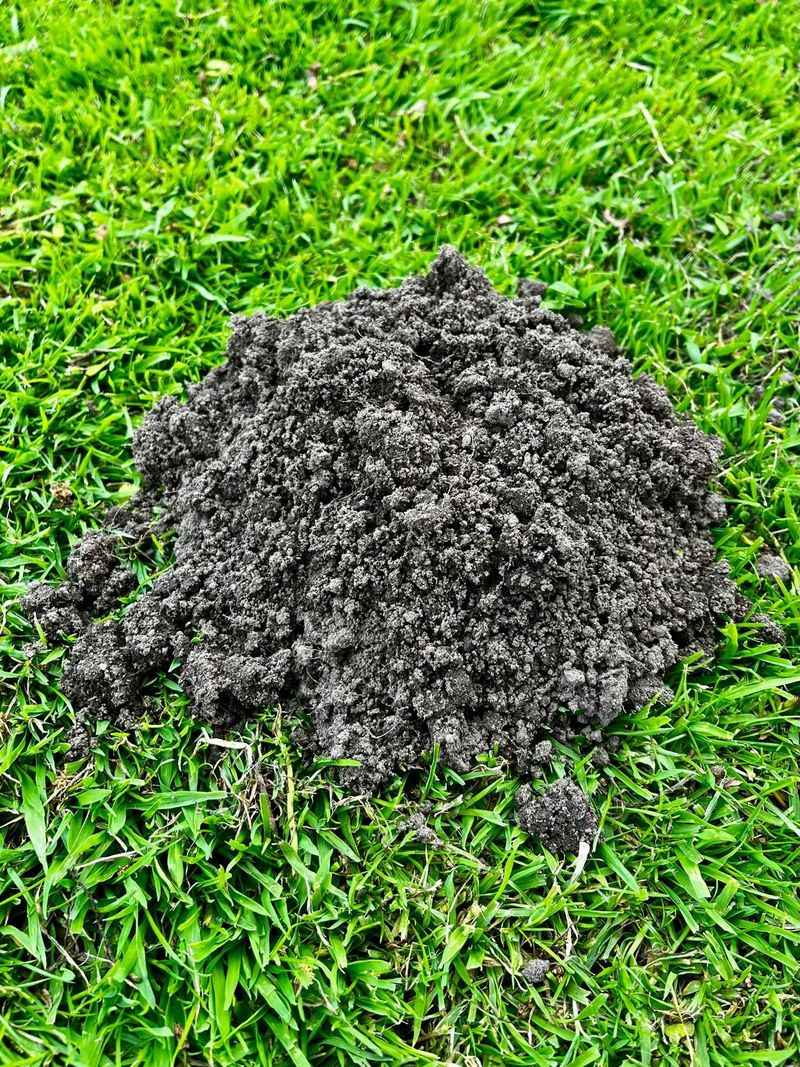
Imagine trying to dig a tunnel through concrete versus soft sand. The choice is obvious, and moles feel the same way.
Pennsylvania gets steady rain throughout much of the year. That keeps the ground loose, damp, and wonderfully easy to burrow through.
Moles have wide, paddle-shaped front paws built for pushing through soft dirt. When your soil stays moist and crumbly, they can dig fast with barely any effort.
Hard, dry, or rocky ground slows them down and wears them out. Loose garden soil, freshly mulched beds, and well-watered lawns roll out the welcome mat instead.
Your yard might feel like a five-star tunneling resort simply because the digging is so smooth. That comfort keeps moles circling back again and again.
Your Pennsylvania Garden Changes Every Week. Your Plan Should Too.
Gardening in Pennsylvania changes quickly throughout the season. Every Friday you’ll receive a simple weekly plan showing exactly what to plant, prune, fertilize, harvest, and protect so you never miss the right timing.
One helpful trick is to avoid overwatering your grass. Letting the top few inches dry out between waterings makes tunneling tougher.
Compacting problem areas with a lawn roller can also make life harder for moles. Firmer soil is far less inviting to their sensitive paws.
Some homeowners in Pennsylvania add a bit more clay or firm topsoil to loose spots. This creates a texture moles would rather avoid.
Fixing drainage issues matters too. Standing water and constantly damp patches practically beg moles to move in.
Redirect gutters and level low areas so water does not pool. Drier, sturdier ground gives moles fewer easy places to work.
The harder you make the digging, the sooner your yard loses its charm. Eventually those tunnels lead the moles somewhere friendlier to their paws.
3. Old Tunnels Left Wide Open
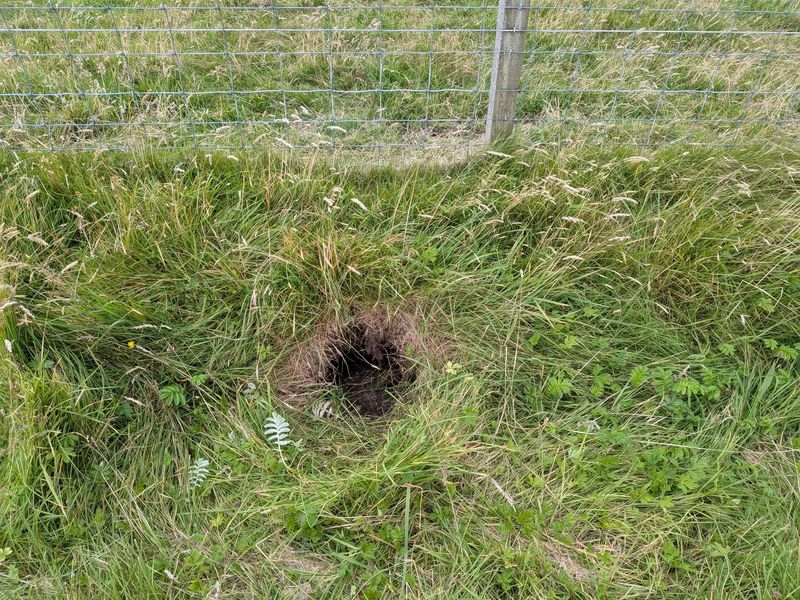
Have you ever noticed moles seem to reuse the exact same paths? There is a reason for that habit.
Moles build tunnel systems that can stretch for hundreds of feet underground. Digging all of that takes serious energy and time.
When you only flatten the surface mounds, the tunnels underneath usually stay intact. To a mole, that is like finding a fully built highway ready to use.
Instead of starting fresh somewhere new, they simply hop back into the old network. Why work hard when the road is already there?
These abandoned tunnels also attract new moles passing through the area. Empty burrows are prime real estate in the underground world.
You can break this cycle by collapsing tunnels rather than just smoothing the top. Walk over active runways or use a roller to crush them fully.
Do this after a rain when the soil packs down tightly. Squished tunnels force moles to dig again from scratch.
Some Pennsylvania homeowners stomp down active tunnels each evening for a week or two. Repeated collapsing tells moles this spot is more trouble than it is worth.
Filling stubborn holes with soil and firming them helps as well. The goal is to erase the easy pathways completely.
Keep an eye out for which tunnels reappear, since those are the busy ones. Focusing your effort there gives you the best results.
Once the tunnel highways are gone, moles must invest fresh energy elsewhere. Many decide your yard is no longer the convenient shortcut it used to be.
4. A Safe Hideout From Predators
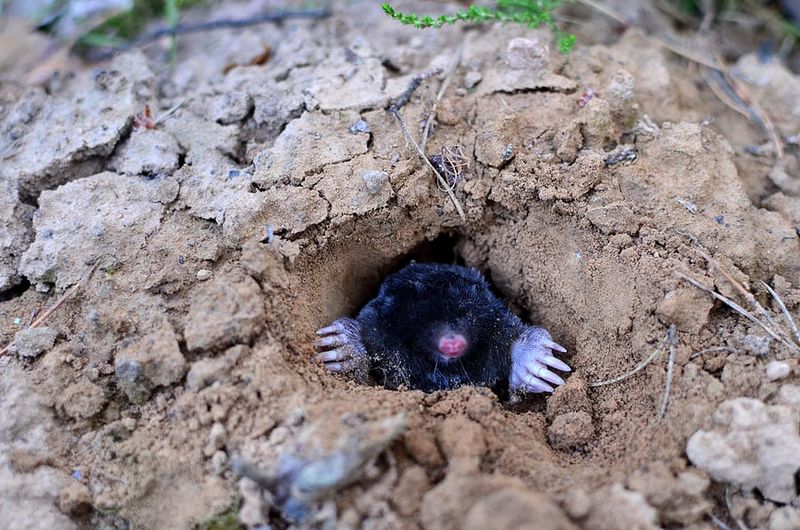
Living underground has a big perk for moles. It keeps them hidden from hawks, foxes, and other hungry hunters.
Your lawn may offer extra safety that wild fields cannot match. Fences, sheds, and thick landscaping create quiet, sheltered spots.
When a mole feels protected, it settles in and rarely wants to leave. Comfort and safety together make your yard a cozy hideaway.
Suburban Pennsylvania neighborhoods often have fewer natural predators than open countryside. That means moles can tunnel with less worry.
Pets like dogs and cats may scare off some visitors, but many moles stay deep enough to feel secure. Underground, they are tough to reach.
You can make your yard feel less safe by reducing thick cover near the ground. Trim overgrown shrubs and clear away brush piles.
Opening up sheltered corners lets more light and activity into those hidden spaces. Moles prefer calm, undisturbed areas over busy ones.
Some people welcome natural mole predators by adding features that attract owls or garter snakes. A quiet, wildlife-friendly yard can help keep populations in check.
Regular foot traffic and yard activity also make moles nervous. The more you use your space, the less peaceful it feels to them.
Even something simple like mowing often signals that the area is not so quiet after all. Vibrations travel through the soil and reach their sensitive bodies.
The less secure your lawn feels underground, the less appealing it becomes. Moles will drift toward safer, calmer ground when yours turns hectic.
5. Nearby Nesting Areas They Can Return To
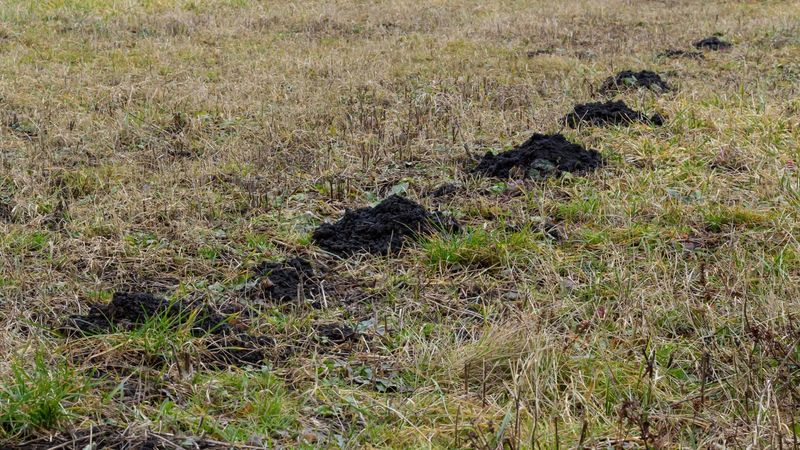
Sometimes the mole problem is not really about your yard at all. It might be about what sits right next door.
Moles often build their main nests in wooded edges, tall grass, or a neighbor’s untended lot. From there, they travel out to feed.
Your lawn may sit along their daily hunting route. Even if you clear them out, more keep wandering in from the home base.
Pennsylvania properties frequently border forests, fields, or creek banks. These wild spots are perfect places for moles to raise their young.
As long as a nearby nesting area stays active, fresh moles will keep showing up. It becomes a steady stream of new visitors.
You can create a barrier along the edge of your property to slow them down. Burying hardware cloth or mesh a couple feet deep works well.
The buried barrier blocks tunnels trying to cross into your yard. It is extra effort upfront but pays off over time.
Talking with neighbors can also help, especially if a shared fence line is the problem. Working together often solves things faster.
Keeping the border of your lawn neat and low removes an inviting travel corridor. Moles feel safer moving through tall, messy growth.
Trimming that boundary regularly makes crossing into your space feel riskier for them. Small changes at the edge add up.
When you cut off the pathway from their nest, the visits slow down. Fewer newcomers means your ongoing battle finally gets easier.
6. Weather And Seasons Push Them Right Back
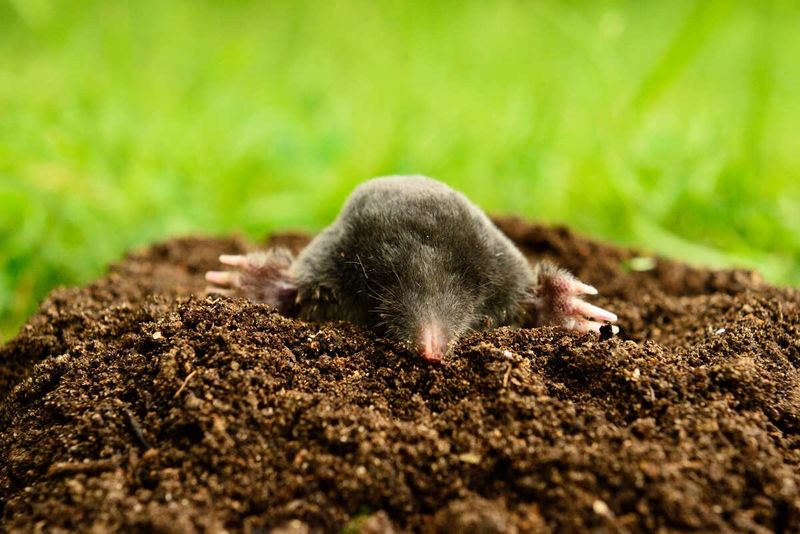
Moles follow the weather almost like a schedule. Understanding their timing explains a lot of their comebacks.
During hot, dry summers or freezing winters, moles dig deeper to stay comfortable. When mild, damp weather returns, they push back up toward the surface.
That is why you often see fresh mounds in spring and fall in Pennsylvania. The soil is moist, and worms are plentiful again.
You might think you finally won during a quiet stretch. Then the season shifts, and the tunneling starts all over.
Spring rains bring worms close to the surface, drawing moles up to feast. Fall’s cooler dampness does the same thing.
You can prepare by staying ahead of these active seasons. Start your grub control and tunnel collapsing before the busy months hit.
Watching the weather helps you time your efforts smartly. Acting right before a rainy spell gives you a real advantage.
During dry summer weeks, moles go deep and grow quiet on their own. That break is a great time to fix drainage and firm the soil.
Do not mistake a seasonal lull for total victory. The moles may simply be waiting for better conditions to return.
Keeping up your prevention through every season stops them from settling back in. Consistency beats the weather cycle over time.
Think of it as ongoing care rather than a one-time fix. When you match your effort to their seasonal habits, you finally stay one step ahead of the diggers.
7. Incomplete Removal Leaves A Few Behind
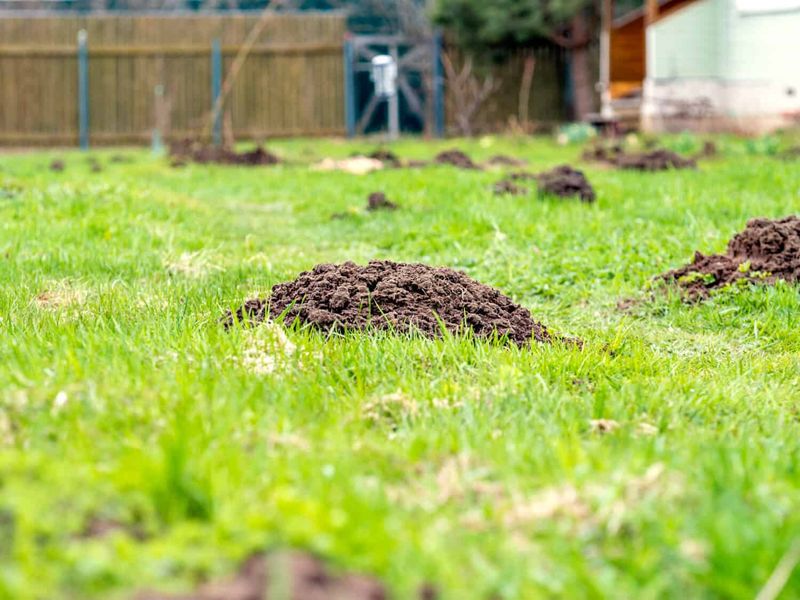
Here is a truth that surprises many people. Getting rid of most moles is not the same as getting rid of all moles.
Leaving even one or two behind can undo all your hard work. Moles reproduce, and survivors quickly expand the tunnels again.
Many homeowners try one method, see fewer mounds, and assume the job is finished. Then the activity slowly creeps back within weeks.
Moles are stubborn and territorial, so a single determined one can keep a whole yard busy. That is why partial efforts often fail.
Pennsylvania’s mild seasons give any remaining moles plenty of time to bounce back. The population rebuilds faster than you might expect.
You will get better results by combining several strategies at once. Pair grub control with tunnel collapsing and edge barriers together.
Using just one trick rarely does the whole job. A layered approach hits the problem from every direction.
Staying consistent for several weeks makes a huge difference too. Quitting too early gives the holdouts a chance to recover.
Checking your lawn regularly helps you catch new activity fast. The sooner you respond, the less time moles have to settle in.
If the problem feels bigger than you can handle, calling a local pest professional is a smart move. Experts know the habits of Pennsylvania moles well.
They can spot active runways and target the real trouble spots. With steady, complete effort, you finally break the cycle for good.
Patience and persistence are your best tools here. Keep at it, and your lawn can stay smooth and mound-free.