Why More Arizona Gardeners Should Start Growing Hollyhocks
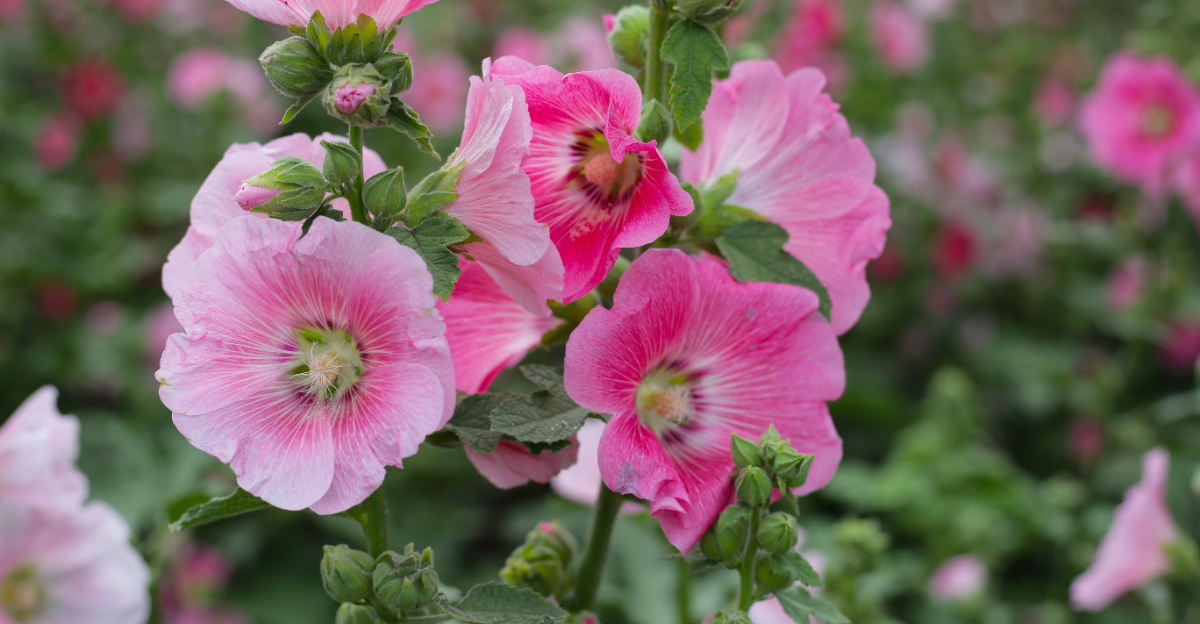
Hollyhocks are getting more attention in Arizona gardens, especially in spots where everything else stays low and blends into gravel and desert textures. Their height alone changes how a yard feels the moment they start blooming.
In many Arizona spaces, color and structure can feel limited once the usual plants settle in, which is where taller flowering plants start to shift the look in a noticeable way.
Hollyhocks bring that vertical impact without needing complicated planting layouts.
Once they establish and begin blooming, they naturally pull focus in a way that feels different from typical desert plantings, which is why more gardeners are starting to include them in their spaces.
1. Hollyhocks Can Grow Surprisingly Tall In One Season
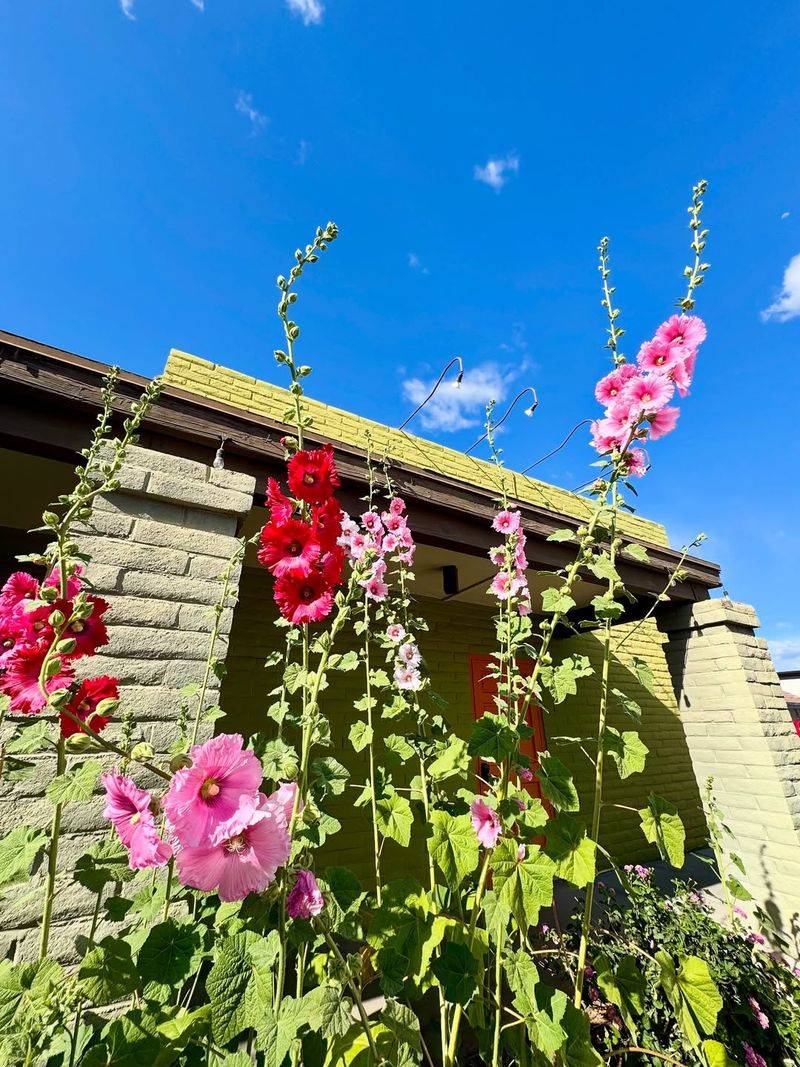
Six feet of growth in a single season sounds like a gardening exaggeration, but hollyhocks pull it off without much fuss. In Arizona, where the spring season warms up fast, these plants take full advantage of the mild weather before summer heat sets in.
They push upward quickly once established, and by late spring many plants reach shoulder height or taller.
What makes this especially useful for Arizona gardeners is that tall plants are hard to come by without serious maintenance. Most flowering plants in the desert stay low and compact, which is great for ground coverage but leaves vertical space completely empty.
Hollyhocks fill that gap naturally without needing a trellis, a support structure, or constant attention from you.
Biennial hollyhocks, which are the most common type, spend their first year building roots and leaves, then shoot up blooms in year two. If you plant seeds in fall, you can expect a strong show the following spring.
Annual varieties skip the wait and bloom in their first season, which works well for Arizona gardeners who want faster results.
In hotter parts of Arizona, they perform best with morning sun and some afternoon shade to help them last longer into the season.
2. Pollinators Stay Busy Around Hollyhock Flowers All Spring
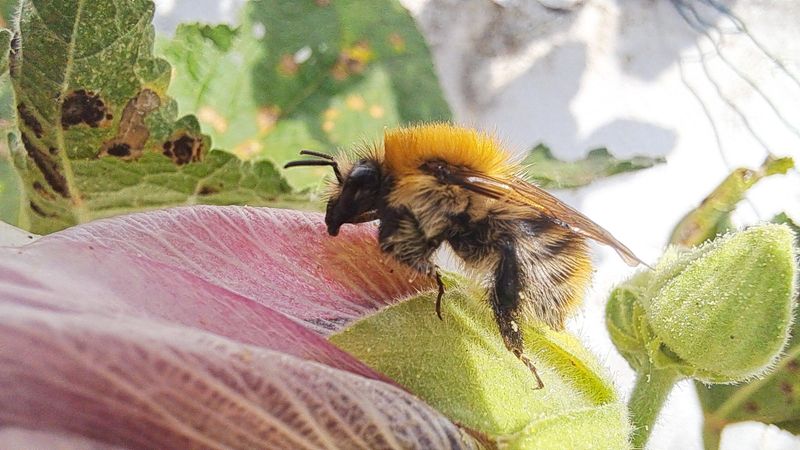
Watch a hollyhock in full bloom for five minutes and you will likely spot at least three different visitors. Bees, butterflies, and hummingbirds are all drawn to the wide, open flowers that hollyhocks produce.
In Arizona, where native pollinators are incredibly important to the local ecosystem, having a plant that supports this kind of activity is genuinely valuable.
Hollyhock flowers are shaped like wide funnels, which makes them easy for pollinators to access. Unlike flowers with deep, narrow tubes, hollyhocks do not require a specialized beak or tongue to reach the nectar.
That open design welcomes a broad range of visitors, including native Arizona bees that you might not even recognize by name but that play a big role in keeping local gardens productive.
Spring in Arizona lines up well with hollyhock bloom time, which typically runs from late March through May depending on your elevation and location. During those weeks, your garden becomes a reliable food source for pollinators that are just becoming active after winter.
Consistent nectar sources early in the season help pollinator populations build strength before the intense summer heat arrives.
Your Arizona Garden Changes Every Week. Your Plan Should Too.
Gardening in Arizona changes quickly throughout the season. Every Friday you’ll receive a simple weekly plan showing exactly what to plant, prune, fertilize, harvest, and protect so you never miss the right timing.
3. Strong Roots Help Hollyhocks Handle Dry Garden Soil
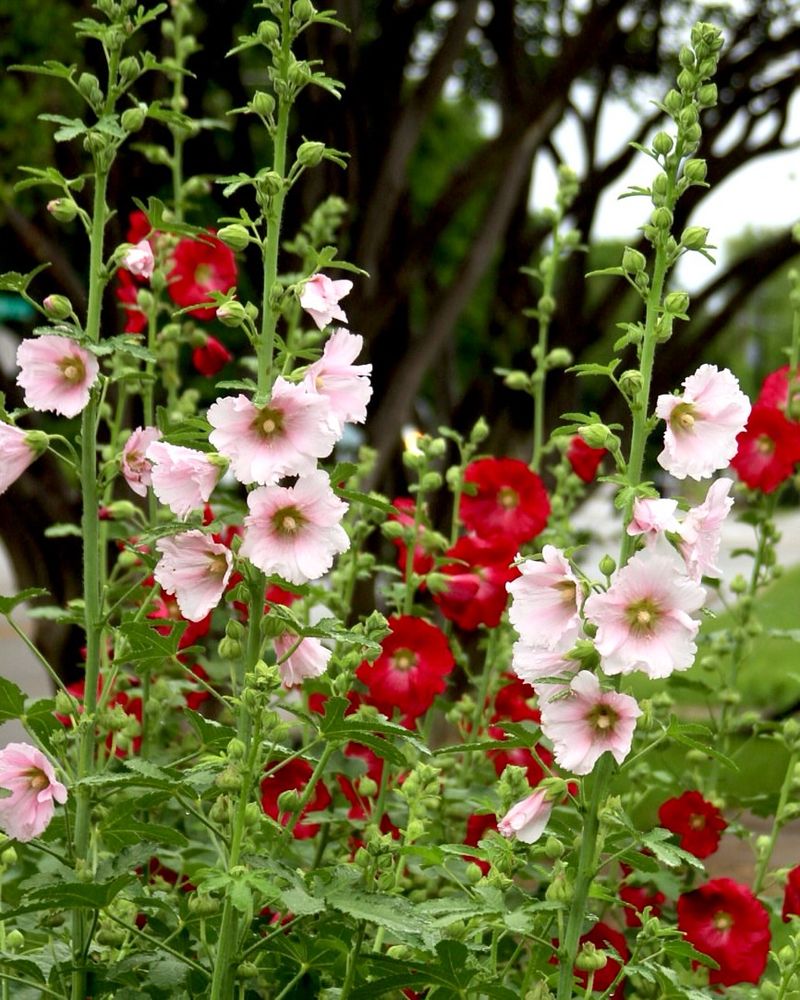
Dry soil is just a fact of life for most Arizona gardeners, and finding plants that actually thrive in it rather than just survive is a constant challenge.
Hollyhocks develop a deep taproot that reaches down into the soil in search of moisture, which makes them far more drought-tolerant than their lush appearance suggests.
Once established, they need significantly less water than most flowering plants of similar size.
During the first few weeks after planting, regular watering helps the taproot establish itself. After that initial period, you can back off considerably.
In many parts of Arizona, hollyhocks do well with deep watering once or twice a week during spring, and even less frequently once temperatures start climbing. The key is watering deeply rather than frequently, which encourages roots to grow downward instead of spreading shallow.
Sandy or rocky soil, which is common across much of Arizona, drains quickly and stays dry between waterings. Hollyhocks handle this kind of soil better than plants that need consistent moisture near the surface.
Adding a layer of mulch around the base helps retain what moisture is there and keeps the root zone a bit cooler during warm afternoons.
4. Hollyhocks Create Natural Coverage Along Bare Fences
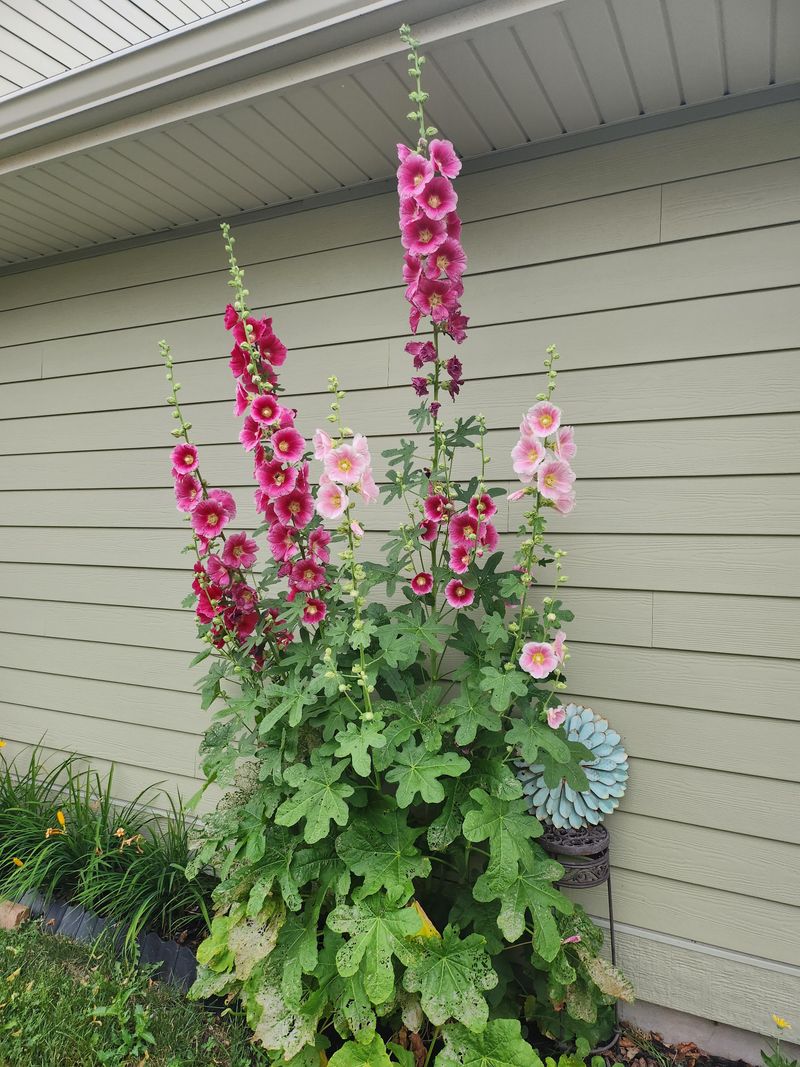
A bare fence in an Arizona yard can feel like a blank wall that nothing wants to grow against. Soil near fence lines is often compacted, dry, and nutrient-poor, which rules out a lot of flowering plants.
Hollyhocks are one of the few options that genuinely look good along a fence while handling those tough conditions without much complaint.
Planted in a row, hollyhocks create a living wall of color that softens the hard line of a fence and adds real visual interest to an otherwise flat yard. Their vertical growth habit is perfectly suited for this kind of placement.
By early to mid-spring in Arizona, the stalks are tall enough to create privacy screening, and the blooms add a cottage-garden feel that works surprisingly well even in a desert setting.
One practical tip: space plants about eighteen to twenty-four inches apart along the fence line. That spacing gives each plant enough room to spread out without crowding, and by bloom time the row fills in nicely.
You can mix flower colors for a more relaxed, informal look, or stick to a single color for something cleaner and more intentional.
5. Old Fashioned Flowers Fit Modern Desert Gardens Surprisingly Well
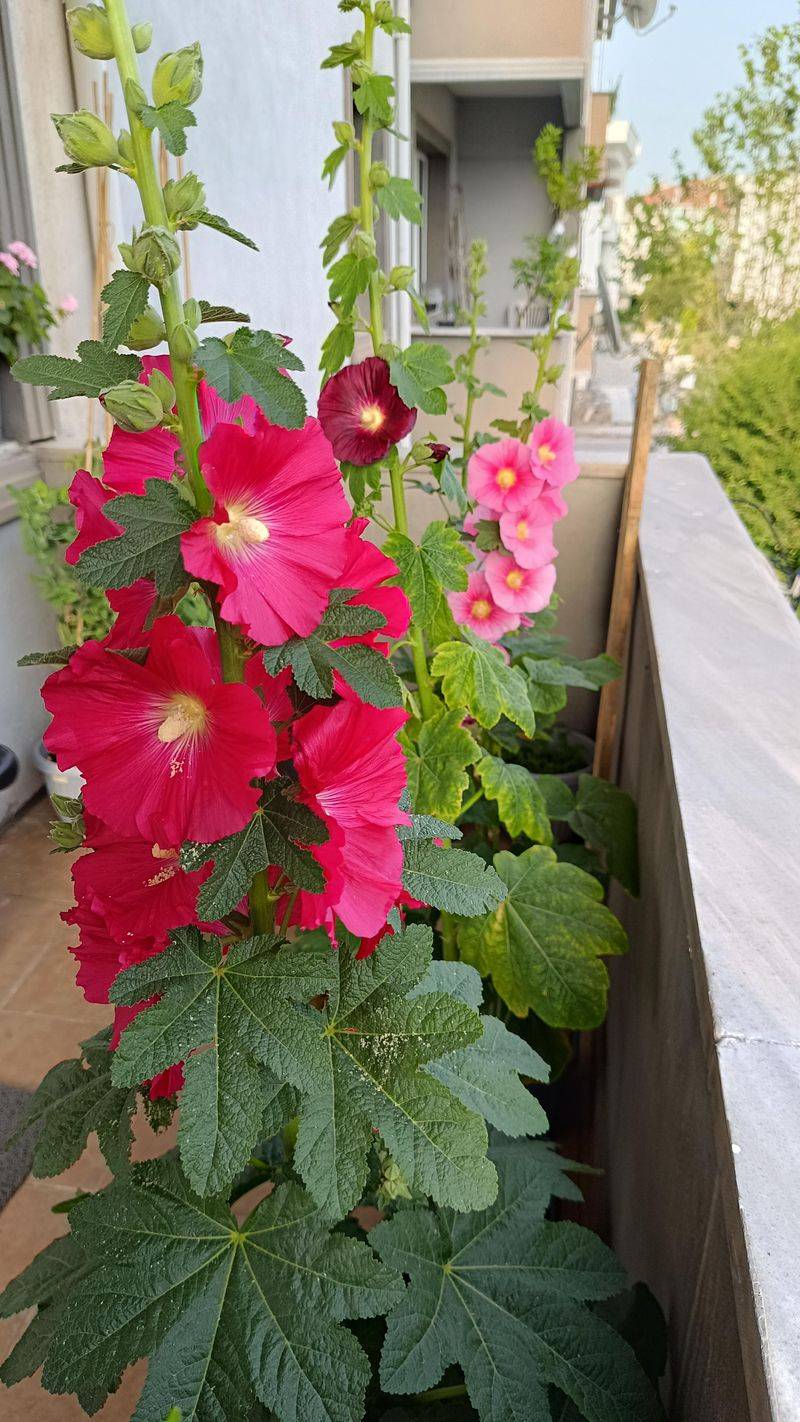
Hollyhocks carry a reputation as old-fashioned cottage flowers, the kind you see in paintings of English gardens or on seed packets from decades ago.
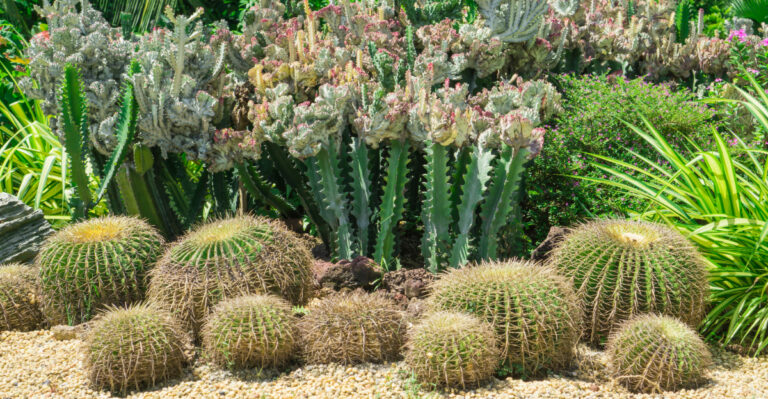
That image makes some Arizona gardeners hesitate, assuming these plants would look out of place next to cacti and gravel paths.
In reality, hollyhocks blend into modern desert landscapes more naturally than you might expect.
Pairing hollyhocks with native plants like desert marigold, globe mallow, or penstemon creates a layered planting that feels both regional and inviting. The tall stalks of hollyhocks add height behind lower-growing natives without competing with them for space.
That kind of layering is a core principle in contemporary desert garden design, and hollyhocks fit that structure well.
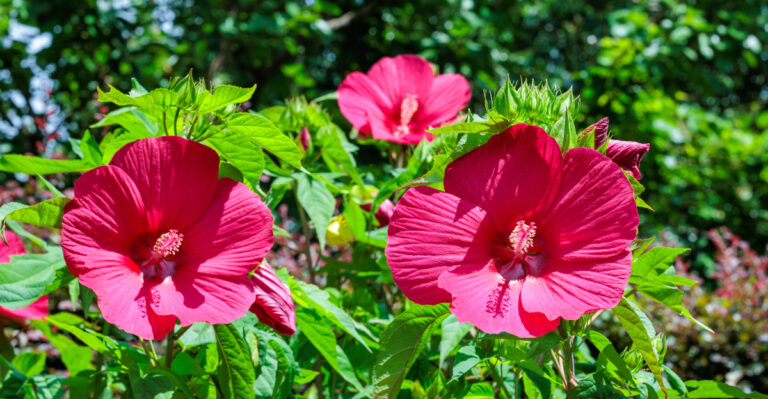
Color coordination is easier than it sounds. Hollyhocks come in warm tones like red, orange, coral, and yellow that echo the earthy palette of the Arizona landscape.
Cooler shades like lavender and white also work well as contrast against sandy soil and terracotta walls. You have enough variety within the plant to match almost any existing color scheme in your yard.
6. Morning Sun Helps Hollyhocks Produce Better Blooms
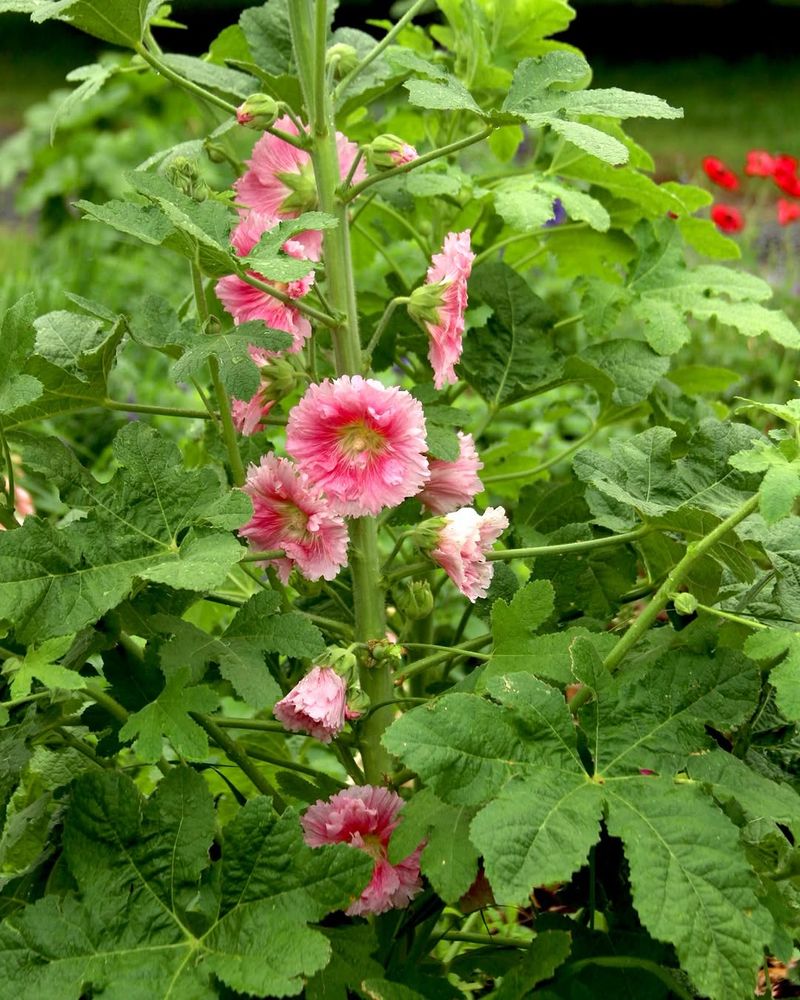
Sunlight placement matters more with hollyhocks than most gardeners realize at first.
A spot that gets strong morning sun and some afternoon shade tends to produce the healthiest plants and the most consistent blooms, especially in Arizona where afternoon temperatures can be brutal from late spring onward.
Full all-day sun works well in cooler months but can stress plants once summer approaches.
East-facing beds or spots along the eastern side of a wall or structure are ideal in most Arizona locations.
Plants in these spots soak up several hours of direct light during the cooler part of the day, then get natural shade as the sun moves west and temperatures climb.
That balance keeps the foliage from scorching and gives flowers a longer lifespan on the stalk.
Hollyhocks planted in full western sun tend to bloom earlier and fade faster. The flowers open beautifully but the afternoon heat shortens how long each bloom stays open and vibrant.
If a west-facing spot is your only option, watering consistently and adding mulch around the base can help offset some of that heat stress during peak afternoon hours.
7. Cooler Spring Weather Keeps Flowers Lasting Much Longer
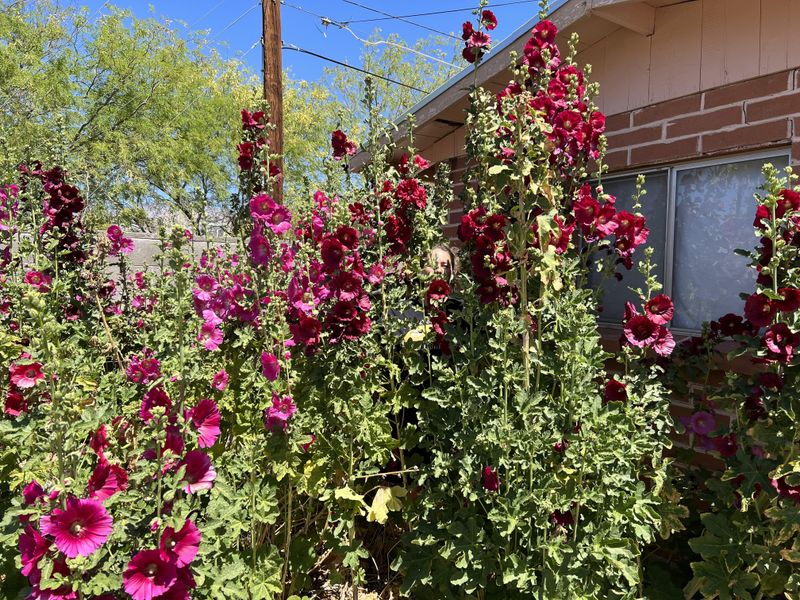
Arizona springs have a short but genuinely sweet window of mild weather, and hollyhocks are perfectly timed to take advantage of it.
When daytime temperatures stay in the sixties and seventies, hollyhock blooms open slowly and hold their color and shape for days at a time.
Push past ninety degrees and the same blooms might last only a day or two before fading.
Lower elevations in Arizona, like the Phoenix metro area, typically see this ideal spring window from late February through April.
Higher elevations, including Flagstaff and Prescott, get an extended cool season that can stretch hollyhock bloom time well into May or even June.
Where you garden in the state makes a real difference in how long your flowers stay at their best.
Timing your planting to take full advantage of this window is straightforward. Starting seeds indoors in late fall or direct sowing in early spring gives plants enough lead time to develop before the warm weather arrives.
Established plants that have already built strong root systems bloom faster and more heavily than ones that are still trying to settle in when temperatures rise.
Watering in the morning rather than evening also helps extend bloom freshness during the warm end of spring. Wet foliage overnight can encourage fungal issues, while morning watering gives leaves time to dry out before cooler night air settles in.