Why More Colorado Homes Are Adding Backyard Greenhouses In 2025
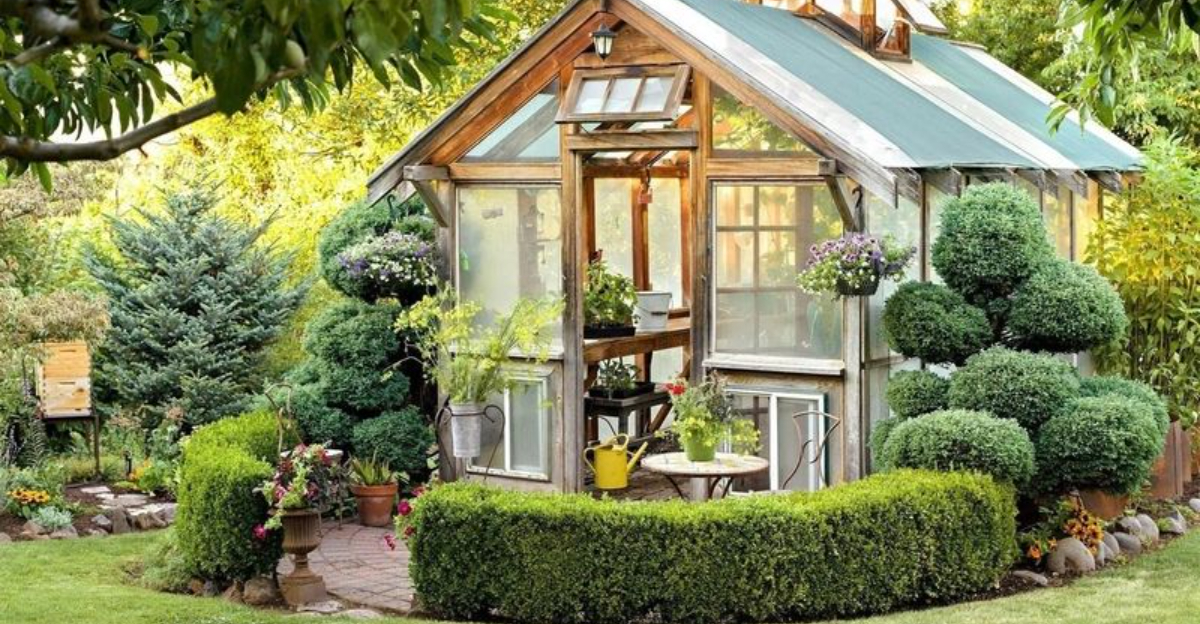
Across Colorado, homeowners are reimagining what’s possible in their yards—and backyard greenhouses are taking center stage.
With unpredictable frosts, short growing seasons, and increasing interest in homegrown produce, more residents are turning to enclosed growing spaces to take control of their gardening success.
Greenhouses offer year-round growing potential, protect plants from harsh winds and temperature swings, and create ideal microclimates for everything from vegetables to ornamentals.
As greenhouse kits become more affordable and customizable, families are discovering how easy it is to extend harvests, overwinter delicate plants, and start seedlings far earlier than outdoor conditions allow.
The trend isn’t just practical—it’s part of a broader movement toward sustainability, self-reliance, and eco-friendly living.
Here’s why greenhouse adoption is surging across Colorado in 2025 and how homeowners are transforming their outdoor spaces with them.
Longer Winters Are Pushing Gardeners To Extend The Growing Season
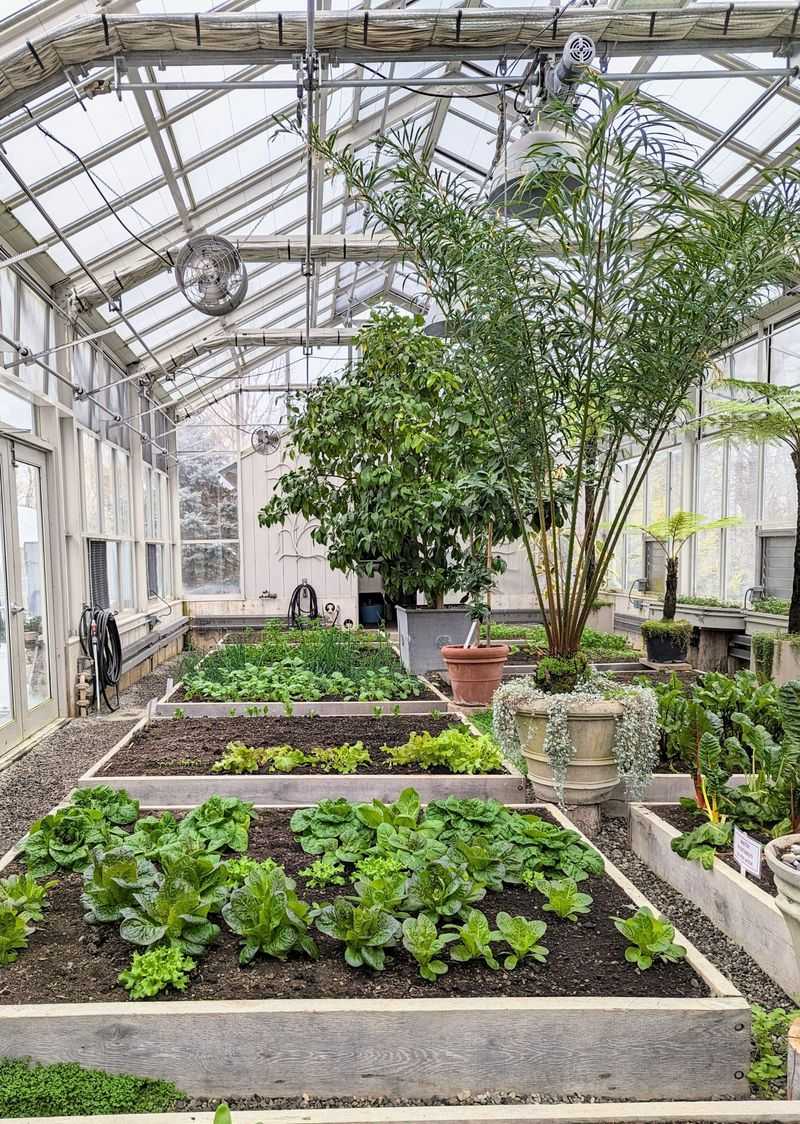
Colorado gardeners know the frustration of late spring frosts and early fall freezes all too well.
One week the weather feels perfect for planting tomatoes, and the next morning brings a surprise snowstorm that damages everything.
This unpredictability makes outdoor gardening feel like a gamble every single season.
Greenhouses solve this problem by creating a stable environment where plants can thrive regardless of what happens outside.
Families can start their seedlings in March instead of waiting until May, giving plants a much longer time to mature.
When autumn arrives, the growing season continues well past the first frost that typically ends outdoor gardens.
Many Colorado homeowners now harvest fresh lettuce and herbs through November thanks to their protected growing spaces.
The ability to plant earlier and harvest later means more homegrown produce for the dinner table.
Greenhouses turn Colorado’s short outdoor season into a much longer and more productive growing period.
This extended timeline makes gardening feel less stressful and more rewarding.
Instead of racing against unpredictable weather, families can relax knowing their plants stay protected.
The investment in a greenhouse pays off quickly when you measure it in extra weeks of fresh vegetables.
Protecting Plants From Colorado’s Extreme Temperature Swings
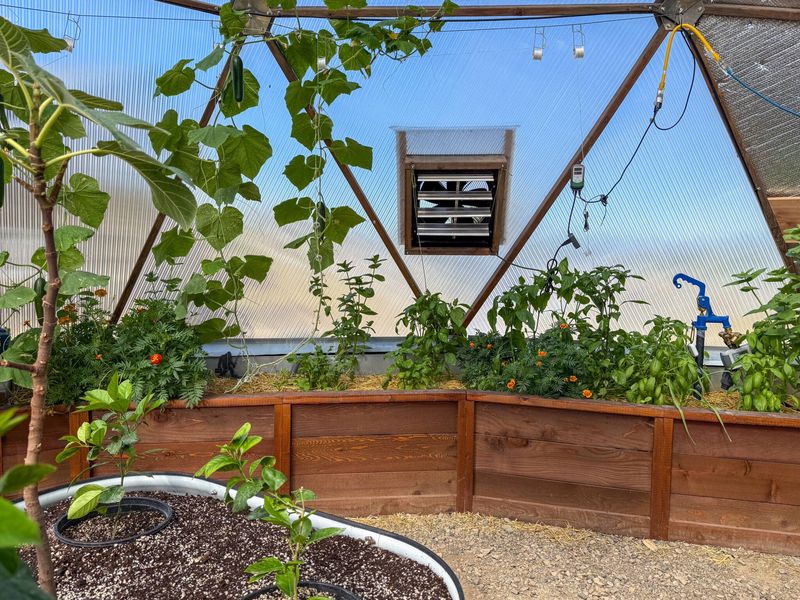
Temperature swings in Colorado can be absolutely wild, sometimes dropping forty degrees between afternoon and midnight.
These rapid changes confuse plants and can damage tender leaves, flowers, and young vegetables.
Chinook winds add another challenge, bringing sudden warmth followed by bitter cold that stresses even hardy plants.
A greenhouse acts like a protective bubble that smooths out these extreme fluctuations.
The structure traps warmth during sunny days and releases it slowly at night, keeping temperatures more consistent.
This buffering effect means plants experience gentle transitions instead of shocking temperature drops.
Colorado gardeners report far fewer losses when they move sensitive plants inside their greenhouses during unstable weather patterns.
Tomatoes, peppers, and cucumbers particularly benefit from this protection since they prefer steady warmth.
Even cold-hardy crops like kale and spinach grow better when they avoid the most extreme temperature swings.
The peace of mind that comes with weather protection cannot be overstated.
Gardeners no longer wake up worried about whether a cold snap ruined weeks of careful work.
Greenhouses transform Colorado’s challenging climate from an obstacle into something manageable, making gardening enjoyable rather than stressful for families throughout the state.
A Rising Interest In Homegrown Produce And Food Security
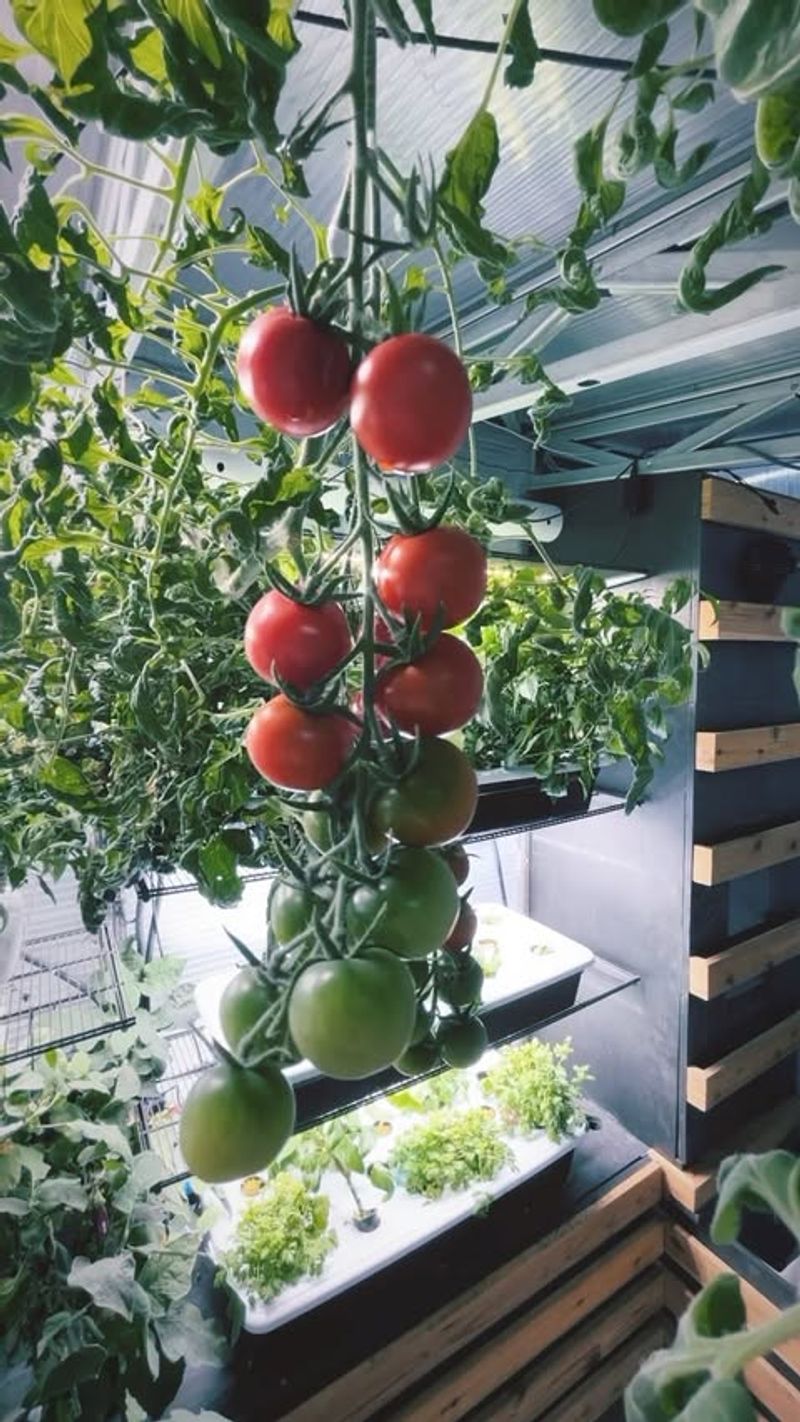
Grocery prices keep climbing, and more Colorado families want control over where their food comes from.
Growing your own vegetables means knowing exactly what goes into the soil and onto your plants.
This movement toward food independence has gained serious momentum across the state in recent years.
Greenhouses make year-round food production realistic even in Colorado’s challenging climate.
Fresh basil, lettuce, and cherry tomatoes can grow through winter months when grocery store options become expensive and less fresh.
Having a steady supply of homegrown produce reduces trips to the store and saves money over time.
Many families find that their greenhouse quickly becomes the most-used part of their yard.
Children enjoy watching seeds sprout and learning where food actually comes from.
The satisfaction of making a salad entirely from plants you grew yourself creates a special connection to your meals.
Food security concerns have made self-sufficiency more appealing to people of all ages and backgrounds.
Greenhouses represent a practical step toward greater independence from grocery supply chains.
Colorado homeowners appreciate having fresh, healthy options available just steps from their kitchen, regardless of season or store availability.
Better Success Rates With High-Altitude Gardening
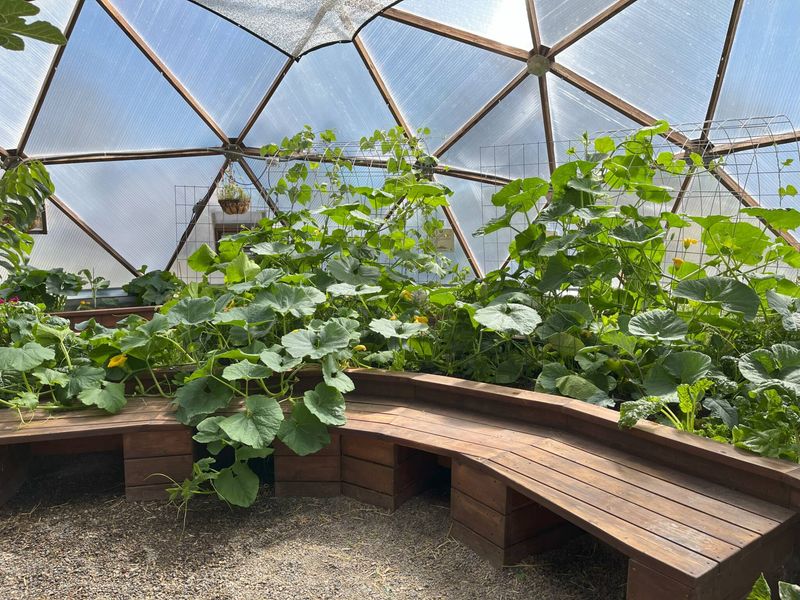
Gardening at five thousand feet or higher presents unique challenges that frustrate even experienced growers.
Intense ultraviolet radiation can scorch delicate leaves, while the thin air offers less protection from the sun’s rays.
Mountain communities also deal with incredibly short growing seasons that limit what can successfully mature outdoors.
Greenhouses provide the controlled environment that high-altitude gardening desperately needs.
The covering filters harsh UV light while still allowing plants to receive plenty of sunshine for healthy growth.
Temperature regulation becomes easier when walls and roofing block the extreme conditions found at elevation.
Families living in mountain towns report amazing success growing vegetables they never thought possible in their area.
Peppers, eggplants, and even some melon varieties now thrive in greenhouses perched thousands of feet above sea level.
The moisture retention inside greenhouses also combats the extreme dryness that typically plagues high-altitude gardens.
This technology has opened up gardening possibilities for Colorado residents who previously felt limited by their elevation.
Communities at eight or nine thousand feet now enjoy fresh produce that would struggle or fail outside.
Greenhouses level the playing field, allowing mountain gardeners to experience the same success as their lower-elevation neighbors throughout the state.
Greenhouses Help Conserve Water During Drought Cycles
Water restrictions have become a regular part of Colorado summers as drought conditions persist across the region.
Outdoor gardens lose tremendous amounts of moisture to evaporation, especially during hot, dry, windy days.
Every drop counts when communities face limits on how much water households can use for landscaping.
Enclosed greenhouse spaces dramatically reduce water loss compared to open-air gardens.
The protected environment keeps moisture from evaporating as quickly, meaning plants need less frequent watering.
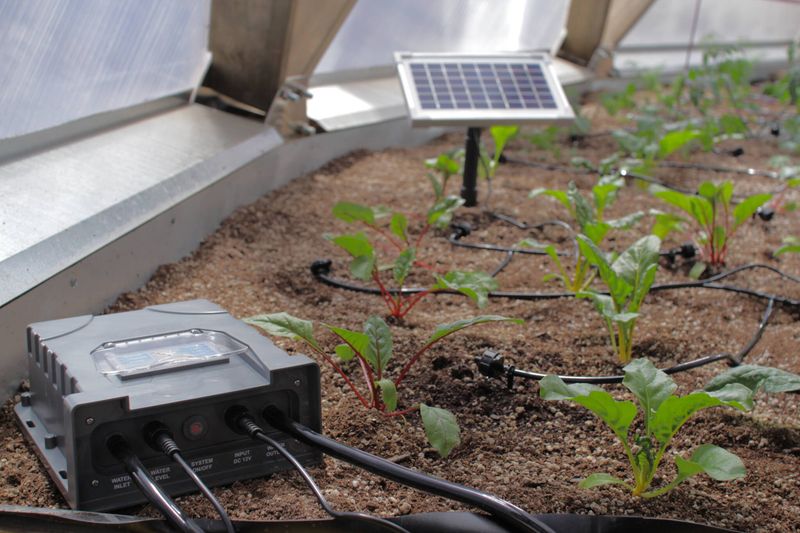
Drip irrigation systems work even more efficiently inside greenhouses, delivering water directly to roots with minimal waste.
Many Colorado gardeners notice they use about half as much water in their greenhouse compared to similar outdoor growing spaces.
This efficiency matters both for the environment and for household budgets when water bills climb during summer months.
Greenhouses allow families to maintain productive gardens while respecting community water conservation efforts.
The ability to grow more food with less water feels especially important as climate patterns continue changing.
Responsible water use aligns with Colorado values of environmental stewardship and practical resource management.
Greenhouses prove that families can pursue their gardening passions without contributing to water scarcity problems, making them an attractive option for eco-conscious homeowners throughout the state.
More Affordable And Modular Greenhouse Kits Available In 2025
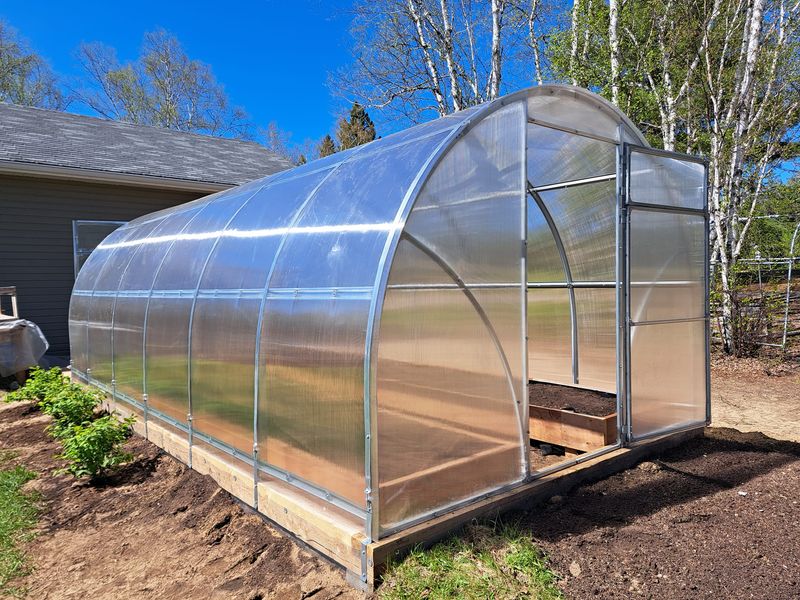
Greenhouses used to feel like luxury items reserved for serious gardeners with big budgets and plenty of space.
That perception has completely changed as manufacturers now offer affordable kits designed specifically for average suburban yards.
Prices have dropped significantly while quality has improved, making greenhouses accessible to many more families.
Modern kits arrive with clear instructions and require only basic tools for assembly.
Many homeowners successfully build their greenhouse in a single weekend without hiring professional help.
Options range from small four-by-six structures perfect for herbs to larger models that accommodate rows of vegetables.
The modular design means families can start small and expand later if they want more growing space.
Colorado retailers and online suppliers stock numerous models specifically rated for the state’s weather conditions.
Features like reinforced frames for snow load and UV-resistant panels come standard on most quality kits.
This affordability revolution has democratized greenhouse gardening across Colorado communities.
Renters can choose portable models, while homeowners can install more permanent structures.
The combination of lower prices, easier installation, and compact designs removes the barriers that previously kept many people from enjoying year-round gardening, making 2025 the perfect time to join the greenhouse movement.
A Boost In Winter Gardening And Overwintering Success
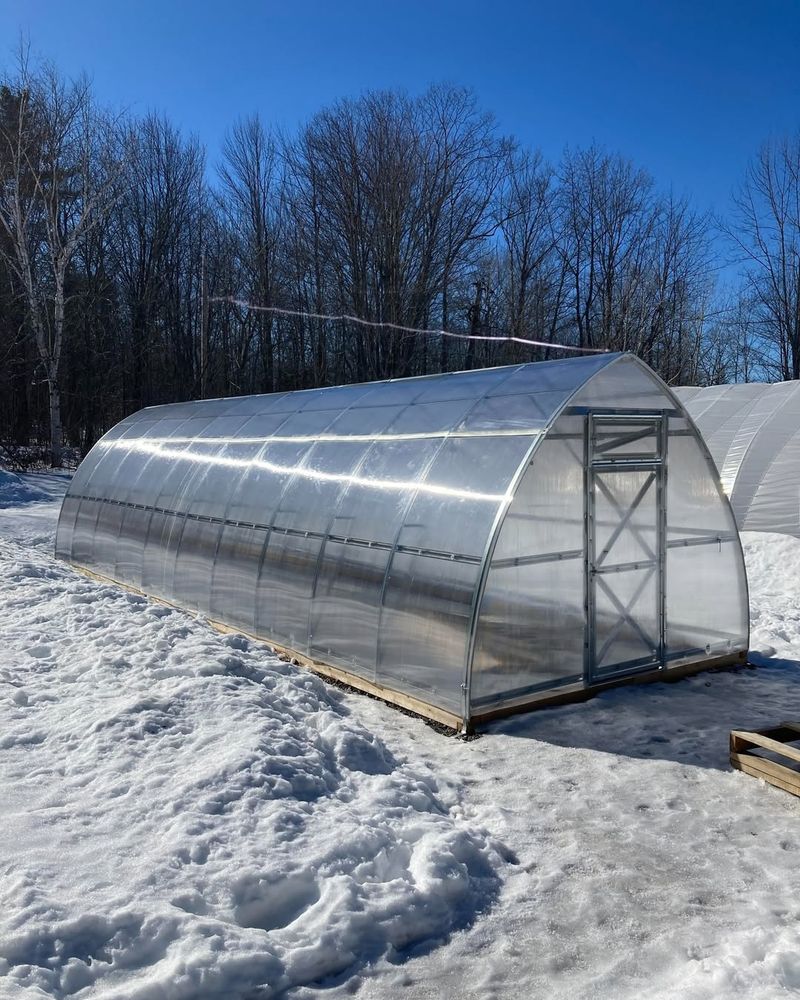
Winter gardening sounds impossible in Colorado, where January temperatures regularly plunge below zero.
Most gardeners traditionally viewed winter as downtime, a season to flip through seed catalogs and dream about spring.
Greenhouses have completely changed this mindset by making cold-season growing not just possible but actually productive.
Cold-tolerant crops like spinach, kale, and Swiss chard continue growing through December and January inside protected structures.
The greenhouse captures solar warmth even on frigid days, creating a microclimate where hardy vegetables thrive.
Families enjoy fresh salad greens during months when outdoor gardens lie buried under snow.
Overwintering perennials becomes much easier with greenhouse protection from harsh winds and extreme temperature fluctuations.
Container plants that would normally need indoor space can stay in the greenhouse, freeing up room inside the house.
Gardeners successfully overwinter herbs, strawberry plants, and even some roses that might otherwise struggle outdoors.
This winter productivity transforms how Colorado families think about their growing calendar.
The greenhouse season never truly ends, just shifts to different crops suited for cooler conditions.
Harvesting fresh herbs in February feels almost magical, making the investment in a greenhouse worthwhile for winter gardening alone.
Increased Popularity Of Sustainable, Low-Waste Lifestyles
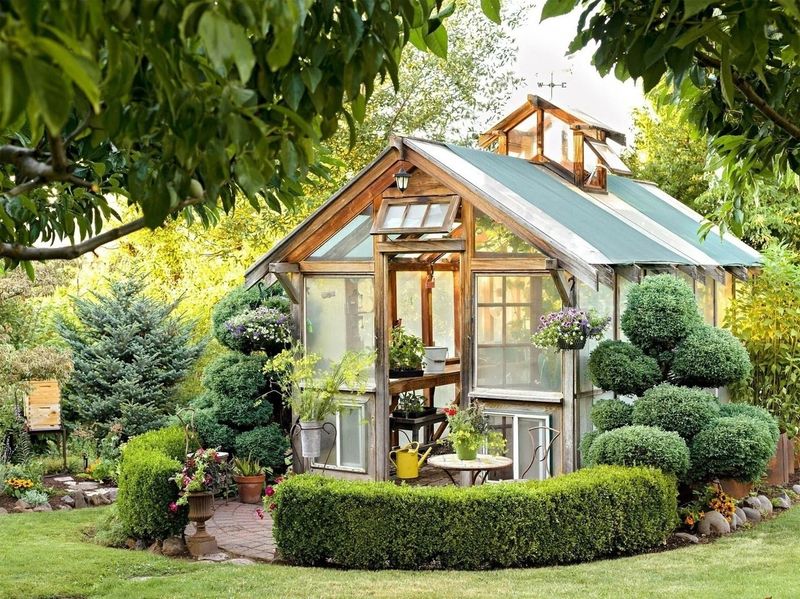
Environmental consciousness continues growing stronger across Colorado communities as families seek ways to reduce their carbon footprint.
Greenhouses fit perfectly into sustainable living goals by cutting reliance on produce shipped hundreds or thousands of miles.
Growing your own food eliminates plastic packaging, reduces transportation emissions, and connects you directly to natural cycles.
Many greenhouse gardeners integrate composting systems right into their growing space, creating a closed loop of nutrients.
Kitchen scraps become compost that feeds plants, which produce food that returns to the kitchen.
This circular approach minimizes waste while improving soil quality and plant health.
Starting seeds in your greenhouse means avoiding those plastic cell packs from garden centers every spring.
Families can save seeds from successful plants, building a personal seed library that reduces purchasing needs.
The ability to grow year-round also means fewer grocery trips, saving fuel and reducing overall consumption.
Colorado homeowners appreciate how greenhouses align with values of environmental responsibility and thoughtful resource use.
Teaching children about sustainable food production becomes easier when you have a hands-on learning space right in your backyard.
Greenhouses represent a practical, meaningful way to live more lightly on the planet while enjoying better, fresher food throughout the entire year.
Greenhouses Add Property Value And Outdoor Living Appeal
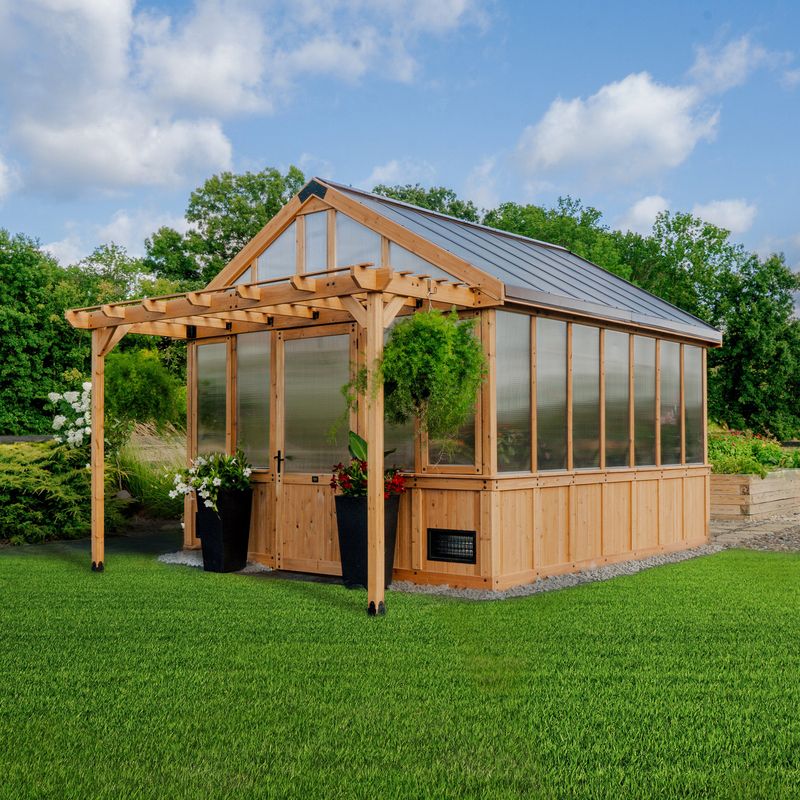
Real estate trends show that unique outdoor features increasingly attract homebuyers looking for something special.
A well-maintained greenhouse signals to potential buyers that the property offers lifestyle benefits beyond basic shelter.
These structures have evolved from purely functional spaces into attractive backyard focal points that enhance overall property appeal.
Many Colorado homeowners design their greenhouses as dual-purpose spaces that function as plant retreats or garden studios.
Adding a small bench or table creates a peaceful spot for morning coffee surrounded by greenery.
The aesthetic appeal of a thoughtfully placed greenhouse can rival that of patios or pergolas.
Appraisers recognize that permanent greenhouse structures represent real improvements to property value.
The combination of beauty and functionality makes greenhouses desirable features during home sales.
Buyers particularly appreciate move-in-ready growing spaces that allow them to start gardening immediately.
Beyond financial considerations, greenhouses enhance daily living by creating an inviting connection between indoor and outdoor spaces.
Colorado’s spectacular scenery becomes even more enjoyable when framed by greenhouse panels filled with thriving plants.
These structures transform ordinary backyards into personalized garden sanctuaries that owners genuinely love spending time in, making them one of the most satisfying home improvements available.