Why More Colorado Landscapes Are Choosing The Rare Blue Smoke Tree
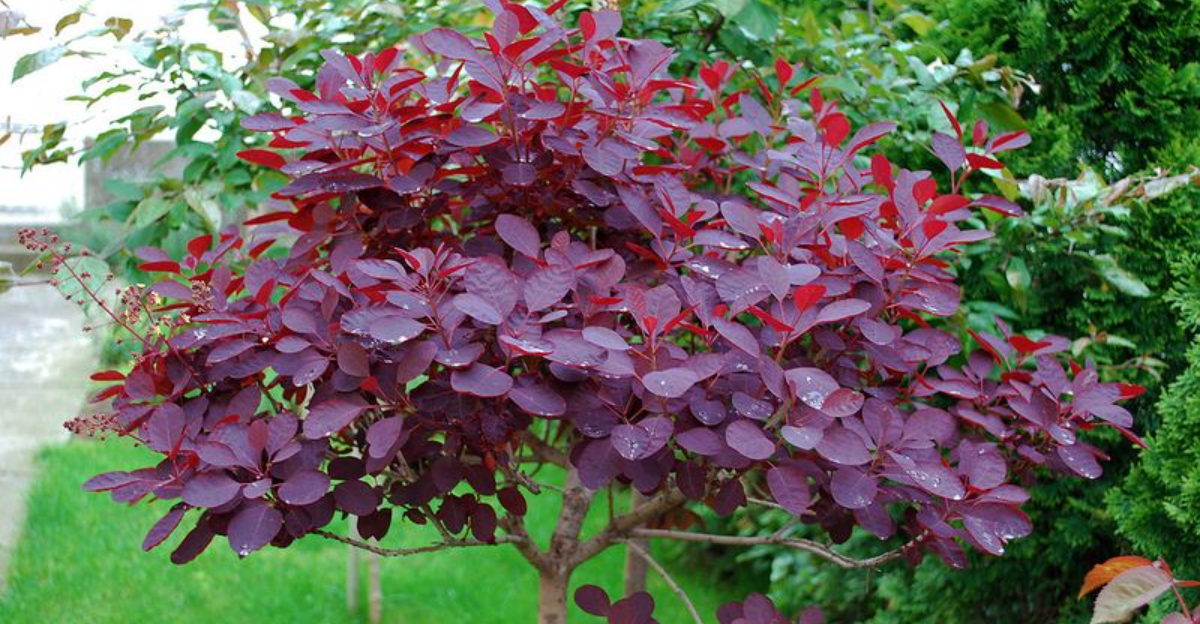
More Colorado landscapes are starting to feature the rare Blue Smoke Tree because it brings striking color, texture, and structure without demanding constant care or perfect conditions.
Gardeners and designers are drawn to its smoky blue foliage and seasonal interest, especially in spaces where tougher plants tend to struggle or feel visually flat.
It stands out as a choice that feels distinctive yet practical, making landscapes look intentional rather than ordinary as planting trends continue to shift.
1. Stunning Blue-Purple Foliage Creates Year-Round Visual Interest
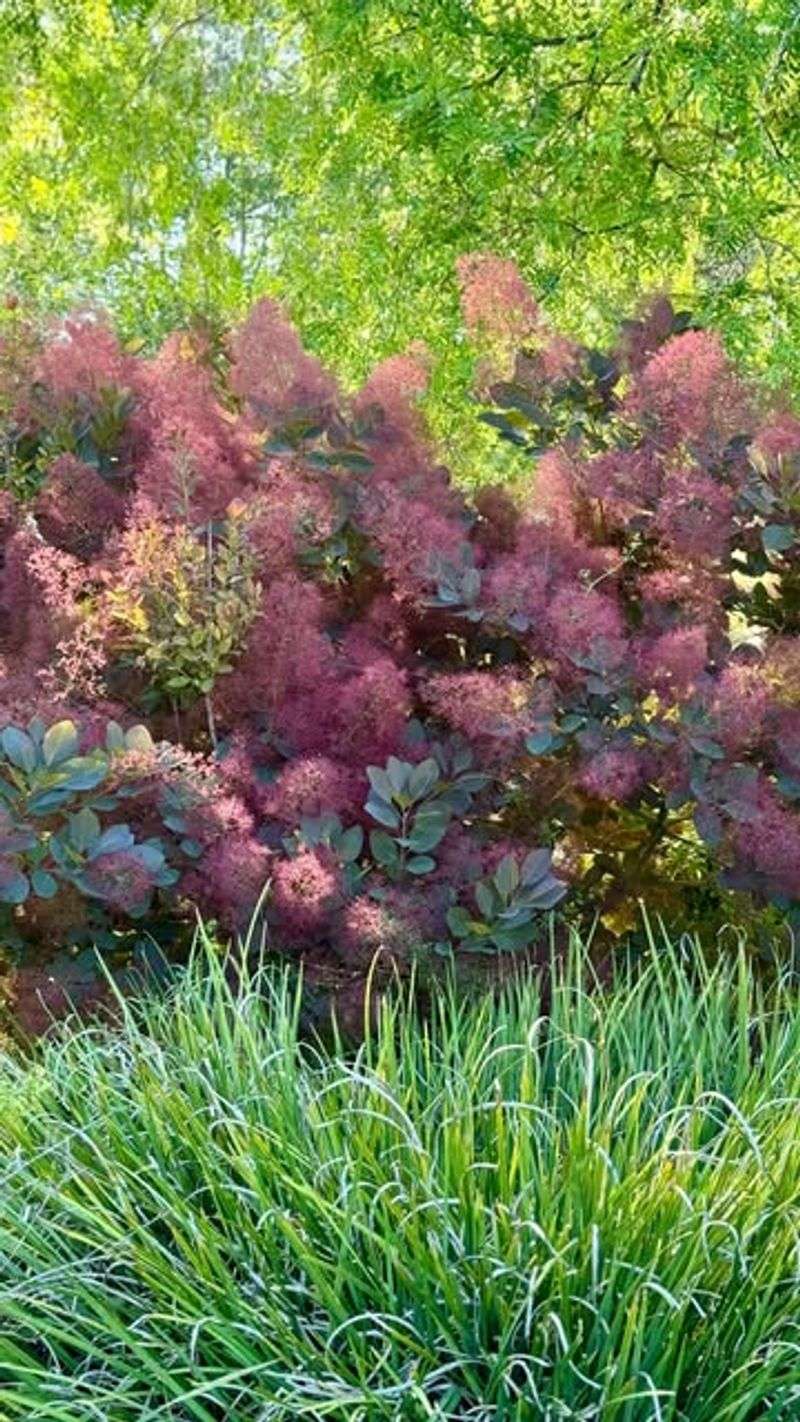
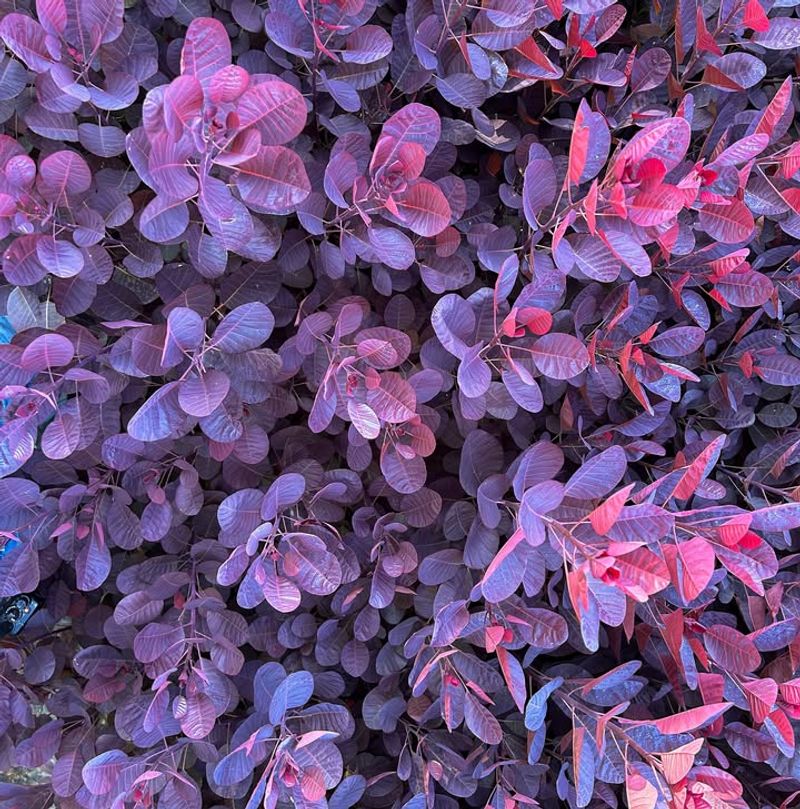
Imagine stepping into your backyard and being greeted by leaves that shimmer with an almost magical blue-purple hue throughout the growing season.
The Blue Smoke Tree delivers exactly this kind of enchanting color palette that transforms ordinary Colorado yards into extraordinary outdoor galleries worth admiring daily.
Unlike typical green foliage, these distinctive leaves catch sunlight in ways that create depth and dimension impossible to achieve with standard landscaping choices.
Homeowners across Colorado have discovered that this unique coloring provides a stunning contrast against the state’s natural brown and tan rock formations found everywhere.
As seasons shift, the foliage transitions through various shades, offering an ever-changing display that keeps your landscape feeling fresh and dynamic year after year.
The silvery-blue tones work beautifully alongside Colorado’s famous blue skies, creating a cohesive and harmonious outdoor environment that feels naturally balanced and visually pleasing.
Garden designers throughout the state frequently recommend this tree specifically because its unusual color adds sophistication without requiring complicated maintenance routines or constant professional attention.
Whether planted as a focal point or grouped with other specimens, the foliage creates memorable impressions that neighbors and visitors consistently comment on with admiration.
2. Wispy Smoke-Like Blooms Add Ethereal Garden Drama
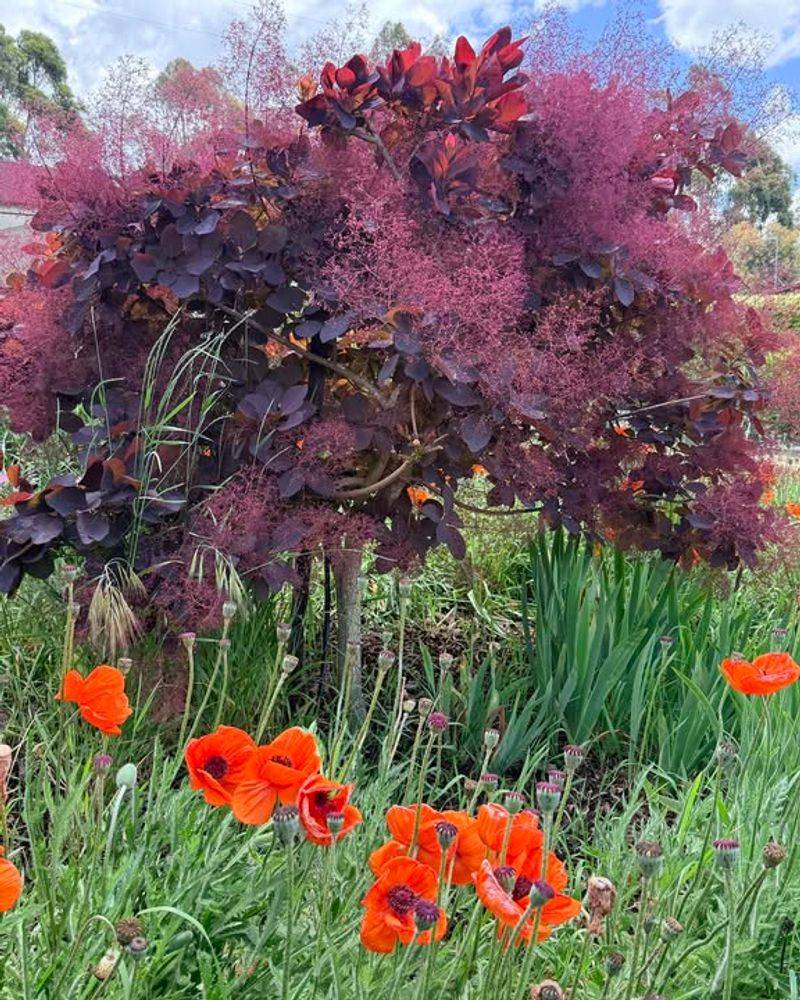
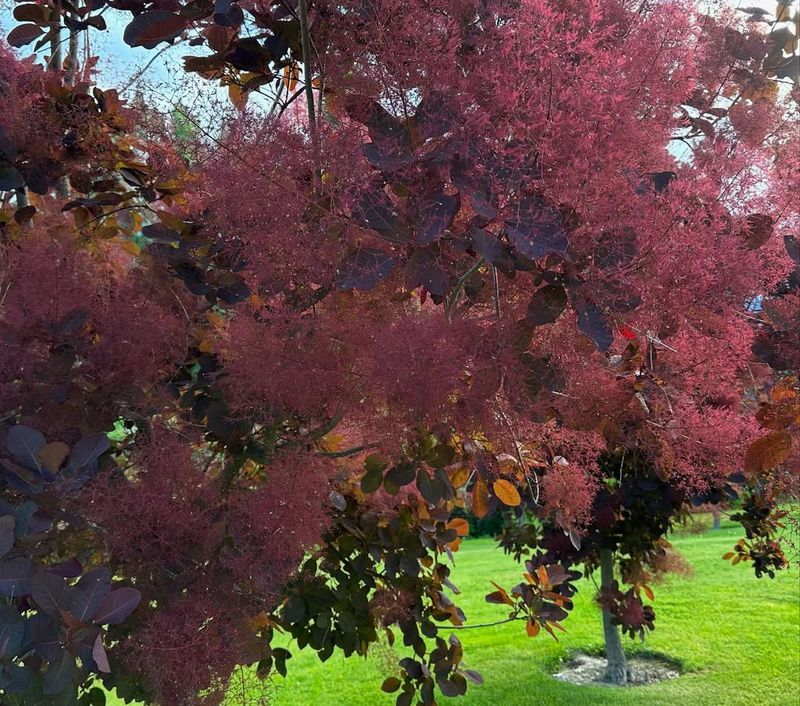
Picture delicate, feathery plumes that appear to float above the branches like wisps of colored smoke drifting through your Colorado garden space.
These remarkable blooms emerge in late spring and early summer, creating a soft, cloud-like effect that gives the tree its distinctive and memorable name.
The blooms themselves consist of tiny, thread-like structures that cluster together to form airy, pinkish-purple masses resembling puffs of cotton candy or smoke.
Colorado gardeners love how these ethereal flowers add a dreamy, romantic quality to landscapes that typically feature more rugged and angular mountain aesthetics.
Each bloom cluster can persist for weeks, providing extended visual interest during the peak growing season when outdoor spaces receive the most attention and use.
The wispy appearance creates movement even in gentle breezes, adding dynamic energy to static landscape designs that might otherwise feel too rigid or formal.
Photographers and nature enthusiasts throughout Colorado find these blooms particularly captivating during golden hour when sunlight filters through the delicate structures beautifully.
The unusual texture contrasts wonderfully with the solid forms of rocks, fences, and buildings common in residential properties across the entire state.
3. Exceptional Drought Tolerance Suits Colorado’s Dry Climate Perfectly
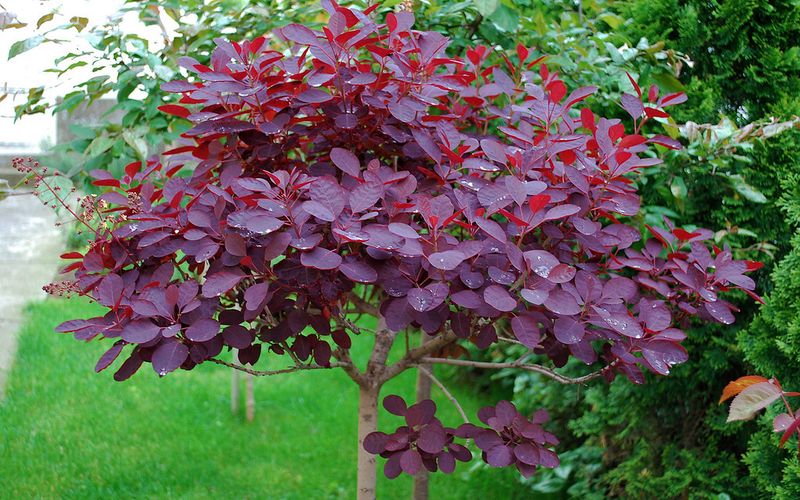
Water restrictions have become increasingly common across Colorado, making drought-tolerant landscaping not just smart but absolutely essential for responsible property ownership today.
The Blue Smoke Tree thrives with minimal irrigation once established, making it an environmentally conscious choice that reduces water bills and conservation guilt simultaneously.
Native to dry, rocky regions, this tree has naturally adapted to survive extended periods without supplemental watering, which matches Colorado’s semi-arid conditions perfectly.
Homeowners tired of watching thirsty plants struggle during hot summers appreciate having a specimen that actually flourishes despite limited moisture availability in the area.
After the first growing season, these trees typically require watering only during exceptionally dry spells, freeing up time and resources for other garden tasks.
Colorado’s unpredictable precipitation patterns make this low-water characteristic particularly valuable for maintaining attractive landscapes without constant monitoring or intervention from busy homeowners.
The tree’s deep root system seeks out moisture efficiently, allowing it to tap into water sources that shallow-rooted plants cannot access effectively.
Municipalities throughout Colorado have started including drought-tolerant species like this in recommended planting lists, recognizing their importance for sustainable urban and suburban landscaping practices.
4. Compact Size Makes It Ideal For Smaller Urban Yards
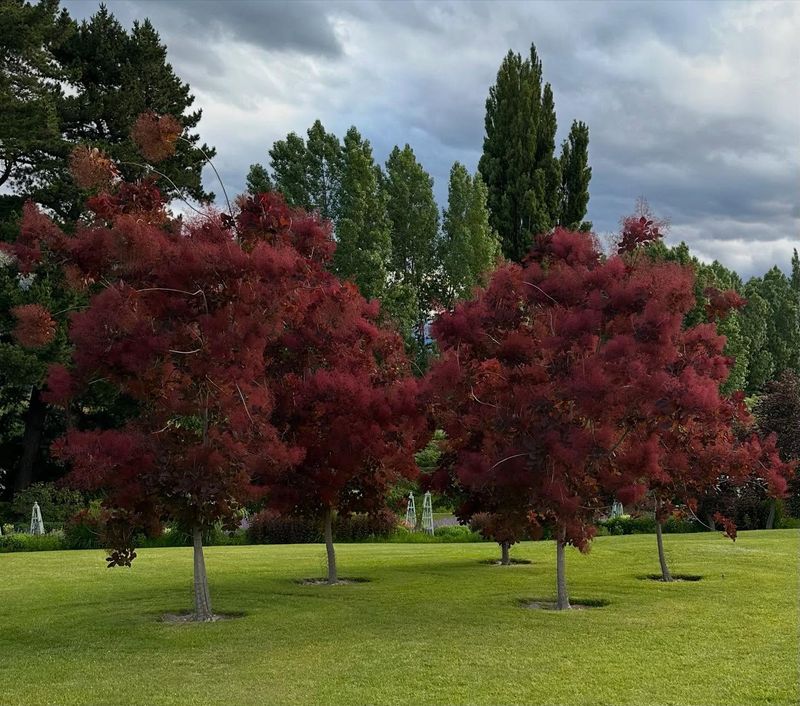
Many Colorado homeowners struggle with limited outdoor space, especially in growing urban areas where lot sizes have steadily decreased over recent decades.
The Blue Smoke Tree typically reaches only fifteen to twenty feet in height, making it perfectly proportioned for smaller yards that cannot accommodate towering specimens.
Its rounded, manageable shape means it won’t overwhelm narrow side yards or crowd out other plantings in compact garden beds common throughout Colorado neighborhoods.
Unlike sprawling trees that eventually dominate entire landscapes, this species maintains a tidy footprint that respects property boundaries and doesn’t encroach on neighboring spaces.
Urban planners and landscape architects working in Colorado appreciate how this tree provides substantial visual impact without requiring the extensive root space that larger species demand.
The compact dimensions also mean easier maintenance, as pruning and care remain manageable tasks for average homeowners without professional equipment or specialized training.
Patios, decks, and outdoor living spaces benefit from the tree’s presence nearby without suffering from excessive shade or falling debris problems.
Colorado’s newer housing developments, which often feature smaller lots, have embraced this tree as an ideal solution for adding mature landscaping character quickly.
5. Brilliant Fall Color Rivals Colorado’s Famous Aspen Displays
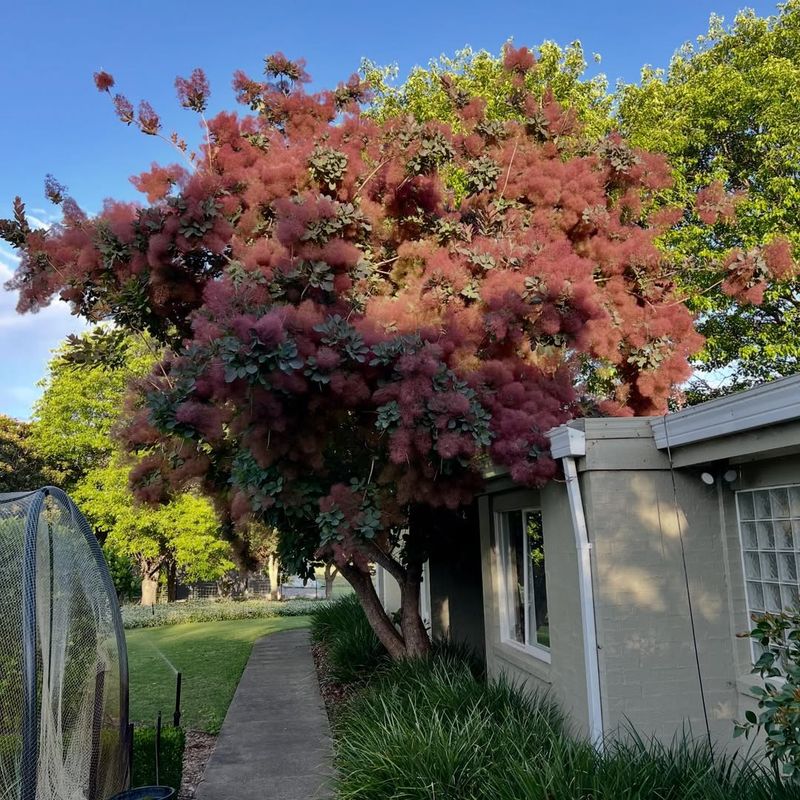
Everyone knows Colorado for its spectacular autumn aspen shows, but savvy homeowners have discovered that the Blue Smoke Tree delivers equally impressive seasonal transformations.
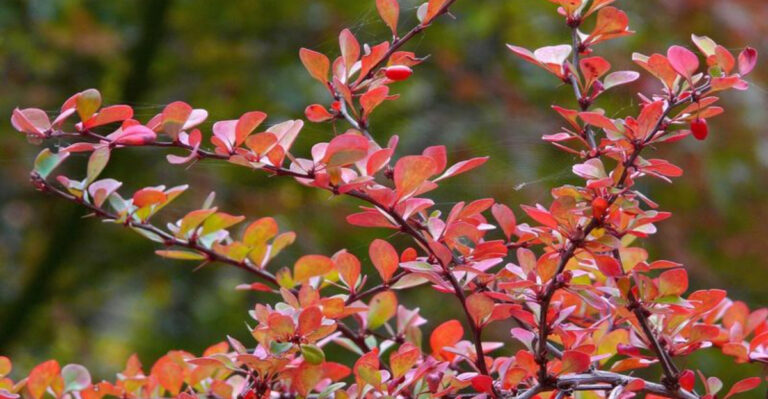
As temperatures cool, the foliage transitions into fiery shades of orange, red, and burgundy that rival any mountain vista you might drive hours to witness.
Having this stunning fall display right in your own backyard eliminates the need for weekend leaf-peeping road trips through crowded mountain passes and tourist towns.
The color change happens reliably each year, providing a dependable seasonal show that marks the transition from summer warmth to winter chill throughout Colorado.
Unlike aspens that require specific elevation ranges and conditions, this tree brings brilliant autumn color to Front Range neighborhoods and lower-elevation communities across the state.
The leaves often hold their color for several weeks, extending the visual spectacle well beyond the brief peak that many native trees offer.
Photographers living in Colorado have started featuring these trees prominently in their fall portfolios, recognizing their photogenic qualities and reliable performance each season.
The combination of unique summer foliage and spectacular autumn transformation means this tree delivers two distinct seasonal highlights rather than just one memorable display.
6. Low Maintenance Requirements Appeal To Busy Colorado Lifestyles
Colorado residents lead active lifestyles filled with skiing, hiking, and outdoor adventures that leave little time for high-maintenance landscaping projects and constant garden chores.
The Blue Smoke Tree requires minimal pruning, fertilizing, or pest management, making it perfect for homeowners who prefer enjoying their yards rather than constantly working in them.
Once established, these trees essentially care for themselves, needing only occasional attention to remove damaged branches or maintain desired shape and size.
The species demonstrates excellent resistance to common Colorado pests and diseases, eliminating the need for chemical treatments or professional intervention that other ornamentals often require.
Busy professionals and retirees alike appreciate having a specimen that looks impressive without demanding weekend after weekend of dedicated maintenance time and effort.
Colorado’s unpredictable weather patterns can stress many landscape plants, but this tough tree handles temperature swings and sudden weather changes without showing significant distress.
The tree’s natural form remains attractive without constant shaping, unlike some species that quickly become unruly or misshapen without regular professional pruning services.
Homeowners throughout Colorado have discovered that choosing low-maintenance plants like this one significantly improves their quality of life and outdoor enjoyment overall.
7. Adaptable To Various Soil Types Found Throughout Colorado
Colorado’s diverse geology creates wildly varying soil conditions, from heavy clay in some areas to sandy, rocky substrates in others across the state.
The Blue Smoke Tree demonstrates remarkable adaptability to different soil types, thriving in conditions that would challenge or defeat many other ornamental species entirely.
Homeowners frustrated by difficult soil conditions in their yards find relief in planting specimens that don’t require expensive soil amendments or replacement.
The tree grows successfully in slightly acidic to slightly alkaline soils, accommodating the natural pH variations found in different Colorado regions and neighborhoods.
Even in rocky, compacted soils common along the Front Range and mountain communities, this resilient tree establishes healthy root systems and flourishes.
The ability to adapt means fewer failed plantings and wasted investments for Colorado homeowners who have struggled with finicky trees in the past.
Professional landscapers working throughout Colorado appreciate having a reliable option that performs consistently across diverse site conditions without requiring extensive soil testing or preparation.
Whether your property features heavy clay that drains poorly or sandy soil that dries out quickly, this versatile tree adjusts and thrives remarkably well.
8. Provides Excellent Wildlife Habitat And Pollinator Support
Creating wildlife-friendly landscapes has become increasingly important to environmentally conscious Colorado homeowners who recognize their role in supporting local ecosystems and biodiversity.
The Blue Smoke Tree attracts beneficial insects, butterflies, and pollinators during its blooming period, contributing to healthier garden environments and stronger pollinator populations throughout the state.
Birds find shelter among the branches and foliage, using the tree as a safe resting spot and nesting location during breeding seasons.
The structure provides valuable habitat in urban and suburban Colorado areas where natural wildlife spaces have become increasingly fragmented and scarce over time.
Gardeners committed to sustainable practices appreciate having a beautiful ornamental that also serves important ecological functions beyond simple visual appeal and decoration.
The flowers provide nectar sources during critical periods when pollinators need abundant food supplies to maintain healthy populations across Colorado’s varied landscapes and elevations.
Unlike some ornamental trees that offer little ecological value, this species actively supports the local food web and contributes to environmental health.
Colorado’s natural heritage depends on homeowners making thoughtful landscaping choices that balance aesthetic goals with ecological responsibility and genuine environmental stewardship for future generations.