Why More Georgia Gardeners Are Choosing Sustainable Gardens And How To Begin
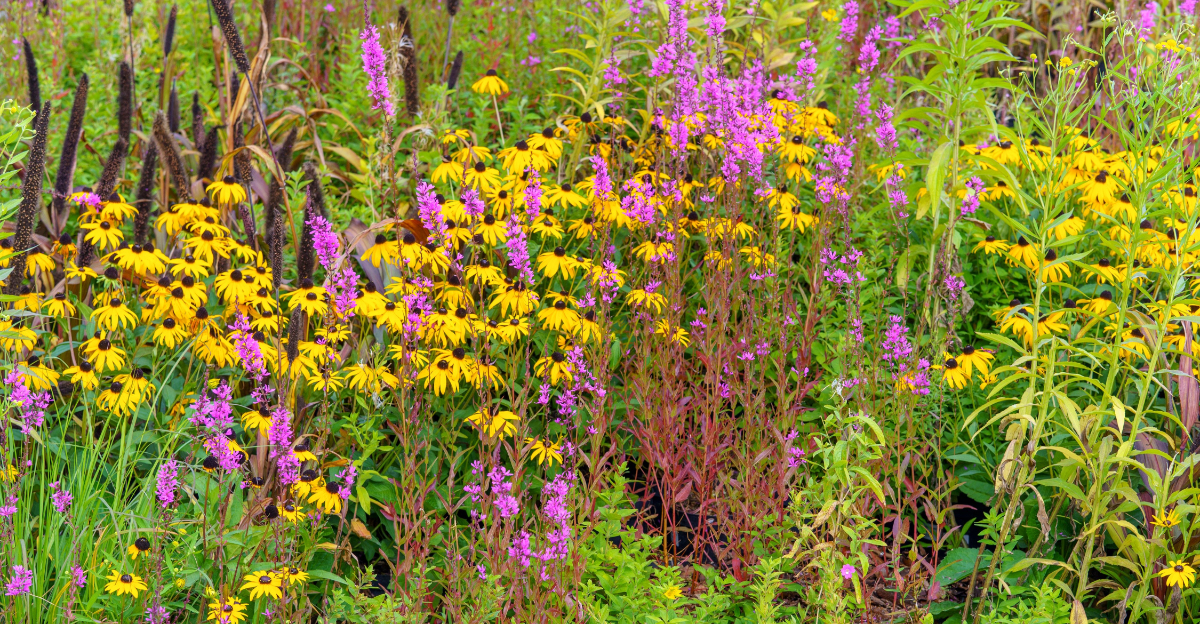
Gardening in Georgia is changing, and more homeowners are turning to sustainable practices that save water, reduce maintenance, and still look beautiful.
If you’ve ever wanted a garden that feels intentional but doesn’t demand constant care, adopting sustainable methods is one of the smartest moves you can make.
These gardens work with the climate instead of against it, letting plants thrive naturally while minimizing waste and effort.
Sustainable gardening in Georgia often focuses on native or climate-adapted plants, soil health, and smart irrigation.
Choosing the right species and techniques helps your garden stay healthy through heat, humidity, and seasonal changes, while cutting down on time spent watering, fertilizing, and maintaining beds.
Starting small is the key. By adding a few sustainable plants, improving soil, or adjusting watering routines, you begin building a low-maintenance, environmentally friendly garden that grows stronger each year and brings lasting beauty to your outdoor space.
1. Rising Costs And Water Waste Are Reshaping Georgia Gardens
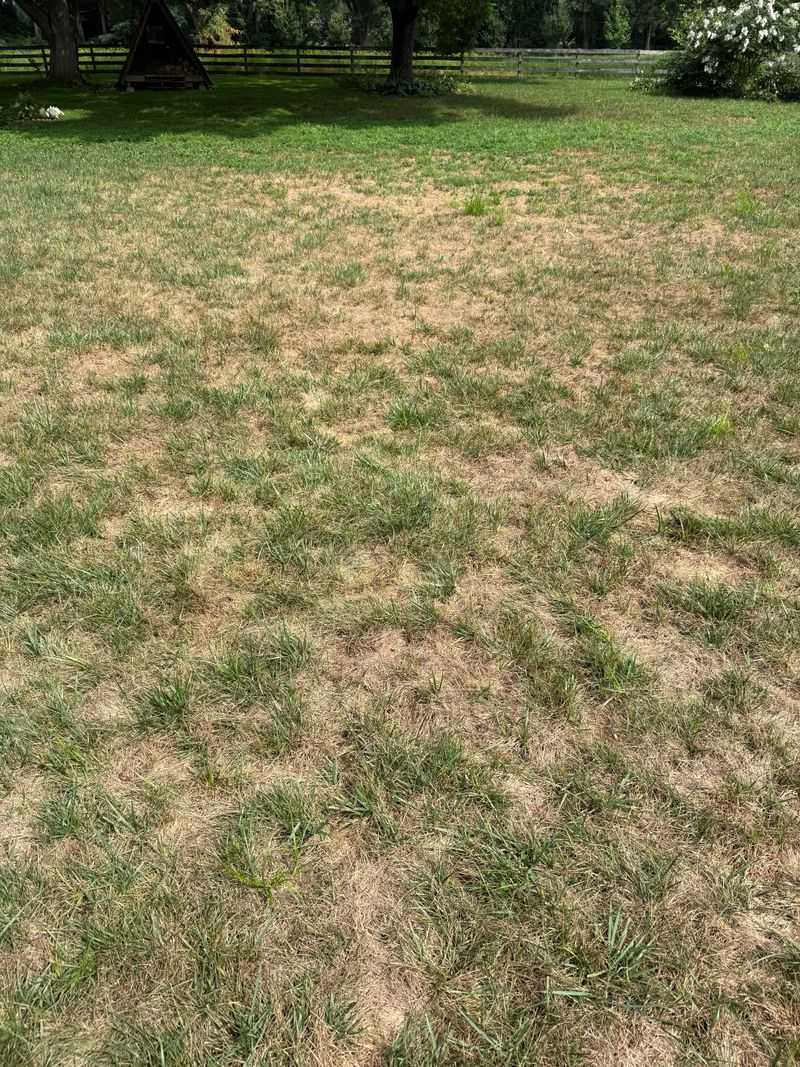
Water bills across Georgia have climbed steadily over the past few years, and traditional lawns are often the biggest culprits.
Conventional turf grass demands constant irrigation during our hot summers, especially when drought conditions hit regions like Athens and Macon.
Homeowners are noticing that maintaining that perfect green carpet comes with a hefty price tag that keeps growing.
Chemical fertilizers and pesticides add another layer of expense that catches many gardeners off guard. These products require repeated applications throughout the growing season, and prices have increased significantly.
Beyond the financial burden, there’s growing awareness about how these chemicals affect Georgia’s waterways and local wildlife habitats.
Sustainable gardening offers a practical alternative that addresses both concerns directly. Native plants adapted to Georgia’s climate need far less supplemental watering once established in your landscape.
They’ve evolved to handle our weather patterns without constant human intervention.
Reducing lawn areas in favor of garden beds, groundcovers, and mulched spaces cuts water consumption dramatically. Many Georgia gardeners report saving hundreds of dollars annually after making these changes.
The initial investment in transitioning your yard pays for itself relatively quickly.
Local water restrictions during dry periods also motivate this shift toward sustainability. When counties implement watering bans, sustainable gardens continue thriving while traditional landscapes struggle.
This resilience makes sustainable practices not just environmentally friendly but practically necessary for Georgia homeowners planning long-term.
2. Start By Observing Sun And Drainage In Your Yard
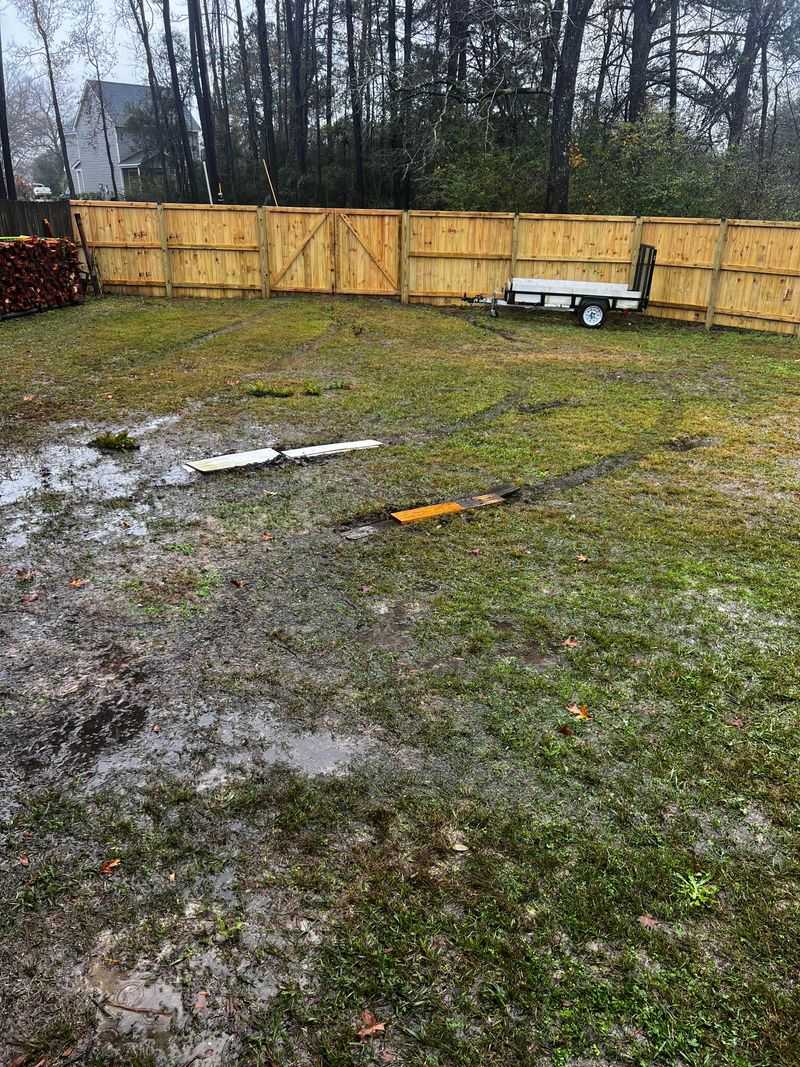
Before purchasing a single plant or tool, spend time actually watching how your yard behaves throughout the day. Sun patterns shift dramatically between morning and afternoon, and understanding these changes prevents costly planting mistakes.
What looks like full sun at noon might be shaded by your neighbor’s trees by three o’clock.
Track where water collects after Georgia’s heavy downpours, which are common from spring through fall. Low spots that stay soggy indicate drainage challenges that certain plants will love while others will struggle.
Notice where water runs off quickly, leaving soil dry within hours of rainfall.
Take notes over several weeks rather than making snap judgments after one observation. Seasonal changes affect sun angles, and spring conditions differ significantly from summer patterns in Georgia.
Your yard in March behaves differently than it will in August when temperatures soar.
Photograph your space at different times to create a visual record you can reference later. These images help when you’re at the nursery trying to remember whether that corner gets morning or afternoon light.
They also show you how existing plants perform in various conditions.
This observation period saves money by helping you choose plants suited to your actual conditions rather than your assumptions. Gardens fail most often because plants end up in wrong locations, not because gardeners lack skill.
Understanding your yard’s unique characteristics sets the foundation for every sustainable choice that follows.
3. Improve Clay Soil With Compost Before Planting
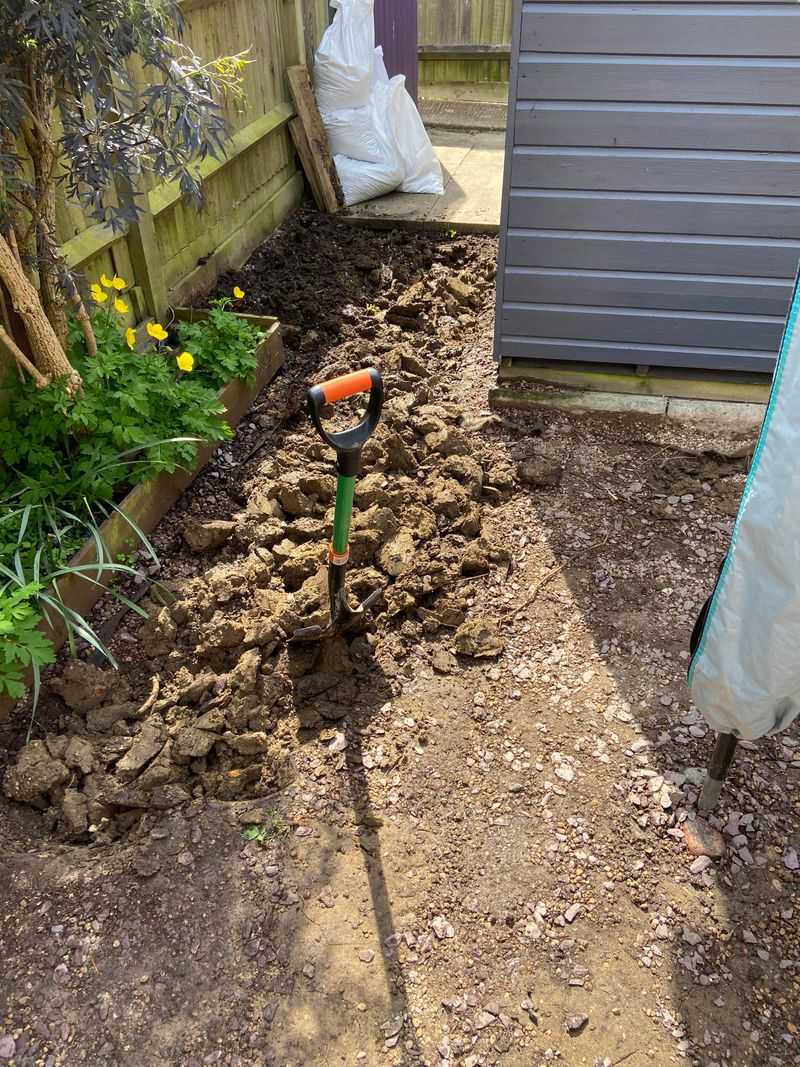
Georgia’s infamous red clay soil frustrates gardeners from Dalton to Albany, but fighting it with expensive amendments is unnecessary. Clay actually holds nutrients well; it just needs organic matter to improve its structure and drainage capabilities.
Compost transforms clay from a brick-like substance into workable garden soil over time.
Start by spreading a two to three inch layer of compost over planting areas each season. Work it into the top six inches of soil rather than just leaving it on the surface.
This incorporation helps break up clay particles and creates air pockets that roots need to expand.
You don’t need to amend your entire yard at once, which would be prohibitively expensive anyway. Focus on specific beds where you plan to plant first, then expand gradually.
Each area you improve makes the next section easier as your soil quality builds momentum.
Making your own compost from kitchen scraps and yard waste costs virtually nothing and provides exactly what Georgia clay needs. Leaves, grass clippings, and vegetable peelings break down into rich organic matter.
Many Georgia municipalities also offer free or low-cost compost to residents.
Avoid adding sand to clay soil, despite this being common advice you might hear. Sand mixed with clay creates something closer to concrete unless you add massive amounts.
Organic matter remains the most effective and affordable solution for improving Georgia’s challenging native soil conditions.
4. Replace Small Lawn Sections Instead Of Everything At Once
Ripping out your entire lawn in one weekend sounds appealing but often leads to overwhelming maintenance and buyer’s remorse.
Converting small sections gradually allows you to learn what works in your specific Georgia location without massive upfront costs.
Start with problem areas where grass already struggles to establish your first sustainable spaces.
Choose a section that’s visible from your main living areas so you can enjoy the transformation daily. This might be a strip along your front walkway or a bed visible from your kitchen window.
Seeing your success motivates you to tackle the next area when you’re ready.
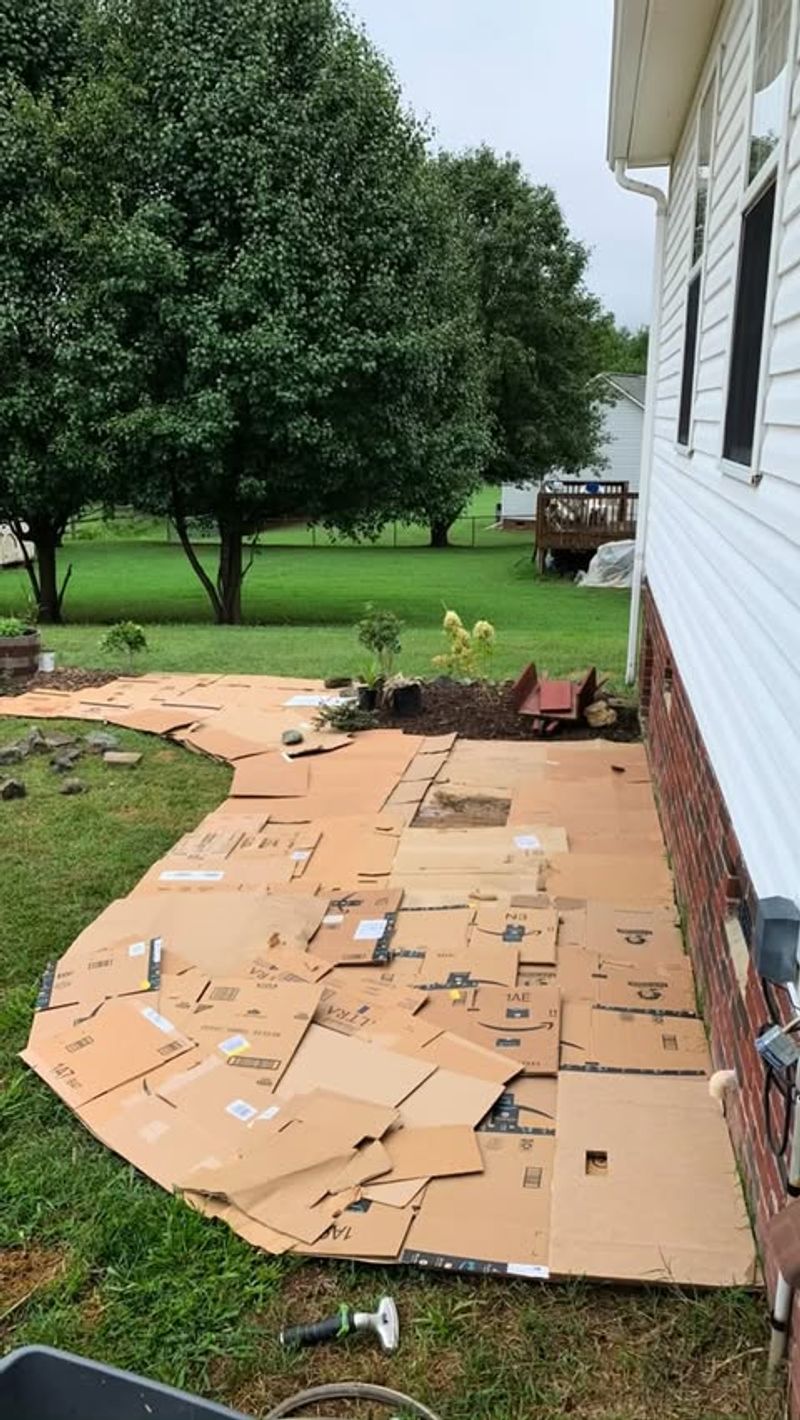
Remove grass using the sheet mulching method, which involves layering cardboard and mulch to smother turf over several months. This approach requires no digging and actually improves soil as materials decompose.
It’s perfect for Georgia gardeners who want to avoid back-breaking labor in our heavy clay.
Plant your converted area with a mix of native perennials, shrubs, and groundcovers suited to your sun and soil conditions. These plants establish quickly in Georgia’s climate and begin showing their benefits within the first growing season.
You’ll notice reduced watering needs almost immediately compared to surrounding lawn areas.
Give each converted section at least one full season before expanding further. This timeline lets you adjust your approach based on what you learn from your first project.
Gradual conversion also spreads costs across multiple years, making sustainable gardening more financially manageable for Georgia families on any budget.
5. Choose Native And Climate Adapted Plants
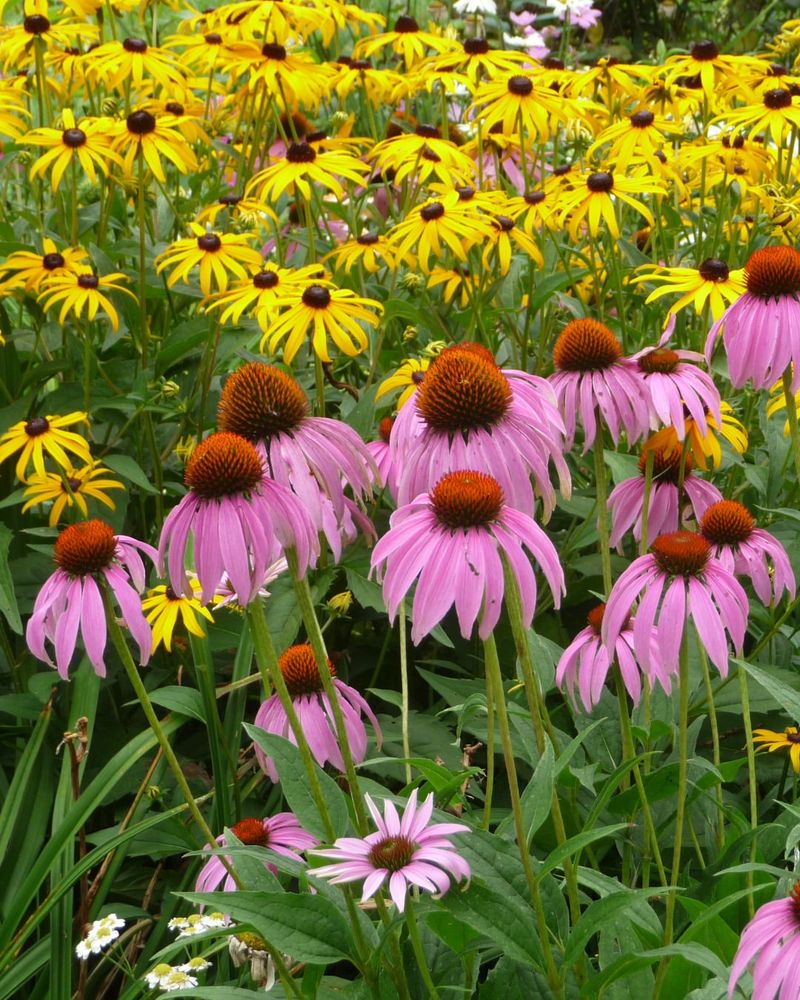
Plants native to Georgia have spent thousands of years adapting to our specific conditions, from humidity to soil types to temperature swings.
They’ve developed natural defenses against local pests and diseases, which means you won’t need chemical interventions to keep them healthy.
These plants essentially come pre-programmed for success in our state.
Native options exist for every garden situation Georgia throws at you. Coral honeysuckle provides beautiful flowers for sunny spots while requiring minimal care once established.
Oakleaf hydrangea thrives in partial shade and offers stunning fall color that rivals any exotic import.
Climate-adapted plants from similar regions also perform well here, expanding your options beyond strict natives. Crape myrtles, though not originally from Georgia, have proven themselves reliable performers across the state.
They handle our heat, humidity, and occasional cold snaps without complaint.
Visit local botanical gardens and arboretums to see which plants thrive in Georgia conditions before buying. The State Botanical Garden in Athens and Atlanta Botanical Garden showcase regionally appropriate species in realistic landscape settings.
Take photos of plants that catch your eye and note their growing conditions.
Independent nurseries that focus on native plants offer better selection and expertise than big box stores for Georgia-specific recommendations. Staff at these specialty locations can suggest alternatives if your first choice won’t work in your particular situation.
They understand microclimates and soil variations across different parts of the state better than generic gardening advice ever could.
6. Water Deeply But Less Often
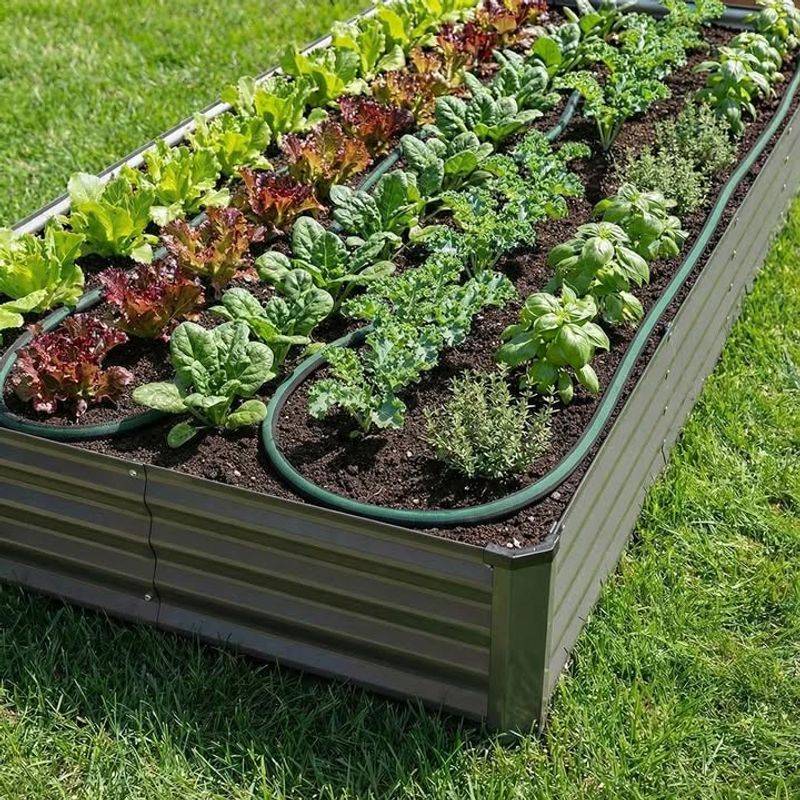
Frequent shallow watering creates weak root systems that keep plants dependent on constant irrigation. Deep watering encourages roots to grow downward where soil stays moist longer, even during Georgia’s hottest stretches.
This fundamental shift in watering strategy builds drought-resistant gardens that need less intervention over time.
Apply water slowly so it soaks deep into the soil rather than running off the surface. Soaker hoses and drip irrigation work better than sprinklers for this purpose, and they lose less water to evaporation.
Position these systems to deliver water directly to root zones where plants actually use it.
Water early in the morning when temperatures are cooler and wind is typically calm across Georgia. This timing gives plants all day to absorb moisture before evening.
It also prevents fungal issues that develop when foliage stays wet overnight in our humid climate.
Check soil moisture several inches down before watering rather than following a rigid schedule. Stick your finger into the soil near plant roots; if it feels moist, wait another day or two.
Different areas of your yard dry out at different rates depending on sun exposure and soil composition.
Most established native and adapted plants in Georgia need supplemental water only during extended dry periods. New plantings require more frequent watering for their first season while roots establish.
After that initial period, you’ll find yourself reaching for the hose far less often than you ever did maintaining traditional landscapes.
7. Reduce Chemical Use Step By Step
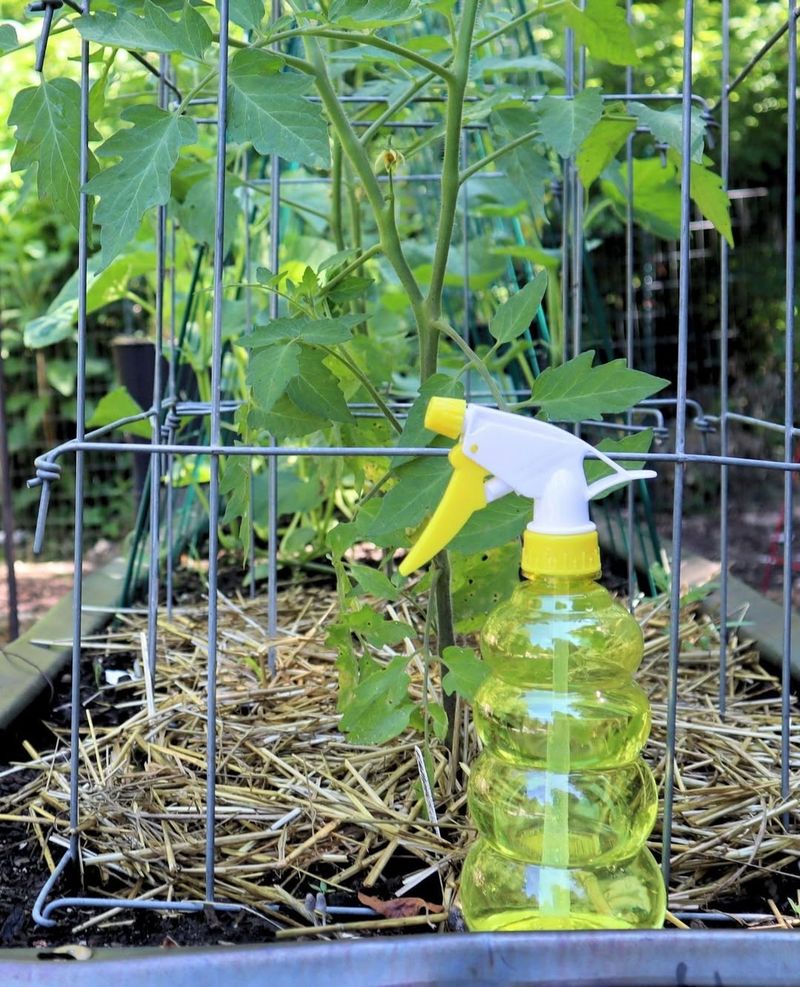
Eliminating all chemicals immediately can feel overwhelming and might leave you unsure how to handle problems that arise. Reducing dependence gradually gives you time to learn natural alternatives while building a healthier garden ecosystem.
Start by simply stopping preventive chemical applications and only addressing actual problems you observe.
Healthy soil creates healthy plants that naturally resist many pest and disease issues without chemical help. Focus your energy on continuing to improve soil with compost and organic matter rather than reaching for fertilizer bottles.
Georgia gardens with rich, living soil simply have fewer problems to solve.
Learn to identify beneficial insects that actually help control pest populations in your yard. Ladybugs, lacewings, and many native wasps eat the insects that damage plants.
Broad-spectrum insecticides eliminate these helpful creatures along with pests, creating a cycle of dependence on more chemicals.
Hand-picking larger pests like hornworms and Japanese beetles works surprisingly well for small garden spaces. This approach costs nothing and gives you direct control without impacting beneficial species.
Early morning is the best time for this task when insects are slower and easier to spot.
Accept some minor damage as normal rather than striving for catalog-perfect plants. A few chewed leaves don’t harm plant health and indicate your garden supports a living ecosystem.
Georgia gardeners who embrace this mindset find their yards become more balanced and self-regulating over time, requiring progressively less intervention of any kind.