Why More Oregon Gardeners Are Choosing Rain Gardens This Year
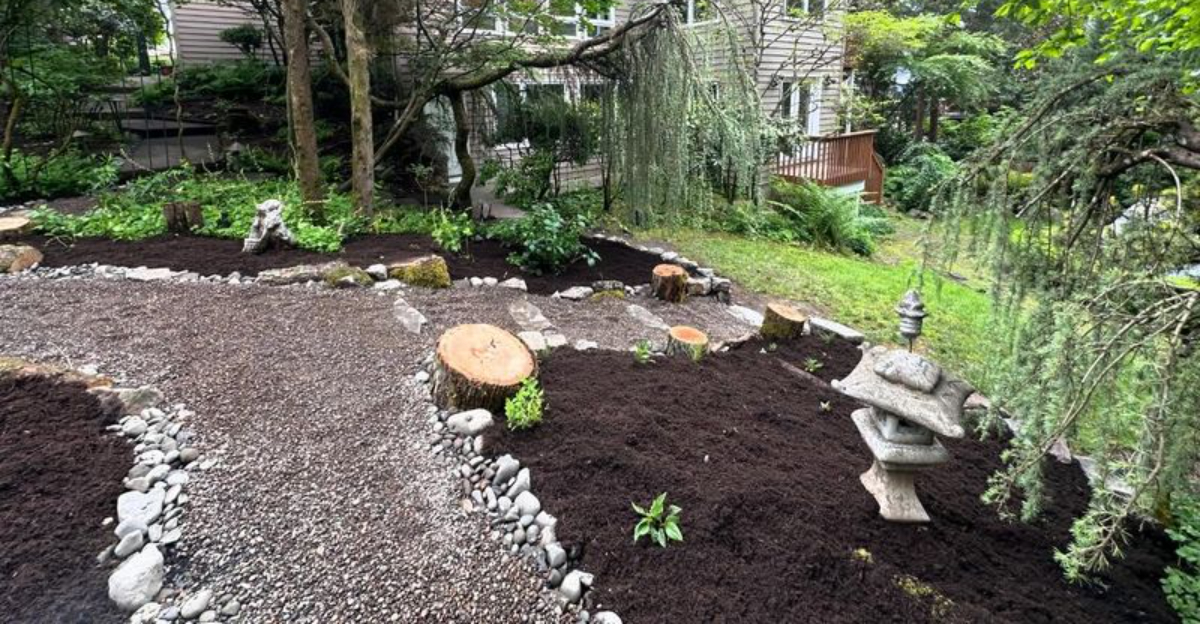
Oregon rain has a way of demanding attention. Just when you think the ground can’t possibly hold any more water, another storm rolls through and reminds you otherwise.
Puddles reappear, downspouts gush, and that one low spot in the yard does what it always does. Instead of fighting it, more Oregon gardeners are starting to lean into the rain, and that’s where rain gardens come in.
There’s something oddly satisfying about giving all that extra water a place to go. Rain gardens turn runoff into part of the design rather than a constant annoyance.
What used to be a soggy problem area becomes a planted space that actually enjoys the rain, then settles down once things dry out.
They’re also a little unexpected. Rain gardens feel intentional without being fussy, and they fit naturally into Oregon yards that already see plenty of moisture.
With the right plants, they handle wet winters, dry summers, and everything in between, no babysitting required.
If you’ve ever watched water rush across your yard and thought, “There has to be a better use for this,” you’re not alone. That question is exactly why rain gardens are gaining popularity this year.
They’re practical, interesting, and surprisingly fun, a smart way to let Oregon weather work for you instead of against you.
1. Managing Stormwater Naturally
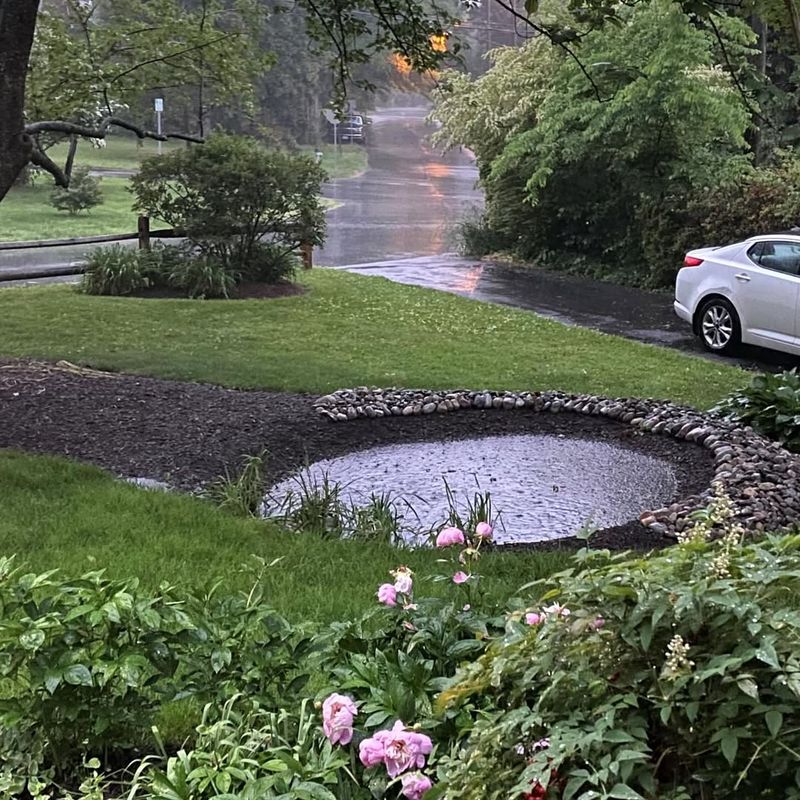
Oregon gets its fair share of wet weather, and all that rain has to go somewhere. Traditional lawns and paved surfaces send water rushing into storm drains, often carrying dirt, oil, and other unwanted stuff straight to local waterways.
Rain gardens work differently by catching and soaking up runoff right where it lands. They create a shallow depression that temporarily holds water after storms, giving it time to filter slowly into the ground.
Native soil and plant roots act like natural sponges and filters. Water that might have flooded your basement or pooled in the driveway now feeds your garden instead.
The plants you choose for rain gardens handle wet feet during rainy periods but also tolerate drier conditions when summer arrives. This natural approach reduces strain on municipal stormwater systems, which helps your whole community.
Many Oregon cities even offer incentives or rebates for homeowners who install rain gardens. Property owners save money on potential water damage repairs while contributing to cleaner streams and rivers.
The garden does the heavy lifting once you get it established, managing water through every season without pumps, chemicals, or constant maintenance. Rain gardens prove that working with nature often beats fighting against it, especially in a state known for its rainy reputation.
2. Supporting Native Wildlife
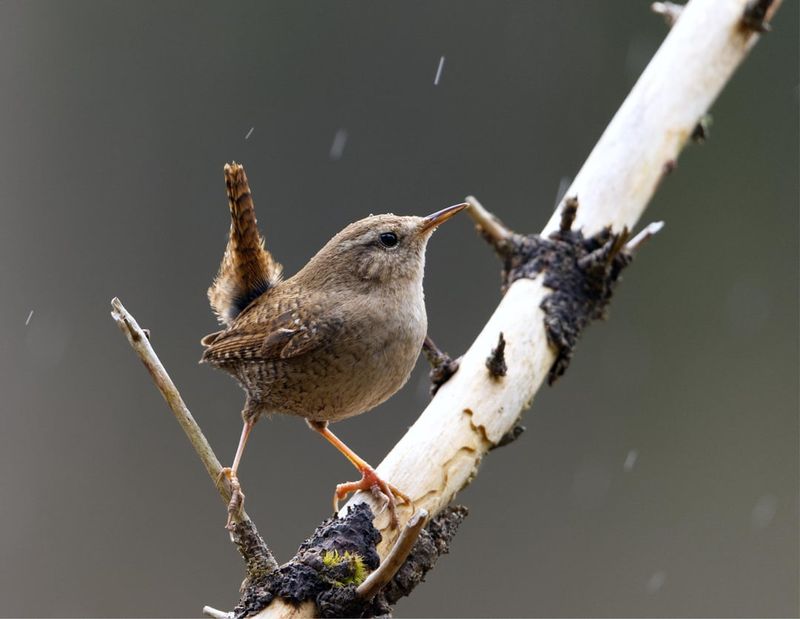
Birds need water, food, and shelter to thrive, and rain gardens provide all three. Native plants that grow well in rain gardens produce seeds, berries, and nectar that local wildlife species have depended on for thousands of years.
Hummingbirds visit red flowering currant blooms in spring, while goldfinches snack on coneflower seeds in fall. Butterflies flutter among Oregon sunshine and lupines, finding nectar they cannot get from typical lawn grass.
Rain gardens create mini habitats right in residential neighborhoods. Beneficial insects like native bees and ladybugs find homes among the varied plant layers.
These helpful bugs pollinate your vegetables and keep pest populations under control naturally. Frogs and salamanders sometimes visit rain gardens during wet seasons, especially if you live near wetlands or streams.
Watching wildlife up close from your window becomes an everyday experience instead of something that requires a trip to the park.
Oregon has lost significant habitat to development over the decades. Every rain garden helps restore a small piece of what used to exist.
When neighbors create multiple rain gardens in the same area, they form wildlife corridors that connect larger natural spaces. Your garden becomes part of a bigger network that supports biodiversity and helps native species adapt to urban environments.
Nature responds quickly when you offer it a welcoming place to live.
3. Reducing Yard Maintenance
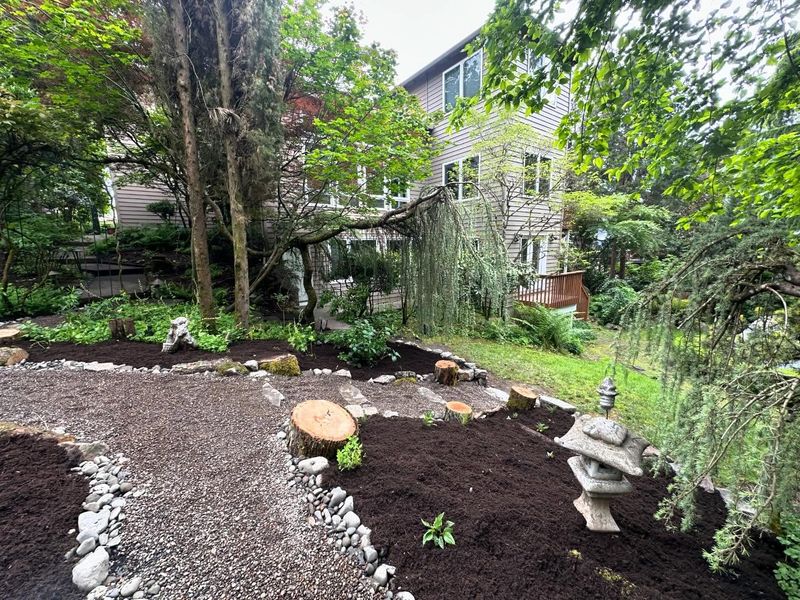
Traditional lawns demand constant attention throughout the growing season. Mowing, fertilizing, watering, and weeding can eat up your weekends from March through October.
Rain gardens flip that script by using plants adapted to Oregon conditions that mostly take care of themselves. Once your rain garden gets established after the first year or two, maintenance drops to occasional weeding and maybe some light pruning in late winter.
Native plants develop deep root systems that seek moisture underground. This means you rarely need to water them after they mature, even during dry summer months.
They evolved alongside local pests and diseases, so they resist problems that plague fussier ornamental plants. You can skip the fertilizers because native plants actually prefer lean soil conditions.
Chemical treatments become unnecessary when you work with plants designed for your specific climate and soil type.
Most rain garden care happens in early spring when you cut back dead stems and remove any weeds that sprouted over winter. That might take a couple of hours for an average-sized garden.
Compare that to weekly lawn mowing and the time savings become obvious. Rain gardens also look interesting through winter with seed heads and dried foliage that add texture to the landscape.
Less maintenance means more time to actually enjoy your yard instead of constantly working in it.
4. Improving Water Quality
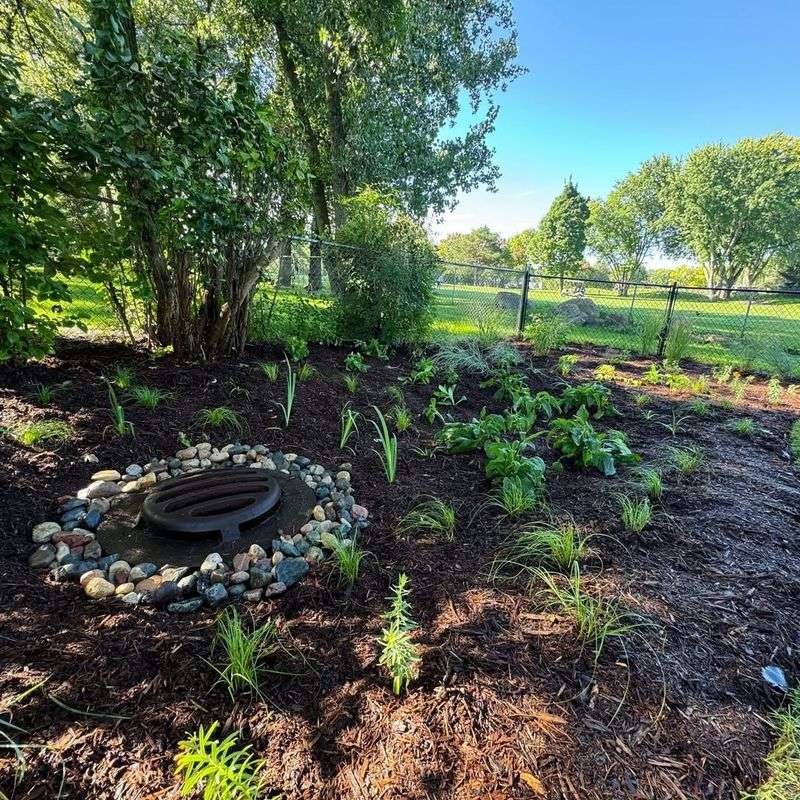
Every time rain hits your roof or driveway, it picks up pollutants along the way. Motor oil, fertilizers, pet waste, and bits of trash wash into storm drains and flow directly to creeks and rivers without treatment.
Oregon treasures its clean water, but urban runoff threatens salmon streams and drinking water sources throughout the state. Rain gardens interrupt that pollution pathway by filtering water through soil and plant roots before it reaches waterways.
Plant roots and soil microbes break down many common pollutants naturally. Heavy metals stick to soil particles instead of flowing downstream.
Excess nutrients from lawn fertilizers get absorbed by hungry plants rather than feeding toxic algae blooms in rivers. The simple act of slowing water down and passing it through living soil removes surprising amounts of contamination.
Studies show rain gardens can filter out over 90 percent of some pollutants.
Cleaner water means healthier fish populations and safer swimming holes. Oregon communities downstream from your neighborhood benefit from every rain garden that gets installed upstream.
You might live miles from the nearest creek, but water flows downhill and eventually reaches important habitats. Improving water quality starts with individual choices in thousands of yards across the state.
Rain gardens offer a practical way to protect the rivers and streams that make Oregon special, one rainstorm at a time.
5. Creating Year-Round Beauty
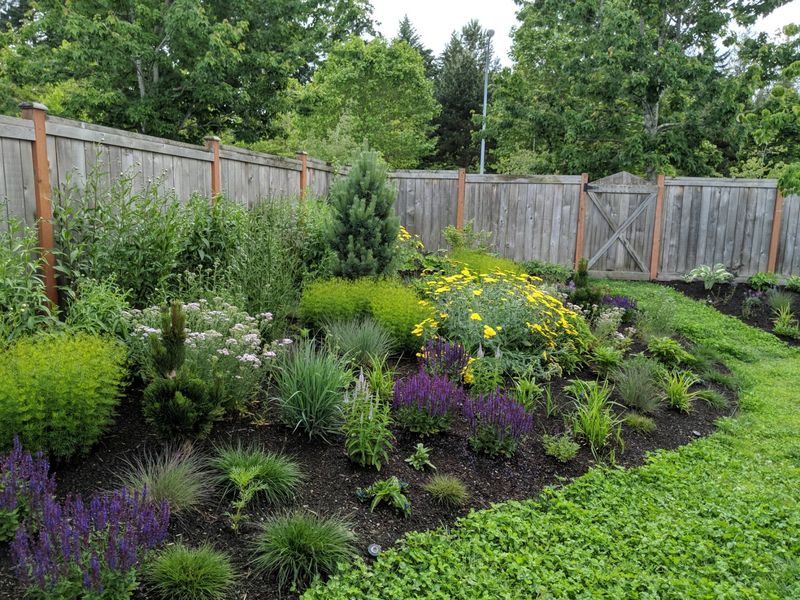
Rain gardens change with the seasons in ways that keep your landscape interesting all year long. Spring brings fresh green growth and early flowers like camas and wild iris that bloom in shades of blue and purple.
Summer showcases taller plants such as Oregon sunshine and red columbine that attract pollinators during warm months. Fall turns many native grasses golden brown and produces colorful berries on plants like snowberry and red twig dogwood.
Winter does not mean your rain garden disappears. Evergreen plants like sword fern and Oregon grape provide structure and color when other plants rest.
Dried seed heads catch frost and look beautiful on cold mornings. Birds visit to eat seeds and search for overwintering insects.
The textures and shapes of dormant plants create visual interest that plain lawns cannot match. Rain gardens prove that gardens can look good even when nothing actively blooms.
You can design your rain garden to peak at different times depending on what you want to see from your windows. Some gardeners focus on spring wildflowers, while others prefer late summer color.
Mixing plants with different bloom times, foliage colors, and growth habits keeps something interesting happening throughout the year. Rain gardens become living art that changes constantly, giving you new things to notice and appreciate as seasons shift and years pass.
6. Solving Drainage Problems
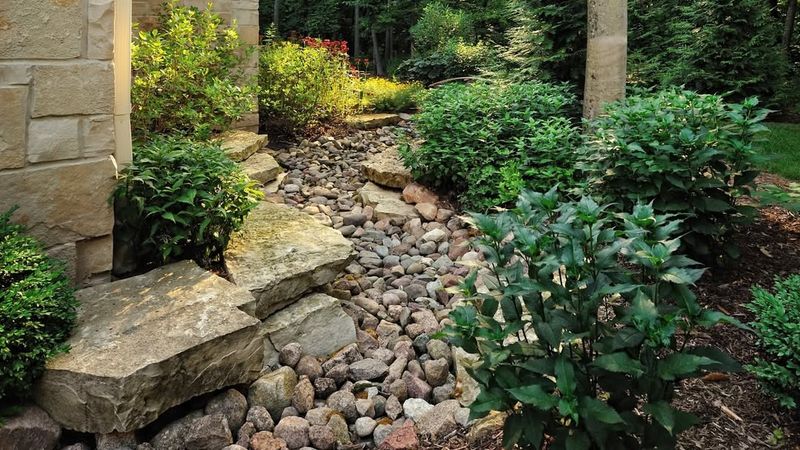
Does water pool in certain spots after heavy rain? Many Oregon properties have low areas, compacted soil, or slopes that create drainage headaches.
Water might collect near your foundation, flood part of your lawn, or create muddy paths where you need to walk. Traditional solutions like French drains or regrading cost thousands of dollars and often just move the problem somewhere else.
Rain gardens address drainage issues while adding value and beauty to your property.
A properly designed rain garden sits in the problem area and uses it to your advantage. The depression you create becomes a feature instead of a flaw.
Water flows naturally to the lowest point, where your carefully chosen plants thrive on the extra moisture. During dry periods, the same area looks like an intentional garden bed rather than a swampy mess.
Drainage problems transform into landscaping opportunities when you shift your perspective.
Rain gardens work especially well for managing runoff from downspouts, driveways, and patios. You can direct water to your rain garden using simple grading, shallow swales, or buried pipes.
The garden handles typical rainstorms easily and only fills during unusually heavy weather. Most rain gardens drain within 12 to 48 hours, so they do not create mosquito breeding grounds or soggy conditions that last for days.
Smart design turns your drainage problem into your favorite landscape feature.
7. Connecting With Your Community
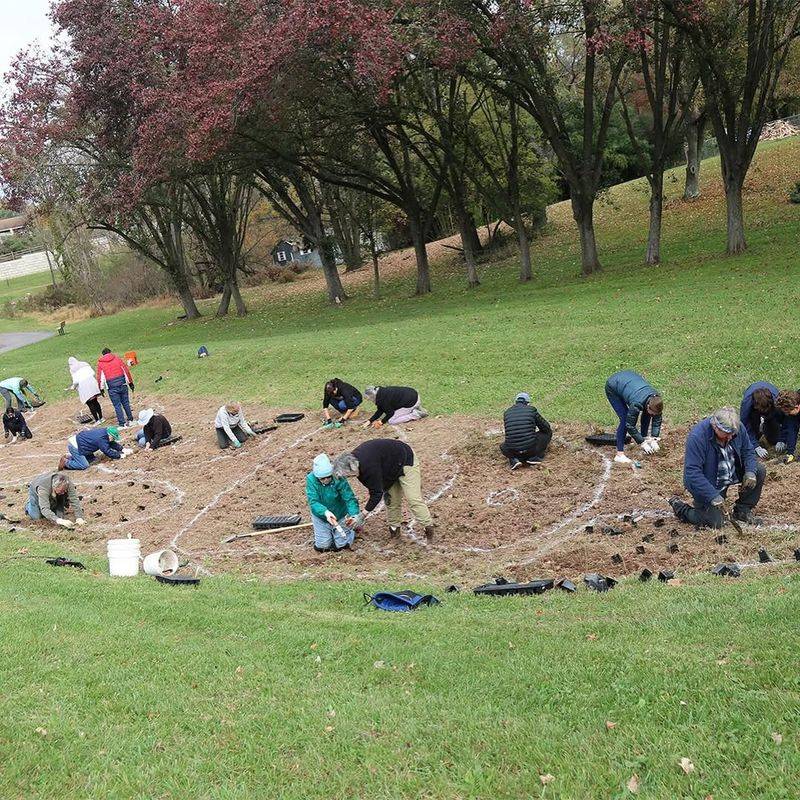
Rain gardens spark conversations with neighbors who wonder what you planted and why. People stop to admire the flowers, ask questions about the birds they see, or share their own drainage frustrations.
Your garden becomes a teaching tool that shows others what is possible in their own yards. Many Oregon neighborhoods have started rain garden tours where homeowners show off their installations and share tips.
These events build community connections while spreading awareness about sustainable landscaping practices.
Local watershed councils and environmental groups often provide rain garden workshops and resources. Attending these events connects you with like-minded gardeners and experts who can answer specific questions about your property.
Some communities organize group plant purchases where neighbors save money by ordering native plants together. Working on rain gardens creates friendships based on shared values and practical goals that benefit everyone in the area.
Schools and community centers sometimes partner with residents to install demonstration rain gardens that educate the public. Volunteering for these projects teaches valuable skills while improving shared spaces.
Kids learn about water cycles, native plants, and habitat creation through hands-on experience. Rain gardens become more than individual yard features when communities embrace them together.
The movement grows as more people see successful examples and realize they can make a difference right at home. Your rain garden might inspire dozens of others throughout your neighborhood.
8. Adapting To Climate Change

Oregon weather patterns have shifted noticeably over recent decades. Summers get hotter and drier, while winter storms sometimes dump more rain in shorter periods.
These changes stress traditional landscapes that were designed for more predictable conditions.
Rain gardens handle extreme weather better than conventional yards because they work with natural water cycles instead of requiring constant irrigation and drainage adjustments.
Climate resilience becomes built into your landscape when you choose plants and designs adapted to variable conditions.
Native plants that thrive in rain gardens evolved to handle Oregon’s natural feast-or-famine water patterns. They survive summer droughts without supplemental watering once established, then bounce back quickly when fall rains return.
Their deep roots access moisture that shallow-rooted lawns cannot reach. During increasingly intense winter storms, rain gardens absorb surges of water that might otherwise overwhelm drainage systems or cause erosion.
This flexibility helps your landscape stay healthy and functional as weather becomes less predictable.
Planning for climate change might sound overwhelming, but rain gardens offer a concrete step you can take today. They reduce your water consumption during dry months and protect your property during wet periods.
As more people install rain gardens, communities become better prepared for weather extremes. Your individual action contributes to broader resilience that helps everyone adapt to changing conditions.
Rain gardens prove that climate-friendly choices can be beautiful, practical, and beneficial right now, not just in some distant future.