Why More Oregon Homes Are Adding Pollinator Plants Up Front
You may have noticed something different on your neighbor’s front lawn this spring. Instead of the usual roses or rhododendrons, colorful clusters of wildflowers now greet visitors at the curb.
Across Oregon, more homeowners are swapping traditional landscaping for pollinator-friendly gardens packed with native plants that attract bees, butterflies, and hummingbirds. This shift is more than just a trend.
Pollinator populations have been dropping for years, and gardeners want to help reverse the damage. Front yards offer the perfect opportunity to make a real difference because they are visible, accessible, and often underused.
When you plant flowers that pollinators love, you create a mini habitat right where people can see it and learn from it.
Oregon’s climate and native plant diversity make it an ideal place for pollinator gardens to thrive. From the wet valleys to the drier eastern regions, there are native species suited to almost every yard.
Homeowners are discovering that these gardens are not only good for the environment but also easier to care for once established. They require less water, fewer chemicals, and offer year-round interest with blooms that change with the seasons.
Pollinator plants up front also boost curb appeal and start conversations with passersby. Neighbors ask questions, kids stop to watch the butterflies, and suddenly your garden becomes a teaching tool.
The benefits go far beyond your property line. When more homes add pollinator plants, entire neighborhoods become connected wildlife corridors that support a healthier ecosystem for everyone.
1. Native Plants Thrive In Oregon’s Climate
Oregon’s unique weather patterns make native pollinator plants a smart choice for front yard gardens. These plants evolved alongside local conditions, so they handle the rainy winters and dry summers without much fuss.
Once their roots take hold, they need far less attention than non-native species that struggle to adapt.
Native flowers like Oregon sunshine, lupines, and penstemon are built to survive here. They do not require constant watering or special soil amendments to stay healthy.
This makes them perfect for homeowners who want a beautiful garden without spending every weekend on maintenance.
Another advantage is their natural resistance to local pests and diseases. Non-native plants often attract problems because they lack the defenses that come from growing in their native environment.
Native species have spent thousands of years developing these defenses, so they stay strong with minimal help from you.
When you choose native pollinator plants, you also support the insects and animals that depend on them. Local bees and butterflies have co-evolved with these flowers, so they know exactly how to access the nectar and pollen.
This relationship benefits both the plants and the pollinators, creating a balanced system that works smoothly.
Planting natives up front shows your commitment to working with nature instead of against it. Your garden becomes a living example of how easy and rewarding it can be to grow plants that belong in Oregon’s landscape.
2. Supporting Declining Bee Populations
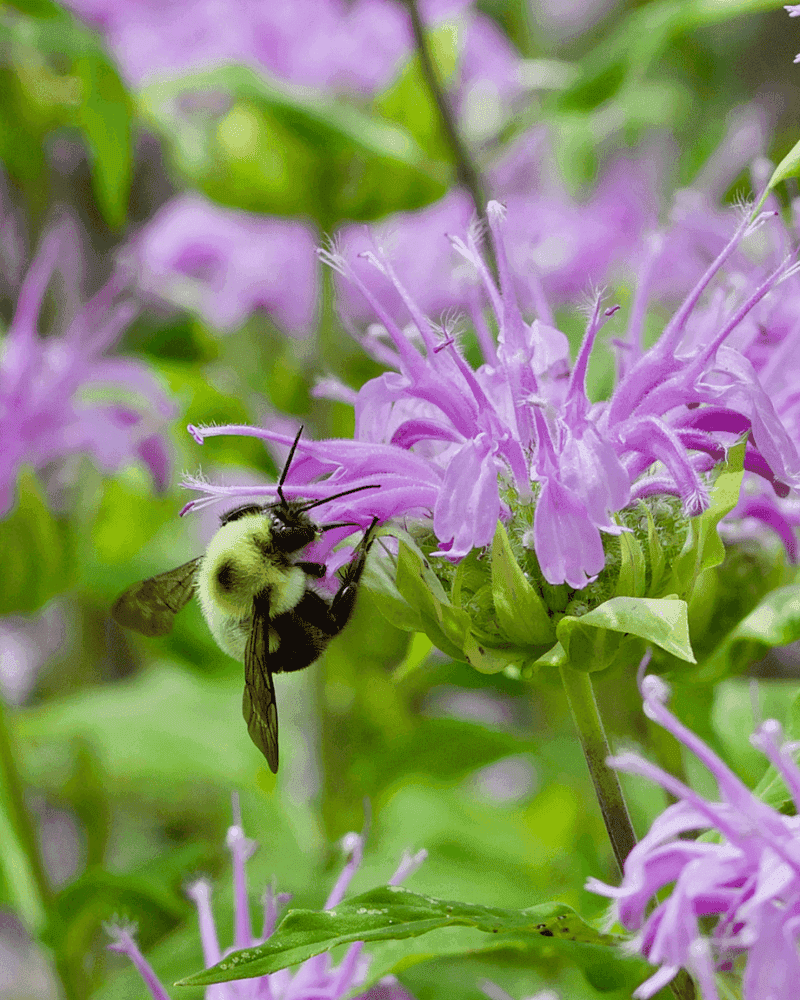
Bee numbers have dropped dramatically over the past few decades, and scientists point to habitat loss as a major cause. When we pave over meadows and replace wildflowers with grass lawns, bees lose the food sources they need to survive.
Front yard pollinator gardens help reverse this trend by providing bees with nectar and pollen right in residential neighborhoods.
Oregon is home to over 500 species of native bees, and many of them are struggling to find enough flowers. Unlike honeybees, most native bees are solitary and need specific plants to complete their life cycles.
When you plant a variety of pollinator-friendly flowers, you offer these bees a buffet of options throughout the growing season.
Bees are not just important for wild plants. They pollinate about one-third of the food we eat, including fruits, vegetables, and nuts.
Without bees, our food system would face serious challenges. By adding pollinator plants to your front yard, you contribute to the health of both wild ecosystems and agricultural systems.
Watching bees visit your garden is also surprisingly enjoyable. You can observe different species, from tiny sweat bees to large bumblebees, each with their own behaviors and preferences.
Kids especially love spotting the fuzzy bumblebees as they bounce from flower to flower.
Every front yard garden makes a difference. When neighbors see your pollinator plants buzzing with activity, they may be inspired to plant their own.
This creates a network of bee-friendly habitats that can support healthier, more diverse bee populations across entire communities.
3. Attracting Beautiful Butterflies
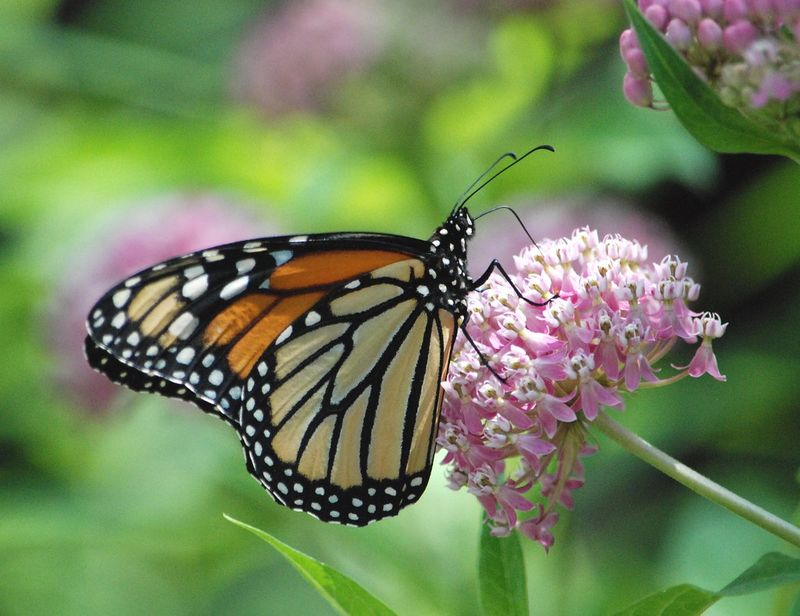
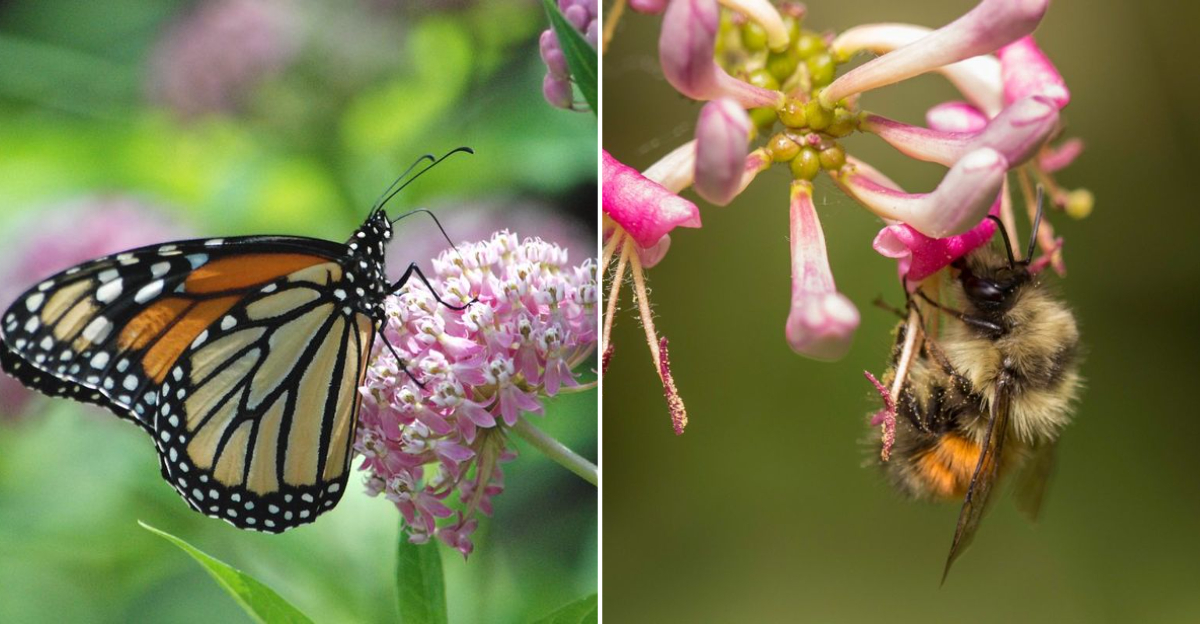
Few things brighten a front yard like the sight of colorful butterflies floating from bloom to bloom. Oregon hosts dozens of butterfly species, from the striking Western Tiger Swallowtail to the delicate Painted Lady.
These insects need specific plants at different stages of their lives, and front yard gardens can provide both nectar sources for adults and host plants for caterpillars.
Butterflies are picky about where they lay their eggs. Each species has preferred host plants where caterpillars can munch and grow.
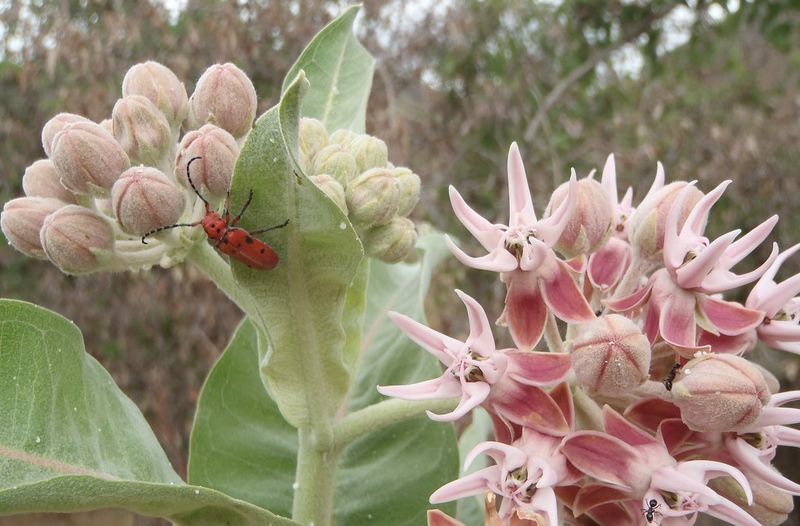
For example, Monarch butterflies need milkweed, while swallowtails prefer plants in the parsley family. When you include these host plants in your garden, you support the full butterfly life cycle, not just the pretty adults.
Adult butterflies need nectar-rich flowers to fuel their flight. Plants like asters, black-eyed Susans, and bee balm are butterfly magnets.
By planting a mix of species that bloom at different times, you can enjoy butterfly visitors from early spring through late fall.
Butterfly gardens also serve as outdoor classrooms. Children can watch caterpillars transform into chrysalises and eventually emerge as butterflies.
This hands-on experience teaches kids about metamorphosis and the importance of protecting nature. It is a lesson they will remember far longer than anything from a textbook.
Front yard butterfly gardens create moments of wonder for everyone who passes by. Neighbors stop to admire the fluttering wings, and your garden becomes a small oasis of beauty and life in the middle of a residential street.
4. Lower Water Bills And Less Maintenance
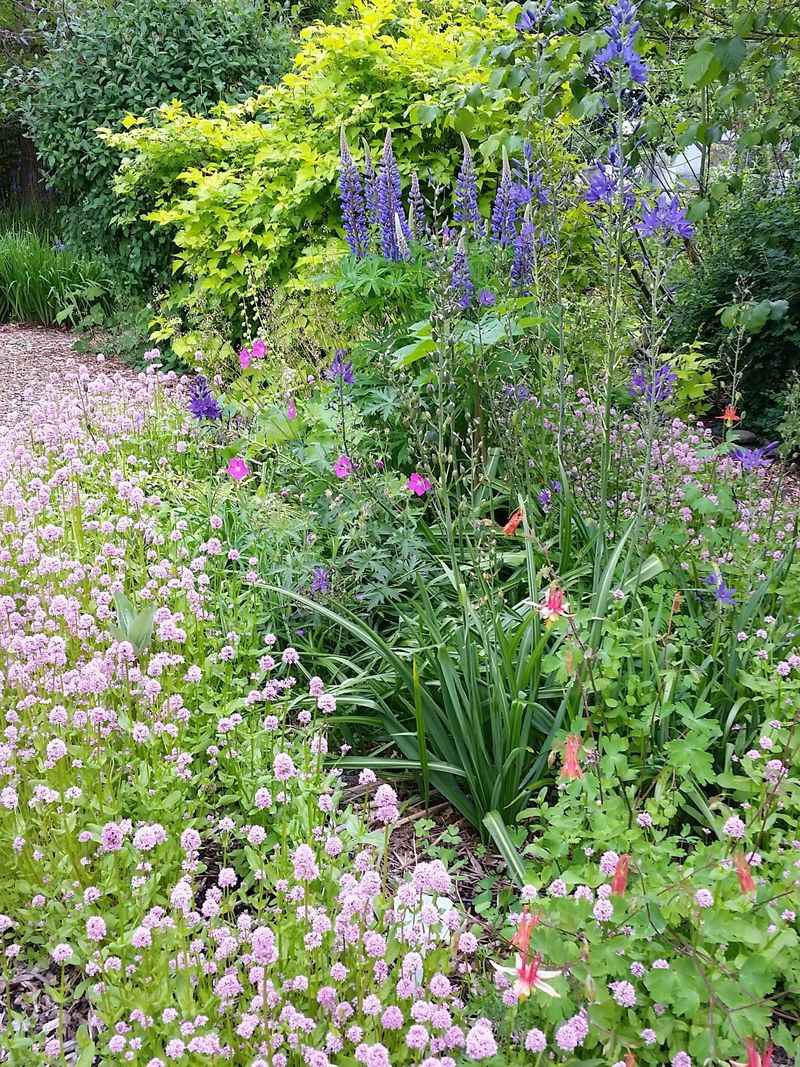
Traditional lawns and non-native ornamental plants often demand constant watering, especially during Oregon’s dry summer months. This not only drives up your water bill but also wastes a precious resource.
Pollinator plants, particularly native species, are adapted to survive on natural rainfall once they are established, making them a smart choice for water-conscious homeowners.
After the first year or two, most native pollinator plants develop deep root systems that tap into moisture far below the surface. This means you can cut back on watering significantly or even stop altogether in many cases.
Your garden stays green and blooming while your water meter barely moves.
Maintenance is another area where pollinator gardens shine. Unlike lawns that need weekly mowing, edging, and fertilizing, pollinator gardens require minimal upkeep.
You might need to do some light weeding and occasional deadheading, but that is about it. Many native plants even self-seed, filling in bare spots without any effort from you.
Reducing lawn care also means fewer trips to the gas station for mower fuel and less noise pollution in your neighborhood. Electric mowers help, but eliminating mowing altogether is even better.
Your weekends become free for activities you actually enjoy instead of yard chores.
Lower water bills and reduced maintenance add up to significant savings over time. You can spend that money on other things while enjoying a front yard that looks beautiful and supports local wildlife.
It is a win-win situation that more Oregon homeowners are discovering every year.
5. Creating Wildlife Corridors
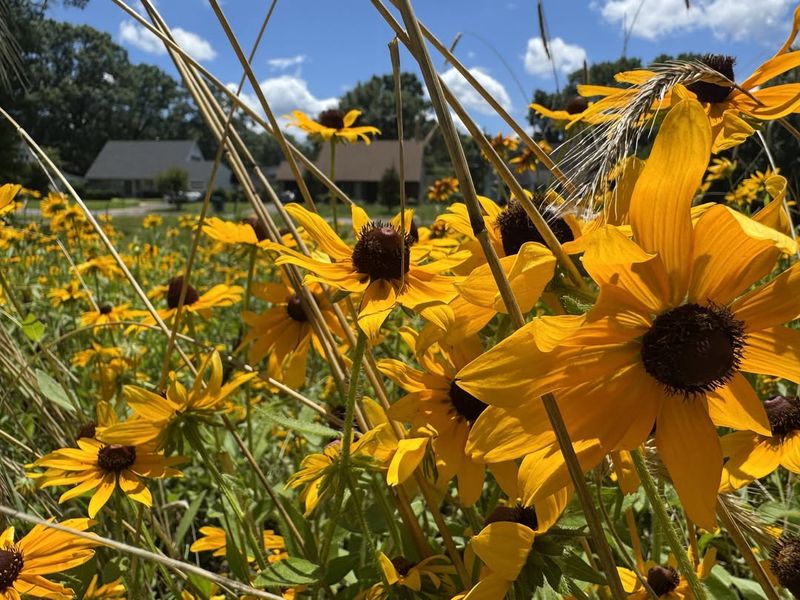
Urban and suburban development fragments natural habitats, leaving wildlife with fewer places to find food and shelter. Front yard pollinator gardens help reconnect these isolated patches by creating stepping stones that animals can use to move through neighborhoods.
When multiple homes on a street plant pollinator-friendly gardens, they form a wildlife corridor that supports a much larger variety of species.
Birds, bees, butterflies, and beneficial insects all use these corridors to travel between larger natural areas like parks and nature reserves. Without these connections, populations can become isolated and struggle to find mates or new territory.
Your front yard might seem small, but it plays a crucial role in the bigger picture of urban wildlife conservation.
Wildlife corridors also increase biodiversity in residential areas. Instead of just seeing a few common species, you might notice new birds, interesting beetles, or even small mammals visiting your garden.
This diversity makes neighborhoods more resilient to environmental changes and pest outbreaks because the ecosystem has more balance.
Kids growing up in neighborhoods with wildlife corridors develop a stronger connection to nature. They see that cities and suburbs can coexist with wildlife when people make thoughtful choices about landscaping.
This early exposure can shape their values and inspire them to care for the environment as adults.
Creating wildlife corridors is a community effort, and front yard pollinator gardens are an easy way to participate.
Talk to your neighbors about planting pollinator-friendly species, and watch as your street transforms into a vibrant pathway for wildlife moving through the urban landscape.
6. Boosting Curb Appeal With Color
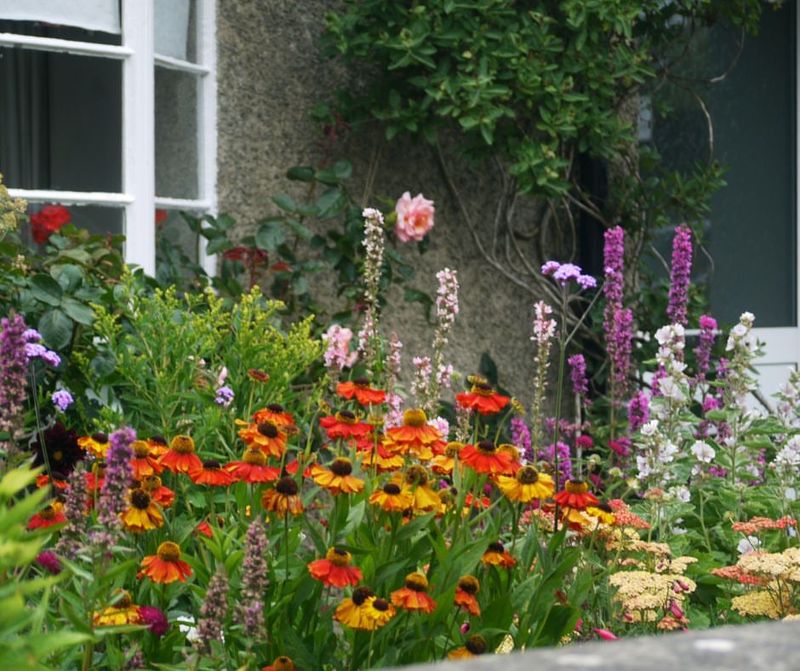
Pollinator gardens are anything but boring. They explode with color throughout the growing season, offering a constantly changing display that traditional landscaping cannot match.
From the bright yellows of Oregon sunshine in spring to the deep purples of asters in fall, pollinator plants provide a living painting right at your curb.
Real estate agents know that curb appeal matters. Homes with attractive front yards sell faster and for higher prices than those with neglected or plain landscaping.
A well-designed pollinator garden shows that the homeowner cares about their property and pays attention to details. Potential buyers notice this, and it can make your home stand out in a competitive market.
Unlike static ornamental beds that look the same all season, pollinator gardens change constantly. New flowers bloom, butterflies arrive, and the garden feels alive.
This dynamic quality captures attention and invites people to stop and look closer. Neighbors walking by might pause to admire a particularly striking bloom or watch a hummingbird visit.
You do not need to sacrifice style for sustainability. Pollinator gardens can be designed to fit any aesthetic, from cottage garden charm to modern minimalist.
By choosing plants with different heights, textures, and bloom times, you can create a front yard that is both beautiful and functional.
The best part is that pollinator gardens often look better as they mature. While traditional landscaping can become overgrown and messy, pollinator plants fill in naturally and develop a lush, established look that only improves with time.
7. Reducing Pesticide Use
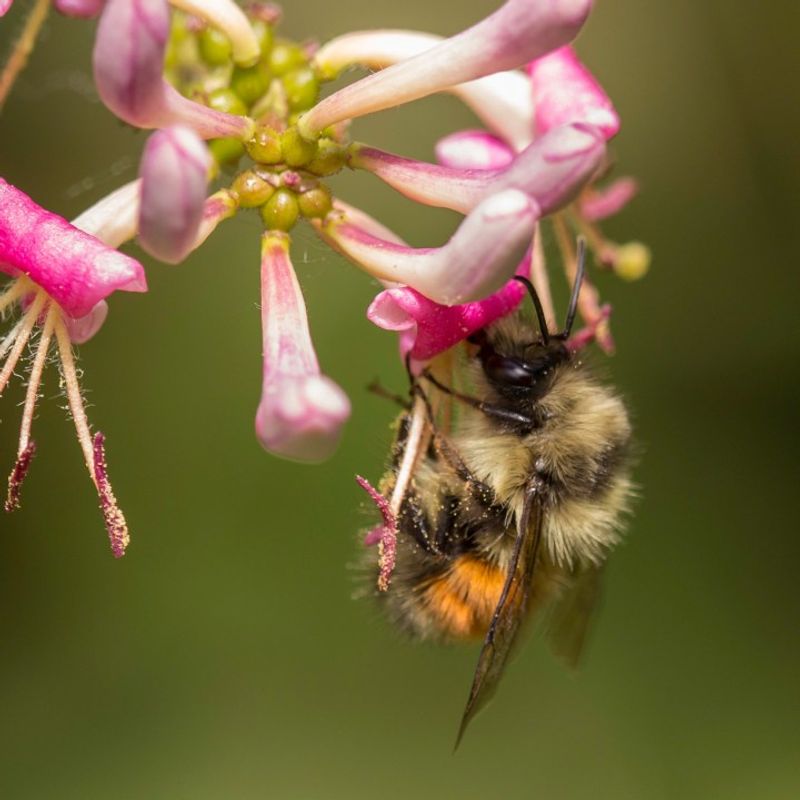
Traditional lawns and ornamental gardens often rely on pesticides to control weeds, insects, and diseases. These chemicals can harm beneficial insects, contaminate water sources, and pose risks to pets and children who play in the yard.
Pollinator gardens offer a healthier alternative by working with nature instead of fighting against it.
Native pollinator plants have natural defenses against local pests, so they rarely need chemical intervention. When you choose the right plants for your location and soil, they stay healthy on their own.
This eliminates the need for routine pesticide applications and creates a safer environment for everyone.
Pollinator gardens also attract beneficial insects that eat common garden pests. Ladybugs, lacewings, and predatory wasps all visit pollinator-friendly flowers, and while they are there, they hunt for aphids, caterpillars, and other plant-damaging insects.
This natural pest control is free, effective, and does not harm the environment.
Reducing pesticide use is especially important in front yards where children play and pets roam. Kids love to explore gardens, picking flowers and watching bugs.
When you eliminate toxic chemicals, you can relax knowing that curious hands and paws are safe from harmful exposure.
Many Oregon communities are encouraging pesticide-free landscaping through education programs and certification initiatives. By planting a pollinator garden up front, you join this movement and show others that beautiful, healthy yards do not require a cabinet full of chemicals.
Your garden becomes proof that there is a better way to care for the land.
8. Educational Opportunities For Kids
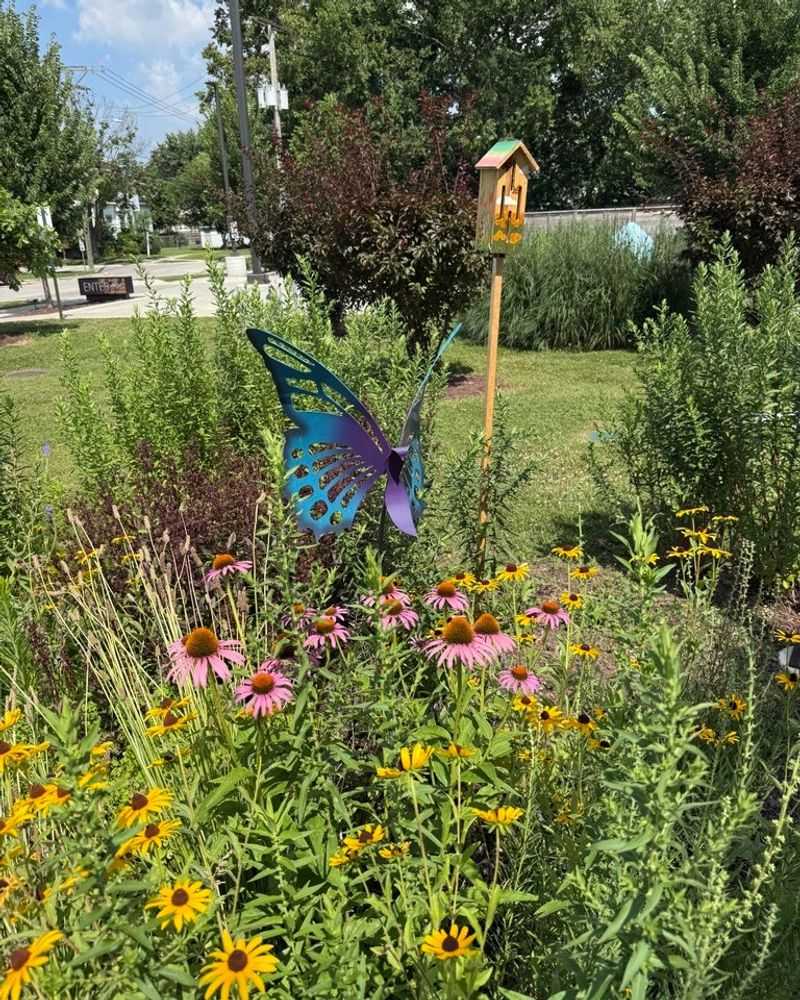
Front yard pollinator gardens turn ordinary lawns into living classrooms where children can learn about nature firsthand. Instead of reading about life cycles in books, kids can watch bees collect pollen, butterflies lay eggs, and caterpillars munch on leaves.
These real-world experiences create lasting memories and spark curiosity about the natural world.
Parents and teachers can use pollinator gardens to teach lessons about ecology, biology, and environmental stewardship. Children learn that every plant and insect has a role to play in the ecosystem.
They begin to understand concepts like pollination, food webs, and habitat in ways that feel concrete and meaningful rather than abstract.
Gardening also teaches responsibility and patience. Kids can help plant seeds, water young plants, and observe how the garden changes over time.
They learn that growth takes time and care, and they feel proud when their efforts result in beautiful blooms and visiting wildlife.
Pollinator gardens visible from the street also educate the broader community. Neighbors and passersby see the garden and may ask questions about the plants or the insects they attract.
This opens up conversations about conservation and inspires others to create their own pollinator-friendly spaces.
Schools are increasingly incorporating outdoor learning into their curriculum, and front yard pollinator gardens can serve as examples of what is possible at home.
When children see these gardens in their own neighborhoods, they realize that anyone can make a difference for the environment, no matter how small their yard might be.
9. Supporting Hummingbirds
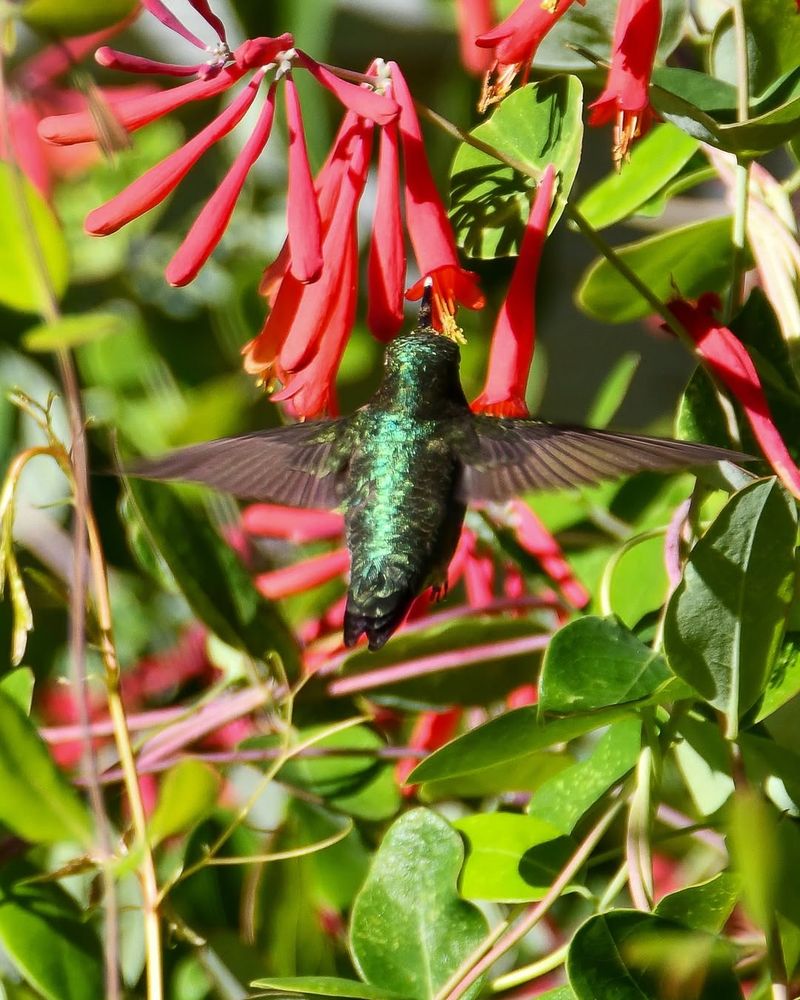
Hummingbirds are some of the most delightful visitors a garden can attract. Oregon is home to several species, including the Rufous and Anna’s hummingbirds, which migrate through or live in the state year-round.
These tiny birds need high-energy nectar to fuel their incredibly fast metabolism, and pollinator gardens provide exactly what they need.
Hummingbirds prefer tubular flowers in shades of red, orange, and pink, though they will visit other colors too. Plants like columbine, penstemon, and salvia are hummingbird favorites.
When you include these in your front yard garden, you create a refueling station that helps hummingbirds on their long migration journeys or supports resident birds throughout the year.
Watching hummingbirds is endlessly entertaining. They hover in midair, zip backward, and chase each other in aerial dogfights over the best flowers.
Their iridescent feathers catch the light and flash brilliant colors as they move. Having these acrobatic birds visit your front yard adds a sense of magic to ordinary days.
Hummingbirds also help pollinate flowers as they feed. Their long beaks and tongues reach deep into blossoms, picking up pollen that transfers to the next flower they visit.
This makes them important pollinators for certain native plants that have evolved specifically to attract hummingbirds rather than insects.
Front yard hummingbird gardens often become neighborhood attractions. People slow down as they drive by, hoping to catch a glimpse of these remarkable birds.
Your garden can introduce others to the joy of hummingbird watching and inspire them to plant hummingbird-friendly flowers in their own yards.
10. Joining A Growing Movement
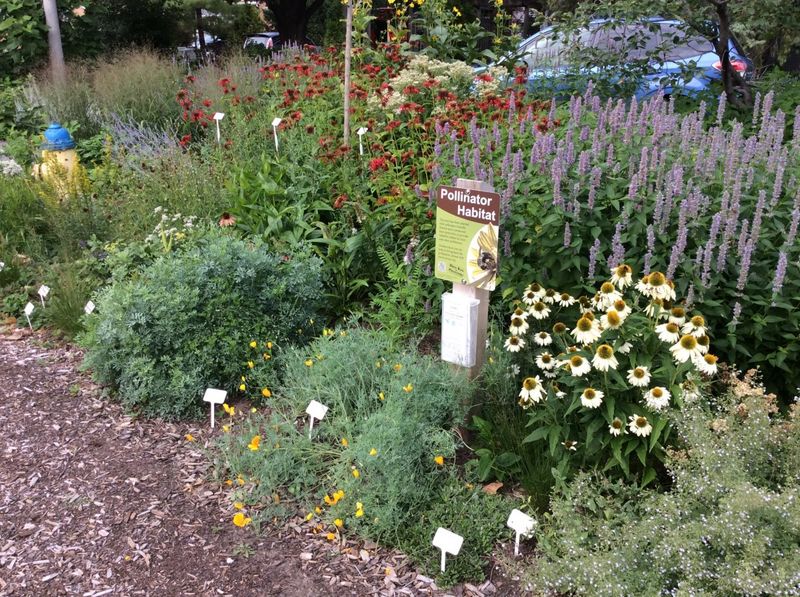
Across Oregon and the entire country, homeowners are rethinking what front yards should look like. The traditional grass lawn is giving way to more sustainable, wildlife-friendly alternatives, and pollinator gardens are leading this transformation.
When you add pollinator plants up front, you join a community of people working together to create healthier, more diverse landscapes.
Many cities and counties now offer incentives for removing lawns and planting pollinator gardens. These programs provide free or discounted native plants, rebates on water bills, and technical assistance with garden design.
Taking advantage of these resources makes it easier and more affordable to create a pollinator-friendly front yard.
Social media has helped spread the pollinator garden movement. People share photos of their gardens, swap plant recommendations, and celebrate wildlife sightings.
This online community provides support and inspiration, especially for beginners who might feel overwhelmed by the idea of transforming their front yard.
Participating in this movement connects you to something bigger than your individual property. You become part of a collective effort to address environmental challenges like habitat loss and pollinator decline.
This sense of purpose and community can be deeply satisfying, knowing that your small actions contribute to meaningful change.
Front yard pollinator gardens also start conversations with neighbors and visitors. When people ask about your plants or comment on the butterflies, you have the opportunity to share what you have learned and encourage them to try pollinator gardening themselves.
This ripple effect multiplies the impact far beyond your own property line.