Why More Oregon Homes Are Adding Rosemary By The Front Door
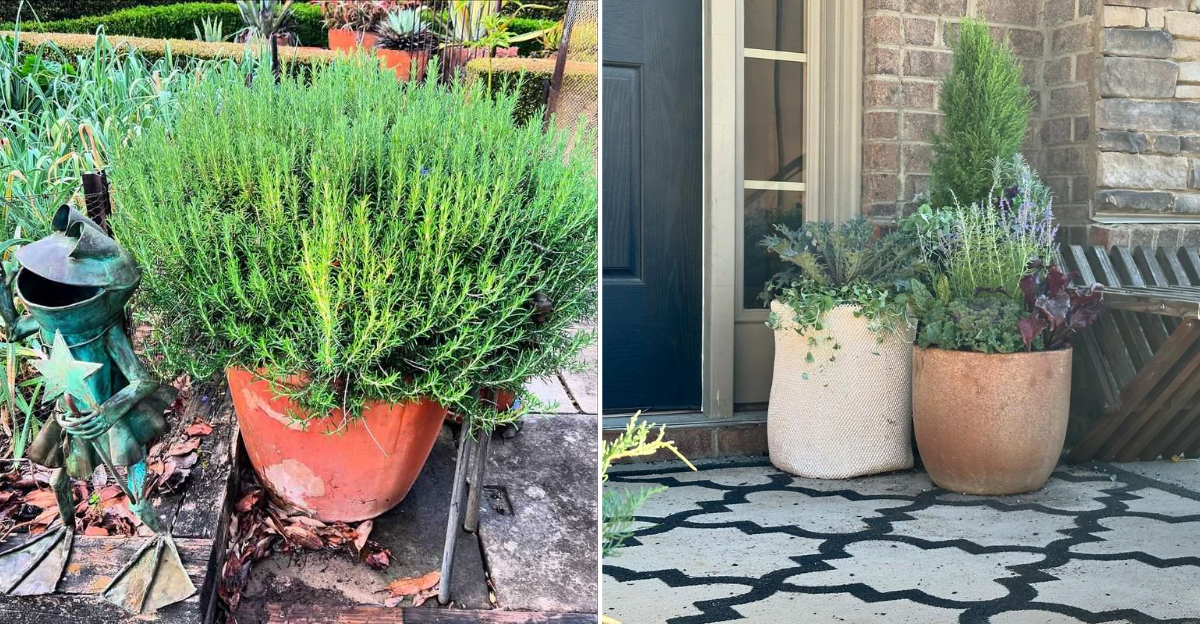
Rosemary is popping up by more Oregon front doors, and it’s easy to see why. This fragrant evergreen adds a pop of green year-round, smells amazing when brushed against, and gives homes a welcoming, polished look without a lot of effort.
Beyond its beauty, rosemary is a practical choice. It thrives in Oregon’s mild climate, tolerates drought once established, and grows well in containers or garden beds.
Plus, it’s a magnet for pollinators in spring and summer, attracting bees and butterflies right to the doorstep.
Planting rosemary by the front door isn’t just about curb appeal. It’s a functional, low-maintenance herb that can be snipped for cooking or dried for crafts, all while enhancing the look and feel of your entryway.
With minimal care, a well-placed rosemary plant brings fragrance, greenery, and even a little wildlife magic to the front of any Oregon home.
1. Instant Curb Appeal Boost
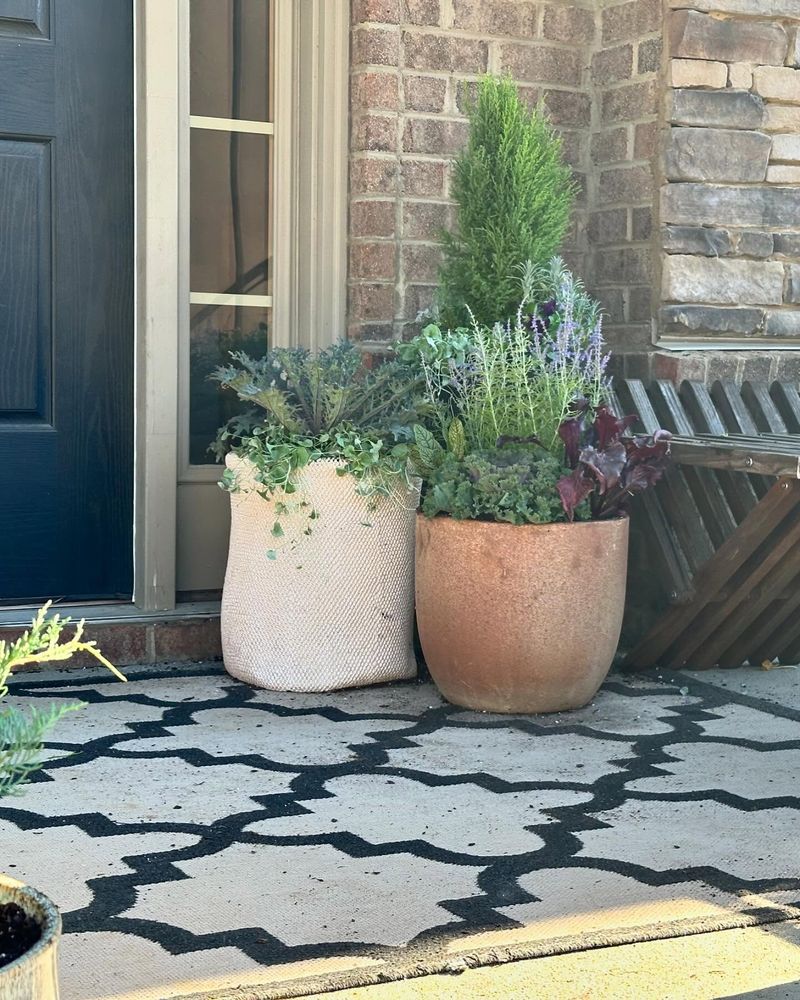
First impressions start at the front door, and rosemary gives your entryway a polished, intentional look without much effort. Its upright growth habit and dense foliage create a tidy, sculptural presence that frames your door beautifully.
Unlike fussy flowering plants that come and go, rosemary holds its shape and stays full all year long.
You don’t need design experience to make it work. A single potted rosemary on each side of your door creates instant symmetry.
Planted in the ground along a walkway, it softens hard edges and adds texture. The silvery-green leaves catch light in a way that makes your entry feel more welcoming, even on cloudy Oregon mornings.
Neighbors notice. Guests comment.
And you didn’t have to replant seasonally or fuss with fertilizers. Rosemary just sits there looking great, doing its job quietly.
It’s the kind of plant that makes people think you put more effort into your landscaping than you actually did.
If you’re trying to boost your home’s street presence on a budget, rosemary is one of the easiest wins. It delivers that curated, garden-shop aesthetic without the ongoing maintenance most decorative plants demand.
2. Natural Fragrance At Your Entry

Walk up to your front door and brush past rosemary, you’ll catch that earthy, pine-like scent that instantly makes your entry feel more inviting. It’s not overpowering or artificial.
Just a clean, herbal note that greets you every time you come home. Guests notice it too, even if they don’t know where it’s coming from.
Rosemary releases its oils when touched or warmed by the sun, so the scent naturally intensifies on warm afternoons. You don’t need to do anything special.
Just plant it where people pass by, and it does the rest. It’s especially nice during Oregon’s damp months when everything else smells a little musty.
Unlike synthetic air fresheners or candles, rosemary fragrance is subtle and natural. It won’t clash with your indoor scents or overwhelm sensitive noses.
It just adds a pleasant background note that makes your entryway feel more alive and thoughtfully designed.
If you’ve ever wished your front porch had a signature scent, rosemary delivers that without any extra work. It’s one of those small details that makes your home feel more personal and cared for, even when you’re not actively thinking about it.
3. Low-Water And Low-Maintenance Appeal
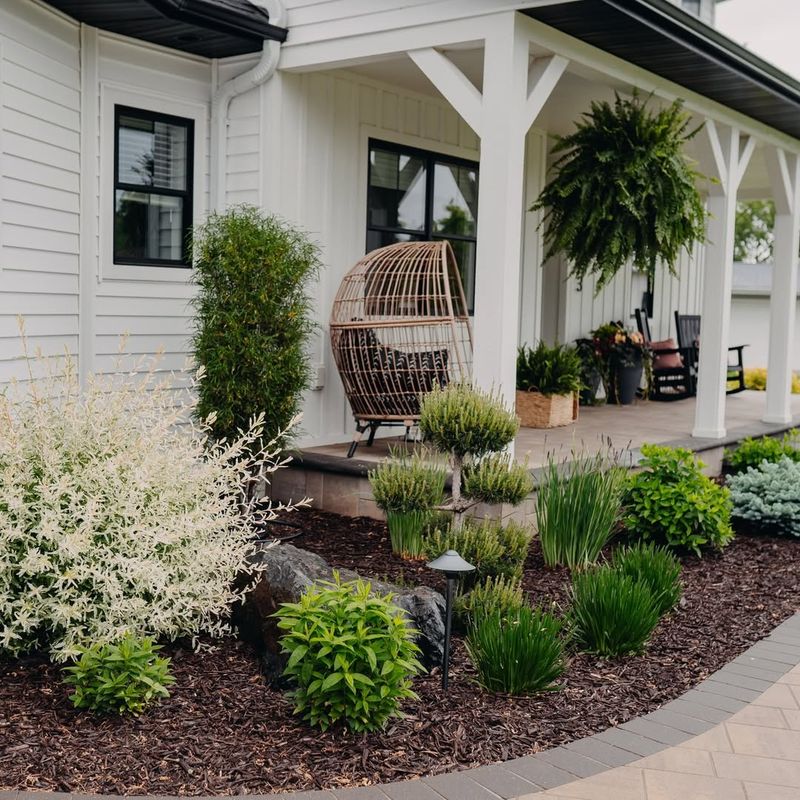
Oregon summers can be dry, and not everyone wants to spend their weekends watering the front yard. Rosemary thrives on neglect once it’s established.
After the first season, it rarely needs supplemental water, even during our driest stretches. That makes it perfect for busy homeowners or anyone trying to reduce outdoor chores.
You won’t need to fertilize it regularly or worry about special soil mixes. Rosemary actually prefers lean, well-drained soil, which is exactly what most Oregon front yards already have.
It doesn’t demand deadheading, staking, or seasonal cutbacks. Just an occasional trim to keep it shaped, and you’re done.
Compared to annual flowers or thirsty shrubs, rosemary is a set-it-and-forget-it plant. It doesn’t sulk when you go on vacation or skip a week of watering.
It just keeps growing, looking good, and staying green. That’s a huge relief if you’re trying to simplify your landscape without sacrificing appearance.
If you’re moving toward a more sustainable, water-wise front yard, rosemary is one of the easiest swaps you can make. It looks intentional, not drought-stressed, and it actually thrives with less attention.
4. Year-Round Green Color
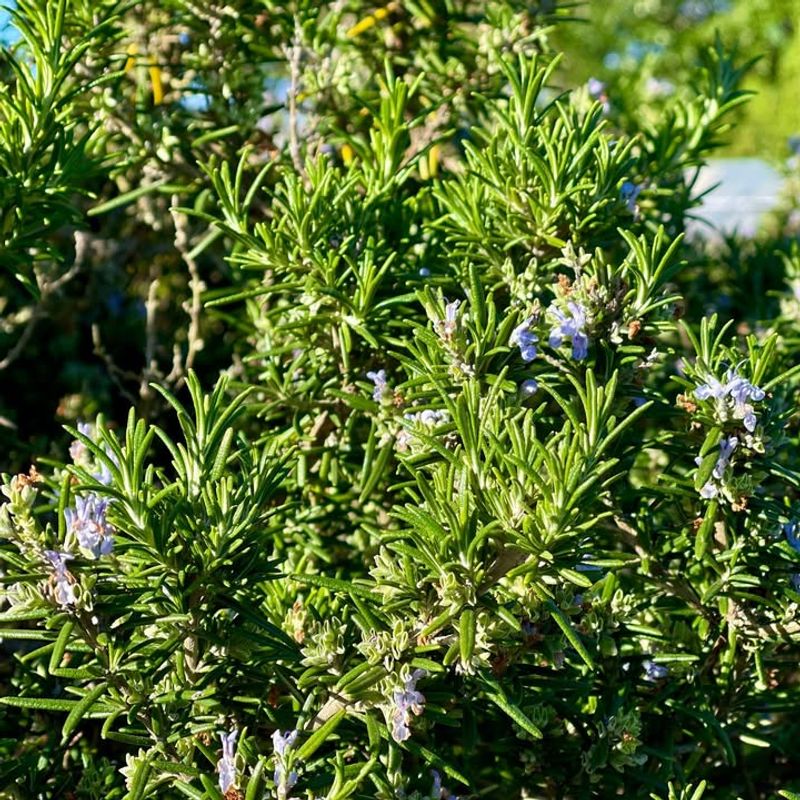
Most plants near the front door lose their leaves or flop back in winter, leaving your entryway looking bare and forgotten. Rosemary stays evergreen all year long, even through Oregon’s rainy, gray months.
That consistent color makes a bigger difference than you’d think. Your home looks cared for even when you’re not actively gardening.
The foliage doesn’t fade or turn brown. It stays that soft, silvery-green shade that works with any exterior color scheme.
Whether your home is painted white, gray, or dark trim, rosemary complements it without clashing. It’s one of those plants that just fits, no matter what style you’re going for.
In winter, when everything else is dormant, rosemary gives your front door a sense of life and continuity. It’s especially nice during the holidays when you want your entry to feel welcoming without adding a lot of extra decorations.
The green is enough on its own.
If you’re tired of replanting seasonally or watching your front planters look sad by November, rosemary solves that problem. It’s there for you in every season, looking just as good in January as it does in July.
5. Pest-Resistant Front Entry Planting
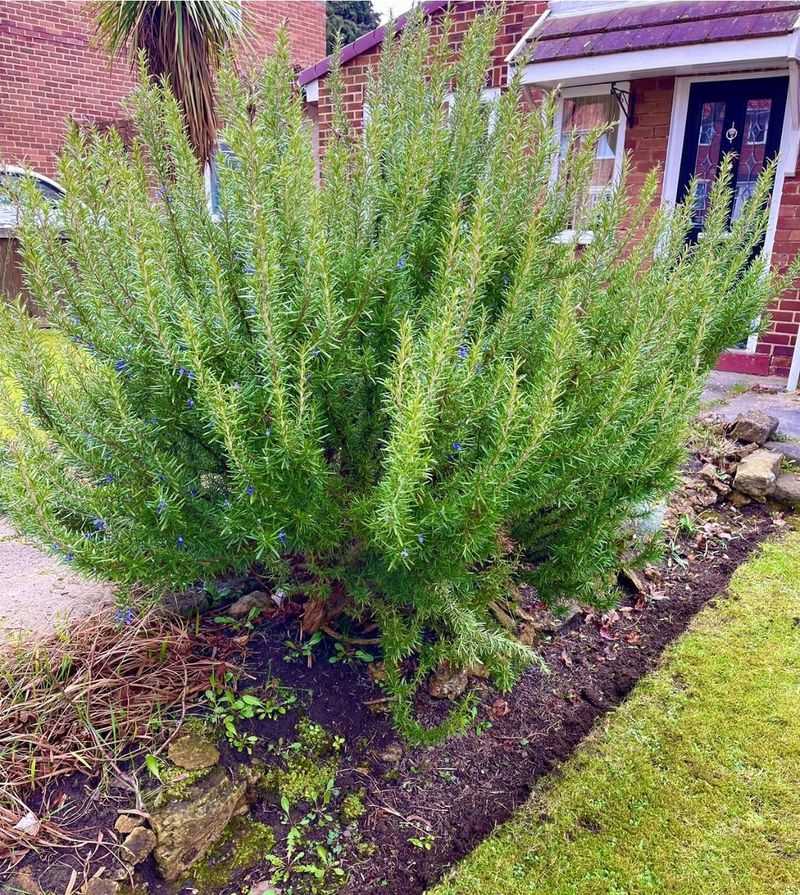
Aphids, slugs, and deer tend to ignore rosemary, which is a huge win if you’re tired of battling pests near your front door. Its strong scent and resinous leaves make it naturally unappealing to most garden invaders.
You won’t need to spray chemicals or set up barriers. The plant does its own defending.
Deer, which can be a real problem in many Oregon neighborhoods, typically walk right past rosemary. They don’t like the smell or taste.
That means you can plant it confidently near your entry without worrying it’ll be nibbled down to stubs overnight. It’s one of the few decorative plants that reliably survives in deer-heavy areas.
Slugs and snails, which love Oregon’s damp climate, also avoid rosemary. You won’t find slimy trails across the leaves or chewed edges.
It just stays clean and intact, which is rare for plants growing close to the ground in our wet springs and falls.
If you’ve struggled with pests ruining your front plantings year after year, rosemary offers a frustration-free alternative. It’s tough, resilient, and doesn’t need your constant protection to look good.
6. Edible Convenience Right Outside Your Door
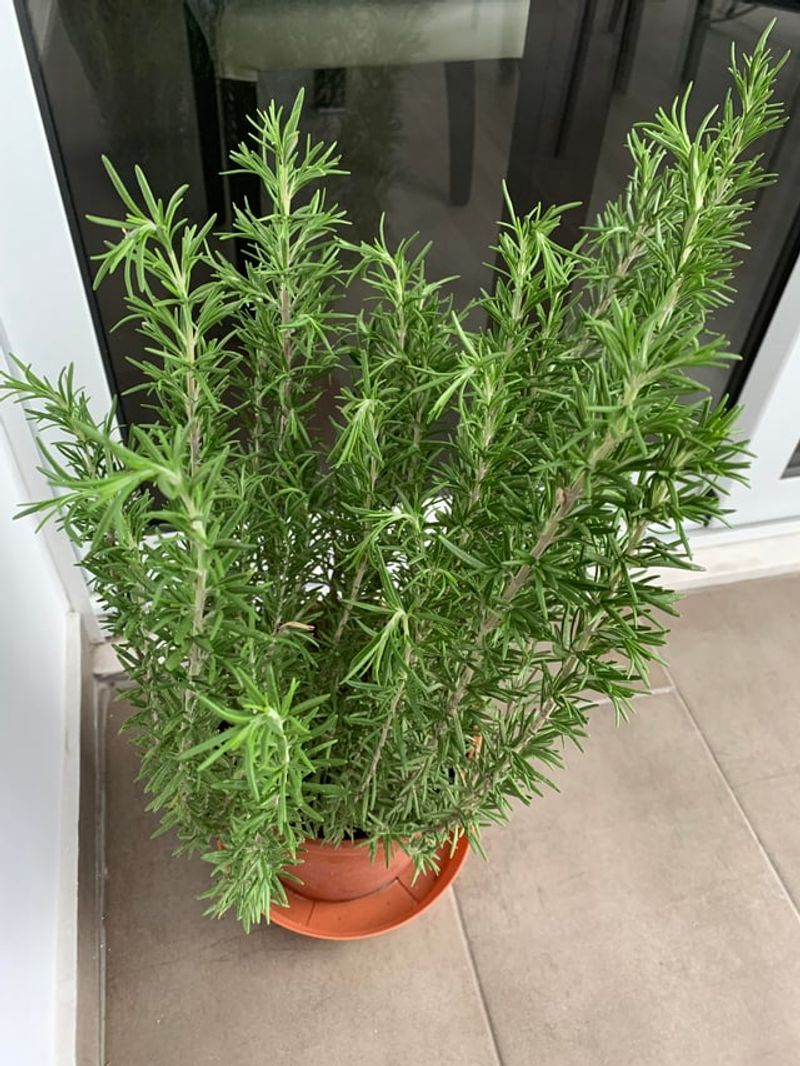
Imagine stepping outside to grab fresh rosemary for dinner without walking to the backyard or digging through the fridge. When it’s planted by your front door, you pass it every day.
Snipping a sprig becomes effortless. You’ll find yourself using it more often just because it’s right there.
Rosemary works in so many dishes, roasted potatoes, chicken, bread, soups, even cocktails. Having it within arm’s reach means you’re more likely to cook with fresh herbs instead of reaching for the dried stuff in the cupboard.
It’s a small convenience that quietly improves your meals.
You don’t need a big garden or raised beds to grow your own herbs. A single rosemary plant by the door gives you a steady supply all year long.
It keeps producing even in winter when most other edibles have gone dormant. That’s especially valuable in Oregon’s cooler months when fresh herbs are harder to find at the store.
If you’ve ever thought about growing your own food but felt overwhelmed, rosemary is the easiest place to start. It’s low-pressure, high-reward, and it doubles as a landscape plant.
You get beauty and function in one simple choice.
7. Works In Pots And Small Spaces
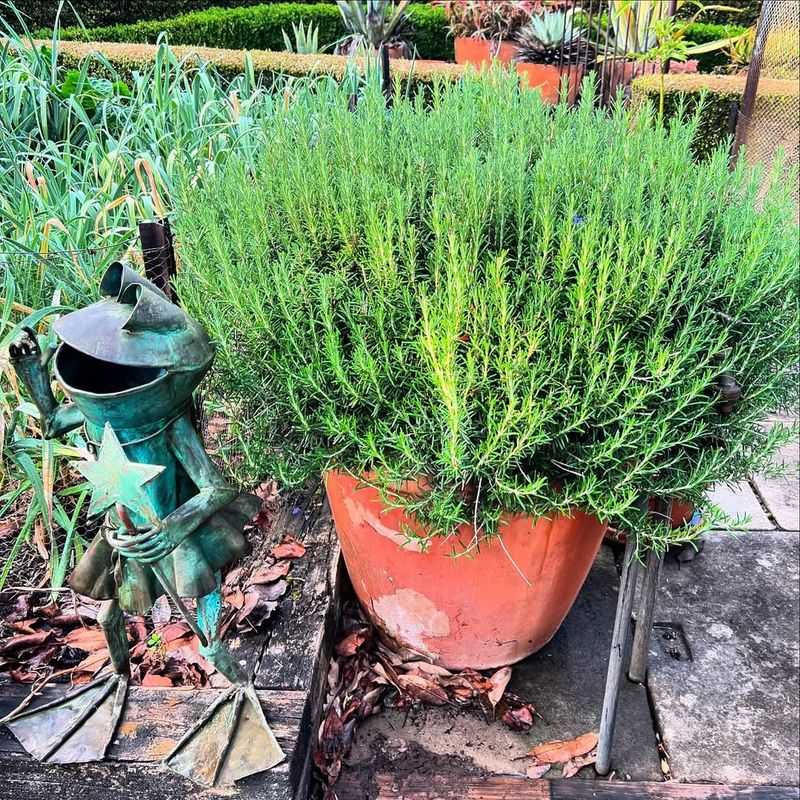
Not everyone has room for in-ground planting near the front door. Maybe you’re renting, or your entryway is mostly concrete.
Rosemary thrives in containers, which makes it perfect for porches, steps, and tight spaces where traditional landscaping doesn’t fit. You can move it around, swap out the pot, or take it with you if you move.
Container rosemary looks polished and intentional. Pair it with a simple terra cotta pot or a modern planter, and it instantly elevates your entry.
You don’t need a green thumb or a big budget. Just good drainage and a sunny spot, and it’ll grow happily for years.
It’s also forgiving if you forget to water occasionally. Rosemary in pots can handle short dry spells better than most container plants.
That makes it ideal for front porches where you might not check on plants daily. It won’t wilt dramatically or punish you for a busy week.
If you live in an apartment, condo, or townhome with limited outdoor space, rosemary gives you that garden feel without needing a yard. It’s one of the best ways to bring greenery and life to a small front entry.
8. Handles Oregon’s Seasonal Swings
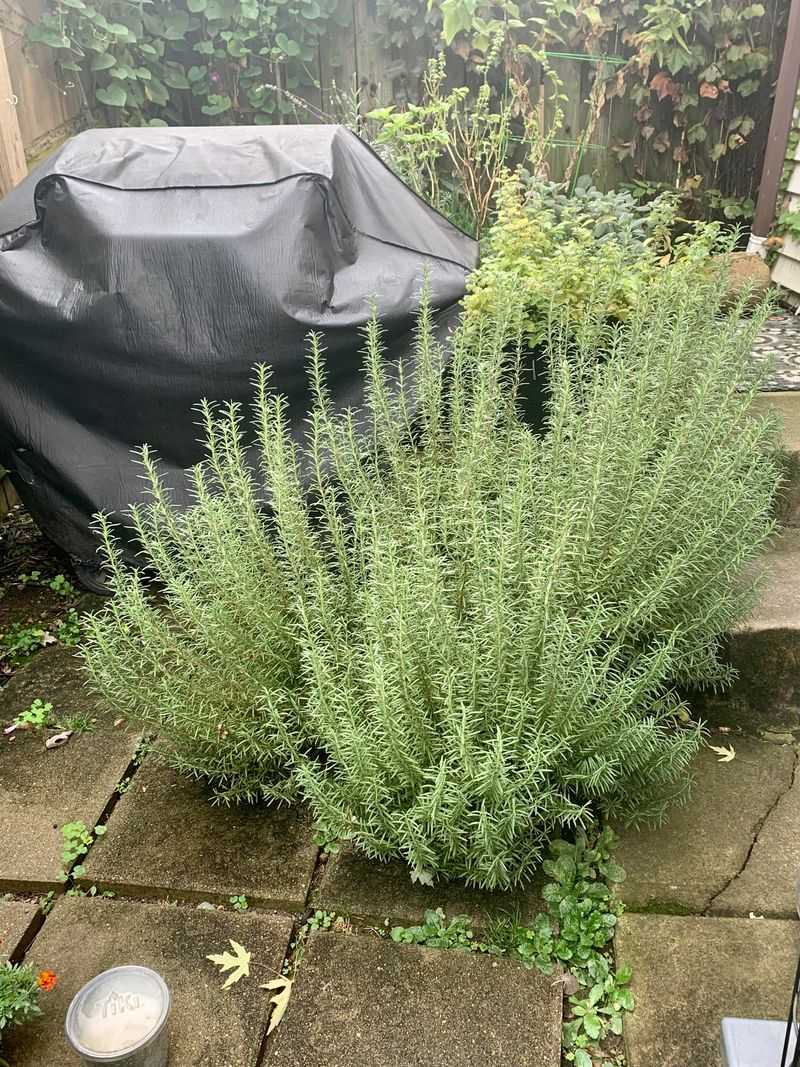
Oregon weather can be unpredictable, wet springs, dry summers, surprise frosts, and mild winters. Rosemary handles it all without drama.
Once established, it adapts to our seasonal shifts better than most ornamental plants. It doesn’t sulk when the weather changes.
It just keeps growing.
In spring, when everything else is getting waterlogged, rosemary’s preference for well-drained soil keeps it from rotting. In summer, when other plants start looking crispy, rosemary stays green and full.
It’s built for Mediterranean climates, which happen to align surprisingly well with Oregon’s dry summers and mild, wet winters.
Frost can damage some varieties, but many upright rosemary types tolerate light freezes just fine. If you choose a hardy variety like ‘Arp’ or ‘Hill Hardy,’ you won’t need to cover it or bring it inside.
It’ll sit there through winter without complaint, looking just as good in March as it did in September.
If you’re tired of plants that need seasonal babying or protection, rosemary is refreshingly self-sufficient. It’s one of the few plants that actually thrives in Oregon’s conditions without constant adjustments or worry.