Why More Wild Turkeys Are Showing Up In Michigan Neighborhoods
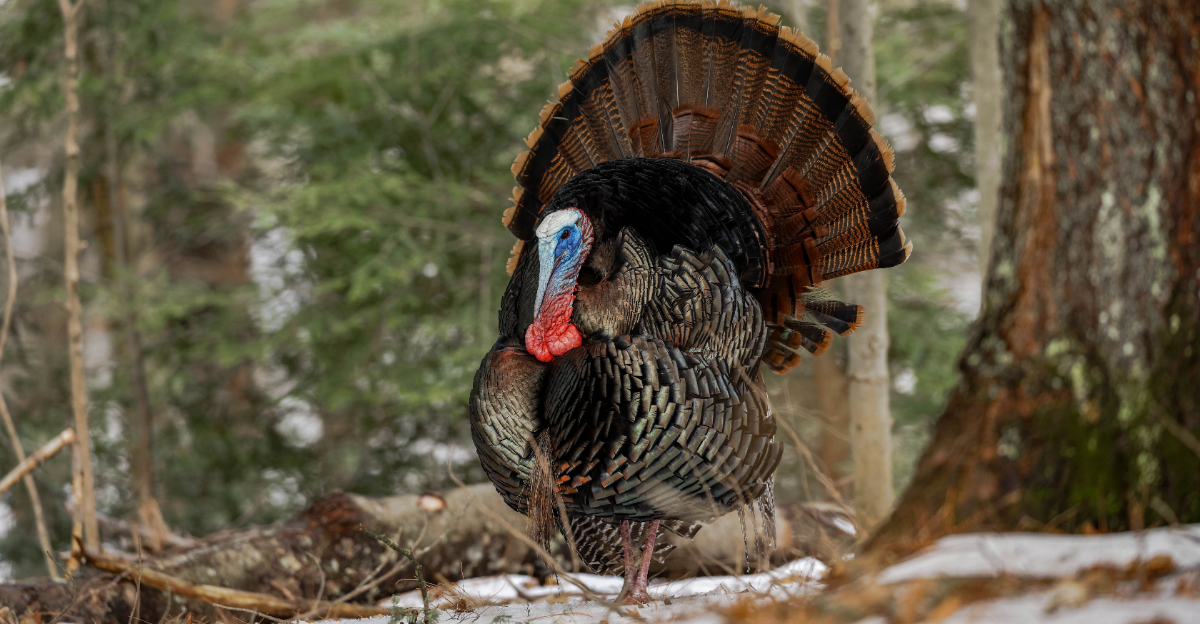
Wild turkeys are becoming a common sight across Michigan, and many residents are starting to notice them wandering through backyards and quiet neighborhoods.
These large birds may look like unusual visitors, but their growing presence is part of a much bigger story unfolding across the state. Not long ago, wild turkeys were nearly gone from Michigan.
Today they roam freely through forests, parks, and residential areas from the Upper Peninsula to Southeast Michigan.
Careful conservation efforts helped rebuild their population, but that is only part of the reason people are seeing them more often.
Changes in land use, expanding suburban areas, and the way people interact with wildlife have also made neighborhoods attractive places for turkeys to explore.
Understanding why they are showing up so often can help Michigan residents appreciate these birds while learning how to coexist with them.
1. Population Recovery From Conservation Efforts
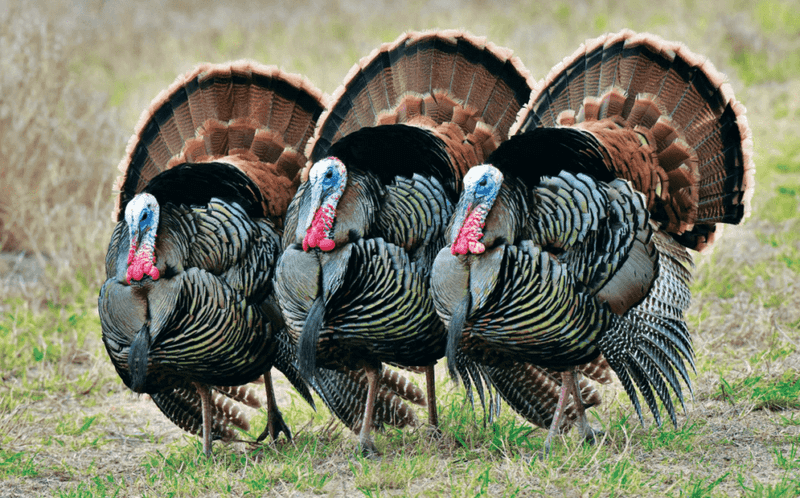
Back in the early 1900s, wild turkeys had almost completely vanished from Michigan due to habitat loss and overhunting.
That changed in the 1950s when wildlife managers began reintroducing flocks across the state. Decades of careful management have paid off in a big way.
Today, wild turkeys can be found in every single county in Michigan, which is a remarkable conservation success story.
The Michigan Department of Natural Resources worked alongside hunters, landowners, and wildlife organizations to restore populations steadily.
Their efforts involved trapping birds from healthy populations and relocating them to areas where turkeys had disappeared.
As the population grew stronger, turkeys naturally expanded their range into new territories, including suburban neighborhoods.
With numbers climbing into the hundreds of thousands statewide, it makes sense that more birds are showing up near homes.
People who have lived in the same neighborhood for years are now seeing turkeys for the very first time.
Conservation programs did not just bring turkeys back, they built a thriving, self-sustaining population. Michigan now serves as a model for wildlife recovery efforts across the Midwest.
The next time a turkey strolls across your driveway, you are witnessing the result of one of the state’s greatest wildlife comeback stories.
2. Expansion Of Suitable Habitat
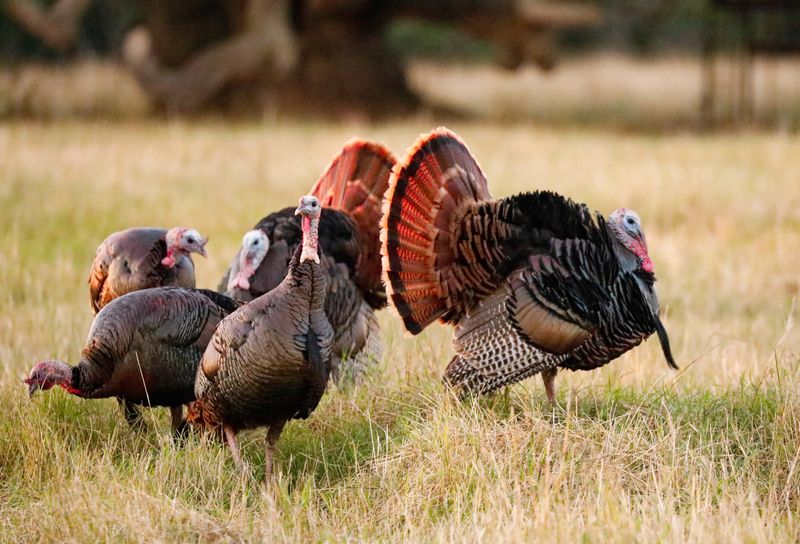
Habitat is everything for wild turkeys, and Michigan has been offering more of it in recent decades.
Turkeys prefer a mix of open woodlands, grassy clearings, and forest edges, and that exact combination is spreading across the state.
Abandoned farmland that has grown back into young forest has created ideal conditions for turkey populations to expand.
Michigan’s forests have regenerated significantly since the heavy logging era of the late 1800s. Oak-hickory woodlands, which turkeys love for their abundance of acorns and tree cover, have become more widespread.
Species like red oak, beech, cherry, produce the mast crops that turkeys depend on through fall and winter.
As these habitats grow closer to residential areas, turkeys naturally follow the food and shelter they provide.
Suburban neighborhoods in Michigan are often bordered by woodlots, creek corridors, and brushy fields that make excellent turkey territory.
The birds do not see a clear divide between wild land and a backyard, they simply follow the landscape wherever it leads.
Habitat expansion is one of the quieter reasons behind the turkey boom, but it is incredibly powerful. When the land offers what a species needs, that species will move in and stay.
Michigan’s recovering green spaces are essentially rolling out a welcome mat for wild turkeys every single season.
3. Availability Of Backyard Food Sources
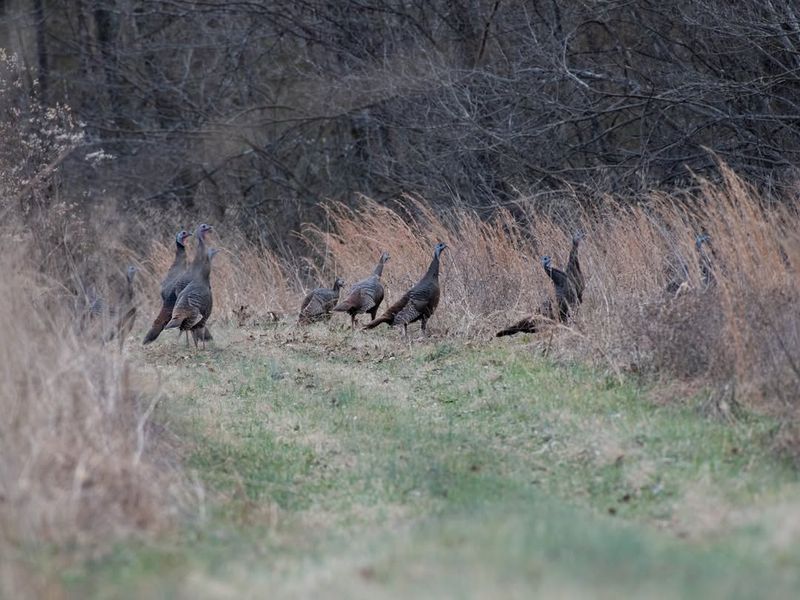
Wild turkeys are some of the most opportunistic eaters in the animal world. They will eat almost anything they come across, from acorns and wild berries to insects, worms, seeds, and even leftover garden vegetables.
Michigan backyards often offer a surprising amount of all of these things without homeowners even realizing it. Bird feeders are a major draw.
Sunflower seeds, cracked corn, and millet that spill to the ground from songbird feeders are like a free buffet for passing turkeys. Even a small amount of scattered seed can bring a whole flock into a yard within days.
Once turkeys discover a reliable food source, they tend to return to it again and again. Fruit trees, berry bushes, garden beds, and compost piles also attract foraging birds.
A yard with an apple tree dropping fruit in October is practically irresistible to a hungry turkey.
Insects hiding in leaf litter and garden soil add even more protein to their diet, especially during summer months when young birds are growing fast.
Removing food attractants is actually one of the top recommendations from the Michigan DNR for residents who want to discourage turkeys from lingering. Keeping yards tidy and bird feeders elevated can help manage how often turkeys visit.
However, for those who enjoy watching them, a few natural plantings can make your yard a regular turkey hotspot.
4. Decrease In Predator Pressure In Suburban Areas
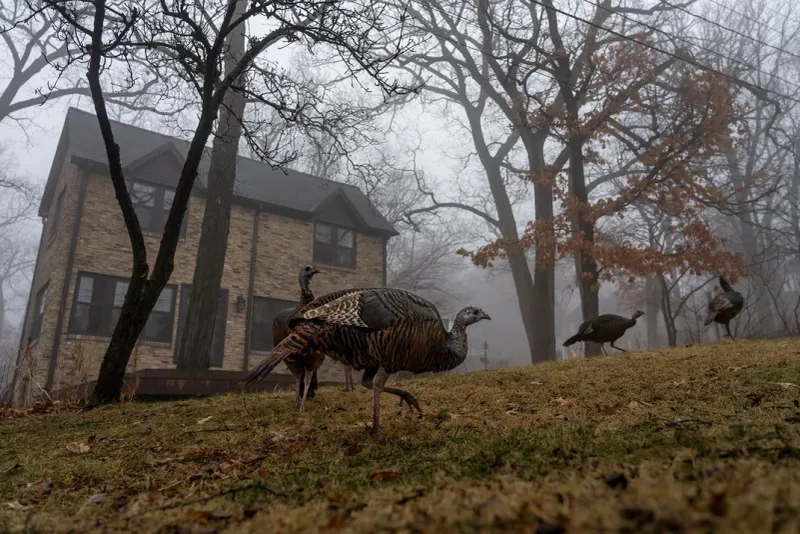
Out in deep forests and rural farmland, wild turkeys face a serious lineup of natural predators.
Coyotes, foxes, bobcats, great horned owls, and raccoons all pose threats to both eggs and adult birds.
Suburban neighborhoods, however, are a different story entirely. In Michigan’s residential areas, large predators rarely roam freely.
Coyotes do occasionally pass through suburbs, but their numbers and behavior are usually more controlled in populated zones. Foxes and raptors are present but far less concentrated than in wild rural areas.
This reduction in predator pressure makes neighborhoods feel safer and more appealing for turkeys looking to raise young.
Nesting success tends to be higher in areas with fewer ground predators, which means more poults survive to adulthood in suburban settings.
When young turkeys survive at higher rates, flock sizes grow, and those larger flocks become more visible to neighborhood residents.
Over several breeding seasons, this can lead to a noticeable increase in turkey activity around homes and parks.
Turkeys are smart birds and they learn quickly which areas feel safe. Once a flock establishes a comfortable routine in a neighborhood, they tend to stick around.
The combination of reliable food and reduced danger creates a feedback loop that keeps drawing turkeys back to the same streets and yards season after season across Michigan.
5. Edge Habitat Encourages Turkey Movement
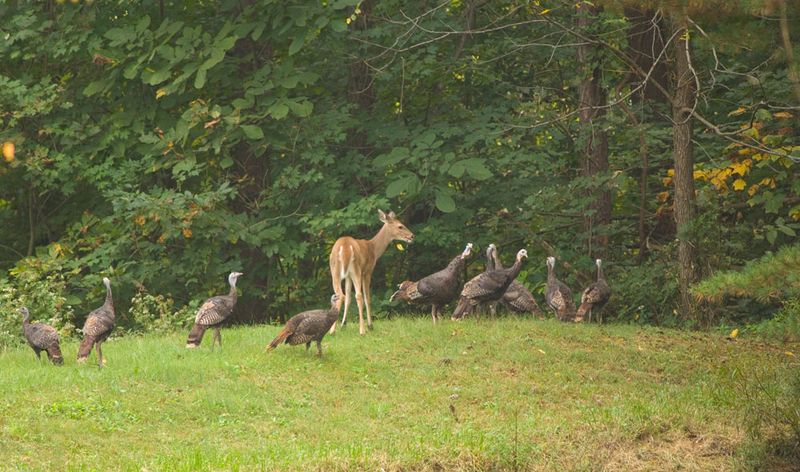
Wildlife biologists use the term edge habitat to describe places where two different environments meet, like where a forest ends and an open field or lawn begins.
Wild turkeys absolutely love these transitional zones. They offer the best of both worlds: cover and roosting trees on one side, open ground for foraging on the other.
Michigan suburbs are full of edge habitat. Backyards that back up to woodlots, parks with tree lines, and golf courses bordered by forest all create exactly the kind of landscape turkeys gravitate toward.
As neighborhoods expand into previously rural land, they actually create more edge habitat rather than destroying it.
This is one reason why suburban turkey sightings have increased rather than decreased as development spreads.
Turkeys use wooded edges as travel corridors, moving along tree lines to stay partially hidden while they explore new feeding areas.
Homeowners near the edge of a forest or park are the most likely to spot turkeys crossing their yards in the early morning or late afternoon.
These are prime foraging hours when turkeys are most active and visible. Understanding edge habitat helps explain why turkeys seem to appear out of nowhere.
They follow natural corridors through Michigan’s landscape, using woodland edges like highways between feeding and roosting spots.
Neighborhoods that sit along these corridors will continue to see turkey traffic no matter the season.
6. Mild Winters And Climate Variability
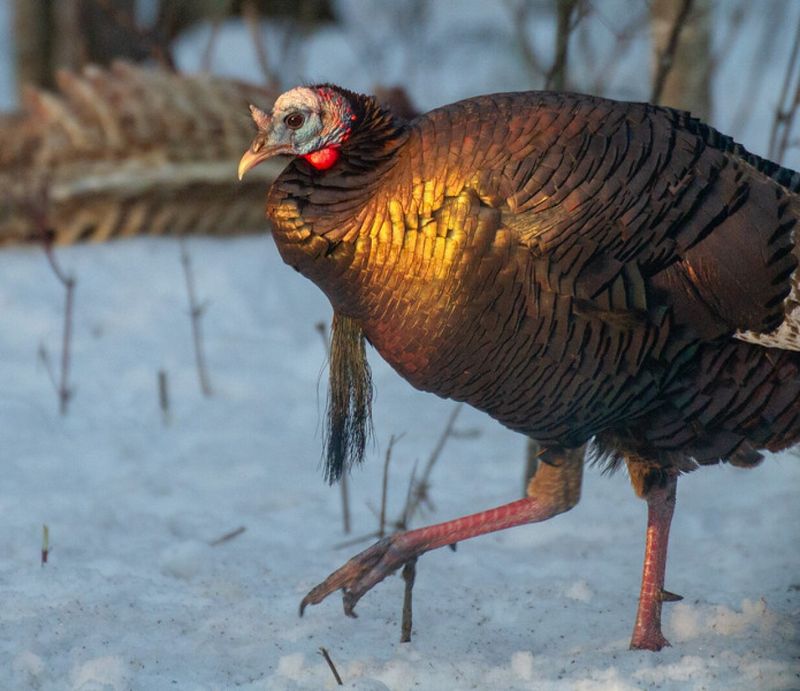
Michigan winters can be brutal, and historically harsh cold and deep snow made survival tough for wild turkeys.
Snow covering the ground for weeks at a time limits food availability, which stresses flocks and reduces survival rates.
However, recent years have brought noticeably milder winters across much of the state. When snow cover is lighter and temperatures stay above average for longer stretches, turkeys can forage more easily throughout the colder months.
Acorns, berries, weed seeds, and insects become accessible again sooner in the season. This extended foraging window helps more birds survive through to spring, boosting overall population numbers year after year.
Milder winters also allow turkeys to range more widely rather than clustering in sheltered spots deep in the woods.
When the ground is not frozen solid and buried under two feet of snow, turkeys feel comfortable exploring new areas, including neighborhood streets and yards.
Michigan has seen this pattern play out repeatedly in recent years, with turkey sightings increasing during and after mild winter seasons.
Climate variability is not the only factor at play, but it adds meaningful support to already growing populations.
Even small improvements in winter survival rates compound over multiple years into significantly larger flocks.
As Michigan continues to experience shifting seasonal patterns, neighborhood turkey sightings are likely to remain a consistent part of life across the state.
7. Landscaping Mimics Natural Foods
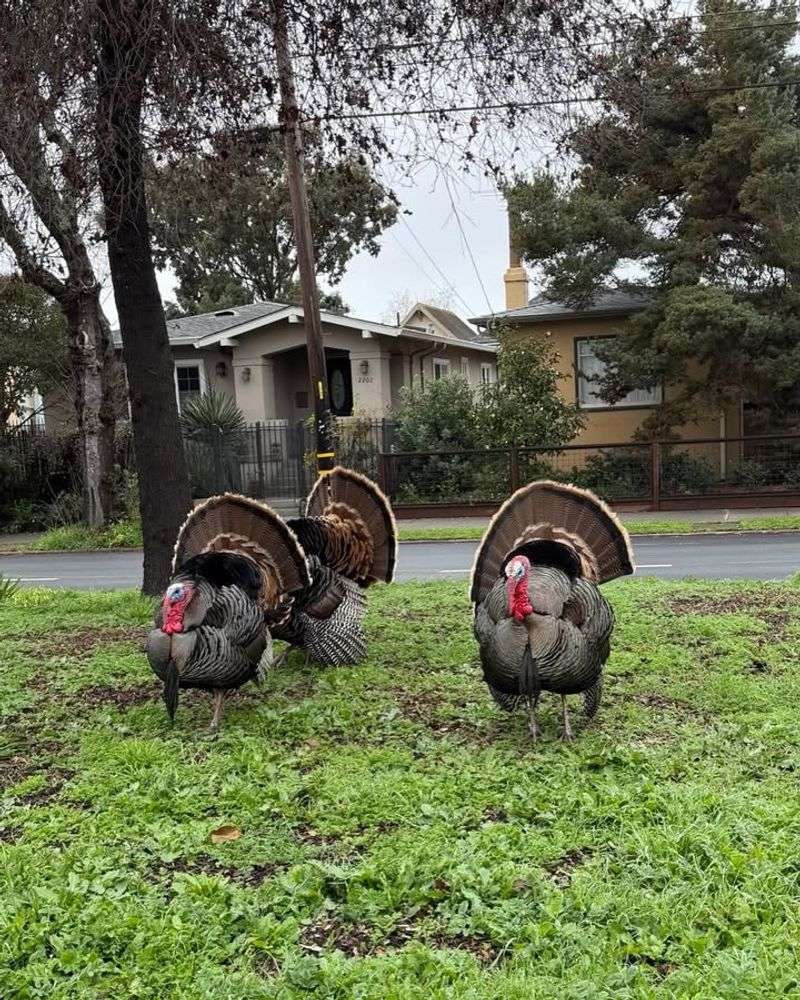
Most Michigan homeowners plant their yards to look beautiful, but many ornamental plants also happen to be perfect turkey food.
Fruiting shrubs like crabapple, serviceberry, dogwood, and viburnum produce berries that turkeys eagerly eat.
Decorative grasses drop seeds, and flower gardens attract insects, all of which end up on a turkey’s daily menu.
Landscaping trends in Michigan neighborhoods have leaned toward native plantings in recent years, which only strengthens the connection.
Native plants produce fruits and seeds that local wildlife, including turkeys, evolved to eat. A yard planted with native serviceberries or wild strawberries is basically a natural grocery store for any turkey passing through.
Even traditional lawn care habits play a role. Grass lawns attract earthworms and grubs just below the surface, and turkeys are skilled at scratching through soil and leaf litter to find them.
A freshly watered lawn on a warm morning can bring turkeys in for a feeding session that looks almost like they own the place.
Bird feeders designed for smaller songbirds often spill seed onto the ground, creating an unintentional turkey buffet.
Homeowners are sometimes surprised to find that what started as a feeder for cardinals and chickadees has turned into a regular stop for a whole turkey flock.
Michigan yards are more wildlife-friendly than most residents realize, and turkeys have figured that out completely.
8. Young Turkeys Dispersing After Breeding Season
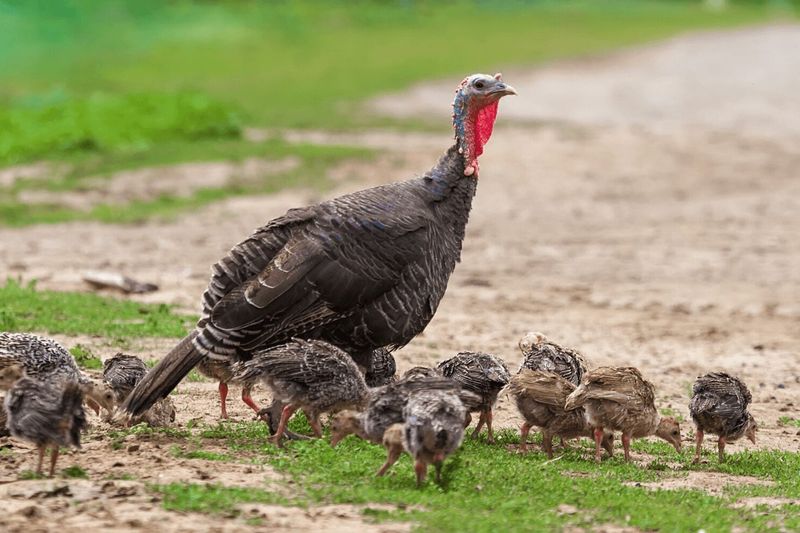
Every summer, something fascinating happens in Michigan’s wild turkey flocks. Young turkeys, called poults, grow up fast and by late summer they are ready to start exploring on their own.
This dispersal phase is one of the main reasons neighborhoods see a spike in turkey activity between August and October each year.
Young male turkeys, called jakes, are especially known for wandering far from where they were raised.
They move through unfamiliar territory looking for new home ranges, food sources, and eventually flocks to join.
This natural behavior pushes them into suburban parks, green spaces, and residential neighborhoods that sit along the edges of Michigan’s forests and fields. Young females, called jennies, also disperse but tend to stay closer to their birth areas.
Still, even modest movements can bring them through yards and neighborhoods that were previously turkey-free.
Residents who spot a single young turkey alone are likely seeing one of these dispersing birds on its exploratory journey. This dispersal behavior is a healthy sign of a growing, thriving population.
When enough young birds survive to leave the brood and establish new territories, it means the flock is doing well.
Michigan’s turkey population has been producing strong numbers of young birds in recent years, and that directly translates into more faces, or rather feathers, showing up in places people do not expect.
9. Increased Human-Turkey Tolerance And Coexistence
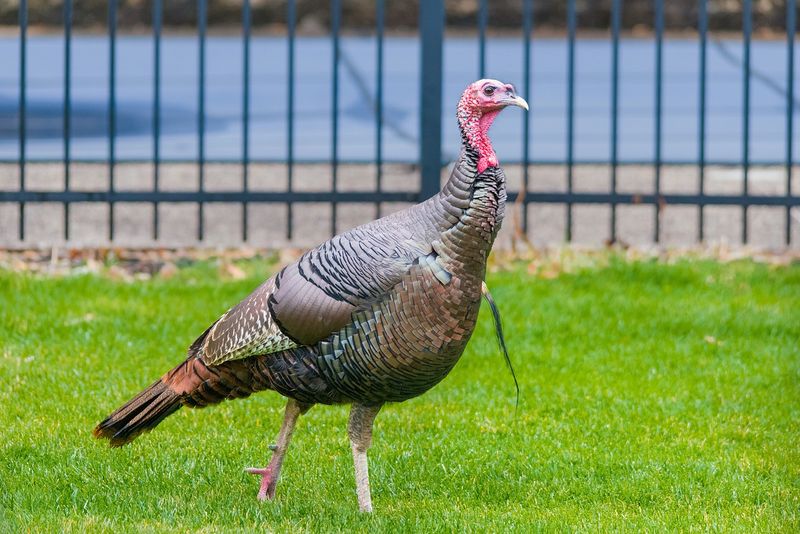
One of the less obvious reasons turkeys are sticking around Michigan neighborhoods is simply that people are letting them. Attitudes toward urban wildlife have shifted noticeably over the past two decades.
More residents now see wild animals as welcome visitors rather than pests to chase off, and turkeys have benefited enormously from this change.
When people do not harass or frighten turkeys away, the birds quickly learn that a neighborhood is a safe place to be.
Turkeys have excellent memories and will return to areas where they felt comfortable and found food. A single positive experience in a yard can establish a pattern of visits that lasts for an entire season or longer.
Social media has also played a quiet but real role. Michigan residents share photos and videos of neighborhood turkeys regularly, creating a culture of appreciation around local wildlife encounters.
This positive attention reinforces tolerant behavior among neighbors and discourages the kind of shooing and harassment that would send turkeys back into the woods for good.
Wildlife experts do remind residents that while coexistence is wonderful, feeding turkeys directly can cause problems over time.
Birds that associate people with food can become overly bold and sometimes aggressive during breeding season.
The Michigan DNR recommends enjoying turkeys from a respectful distance and keeping yards naturally inviting rather than artificially stocked. Balanced coexistence keeps both turkeys and people happy across Michigan communities.