Why Moss Takes Over Oregon Lawns And What You Can Do About It
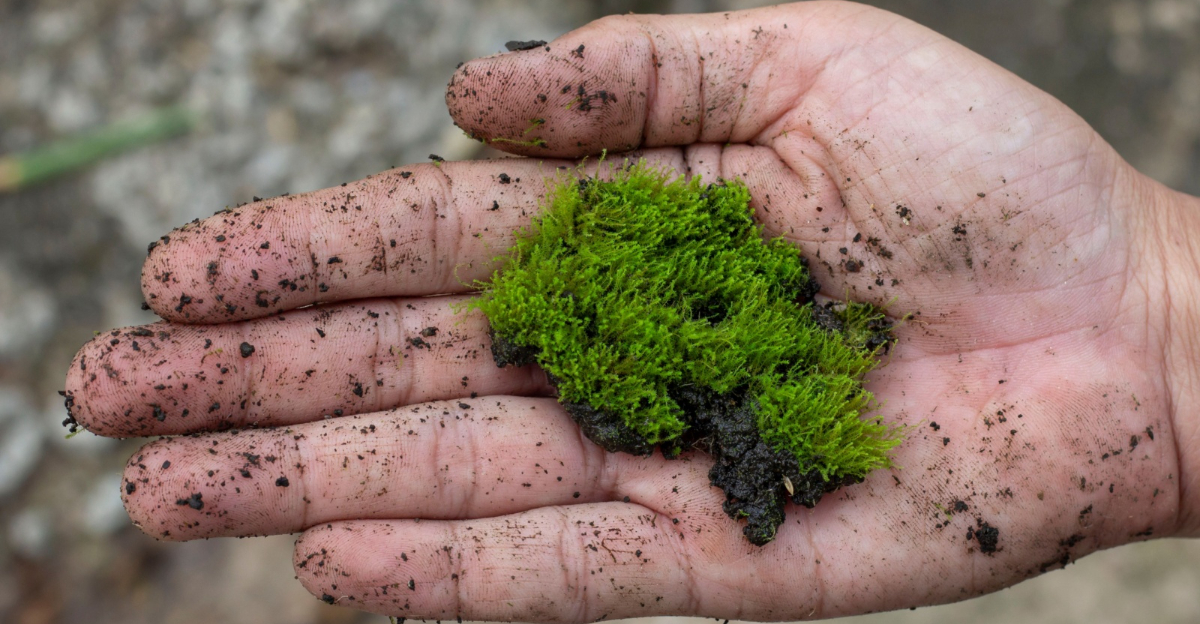
Bright green patches popping up in an Oregon lawn can make any homeowner do a double take.
At first, it looks like a soft, lush carpet but often it is moss taking over damp, shady spots where grass struggles to grow.
In western Oregon, moss seems to return year after year, always in the same places. Moss is rarely the real problem.
It appears where grass already has a hard time with compacted soil, poor drainage, low fertility, or deep shade. Oregon’s mild winters and steady rain make those spots even more inviting.
Understanding why moss shows up makes it easier to manage. Improving soil, drainage, or planting smarter for shady areas can turn problem patches into healthy green lawn or charming mossy accents.
1. Why Moss Thrives In Oregon’s Climate
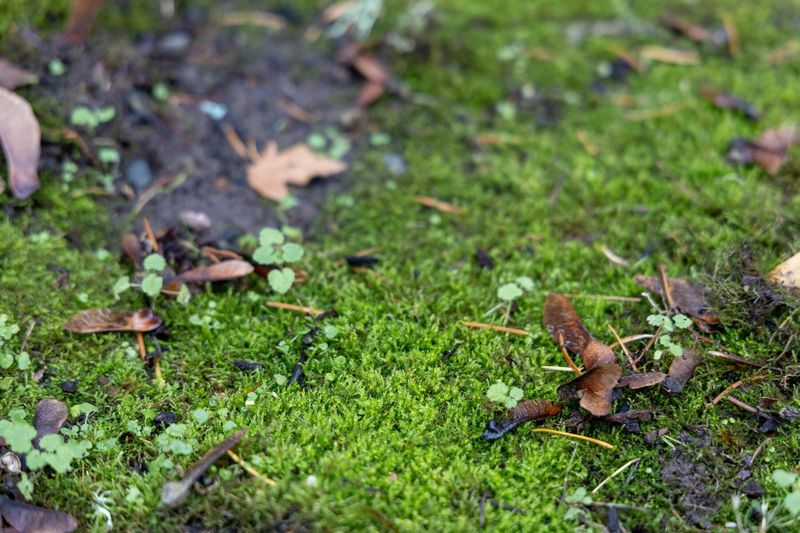
Step outside during an Oregon winter and the conditions that favor moss become easy to spot. Rain falls frequently, cloud cover lingers for weeks, and temperatures stay cool but rarely drop into deep freezes.
Those steady, damp conditions allow moss to remain active for much of the season while many lawn grasses slow down their growth.
Moss has a simple structure that allows it to absorb moisture directly through its surface rather than relying on a deep root system. That ability gives it a clear advantage during the long rainy months common across much of Oregon.
Grass plants often struggle when soils stay saturated or when sunlight becomes limited for extended periods.
Shady lawns feel the effect even more. Reduced sunlight slows turf growth and weakens the grass canopy that normally shades the soil.
As grass thins out, small gaps appear in the lawn surface. Moss quickly settles into those openings, forming the soft green patches many homeowners notice in late winter and early spring.
Another factor comes from the rhythm of the seasons. Autumn rains recharge soil moisture just as lawn growth begins to slow.
Moss responds well to those cool, moist conditions and often spreads steadily through winter.
Recurring patches in the same locations each year usually point to environmental conditions rather than a temporary problem. Shade, moisture, and compacted soil often combine to create a setting where moss can settle in comfortably.
2. Common Lawn Conditions That Encourage Moss Growth
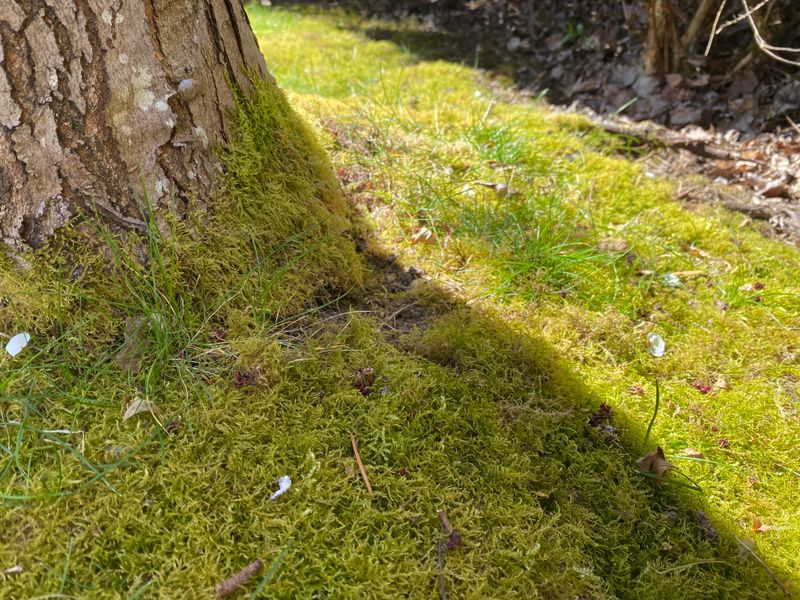
A lawn rarely becomes covered in moss overnight. The change usually begins quietly in areas where grass is already under stress.
Thin turf, soggy soil, and limited sunlight create small openings where moss can gradually settle in and spread.
Poor drainage often plays a major role. Water that lingers near the soil surface keeps the ground damp for long periods, which weakens grass roots.
Moss handles those wet conditions much more comfortably and can slowly fill the gaps left behind.
Shade adds another layer to the problem. Grass plants rely on sunlight to stay dense and vigorous.
Areas beneath trees, fences, or buildings often receive less light, which slows turf growth and reduces its ability to crowd out other plants.
Soil compaction can quietly contribute as well. Heavy foot traffic, construction activity, or repeated mowing over wet ground can press soil particles together.
Compacted soil restricts air movement and makes it harder for water to drain away from the surface.
Lawn care habits sometimes influence moss growth too. Cutting grass too short removes much of the leaf surface that helps shade the soil and maintain strong growth.
Lawns that receive little fertilizer may also thin out over time, creating more open space.
Taking a careful walk through the yard often reveals patterns. Moss commonly gathers in shaded corners, damp low spots, and areas where turf has gradually weakened.
Recognizing those conditions helps guide the steps needed to strengthen the lawn.
3. The Role Of Shade, Moisture, And Compacted Soil
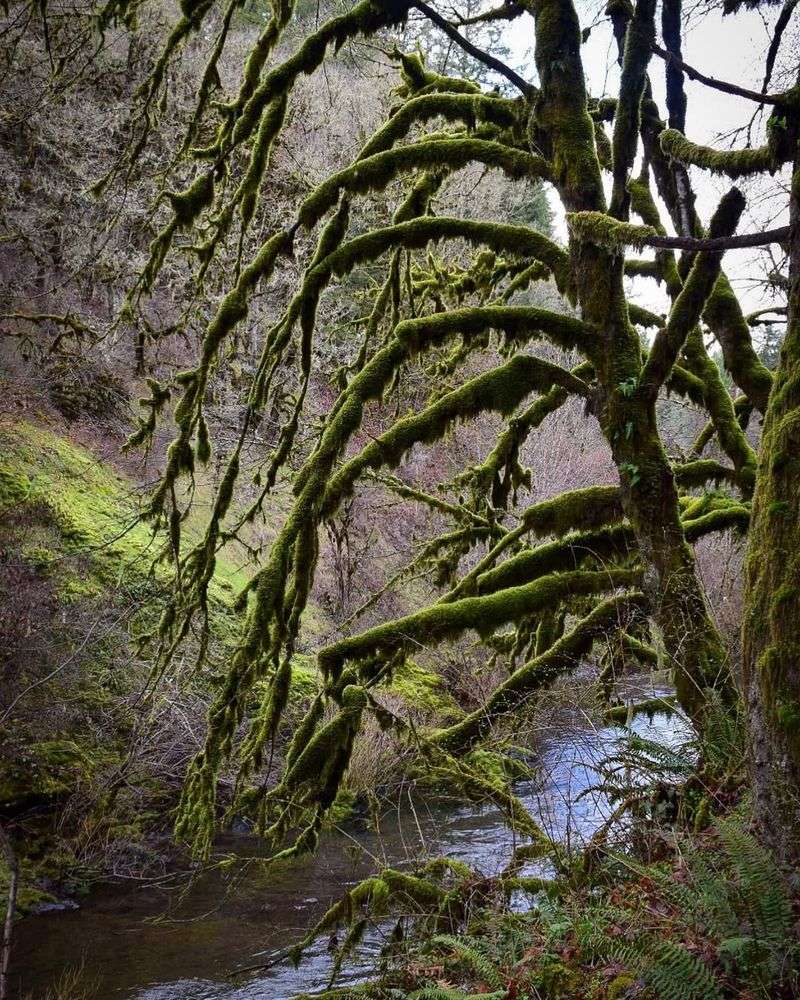
Certain lawn conditions tend to appear together, and moss often benefits when they do. Shade, persistent moisture, and compacted soil form a combination that makes life difficult for many turfgrasses while allowing moss to spread comfortably.
Limited sunlight slows the growth of grass blades and roots. Even a healthy lawn can begin to thin when trees, fences, or buildings block several hours of daily sun.
Reduced sunlight also slows evaporation, which means the soil surface stays damp longer after rainfall.
Moisture that lingers near the surface further weakens turf. Grass roots prefer soil that drains well and contains small pockets of air.
When the ground remains saturated, those air spaces disappear and root growth slows. Moss, which does not rely on a deep root system, adapts more easily to those conditions.
Compacted soil adds another obstacle. Soil that has been pressed down by traffic or equipment holds water more tightly and drains slowly.
Over time the surface becomes firm and dense, making it difficult for grass roots to expand.
Aeration can help relieve some of that pressure. Removing small plugs of soil creates channels that allow air, water, and nutrients to move more freely through the root zone.
Improved soil structure often helps grass regain strength.
Tree pruning can also make a difference in shaded areas. Allowing more filtered sunlight to reach the lawn sometimes gives turf enough energy to compete more effectively with moss.
4. How Soil Acidity Can Influence Moss In Lawns
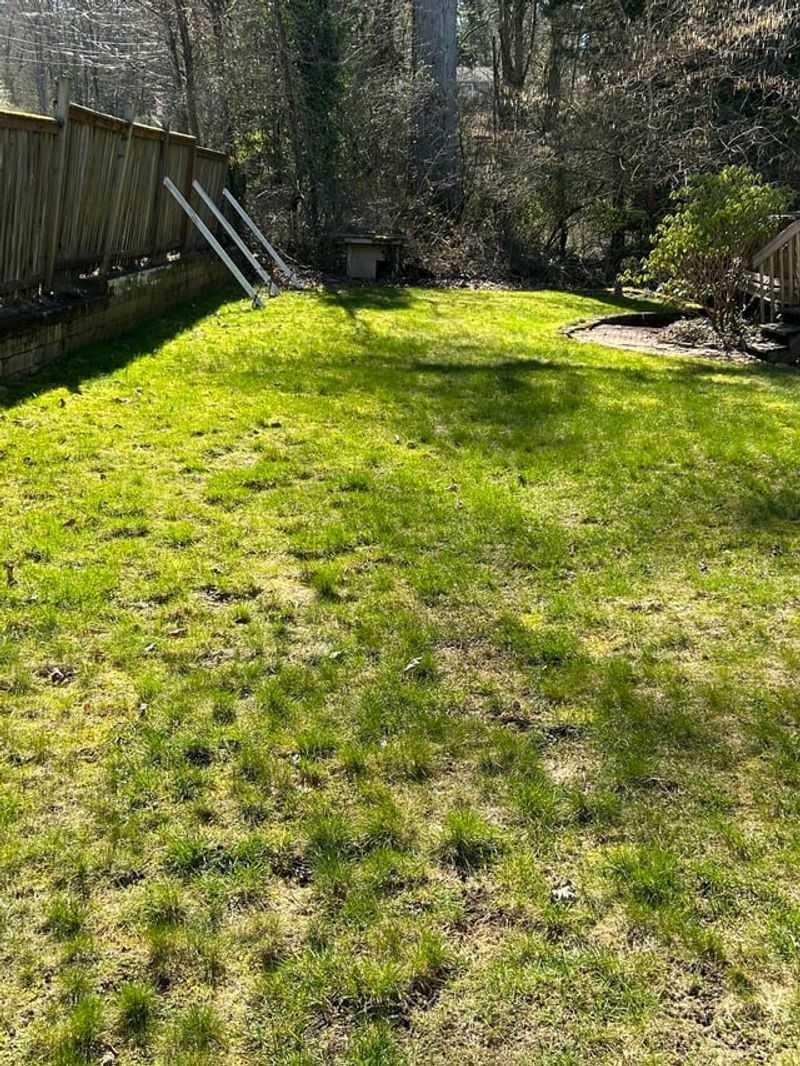
Soil chemistry quietly shapes the health of every lawn. One of the most important measurements is soil pH, which indicates how acidic or alkaline the soil environment is.
Most lawn grasses perform best when pH falls within a slightly acidic to neutral range.
When soil becomes more acidic than that range, grass growth can slow. Certain nutrients become less available to plant roots, and turf may struggle to maintain dense coverage.
Moss often appears in these weakened areas because it tolerates those conditions more easily than many grasses.
Frequent rainfall across much of Oregon gradually washes minerals from the soil. Over time this natural process can lower pH levels, especially in older lawns that have not been amended for several years.
A soil test offers a simple way to understand what is happening below the surface. Garden centers and local testing services can measure pH and identify nutrient levels that influence lawn health.
Lime is often used when soil acidity becomes too strong for grass growth. Adding lime raises pH gradually and can create a more favorable environment for turf.
Application rates depend on soil type and current pH levels, so testing first helps avoid unnecessary adjustments.
It is worth remembering that changing pH alone does not solve every moss problem. Shade, moisture, and soil structure often play equally important roles.
When several improvements work together, lawns usually respond with thicker and more resilient growth.
5. Signs Moss Is Replacing Weak Or Thinning Grass
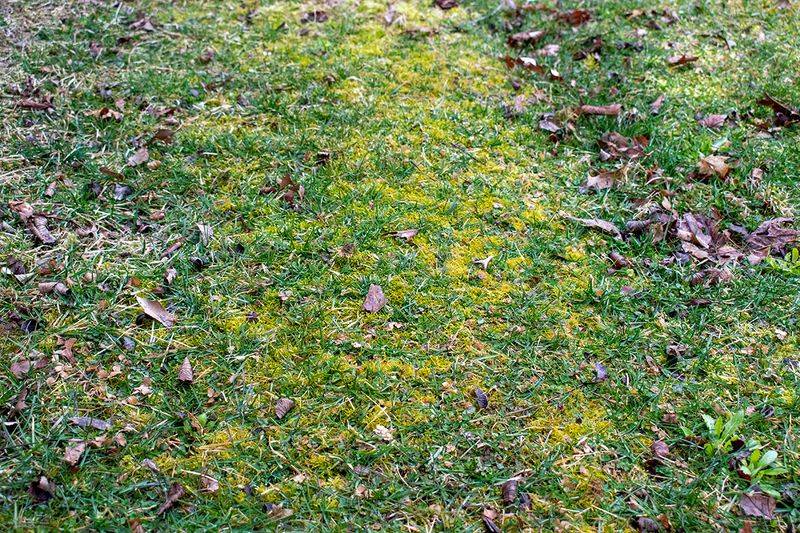
Early signs of moss often appear as small patches of bright green texture scattered across the lawn. The color can stand out against surrounding turf, especially during cool or wet weather when moss looks particularly vibrant.
Walking across one of these patches feels noticeably different from stepping on grass. Moss forms a soft, cushion-like layer that compresses slightly underfoot.
After rainfall, the surface may feel spongy compared with the firmer texture of healthy turf.
Thin grass often appears before moss becomes fully established. Lawns that once looked dense may begin to show small bare areas or patches where the turf looks weak and uneven.
Moss tends to settle into those openings and gradually expand outward.
Seasonal patterns can reveal useful clues. Moss growth commonly becomes more visible during late fall, winter, and early spring when cool temperatures and frequent rainfall dominate the weather.
Grass growth slows during this time, giving moss more opportunity to spread.
Location within the yard often tells an important part of the story. Moss frequently appears along shaded fence lines, beneath mature trees, or in low areas where water collects after rain.
Each of these spots reflects a microclimate that favors moss over grass.
Observing these patterns helps homeowners identify the conditions that allow moss to thrive and guides decisions about improving lawn health.
6. When Moss Indicates Underlying Lawn Problems
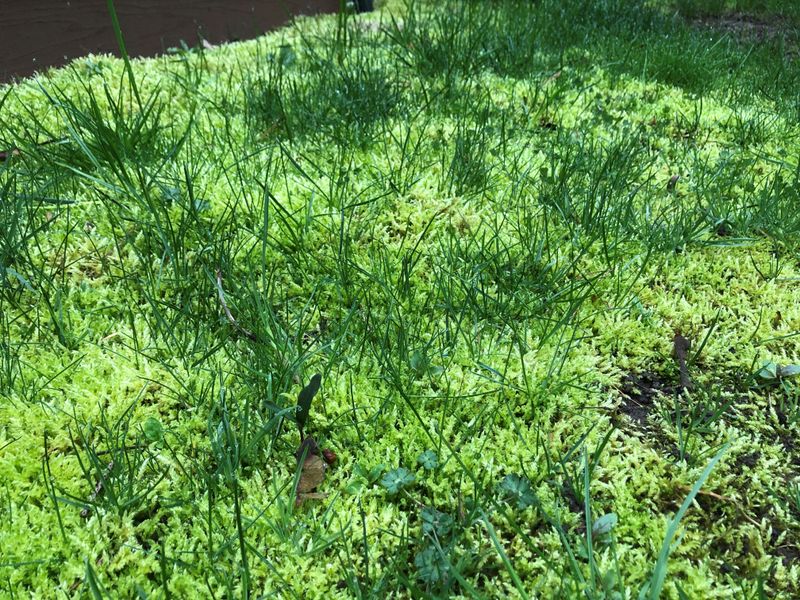
Recurring moss often points to a deeper issue within the lawn environment. Rather than appearing randomly, moss usually settles in areas where the growing conditions for turf have become less favorable.
Drainage problems often stand near the top of that list. Water that remains on the surface long after rainfall suggests the soil may be compacted or poorly graded.
Persistent moisture limits oxygen around grass roots and weakens the plants over time.
Soil fertility can influence turf density as well. Lawns that receive little nourishment sometimes struggle to maintain thick growth, particularly through cool, cloudy seasons.
Thinning grass leaves small openings where moss can gradually take hold.
Surface grading occasionally contributes to the issue. Slight depressions in the yard may collect runoff from surrounding areas, keeping the soil damp even during dry periods.
Addressing those low spots can improve both drainage and turf health.
A soil test often provides helpful guidance. Measurements of pH and nutrient levels reveal whether the soil environment supports strong grass growth or whether amendments may be beneficial.
Understanding these underlying conditions makes it easier to choose the right improvements. Strengthening soil structure, adjusting fertility, and improving drainage can shift the balance back toward healthy turf and reduce the chances of moss returning year after year.
7. Simple Steps That Can Help Reduce Moss In Lawns
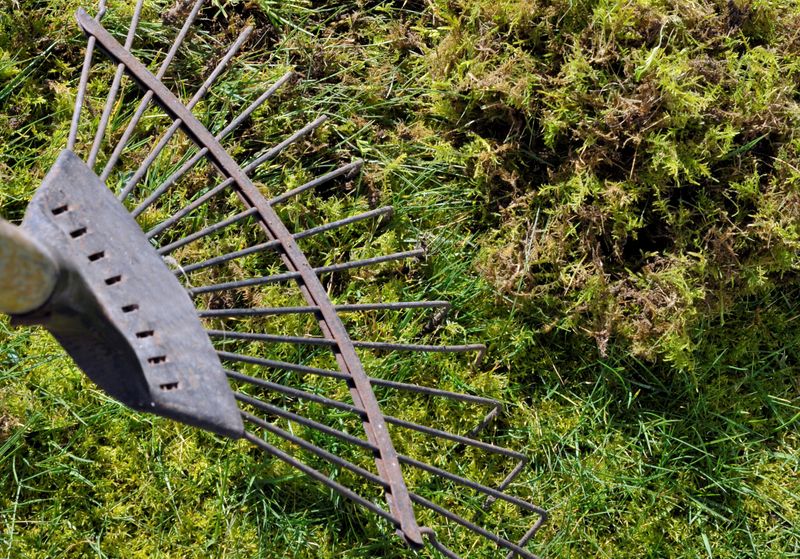
Moss removal often starts with a rake and a careful look at the lawn itself. Thick mats of moss can be loosened in early spring, exposing the soil surface and creating space for grass seed to establish.
Clearing out that layer helps turf regain access to light and air while reducing the cushion that allows moss to spread across the lawn.
Iron based moss control products are commonly used in home lawns. When applied according to label directions, these treatments weaken moss and turn it dark in color, which makes removal easier during raking.
The goal is not simply to remove the moss, but to create an opening where stronger turf can grow.
Overseeding plays an important role at this stage. Fresh grass seed helps fill thin areas before moss returns.
Selecting seed that matches the amount of shade and moisture in the yard improves the chances of building a thicker lawn over time.
Regular fertilization can also help grass compete more effectively. Nutrients encourage stronger leaf growth, which allows turf to shade the soil surface.
A dense canopy makes it harder for moss to settle into open spaces.
Mowing height makes a difference as well. Slightly taller grass protects soil moisture during warm weather and keeps the turf canopy fuller.
Over time, small adjustments in mowing, fertilization, and overseeding can gradually shift conditions in favor of grass rather than moss.
8. Improving Drainage And Soil Conditions For Healthier Grass
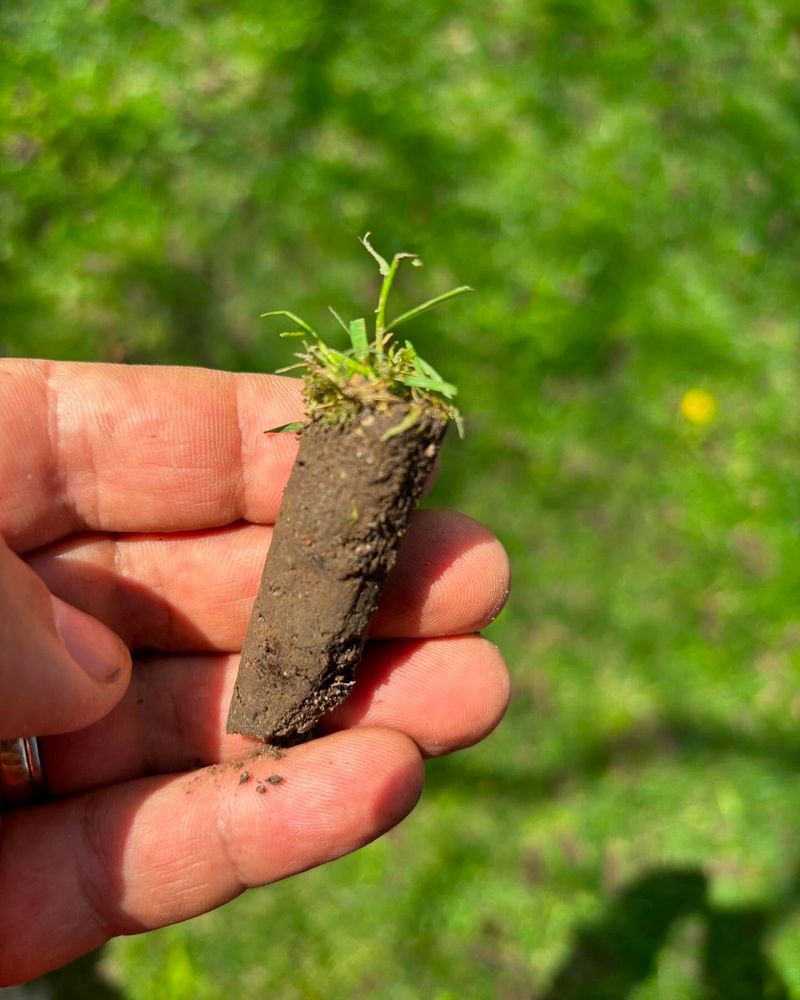
Water movement through soil plays a major role in the success of any lawn. Grass thrives when moisture drains steadily through the soil profile rather than lingering near the surface.
When drainage slows, turf roots often weaken and moss gains an advantage.
Compacted soil frequently sits at the center of drainage problems. Soil particles pressed tightly together leave little space for air or water to circulate.
Over time the lawn surface becomes dense and firm, limiting root development.
Core aeration offers a practical way to improve those conditions. Small plugs of soil removed from the lawn create openings that allow oxygen, water, and nutrients to move more freely into the root zone.
Improved airflow encourages stronger root systems and healthier grass growth.
Adding organic matter can also support better soil structure. A light layer of compost spread across the lawn after aeration helps loosen heavy soils and improves the way water moves through the ground.
Some properties require more extensive adjustments. Poor grading or persistent low spots can keep sections of the lawn damp for extended periods.
Correcting those areas may involve redistributing soil or installing simple drainage systems to guide excess water away.
When drainage improves, grass usually responds with stronger growth and thicker coverage. Over time, healthier turf reduces the open spaces where moss tends to establish itself.
9. Grass Varieties That May Perform Better In Oregon Lawns
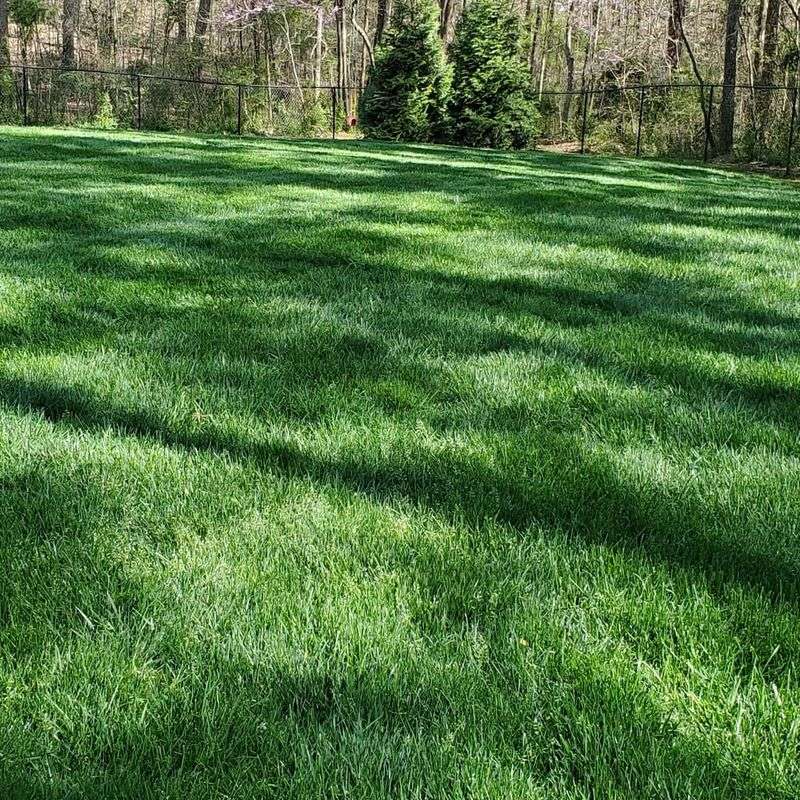
Grass selection often determines how well a lawn adapts to the climate and growing conditions of a region. Oregon’s cool temperatures, regular rainfall, and frequent cloud cover can challenge grasses that prefer warmer or sunnier environments.
Fine fescues often perform well in these conditions. Varieties such as creeping red fescue and hard fescue tolerate partial shade and generally require less water than many traditional lawn grasses.
Their fine texture blends well into established lawns and helps maintain coverage in areas where sunlight is limited.
Perennial ryegrass remains another popular choice across many Oregon lawns. It establishes quickly from seed and provides good durability in areas that receive regular foot traffic.
Lawns that receive moderate sunlight often benefit from the quick growth and dense appearance this grass provides.
Tall fescue blends can also contribute to resilient lawns. These grasses develop deeper root systems than some other turf varieties and often handle summer dryness better once established.
Many blends combine several varieties to improve adaptability across different parts of the yard.
Selecting grass based on local conditions often produces better results than relying on general lawn seed mixes. Shade levels, soil moisture, and typical lawn use all influence which varieties will perform best.
Choosing grasses suited to the environment helps build thicker turf that competes more effectively with moss over time.
10. Situations Where Moss Removal May Not Be Necessary
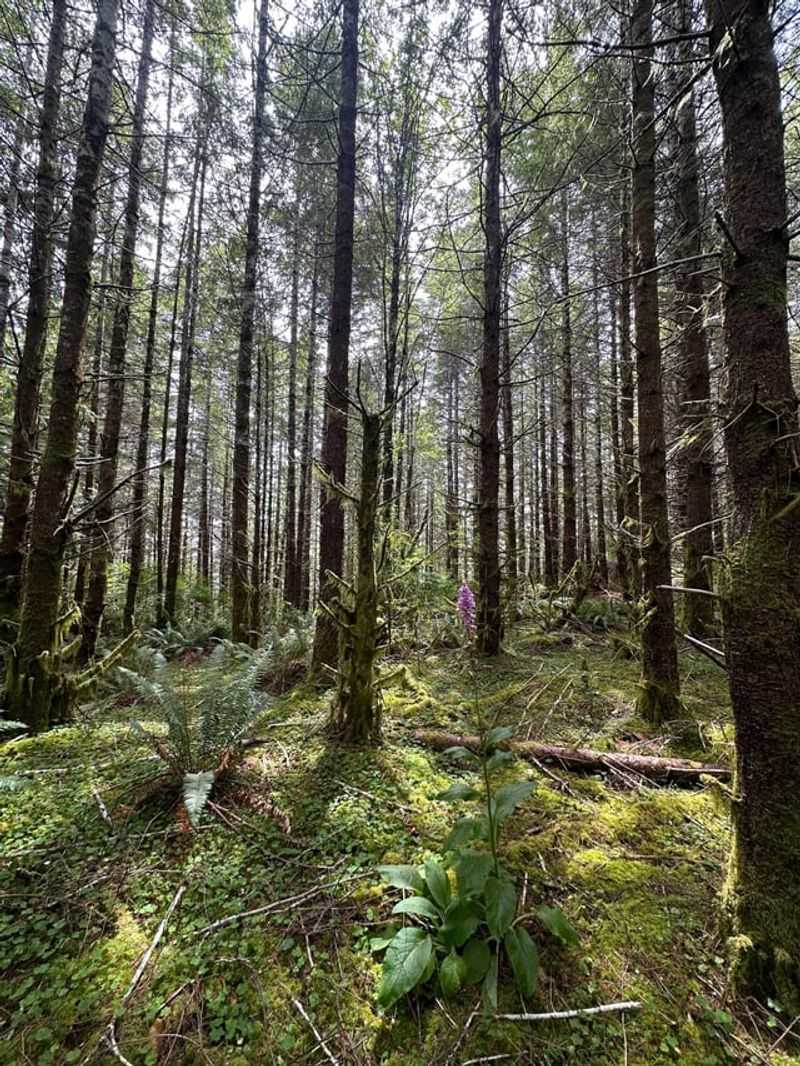
Not every patch of moss in an Oregon yard is a problem that needs to be fixed. In certain situations, removing moss may actually create more work and frustration than simply accepting or managing it.
Before reaching for a rake or a treatment product, it is worth asking whether the moss is genuinely harming your lawn or simply filling in where grass was never going to thrive anyway.
Areas under dense tree canopies, along shaded north-facing slopes, or in consistently damp corners of the yard are often places where grass struggles no matter what you do. Repeatedly trying to establish turf in these spots can become a cycle of overseeding, watching it thin out, and fighting moss again the following season.
At some point, working with the existing conditions makes more practical sense.
Moss in these areas does not damage soil, does not spread harmful substances, and can actually help prevent erosion on slopes where bare soil would otherwise wash away during Oregon’s heavy rainy season. If the mossy area is not used for foot traffic or active recreation, leaving it alone or transitioning it into a deliberate ground cover planting may be the most sensible and low-maintenance choice available to you as a homeowner.
11. Considering Moss As A Low Maintenance Ground Cover
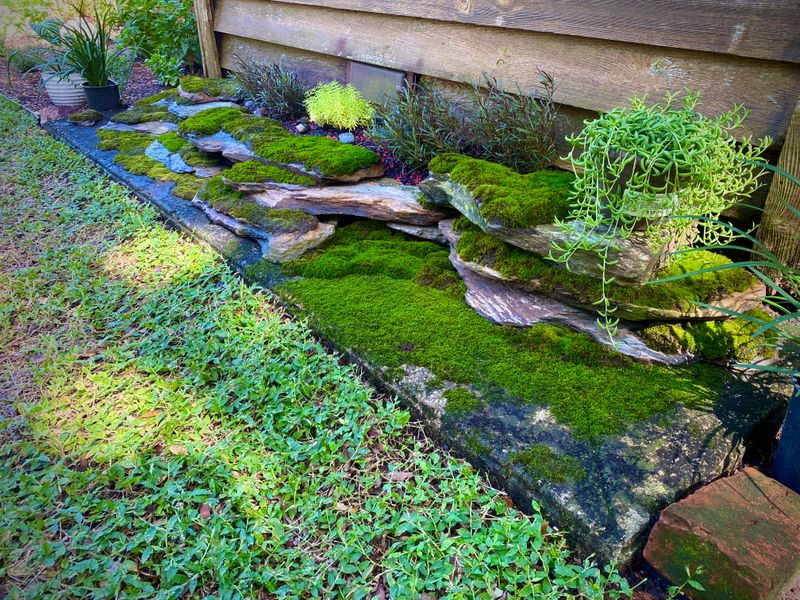
Many gardeners spend years trying to remove moss before realizing that some parts of a yard simply favor it. Deep shade, damp soil, and limited airflow can make turfgrass difficult to maintain no matter how much seed or fertilizer is applied.
In those spaces, moss often grows naturally with very little effort.
Soft green moss carpets have been appreciated in landscape design for centuries. Gardens in parts of Japan and Europe highlight moss for its texture, color, and calm appearance.
A similar approach can work well in shaded corners of Oregon landscapes where grass struggles to stay dense.
Maintenance tends to be minimal once moss settles in. Mowing equipment is not required, fertilizer applications are unnecessary, and irrigation needs are usually low.
Moss also forms a gentle cushion that helps cover bare soil and can reduce surface erosion during periods of heavy rain.
A successful moss area begins with a bit of preparation. Removing weeds and lightly pressing existing moss fragments against moist soil can help it spread more evenly.
Consistent moisture during the early stages encourages the patch to knit together into a smooth surface.
Some homeowners eventually shift their perspective and treat moss as a natural ground cover rather than a lawn problem. In the right setting, that decision can transform a difficult area of the yard into one of the most visually appealing parts of the landscape.