Why Mulch Isn’t Always The Right Move Before Summer In South Carolina
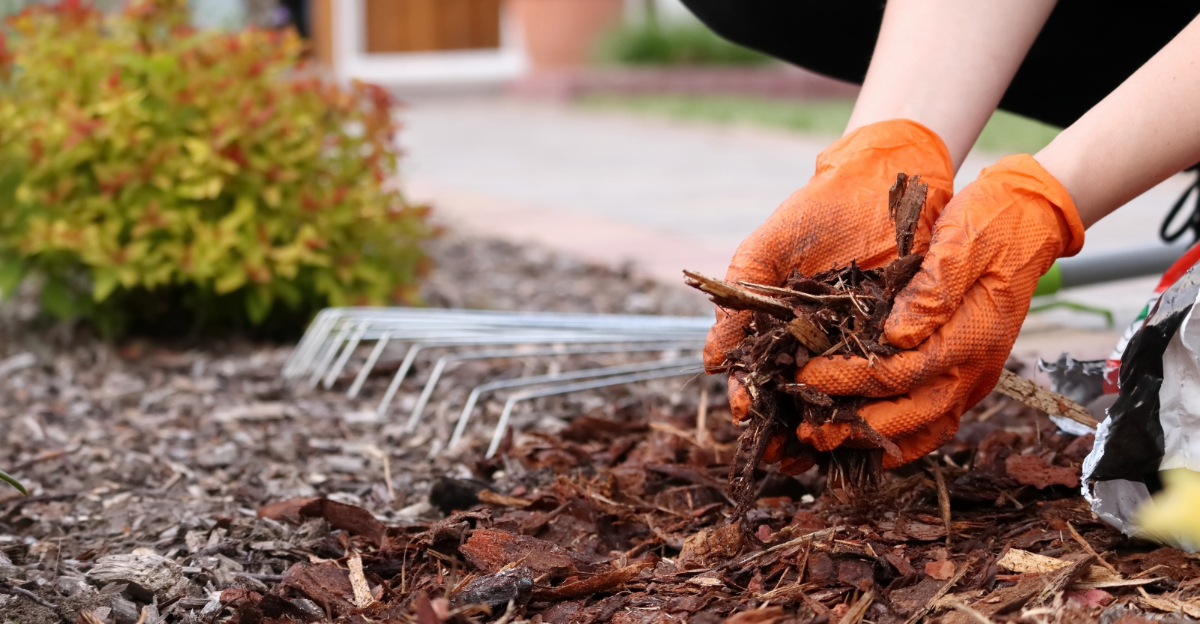
Mulch gets treated like a must-do step before summer in South Carolina, but timing matters more than most gardeners realize.
Warm nights, rising humidity, and already-heated soil change how mulch behaves once the season shifts.
Applying mulch too early can trap excess moisture and heat right where roots are trying to adjust.
Instead of helping, that layer can quietly stress plants that prefer airflow and balanced soil temperatures.
South Carolina soil often warms faster than expected in late spring. Locking in that heat too soon can slow root function rather than support it.
Mulch also affects how soil breathes and drains during sudden summer storms.
In some beds, waiting allows soil to stabilize before being covered. In others, skipping mulch altogether prevents problems from building unnoticed.
Knowing when mulch helps and when it works against plant health makes a bigger difference than simply following a seasonal habit.
1. Early Mulch Can Trap Excess Heat In The Soil
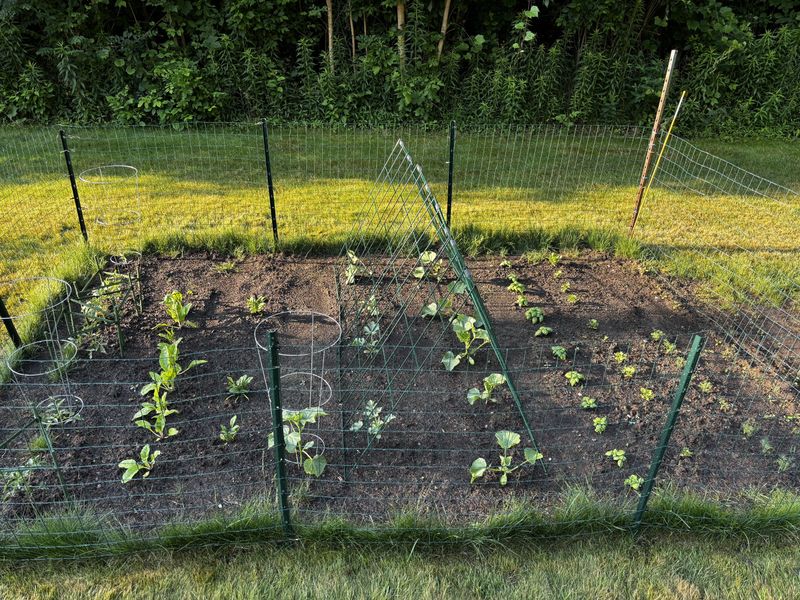
Spring temperatures in South Carolina can swing wildly from week to week, creating confusion for gardeners trying to time their mulching perfectly. One day it feels like winter is still hanging around, and the next day the sun is blazing hot enough to make you wonder if summer snuck in early.
Mulch acts like a blanket over the soil, and when you put it down too soon, it holds in whatever temperature is already there.
If the ground is still cool from winter and you cover it with mulch, you lock that coolness in place for a while. That might sound helpful at first, but plants need warmth to start their growing cycle in spring.
When soil stays too cold under mulch, roots struggle to wake up and start absorbing nutrients the way they should.
On the flip side, if you mulch during an early warm spell, the soil heats up fast underneath that layer. The mulch then traps that heat, making the ground hotter than it would naturally be.
This can stress young plants that are not ready for such intense warmth yet.
South Carolina gardeners often experience this problem in late March or early April when temperatures jump around unpredictably. The soil temperature becomes inconsistent, and plants get mixed signals about whether it is time to grow or stay dormant.
This confusion can weaken plants before summer even starts.
Waiting until soil temperatures stabilize gives you better control over how much heat your plants experience. You want the ground to warm naturally and evenly, not get trapped in an artificial hot zone created by early mulch.
Patience with mulching timing can prevent heat stress and give your garden a stronger start heading into the hottest months.
2. Warm, Damp Mulch Encourages Fungal Issues
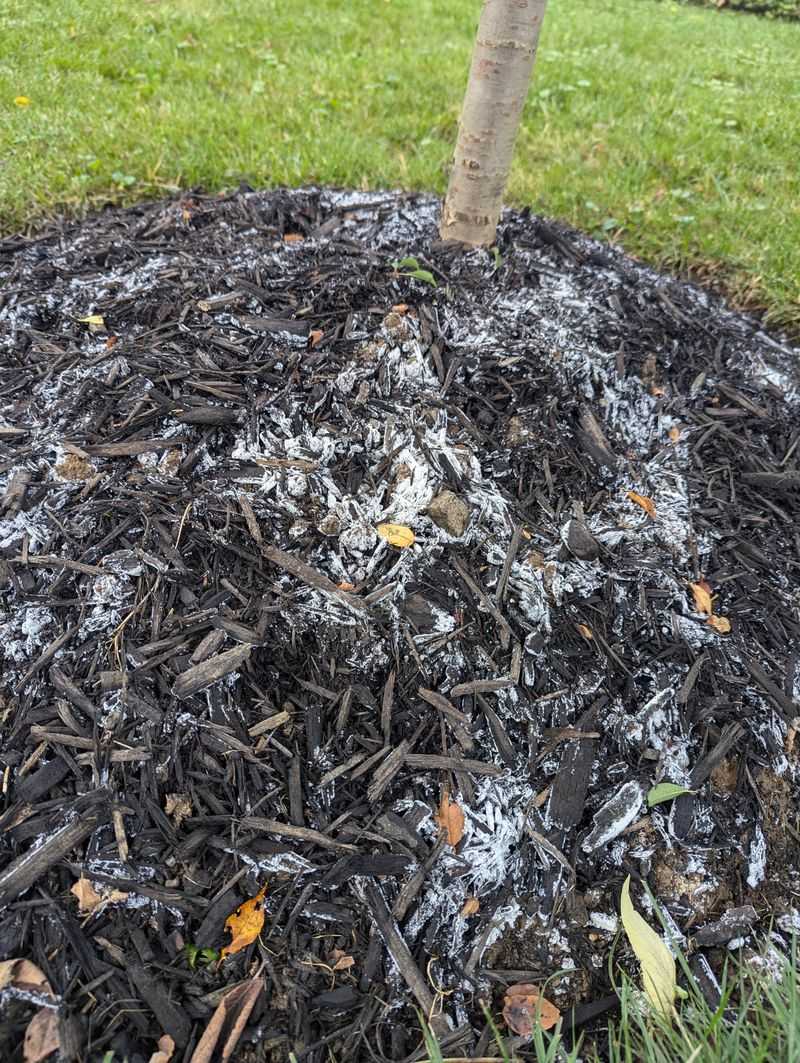
Humidity in South Carolina is famous for making summer days feel sticky and uncomfortable, but it also creates the perfect environment for fungi to thrive in gardens. Mulch naturally holds moisture, which is usually considered one of its biggest benefits.
However, when you combine that moisture with warmth too early in the season, you set up ideal conditions for fungal growth.
Fungi love dark, damp, warm places where air circulation is limited. A thick layer of mulch provides exactly that kind of environment, especially when spring rains are still frequent and temperatures start climbing.
Spores can spread quickly through mulch and onto plant stems, leaves, and roots.
Once fungal problems take hold, they can be tough to manage without chemical treatments. Some fungi cause leaf spots, while others attack roots and stems, weakening plants from the inside out.
Early mulching increases the risk because the mulch stays wet longer in spring when plants are still developing their defenses.
South Carolina gardeners often notice fungal issues appearing on tomatoes, roses, and other popular plants when mulch is applied too soon. The moisture trapped under the mulch does not evaporate quickly enough, and the warm, humid air around the plants makes things worse.
This combination can lead to widespread problems across your garden beds.
Waiting until the weather dries out a bit and plants are more established helps reduce fungal risks. You want mulch to conserve moisture during dry spells, not create a breeding ground for disease when conditions are already too damp.
Timing your mulch application carefully protects your plants from preventable fungal troubles.
3. Mulching Too Soon Can Slow Spring Root Growth
Root systems are the foundation of every healthy plant, and they need the right conditions to grow strong and deep. Spring is when roots do most of their expanding and exploring through the soil, searching for water and nutrients.
Temperature plays a huge role in how quickly and effectively roots can grow during this critical time.
Cool soil temperatures slow down root activity, making it harder for plants to establish themselves before the stressful summer heat arrives. When you mulch too early in South Carolina, you can keep the soil cooler than it needs to be for optimal root development.
This delay can set plants back for the entire growing season.
Young transplants and newly planted perennials are especially vulnerable to this problem. Their roots are still small and need every advantage they can get to settle into their new home.
If the soil stays too cool under mulch, those roots grow more slowly and remain shallow instead of reaching deeper into the ground.
Shallow root systems mean plants are less able to handle drought and heat stress later in the season. They rely more on surface moisture, which dries out quickly in South Carolina summers.
This makes them more dependent on frequent watering and less resilient overall.
Letting the soil warm up naturally before adding mulch gives roots a better chance to grow vigorously in spring. Strong root systems developed early in the season help plants survive and thrive when summer temperatures soar.
Waiting a few extra weeks to mulch can make a big difference in how well your plants perform all year long.
4. Heavy Mulch Creates Ideal Conditions For Pests
Insects and other garden pests are always looking for safe, comfortable places to hide, breed, and feed. Mulch provides excellent cover and protection from predators, making it a favorite hangout spot for many unwanted visitors.
When you apply mulch too early, you give pests a head start on establishing themselves in your garden.
Termites, slugs, snails, earwigs, and various beetles all love living in mulch. The dark, moist environment is perfect for them, and they can build up their populations quickly before you even notice they are there.
Once pests are established, they can cause significant damage to plants throughout the growing season.
South Carolina’s mild spring weather means pests become active earlier than in colder climates. Adding mulch before you really need it just gives them more time and space to multiply.
By the time summer arrives, you might be dealing with a full-blown infestation that started under the mulch weeks earlier.
Some pests use mulch as a highway to travel between plants, spreading problems across your entire garden. Others hide in the mulch during the day and come out at night to feed on leaves, stems, and roots.
The thicker the mulch layer, the more protection these pests have from birds and beneficial insects that might otherwise keep them in check.
Delaying your mulching until plants are stronger and more established gives you time to monitor for early pest activity. You can address problems before they get out of control instead of creating a pest-friendly environment right from the start.
Strategic timing helps keep your garden healthier with fewer pest-related headaches.
5. Moisture Retention Isn’t Always Helpful Before Summer
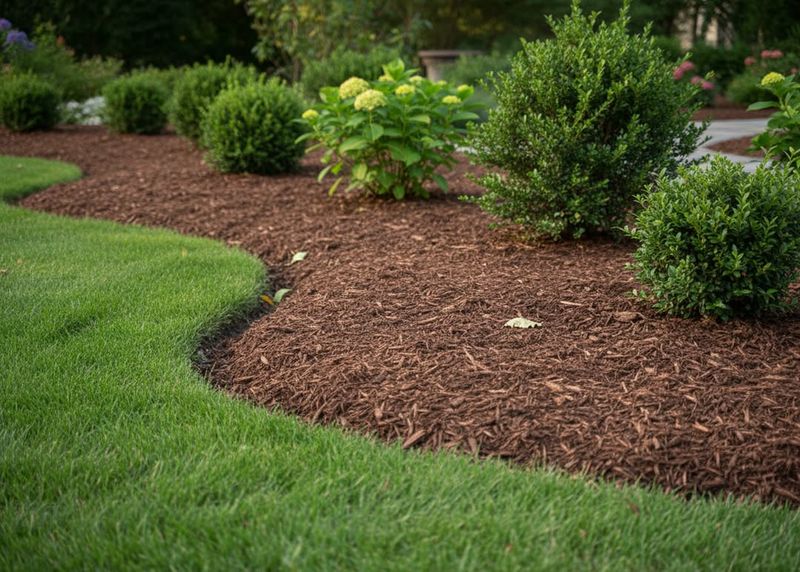
Everyone knows mulch is great for keeping soil moist during dry periods, which is why it gets so much attention as a summer gardening tool. However, spring in South Carolina often brings plenty of rain, and the last thing your garden needs is more moisture trapped around plant roots.
Too much water can be just as harmful as too little.
Soggy soil leads to poor oxygen availability for roots, which need air pockets in the soil to function properly. When mulch holds moisture in already-wet soil, roots can suffocate and become more susceptible to rot and disease.
This is especially problematic for plants that prefer well-drained conditions.
South Carolina gardeners frequently deal with heavy spring rains that saturate the ground for days at a time. Adding mulch during this wet period just makes drainage problems worse.
The soil stays waterlogged longer, and plants struggle to cope with the excess moisture.
Clay soils, which are common in many parts of South Carolina, drain slowly even without mulch. When you add a moisture-retaining layer on top, water can pool around plant crowns and roots, creating conditions for root rot and other moisture-related issues.
This can weaken or even destroy plants before summer heat becomes a concern.
Waiting until the soil dries out a bit and summer heat starts to threaten makes mulch much more useful. You want mulch to conserve moisture when it is scarce, not trap it when there is already too much.
Timing your mulch application to match actual moisture needs makes it a helpful tool instead of a potential problem.
6. Soil Needs Time To Warm And Breathe First
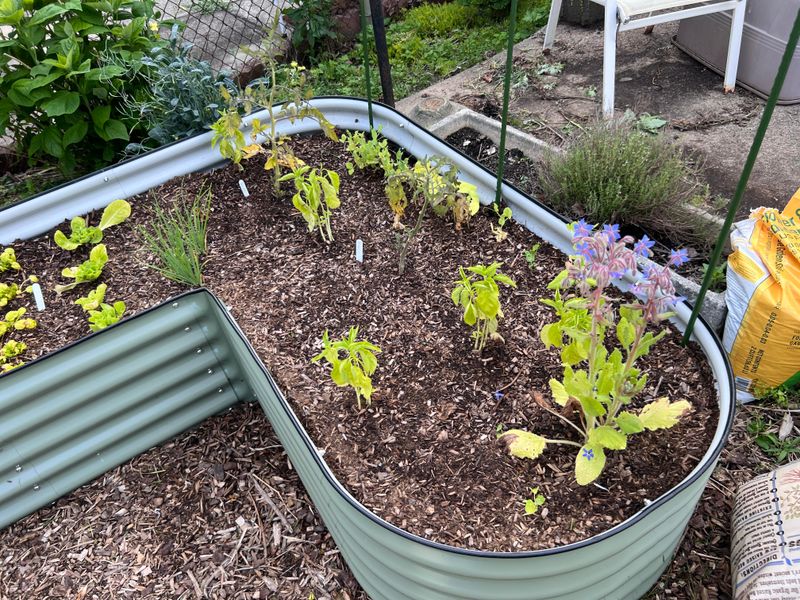
Soil is a living ecosystem full of microorganisms, earthworms, and beneficial bacteria that all work together to create healthy growing conditions. These soil inhabitants become more active as temperatures rise in spring, breaking down organic matter and releasing nutrients that plants need.
Covering soil with mulch too early can interfere with this natural awakening process.
Sunlight hitting bare soil helps warm it up and signals to soil organisms that it is time to get to work. When you block that sunlight with mulch before the soil has had a chance to warm properly, you slow down the entire biological process.
This means fewer available nutrients for plants just when they need them most.
Air exchange is another important factor in healthy soil. Soil needs to breathe, allowing oxygen to reach deeper layers where roots and beneficial organisms live.
Mulch can restrict this gas exchange, especially when applied in thick layers over cool, compacted soil. South Carolina soils often become compacted over winter and need time to loosen up in spring.
Letting the soil warm naturally and allowing air and sunlight to reach it for a few weeks in spring improves overall soil health. Earthworms become more active, moving through the soil and creating channels that improve drainage and aeration.
Beneficial microbes multiply and start processing nutrients into forms plants can absorb.
Once the soil has had time to wake up and warm up, adding mulch becomes more beneficial and less disruptive. The soil biology is already active and working well, so the mulch simply helps maintain good conditions rather than suppressing them.
This approach supports long-term soil health and plant vitality throughout the growing season.
7. Fresh Mulch Can Interfere With Seasonal Fertilizing
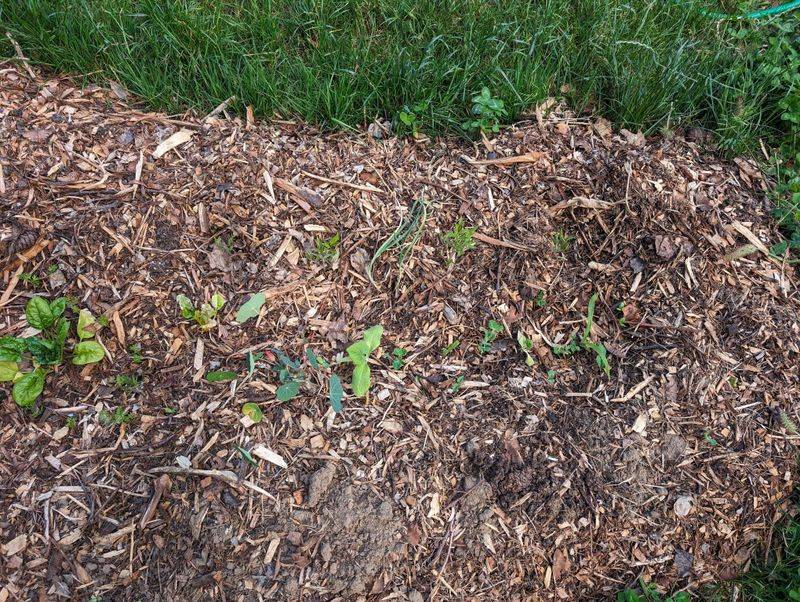
Spring fertilizing is an essential task for South Carolina gardeners who want their plants to have a strong start to the growing season. Most gardeners apply fertilizer in late winter or early spring to give plants a boost as they begin active growth.
Timing your mulch application poorly can reduce the effectiveness of these fertilizers and waste your time and money.
When you put down mulch before or immediately after fertilizing, the mulch can prevent fertilizer from reaching the soil where plant roots can access it. Granular fertilizers can get caught in the mulch layer instead of making contact with soil moisture that would dissolve and carry them down to root level.
This means plants miss out on the nutrients you intended to provide.
Liquid fertilizers can also be affected by mulch applied too soon. The mulch absorbs some of the liquid, and less reaches the soil where it is needed.
Over time, this can lead to nutrient deficiencies even though you have been fertilizing regularly. Plants may show signs of poor nutrition despite your best efforts.
South Carolina soils often need amendments like lime or sulfur to adjust pH levels in spring. These soil amendments need direct contact with soil particles to work properly.
Applying mulch before these amendments have had time to incorporate into the soil can slow or prevent the desired pH changes.
The best approach is to handle your spring fertilizing and soil amendments first, then wait a few weeks before adding mulch. This gives fertilizers time to dissolve, move into the soil, and become available to plant roots.
Once nutrients are where they need to be, mulch can help keep them there by reducing erosion and leaching during summer rains.
8. Waiting Allows Better Control Over Weed Pressure
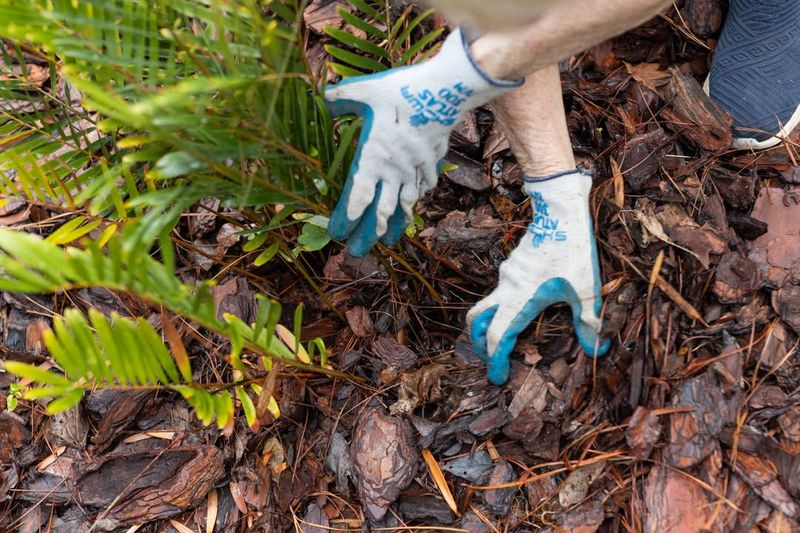
Weeds are one of the biggest frustrations for South Carolina gardeners, and they start growing aggressively as soon as spring temperatures warm up. Many gardeners think that putting down mulch early will prevent weeds from getting started, but the reality is more complicated.
Early mulching can actually make weed problems worse in some situations.
Weed seeds are already present in most garden soil, and they need light and warmth to germinate. If you mulch too early, you might trap warmth and moisture around those seeds, creating perfect germination conditions under the mulch layer.
Once weeds sprout under mulch, they can be harder to spot and remove than weeds growing in bare soil.
Some aggressive weeds can push right through mulch layers, especially if the mulch is not very thick or has started to break down. If you mulch before you have had a chance to clear out early spring weeds, you just bury the problem instead of solving it.
Those buried weeds can continue growing and spreading under the mulch where you cannot see them.
Waiting a few weeks into spring gives you time to identify and remove the first flush of weeds before they go to seed. You can clear your beds thoroughly, then apply mulch to a clean surface.
This approach gives you much better long-term weed control than rushing to mulch before dealing with existing weed problems.
South Carolina’s warm climate means weeds grow quickly, but that also means you can see what you are dealing with early in the season. Taking time to manage weeds first, then mulching strategically, gives you the upper hand for the rest of the growing season and makes garden maintenance much easier all summer long.