Why Mulching Matters More In Central Oregon Gardens
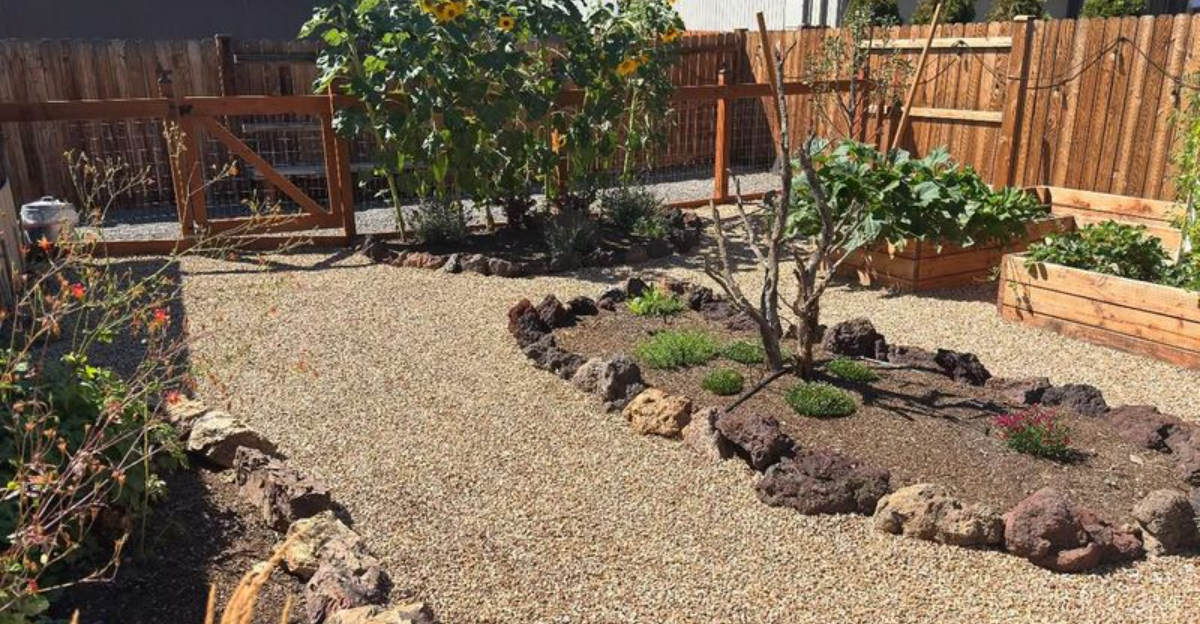
Gardening in Central Oregon comes with its own set of rules. Hot, dry summers, cold winters, and big temperature swings can make even experienced gardeners rethink their usual routines.
One simple habit stands out more here than almost anywhere else: mulching.
At first glance, mulch doesn’t seem exciting. It’s just a layer of material on top of the soil.
But in Central Oregon’s climate, that layer does a lot of heavy lifting. It helps keep moisture in the ground during long dry stretches, protects roots from extreme heat, and adds insulation when temperatures drop at night.
Without mulch, soil dries out faster, weeds move in quicker, and plants have to work harder just to stay comfortable. With it, everything tends to run more smoothly.
Your garden holds water better, stays more balanced, and needs less constant attention.
If you’ve ever felt like you’re watering nonstop or fighting dry, dusty soil all summer, you’re not alone. Many Central Oregon gardeners discover that mulching is the quiet difference-maker.
It’s simple, affordable, and incredibly effective, making it one of the smartest moves you can make for a healthier, more resilient garden.
1. Why Central Oregon Gardens Face Tough Growing Conditions

Your garden sits in a climate zone that gardeners in wetter regions would find almost hostile. Central Oregon delivers less than twelve inches of rain each year, which puts your yard in the same category as many actual deserts.
Summers bring intense UV exposure at high elevation, and your soil heats up fast under that relentless sun.
Winter temperatures can plunge well below zero, freezing the ground solid for weeks at a time. Spring and fall are unpredictable, swinging between warm days and hard frosts that can hit your plants when they are most vulnerable.
Wind is another constant challenge, stripping moisture from leaves and soil surfaces faster than you can replace it.
Most Central Oregon soils are volcanic in origin, which means they tend to be sandy, rocky, and low in organic matter. Water drains through them quickly, taking nutrients with it.
Without help, your plants are left scrambling for moisture and food in a landscape that offers very little of either naturally.
Mulch changes this equation completely. It acts as a buffer between your plants and the harsh conditions that define this region.
When you mulch properly, you give your garden a fighting chance against the climate extremes that make growing anything here feel like an uphill battle.
2. How Mulch Protects Soil From Extreme Heat And Cold
Bare soil in Central Oregon can reach surface temperatures above one hundred and twenty degrees on a July afternoon. That kind of heat kills beneficial soil organisms, damages shallow roots, and bakes the ground into a crust that water cannot penetrate.
Your plants suffer even when you irrigate, because the root zone becomes a hostile environment.
A layer of mulch acts like insulation, keeping soil temperatures much more stable throughout the day. Studies from Oregon State University Extension show that mulched soil stays twenty to thirty degrees cooler in summer compared to bare ground.
This protection allows roots to function normally and keeps the microbial life in your soil active and healthy.
Winter brings the opposite problem, with freezing temperatures that can heave plants out of the ground and damage root systems. Mulch moderates these temperature swings, preventing the freeze-thaw cycles that cause so much harm.
Your perennials, shrubs, and trees all benefit from this thermal blanket, especially during those brutal cold snaps that hit in January and February.
The insulation effect works in both directions, which is exactly what your garden needs.
By maintaining a more consistent soil temperature year-round, mulch helps your plants establish stronger root systems and cope with the temperature extremes that define Central Oregon gardening.
3. The Role Mulch Plays In Water Conservation
Water is your most precious resource in Central Oregon, and mulch is one of the best tools you have for keeping it where your plants can use it. Bare soil loses moisture to evaporation at an alarming rate, especially with our low humidity and constant breeze.
You can water in the morning and watch the top few inches of soil dry out by afternoon.
A three to four inch layer of organic mulch can reduce evaporation by up to seventy percent according to research from water conservation districts across the region.
That means your irrigation water stays in the root zone longer, giving plants more time to absorb what they need.
You will notice the difference in how often you need to water and how well your plants look between watering sessions.
Mulch also improves water infiltration by preventing soil crusting and protecting the soil structure. When rain or irrigation water hits bare ground, it can seal the surface and cause runoff.
Mulched soil stays loose and porous, allowing water to soak in deeply rather than running off or pooling on the surface.
In a region where water rights and conservation matter deeply, using mulch is not just smart gardening, it is responsible land stewardship.
You will use less water, your plants will perform better, and you will spend less time and money keeping everything alive through the dry season.
4. Preventing Soil Erosion And Wind Damage
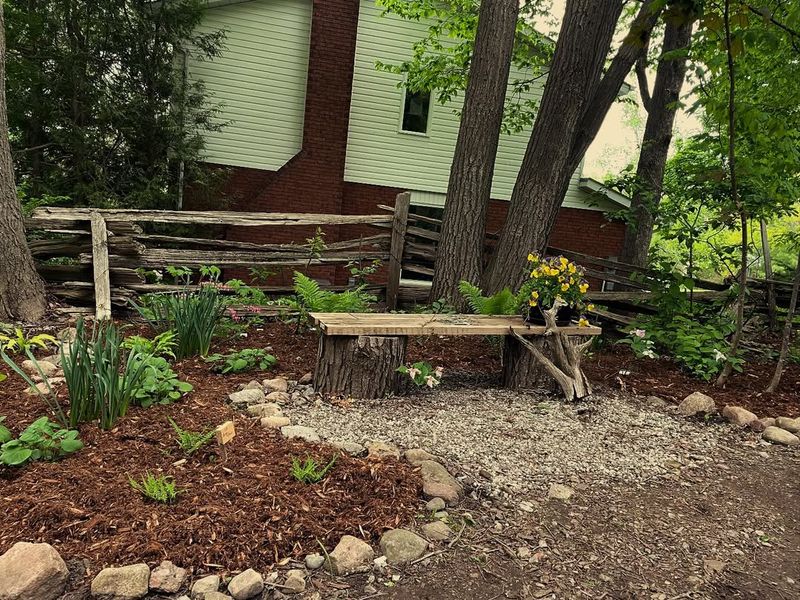
Wind is a fact of life in Central Oregon, and it does more damage to your garden than you might realize. Strong gusts lift and carry away the finest soil particles, which happen to be the most fertile part of your soil.
Over time, this wind erosion strips away organic matter and leaves you with increasingly poor growing conditions.
Water erosion is equally problematic, especially on slopes or during those rare but intense summer thunderstorms. Bare soil washes away easily, creating channels and exposing roots.
You lose both soil and the nutrients it contains, and your plants end up stressed and vulnerable.
Mulch anchors your soil in place, creating a protective layer that wind cannot penetrate and water cannot easily displace. The physical barrier breaks the force of both wind and rain, allowing your soil to stay put where your plants need it.
This is especially important around young trees and shrubs that are still establishing their root systems.
You will also notice that mulched areas stay much cleaner and more attractive because soil is not constantly blowing or splashing onto plants, walkways, and your house. The difference is dramatic during spring winds or after a heavy rain.
Your garden maintains its structure and fertility instead of slowly disappearing into the air or washing down the slope toward the street.
5. Keeping Weeds Under Control Without Chemicals
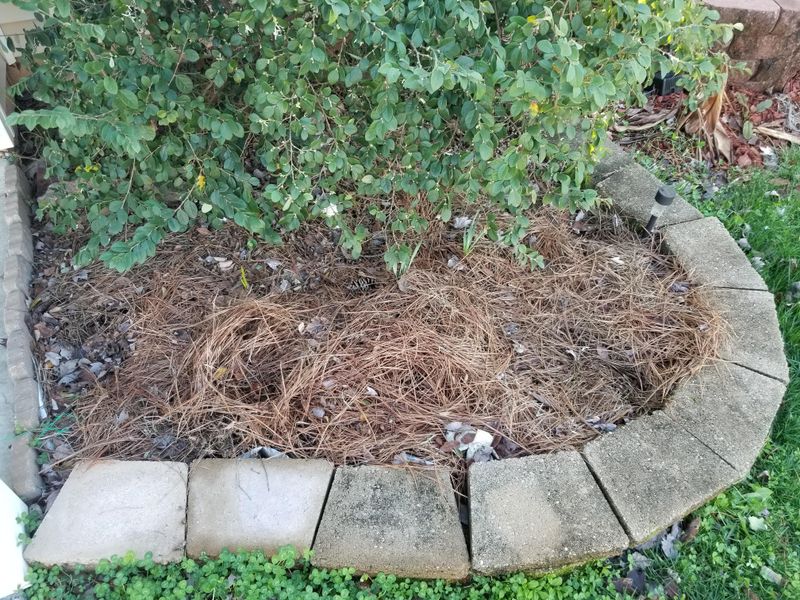
Weeds in Central Oregon are tough, opportunistic, and perfectly adapted to our harsh conditions. Cheatgrass, tumbleweed, and puncturevine all thrive in disturbed, bare soil and compete aggressively with your garden plants for water and nutrients.
Fighting them without help is exhausting and often feels like a losing battle.
A proper layer of mulch smothers most weed seeds before they can germinate by blocking the sunlight they need to sprout.
The few weeds that do manage to push through mulch have shallow roots and pull out easily because they cannot establish themselves in the loose material.
You will spend far less time weeding and far more time enjoying your garden.
This weed suppression happens without any chemical herbicides, which is important for soil health and water quality. Many Central Oregon gardeners are moving toward organic practices, and mulch is a cornerstone of that approach.
You get effective weed control that also improves your soil rather than contaminating it.
The key is maintaining adequate mulch depth and refreshing it as it breaks down. A thin layer will not suppress weeds effectively, but three to four inches of organic mulch creates a barrier that dramatically reduces weed pressure.
Your garden stays cleaner, your plants face less competition, and you avoid the time and expense of constant weeding or chemical applications.
6. Improving Poor And Sandy Soils Over Time
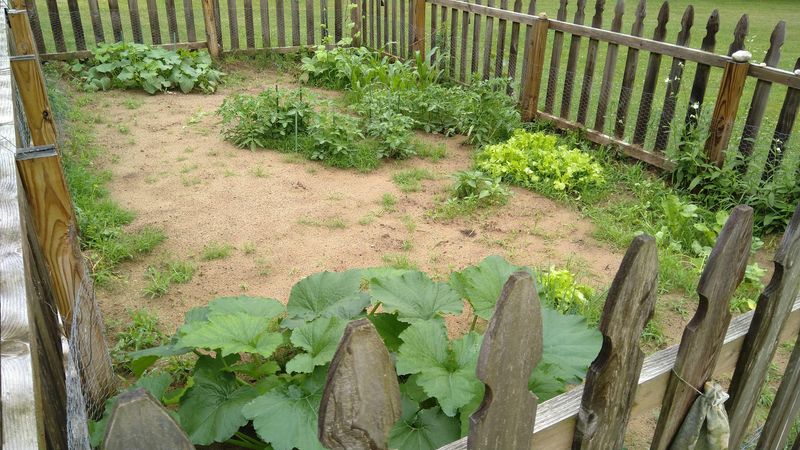
Central Oregon soil is notoriously challenging, with its sandy texture, low organic matter, and poor nutrient-holding capacity.
Your soil drains so fast that nutrients wash through before plants can use them, and there is little biological activity to support healthy plant growth.
Building better soil from scratch takes years, but mulch accelerates the process significantly.
Organic mulches like wood chips, compost, or shredded bark gradually break down and incorporate into your soil. This decomposition adds organic matter, improves soil structure, and feeds the microbial community that makes nutrients available to plants.
You are essentially composting in place, right where your plants need the benefits most.
As your mulch breaks down, it also improves water-holding capacity and creates air pockets that roots need to thrive. Sandy soil that once held water for hours will begin to retain moisture for days.
The transformation happens slowly but steadily, and you will notice your plants responding with stronger growth and better resilience to stress.
Oregon State University research consistently shows that adding organic matter is the single most important step for improving high-desert soils. Mulch delivers this benefit automatically as part of your regular garden maintenance.
Every time you refresh your mulch layer, you are investing in long-term soil health that will pay dividends for years to come.
7. Choosing The Right Mulch For Central Oregon
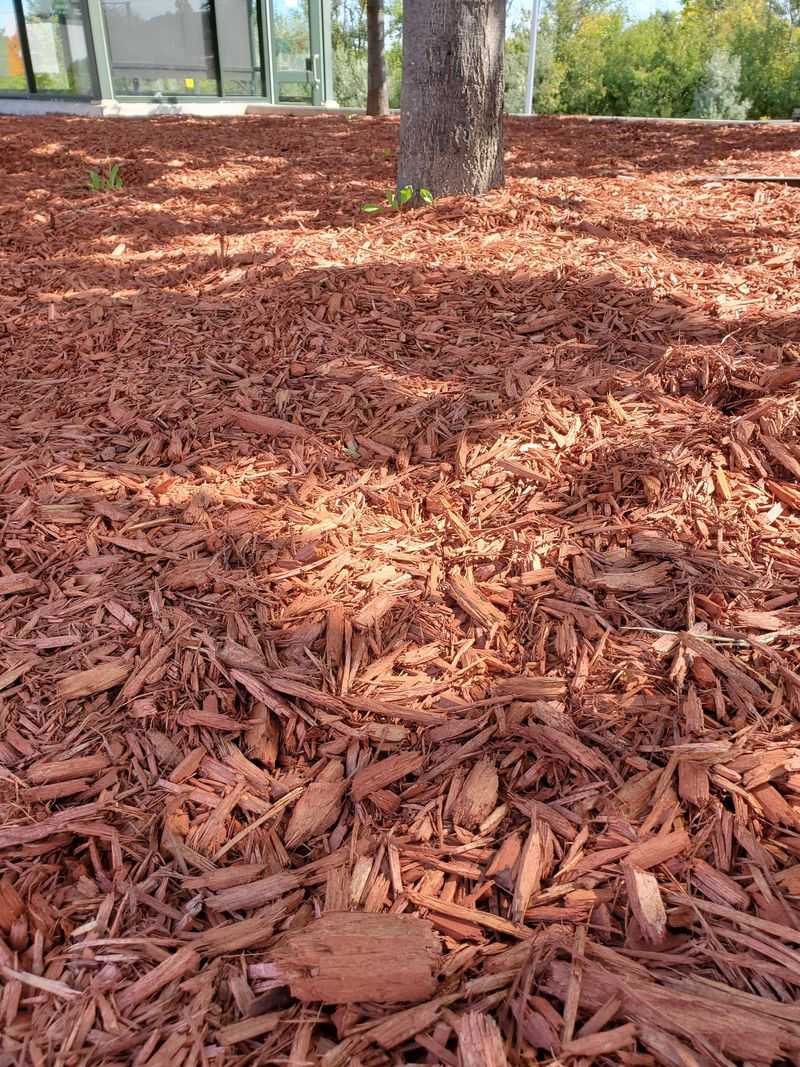
Not all mulches work equally well in our climate, and choosing the right material makes a big difference in how well it performs.
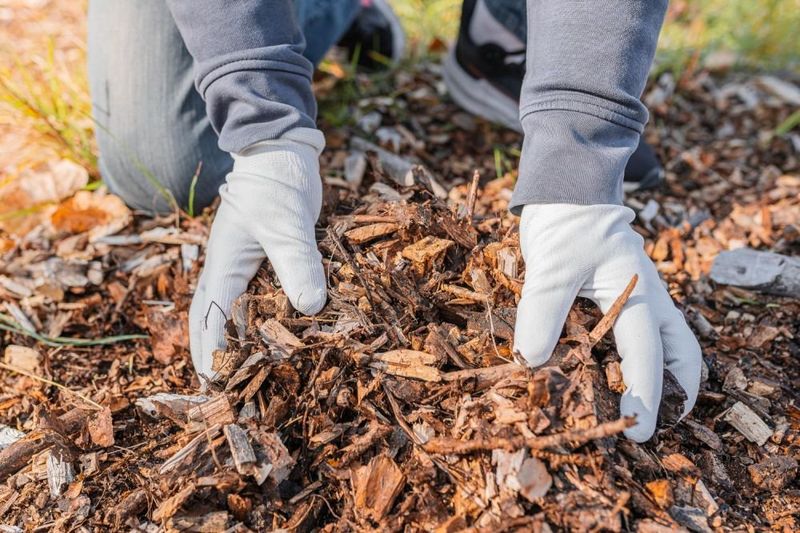
Wood chips from local arborists are often your best choice because they are usually free or inexpensive, break down at a moderate rate, and work well in our dry conditions.
Cedar and juniper chips are particularly good because they resist decomposition and smell pleasant.
Bark mulch is another solid option, especially around ornamental beds and shrubs. It stays in place better than wood chips during windy weather and has a more finished appearance.
Just make sure you are using larger bark pieces rather than finely shredded material, which can mat down and repel water.
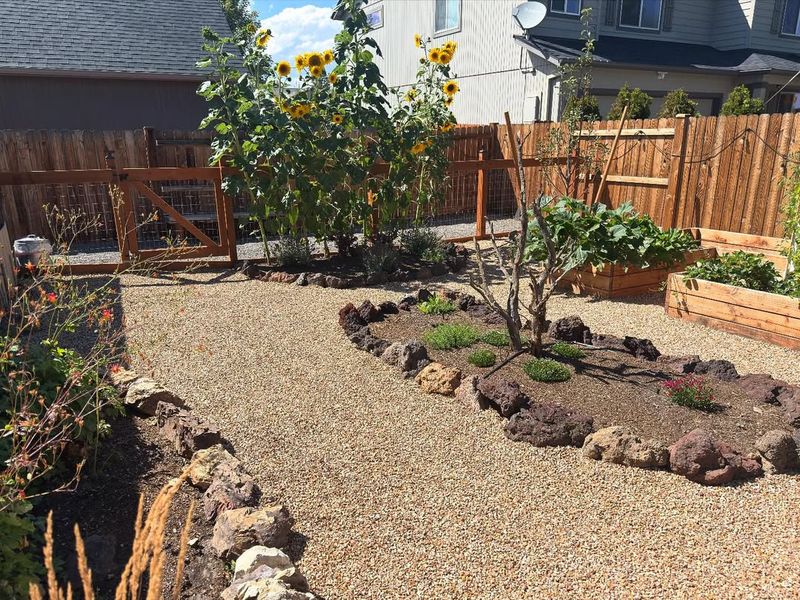
Avoid mulches that do not work well in high-desert conditions. Rock and gravel mulches absorb and radiate heat, making soil temperature problems worse rather than better.
They also do nothing to improve soil quality over time. Pine needles can work in some situations, but they acidify soil and are a fire hazard in our dry climate.
Compost can be used as mulch, but it breaks down quickly and needs frequent replenishment. Many Central Oregon gardeners use a thin layer of compost topped with wood chips to get the benefits of both.
Whatever you choose, apply it three to four inches deep and keep it pulled back a few inches from plant stems to prevent rot and pest problems.
8. Common Mulching Mistakes To Avoid
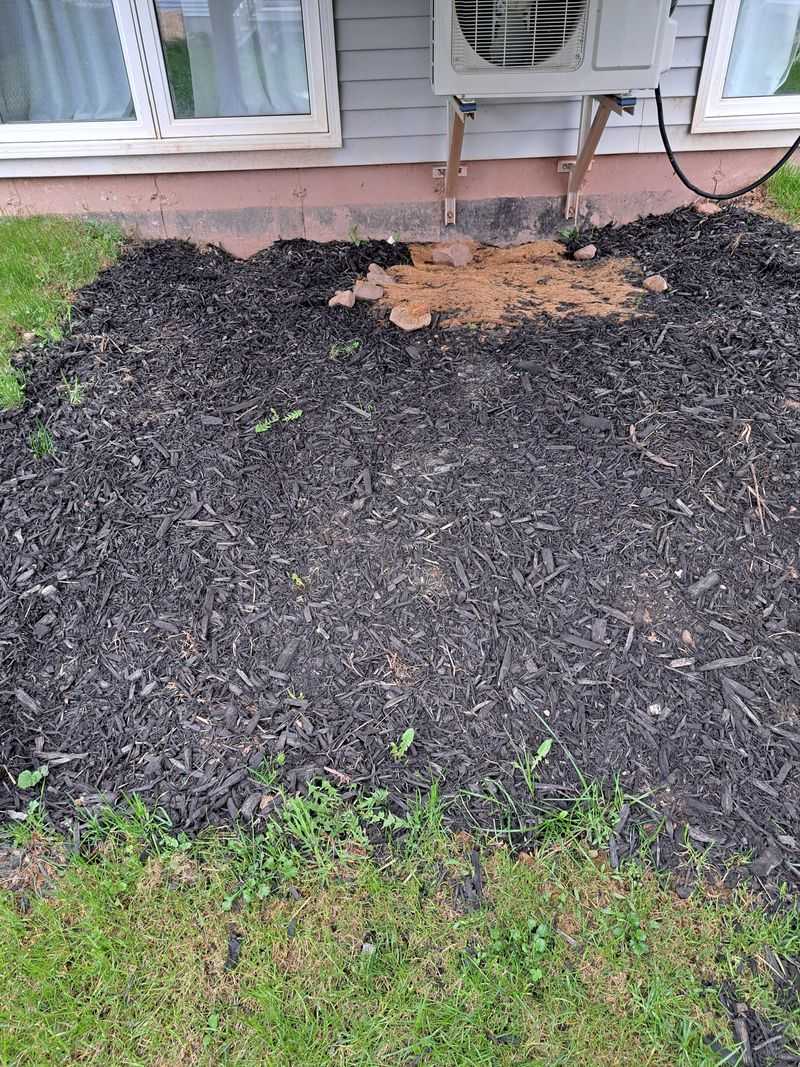
Many Central Oregon gardeners mulch too thinly, spreading just an inch or two of material and wondering why it does not work.
You need a full three to four inches of organic mulch to get the temperature moderation, moisture retention, and weed suppression benefits that make mulching worthwhile.
Skimping on depth is the most common mistake, and it undermines everything mulch is supposed to accomplish.
Another frequent error is piling mulch against tree trunks and plant stems, creating what arborists call volcano mulching. This traps moisture against bark, encourages rot, and provides habitat for insects and rodents.
Always leave a few inches of space around stems and trunks, creating a donut shape rather than a volcano.
Using the wrong mulch for our climate is also problematic. Rock mulches look tidy but make your soil hotter and contribute nothing to soil health.
Dyed mulches often contain questionable materials and break down into something less beneficial than plain wood chips.
Fresh wood chips can temporarily tie up nitrogen as they decompose, so let them age a few weeks before using them around actively growing plants.
Finally, many gardeners apply mulch once and forget about it. Organic mulches break down over time, which is part of their value, but that means you need to refresh the layer every year or two to maintain proper depth and effectiveness.
A little attention to these details will help you avoid frustration and get the full benefit from your mulching efforts.