Why Mushrooms In Your Pennsylvania Lawn Are Actually A Sign Of Healthy Soil
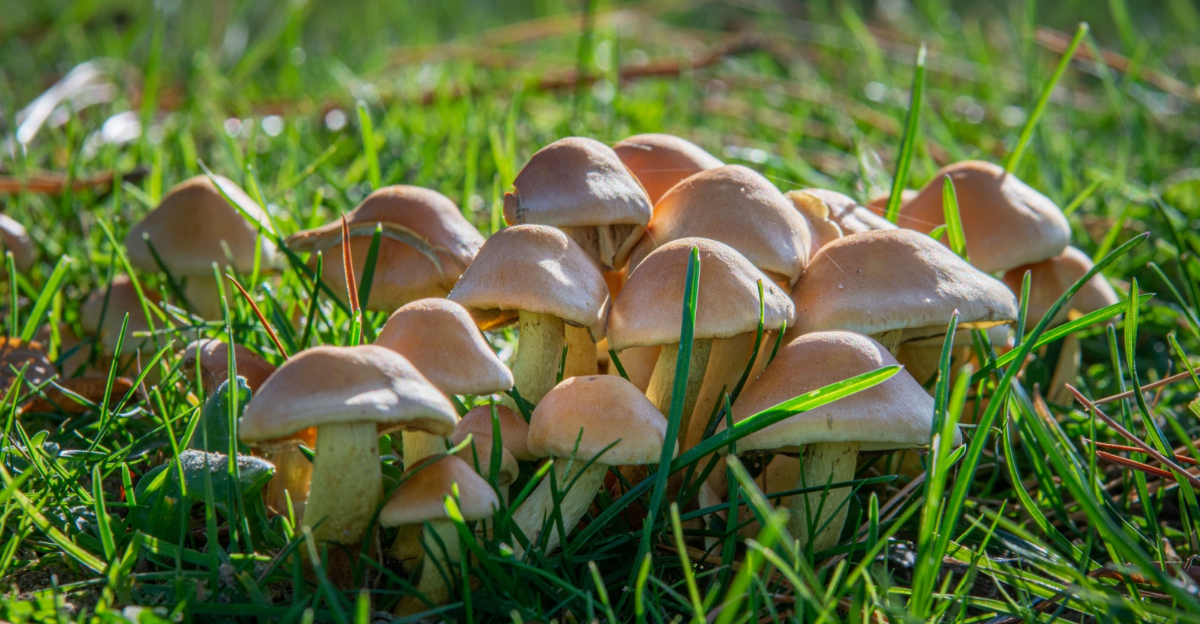
Have you ever woken up to a sudden ring of mushrooms on your Pennsylvania lawn and reached for the rake in a panic?
While these unexpected guests might seem like a blemish on your perfect turf, they are often a secret sign that your soil is actually thriving.
These fungi act as nature’s cleanup crew, quietly working beneath the surface to break down organic matter and unlock vital nutrients.
In the Keystone State’s damp springs and humid summers, mushrooms play a crucial role in a healthy lawn ecosystem.
Rather than signaling a problem, their presence suggests a rich, active soil biology that supports stronger grass.
Understanding how these beneficial neighbors contribute to soil health can change how you view your garden’s hidden potential.
1. What Causes Mushrooms To Appear In Pennsylvania Lawns
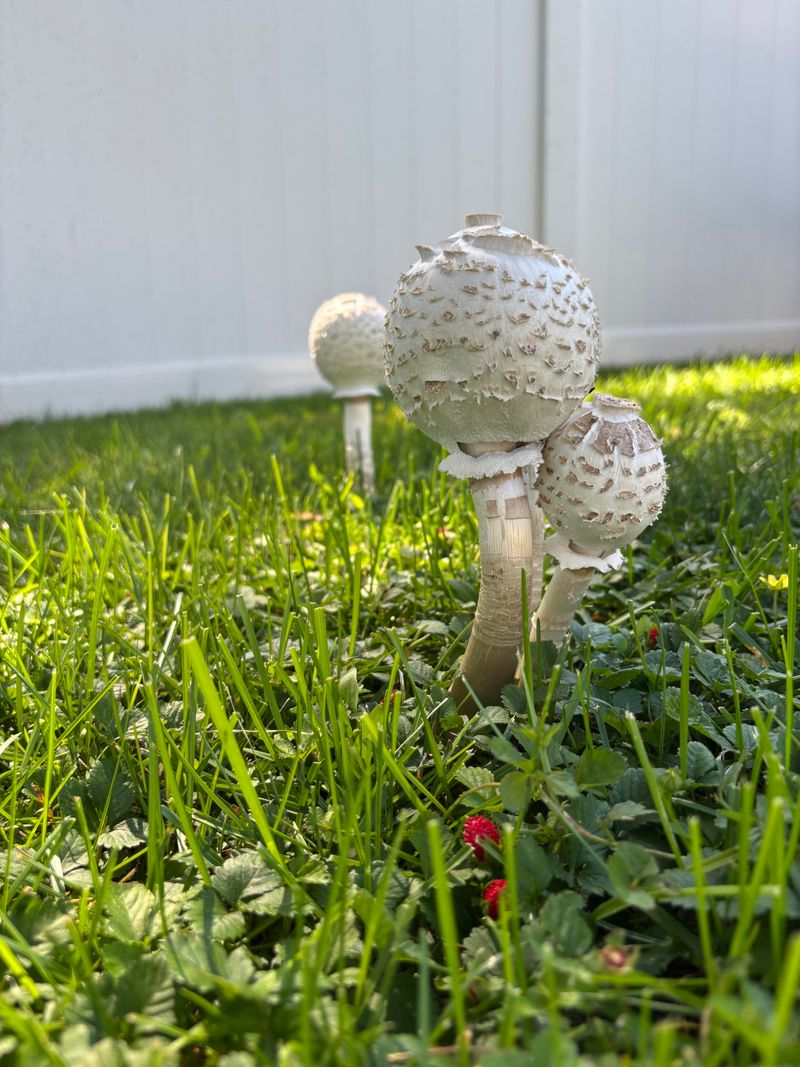
Most Pennsylvania homeowners are caught off guard the first time mushrooms sprout up across an otherwise tidy lawn. The truth is, mushrooms do not appear out of nowhere.
They are the visible, above-ground fruiting bodies of fungi that have been quietly living underground, sometimes for months or even years.
Fungi grow by sending out a vast network of thread-like structures called mycelium. This underground web spreads through the soil, feeding on buried organic material.
When conditions line up just right, the fungus produces mushrooms as a way to release spores and reproduce.
In Pennsylvania lawns, the most common triggers include buried wood, old tree roots, decomposing thatch, and leaf debris left over from fall.
If you recently had a tree removed or if your lawn has a thick layer of organic buildup, you have likely created the ideal underground buffet for fungi.
Pennsylvania’s variable climate, with its wet springs and humid summers, makes it especially easy for these conditions to develop.
Knowing the root cause helps you make smarter decisions about lawn care rather than just reacting to what you see on the surface.
2. Rain, Shade, And Warm Weather Create Ideal Conditions
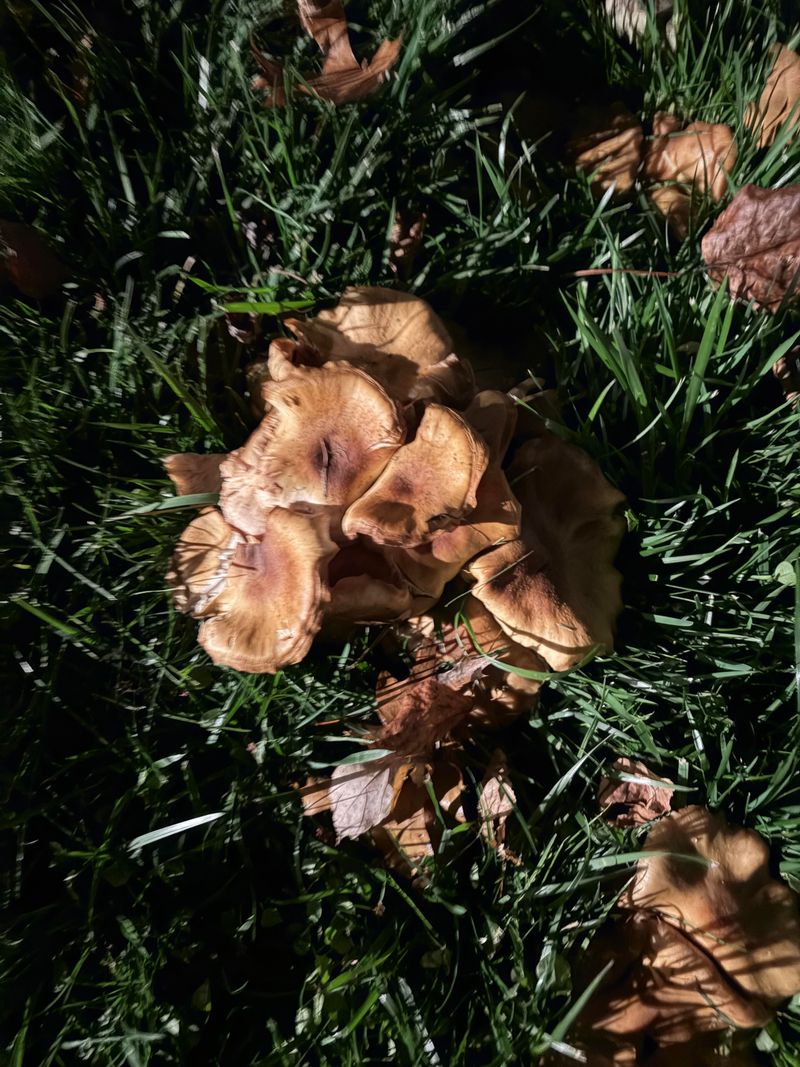
After a heavy rainstorm rolls through Pennsylvania, it is almost a guarantee that mushrooms will start popping up within a day or two.
Fungi thrive in moisture-rich environments, and rainfall gives the underground mycelium exactly what it needs to push a fruiting body up through the soil.
The wetter the season, the more mushrooms you are likely to see.
Shade plays a big role too. Areas of your lawn that sit under large trees or along the north side of your house tend to stay damp longer after rain.
Less sunlight means slower evaporation, and that lingering moisture creates a cozy environment for fungi to flourish. This is why you often see mushrooms clustered near tree lines or in corners of the yard that rarely get direct sun.
Warm temperatures are the third piece of the puzzle. Pennsylvania summers, with their humid, sticky heat, provide fungi with the warmth they need to grow quickly.
Temperatures between 50 and 80 degrees Fahrenheit are especially favorable for mushroom development.
Combine that with regular summer rain and a shaded corner of your yard, and you have basically built a mushroom paradise.
Understanding these three factors helps explain why mushrooms seem to appear almost overnight and disappear just as fast when conditions shift.
3. How Mushrooms Help Break Down Organic Matter
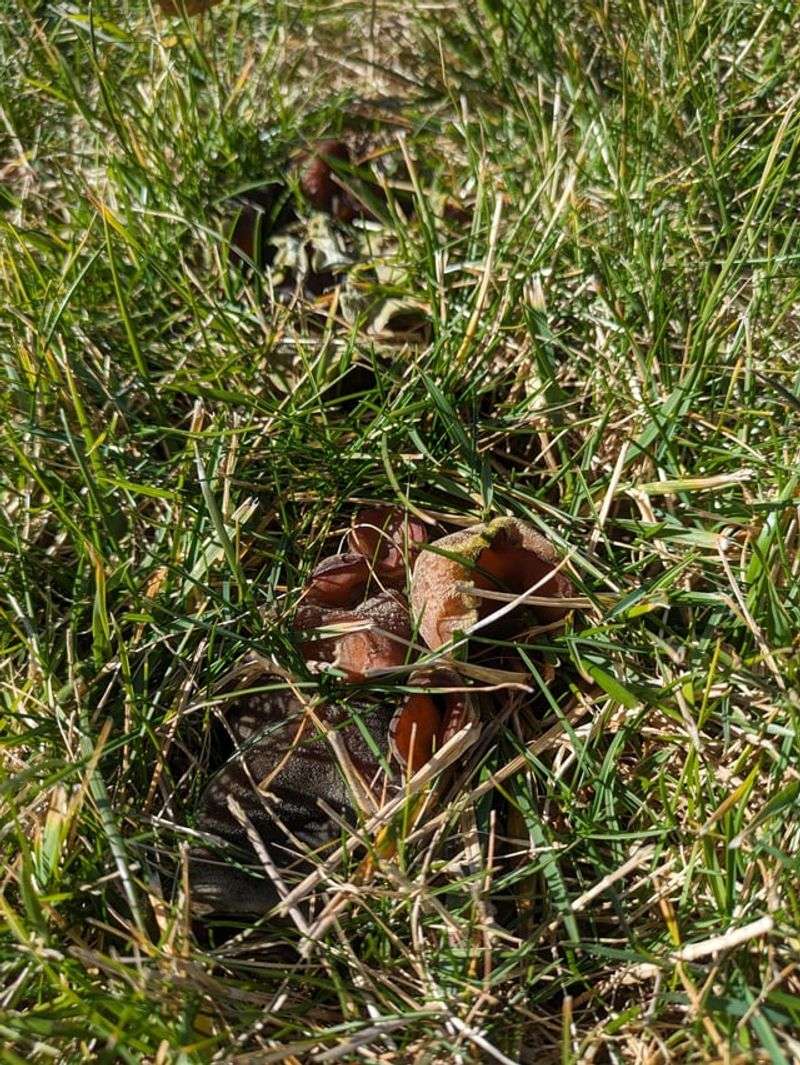
Fungi are nature’s cleanup crew, and mushrooms are just the visible part of a much larger operation happening underground. When leaves fall, old roots decay, or wood chips break down, fungi are the organisms doing much of the heavy lifting.
Their mycelium releases enzymes that break complex organic materials into simpler compounds the soil can actually use.
This process is called decomposition, and it is one of the most important things happening beneath your Pennsylvania lawn.
Without it, organic matter would just pile up and become compacted, smothering grass roots and blocking water from reaching deeper into the soil.
Fungi essentially recycle nutrients that would otherwise be locked away in dead plant material.
As fungi break down that organic matter, they release key nutrients back into the soil, including nitrogen, phosphorus, and potassium.
These are the same nutrients found in store-bought fertilizers, but fungi deliver them naturally and slowly over time.
This steady nutrient release feeds your grass without the risk of chemical runoff or soil imbalance. In Pennsylvania, where lawns deal with heavy clay soils and seasonal leaf fall, having an active fungal community is genuinely valuable.
Encouraging this natural decomposition process means you may need fewer synthetic inputs to keep your lawn looking its best throughout the growing season.
4. Why Fungi Improve Soil Structure And Drainage
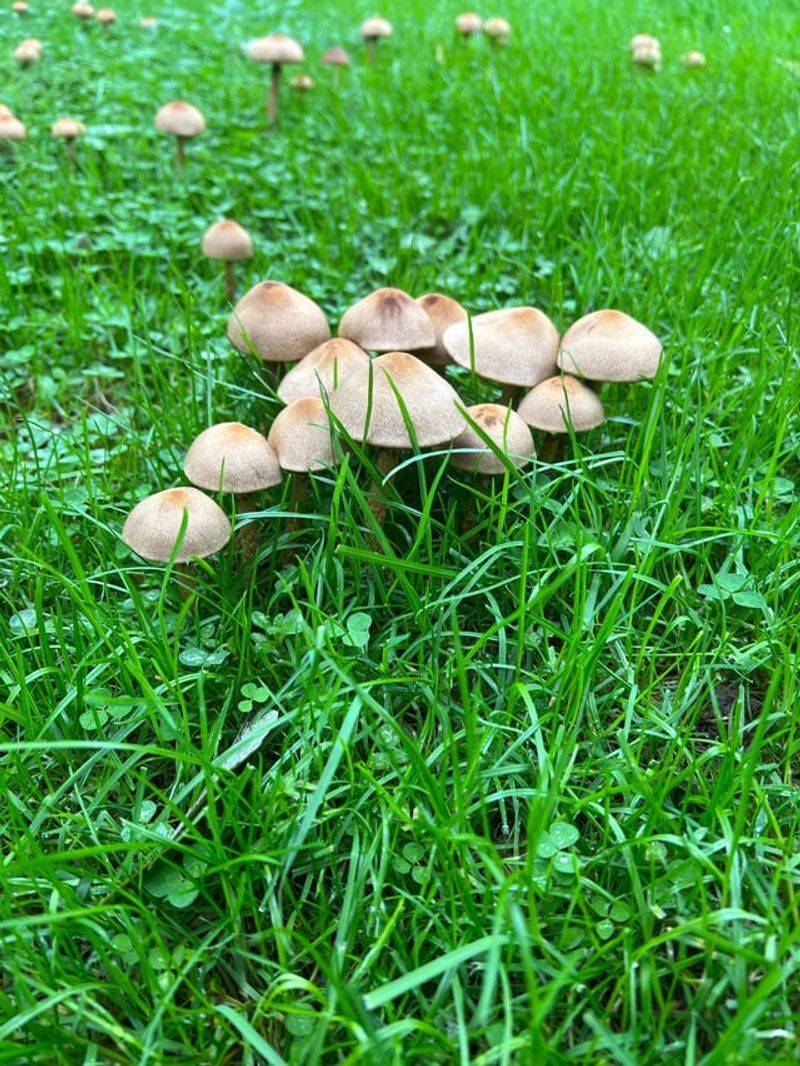
Compacted soil is one of the biggest headaches for Pennsylvania lawn owners. When soil becomes dense and hard, water pools on the surface, grass roots struggle to grow deep, and the lawn ends up looking patchy and stressed.
Fungi quietly work against this problem in ways that most people never realize.
The mycelium networks that spread through the soil are incredibly thin but remarkably strong. As they grow, they physically weave through soil particles, creating tiny channels and pockets of space.
These pathways allow air and water to move more freely through the soil, which is essentially what aeration does mechanically. Fungi provide a biological version of this process continuously, not just once a year.
Beyond physical structure, fungi also produce a sticky substance called glomalin. Research has shown that glomalin helps bind soil particles together into stable clumps called aggregates.
These aggregates create a crumbly, open soil texture that holds moisture without becoming waterlogged. Pennsylvania lawns, especially those with heavy clay content, benefit significantly from this natural soil conditioning.
Better drainage means grass roots can breathe, water reaches deeper layers efficiently, and your lawn becomes more resilient during both dry spells and heavy rain events.
Supporting fungal activity is essentially investing in your soil’s long-term health without spending anything extra.
5. The Connection Between Mushrooms And Lawn Health
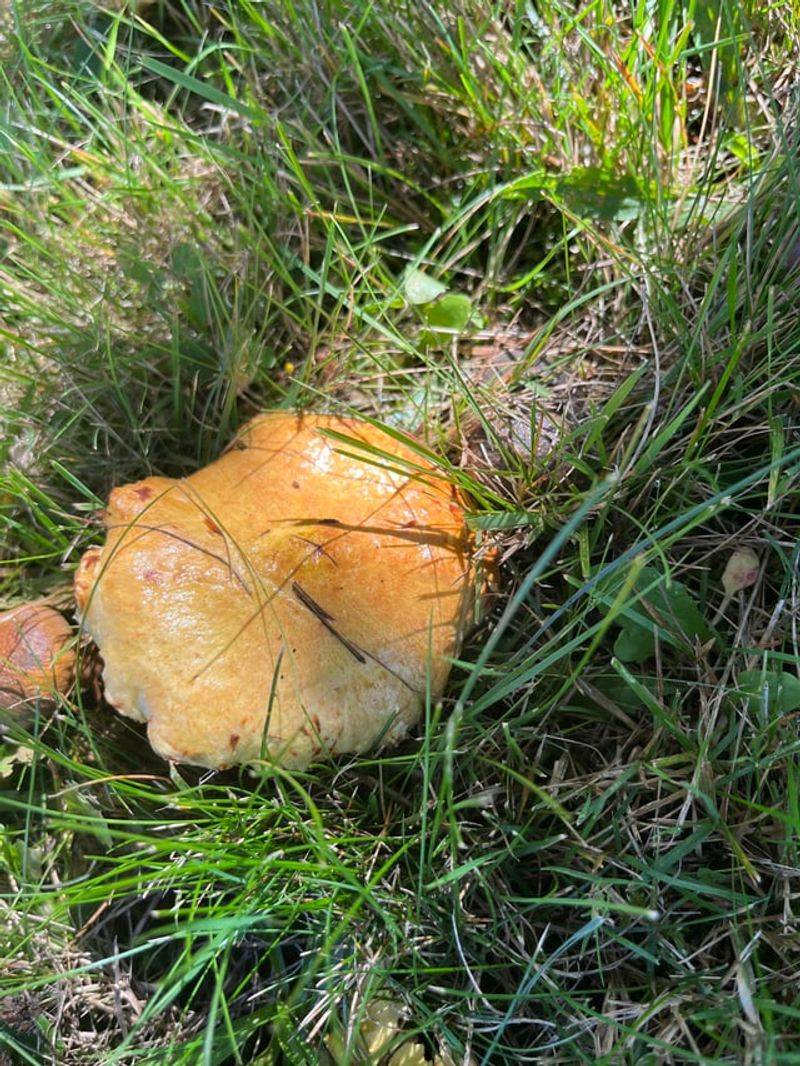
Healthy lawns and healthy fungi go hand in hand more often than most people realize. When mushrooms appear in your yard, they are signaling that there is an active, living soil ecosystem working beneath the surface.
Soil that is biologically active is far better at supporting grass growth than soil that has been sterilized by heavy chemical use or compaction.
Some fungi form what scientists call mycorrhizal relationships with grass roots. In this arrangement, the fungal network attaches to plant roots and extends far beyond what the roots could reach on their own.
The fungus helps the plant absorb water and nutrients from a much wider area of soil. In return, the plant shares some of the sugars it produces through photosynthesis.
It is a genuinely cooperative relationship that benefits both organisms.
Pennsylvania lawns that have diverse fungal communities tend to show stronger root systems, better drought resistance, and improved recovery after stressful conditions like heavy foot traffic or extreme heat.
Grass in biologically rich soil does not need as much supplemental watering or fertilizing because the soil itself is doing more work.
Seeing mushrooms in your lawn is not a warning sign. It is closer to a report card showing that your soil is biologically rich and functioning the way a healthy outdoor ecosystem should.
6. When Lawn Mushrooms Are Most Common In Pennsylvania
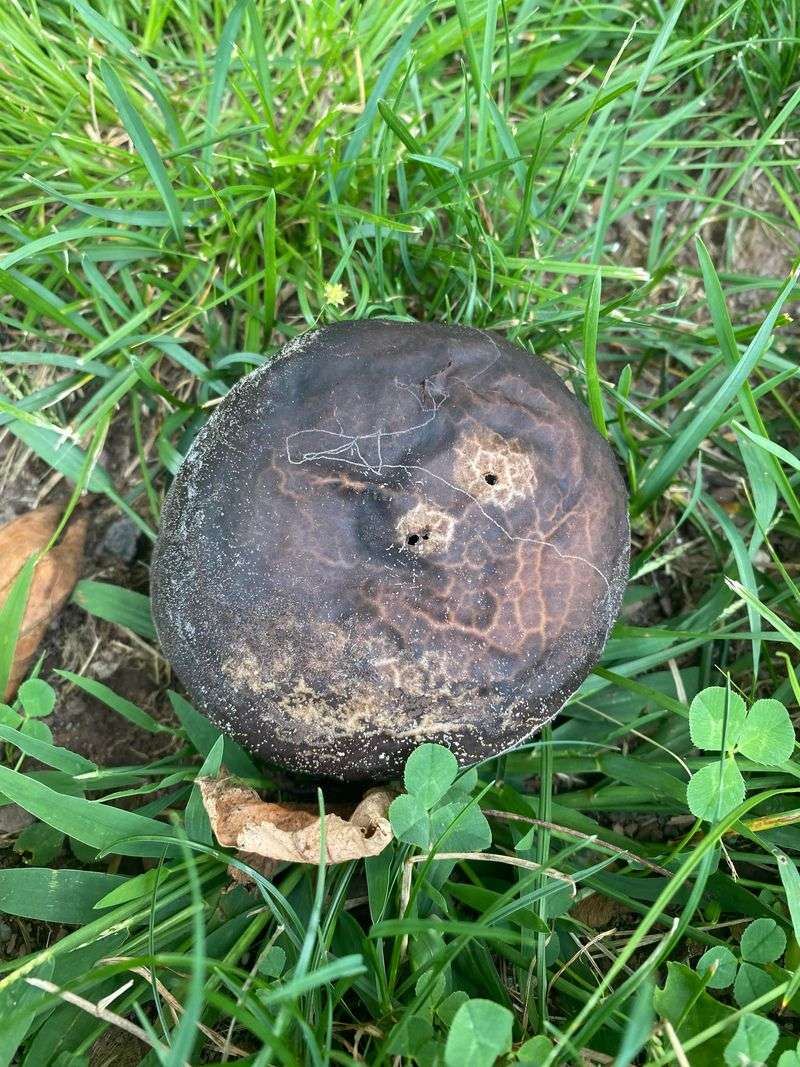
Pennsylvania’s seasons create a natural rhythm for mushroom activity, and knowing when to expect them makes the whole experience feel a lot less alarming. Late summer and early fall tend to be peak mushroom season for most Pennsylvania lawns.
August through October brings a combination of warm temperatures, more frequent rain, and falling leaves that creates near-perfect conditions for fungal growth.
Spring is another active period, especially after a wet April or May. Snowmelt combined with spring rain keeps the soil saturated for extended periods, giving underground fungi the moisture boost they need to fruit.
Pennsylvania gardeners often notice a second flush of mushrooms during this time, especially in lawns with established tree cover.
Interestingly, mushrooms can also appear during unusually warm stretches in late fall, sometimes as late as November in southern Pennsylvania counties.
As long as temperatures stay above freezing and moisture is present, fungi remain active.
Drought periods during mid-summer typically pause mushroom activity, which can give homeowners a false sense that the fungi are gone. The mycelium is still there, just waiting.
Once rain returns, mushrooms often pop back up quickly. Tracking these seasonal patterns helps you anticipate when mushrooms will appear and plan your lawn care routine accordingly, rather than being caught off guard each time.
7. Are Lawn Mushrooms Harmful To Grass
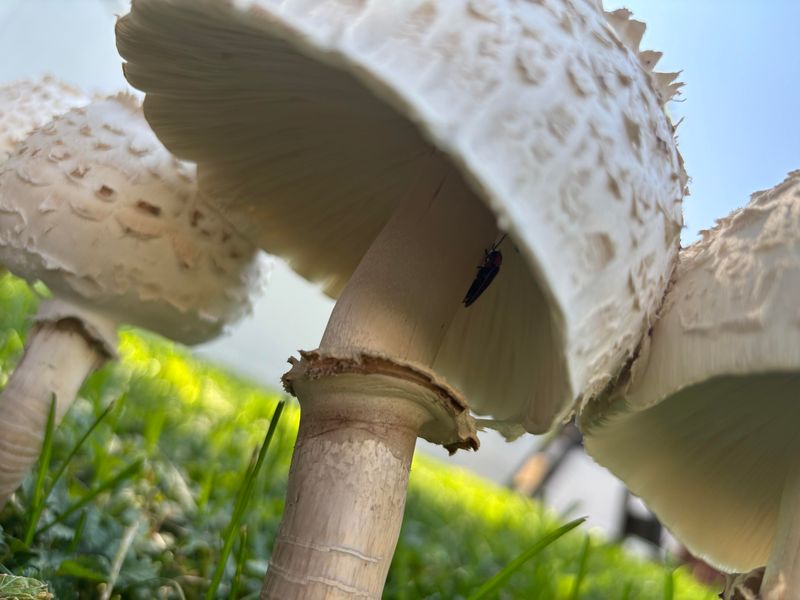
One of the most common questions Pennsylvania homeowners ask is whether the mushrooms growing in their lawn are actually hurting the grass. The short answer is that in most cases, they are not.
Mushrooms are not parasites that feed on living grass. They feed on dead and decaying organic material, and that distinction matters a lot.
In fact, the fungal activity happening underground is generally helping your grass rather than harming it. Nutrient cycling, improved soil structure, and enhanced root access to water are all byproducts of having healthy fungi in the soil.
Your grass is often benefiting from the same network that is producing those mushrooms above ground.
There are a few exceptions worth knowing about. Fairy rings, which are circular or arc-shaped patterns of mushrooms, can sometimes cause localized problems.
The dense mycelium in a fairy ring can occasionally create a water-repellent layer in the soil, making it harder for moisture to penetrate. This can lead to dry, stressed grass within or around the ring.
However, fairy rings are more of an aesthetic nuisance than a serious threat to lawn health.
Adjusting your watering habits and aerating the affected area are usually enough to manage the issue without resorting to harsh treatments that could disrupt the broader soil ecosystem beneath your Pennsylvania lawn.
8. When You Should Remove Mushrooms For Safety
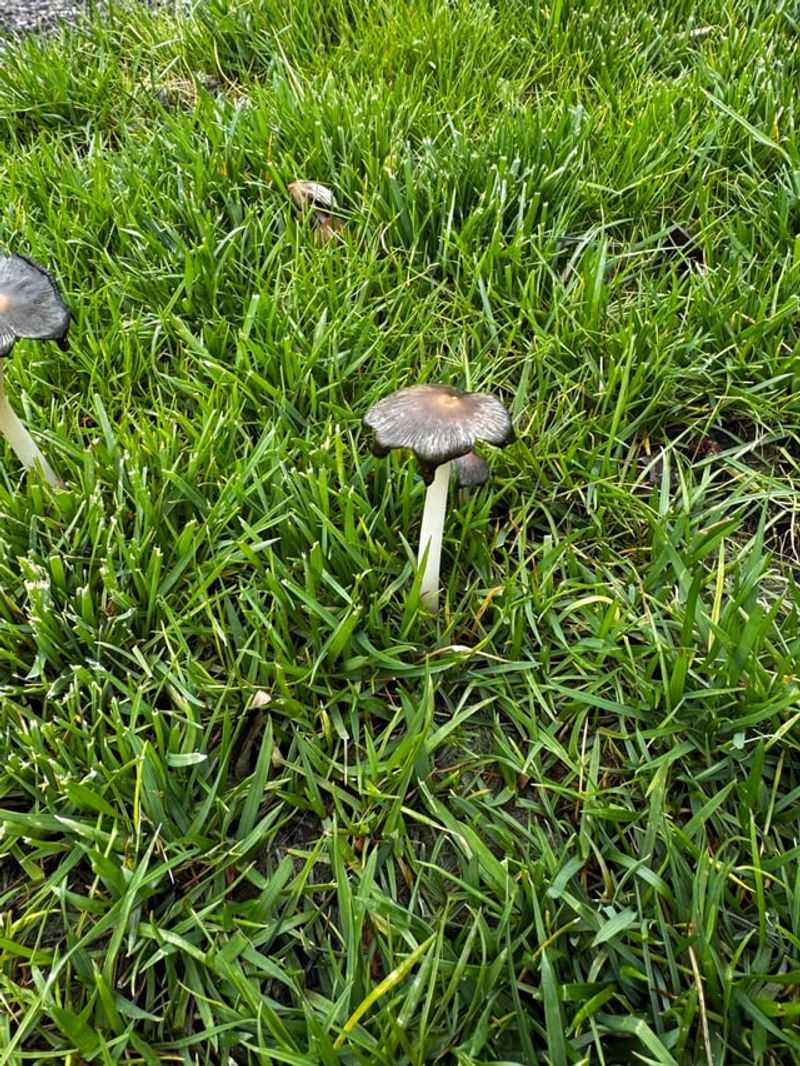
Even though most lawn mushrooms are a sign of healthy soil, there are real situations where removing them is the right call. Safety is the main reason, especially in households with young children or pets.
Many wild mushrooms look harmless but can be toxic if eaten. Kids and dogs are naturally curious and may interact with mushrooms before anyone notices.
Removing mushrooms does not have to mean harming the soil ecosystem beneath them. The mycelium network underground is what matters biologically, and removing the above-ground fruiting body leaves that network completely intact.
Simply knocking mushrooms over or pulling them out by hand, then disposing of them in a bag rather than composting them, is usually sufficient.
Wearing gloves is a smart precaution when handling unknown mushroom species.
Mowing over mushrooms can scatter spores across the lawn, potentially leading to more mushrooms sprouting in new areas. If you want to limit their spread, hand removal before mowing is the better approach.
For households where mushrooms are appearing repeatedly in the same spot, the underlying cause is usually buried organic matter.
Removing that buried wood, old root, or thick thatch layer will reduce mushroom activity over time more effectively than any surface-level removal method.
Balancing safety with soil health is the most practical approach for Pennsylvania homeowners managing mushrooms in their yards.