Why Native Bees Prefer Messy Oregon Gardens
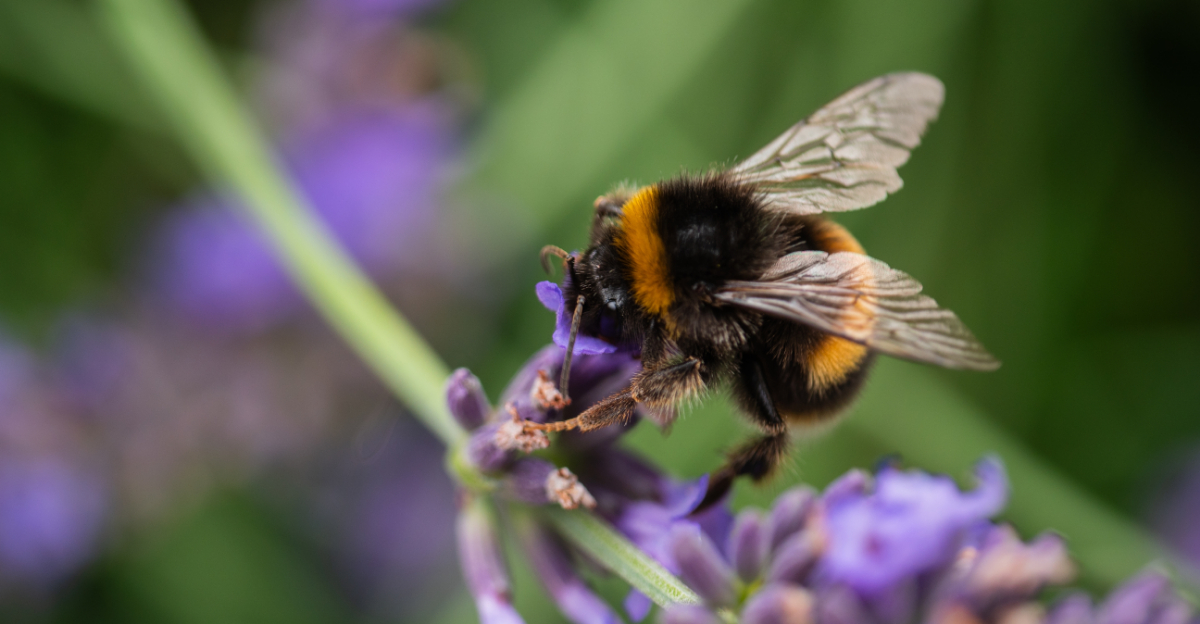
A perfectly tidy yard might look nice from the street, but it does not always offer what local wildlife needs. In Oregon, where seasons shift gently and native plants play a big role in the landscape, a little bit of natural mess can go a long way.
Many gardeners spend time clearing leaves, cutting everything back, and keeping beds looking neat. It feels like the right thing to do, especially after a long winter.
But those small piles of stems, leaves, and undisturbed corners often provide shelter and food sources that native bees depend on. What looks like clutter to us can feel like home to them.
Native bees in Oregon are not looking for perfectly maintained spaces. They need safe places to rest, nest, and find consistent blooms throughout the season.
Allowing parts of your garden to stay a bit more relaxed can quietly support these pollinators in ways that traditional landscaping often misses.
1. Native Bees Nest In Bare Soil And Undisturbed Areas
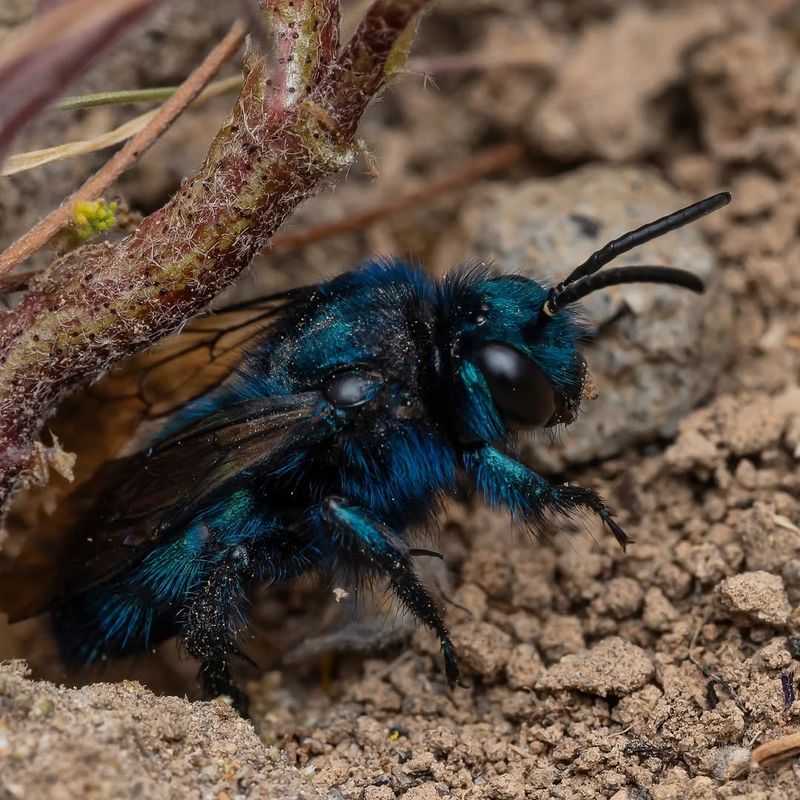
About 70 percent of all native bee species in the world nest underground, and Oregon is no exception. Ground-nesting bees like sweat bees and mining bees need small patches of bare, undisturbed soil to build their homes.
When gardeners cover every inch of their yard with mulch or pavers, these bees simply have nowhere to go.
You can help by leaving a few areas of exposed soil in your garden. A sunny, south-facing slope is ideal because the soil stays warm and dry, which is exactly what these bees prefer.
Even a spot as small as a dinner plate can support multiple bee nests throughout the season.
Across Oregon, many gardeners are starting to understand that a bare patch of dirt is not a flaw in the garden. It is actually a welcome mat for native pollinators.
Once you spot a bee hovering low over the soil and disappearing into a tiny hole, you will see your garden in a whole new way. Protecting these nesting areas from foot traffic and digging is one of the easiest and most impactful things you can do for local bee populations.
No special tools or plants required, just a little restraint and a whole lot of appreciation for what already lives in your backyard.
2. Hollow Stems Provide Natural Nesting Sites
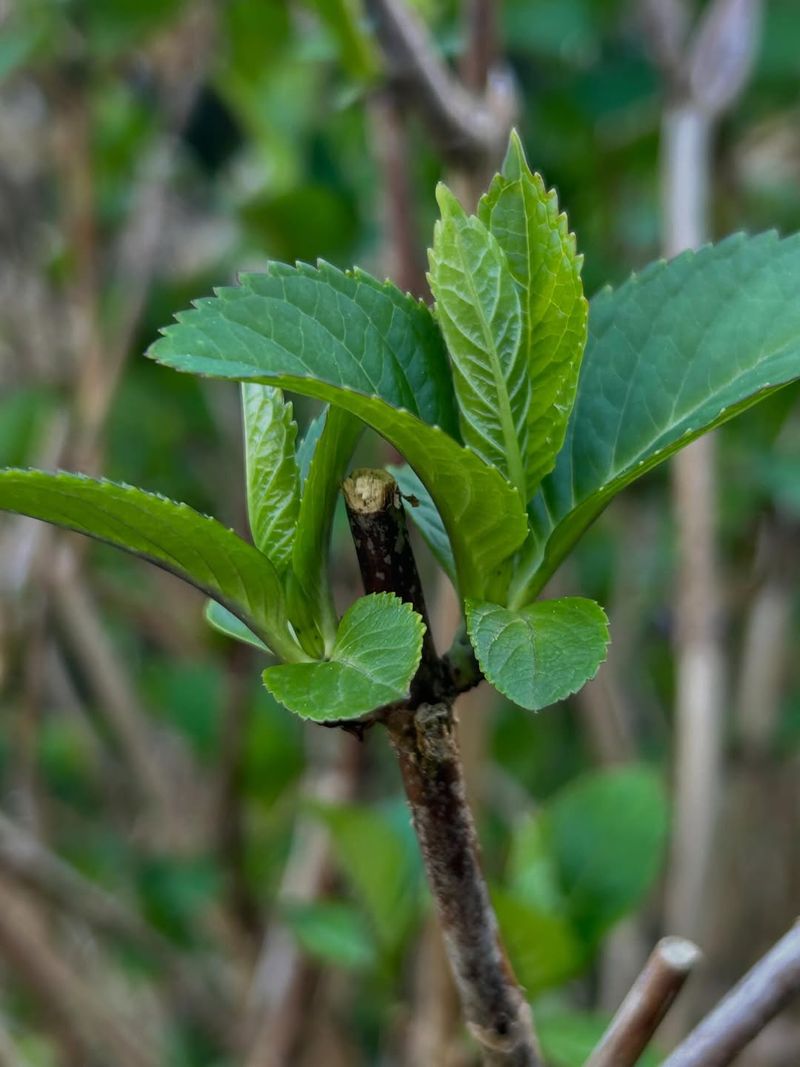
Not every bee digs into the ground. Many solitary bee species, including mason bees and leafcutter bees, prefer to nest inside hollow or pithy plant stems.
In Oregon, these bees are some of the most effective pollinators around, and they are quietly looking for a place to raise their young right in your backyard.
When you cut back your garden plants to the ground each fall, you remove a huge number of potential nesting spots. Leaving stems standing at least eight to twelve inches tall gives cavity-nesting bees the shelter they need.
Plants like black-eyed Susan, Joe Pye weed, and native sunflowers are especially useful because their stems have soft, pithy centers that bees can hollow out.
Oregon gardeners who have switched to leaving stems up through winter often report seeing more bee activity the following spring. It makes sense when you think about it.
A bee that successfully raised young in your garden last year is likely to return to the same area the next season. You are essentially building long-term relationships with your local pollinator community.
Bundled stem bunches hung near garden beds can also act as supplemental nesting sites. This small shift in how you manage your garden cleanup can have a surprisingly big ripple effect on the bee population in your neighborhood.
3. Leaf Litter Supports Ground-Nesting Species
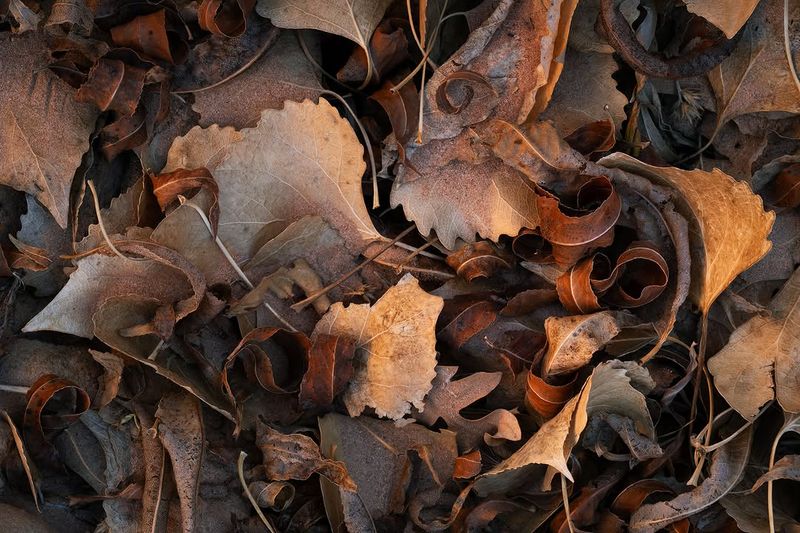
Fallen leaves are one of those garden features that most people rake up and throw away without a second thought. But for many native bee species in Oregon, leaf litter is not yard waste.
It is a critical part of their habitat and lifecycle.
Bumblebee queens, for example, often shelter under layers of leaves during cold months. Certain ground-nesting bee species use dried leaves to line their nest cells, protecting their eggs from moisture and temperature swings.
When all the leaf litter gets bagged up and hauled off, these bees lose both their shelter and their building materials in one sweep.
Leaving a layer of leaves under shrubs, along fence lines, or in garden corners is a simple habit that makes a real difference. You do not need to let leaves pile up everywhere.
Even a modest accumulation in a back corner of the yard can support multiple bee species throughout the year.
Across Oregon, the push for more natural yard management is growing, and leaf litter is becoming a symbol of that movement. Gardeners who embrace this approach often find that their soil health improves too, since decomposing leaves add organic matter and nutrients back into the ground.
It is a win for the bees and for the garden at the same time.
4. Continuous Bloom Matters More Than Neatness
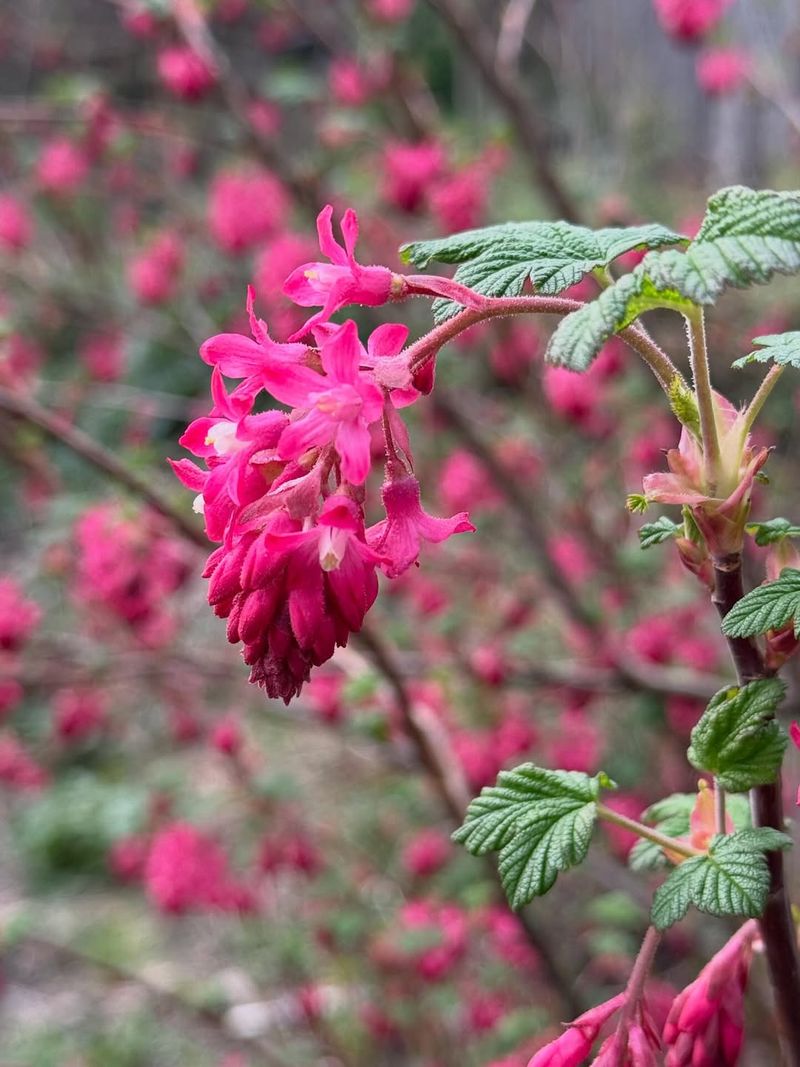
Walk into a perfectly manicured garden and you might find roses blooming beautifully in June, but nothing much before or after. Native bees in Oregon need food from early spring all the way through late fall, and a garden that only blooms for one season leaves a long hunger gap on either side.
Planting for continuous bloom means choosing plants that flower at different times throughout the year. Early bloomers like Oregon grape and red flowering currant feed bees that emerge when the weather is still cool.
Midsummer plants like camas and clarkia keep pollinators fueled during peak activity. Late-season flowers such as asters and goldenrod are critical for bees building up energy before cold weather arrives.
A garden focused on continuous bloom does not have to look chaotic, but it often ends up looking lush and layered rather than sparse and clipped. That slightly wild appearance is actually a sign that the garden is doing its job well.
Bees are not drawn to neat rows of matching annuals. They are drawn to abundance and variety.
Oregon gardeners who prioritize bloom succession often notice that their gardens buzz with activity from March through October. That steady presence of pollinators improves fruit set, seed production, and overall garden health.
Neatness is nice, but for native bees, a full pantry beats a tidy one every time.
5. Native Plants Match Local Bee Lifecycles
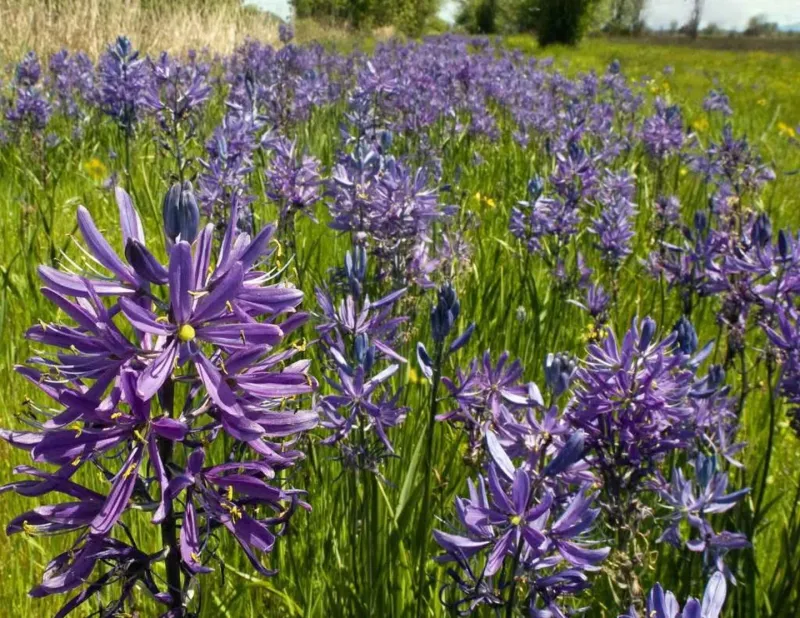
There is something almost perfectly timed about the relationship between Oregon’s native plants and the bees that evolved alongside them. Native wildflowers like camas, farewell-to-spring, and Oregon sunshine tend to bloom when many native bees are active.
They bloom because of it, shaped by thousands of years of shared history.
Non-native ornamental plants, no matter how beautiful, often lack the pollen and nectar chemistry that native bees rely on. Some exotic flowers have been bred for appearance rather than function, meaning they may look attractive but offer little nutritional value to pollinators.
Oregon’s native bees have bodies, mouthparts, and foraging behaviors specifically adapted to work with local plant species.
Swapping even a few ornamental plants for native species can make a noticeable difference. Oregon State University Extension recommends plants like phacelia, native penstemons, and blue-eyed grass for attracting a wide range of local bee species.
These plants tend to be lower maintenance too, since they are already suited to Oregon’s rainfall patterns and soil types.
Gardeners across the Willamette Valley and beyond are rediscovering the value of planting locally. When your garden reflects the natural plant communities of your region, it becomes part of a larger ecological web that supports not just bees, but birds, butterflies, and beneficial insects of all kinds.
6. Pesticide-Free Spaces Keep Bees Active
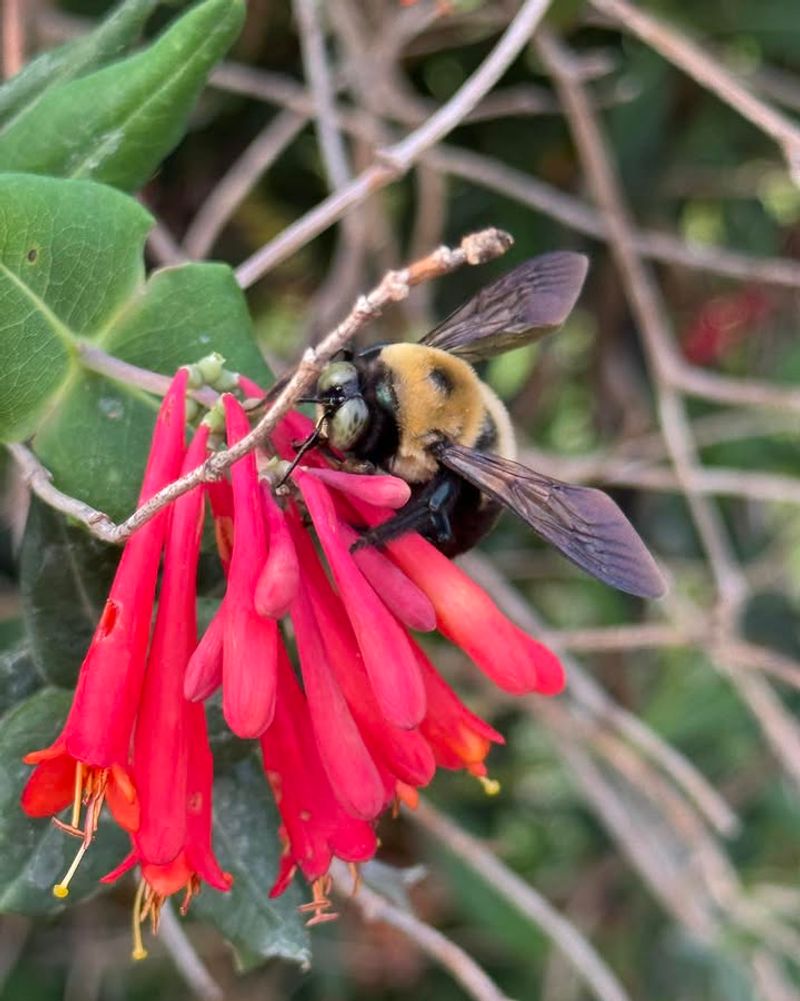
Spending an afternoon in a garden that smells like chemical spray is no one’s idea of a good time, and native bees feel the same way, only the stakes are much higher for them. Pesticides, even ones labeled as safe or organic, can interfere with a bee’s ability to navigate, forage, and reproduce.
Systemic pesticides are especially concerning because they get absorbed into every part of a treated plant, including the pollen and nectar. A bee visiting a treated flower can carry those chemicals back to the nest, where they affect developing larvae.
Even low-level exposure over time can weaken a colony or reduce reproductive success.
Choosing not to spray is one of the most direct ways Oregon gardeners can protect local bee populations. Many common garden pests can be managed through physical removal, companion planting, or simply tolerating a bit of leaf damage.
A garden with some chewed leaves is often a garden with a healthy, balanced ecosystem doing its own pest control.
Communities across Oregon are increasingly adopting pesticide-free yard pledges, and the results speak for themselves. Neighborhoods that reduce chemical use tend to see more pollinator activity within just a few seasons.
When bees feel safe foraging in your garden, they visit more often and more consistently, which means better pollination and a more productive growing season for everyone involved.
7. Diverse Plant Layers Improve Habitat Stability
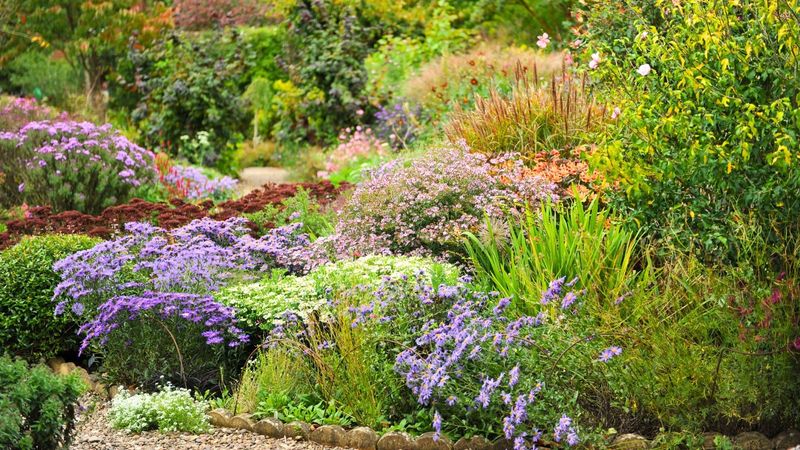
Imagine a garden where every vertical level, from ground cover to shrubs to tall trees, is doing something useful for local wildlife. That kind of layered planting is not just beautiful.
It is one of the most effective strategies for creating stable, year-round habitat for native bees in Oregon.
Different bee species forage and nest at different heights. Some prefer low-growing plants and nest close to the soil surface.
Others seek out shrub-level flowers and build nests in woody stems. A garden that only has one layer of planting, say, a flat lawn with a few flower beds, simply cannot support the full range of bee diversity that Oregon is known for.
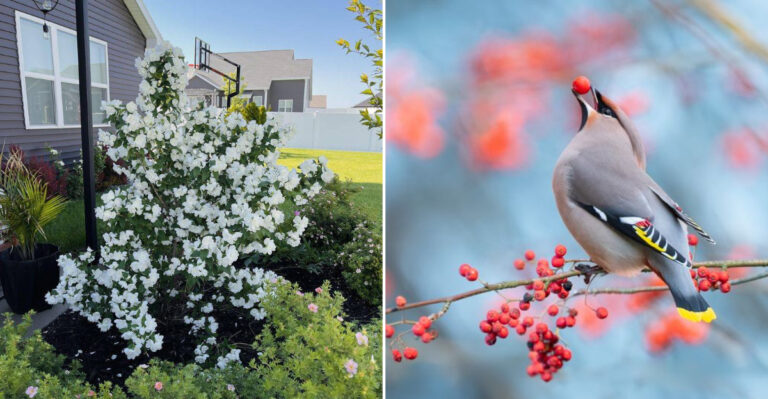
Adding layers does not require a large yard. Even a small urban garden in Portland or Eugene can incorporate a native shrub like oceanspray or mock orange alongside low-growing plants like wild strawberry and native sedges.
Each layer you add increases the number of species that can find food and shelter in your space.
Layered gardens also tend to be more resilient. When one plant has a bad year or gets hit by a late frost, other layers pick up the slack and keep pollinators fed.
That kind of built-in backup system is something a single-layer garden just cannot offer. Complexity, it turns out, is a feature and not a flaw when it comes to supporting native bees.
8. Leaving Debris Supports Overwintering Bees
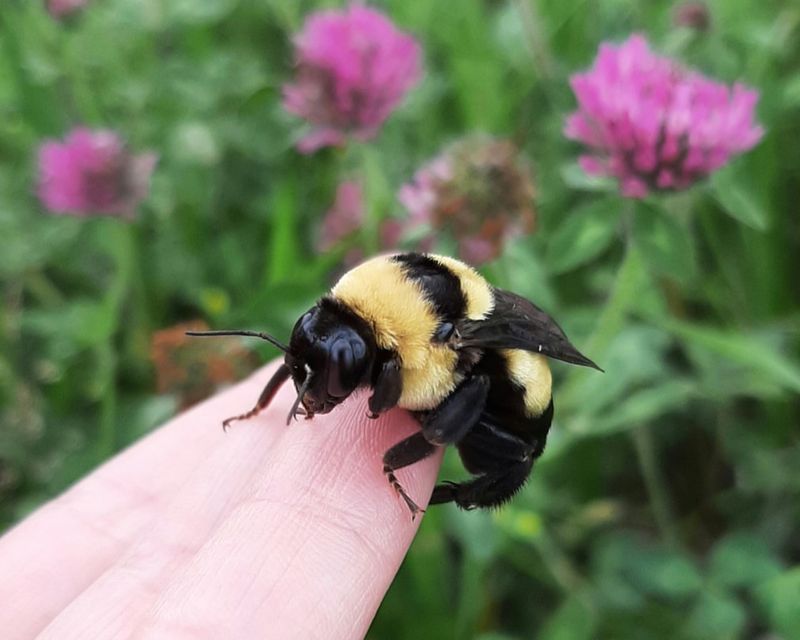
When the last flowers of fall fade and the urge to clean up the garden sets in, it is worth pausing before reaching for the rake. Beneath those dried stalks and leaf piles, Oregon’s native bees are quietly settling in for the cold months ahead, and disturbing that debris can have serious consequences for their survival.
Bumblebee queens spend the winter buried just beneath the soil surface or tucked under loose organic matter. Many solitary bee species overwinter as pupae inside hollow stems or seed heads.
These resting bees are not active or moving. They are simply waiting for spring temperatures to signal that it is safe to emerge.
A garden cleanup done too early or too thoroughly can remove the exact shelter these bees depend on. Experts at Oregon State University Extension suggest waiting until daytime temperatures are consistently above 50 degrees Fahrenheit before doing any major garden tidying in spring.
That small delay gives overwintering bees time to fully emerge before their shelter disappears.
Leaving debris in place through winter also benefits the soil and reduces erosion during Oregon’s rainy season. Decomposing plant material adds organic matter and feeds the microorganisms that keep garden soil healthy.
So the next time someone raises an eyebrow at your untrimmed garden beds, you can confidently say that the mess is intentional, and the bees are grateful for it.