Why Native Landscaping Is Replacing Lawns Across California
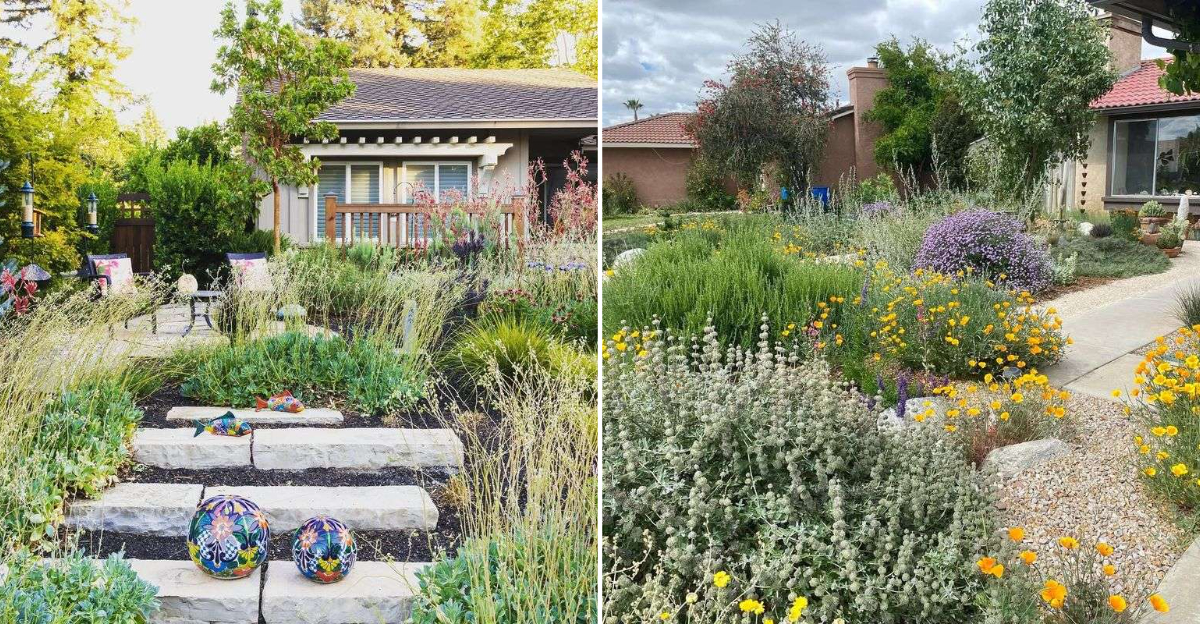
Across California, something exciting is happening in yards everywhere. Traditional green lawns that need constant watering and endless upkeep are starting to disappear, and in their place are bold, beautiful native landscapes that feel alive, grounded, and rooted in place.
This shift is not just about trends. It is about smarts, beauty, and making gardens that fit the land instead of fighting it.
Natives are naturally tuned to California’s rhythms. They handle dry spells and long sunny days with ease, and they reward gardeners with memorable blooms, textured foliage, and wildlife-friendly habitat.
Without the weekly drag of mowing, edging, and heavy watering, many homeowners find their gardens finally feel like something worth enjoying.
The transformation is catching on fast because it feels right on every level. It looks vibrant, it conserves precious resources, and it brings back a sense of connection to the place you live. Suddenly, gardens are becoming personal ecosystems, not patches of turf to maintain.
1. Water Savings Add Up Fast
When summer temperatures climb and water bills follow, the difference between a thirsty lawn and a native garden becomes crystal clear. Traditional grass lawns can guzzle up to 50 gallons of water per square foot each year, while native plants often need just a fraction of that once established.
The numbers tell a compelling story. Most California homeowners who switch from lawn to natives see their outdoor water use drop by 50 to 80 percent.
That’s not just good for the environment—it translates to hundreds of dollars saved annually on water bills, especially during drought years when rates climb.
Native plants evolved here over thousands of years, perfectly adapted to California’s dry summers and occasional winter rains. Their deep root systems reach moisture that shallow grass roots never touch.
After the first year or two, many natives survive entirely on rainfall in most parts of the state.
The beauty of this approach is that you’re not sacrificing a green, lively yard. You’re just choosing plants that don’t need constant irrigation to look their best.
During California’s long dry season, while lawns turn brown without daily watering, native gardens stay vibrant and healthy with minimal help from you.
2. Lower Maintenance, Less Work
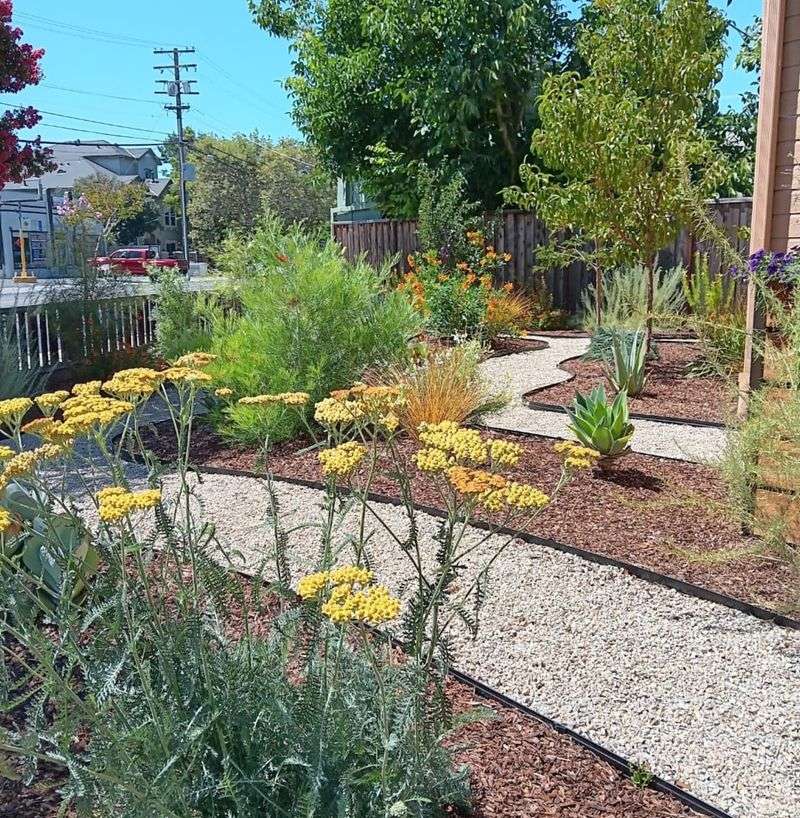
Saturday mornings without the roar of a lawn mower? That’s the reality for homeowners who’ve made the switch to natives.
The weekly mowing, edging, fertilizing, and aerating that lawns demand simply isn’t necessary with native landscaping.
California native plants are naturally adapted to our soils and climate, which means they don’t need the constant attention that non-native grass requires. You won’t spend hours every week pushing a mower in the heat or wrestling with a trimmer around sprinkler heads.
Most native gardens need pruning just once or twice a year, and many plants look better with minimal intervention.
The time savings extend beyond mowing. Natives don’t need regular fertilizing schedules or frequent reseeding of bare patches.
They’re not picky about soil amendments or pH levels the way turf grass can be. Once your plants are established, usually within two growing seasons, your main tasks are occasional weeding and light pruning.
For busy families or anyone who’d rather spend weekends enjoying their yard instead of maintaining it, this shift makes perfect sense.
The hours you once spent on lawn care can go toward actually relaxing in your outdoor space, and your yard still looks thoughtfully designed and cared for.
3. Better For Wildlife And Pollinators
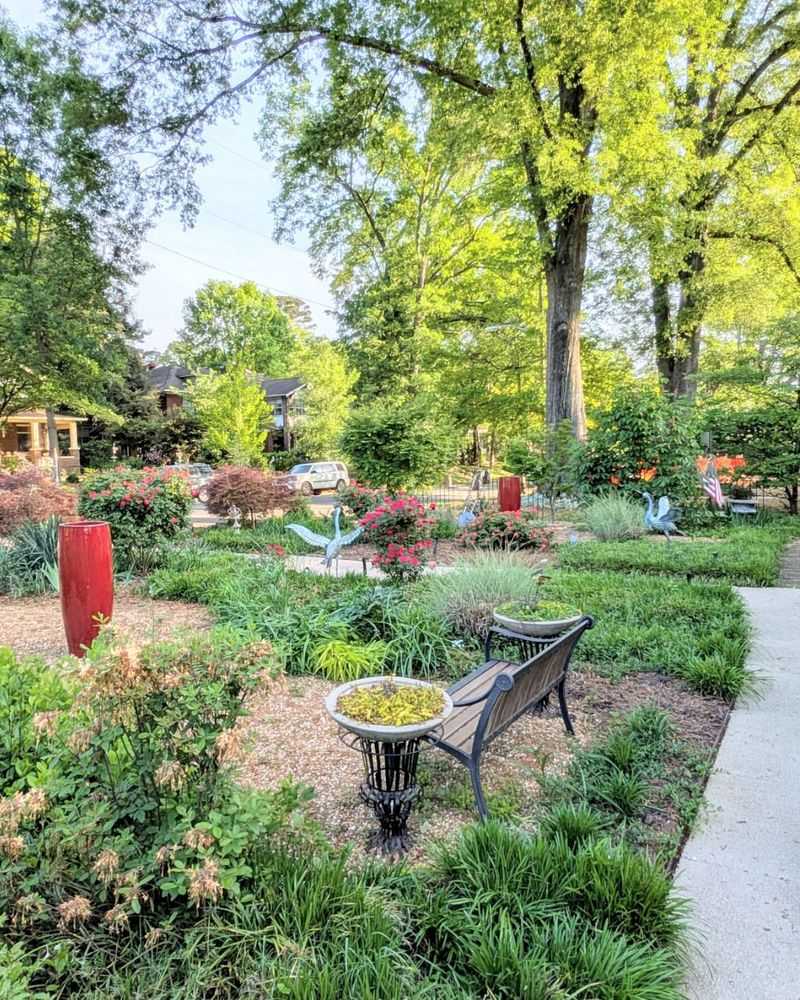
Stand quietly in a native garden during spring, and you’ll notice something remarkable—it’s alive with movement. Hummingbirds dart between blooms, native bees work the flowers, and butterflies drift through in ways you rarely see over a plain grass lawn.
Lawns are essentially biological deserts for local wildlife. They offer almost no food, shelter, or nesting sites for the creatures that make California ecosystems function.
Native plants, on the other hand, have evolved alongside local insects, birds, and other wildlife for millennia, creating relationships that benefit everyone.
California has lost significant habitat over the past century, and our native pollinators are struggling as a result. When you plant natives in your yard, you’re creating crucial stepping stones of habitat that help these populations survive.
Native bees, which are often more efficient pollinators than honeybees, depend on native plants for both nectar and pollen with the right nutritional balance.
The benefits ripple outward. More insects mean more food for birds, including species that eat garden pests.
Hummingbirds, which migrate through or live in California year-round, rely heavily on native flowers.
Even small native gardens contribute to larger wildlife corridors, helping species move and thrive across fragmented landscapes. Your yard becomes part of something bigger.
4. Handles Heat And Drought Naturally
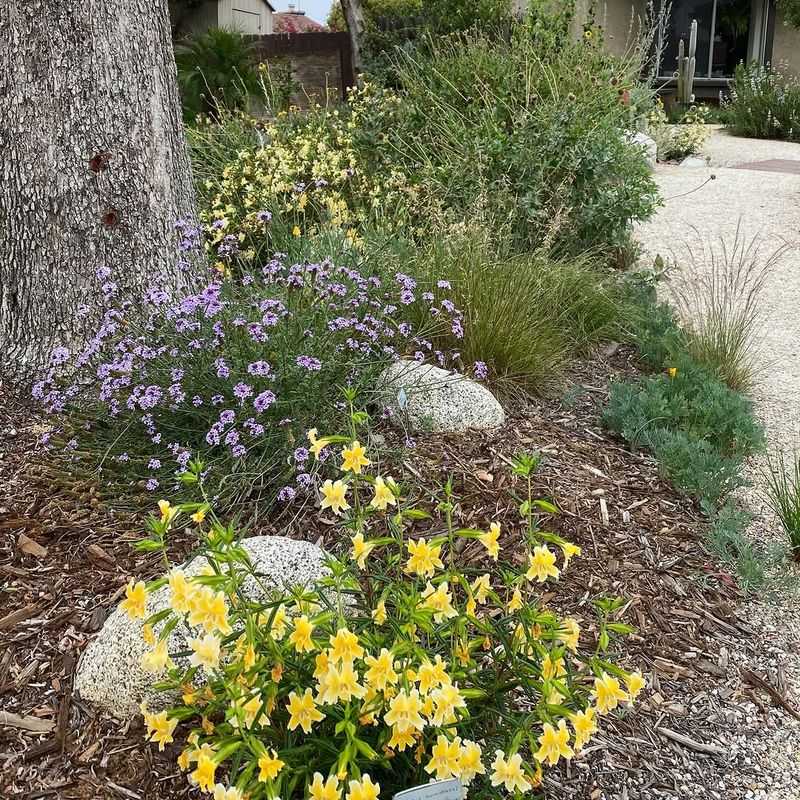
During those brutal September heat waves when inland temperatures push past 100 degrees, lawns either turn crispy brown or require constant watering to stay alive. Native plants, meanwhile, are built for exactly these conditions and keep right on growing.
California’s Mediterranean climate—with its hot, dry summers and mild, wet winters—is actually uncommon worldwide. Plants from other regions struggle here without significant help, but California natives thrive because this is their home.
They’ve developed strategies like deep roots, small or waxy leaves, and summer dormancy that help them survive months without rain.
This resilience matters more each year as heat waves become more intense and droughts more frequent. A lawn requires consistent moisture and starts declining quickly when water is restricted.
Native plants, once established, can handle extended dry periods without supplemental irrigation. Some even look their best during the heat of summer.
The practical advantage is huge. You’re not stuck choosing between a dead-looking yard and sky-high water bills during heat waves.
Your landscape stays functional and attractive through California’s toughest weather without the stress and expense of keeping grass alive.
And when temperatures soar, you’re not adding to the strain on local water supplies that everyone depends on.
5. Cuts Down On Chemicals
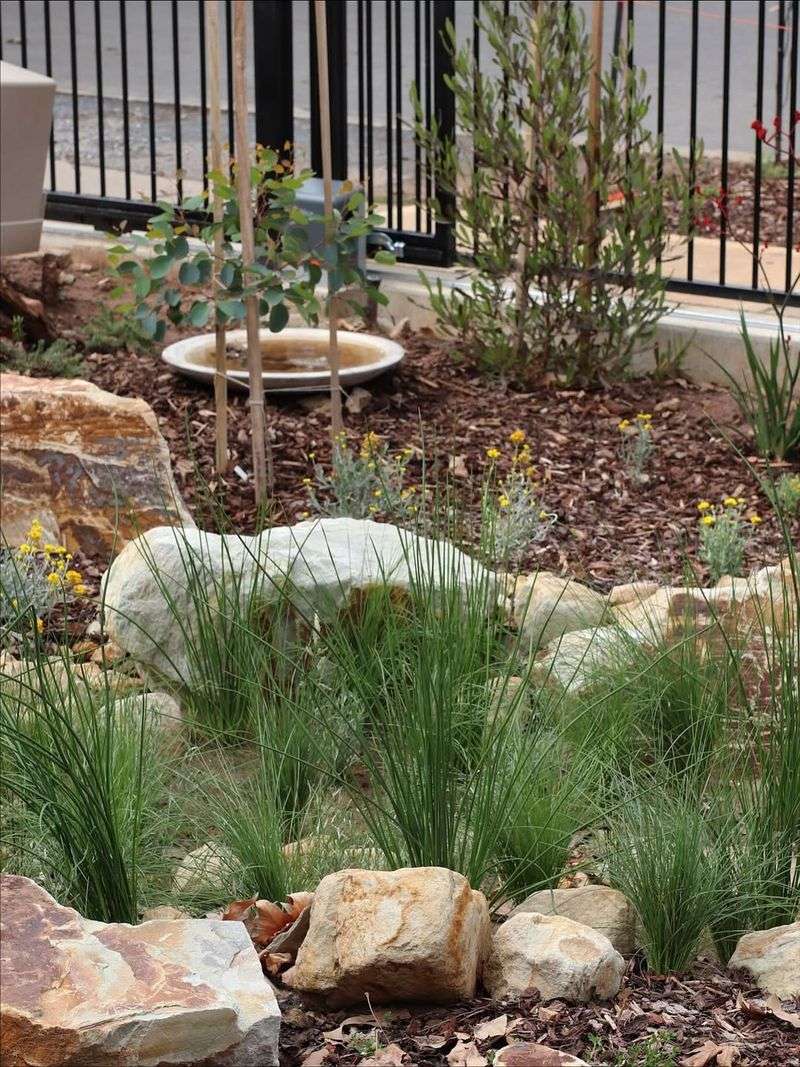
The typical American lawn receives more pesticides and fertilizers per acre than most agricultural land. That’s a startling reality that many homeowners don’t think about until they start questioning why their yard needs so many chemical applications to stay green.
Lawns are monocultures, which makes them vulnerable to pests and diseases that spread quickly through uniform plantings.
To combat this, lawn care often involves regular applications of herbicides to kill weeds, insecticides to control pests, and synthetic fertilizers to maintain that vivid green color.
These chemicals don’t just stay in your yard—they wash into storm drains, flow into local waterways, and can affect everything downstream.
Native plants flip this equation entirely. Because they evolved here, they have natural defenses against local pests and diseases.
They don’t need fertilizers because they’re adapted to California’s native soils. The diverse plantings in a native garden create a balanced ecosystem where beneficial insects keep pest populations in check naturally.
For families with children, pets, or concerns about chemical exposure, this difference matters deeply. You’re not walking barefoot across recently treated grass or worrying about what your dog is rolling in.
The garden becomes a genuinely safe outdoor space, and you’re not contributing to the chemical runoff that harms California’s already stressed waterways and wildlife.
6. Saves Money Over Time
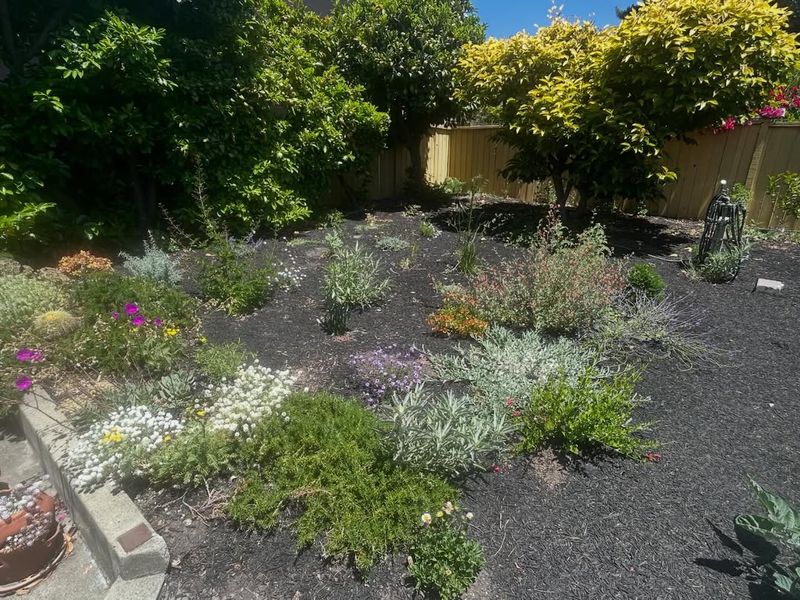
The initial investment in native landscaping can feel significant, but the long-term financial picture tells a different story. When you add up what traditional lawns actually cost over five or ten years, native gardens consistently come out ahead.
Start with water bills, which can account for 30 to 60 percent of total household water use in California homes with lawns. Cutting that by half or more means substantial savings every single year.
Then consider the ongoing costs of lawn maintenance—mower fuel or electricity, fertilizers, weed killers, pest treatments, and either your time or a landscaping service.
Lawn mowers and other equipment need replacement eventually, adding to the expense. Grass also needs periodic overseeding, soil amendments, and sometimes complete renovation when sections die off.
These costs accumulate quietly but significantly over the years.
Native gardens, after establishment, need minimal inputs. No fertilizers, far less water, no regular mowing, and fewer pest problems mean your maintenance costs drop dramatically.
Many California water districts offer rebates for lawn removal and native landscaping installation, which can offset a significant portion of your initial investment.
Some homeowners see their entire project paid back through water savings and rebates within just a few years, and they continue saving money every year after that.
7. Supports California Ecosystems
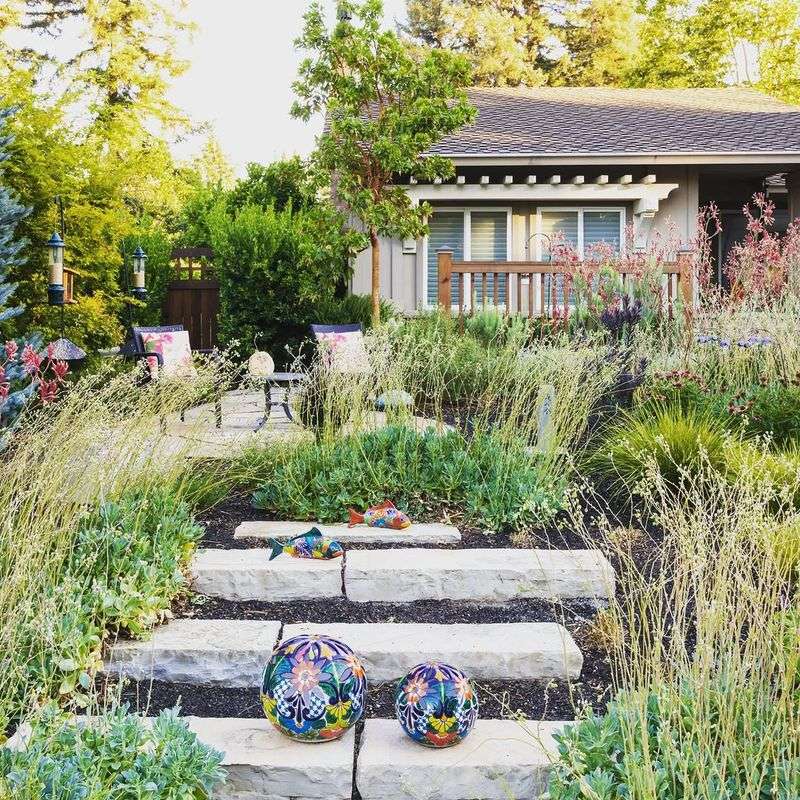
California is a biodiversity hotspot, home to more plant species than any other state and countless animals found nowhere else on Earth.
But development, agriculture, and invasive species have dramatically reduced the native habitats these species depend on, and residential landscaping plays a bigger role in this story than most people realize.
When you plant natives, you’re actively participating in habitat restoration, even in a small urban or suburban yard. Native plants provide the specific food sources and shelter that California’s wildlife evolved to use.
A single native oak, for example, can support hundreds of insect species, which in turn feed birds and other animals. Non-native ornamentals simply don’t offer the same ecological value.
This matters because residential yards collectively represent millions of acres across California. If even a fraction of that space shifts toward native plants, the cumulative impact on local ecosystems becomes substantial.
You’re helping preserve genetic diversity in native plant populations and creating refuges for struggling species.
The connection runs deeper than just wildlife. Healthy native plant communities improve soil health, reduce erosion, and help manage stormwater naturally.
They’re part of the ecological infrastructure that keeps California’s environment functioning.
Your landscaping choices ripple outward, contributing to the health of watersheds, air quality, and the broader natural systems that support all life here.
8. Beautiful In Every Season
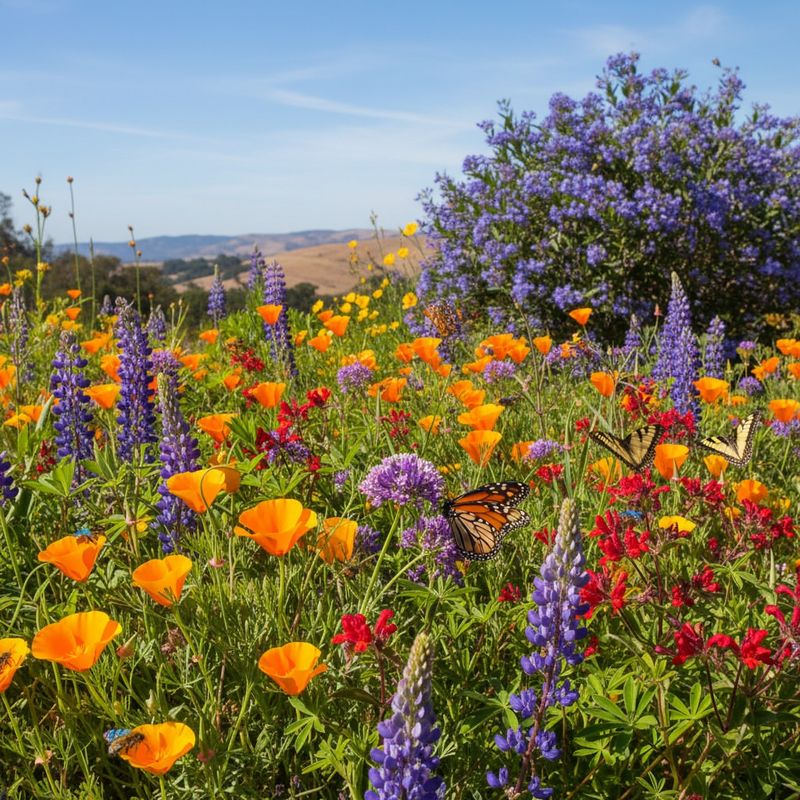
There’s a common misconception that native gardens look wild or unkempt, but well-designed native landscapes offer beauty that changes and evolves throughout the year in ways a static green lawn never can. You get layers of interest that shift with the seasons.
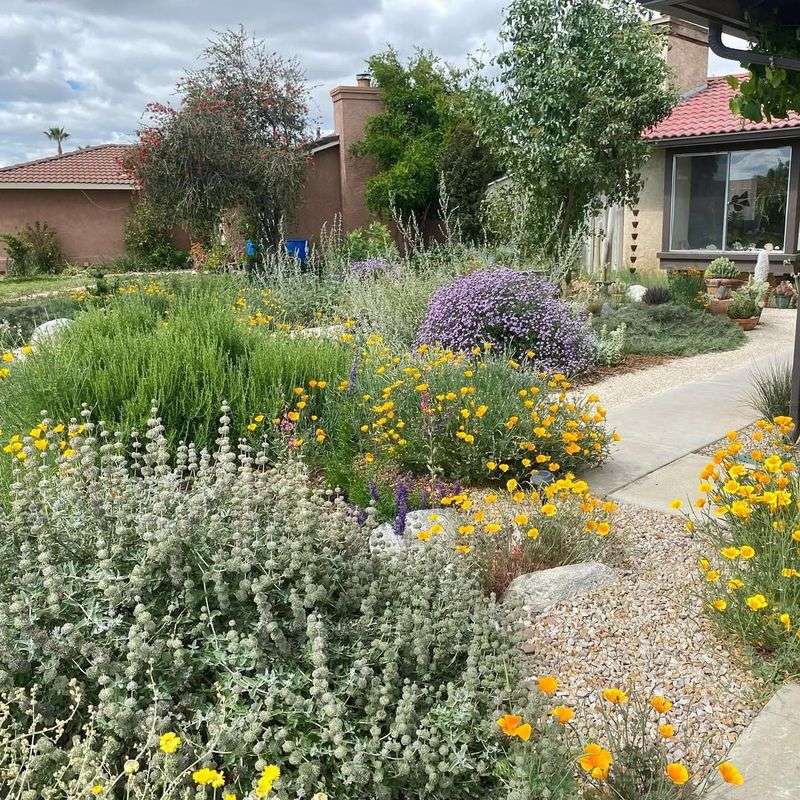
Spring brings an explosion of wildflower color—California poppies, lupines, and penstemons lighting up the garden with vibrant oranges, purples, and reds. Native salvias bloom for months, attracting hummingbirds and adding vertical interest.
By summer, many natives show off their architectural forms and silvery foliage that actually looks better in the heat and sun.
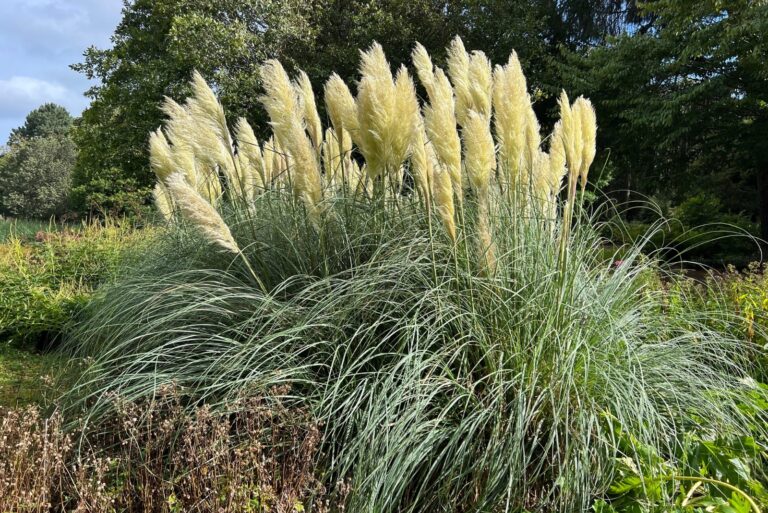
Fall offers warm tones as native grasses turn golden and seed heads catch the low afternoon light. Even winter has its charm, with evergreen natives providing structure and some species blooming when almost nothing else does.
The garden never looks dead or dormant the way a brown winter lawn does.
This seasonal variation creates a dynamic landscape that rewards attention and connects you to California’s natural rhythms. Your yard becomes more interesting to look at, not less.
With thoughtful plant selection and design, native gardens can be just as polished and intentional as any traditional landscape.
They simply use a different, more regionally appropriate palette that offers visual interest year-round while requiring far less effort to maintain.