Why New Jersey Encourages Homeowners To Switch To Native Plant Lawns
New Jersey neighborhoods are beginning to look a little greener in a whole new way as more homeowners trade traditional turf for native plant lawns.
The shift springs from a simple idea: plants that already call the region home know how to handle its rhythms.
Native grasses and flowers roll with summer heat, bounce back after storms, and stay lively without asking for constant watering or chemical help.
Their deep roots steady the soil, support local wildlife, and brighten yards with textures and colors that feel true to the landscape.
Many communities now celebrate these lawns as a smart step toward healthier neighborhoods, cleaner waterways, and gardens that work with nature instead of against it.
As interest grows, native plant lawns are proving that a yard can be low-maintenance, beautiful, and beneficial all at once.
This fresh approach gives New Jersey homeowners a chance to lighten their workload and strengthen the environment with a single choice.
1. Native Plants Require Far Less Water Than Traditional Grass
Water conservation has become a pressing concern throughout New Jersey, especially during summer months when drought conditions can strain municipal water supplies.
Native plants evolved over thousands of years to thrive in the Garden State’s specific climate and rainfall patterns, which means they don’t need constant watering like Kentucky bluegrass or other common lawn varieties.
Once established, native species develop deep root systems that reach moisture far below the surface.
These roots can extend several feet into the ground, accessing water that shallow grass roots simply cannot reach.
Homeowners who switch to native plantings often see their outdoor water usage drop by fifty percent or more, leading to significantly lower utility bills throughout the growing season.
New Jersey municipalities face increasing pressure to manage water resources wisely, and they recognize that residential irrigation accounts for a huge portion of summer water consumption.
By encouraging native plant lawns, local governments help reduce the strain on water treatment facilities and distribution systems.
Many towns now offer rebates or incentives specifically for residents who remove water-hungry grass and replace it with drought-tolerant native species.
The financial savings add up quickly when you consider that a typical grass lawn might need an inch of water per week during dry periods.
Native gardens practically take care of themselves after the first year, thriving on rainfall alone in most cases.
2. They Provide Critical Habitat For Pollinators And Wildlife
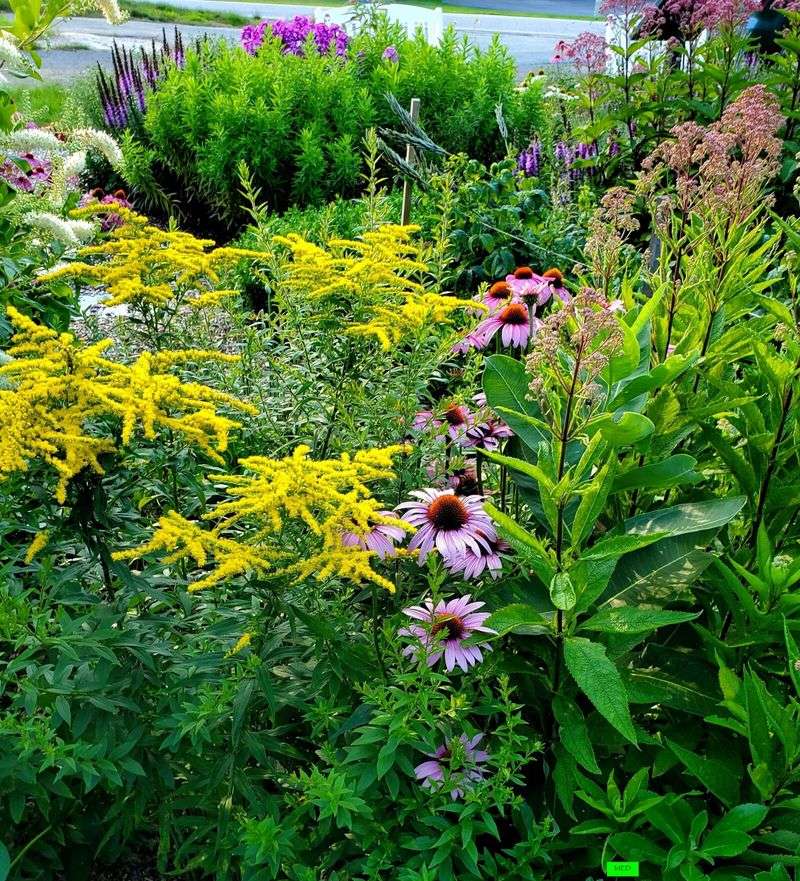
Butterflies, bees, and other pollinators face serious challenges across the United States, with habitat loss being one of the biggest threats to their survival.
Traditional grass lawns offer almost nothing to these essential creatures—no nectar, no shelter, and no places to reproduce.
Native plants, however, create miniature wildlife sanctuaries right in residential neighborhoods throughout New Jersey.
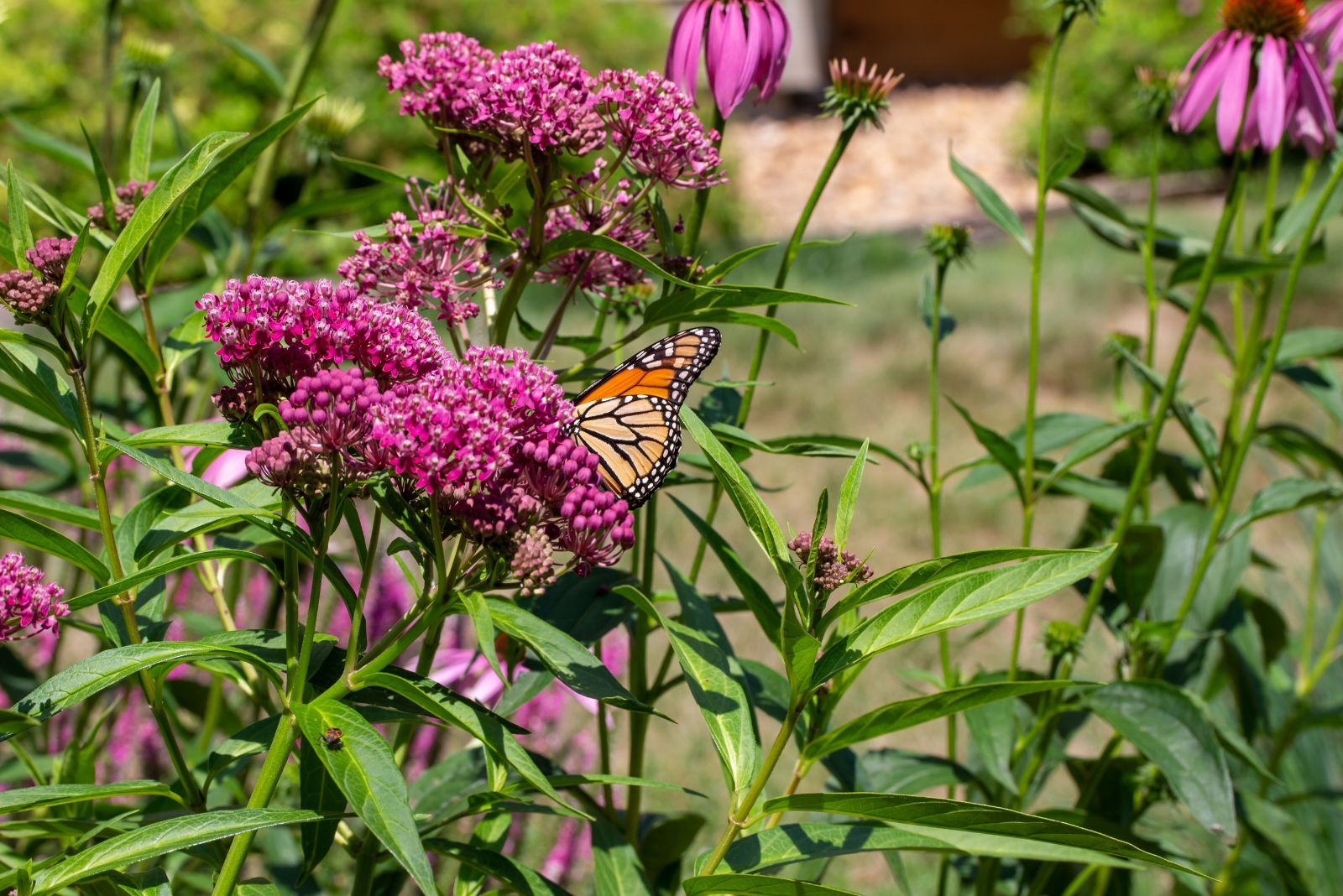
Species like milkweed support monarch butterflies, while native asters and goldenrods feed dozens of bee species that have co-evolved with these plants over millennia.
Birds also benefit tremendously from native landscaping because the insects attracted to these plants provide crucial protein for baby birds during nesting season.
Research shows that native plants support far more caterpillar species than non-native ornamentals, and caterpillars are what songbirds need to raise healthy chicks.
New Jersey’s Department of Environmental Protection recognizes that creating connected corridors of native habitat helps wildlife move safely between larger preserved areas.
When individual homeowners plant native species, they contribute to a living network that supports biodiversity across entire regions.
Even small yards make a difference when they’re planted with the right species.
State programs now educate residents about which native plants attract specific pollinators, making it easy for anyone to create a backyard that buzzes with life.
The ecological impact extends far beyond property lines, strengthening entire ecosystems throughout the Garden State.
3. Native Lawns Dramatically Reduce Chemical Use And Pollution
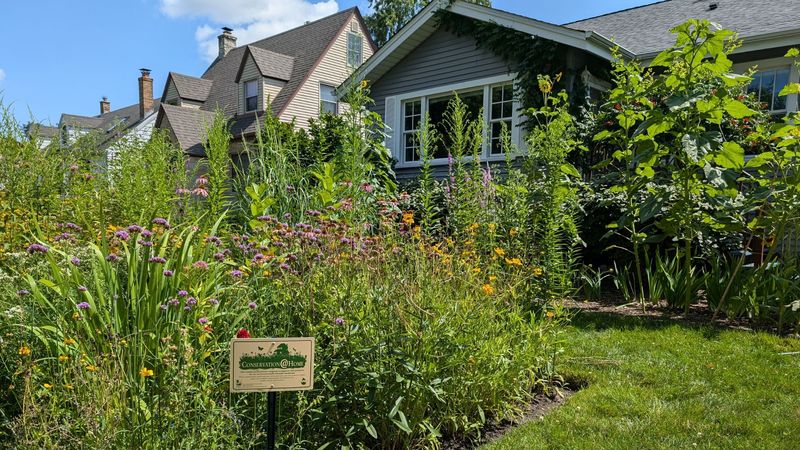
Americans apply millions of pounds of pesticides and synthetic fertilizers to residential lawns every year, and a significant portion of those chemicals eventually wash into streams, rivers, and groundwater.
New Jersey’s waterways have struggled with pollution for decades, and lawn chemicals contribute to problems like algae blooms and contaminated drinking water sources.
Native plants eliminate the need for these harmful substances because they’ve adapted to local soil conditions and developed natural defenses against regional pests.
Unlike pampered grass that requires regular fertilizer applications to stay green, native species thrive in ordinary New Jersey soil without any chemical assistance.
They’ve spent thousands of years developing relationships with local insects and microorganisms, creating balanced mini-ecosystems that regulate themselves naturally.
Homeowners who switch to native plantings immediately reduce their environmental footprint by eliminating routine pesticide and herbicide applications.
This change benefits not just their own property but also neighboring yards, nearby waterways, and the broader ecosystem.
Children and pets can play safely in native gardens without exposure to potentially harmful lawn chemicals.
New Jersey environmental agencies actively promote this benefit because reducing chemical runoff helps the state meet water quality goals and protect sensitive ecosystems like the Pine Barrens and coastal estuaries.
Many municipalities have even restricted certain lawn chemicals, making native alternatives increasingly attractive.
The shift away from chemical-dependent lawns represents a significant step toward cleaner water and healthier communities throughout the Garden State.
4. Maintenance Requirements Drop Significantly With Native Species
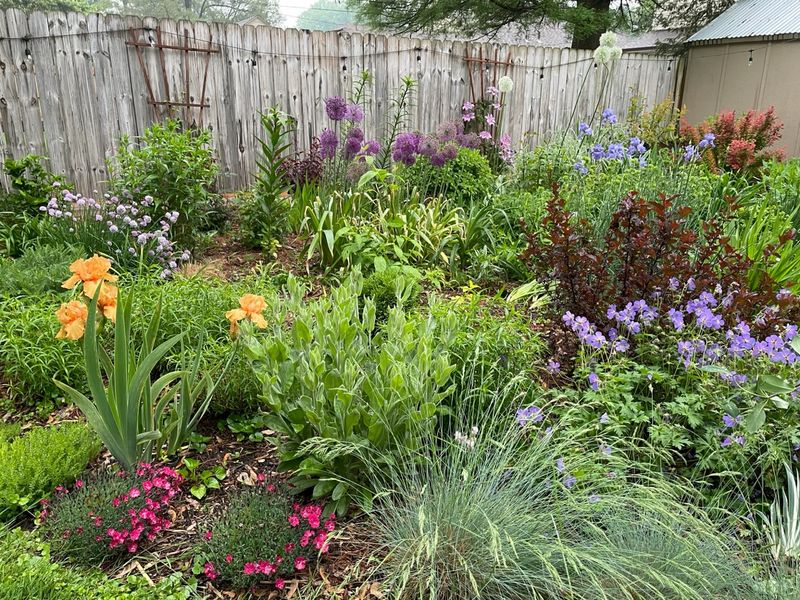
Weekend after weekend, countless New Jersey residents spend hours mowing, edging, and maintaining traditional grass lawns.
This routine consumes not just time but also money spent on gasoline, equipment maintenance, and professional lawn services.
Native plant lawns flip this script entirely, requiring only occasional maintenance once established.
Most native meadow plantings need cutting just once per year, typically in late winter or early spring before new growth emerges.
Some homeowners prefer to leave their native gardens standing through winter, providing seeds for birds and shelter for beneficial insects.
Compare this to grass lawns that might need mowing twenty-five or thirty times each growing season, and the time savings become obvious.
Gas-powered lawn equipment also contributes significantly to air pollution, with a single mower producing as much pollution per hour as several cars.
By reducing or eliminating the need for weekly mowing, native lawns help New Jersey improve air quality and reduce greenhouse gas emissions.
The state’s environmental goals include cutting emissions from all sources, and residential landscaping represents a surprisingly large opportunity.
Homeowners appreciate the freedom that low-maintenance native gardens provide.
Instead of being tied to a weekly mowing schedule, they can spend summer weekends enjoying their yards rather than laboring over them.
Many New Jersey towns now recognize this benefit and have updated ordinances to allow native plantings that might grow taller than traditional grass.
5. Climate Resilience Improves With Deep-Rooted Native Plants
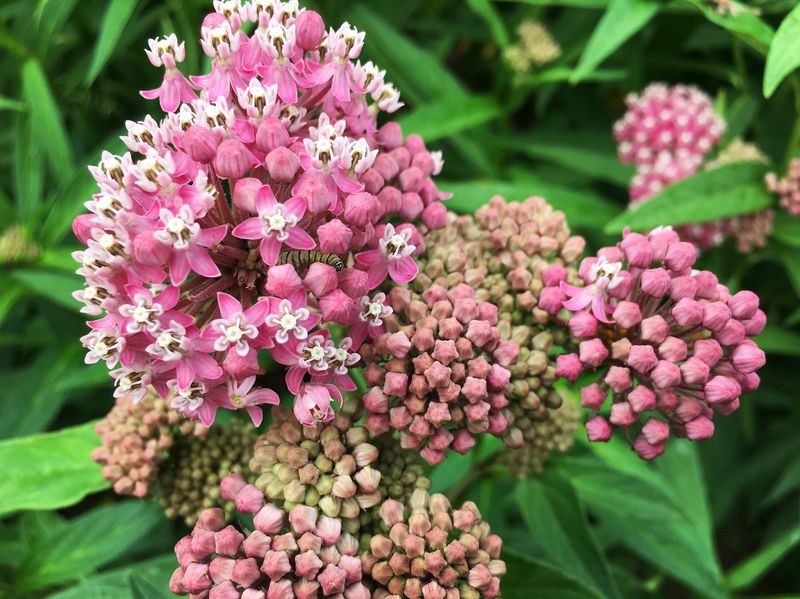
Extreme weather events have become more frequent in New Jersey, from intense rainstorms that cause flooding to heat waves and dry spells that stress traditional landscapes.
Native plants offer remarkable resilience in the face of these challenges because they evolved to handle the full range of conditions the region naturally experiences.
The deep root systems of native species create natural infrastructure that helps manage stormwater.
When heavy rains fall, these roots create channels in the soil that allow water to soak in rather than running off into storm drains and causing flooding.
A native lawn can absorb several times more water than compacted grass turf, helping to prevent basement flooding and reduce strain on municipal drainage systems.
During hot, dry periods, those same deep roots keep plants healthy without irrigation.
While grass lawns turn brown and go dormant during droughts, many native species continue blooming and supporting wildlife.
This resilience becomes increasingly valuable as New Jersey experiences more variable weather patterns related to climate change.
State agencies recognize that widespread adoption of native landscaping can help communities adapt to climate challenges.
Rain gardens featuring native plants now receive special support through state programs because they address both flooding and water quality issues.
Homeowners throughout New Jersey are discovering that native lawns simply handle weather extremes better than traditional alternatives, requiring less intervention and bouncing back faster after storms or dry spells.
6. Property Values And Curb Appeal Benefit From Native Landscaping
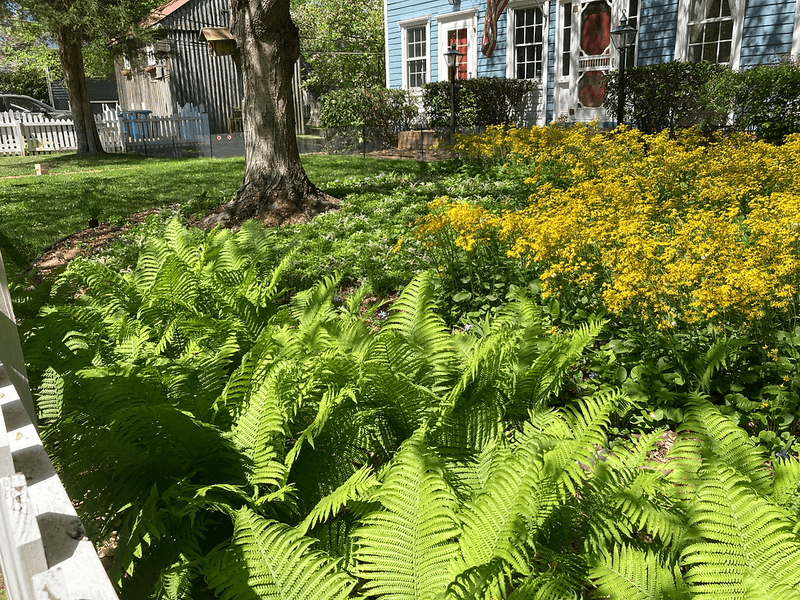
Skeptics sometimes worry that replacing grass with native plants might make their property look unkempt or reduce home values.
Reality tells a different story, especially in New Jersey where environmental awareness runs high and distinctive landscaping stands out in competitive real estate markets.
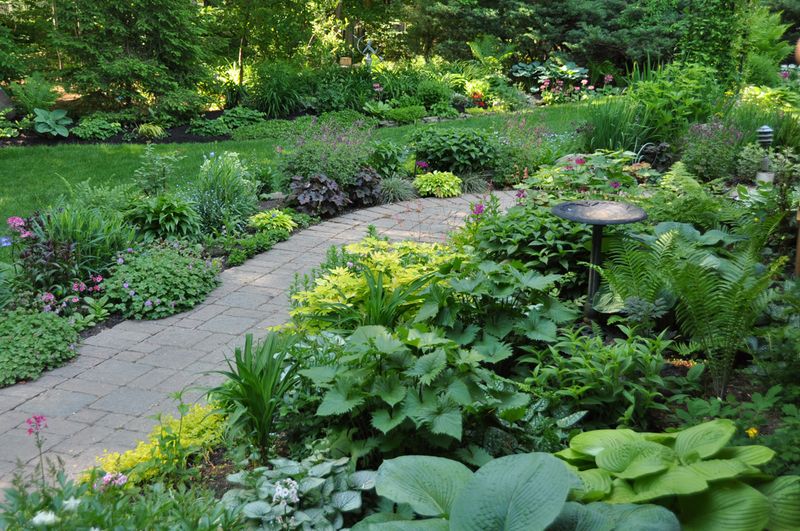
Well-designed native gardens create stunning visual interest throughout the seasons, with different species blooming from early spring through late fall.
This extended color display far surpasses the monotonous green of traditional grass lawns.
Purple coneflowers, black-eyed Susans, blazing star, and dozens of other native species create dynamic, ever-changing landscapes that catch eyes and spark conversations.
Real estate professionals increasingly note that thoughtfully designed native gardens appeal to environmentally conscious buyers, who represent a growing market segment.
Properties with established native landscaping demonstrate reduced maintenance costs and environmental benefits that savvy buyers appreciate.
Many New Jersey communities now celebrate native gardens through awards programs and garden tours, raising awareness and social acceptance.
The key lies in intentional design rather than simply letting a yard go wild.
Working with native plant specialists or following design principles creates attractive, organized spaces that clearly show care and intention.
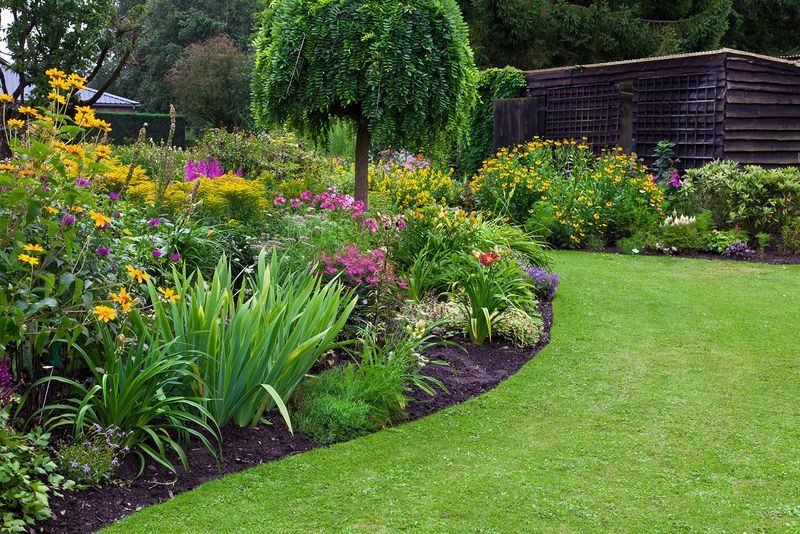
Defined edges, mulched pathways, and groupings of complementary species create polished looks that satisfy neighborhood standards while providing ecological benefits.
As more New Jersey homeowners embrace native landscaping, it becomes increasingly mainstream and valued throughout the Garden State’s diverse communities.
7. State Incentives And Programs Make Switching Affordable And Easy
New Jersey doesn’t just encourage native plant lawns through education, the state backs up its enthusiasm with real financial support and practical assistance.
Multiple programs exist to help homeowners offset the initial costs of transitioning from grass to native landscapes, making the switch accessible to residents across different income levels.
County soil conservation districts throughout New Jersey offer technical assistance, helping homeowners select appropriate native species for their specific site conditions.
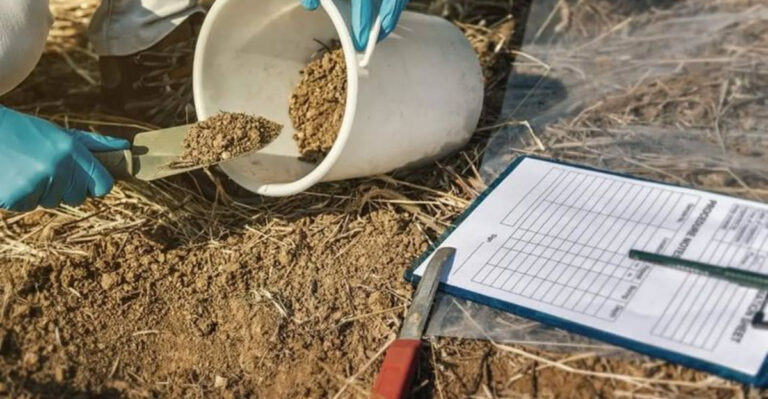
These experts consider factors like sun exposure, soil type, and moisture levels to recommend plants that will thrive with minimal care.
Many districts also provide cost-share programs that reimburse a portion of expenses for native plantings.
Some municipalities offer direct rebates for removing grass and installing native gardens, particularly for rain gardens that help manage stormwater.
These programs recognize that private landscaping choices deliver public benefits by reducing flooding, improving water quality, and supporting wildlife.
Application processes have become increasingly streamlined, making it easier for interested homeowners to access available funding.
Educational workshops, demonstration gardens, and online resources help New Jersey residents feel confident about making the transition.
The state’s commitment extends beyond financial incentives to include the knowledge and support that ensure success.
This comprehensive approach removes barriers that might otherwise prevent homeowners from trying something new, accelerating the adoption of native landscaping throughout the Garden State and multiplying the environmental benefits these gardens provide.