Why New Jersey Yards Are Seeing More House Finches This Winter
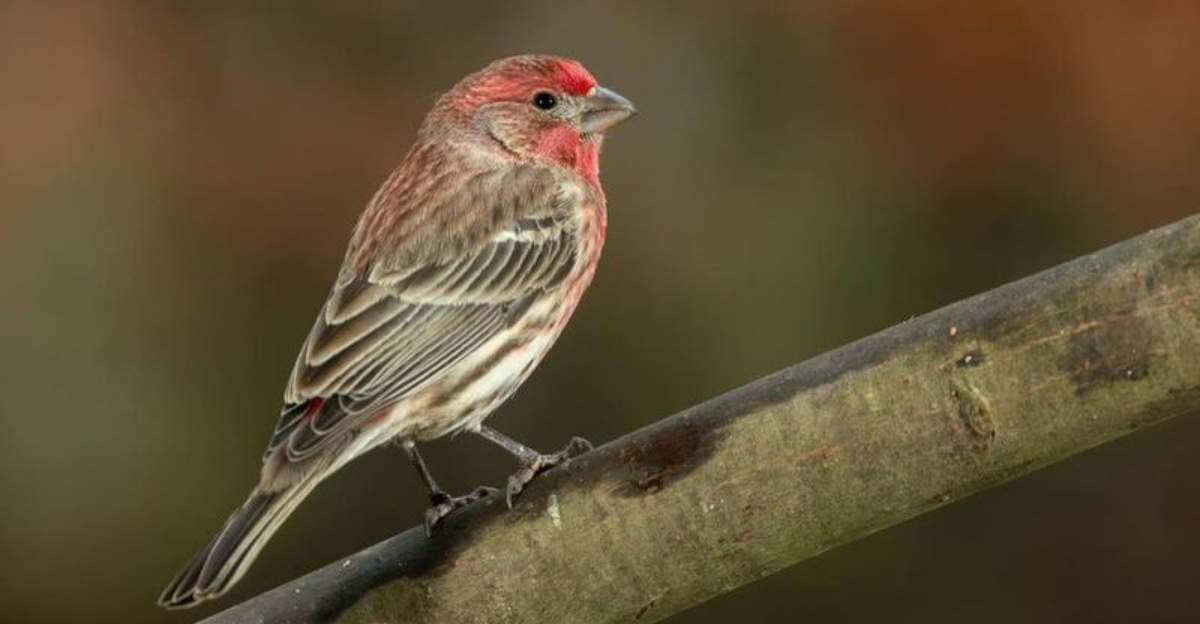
New Jersey yards are seeing a burst of activity this winter, and house finches are a big part of it.
These lively birds arrive in small flocks, hopping between feeders and branches and adding motion to otherwise quiet days.
What feels like a sudden increase is winter pushing birds toward reliable food and shelter.
Cold temperatures and snow limit natural food sources.
Seeds disappear, insects vanish, and foraging becomes harder.
House finches adjust by staying close to backyard feeders that offer easy meals and protection from the elements.
Once they find a yard that meets their needs, they return often and bring others along.
Because house finches are social, one well-stocked yard can quickly turn into a popular gathering spot.
For New Jersey homeowners, this brings steady movement and soft chatter during the colder months.
Their presence adds life to winter landscapes and shows how small changes in conditions can shape where birds choose to spend the season.
1. Milder Winter Temperatures In New Jersey
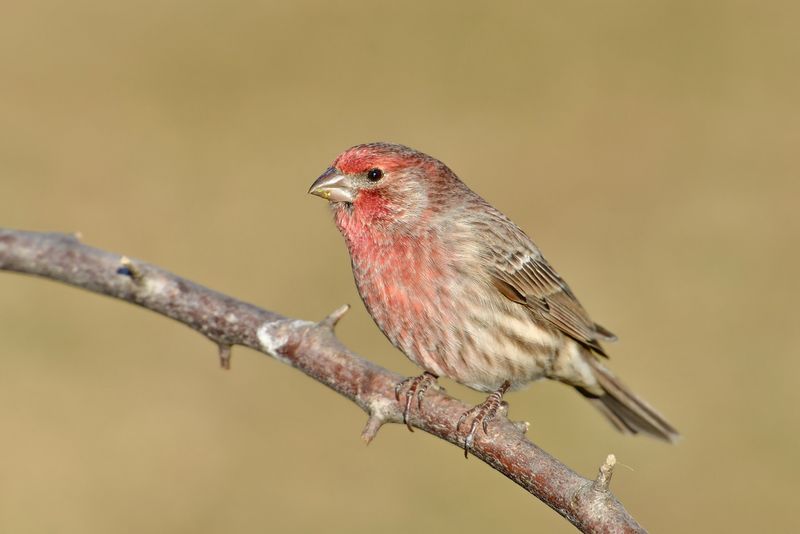
Winter weather in New Jersey has been unusually gentle this year, and house finches are definitely taking advantage of it.
When temperatures stay above freezing more often, these small birds don’t need to fly south searching for warmer climates.
Instead, they stick around and make themselves comfortable in suburban yards where food and shelter are plentiful.
House finches are surprisingly adaptable creatures.
Unlike some bird species that require specific conditions to survive, they can handle a range of temperatures as long as they have access to food and water.
Milder winters mean less energy spent staying warm, so the birds can focus on eating and socializing instead.
New Jersey’s recent weather patterns have created an ideal environment for these feathered friends.
Snowfall has been lighter, and freezing rain hasn’t been as common, making it easier for house finches to find seeds and visit feeders.
When natural food sources aren’t buried under ice or snow, birds have less reason to migrate elsewhere.
Homeowners across the state have noticed flocks gathering near their windows and porches.
The combination of accessible food and comfortable temperatures keeps house finches happy and healthy throughout the season.
As long as New Jersey winters remain relatively mild, expect to see even more of these colorful visitors sticking around your yard well into spring.
2. Abundant Backyard Bird Feeders
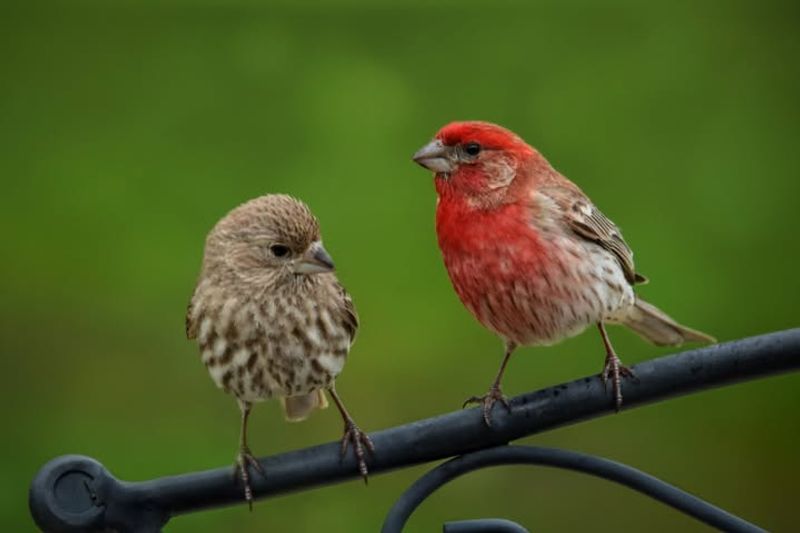
Bird feeding has become incredibly popular in New Jersey neighborhoods, and house finches couldn’t be happier about it.
Every block seems to have at least a few homes with feeders hanging from trees, porches, or poles.
This widespread availability of food creates a buffet-style environment that attracts house finches from all around the area.
These birds aren’t picky eaters, which works perfectly with the variety of seeds people put out.
Sunflower seeds, nyjer seeds, and mixed birdseed blends all appeal to their taste.
House finches will happily munch away at tube feeders, platform feeders, and even ground-scattered seeds, making them easy guests to please.
More feeders mean more opportunities for house finches to find reliable food sources throughout New Jersey.
When one feeder runs empty, they simply fly to the next yard where another generous homeowner has set up a dining station.
This network of feeding spots across neighborhoods creates a safe and predictable environment for winter survival.
Watching these cheerful birds gather at feeders has become a favorite pastime for many Garden State residents.
Families enjoy observing the social behavior of house finches as they take turns eating and chattering with each other.
The popularity of backyard bird feeding shows no signs of slowing down, which means house finches will continue finding New Jersey yards to be welcoming and nourishing places to spend their winter months.
3. Increase In Native Plant Gardens
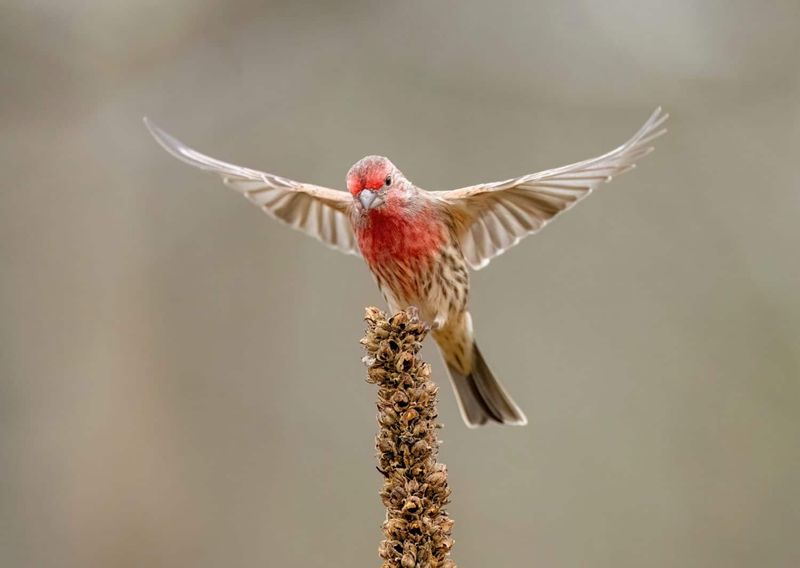
Gardening trends have shifted dramatically in recent years, and house finches are reaping the benefits.
More New Jersey homeowners are planting native species that produce seeds and berries throughout the colder months.
Coneflowers, black-eyed Susans, and native grasses provide natural food sources that house finches absolutely love.
Native plants require less maintenance than traditional ornamental gardens, which makes them attractive to busy homeowners.
They’re also better suited to New Jersey’s climate and soil conditions, meaning they thrive with minimal intervention.
When these plants go to seed in fall and winter, they become outdoor pantries for hungry birds looking for nutrition.
House finches have excellent memories and will return to yards where they’ve found good food before.
A garden full of seed-bearing native plants acts like a magnet, drawing these birds back season after season.
Unlike feeders that need constant refilling, native plants offer a self-sustaining food source that lasts for months.
Environmental awareness has played a big role in this gardening shift across New Jersey.
People want to support local wildlife while reducing their environmental footprint, and native plant gardens accomplish both goals beautifully.
As more yards transition away from sterile lawns toward diverse plantings, house finches find more reasons to visit and stay throughout winter, creating vibrant pockets of activity in neighborhoods from Bergen County down to Cape May.
4. Reduced Migration Pressure
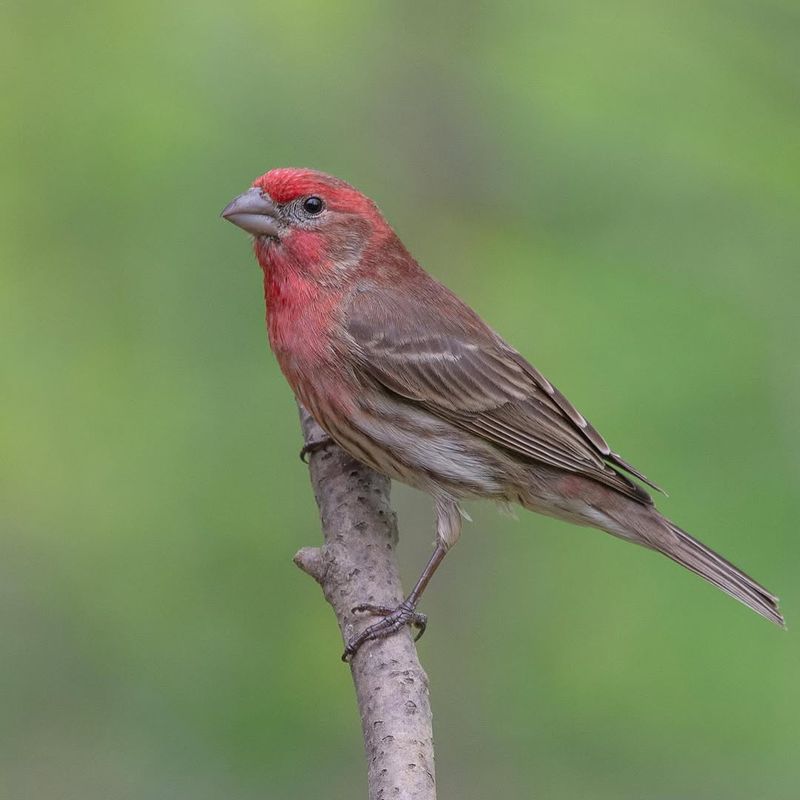
Something interesting has happened with house finch migration patterns over the past few decades.
These birds originally came from the western United States but were introduced to the East Coast in the 1940s.
Since then, they’ve adapted remarkably well to life in places like New Jersey, and many populations have become year-round residents rather than seasonal visitors.
Scientists have observed that house finches don’t feel the same urge to migrate that other bird species experience.
When food and shelter are readily available, they simply don’t need to travel hundreds of miles seeking better conditions.
New Jersey’s suburban landscape provides everything these adaptable birds require, even during the coldest months.
Climate change has also influenced migration behaviors across many bird species.
Warmer average temperatures mean that traditional migration routes and timing have shifted.
For house finches, this means less biological pressure to head south when winter approaches, especially when New Jersey yards offer abundant resources.
Birdwatchers throughout the Garden State have noticed this trend over the years.
Flocks that might have moved on to warmer areas in the past now stick around through February and March.
This change benefits both the birds and the people who enjoy watching them, creating opportunities for winter bird observation that weren’t as common a generation ago in New Jersey neighborhoods.
5. Better Water Sources Available
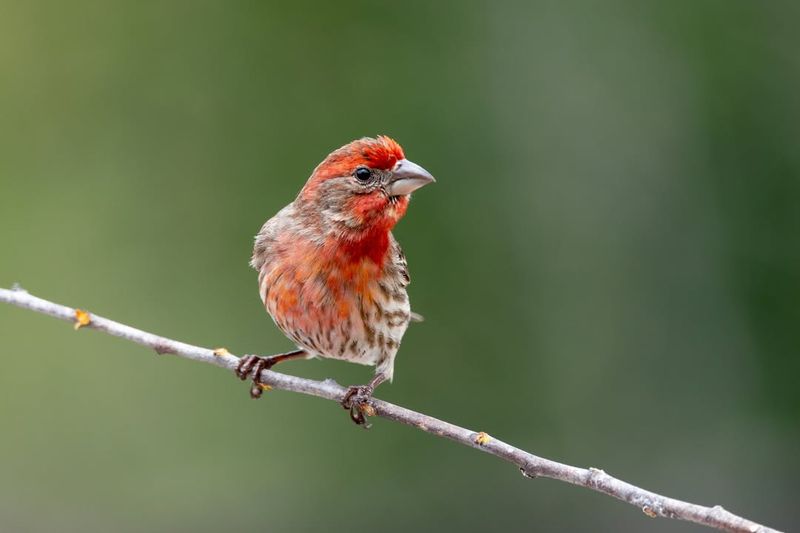
Water can be even more critical than food for winter bird survival, and New Jersey homeowners have stepped up to provide it.
Heated bird baths have become increasingly popular, offering house finches a place to drink and bathe even when temperatures drop below freezing.
These simple devices make a huge difference in whether birds can comfortably stay in an area through winter.
House finches need water daily for hydration and feather maintenance.
Clean feathers provide better insulation against cold weather, so bathing isn’t just about cleanliness but survival.
When natural water sources freeze over, birds must search far and wide for alternatives, which wastes precious energy during the season when food is hardest to find.
Garden centers and hardware stores across New Jersey now stock heated bird baths and de-icers specifically designed for winter use.
This availability has made it easy for bird lovers to set up reliable water stations in their yards.
House finches quickly discover these oases and spread the word to other flock members through their social behavior.
Observing house finches at a winter bird bath is genuinely entertaining.
They’ll line up to take turns drinking and splashing, sometimes creating quite a commotion with their energetic bathing routines.
For New Jersey residents who provide these water sources, the reward is watching happy, healthy birds throughout the coldest months and knowing they’re making a real difference in local wildlife survival.
6. Decreased Predator Activity
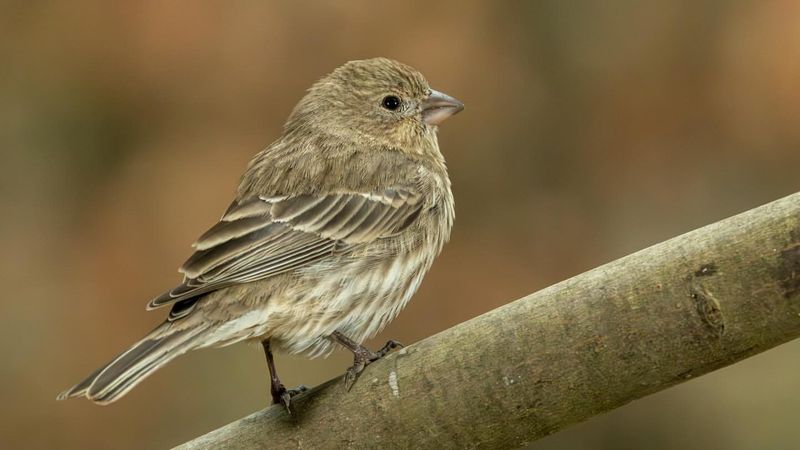
Predator-prey dynamics shift during winter months, and house finches benefit from these changes.
Many hawks and other birds of prey focus their hunting efforts on larger, more calorie-rich targets during cold weather.
Small songbirds like house finches become less attractive prey when predators can find easier meals elsewhere.
New Jersey’s suburban landscape also provides excellent cover for small birds.
Evergreen shrubs, dense hedges, and ornamental trees create safe zones where house finches can quickly hide when danger approaches.
Homeowners who maintain layered landscaping with plants of different heights give these birds multiple escape routes and sheltered feeding areas.
Outdoor cats, another significant predator concern, tend to stay indoors more during winter.
Responsible pet owners keep their cats inside when temperatures drop, reducing the threat to backyard birds.
This seasonal decrease in predation pressure allows house finches to feed more confidently and spend more time in New Jersey yards without constant vigilance.
Flock behavior also helps house finches stay safe during winter.
When multiple birds feed together, there are more eyes watching for danger.
One bird’s alarm call alerts the entire group, giving everyone a better chance of escaping potential threats.
This safety-in-numbers approach works especially well in suburban New Jersey neighborhoods where yards are close together and food sources are concentrated, creating ideal conditions for house finches to gather, feed, and thrive throughout the winter season.
7. Expansion Of Urban Green Spaces
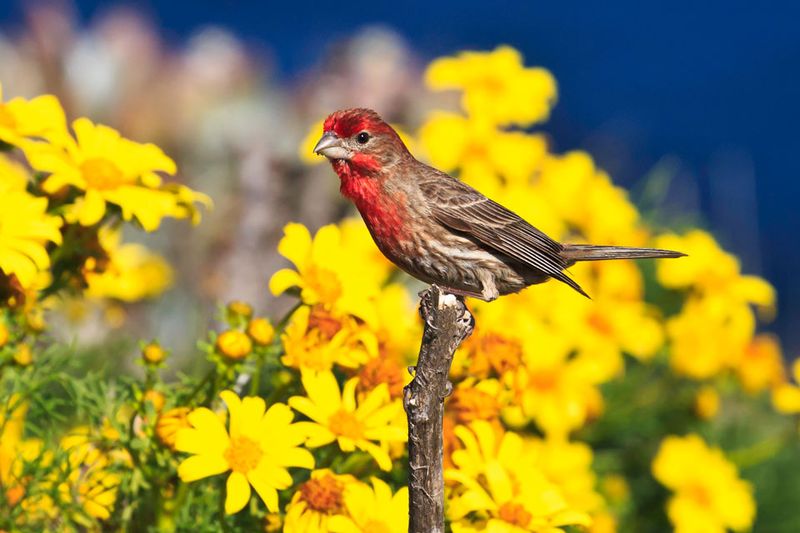
Cities and towns across New Jersey have invested heavily in creating and maintaining green spaces, and wildlife is responding enthusiastically.
Parks, greenways, and community gardens provide pockets of habitat within developed areas where house finches can find food, water, and shelter.
These urban oases connect neighborhoods and create corridors that allow birds to move safely between feeding areas.
Urban planning has evolved to recognize the importance of biodiversity in developed areas.
New Jersey municipalities now incorporate bird-friendly features like native plantings and pesticide-free maintenance practices.
These thoughtful approaches create healthier environments where house finches and other wildlife can coexist with human residents.
Community involvement in maintaining these green spaces has grown significantly.
Volunteer groups organize plantings, clean-up events, and wildlife monitoring projects that benefit local bird populations.
When people feel connected to their neighborhood green spaces, they’re more likely to support conservation efforts and create bird-friendly yards at home too.
House finches have proven remarkably adaptable to urban and suburban environments throughout New Jersey.
They nest in hanging planters, building ledges, and ornamental trees just as readily as in natural settings.
As long as food and shelter are available, these resourceful birds thrive in close proximity to human activity, bringing color and song to neighborhoods from Newark to Princeton and everywhere in between this winter season.
8. Social Media And Bird Watching Trends

Bird watching has experienced a remarkable surge in popularity, partly thanks to social media platforms where people share their backyard observations.
New Jersey residents post photos and videos of house finches visiting their feeders, inspiring neighbors to set up their own feeding stations.
This social sharing creates a ripple effect that results in more bird-friendly yards across entire communities.
Online bird identification groups and local birding communities have made the hobby more accessible to beginners.
When someone spots an unfamiliar bird, they can quickly get help identifying it from experienced birders.
House finches, with their distinctive coloring and friendly behavior, often become gateway birds that hook new enthusiasts on the rewarding practice of bird watching.
The pandemic accelerated this trend as people spent more time at home looking for meaningful hobbies.
Watching and feeding birds provided a connection to nature that felt especially valuable during uncertain times.
Many New Jersey families discovered that attracting house finches and other species to their yards brought joy, relaxation, and educational opportunities right outside their windows.
This increased interest in backyard birding has practical benefits for house finch populations.
More people feeding birds means more reliable food sources distributed across neighborhoods.
Greater awareness of bird needs leads to better habitat creation and protection.
As the bird watching community continues growing throughout New Jersey, house finches will find even more welcoming yards where they can spend winter months surrounded by admirers who appreciate their cheerful presence and beautiful songs.