Why New Mexico Homeowners Rely On Desert Natives For Color All Year
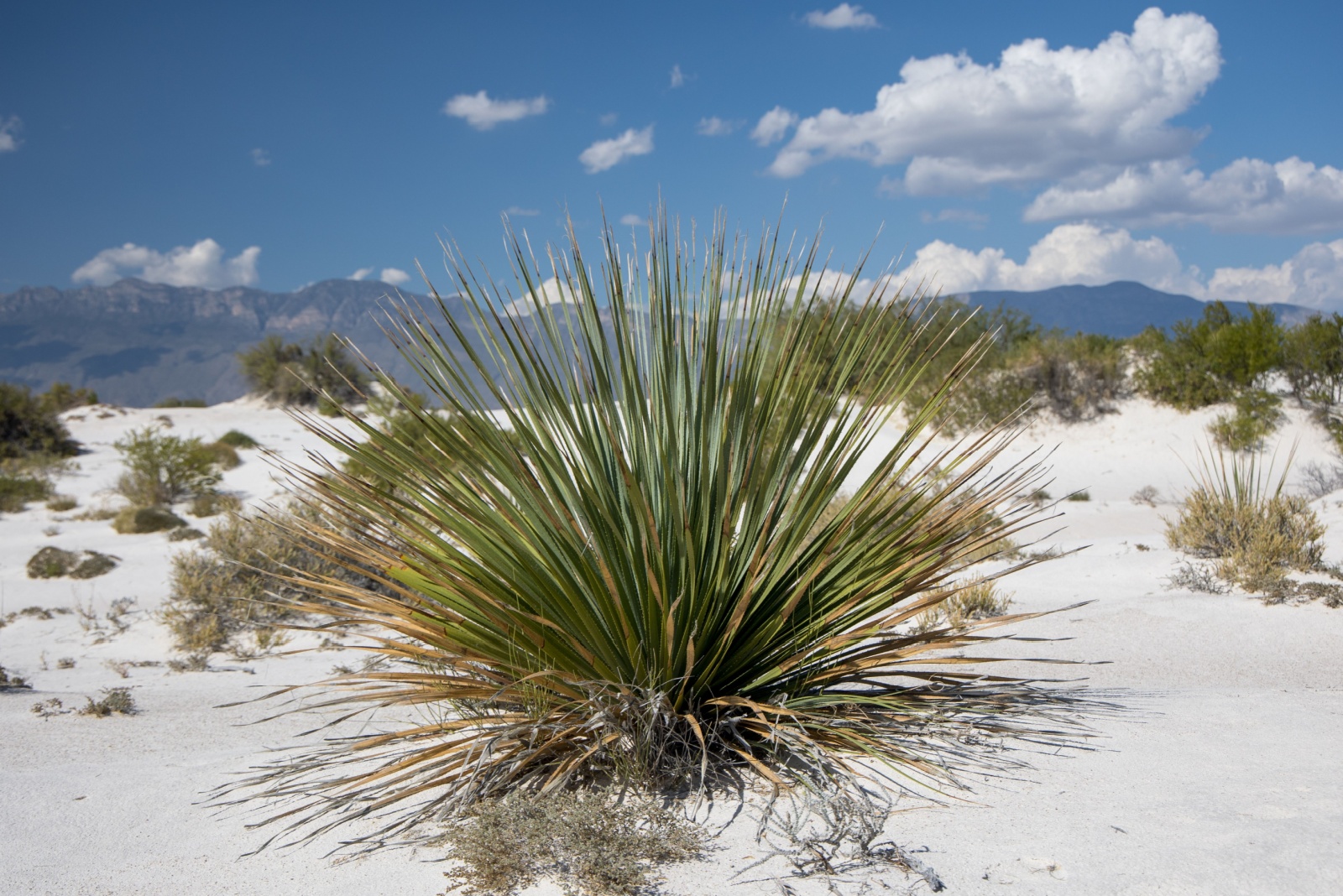
New Mexico gardens face a set of unique challenges that few other regions experience.
Scorching summer heat, freezing winter temperatures, and minimal rainfall throughout the year can make it difficult for traditional garden plants to survive, let alone thrive.
Many homeowners find themselves battling brown lawns, wilted flowers, and fading greenery as their usual favorites struggle against the harsh desert conditions.
Fortunately, native desert plants provide a stunning and practical solution.
These resilient species bring vibrant color, interesting textures, and seasonal blooms to landscapes without demanding constant watering or maintenance.
By embracing native desert plants, gardeners can create eye-catching, low-effort landscapes that remain lively and beautiful year-round, perfectly suited to New Mexico’s challenging climate.
1. Agave
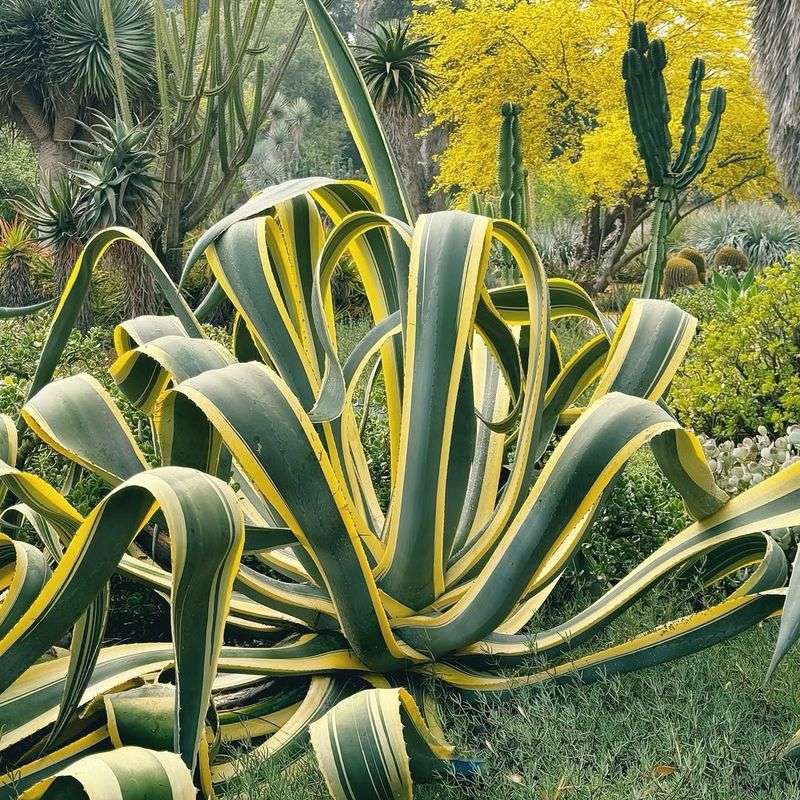
Bold and sculptural, agave plants command attention with their thick, pointed leaves that fan out like natural artwork.
Homeowners love how these plants create instant focal points in gardens without needing constant attention or watering.
The architectural beauty of agave stays consistent throughout every season, making it a reliable choice when other plants fade away.
Its leaves range from silvery blue to deep green, depending on the variety, and some species develop stunning color changes along the leaf edges.
Unlike seasonal bloomers that come and go, agave maintains its striking presence whether it’s January or July.
These plants thrive in New Mexico’s rocky, well-drained soils where many other ornamentals would struggle.
They store water in their thick leaves, which means they can go weeks without irrigation once established.
This makes them perfect for homeowners who want beautiful landscapes without sky-high water bills.
Agave works wonderfully when planted near entryways, along pathways, or as centerpieces in rock gardens.
Their dramatic silhouette casts interesting shadows throughout the day, adding another layer of visual interest.
Pair them with smaller flowering natives for contrast, or group several different agave varieties together for a stunning desert display.
Maintenance is refreshingly simple—just remove any damaged leaves and watch for pups (baby plants) that sprout around the base.
These can be transplanted to expand your garden or shared with neighbors.
With proper placement and minimal care, agave will reward you with year-round structural beauty that defines Southwestern style.
2. Desert Marigold
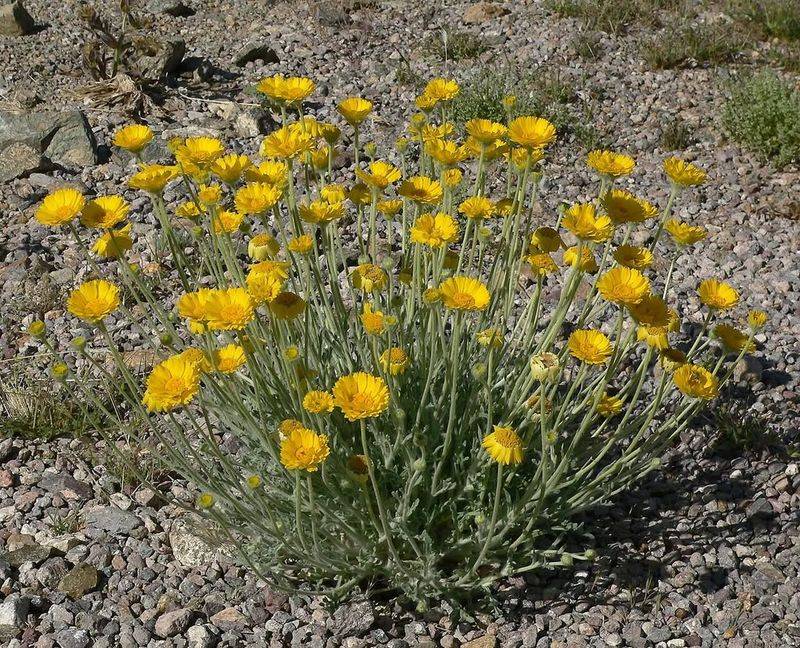
Cheerful yellow blooms dance above silvery-green foliage from early spring all the way through fall, bringing sunshine to even the driest garden spots.
Desert marigold earned its reputation as a color champion by flowering longer than most other natives in the region.
Each flower resembles a miniature sun with bright yellow petals surrounding a golden center that pollinators absolutely adore.
Butterflies and native bees visit these blooms constantly, creating a lively garden atmosphere.
Even during New Mexico’s hottest months, when many plants take a break, desert marigold keeps producing fresh flowers.
What many homeowners appreciate most is how this plant maintains visual appeal even between bloom cycles.
The soft, gray-green leaves create a pleasant texture that fills in garden spaces nicely.
When flowers do fade, simply trim the spent blooms to encourage another flush of color within weeks.
Desert marigold grows low to the ground, usually reaching about 12 to 18 inches tall, making it perfect for front borders or edging pathways.
It spreads naturally to form cheerful patches without becoming invasive or overwhelming other plants.
This self-seeding habit means you’ll often find volunteer seedlings popping up in nearby areas, which you can easily transplant or leave to naturalize.
Established plants need very little water—perhaps once every two weeks during extreme heat.
They handle full sun beautifully and actually prefer lean, rocky soil over rich garden beds.
For homeowners wanting continuous color without constant deadheading or fertilizing, desert marigold delivers reliable performance year after year with almost zero fuss.
3. Red Yucca
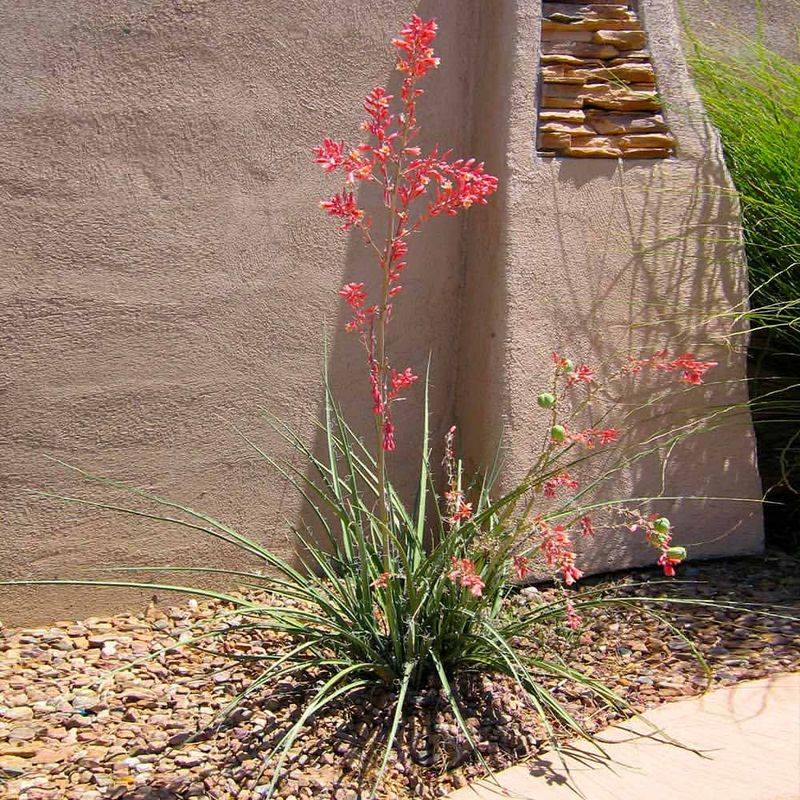
Graceful arching leaves create a fountain-like effect that softens harsh desert landscapes while adding elegant movement to garden designs.
Red yucca isn’t actually a true yucca, but its common name stuck because of its similar appearance and equally tough nature.
From late spring through summer, tall flower spikes emerge bearing tubular blooms in shades of coral, red, or sometimes peachy-pink.
Hummingbirds can’t resist these nectar-rich flowers, and watching them zip around the garden becomes a daily entertainment.
The blooms keep coming for months, with each spike producing flowers sequentially from bottom to top.
Even when not flowering, red yucca maintains year-round visual interest with its slender, evergreen leaves that remain attractive through winter.
The leaves have a slight twist and curve that catches light beautifully throughout the day.
This consistent structure makes it valuable for anchoring garden designs and providing reliable greenery when other plants go dormant.
Red yucca adapts well to various garden styles, from formal landscapes to wild, naturalistic settings.
Plant it in groups for dramatic impact, or use single specimens as accents near boulders or architectural features.
It tolerates reflected heat from walls and pavement better than most plants, making it ideal for tough spots around patios and driveways.
Once established, red yucca survives on rainfall alone in many New Mexico locations, though occasional deep watering during extreme drought helps maintain the best appearance.
Trim off old flower stalks after blooming finishes, and remove any tattered leaves at the base.
This low-maintenance beauty rewards minimal effort with maximum color and structure throughout every season.
4. Apache Plume
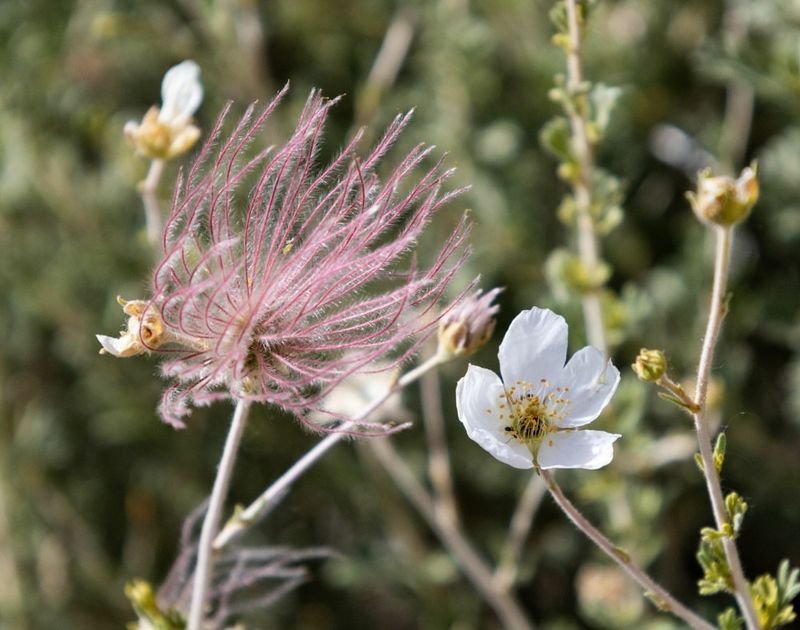
Delicate white flowers appear in spring and sporadically throughout summer, resembling tiny roses that brighten up the landscape.
Apache plume gets its memorable name from the spectacular feathery seed heads that follow the flowers, creating a soft pink haze that persists for months.
These wispy seed plumes look almost magical when backlit by morning or evening sun, glowing with a pinkish tint that adds unexpected color to fall and winter gardens.
Even after seeds disperse, the airy structure remains attractive, moving gently with every breeze.
This multi-season interest makes Apache plume a favorite among homeowners who want gardens that look good beyond the typical spring bloom period.
The shrub’s gray-green foliage provides a lovely neutral backdrop that makes neighboring flowers pop with color.
Its open, informal growth habit fits perfectly into naturalistic landscape designs while still looking tidy enough for more structured gardens.
Apache plume typically grows three to six feet tall and equally wide, filling space nicely without overwhelming smaller plants.
This tough native handles New Mexico’s temperature extremes without complaint, from subzero winter nights to blistering summer afternoons.
It thrives in rocky, poor soils and actually performs better without fertilizer or rich amendments.
Once roots establish, Apache plume survives on natural rainfall, making it an excellent choice for water-wise landscapes.
Pruning needs are minimal—just shape lightly in late winter if desired, or let it grow naturally for a more relaxed look.
The shrub’s fine texture contrasts beautifully with bold-leaved plants like agave or yucca.
Plant Apache plume where you can enjoy its changing appearance throughout the year, perhaps near windows or seating areas where the feathery plumes catch your eye.
5. Four-Wing Saltbush
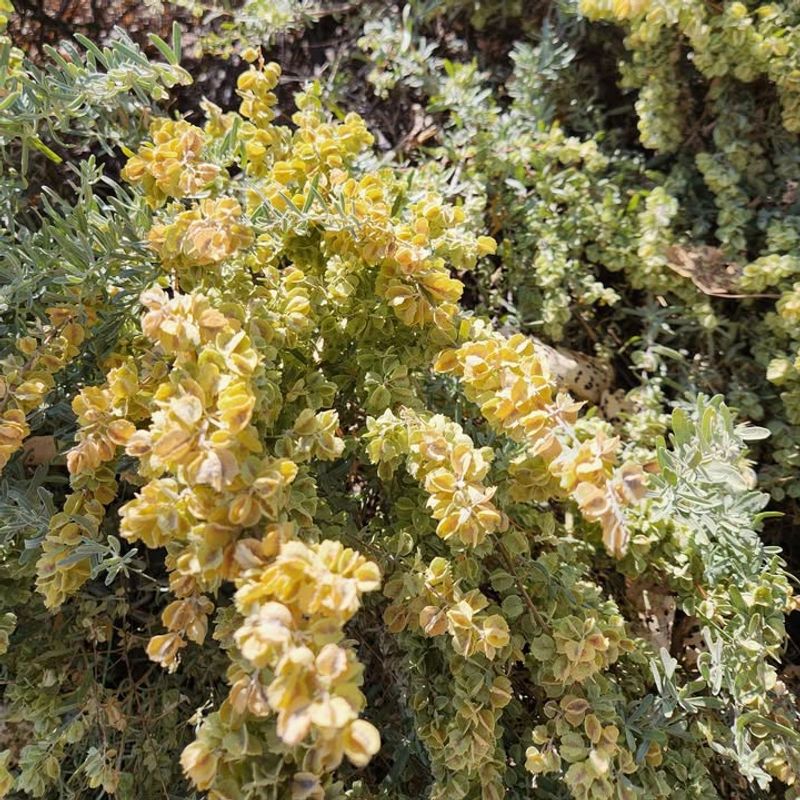
Silvery foliage shimmers in the sunlight, creating a cooling effect that makes hot landscapes feel more comfortable and inviting.
Four-wing saltbush stands out among desert natives for its soft, dusty appearance that contrasts beautifully with darker greens and bold textures.
This evergreen shrub keeps its leaves throughout winter, providing consistent color when many other plants have gone dormant or lost their foliage.
The silvery-gray tone works like a neutral palette in garden designs, helping to tie together plants with different colors and textures.
Homeowners often use it as a background plant that makes neighboring flowers appear more vibrant.
Four-wing saltbush gets its unusual name from the papery, four-winged fruits that develop after tiny flowers bloom.
These seeds add visual interest in late summer and fall, creating clusters of pale tan or pinkish wings that persist on branches.
Birds appreciate these seeds as a food source, adding wildlife value to the ornamental benefits.
Few plants tolerate poor conditions as well as four-wing saltbush—it thrives in alkaline soils, salty conditions, and areas with caliche (hardpan) that frustrate other plants.
This makes it perfect for challenging spots where nothing else seems to grow.
The shrub typically reaches four to six feet tall and spreads equally wide, creating substantial presence without requiring extensive space.
Watering needs are extremely low once established, and the plant actually prefers dry conditions over regular irrigation.
Occasional deep watering during prolonged drought helps maintain the best appearance.
Prune lightly to shape if needed, but four-wing saltbush looks most natural with minimal intervention.
Its drought tolerance and year-round color make it invaluable for sustainable New Mexico landscapes that need to look good without constant maintenance or water.
6. Sotol
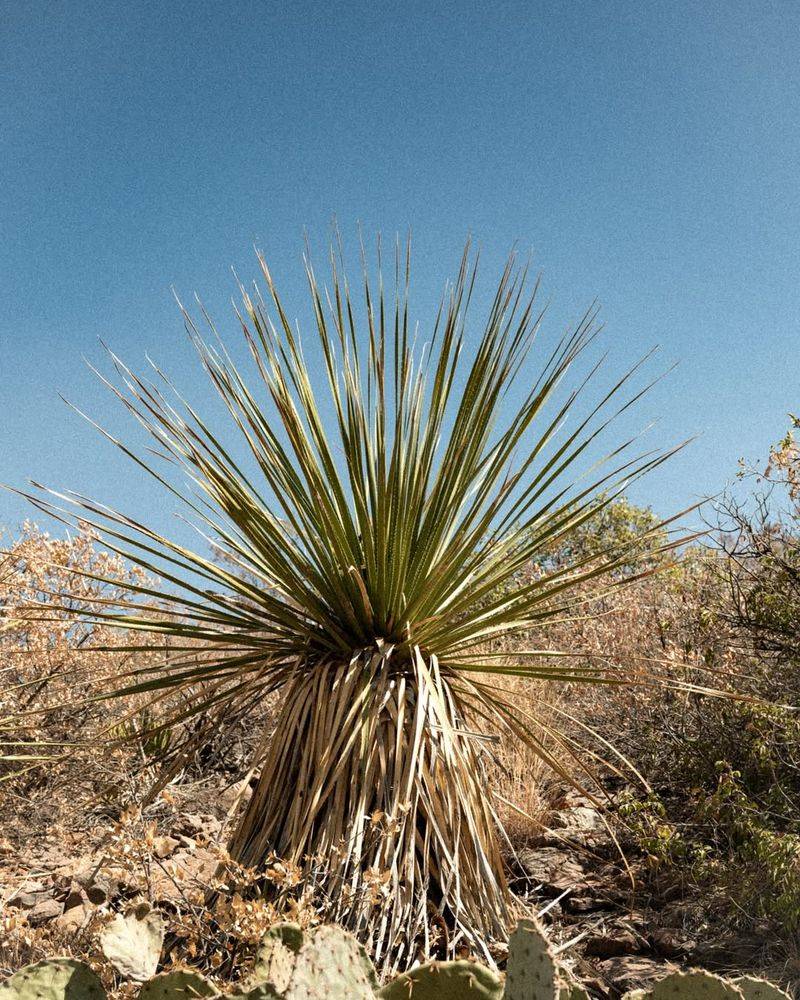
Hundreds of narrow, saw-toothed leaves radiate from the center, creating a perfect sphere of texture that draws the eye and anchors garden compositions.
Sotol brings architectural drama similar to agave but with a finer, more delicate appearance that works in slightly different design contexts.
The evergreen leaves maintain their structure and color throughout every season, providing reliable visual interest that never fades or goes dormant.
Each leaf edges features tiny teeth that catch sunlight, making the entire plant sparkle when viewed from certain angles.
This distinctive feature earned sotol its alternate common name, desert spoon, because the leaf bases resemble spoon shapes.
Mature plants occasionally send up spectacular flower stalks that can reach 15 feet tall, covered in creamy white blooms that attract pollinators from across the neighborhood.
These towering stalks create vertical drama and serve as conversation starters when they appear.
After flowering, the stalk can be cut back, and the plant returns its focus to producing beautiful foliage.
Sotol works wonderfully as a specimen plant where its symmetrical form can be fully appreciated, or plant several together for a bold statement.
It pairs beautifully with lower-growing plants that won’t compete with its strong silhouette.
The plant tolerates extreme heat, cold, and drought once established, making it ideal for homeowners who want impressive results without high maintenance.
Growth is relatively slow, which means sotol maintains its size and shape for years without needing division or constant pruning.
Simply remove any damaged or brown leaves from the base to keep the plant looking tidy.
Water deeply but infrequently—perhaps once or twice monthly during the growing season, and even less in winter.
This stunning native proves that low-water gardens can be just as visually striking as traditional landscapes.
7. Mexican Feather Grass
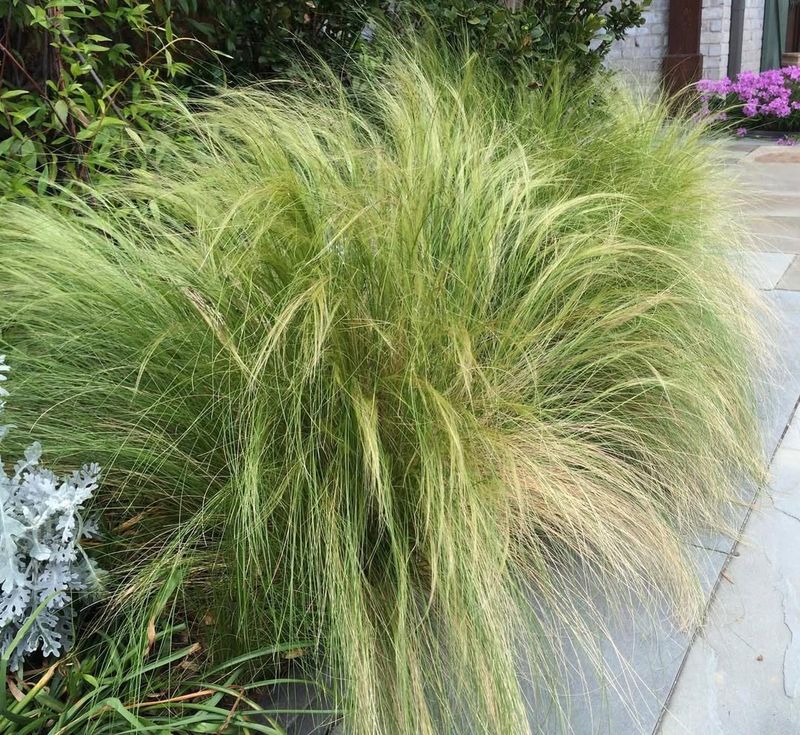
Soft, hair-like blades create a flowing, almost ethereal effect that brings movement and grace to desert gardens that might otherwise feel static.
Mexican feather grass sways with the slightest breeze, adding a dynamic quality that contrasts beautifully with rigid architectural plants.
The fine-textured foliage starts out bright green in spring, gradually transitioning to golden blonde as summer progresses and into fall.
This color evolution provides changing interest throughout the growing season without requiring different plants.
Even in winter, the dried foliage maintains an attractive tawny color that catches low-angle sunlight beautifully.
This grass forms neat clumps that typically reach about two feet tall and wide, making it versatile for various garden positions.
Use it as edging along pathways where its soft texture invites touch, or mass several plants together for a billowing, meadow-like effect.
The grass looks especially stunning when planted where backlighting can illuminate its delicate structure during sunrise or sunset.
Mexican feather grass self-seeds readily, which some gardeners love for its naturalizing effect while others prefer to trim off seed heads before they mature.
Seedlings are easy to remove if they pop up where you don’t want them, or you can transplant volunteers to expand your planting.
This adaptable nature makes the grass useful for filling in bare spots naturally over time.
Water needs are minimal once roots establish—perhaps every two weeks during hot, dry periods.
Cut back old foliage in late winter before new growth emerges to keep plants looking fresh and tidy.
Mexican feather grass tolerates various soil types and exposures, though it performs best with at least partial sun.
For homeowners wanting to soften harsh desert landscapes with flowing texture and year-round presence, this grass delivers effortless beauty.