Why No-Mow Native Yards Are Growing In Popularity Across Oregon
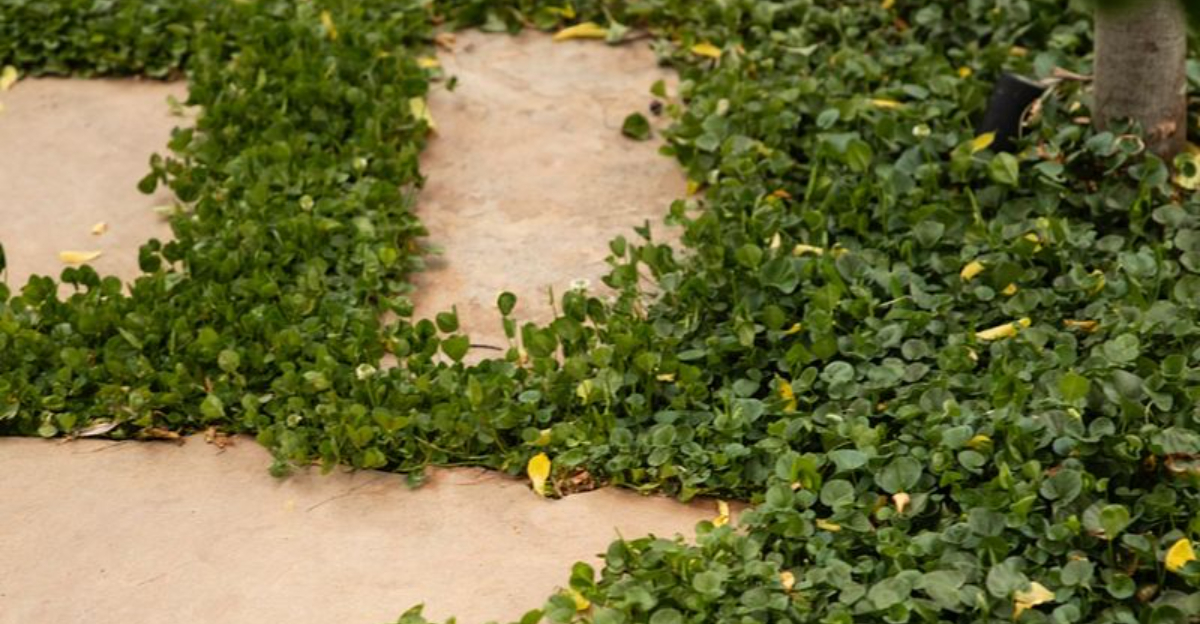
Across Oregon, a quiet landscaping revolution is underway as more homeowners trade traditional lawns for no-mow native yards.
These natural spaces require minimal watering, thrive in local climate conditions, and support wildlife that’s disappearing from urban and suburban environments.
As drought concerns rise and ecological awareness spreads, Oregon gardeners are turning to native grasses and groundcovers that offer year-round beauty without weekly mowing or chemical inputs.
The result is a landscape that feels wild, intentional, and environmentally responsible—all while lowering utility bills and reducing weekend yard work.
Homebuyers are increasingly valuing these sustainable yards for their resilience and biodiversity, and communities are beginning to recognize the benefits as well.
Here’s why Oregon is seeing a surge in no-mow native landscapes and why so many homeowners are embracing this refreshing shift in outdoor design.
Native Yards Require Far Less Water Than Traditional Lawns
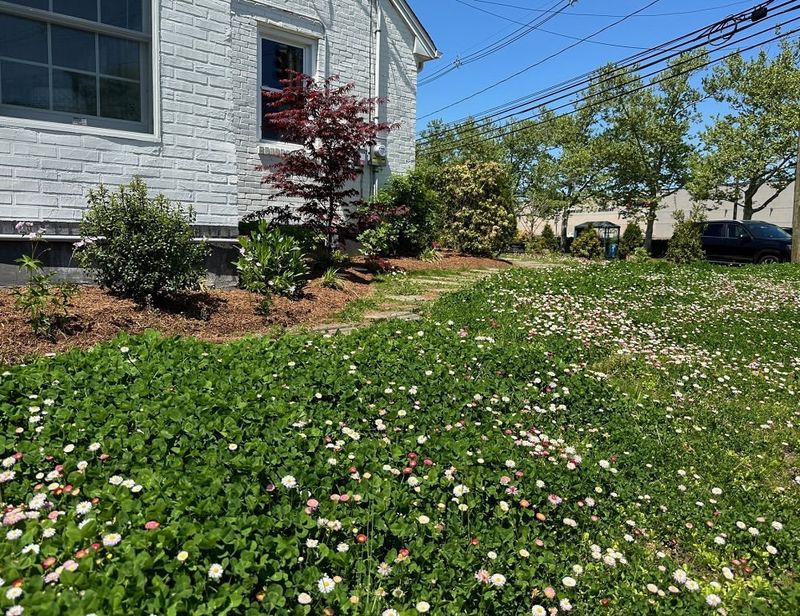
Traditional grass lawns gulp down enormous amounts of water during Oregon’s dry summer months.
Homeowners often find themselves running sprinklers daily just to keep that green carpet looking fresh.
That habit drains both water supplies and monthly bills.
Native plants evolved right here in Oregon, so they already know how to handle the state’s natural rainfall patterns.
Once established, these tough groundcovers and grasses rarely need extra watering, even during prolonged dry spells.
Their deep root systems reach moisture far below the surface, where turf grass roots can’t go.
Switching to a no-mow native yard can cut outdoor water use by more than half, which makes a real difference in communities facing drought restrictions.
Oregon’s statewide water-conservation goals encourage residents to embrace landscapes that work with nature instead of against it.
Many local water districts now offer rebates or incentives for homeowners who remove thirsty lawns and replace them with native alternatives.
Beyond the environmental benefits, lower irrigation means smaller utility bills and more money in your pocket.
A native yard doesn’t just survive summer—it thrives without constant human intervention.
That independence from the hose is one of the biggest reasons Oregonians are making the switch.
They Support Pollinators And Biodiversity Year-Round
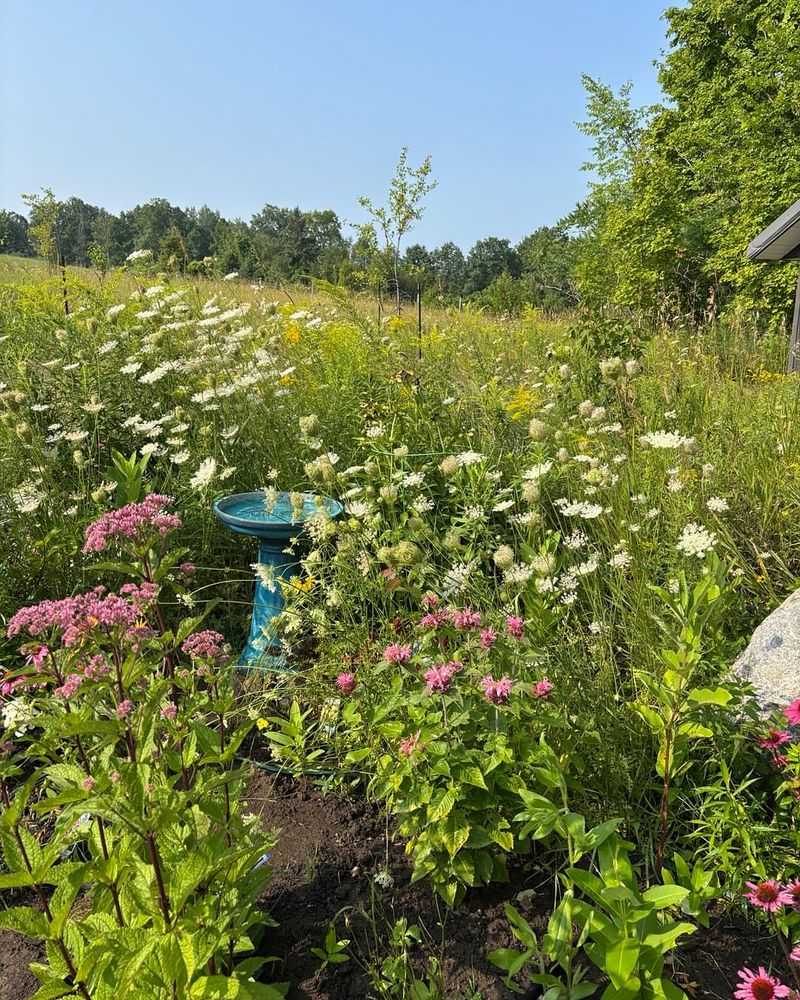
When neighborhoods expand, natural habitats shrink.
Development replaces meadows and woodlands with pavement and turf, leaving pollinators and other wildlife with fewer places to find food and shelter.
Native yards help reverse that loss by creating mini ecosystems right in residential areas.
Oregon’s native grasses, wildflowers, and groundcovers bloom at different times throughout the year, offering nectar and pollen when bees and butterflies need it most.
These plants also produce seeds that birds rely on during migration and winter.
Beneficial insects like ladybugs and lacewings find homes among native stems and leaves, helping control pests naturally without chemical sprays.
A single no-mow yard can support dozens of species, from tiny native bees to larger songbirds.
Over time, clusters of native landscapes across a neighborhood form green corridors that connect fragmented habitats.
This network allows wildlife to move safely between larger natural areas, boosting biodiversity across entire communities.
Homeowners often notice more butterflies, hummingbirds, and songbirds once they plant natives.
Watching pollinators buzz around your yard brings a sense of connection to the natural world that a sterile lawn simply can’t match.
Supporting local ecosystems feels rewarding, and it’s one of the most meaningful reasons Oregonians are choosing native yards.
Lower Maintenance Appeals To Busy Homeowners
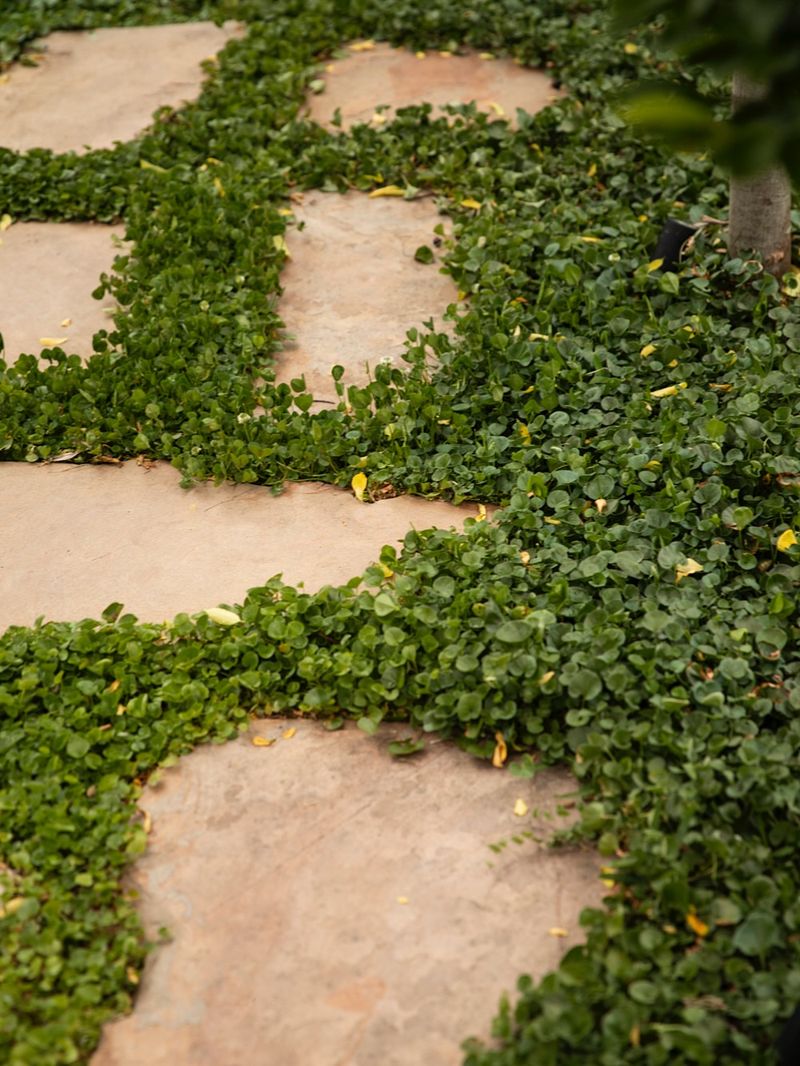
Mowing, edging, fertilizing, aerating—traditional lawns demand constant attention.
Weekends vanish into yard work, and the list of chores never seems to end.
Busy families, working professionals, and retirees alike are discovering that no-mow native yards free up time for the things they actually enjoy.
Native groundcovers and grasses grow slowly and naturally, so there’s no need to fire up the mower every week.
Many species stay low on their own, creating a soft, textured carpet without any trimming.
Fertilizers become unnecessary because native plants thrive in Oregon’s existing soil without chemical boosts.
Aeration and overseeding routines disappear entirely, along with the equipment and expense they require.
Weeds struggle to invade dense native plantings, reducing the need for herbicides or hours spent pulling unwanted plants.
Once established, a native yard practically takes care of itself, needing only occasional tidying and maybe a light trim in early spring.
That low-effort approach is perfect for homeowners who want an attractive landscape without sacrificing their free time.
Instead of spending Saturday mornings pushing a mower, you can relax with a book, explore a hiking trail, or spend time with family.
The simplicity and freedom that come with a no-mow yard are major reasons why this trend continues to grow across Oregon.
Native Lawns Improve Soil Health Naturally
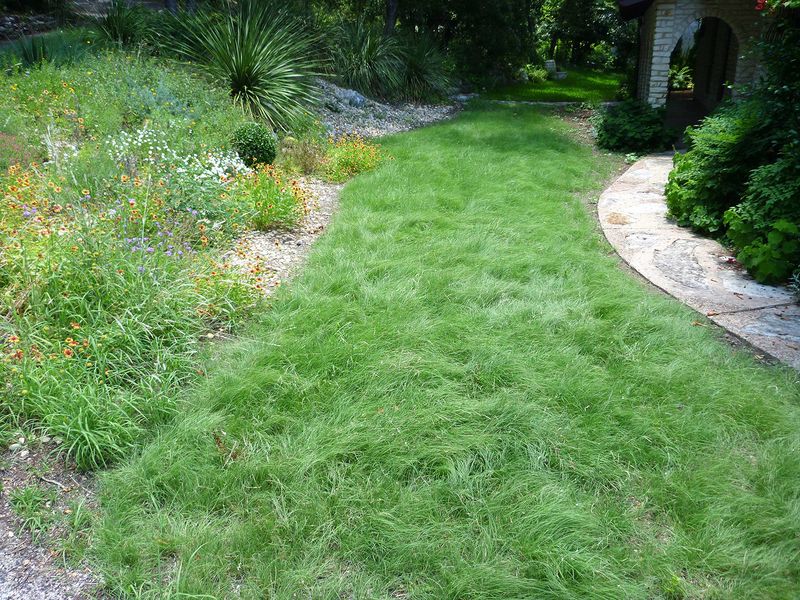
Healthy soil is the foundation of any thriving landscape.
Traditional turf grass has shallow roots that barely scratch the surface, leaving soil compacted and lifeless over time.
Native plants, on the other hand, send roots deep into the ground—sometimes several feet down.
Those extensive root systems break up compacted layers, creating channels that allow air, water, and nutrients to move freely through the soil.
As roots grow and old ones decay, they add organic matter that feeds beneficial microbes and earthworms.
This natural process builds rich, spongy soil that holds moisture longer and drains better during heavy rains.
Better soil structure also prevents erosion, keeping precious topsoil in place even during Oregon’s winter storms.
Native yards accomplish all this without synthetic fertilizers or chemical amendments.
The plants work with the soil’s existing biology, creating a balanced ecosystem underground.
Over time, improved soil health means stronger, more resilient plants that need even less care.
Homeowners often notice that their native yards look lusher and greener as the years go by, thanks to that thriving soil beneath.
Conventional lawns require constant inputs to stay green, but native landscapes invest in the ground itself, building fertility that lasts.
This natural soil improvement is a quiet but powerful reason why no-mow natives are gaining popularity throughout Oregon.
They Better Withstand Oregon’s Varied Climate Zones
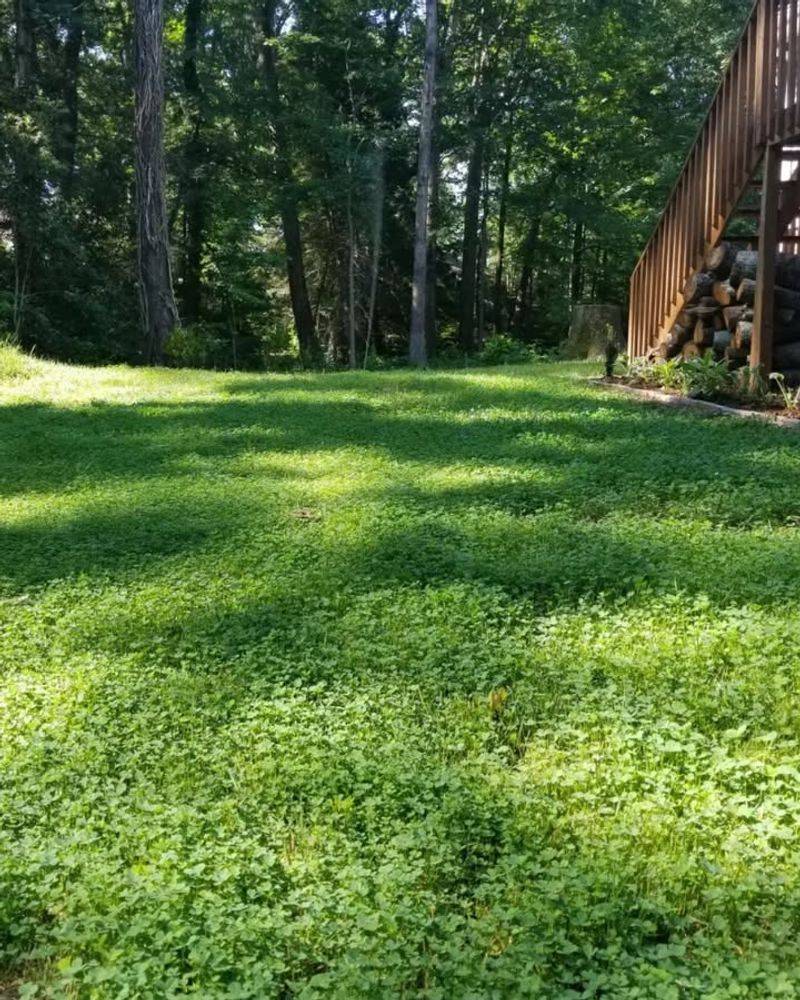
Oregon’s climate is anything but uniform.
The western valleys receive abundant rainfall, while eastern regions experience hot, dry summers and cold winters.
Traditional turf grass struggles in both extremes, requiring constant watering in the east and often succumbing to moss and disease in the wet west.
Native plants, however, evolved over thousands of years to thrive in Oregon’s specific conditions.
Species from the Willamette Valley handle cool, rainy winters and mild summers with ease.
Natives from eastern Oregon tolerate intense heat, freezing temperatures, and limited moisture without skipping a beat.
Homeowners can choose plants that match their exact location, ensuring a landscape perfectly suited to local weather patterns.
This adaptability means native yards look healthy and vibrant year-round, regardless of whether you live in Portland, Bend, or Medford.
They don’t brown out during summer droughts or turn soggy and patchy during winter rains.
Instead, they remain resilient through seasonal shifts, providing reliable beauty without the stress of coaxing non-native plants through challenging conditions.
This climate compatibility is especially appealing as weather patterns become less predictable.
Native yards offer a stable, low-risk landscaping choice that works with Oregon’s natural rhythms instead of fighting them.
That reliability across diverse climate zones is a key reason why more Oregonians are embracing no-mow native landscapes.
Growing Interest In Wildlife-Friendly And Sustainable Landscaping
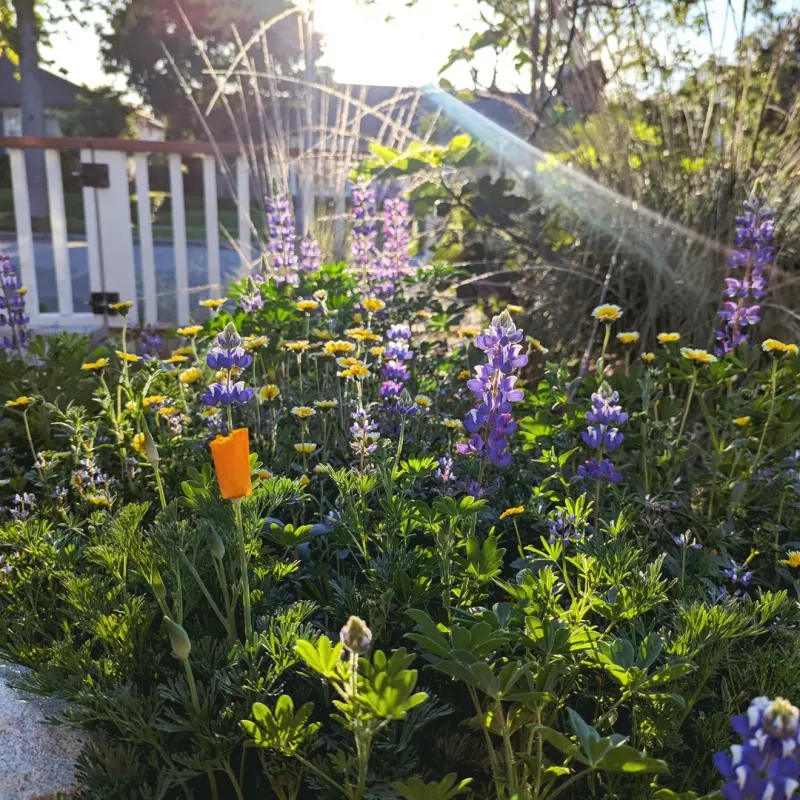
Oregon has a strong environmental culture, and residents take pride in making choices that protect the planet.
More homeowners are questioning the sustainability of traditional lawns, which require gas-powered mowers, chemical fertilizers, and pesticides that harm local ecosystems.
Lawn equipment contributes significantly to air pollution, with a single hour of mowing producing emissions comparable to driving a car for hundreds of miles.
Switching to a no-mow native yard eliminates that pollution entirely, reducing your household’s carbon footprint in a meaningful way.
Native landscapes also remove the need for synthetic chemicals that can run off into streams and rivers, threatening fish and aquatic life.
By choosing plants that naturally resist pests and diseases, homeowners create a safer environment for kids, pets, and wildlife.
This shift toward eco-friendly alternatives aligns perfectly with Oregon’s commitment to conservation and sustainability.
Local gardening clubs, environmental organizations, and extension services actively promote native landscaping as a way to support ecological health.
Social media groups and neighborhood initiatives share success stories and planting tips, building a community around wildlife-friendly yards.
Homeowners feel good knowing their landscape choices contribute to cleaner air, healthier waterways, and thriving local ecosystems.
That sense of purpose and environmental responsibility resonates deeply with Oregonians.
It’s not just about having a nice yard—it’s about being part of a larger movement toward sustainable living and ecological stewardship.
Modern Neighborhoods And Cities Are Encouraging Lawn Alternatives
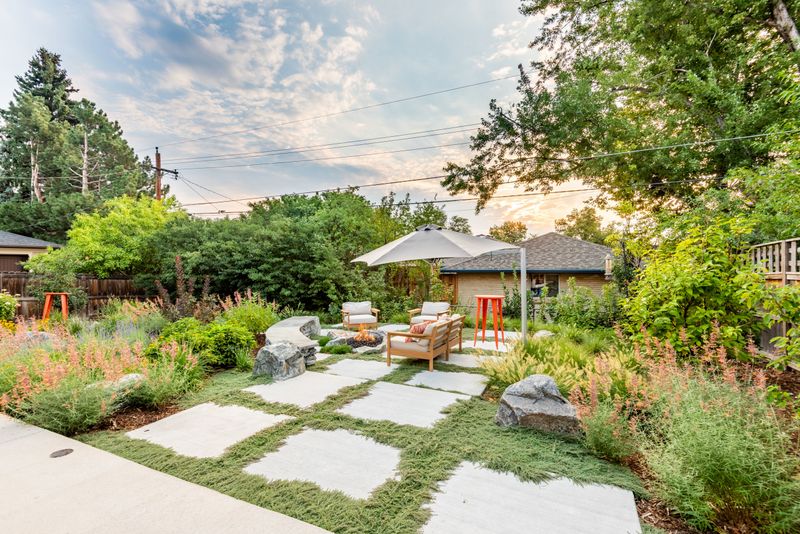
City planners and municipal governments across Oregon are recognizing the benefits of native landscaping.
Many communities now offer rebate programs that pay homeowners to remove traditional lawns and install native alternatives.
These incentives can cover a significant portion of conversion costs, making the switch more affordable for families on a budget.
Water districts in places like Portland, Eugene, and Bend actively promote lawn replacement as a strategy to reduce overall water demand and meet conservation targets.
Some municipalities have updated landscaping codes to allow and even encourage native groundcovers and meadow-style yards, moving away from strict turf-only rules.
Homeowner associations are also evolving, with more neighborhoods embracing the aesthetic and ecological value of native landscapes.
Public spaces, parks, and government buildings are leading by example, replacing high-maintenance turf with native plantings that showcase the beauty and functionality of Oregon’s native flora.
Educational workshops, free native plant giveaways, and landscaping guides help residents learn how to design and maintain no-mow yards successfully.
This institutional support makes it easier for homeowners to take the leap, knowing they have resources and community backing.
As more yards convert, native landscapes become normalized and celebrated rather than seen as unconventional.
This cultural shift, supported by local policies and programs, is accelerating the adoption of no-mow native yards throughout Oregon.
It’s a collaborative effort that benefits everyone—from individual homeowners to entire watersheds and ecosystems.