Why North Carolina Gardeners Are Planting Banana Trees For A Bold Tropical Look
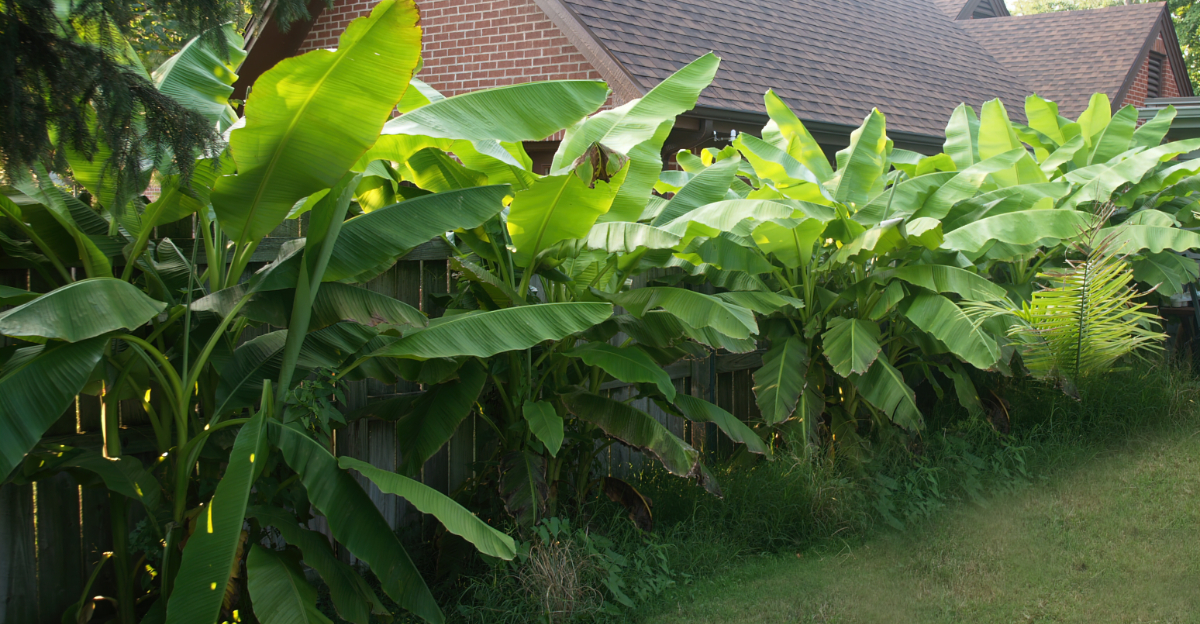
Step into a few North Carolina gardens these days, and you might feel like you have traveled somewhere much warmer. Large, lush leaves are rising above flower beds, creating a bold look that stands out from the usual mix of shrubs and perennials.
More gardeners are turning to banana trees to bring that tropical feel right into their own yards. What makes this trend so interesting is how well certain banana varieties can adapt to local conditions.
With the right care, they can grow quickly and create a striking focal point through the summer months. Even though they may not produce fruit in every part of the state, their dramatic size and texture are often reason enough to plant them.
It is a simple way to change the entire look of a space. Once you see how they transform a garden, it is easy to understand why they are becoming such a popular choice.
1. They Create Instant Tropical Impact In Summer
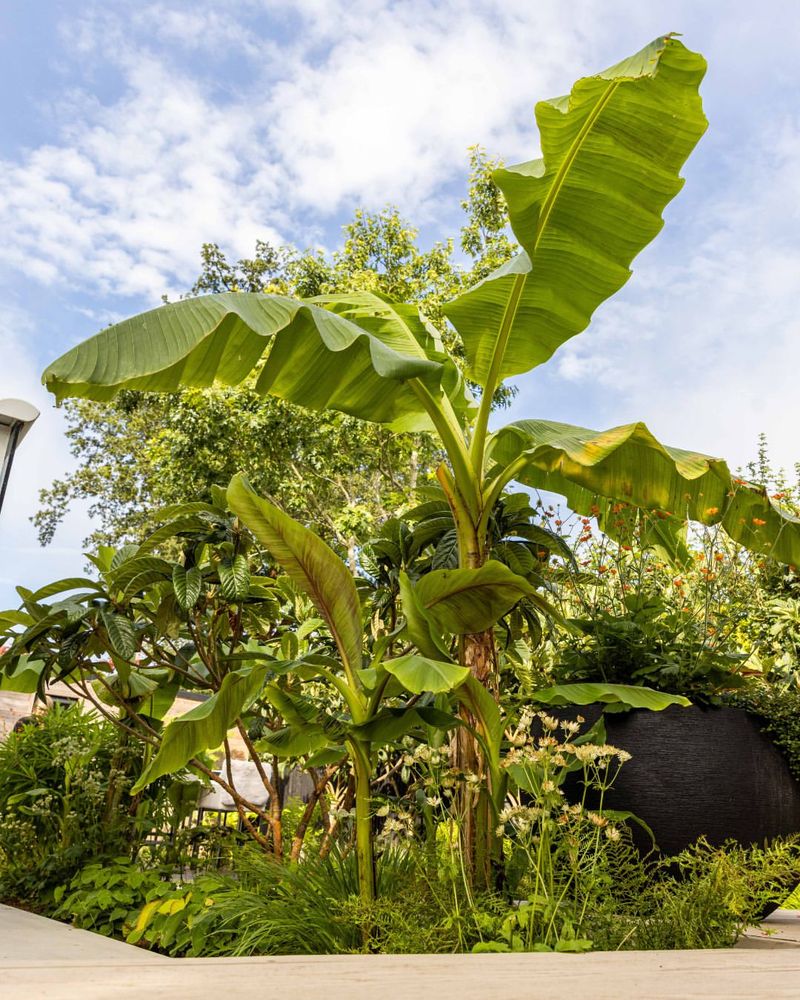
Walking past a garden with banana trees stops people in their tracks. There is something almost magical about the way ornamental banana trees completely change the mood of an outdoor space, turning an ordinary North Carolina yard into something that feels far more exotic.
The wide, paddle-shaped leaves catch every breeze and flutter in a way that feels alive and vibrant.
In the Piedmont region, gardeners have been using ornamental banana trees as bold focal points near patios, fences, and garden beds. Even a single plant can anchor an entire landscape design and pull the whole yard together visually.
Along the Coastal Plain, where summers are long and warm, these plants grow so enthusiastically that neighbors start asking questions fast.
For Mountain-area gardeners, the seasonal impact is just as rewarding, even if the window is shorter. Ornamental banana trees planted in late spring can reach impressive heights before the first frost, delivering weeks of that unmistakable tropical look.
The bold texture of their giant leaves contrasts beautifully with smaller flowering plants around them, creating layers of visual interest that keep the garden looking dynamic and exciting from June through early fall.
2. Fast Growth In North Carolina Heat And Humidity
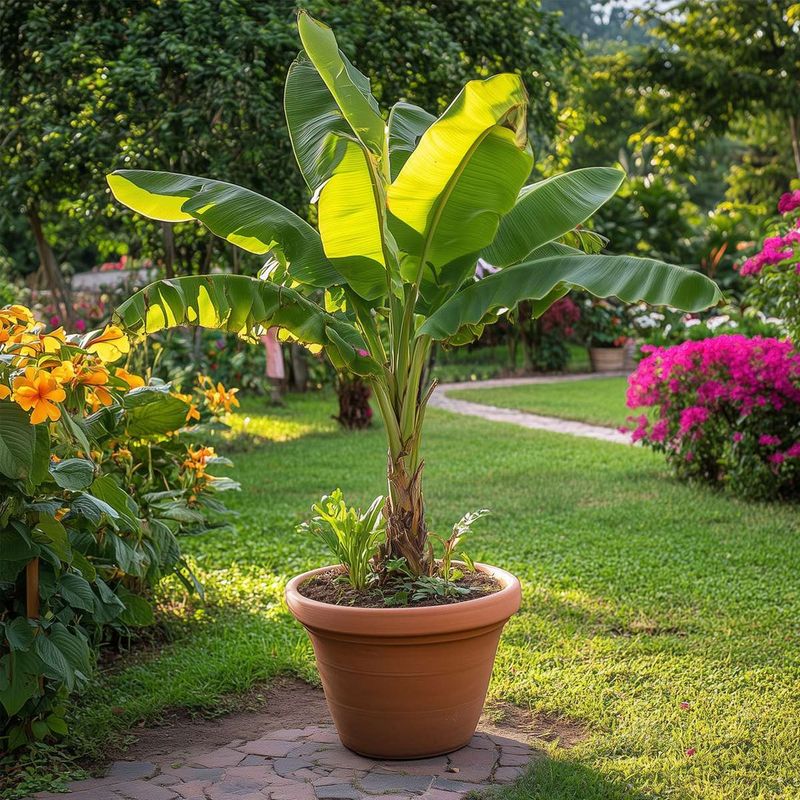
Few plants reward gardeners as quickly as ornamental banana trees do during a North Carolina summer.
The combination of heat, humidity, and long sunny days creates nearly perfect growing conditions, and these plants respond by pushing out new leaves at an almost surprising pace.
Gardeners who plant them in spring often find themselves amazed by how tall and full they become by July.
North Carolina summers are genuinely ideal for fast banana growth. Temperatures regularly climb into the 90s, and the humid air keeps plants from drying out too quickly between waterings.
Some ornamental banana varieties can put on several feet of height within a single growing season, making them one of the fastest ways to add serious visual presence to a landscape.
From late spring through August, the growth can feel almost unstoppable in the right conditions. Gardeners in the Piedmont and Coastal Plain especially notice how quickly these plants fill in space that once felt empty or bare.
Pairing consistent watering with a balanced fertilizer during the active growing season helps push even stronger results.
By late summer, what started as a small plant in May can easily become a towering, leafy centerpiece that makes the whole yard feel lush, bold, and impressively tropical without a lot of complicated effort or ongoing maintenance.
3. Hardy Types Can Return After Winter In Many Areas
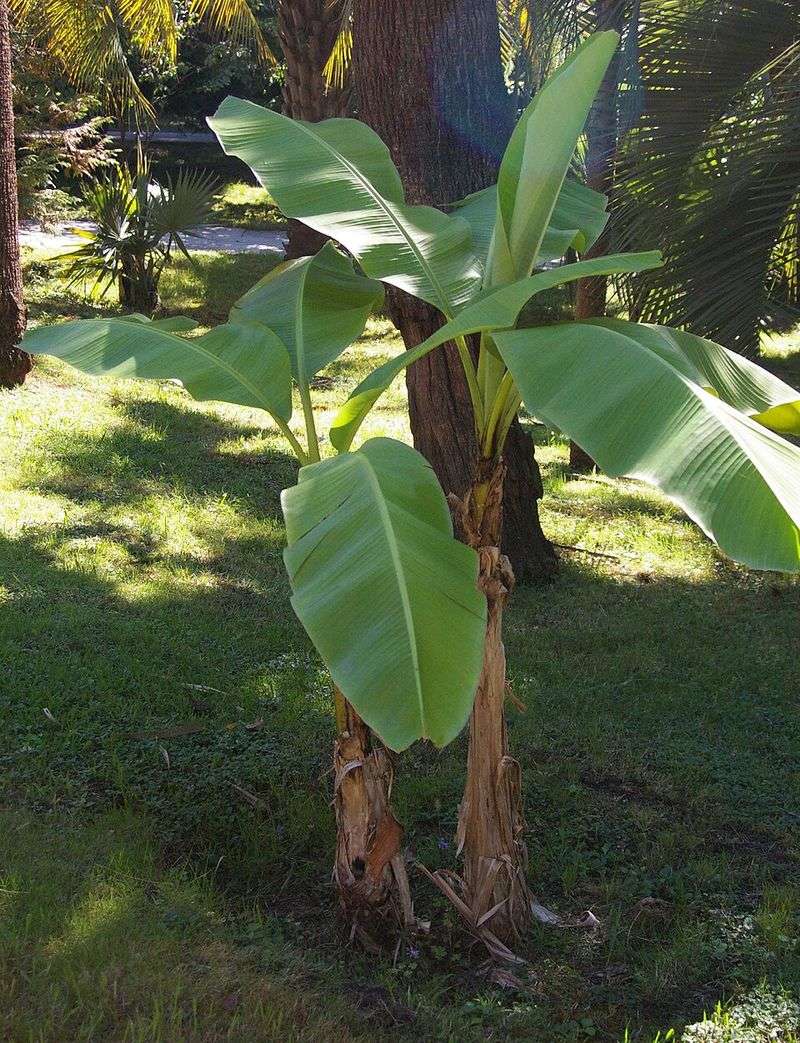
One of the biggest surprises for new banana gardeners in North Carolina is finding out that certain varieties can actually come back after winter.
Cold-hardy ornamental types like Musa basjoo, often called the Japanese Fiber Banana, are built to handle temperatures that would finish off most tropical plants.
With the right winter preparation, the underground roots stay protected and push up fresh growth when warm weather returns.
In the Piedmont and Coastal Plain, overwintering ornamental banana trees is very manageable. Gardeners typically cut the stalks back after the first frost, then pile on a generous layer of mulch, straw, or leaves around the base to insulate the roots from the cold.
This simple approach gives the plant a strong chance of returning the following spring, often bigger and fuller than the previous year.
Mountain gardeners face colder winters, but that does not mean banana trees are off the table. Many people in higher elevations dig up the rhizomes in fall and store them in a cool, frost-free garage or basement until spring planting time.
This extra step takes a little effort, but it protects the investment and keeps the tropical momentum going season after season. Across North Carolina, the ability to bring these ornamental plants back year after year makes them a genuinely practical and exciting garden choice.
4. They Pair Well With Other Heat-Loving Plants
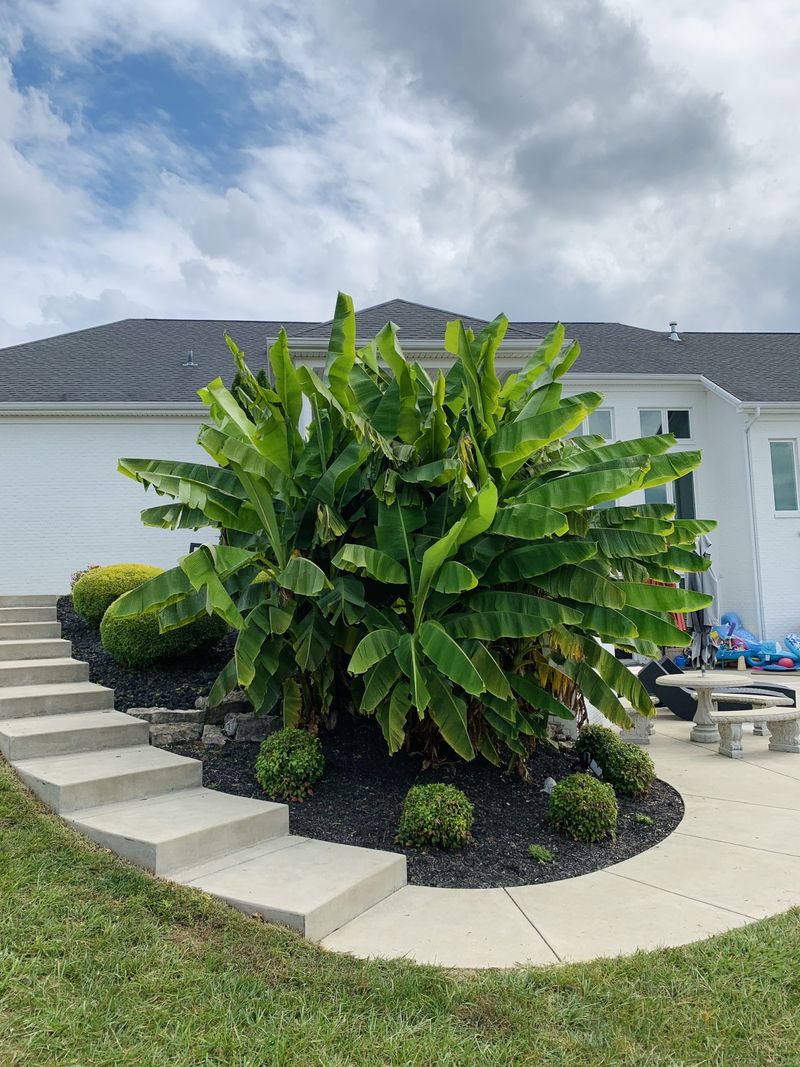
Banana trees are natural team players in the garden. Ornamental banana trees have a bold, architectural quality that pairs effortlessly with other heat-tolerant plants, and North Carolina gardeners have been taking full advantage of this.
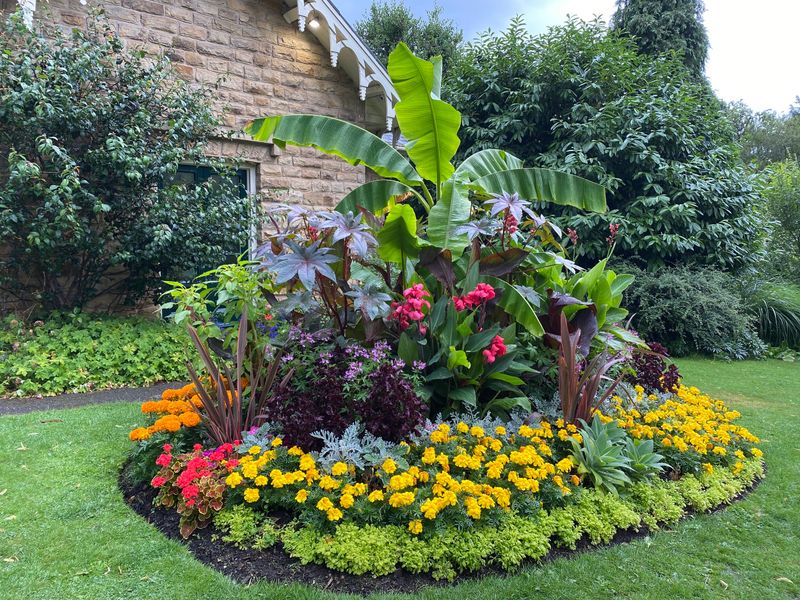
Grouping them with cannas, elephant ears, gingers, and tropical hibiscus creates a layered planting that feels genuinely lush and intentional.
The secret is playing with height and texture. Ornamental banana trees provide tall, dramatic structure at the back or center of a planting bed, while shorter companions like caladiums or colorful impatiens fill in the lower layers beautifully.
This combination of big leaves, bright flowers, and varied textures creates the kind of tropical-style garden that looks like it belongs somewhere along a beachside resort, not just a North Carolina backyard.
Piedmont gardeners especially love using ornamental bananas as the anchor of a summer tropical border, surrounding them with bold annuals and perennials that thrive in the same warm, humid conditions.
The plants share similar needs for water and sunlight, making maintenance much easier when everything in the bed is on the same schedule.
Adding ornamental grasses nearby can bring extra movement and softness to the overall design. The result is a planting that feels cohesive, colorful, and wildly impressive from the first warm days of summer straight through to the end of the season.
5. Large Leaves Provide Natural Shade And Texture
There is something genuinely satisfying about the shade a mature ornamental banana tree throws on a hot afternoon.
The leaves on these plants are enormous, sometimes reaching five feet long, and they spread outward in a way that naturally blocks harsh sunlight from smaller, more delicate plants growing nearby.
For North Carolina gardeners dealing with intense summer heat, that built-in shading effect is a real bonus. Beyond the practical side, the texture that ornamental banana leaves bring to a garden is hard to match.
Their smooth, broad surfaces contrast sharply with feathery ornamental grasses, spiky agaves, or fine-textured perennials, creating the kind of layered visual interest that makes a garden feel professionally designed.
Even a single ornamental banana tree can shift the entire feel of a planting area just through the sheer scale of its foliage.
North Carolina gardeners in the Coastal Plain have been especially creative about using ornamental banana trees to frame outdoor seating areas, providing a natural canopy effect that feels both tropical and practical.
The rustling sound of the large leaves in a summer breeze adds another sensory layer that makes spending time in the garden even more enjoyable.
Combining bold banana foliage with colorful understory plants beneath creates a garden space that looks full, rich, and visually exciting from every angle throughout the entire growing season.
6. They Grow Well In Containers Or In Ground
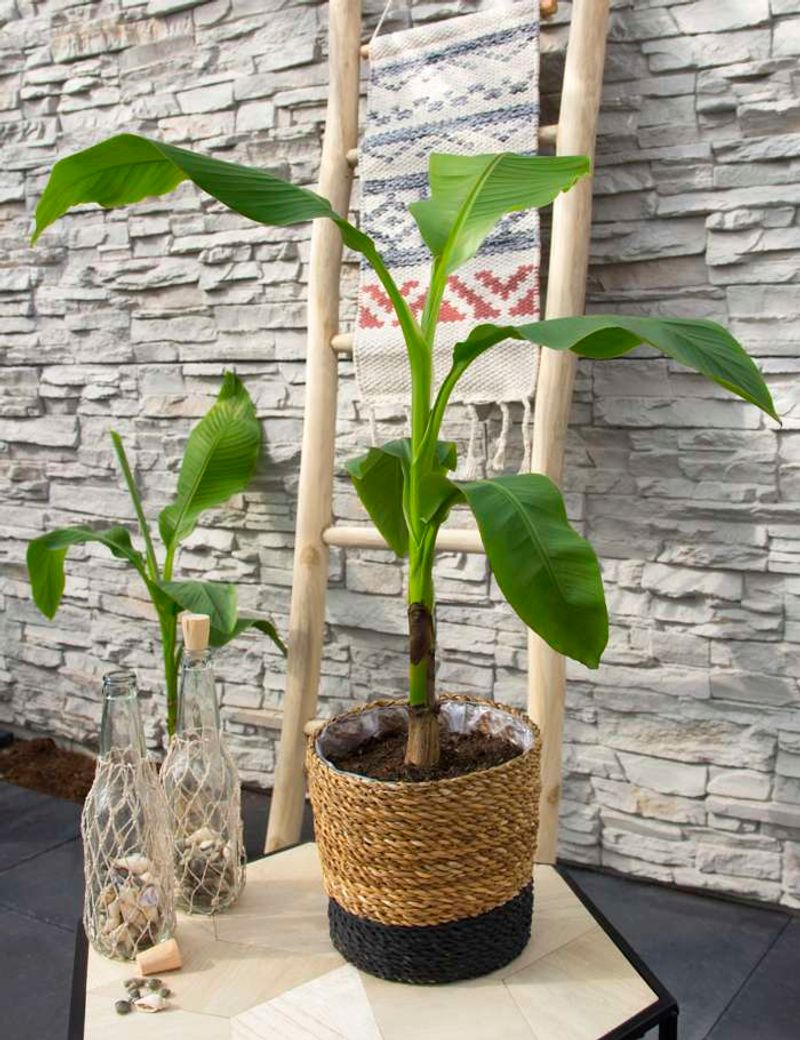
Flexibility is one of the biggest reasons ornamental banana trees keep gaining fans across North Carolina.
Whether a gardener has a sprawling yard in the Piedmont or a small urban patio in Raleigh or Charlotte, these plants adapt to both container growing and in-ground planting without much fuss.
That versatility makes them accessible to almost every type of gardener. Container-grown ornamental banana trees are especially popular in cooler Mountain regions, where moving the plant indoors or into a protected space for winter is a smart and simple solution.
Choose a large pot with good drainage holes, fill it with rich, well-draining potting mix, and place it somewhere that gets at least six hours of direct sunlight daily.
Regular watering and a slow-release fertilizer during the growing season will keep container plants growing strong and looking full all summer long.
For in-ground planting across the Coastal Plain and Piedmont, ornamental banana trees thrive in slightly acidic, moisture-retentive soil with good drainage. Avoid low spots where water pools after rain, since soggy roots can cause problems.
Planting in a sunny location sheltered from strong winds helps protect the large leaves from tearing.
Whether in a pot on the deck or rooted in a garden bed, ornamental banana trees deliver that same bold tropical statement that makes North Carolina landscapes look bold, creative, and completely unforgettable all season long.
7. They Are Grown For Foliage, Not Reliable Fruit Production
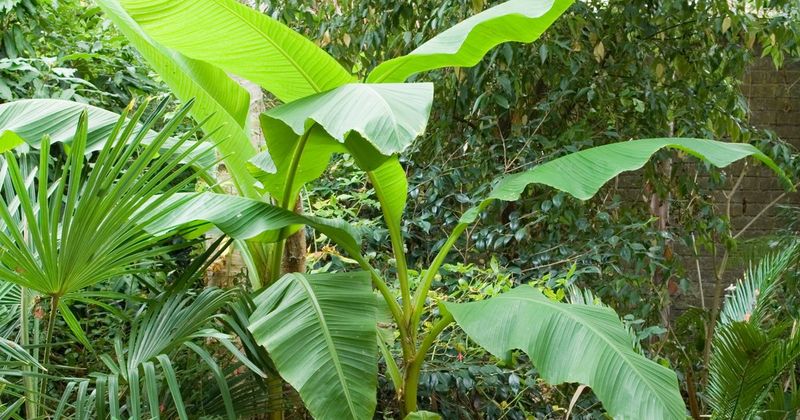
Most people picture yellow bananas at the grocery store when they hear the word banana, but ornamental banana trees in North Carolina are a completely different story.
The growing season here is simply not long enough or consistently warm enough for reliable fruit production, so gardeners plant them entirely for the incredible visual impact of their foliage.
And honestly, the leaves alone are more than worth it. Ornamental varieties like Musa velutina, sometimes called the Pink Velvet Banana, do occasionally produce small decorative fruits with a pinkish color, but these are grown purely for their ornamental charm rather than eating.
The real star of the show in North Carolina gardens is always the foliage: those massive, glossy, paddle-shaped leaves that give any outdoor space an instant tropical makeover without needing to produce a single edible banana.
Shifting the expectation from fruit to foliage actually makes these plants much easier to enjoy. There is no waiting around for something to ripen, no disappointment when the season ends before fruit matures.
North Carolina gardeners simply plant ornamental banana trees for bold seasonal beauty, and that is exactly what they deliver every single year.
From the Coastal Plain to the Piedmont, these plants prove that dramatic, eye-catching foliage is its own reward, making every corner of the garden feel lush, exciting, and wonderfully tropical from the first warm days of spring onward.