Why North Carolina Gardeners Should Avoid Using Blue Fertilizers
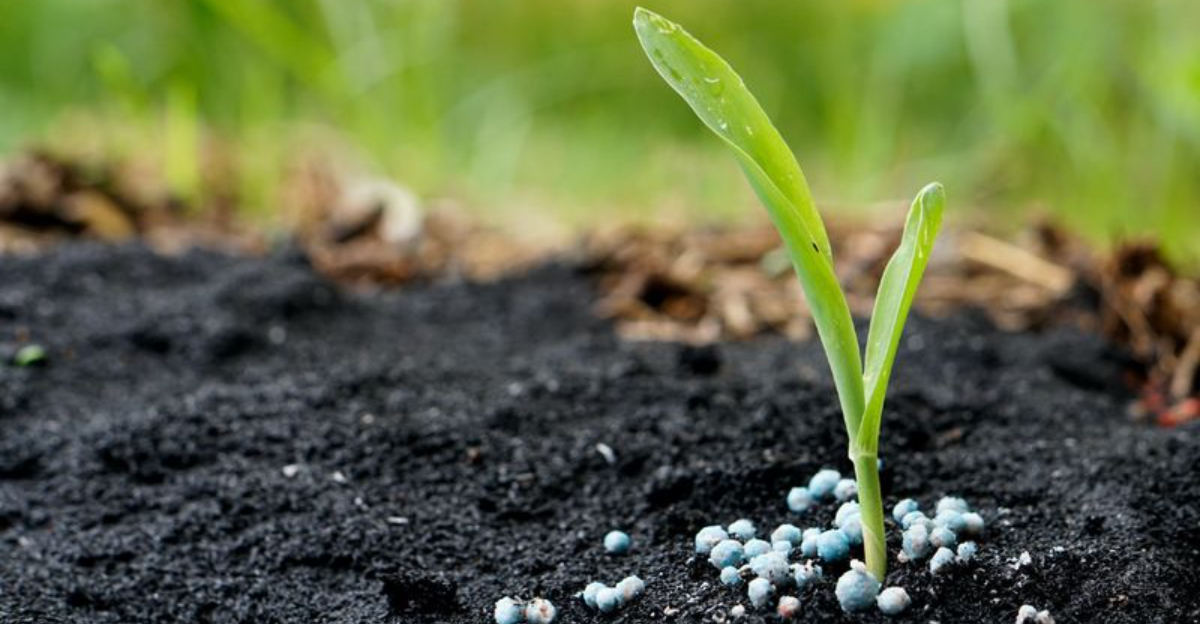
Bright blue fertilizers might catch your eye on store shelves, but if you’re gardening in North Carolina, it’s worth thinking twice before using them.
These colorful products often contain high levels of synthetic nutrients and salts that can do more harm than good, especially in the long run.
While they may offer fast results at first, over time they can damage your soil, stress your plants, and even impact local waterways through runoff.
North Carolina’s unique mix of clay-heavy and sandy soils means your garden needs a more balanced and thoughtful approach to feeding.
Many gardeners unknowingly overuse blue fertilizers, only to be left with struggling plants and unhealthy soil. The good news?
There are safer, more effective alternatives that are better suited for your region’s needs. If you want stronger, healthier plants and a garden that thrives long-term, here’s why it’s time to ditch the blue.
1. They Damage Beneficial Soil Microorganisms That Plants Need
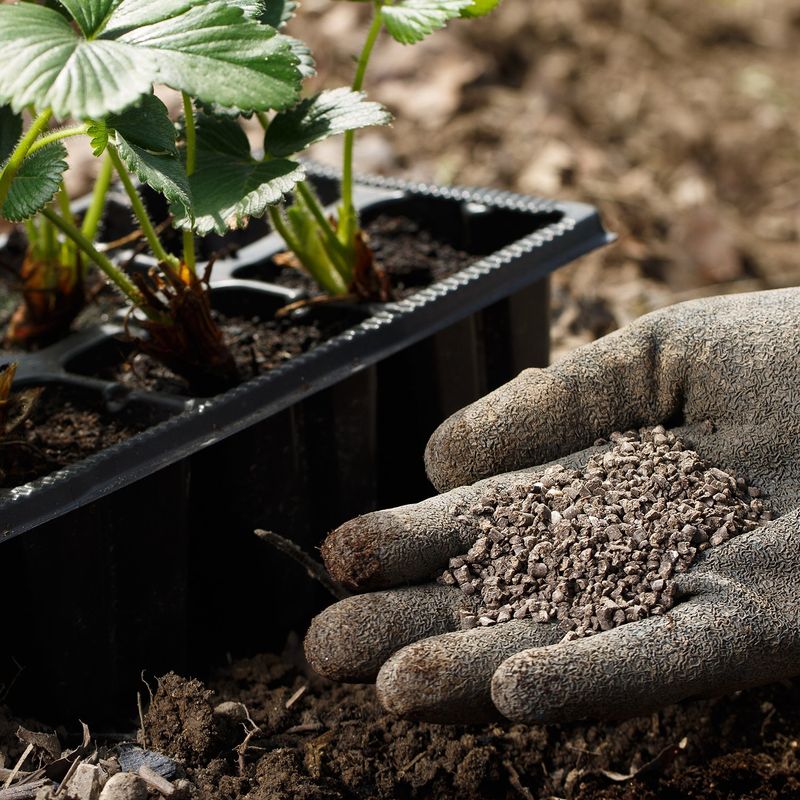
Your garden soil is alive with millions of tiny helpers that most people never see or think about. Bacteria, fungi, earthworms, and countless other organisms work together to break down organic matter and make nutrients available to your plants.
This underground community is essential for healthy plant growth, and it takes years to build up a thriving soil ecosystem in North Carolina gardens.
Blue fertilizers contain concentrated chemical salts that can harm these beneficial organisms. When you apply these synthetic products, the high salt content changes the soil chemistry quickly and dramatically.
Many helpful bacteria and fungi cannot survive these sudden changes, and their populations drop significantly after repeated applications.
Without these microscopic partners, your plants struggle to access nutrients even when fertilizer is present. The organisms that normally convert nitrogen, phosphorus, and other elements into forms plants can use simply aren’t there anymore.
This creates a cycle where gardeners feel they need to apply more and more fertilizer to get results.
North Carolina soils naturally contain diverse microbial communities adapted to our climate and conditions.
These native organisms work particularly well with plants that thrive in our region, from vegetables to ornamental flowers. Disrupting this balance with harsh chemicals makes gardening harder in the long run.
Organic fertilizers and compost support soil life instead of harming it. These natural options feed the microorganisms, which in turn feed your plants.
The result is healthier soil that requires less intervention over time. Many experienced North Carolina gardeners have switched to organic methods and noticed their plants becoming more resilient and productive without the bright blue chemicals.
2. Blue Fertilizers Contribute To Water Pollution In North Carolina
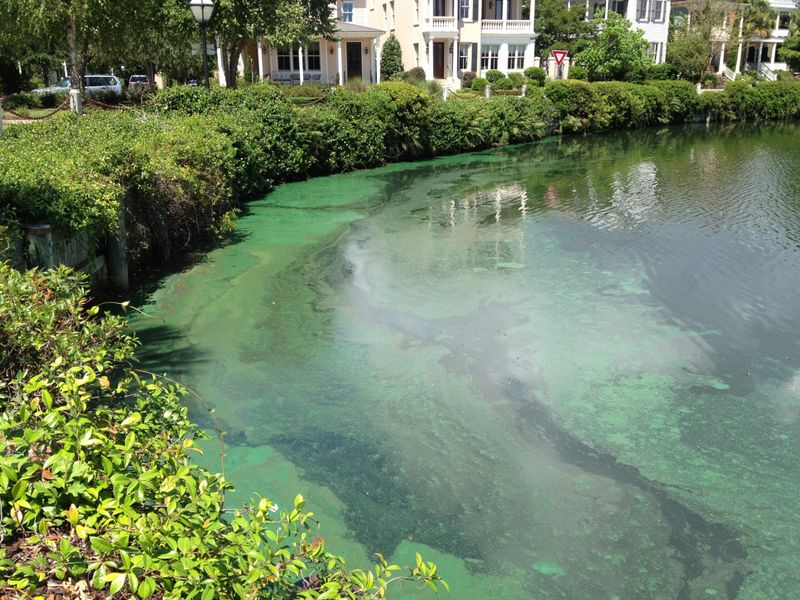
Picture the rain washing across your lawn or garden after you’ve applied blue fertilizer. That bright color doesn’t just disappear; it travels with the excess nutrients into storm drains, streams, and eventually larger bodies of water.
North Carolina has beautiful rivers, lakes, and coastal areas that are increasingly threatened by nutrient pollution from residential and agricultural sources.
The nitrogen and phosphorus in synthetic fertilizers don’t stay put in your soil. Rain and irrigation water carry these chemicals into waterways where they cause serious environmental problems.
Algae blooms feed on these excess nutrients, growing out of control and blocking sunlight from reaching underwater plants.
When algae blooms eventually break down, they consume oxygen in the water. Fish and other aquatic animals struggle to survive in these low-oxygen conditions.
Many of North Carolina’s native species have seen population declines linked to water quality issues, and residential fertilizer use plays a bigger role than most people realize.
Coastal areas of North Carolina are particularly vulnerable to fertilizer runoff. The sounds and estuaries that make our coast special depend on balanced nutrient levels.
Excessive nitrogen and phosphorus disrupt these delicate ecosystems, affecting everything from fish populations to the tourism industry that depends on clean, healthy waters.
Slow-release organic fertilizers pose much less risk to water quality. They break down gradually and are less likely to wash away during rain events.
By choosing alternatives to blue fertilizers, North Carolina gardeners can help protect the streams, rivers, and coastal waters that make our state so special while still maintaining beautiful, productive gardens.
3. Synthetic Blue Fertilizers Provide Short-Term Results But Long-Term Problems
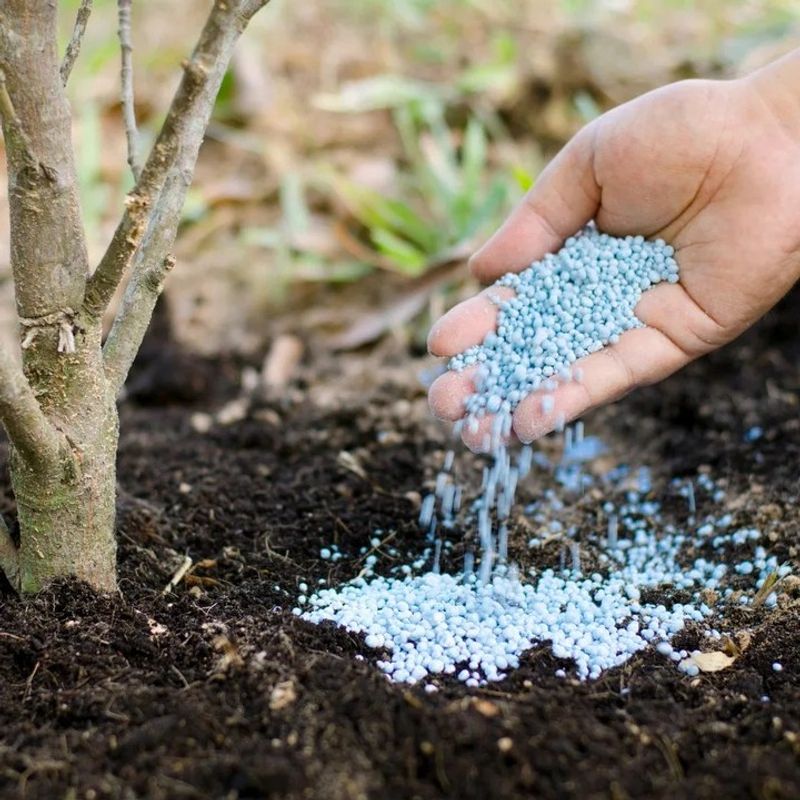
Blue fertilizers work fast, and that’s exactly what makes them so tempting. You can see results within days as plants green up and start growing more vigorously.
This quick response happens because the nutrients are in forms that plants can absorb immediately without any processing by soil organisms. It feels like magic when you first start using these products.
However, this instant gratification comes with hidden costs that show up over time. The chemical salts in blue fertilizers can build up in your soil with repeated applications.
This accumulation changes soil structure, making it harder and less able to hold water properly. North Carolina’s clay soils are especially prone to these structural problems when treated with synthetic chemicals.
Plants that receive regular doses of fast-acting fertilizers become dependent on them. Their root systems don’t develop as extensively because nutrients are always readily available right near the surface.
Shallow roots make plants less drought-tolerant, which is a real problem during North Carolina’s hot summers when water restrictions sometimes go into effect.
The boom-and-bust cycle of synthetic fertilizers also stresses plants. They get a huge surge of nutrients all at once, followed by a period of depletion until the next application.
This isn’t how plants evolved to grow, and it makes them more vulnerable to pests and diseases. Many North Carolina gardeners notice they need more pesticides and fungicides when using blue fertilizers heavily.
Building healthy soil with organic matter creates lasting benefits instead of temporary fixes. Compost, aged manure, and natural fertilizers improve soil structure while feeding plants.
The results take a bit longer to appear, but they’re sustainable and don’t require constantly increasing applications to maintain.
4. Chemical Fertilizers Cost More Money Over Time Than Natural Alternatives
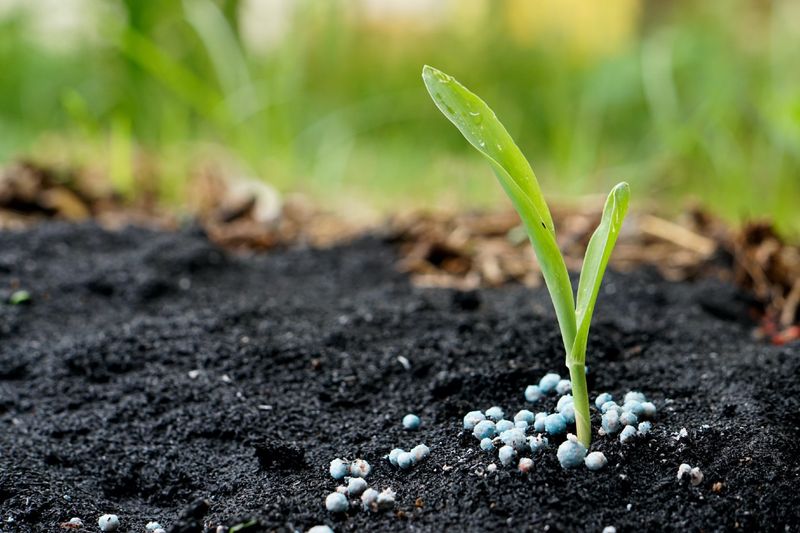
Most gardeners choose blue fertilizers thinking they’re getting good value for their money. The bags often seem reasonably priced at the store, and the quick results make it feel like a smart purchase.
But when you calculate the true cost over a growing season or multiple years, the math tells a different story that might surprise you.
Blue fertilizers need frequent reapplication because the nutrients wash away or get used up quickly. A typical lawn or garden requires feeding every few weeks during the growing season.
Those individual purchases add up fast, especially when you’re covering larger areas. North Carolina’s long growing season means even more applications than gardeners in cooler climates need to make.
The dependency cycle these products create also increases costs. As soil health declines from repeated chemical applications, you need more fertilizer to achieve the same results.
Some gardeners find themselves doubling or tripling their fertilizer use within a few years. This escalating expense becomes a significant burden on household budgets.
Organic alternatives might cost slightly more per bag initially, but they last much longer in the soil. A single application of compost or natural fertilizer can feed plants for months instead of weeks.
These products also improve soil structure, reducing the need for additional amendments and decreasing water usage because healthy soil holds moisture better.
Many North Carolina gardeners have discovered they can make their own compost from kitchen scraps and yard waste at essentially no cost. This free fertilizer works better than anything you can buy in a bag with a bright blue label.
Community composting programs and municipal leaf collection services in cities like Durham and Greensboro provide additional low-cost or free soil amendment options for budget-conscious gardeners.
5. The Chemical Dyes In Blue Fertilizers Serve No Purpose And May Be Harmful
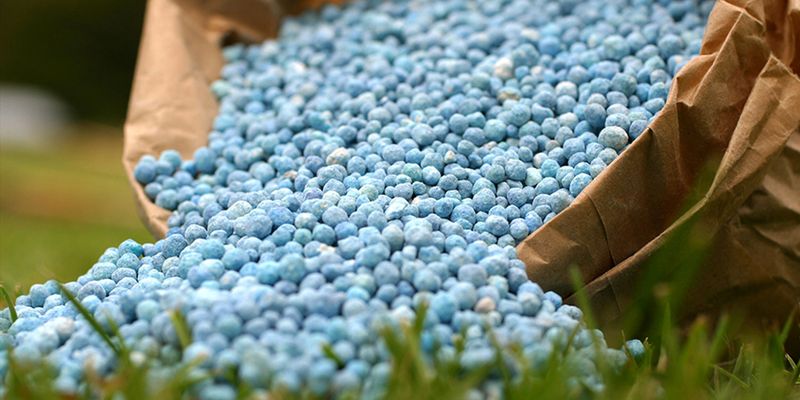
Have you ever wondered why fertilizer needs to be bright blue? The answer might surprise you because the color serves absolutely no agricultural purpose whatsoever.
Manufacturers add synthetic dyes purely for marketing reasons to make their products look special and high-tech. Plants don’t care what color their nutrients are, and the dye doesn’t help them grow any better.
These artificial colorants are additional chemicals that end up in your soil and potentially in your vegetables and fruits.
While fertilizer companies claim the dyes are safe, many contain compounds that haven’t been thoroughly tested for long-term environmental effects.
Some studies suggest certain synthetic dyes can persist in soil for extended periods and may affect soil organisms.
Children and pets are particularly vulnerable to exposure from brightly colored lawn products. The appealing blue color might attract curious toddlers or dogs who don’t understand the danger.
Even though the dye itself might not be highly toxic, it’s combined with concentrated fertilizer salts that can cause stomach upset and other health issues if ingested.
North Carolina families who grow food in their gardens should think carefully about what chemicals they’re introducing near edible plants.
While fertilizer dyes aren’t supposed to be absorbed by plants in significant amounts, why take unnecessary risks with your family’s food supply? Natural fertilizers don’t contain artificial colors and work just as well or better.
The bright blue residue from these fertilizers can also stain concrete driveways, patios, and sidewalks. Many North Carolina homeowners have dealt with unsightly blue streaks that are difficult to remove after fertilizer application.
This cosmetic problem adds another reason to avoid products that rely on unnecessary chemical dyes to catch consumers’ attention at the garden center.
6. Blue Fertilizers Don’t Match North Carolina’s Specific Soil And Climate Needs
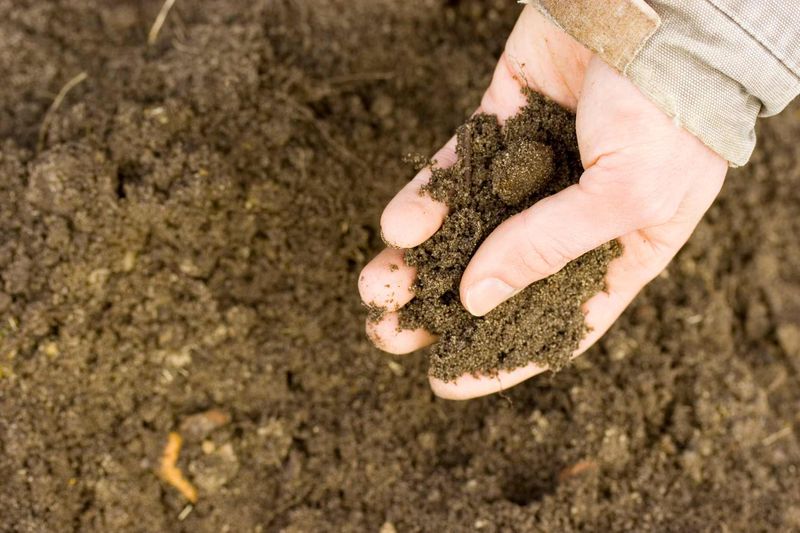
North Carolina stretches from the mountains to the coast, and our soil types vary dramatically across these regions. Mountain soils differ from Piedmont clay, which is completely different from sandy coastal soil.
Each area has unique characteristics that affect what plants need and how fertilizers behave. Blue fertilizers use a one-size-fits-all approach that ignores these important regional differences.
Most synthetic fertilizers contain the same basic nutrient ratios regardless of where you’re gardening. They don’t account for what’s already in your soil or what your specific plants actually need.
A soil test might reveal that your North Carolina garden has plenty of phosphorus but needs more potassium, yet blue fertilizer dumps equal amounts of everything without discrimination.
Our state’s rainfall patterns also affect fertilizer performance. North Carolina receives significant precipitation, especially during spring and summer when gardeners are most actively fertilizing.
Quick-release synthetic fertilizers wash away easily during heavy rains, wasting your money and polluting waterways. Products designed for drier climates don’t work efficiently in our wetter conditions.
The heat and humidity of North Carolina summers create another challenge for synthetic fertilizers. High temperatures can cause rapid nutrient release and even burn plant roots when chemical fertilizers are applied too heavily.
Natural fertilizers release nutrients more slowly and are much less likely to damage plants during hot weather.
Smart North Carolina gardeners start with a soil test from the state’s agricultural extension service. These inexpensive tests tell you exactly what your soil needs, allowing you to choose targeted amendments instead of generic blue fertilizer.
Working with your soil’s natural characteristics rather than against them produces better results and healthier plants adapted to local conditions throughout our diverse and beautiful state.