Why North Carolina Homeowners Keep Lavender Near Their Front Doors
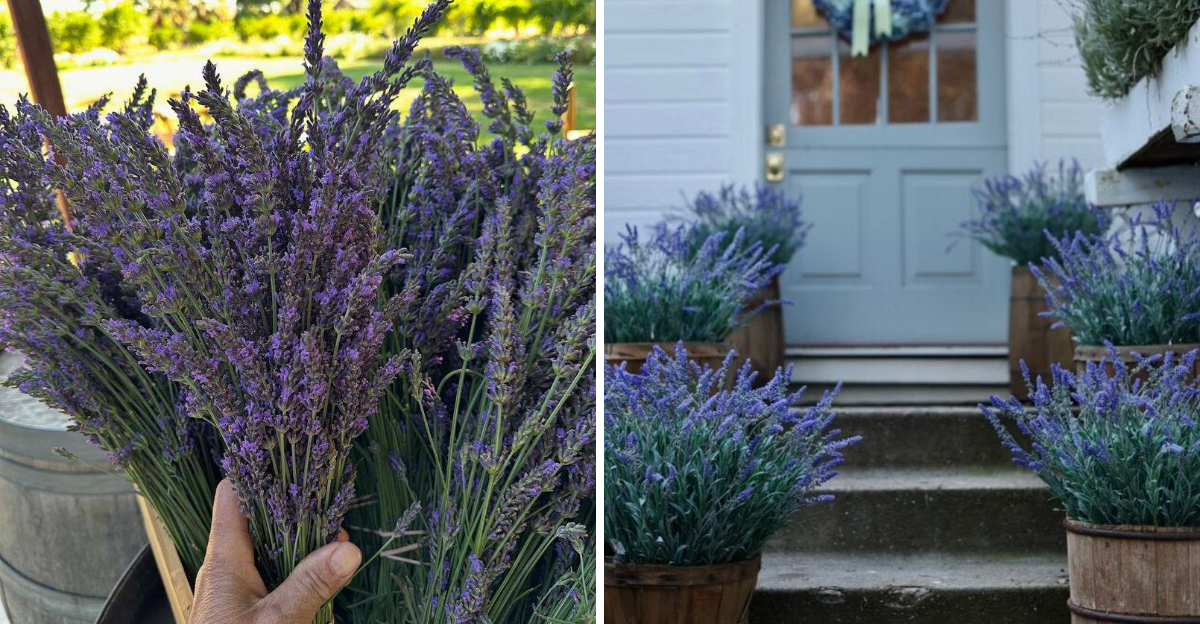
In many North Carolina homes, lavender by the front door is more than decoration. It is one of those small details that feels simple but carries real purpose.
The soft purple blooms add color, the scent greets you before you even step inside, and the plant itself asks for very little in return. In a climate known for heat and humidity, that kind of reliability matters.
Lavender near the entrance often serves multiple roles. Its fragrance feels calming after a long day, while its natural oils help keep mosquitoes and other insects from lingering around doorways.
Many homeowners also like having fresh sprigs within reach for cooking, teas, or simple home remedies. At the same time, the flowers quietly attract bees and pollinators that support the rest of the yard.
It is practical, low maintenance, and welcoming, which is exactly why it has become such a familiar sight across North Carolina homes.
Fragrant Welcome
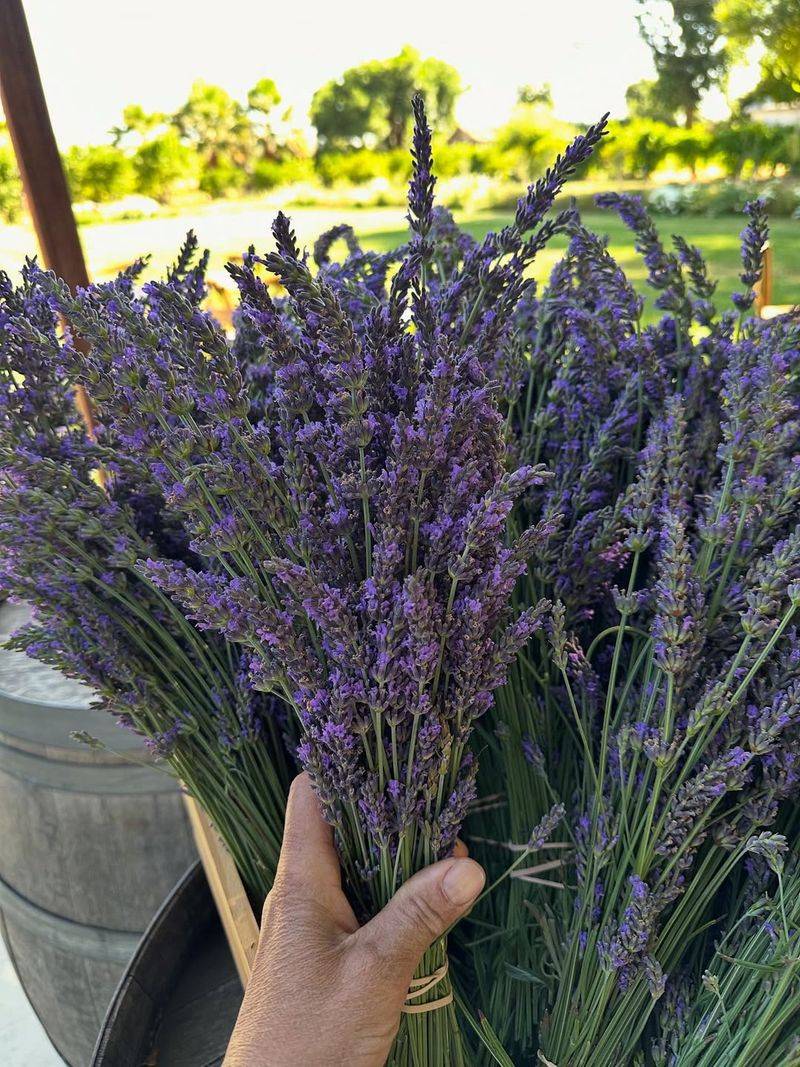
Walking up to a home surrounded by lavender creates an experience your guests will never forget. The sweet, calming scent greets visitors before they even ring the doorbell.
Fresh lavender releases its essential oils naturally when brushed by clothing or warmed by sunshine.
North Carolina’s warm summers help lavender plants produce stronger fragrances throughout the growing season. Morning dew intensifies the aroma, making early hours especially delightful for homeowners.
Evening breezes carry the scent through open windows, filling homes with natural perfume.
Different lavender varieties offer unique fragrance profiles for your entryway design. English lavender provides classic floral notes, while French lavender adds slightly sweeter undertones.
Spanish lavender brings a more herbaceous quality that some people prefer. The welcoming aroma helps guests feel relaxed and comfortable from the moment they arrive. Studies show lavender scents reduce stress and create positive first impressions.
Your front door becomes more than an entrance when surrounded by these aromatic beauties.
Planting lavender near mailboxes or pathway edges extends the fragrant experience throughout your property. The scent lingers on hands after touching the silvery foliage.
Creating this sensory garden element adds value and charm to your home’s curb appeal in ways few other plants can match.
Year-Round Visual Appeal
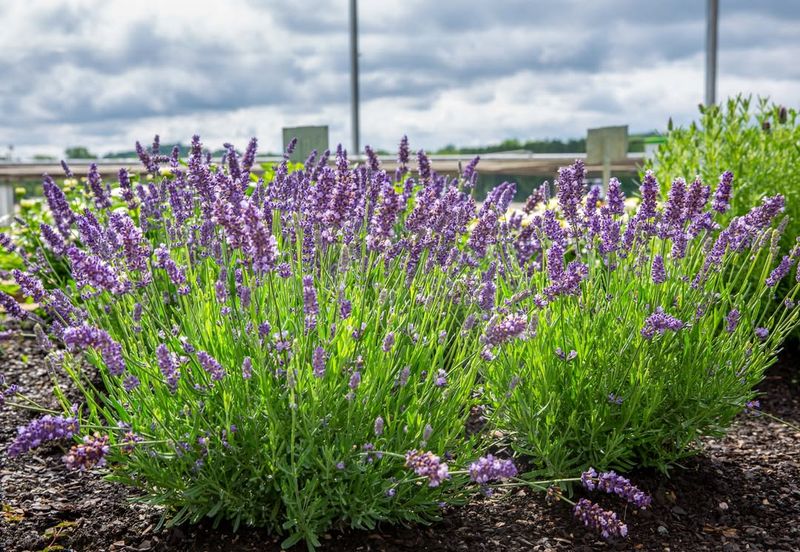
Lavender’s silvery-green foliage stays attractive even when flowers fade away in cooler months. Unlike many perennials that disappear completely, lavender maintains its shape and color.
The evergreen nature makes it valuable for North Carolina gardens that need winter interest.
Compact mounds of foliage create neat borders that look intentional and well-maintained year-round. The soft texture contrasts beautifully with brick, stone, or wooden entryway materials.
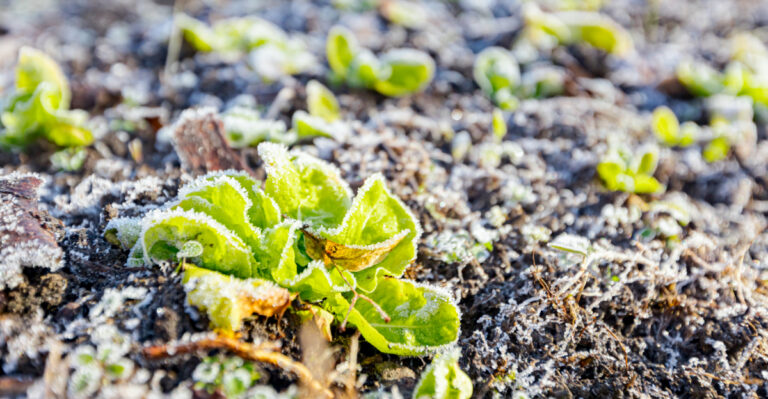
Frost occasionally highlights the silvery leaves, adding unexpected sparkle to winter landscapes.
During spring and summer, vibrant purple flower spikes rise above the foliage in stunning displays. Blooms typically appear from late May through July in North Carolina’s climate zones.
Deadheading spent flowers encourages additional blooming periods that extend the colorful show.
The architectural form of lavender plants provides structure that anchors other seasonal plantings around doorways. Rounded shapes soften harsh corners and create visual balance near rectangular doorframes.
Even young plants develop attractive forms within their first growing season. Variegated lavender varieties add cream or yellow tones to the foliage palette for extra visual interest. These unique cultivars brighten shaded areas near covered porches.
Combining different lavender types creates layered textures that professional landscapers often use in high-end designs.
Attracts Pollinators
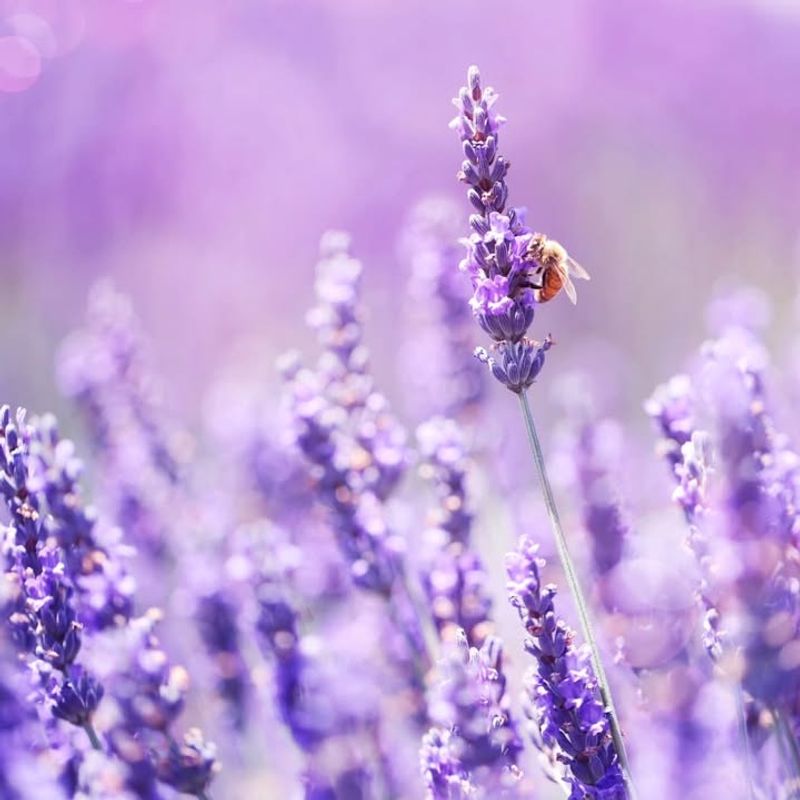
Bees absolutely adore lavender flowers, making your entryway a buzzing hub of beneficial activity. Honeybees gather nectar and pollen from the tubular blooms throughout summer months.
Native bumblebees also visit frequently, performing important pollination services for surrounding plants.
Butterflies find lavender irresistible, adding movement and color to your front garden space. Swallowtails, painted ladies, and skippers regularly visit these fragrant flowers.
Watching butterflies dance among purple blooms brings joy to homeowners and visitors alike.
Supporting pollinator populations has become increasingly important as natural habitats disappear across North Carolina. Your front door lavender creates a mini wildlife sanctuary in urban and suburban settings.
These small efforts combine to make significant differences for struggling pollinator species.
Hummingbirds occasionally visit lavender flowers, though they prefer other nectar sources more strongly. The overall pollinator activity attracts these tiny birds to investigate your garden area.
Creating pollinator pathways through neighborhoods helps all beneficial insects thrive.
Children love observing the busy insects working among lavender flowers from safe distances. Educational opportunities arise naturally when pollinators visit your entryway regularly.
Teaching youngsters about ecosystem connections becomes easier with living examples right outside your door.
Low Maintenance
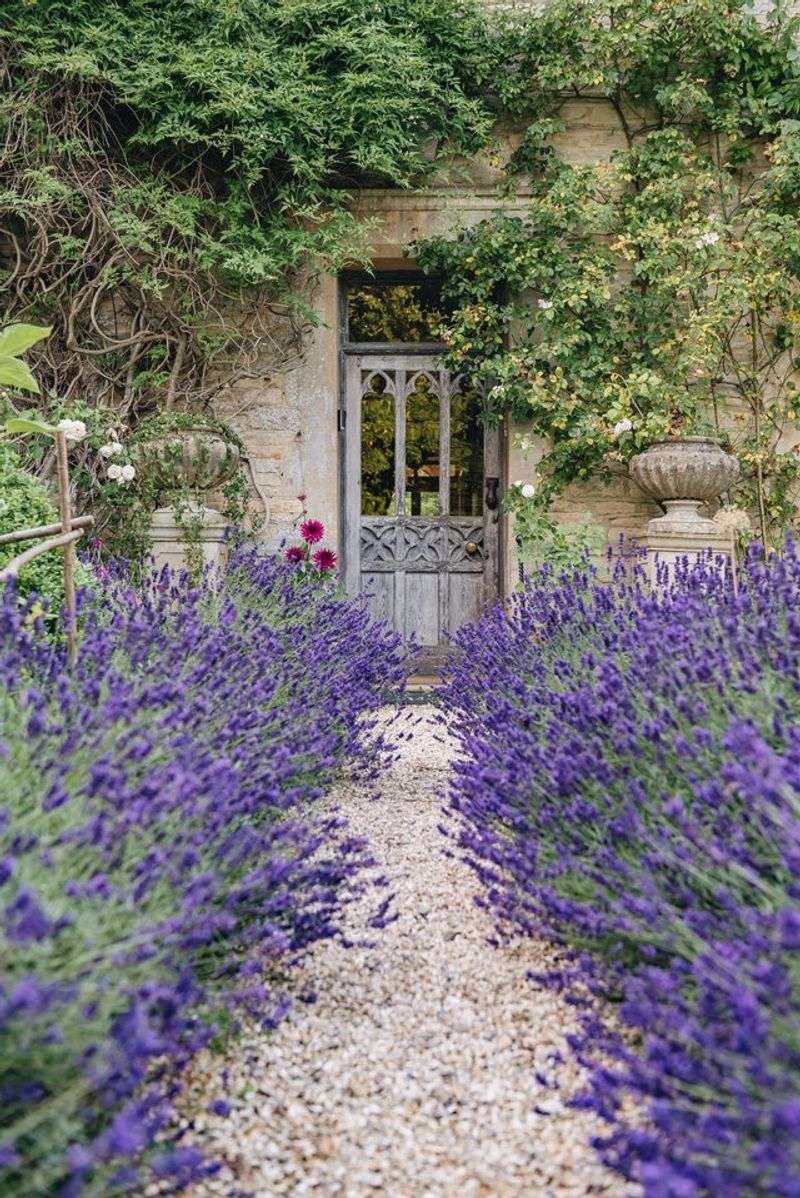
Busy families appreciate plants that thrive without constant attention or complicated care routines. Lavender fits perfectly into low-maintenance landscaping plans once roots establish properly.
The first growing season requires regular watering, but mature plants become remarkably self-sufficient.
Pruning lavender takes only minutes each year, typically done after flowering finishes in summer. Removing spent flower stems and shaping plants maintains attractive forms effortlessly.
Light trimming in early spring removes any winter-damaged tips without requiring professional skills.
Fertilizing needs remain minimal since lavender actually prefers lean soil conditions over rich amendments. Too much fertilizer causes excessive foliage growth at the expense of flowers.
North Carolina’s natural soil often provides everything lavender needs without additional supplements.
Pest problems rarely affect lavender plants, eliminating the need for chemical treatments or constant monitoring. The aromatic oils naturally repel most insects that damage other garden plants.
Disease issues occur infrequently when proper drainage and air circulation exist.
Mulching around lavender requires special consideration since traditional wood mulches retain too much moisture. Gravel or small stones work better, allowing soil to dry between waterings.
This simple adjustment prevents root rot while creating attractive, finished appearances around your entryway plantings.
Drought Tolerance
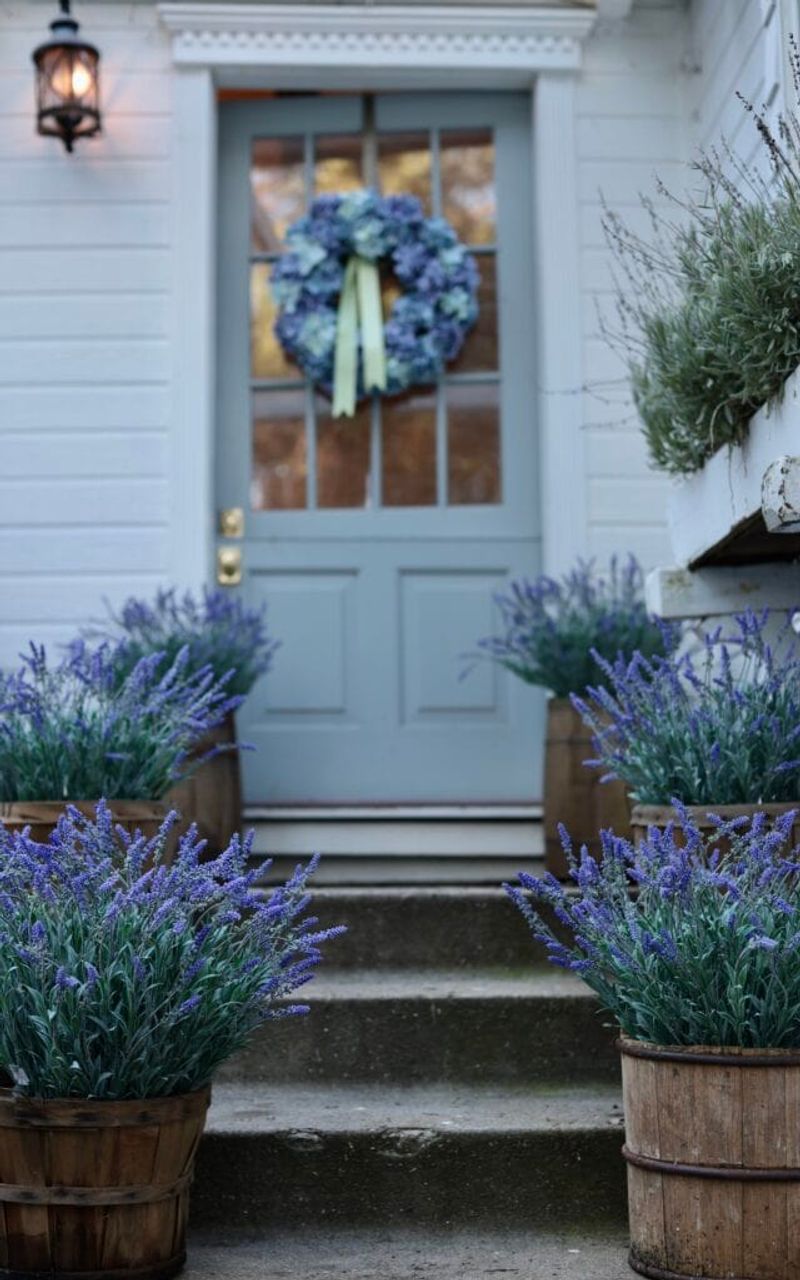
Summer heat waves challenge many North Carolina gardens, but lavender handles dry conditions exceptionally well. Mediterranean origins give this herb natural adaptations for surviving without frequent watering.
Established plants develop deep root systems that access moisture other shallow-rooted plants cannot reach.
Water restrictions during drought periods make lavender an environmentally responsible landscaping choice for conscious homeowners. Your front door garden remains beautiful while conserving precious water resources.
Neighbors struggling with thirsty lawns and wilting flowers will notice your thriving lavender.
Full sun exposure that would stress many plants actually helps lavender produce stronger growth and more flowers. Six to eight hours of direct sunlight daily creates ideal growing conditions.
South-facing entryways provide perfect locations for these sun-loving herbs. Sandy or rocky soils that drain quickly suit lavender better than clay-heavy ground that stays wet. Adding sand or gravel improves drainage in areas with heavier native soil.
Raised beds near doorways solve drainage problems while creating attractive elevated plantings.
Once established, lavender may need supplemental watering only during extended dry spells exceeding three weeks. Overwatering causes more problems than underwatering for these tough plants.
Learning to let soil dry completely between waterings feels counterintuitive but produces healthiest results.
Companion Plant Benefits
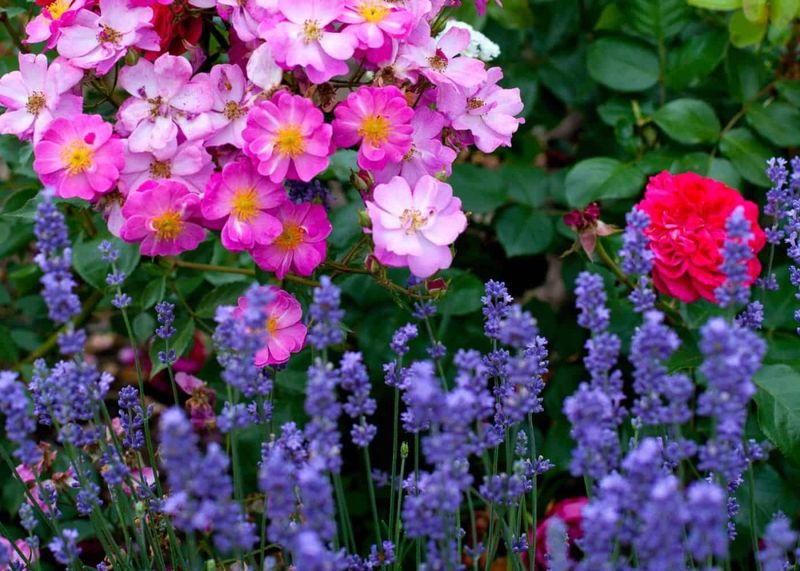
Roses and lavender create classic garden combinations that look stunning near front entrances throughout North Carolina. Lavender’s purple blooms complement rose colors beautifully while providing contrasting foliage textures.
The aromatic herbs may help deter aphids and other pests from prized rose bushes.
Ornamental grasses pair wonderfully with lavender, creating movement and height variations in entryway plantings. Feathery grass plumes sway above compact lavender mounds in gentle breezes.
The combination offers four-season interest with minimal maintenance requirements.
Salvia, catmint, and other purple-flowering perennials extend the color theme beyond lavender’s bloom period. Staggered flowering times keep your entrance colorful from spring through fall.
Repeating purple hues creates cohesive, professionally designed appearances.
Silver-leaved plants like lamb’s ear or artemisia echo lavender’s foliage color for harmonious plantings. These companions share similar cultural requirements, making care routines simpler.
Monochromatic silver gardens create sophisticated, elegant entryway statements. Contrasting yellow flowers from coreopsis or black-eyed Susans make lavender’s purple blooms pop visually. Complementary color schemes draw eyes to your front door area.
Mixing textures, heights, and bloom times creates dynamic gardens that change throughout growing seasons while maintaining year-round structure and appeal.
Supports Seasonal Décor
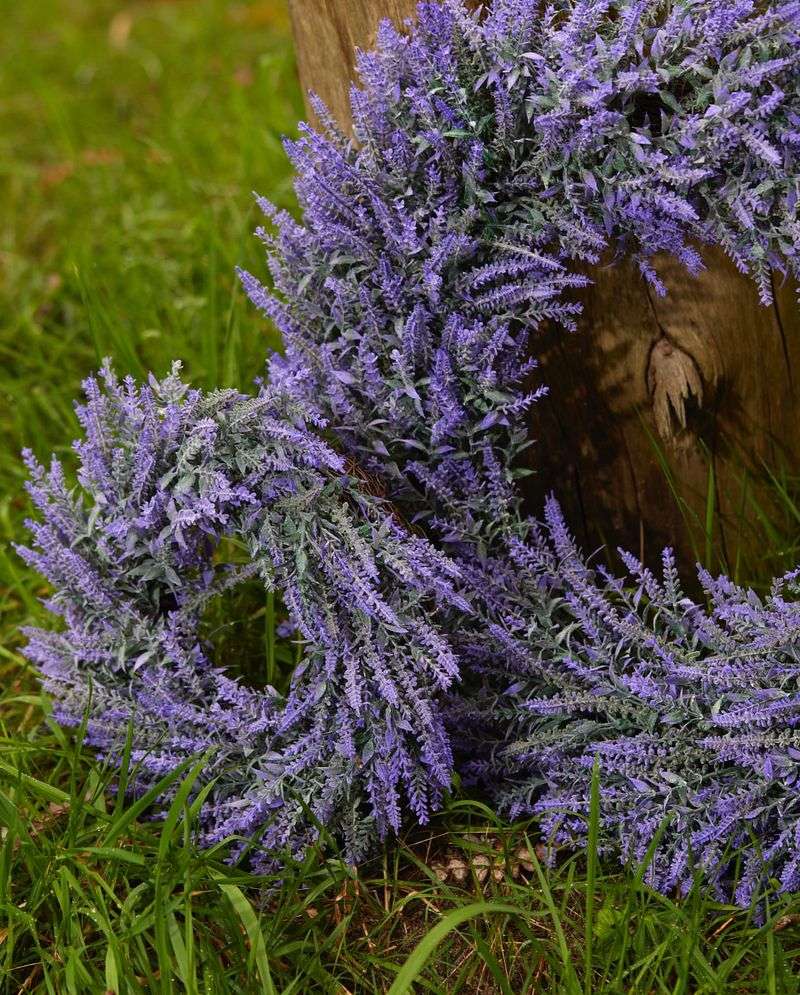
Harvesting fresh lavender from your doorstep provides free materials for countless creative projects throughout the year. Cutting stems just as flowers open captures peak fragrance and color.
Bundling fresh lavender with ribbon creates simple, elegant decorations that smell amazing.
Dried lavender maintains its color and scent for months when properly prepared and stored. Hanging bundles upside down in dark, airy spaces preserves quality perfectly.
These dried flowers become ingredients for sachets, potpourri, and craft projects during winter months.
Wreaths incorporating lavender stems bring natural beauty to front doors during any season. Spring wreaths might combine lavender with fresh greenery and pastel ribbons.
Fall versions can include dried lavender with wheat, corn husks, and autumn leaves.
Sachets filled with dried lavender blossoms make thoughtful homemade gifts for neighbors and friends. Tucking them into drawers freshens linens naturally without chemical air fresheners.
The calming scent promotes relaxation and better sleep when placed near pillows.
Wedding bouquets, table centerpieces, and special event decorations benefit from homegrown lavender additions. The romantic flowers photograph beautifully and add memorable fragrance to celebrations.
Growing your own supplies saves money while ensuring freshness and quality for important occasions.
Natural Pest Deterrent
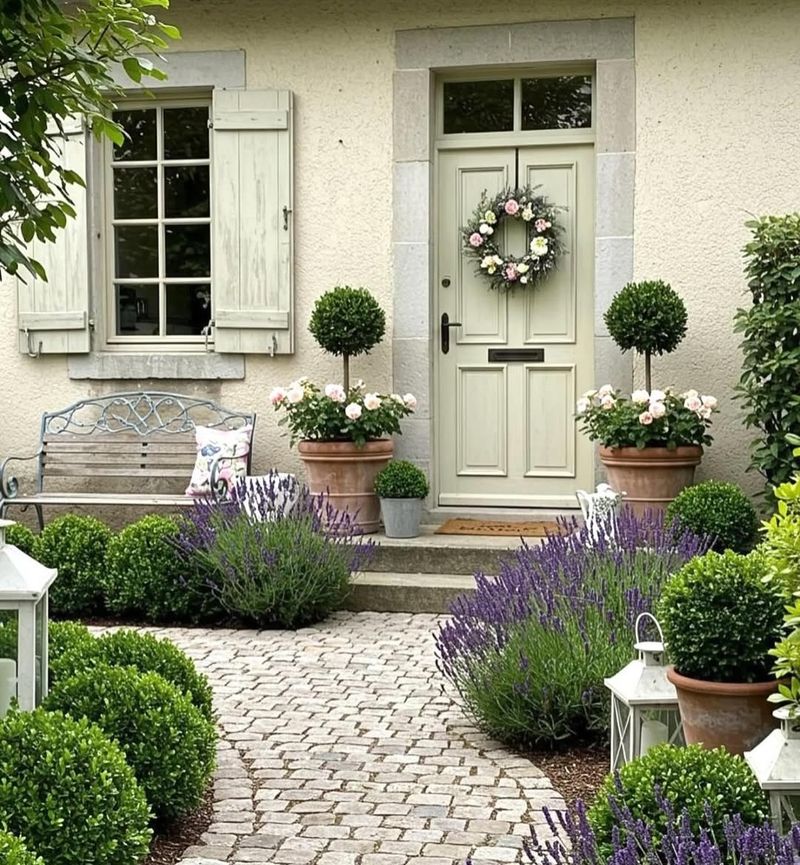
Mosquitoes find lavender’s strong scent unpleasant, making your entryway less attractive to these annoying biters. Evening gatherings on front porches become more enjoyable when surrounded by these aromatic plants.
The natural repellent properties work without chemical sprays or citronella candles.
Flies tend to avoid areas where lavender grows abundantly, keeping doorways cleaner and more pleasant. The essential oils in foliage and flowers interfere with insects’ ability to locate food sources.
Your guests appreciate entering a home through a pest-free zone.
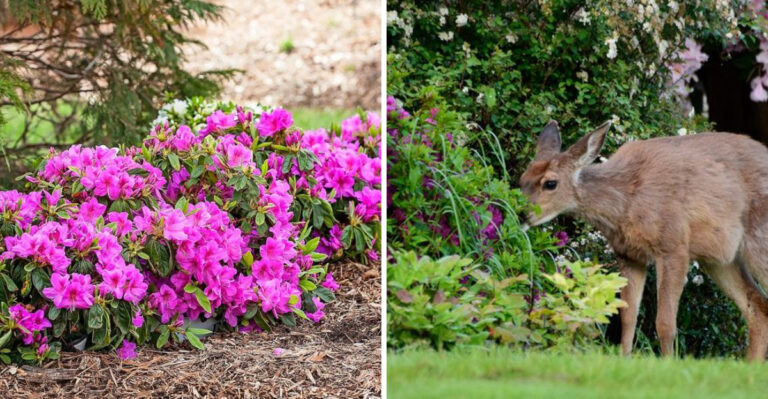
Deer usually pass by lavender plants in favor of tastier options elsewhere in landscapes. The strong scent and flavor make these herbs unappealing to browsing wildlife.
Protecting other vulnerable plants near entrances becomes easier when lavender acts as a natural barrier.
Rabbits similarly avoid nibbling lavender, though they may damage nearby hostas or other tender plants. Strategic placement creates protective zones around favorite flowers.
The dual benefit of beauty and protection makes lavender incredibly valuable in gardens.
Fleas and ticks dislike lavender oils, potentially reducing these pests near doorways where pets enter homes. While not a complete solution, every natural deterrent helps protect family members and animals.
Crushing fresh leaves releases stronger oils that boost repellent effects temporarily.
Compact Growth For Small Spaces
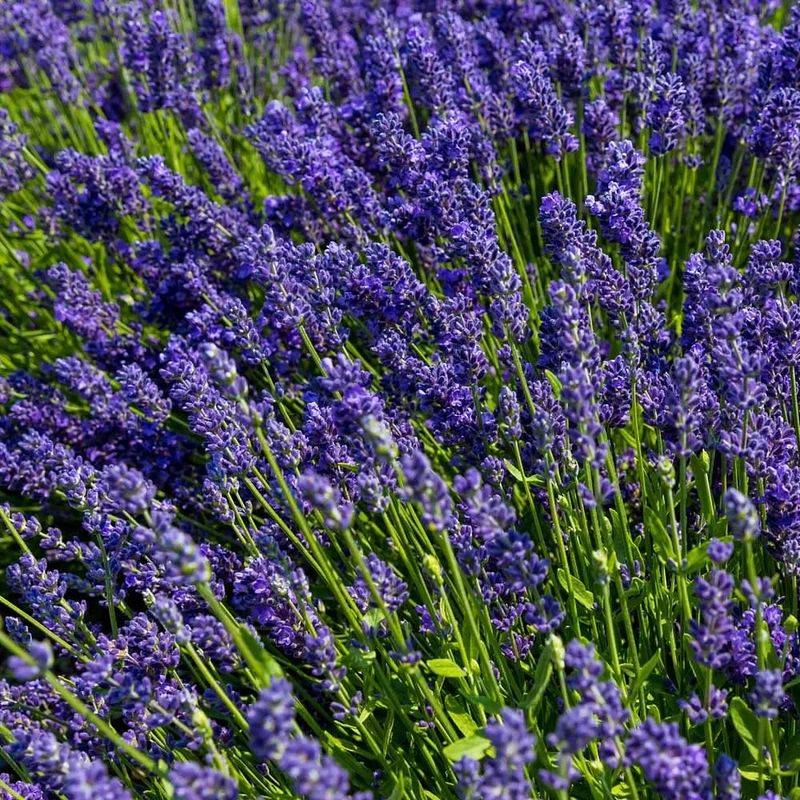
English lavender varieties typically grow 18 to 24 inches tall and wide, perfect for flanking doorways without blocking views. These compact dimensions fit neatly into small planting beds common in newer subdivisions.
The tidy growth habit requires minimal pruning to maintain attractive shapes.
Dwarf lavender cultivars stay even smaller, reaching only 12 to 15 inches at maturity. These petite versions work beautifully in container plantings on front steps or porches.
Urban gardens with limited ground space benefit from these space-saving options.
Narrow pathways leading to front doors accommodate lavender plantings without crowding walkways or brushing against visitors. The plants naturally form rounded mounds that soften pathway edges beautifully.
Strategic placement ensures comfortable passage while maximizing visual impact.
Container gardening with lavender allows renters and condo owners to enjoy these plants near entrances. Large pots flanking doors create symmetrical, welcoming arrangements that move easily when needed.
Terracotta containers complement lavender’s Mediterranean character perfectly.
Multiple small lavender plants create fuller appearances than single large specimens in tight spaces. Grouping three or five plants together provides immediate impact while allowing air circulation.
This approach also ensures some plants thrive even if others struggle with specific microclimate conditions near your particular entryway.