Why North Carolina Lawns Turn Yellow After A Freeze And What Not To Do In March
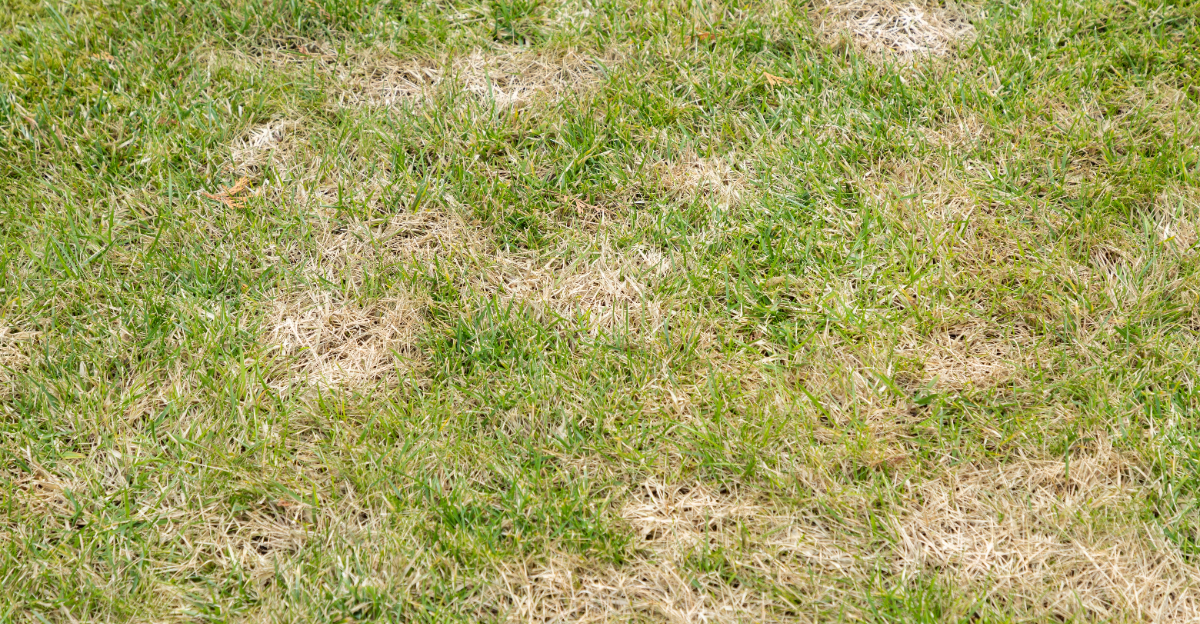
A sudden freeze can leave North Carolina lawns looking pale, patchy, and seriously damaged almost overnight. Many homeowners step outside in March expecting fresh seasonal growth, only to find yellow grass spreading across the yard.
It can be alarming, especially if your lawn looked perfectly healthy just weeks earlier.
Across the Piedmont, Coastal Plain, and Mountain regions, these late winter temperature swings are common. When a freeze hits after mild weather, even established lawns can react quickly, turning yellow or losing their vibrant color.
The good news is that this type of freeze stress is usually temporary and does not mean your lawn is permanently damaged.
What matters most is how you respond next. The wrong move in early spring can create real problems just as your grass is preparing to recover.
Understanding why freeze damage happens in North Carolina lawns can help you avoid mistakes and protect your yard as the new season begins.
1. Grass Blades Are Temporarily Damaged
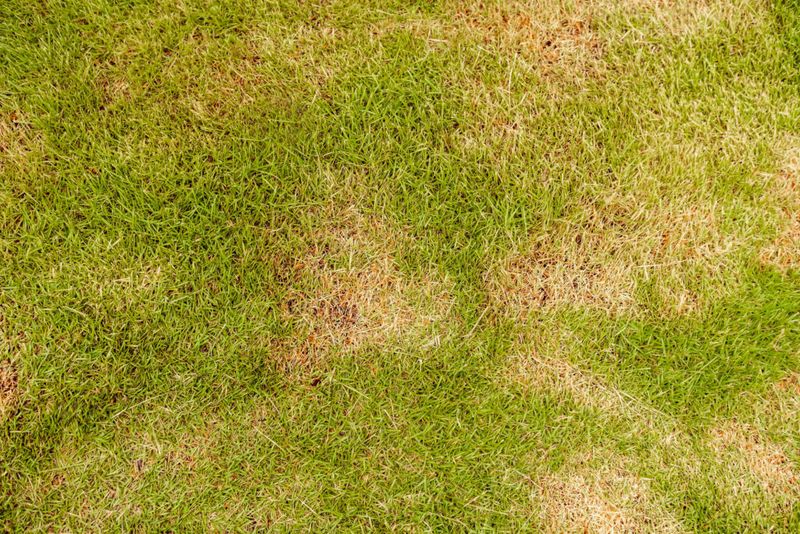
Freezing temperatures hit North Carolina harder than most people expect, and your grass blades feel every bit of it. When temperatures drop below 32 degrees Fahrenheit, the water inside grass blades freezes and expands, breaking down the cell walls.
That cellular damage shows up fast as yellow or brown discoloration across your lawn.
Here is what surprises most homeowners: the roots are usually just fine. Grass roots sit deeper in the soil, where temperatures stay warmer and more stable during a cold snap.
The blades take the hit so the roots do not have to, which is actually a smart design by nature.
The biggest mistake you can make right now is reaching for a bag of fertilizer. Applying nitrogen fertilizer to stressed, frozen grass blades only adds pressure to a plant that is already struggling to recover.
The grass cannot absorb or use those nutrients properly when it is in this condition.
Give your North Carolina lawn a little patience instead. Most warm and cool season grasses in this region bounce back on their own once temperatures rise and sunlight returns consistently.
Resist the urge to fix something that is already healing itself. Watch the weather forecast, keep foot traffic light, and let nature handle the recovery before you take any action.
2. Root Activity Slows During Cold Weather
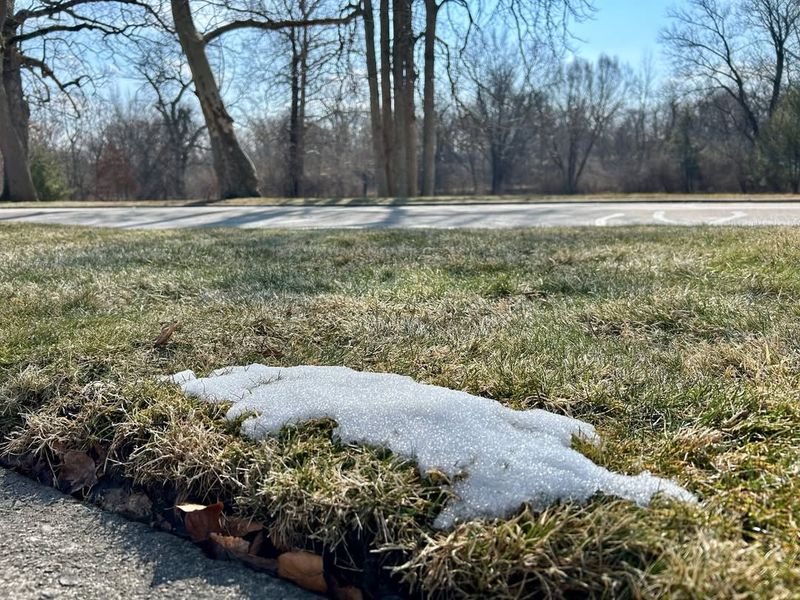
Roots are the engine of your lawn, but cold soil puts that engine into a very slow gear. When soil temperatures drop below 50 degrees Fahrenheit, grass roots in North Carolina significantly reduce their ability to pull nutrients and water from the ground.
Without that steady supply of nutrients, the grass above starts to look pale and yellow.
Nitrogen is the nutrient most responsible for keeping grass green and lush. When root activity slows, nitrogen uptake drops sharply, and that green color fades fast.
The lawn is not sick in a serious way. It is simply running low on fuel because the delivery system has temporarily slowed down.
Applying a heavy dose of nitrogen fertilizer in early March is one of the worst things you can do. The roots cannot absorb it efficiently, and the excess nitrogen can sit in the soil, potentially causing runoff or encouraging disease later in the season.
It is a waste of product and money. Soil thermometers are inexpensive and incredibly useful for North Carolina gardeners. Check your soil temperature before making any fertilizer decisions this spring.
Most turf experts recommend waiting until soil temps consistently reach 55 to 60 degrees before applying any fertilizer. That simple step protects your lawn and keeps your efforts from going to waste.
3. Frost Heaving Disrupts Soil Contact
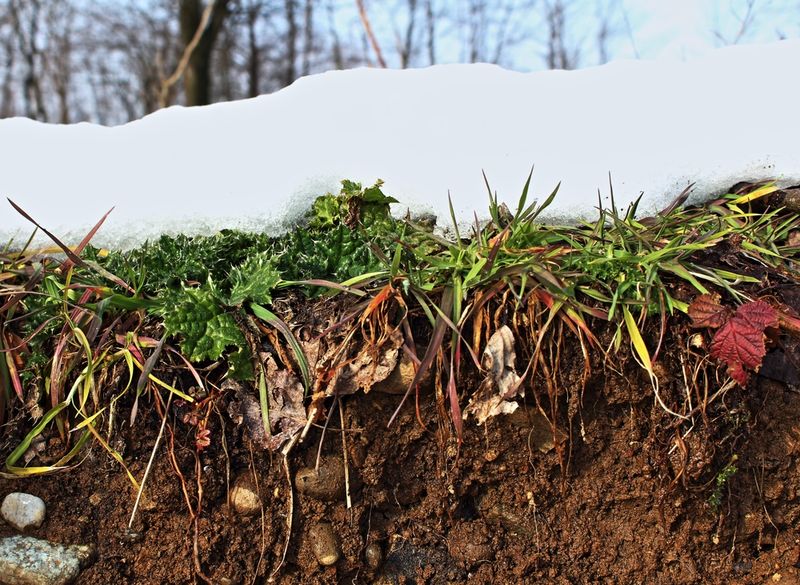
Frost heaving sounds like a technical term, but it describes something pretty simple and surprisingly common in North Carolina yards during late winter. When soil freezes and thaws repeatedly over several days, it expands and contracts.
That movement can actually push grass roots slightly upward, lifting them partially out of the soil.
When roots lose direct contact with the soil, they cannot absorb moisture or nutrients properly. The grass above those disrupted roots begins to yellow because it is essentially cut off from its food and water source.
You might notice uneven patches of discoloration that seem random, but they often follow the areas where heaving was worst.
One of the most tempting responses is to go out and aerate the lawn right away. Resist that urge strongly.
Aerating a lawn immediately after a freeze when the soil is still unstable can cause even more root disruption and make the problem significantly worse before it gets better.
The best approach for North Carolina homeowners is simply to wait. Once the freeze-thaw cycle ends and soil temperatures stabilize, roots will naturally resettle back into the ground on their own.
Gently pressing down on visibly lifted areas by walking over them during a warmer afternoon can help speed up that process without causing further stress to your recovering lawn.
4. Early Sunlight Can Stress Frozen Grass
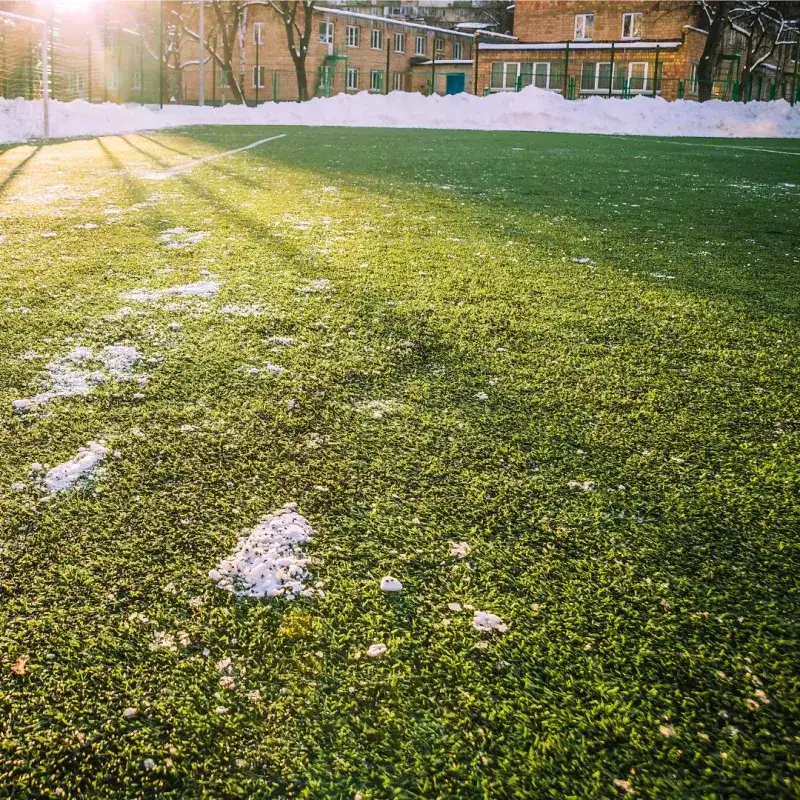
Sunshine feels like a good thing after a cold night, but for frozen grass, that early morning sun can actually cause more harm than help. When sunlight hits grass blades that are still frozen, it warms the top of the blade faster than the roots and soil below can respond.
That rapid temperature difference creates a kind of stress that worsens yellowing and cell damage.
Think of it like taking a frozen glass and pouring hot water on it. The sudden change causes stress that the structure was not ready to handle.
Grass reacts the same way. The cells that froze overnight get hit with rapid warming before they have had time to thaw naturally, and the result is more visible yellowing across your North Carolina lawn.
Mowing frozen or frost-covered grass is another serious mistake that many homeowners make without realizing the damage they are causing.
Mower blades crush and shred frozen grass cells that are already fragile, leaving behind ragged, browning tips that take much longer to recover. Even a light mow on a frosty morning can leave your lawn looking worse for weeks.
Always wait until the grass has fully thawed and dried before running any equipment over it. In North Carolina, that usually means waiting until mid to late morning on a cold March day. A little patience in the morning protects a lot of grass health over the coming weeks.
5. Warm Season Grasses Are Coming Out Of Dormancy
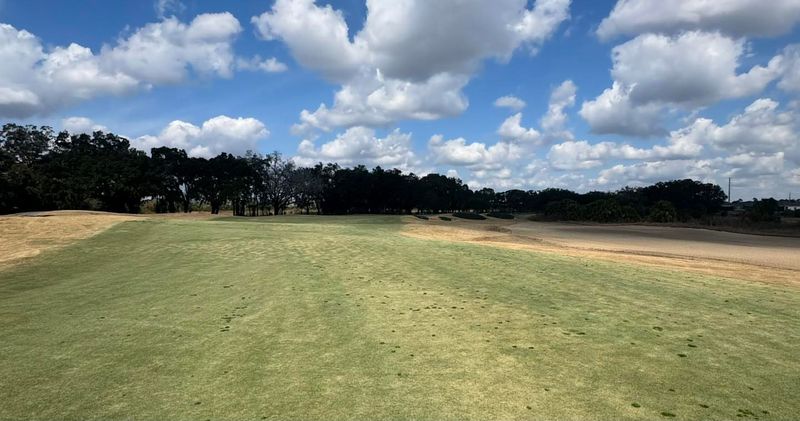
Bermuda grass and Zoysia grass are two of the most popular warm season grasses grown across North Carolina, and both of them go fully dormant during winter. In March, as soil temperatures start to climb, these grasses begin waking up and pushing out new growth.
That transition period is one of the most misunderstood phases of lawn care in the entire year.
During dormancy exit, the old tan and yellow blades from winter are still highly visible while fresh green shoots are just beginning to emerge beneath them. From a distance, the whole lawn can look yellow or patchy.
Many homeowners panic and assume something is wrong, but this is completely normal and expected behavior for warm season turf in this region.
Over-watering during this phase is a common mistake that actually slows recovery. Cool, wet soil in early March stays cold longer, which delays root activity and keeps the lawn looking yellow for more weeks than necessary.
Too much water also increases the risk of fungal issues in already stressed turf.
Fertilizing too early is equally problematic. Warm season grasses in North Carolina are not ready to process fertilizer until soil temperatures consistently reach 65 degrees Fahrenheit.
Applying nutrients before that point pushes top growth before the root system is strong enough to support it, which weakens the overall plant going into the growing season.
6. Cold Snap Can Trigger Temporary Nutrient Deficiency
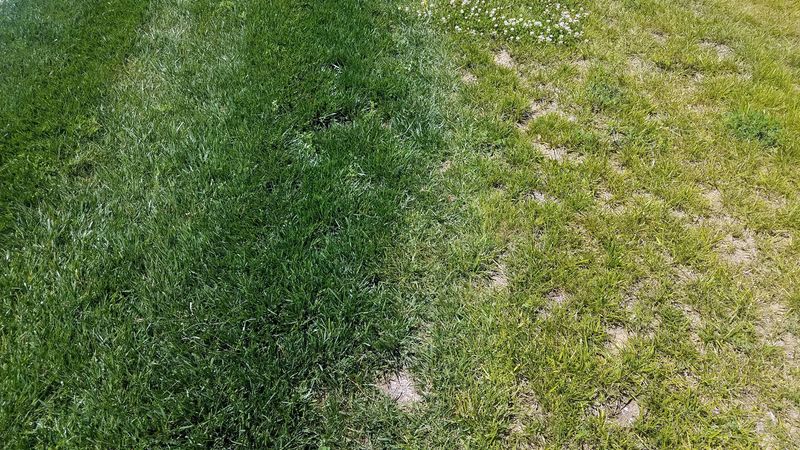
A sudden cold snap does not just chill the air. It also disrupts the chemistry happening inside your soil.
Nitrogen and iron are two nutrients that grass depends on heavily for its green color, and both of them become much harder for roots to absorb when soil temperatures fall quickly after a freeze.
Iron deficiency in particular shows up as a bright yellowing between the leaf veins, giving the grass a washed-out appearance. Nitrogen deficiency tends to produce a more uniform pale yellow look across the whole lawn.
Both conditions can appear at the same time after a freeze, making your North Carolina yard look like it is in serious trouble when it is actually experiencing a temporary slowdown.
The instinct to panic-feed the lawn with a heavy fertilizer application is understandable, but it is the wrong move. Dumping nutrients onto soil that is too cold to process them does not fix the deficiency.
It just creates excess buildup that can burn roots later or wash away with rain, neither of which helps your lawn recover any faster.
Patience is genuinely the best tool here. As soil temperatures stabilize and warm into the mid-50s, nutrient uptake resumes naturally and color returns on its own.
If yellowing continues well into late April after consistent warm weather, that is the right time to have your soil tested and consider a targeted, appropriate fertilizer application for your specific North Carolina lawn type.
7. Snow Or Ice Can Smother Grass
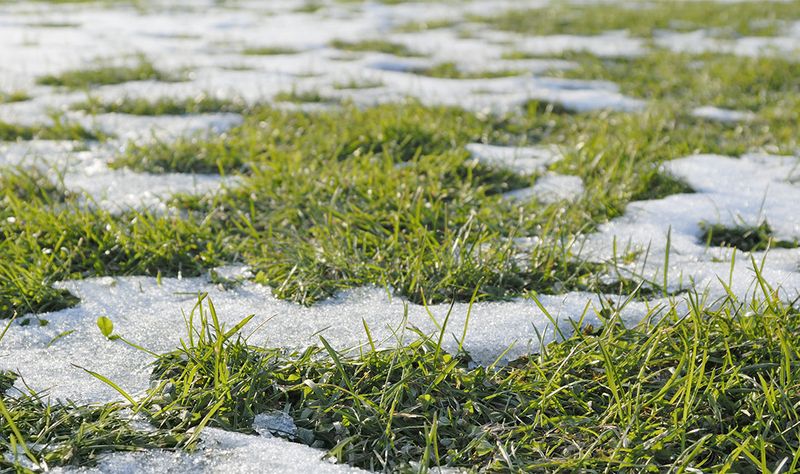
Snow in North Carolina is not an everyday event, but when it does happen, it can leave a real mark on your lawn. A thick layer of snow or ice sitting on top of grass for several days blocks sunlight completely, traps moisture, and compresses the blades underneath.
All of that pressure and darkness adds up to yellowing and matted grass once the snow finally melts away. Ice is even more problematic than snow because it forms a solid seal over the grass surface.
That barrier prevents any gas exchange between the soil and the air above, which can temporarily stress the grass in ways that show up as discoloration and weak spots across your yard.
North Carolina winters do not always bring snow, but when they do, the lawn feels it. After the snow melts, many homeowners grab a rake and start aggressively pulling at the matted, yellowed grass. That is a mistake worth avoiding.
Raking too hard on stressed, fragile grass can pull up blades and roots that are already weakened, creating bare patches that take much longer to fill back in.
A light, gentle raking to lift matted blades and improve airflow is perfectly fine and actually helpful.
But aggressive raking or dethatching immediately after a snow event in March adds unnecessary stress to a lawn that just needs time, warmth, and a little breathing room to bounce back naturally on its own schedule.
8. Overwatering After Freeze Can Cause Root Issues
After a freeze, it feels natural to want to help your lawn recover by giving it extra water. The logic makes sense on the surface: the grass looks stressed, so water it.
But in early March in North Carolina, overwatering after a freeze is one of the fastest ways to turn a temporary problem into a longer-lasting one.
Cold soil drains very slowly. When you add excess water to already cold, compact soil, it stays saturated for much longer than it would during warmer months.
Roots sitting in soggy, oxygen-poor soil begin to struggle, and that struggle shows up as prolonged yellowing, weak growth, and in some cases, the beginning of root rot that can damage large sections of your lawn.
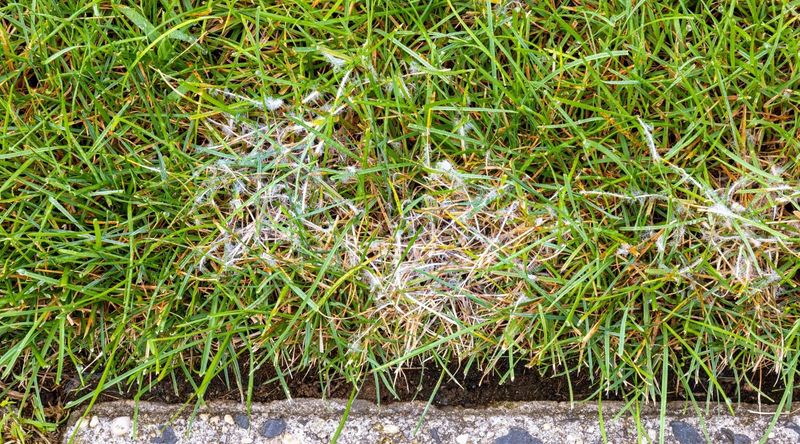
Fungal diseases also love wet, cold conditions. Gray snow mold and other turf fungi thrive in exactly the environment that overwatering after a freeze creates.
Once fungal issues take hold in a North Carolina lawn in March, they can spread quickly and cause damage that goes well beyond what the original freeze ever would have done.
Check your soil moisture before turning on any irrigation system this spring. Push a screwdriver or finger about two inches into the soil.
If it feels damp, your lawn does not need water yet. Let the soil dry out slightly between waterings, and always water in the morning so excess moisture evaporates before cooler evening temperatures arrive.
9. Temporary Color Loss Does Not Mean Permanent Damage
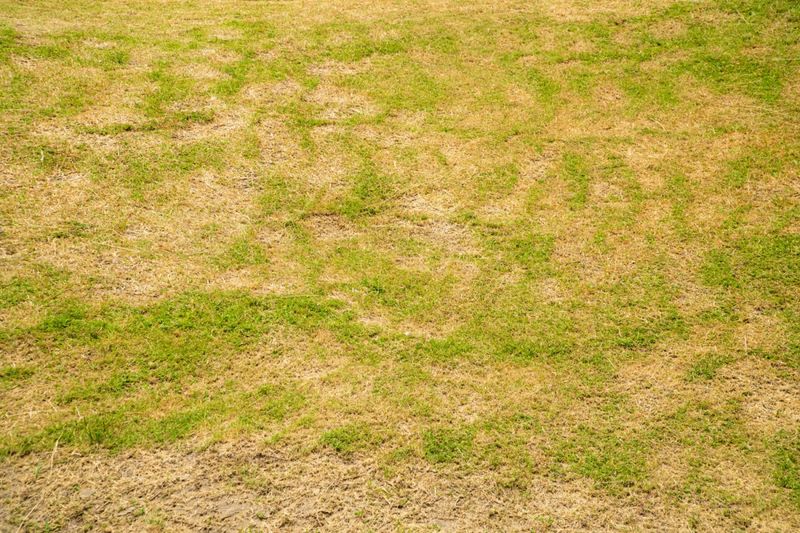
Walking outside to find a yellow lawn in March can feel alarming, especially when you have put real time and effort into keeping your yard looking great.
But across North Carolina, lawn experts and turf specialists agree on something that most homeowners do not hear often enough: yellow after a freeze is almost always temporary.
Grass is remarkably resilient. Both warm season varieties like Bermuda and Zoysia, and cool season types like tall fescue, have evolved to handle cold stress and bounce back when conditions improve.
The yellowing you see is the lawn protecting itself, not signaling a permanent decline. Roots stay alive and ready to fuel new growth the moment soil temperatures climb back up.
Overreacting in March is where real damage tends to happen. Applying too much fertilizer, aerating too soon, mowing frozen grass, or flooding the lawn with water are all responses that feel helpful but actually extend the recovery timeline significantly.
Doing less is genuinely better during this window of time. North Carolina homeowners who wait patiently and avoid aggressive lawn interventions in March almost always see strong green recovery by late April or early May, depending on the grass type.
Trust the process, monitor soil temperature, and hold off on any major lawn treatments until conditions are truly ready.
Your lawn knows what it is doing, and sometimes the best thing you can do is simply stay out of its way.