Why North Carolina Muscadines Drop From The Vine Right Before Harvest
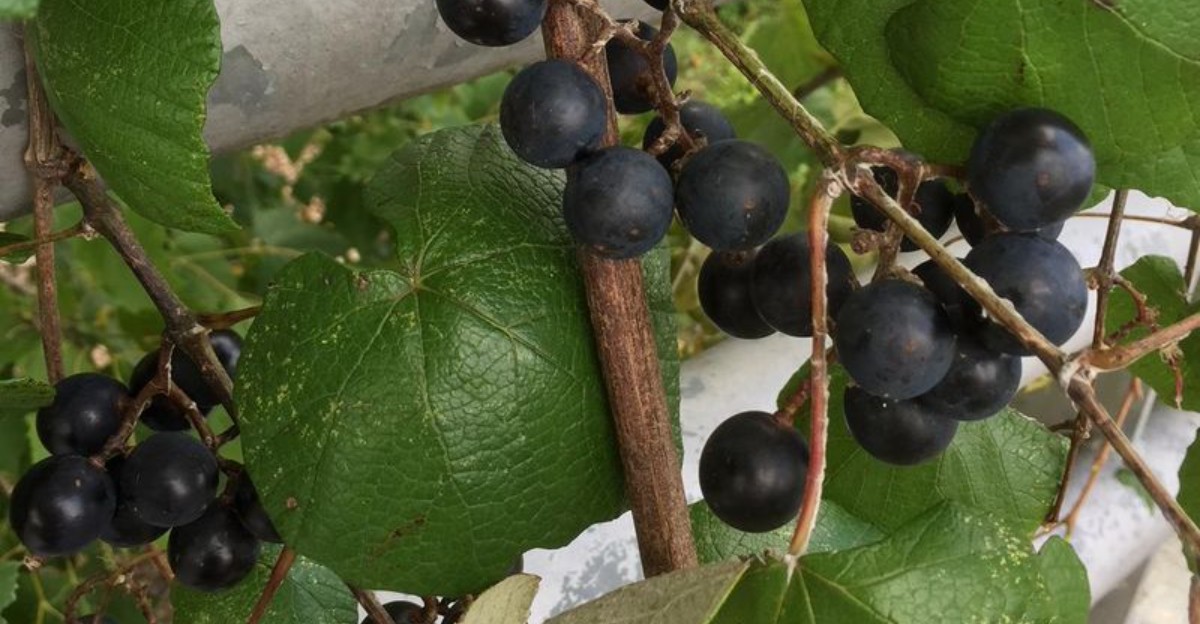
Muscadine grapes dropping prematurely just before an expected harvest is a frustrating but fairly common issue for North Carolina growers, and it usually comes down to one of a few specific causes.
Inconsistent watering, particularly a dry stretch followed by sudden heavy rain, can cause rapid fruit swelling that leads to weakened stem attachment and early drop.
Certain diseases and pest pressures can also stress the vine enough to trigger this kind of premature fruit loss right as grapes are nearing full ripeness.
Muscadines naturally drop when fully ripe, but fruit that falls before reaching maturity can also result from drought, disease, insects, or other stress.
Understanding what’s driving this drop helps North Carolina growers make adjustments that protect future harvests from the same frustrating pattern.
1. Fully Ripe Muscadines Naturally Fall
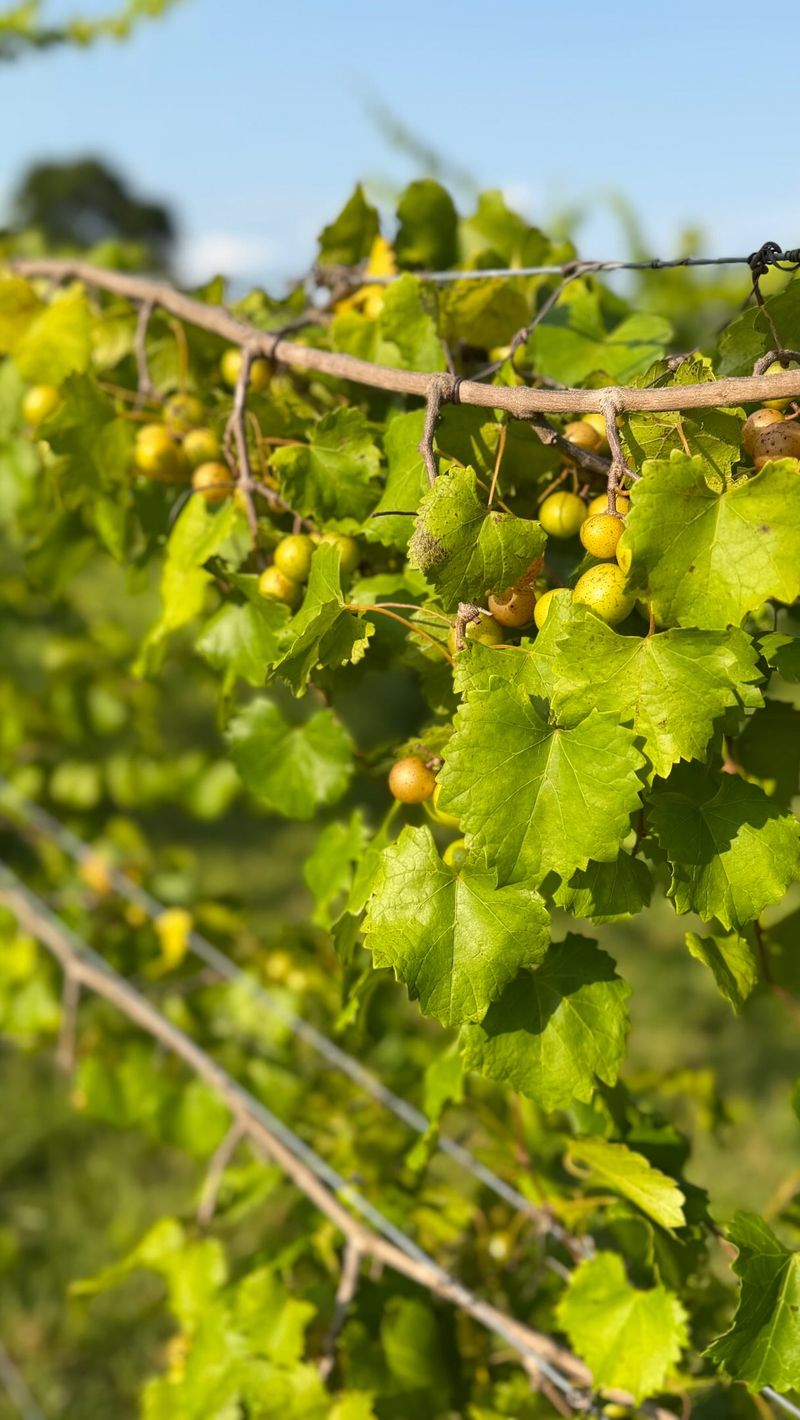
Believe it or not, muscadines falling off the vine is often a sign of good news, not bad. Unlike bunch grapes that stay tightly attached in big clusters, muscadines grow in loose groups and let go once they hit peak sweetness.
NC State points out that fully mature muscadines will naturally drop from the vines. Think of it like an apple releasing from a tree when it is perfectly ready. The grape knows its job is done, so it separates at the stem and heads for the ground.
If you taste one of these fallen berries, you will often find it juicy, soft, and packed with flavor.
Many home growers actually collect muscadines this way. They spread a clean tarp or old sheet under the vine, then gently shake the branches so ripe fruit tumbles down. It saves time and helps you grab only the berries that are truly ready.
The tricky part is telling normal drop from a real problem. If the fruit on the ground looks plump, smells sweet, and tastes great, you are simply seeing nature at work.
Check your vines every day or two once the season gets close. Waiting too long means more berries end up in the grass, where bugs and animals find them first.
By staying on top of things, you can catch that sweet spot and enjoy the best your vines have to offer without wasting a single grape.
2. Drought Stress Can Trigger Fruit Drop
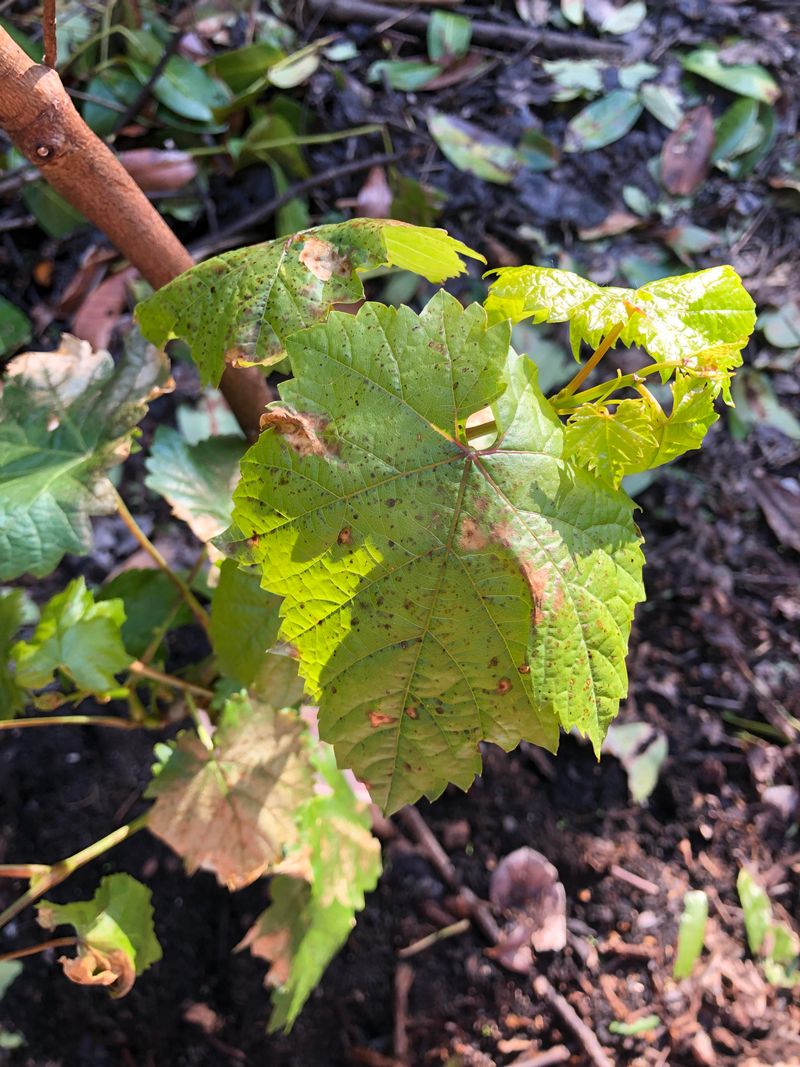
Muscadine vines are tough, but even tough plants have their limits. When the weather turns hot and dry for weeks, vines can get stressed and start letting go of their fruit before it fully ripens.
It is the plant’s way of trying to survive with less water. Established muscadines handle dry spells better than many other fruits. Their deep roots reach down to find moisture, which is one reason they grow so well across North Carolina.
Still, a long or severe drought can push them past their comfort zone. When roots cannot pull up enough water, the vine has to make choices. It may drop berries to save energy for staying alive, leaving you with fewer grapes at harvest time.
Young vines that are only a year or two old feel this stress the most. You can help by giving your vines a deep soak during dry stretches, especially while fruit is filling out.
Your North Carolina Garden Changes Every Week. Your Plan Should Too.
Gardening in North Carolina changes quickly throughout the season. Every Friday you’ll receive a simple weekly plan showing exactly what to plant, prune, fertilize, harvest, and protect so you never miss the right timing.
Watering slowly and deeply beats a quick sprinkle, since it encourages strong roots that reach far below the surface.
A layer of mulch around the base works wonders too. Wood chips or straw hold moisture in the soil and keep the ground cooler on scorching days.
Pay attention to the leaves as a warning sign. If they look wilted in the morning, your vine is telling you it needs a drink.
A little extra care during a dry summer can mean the difference between losing fruit and bringing home a full basket.
3. Bitter Rot Can Make Fruit Drop
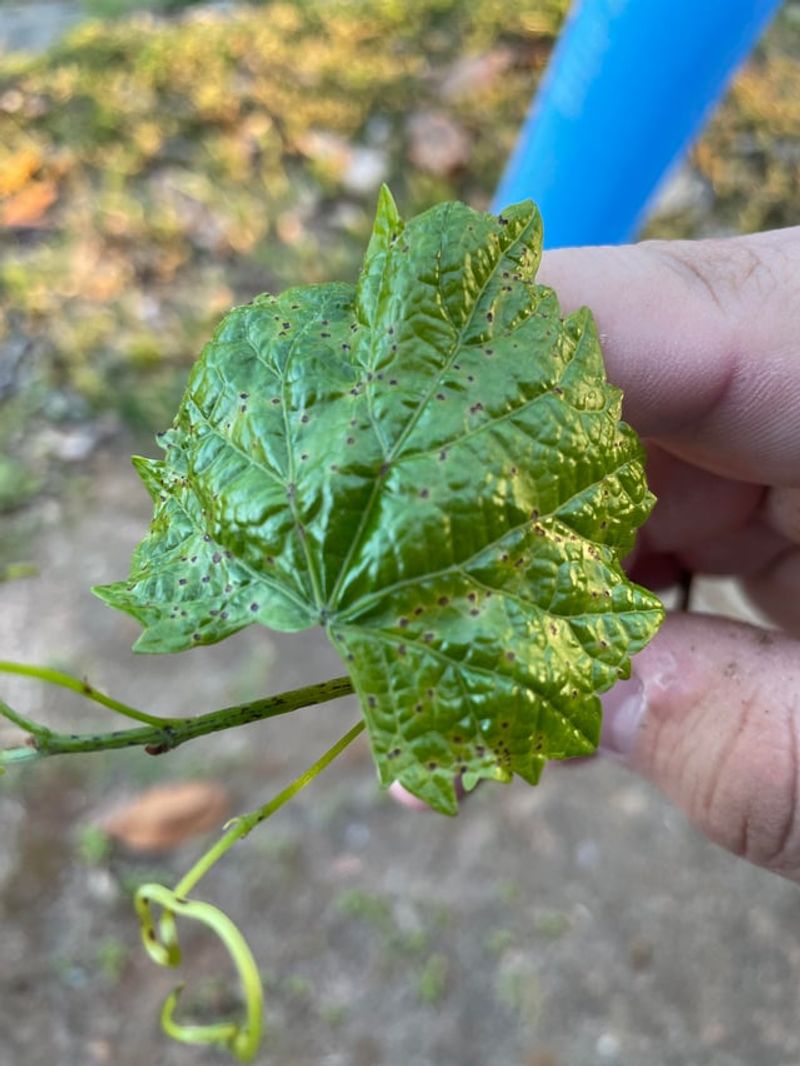
Just when your grapes look ready, a sneaky problem called bitter rot can show up and ruin the party. It is a fungal disease that attacks ripening muscadines, turning healthy fruit into soft, spoiled berries that eventually let go and fall.
Warm and wet conditions are what this fungus loves most. During humid North Carolina summers, spores spread easily from berry to berry, especially when clusters stay damp for long stretches.
Once the rot takes hold, the fruit loses its firmness and flavor fast. You might first notice small brown spots that grow larger over a few days. The berry softens, shrinks, and often develops a nasty taste, which is exactly how the disease earned its name.
Before long, those grapes drop right off the vine. Good airflow is one of your best defenses. Pruning your vines so sunlight and breeze reach the fruit helps clusters dry quickly after rain, which makes it harder for the fungus to settle in.
Keeping the area clean matters too. Rake up fallen fruit and remove any rotten berries you spot, since leftover infected grapes can spread trouble to next year’s crop.
Some growers use a fungicide spray program during the growing season, following the timing that works for their region. Talking with your local extension office can point you toward the right approach.
Staying watchful pays off. Catching bitter rot early gives you a chance to slow it down and save more of the sweet muscadines you worked so hard to grow.
4. Macrophoma Rot Can Appear Near Ripening
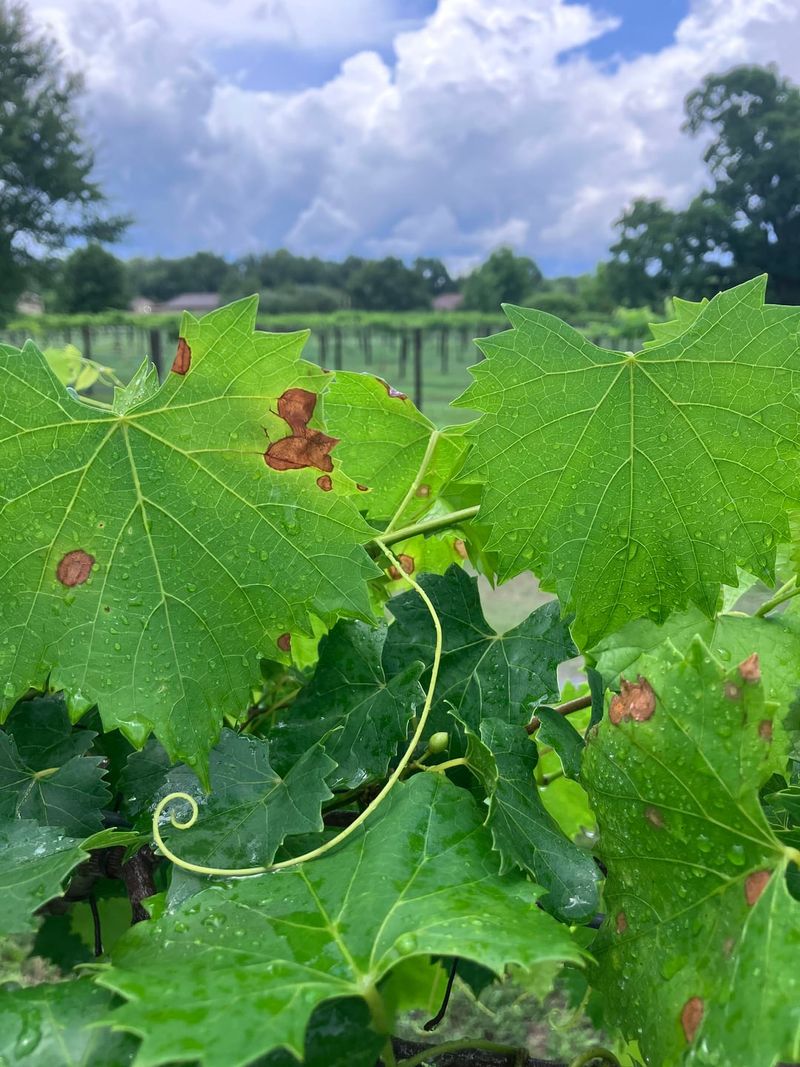
Some troubles hide quietly and wait for the worst moment to strike. Macrophoma rot is one of those.
The fungus can stay hidden inside developing fruit for weeks, showing no signs at all until the berries start to mature.
Then, right as your muscadines sweeten, the disease wakes up. Dark lesions appear on the fruit, and soft rot begins to spread.
The berries shrivel, lose their shape, and often drop before you get the chance to pick them.
What makes this one frustrating is the timing. You might feel confident about your crop all season, only to watch it decline in the final stretch. That hidden nature catches many growers off guard.
Wet weather during ripening gives the fungus the boost it needs. Extra moisture on the fruit surface helps the rot develop faster, so long rainy spells raise the risk.
Keeping vines healthy from the start builds a strong defense. Proper spacing, regular pruning, and good airflow all help fruit dry out and stay less inviting to disease.
Cleaning up matters just as much here. Removing shriveled or spotted berries keeps the fungus from lingering and returning the following year.
A well-timed spray program can also make a big difference. Your local extension office can help you choose products and schedules that fit muscadines in your area.
Stay curious and check your clusters often as harvest nears. Spotting those early dark lesions gives you a head start on protecting the rest of your fruit before more of it slips away.
5. Stink Bugs Can Cause Severe Fruit Drop
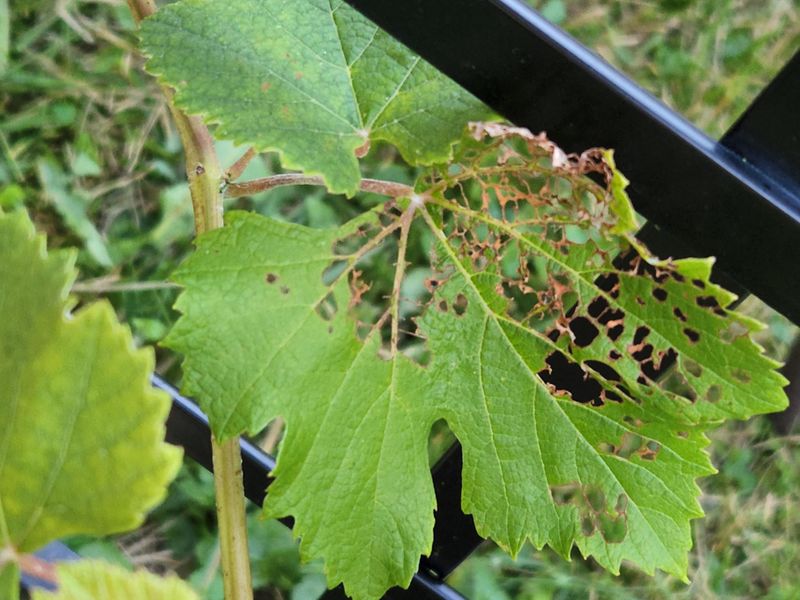
Tiny insects can cause surprisingly big problems, and stink bugs are proof. These shield-shaped pests feed on developing muscadines, and NC State names them as a possible cause of severe fruit drop.
When they show up in numbers, your harvest can shrink fast. Stink bugs use their mouthparts like little straws, poking into the fruit to feed on the juice inside.
Each poke damages the berry, leaving marks and weak spots that make the grape more likely to fall.
You may notice sunken areas or discolored patches where they have been feeding. Fruit that has taken too many hits often drops before it ripens, leaving fewer grapes on the vine.
These bugs also give off a strong smell when disturbed, which is exactly how they got their name. That odor makes them easy to identify once you get close enough to spot them.
Keeping your vineyard area tidy helps reduce their hiding spots. Clearing weeds and nearby brush gives them fewer places to gather and breed.
Checking your vines regularly lets you catch an outbreak early. If you see just a few, you can pick them off by hand and drop them into soapy water.
For larger numbers, some growers turn to targeted insect controls, following guidance suited for edible fruit. Your local extension office can help you pick a safe and effective option.
Staying alert during the weeks before harvest makes all the difference. The sooner you notice these pests, the more of your sweet muscadines you get to keep for yourself.
6. Heavy Rain Can Crack Ripening Fruit
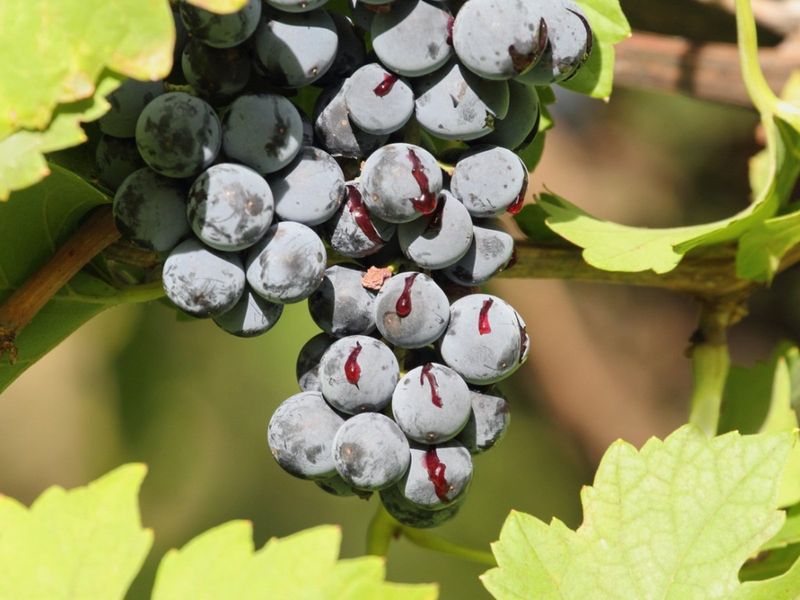
A big rainstorm late in the season can feel like a blessing and a curse at the same time. While water helps plants grow, too much of it right before harvest can crack your ripening muscadines wide open.
Here is what happens. When the ground suddenly holds lots of water, the vine pulls in more than the berries can handle. The fruit swells quickly, and the skin stretches until it splits.
Those cracks are more than just cosmetic. They create open doorways that let rot organisms slip inside, and once decay sets in, the berries soften and fall from the vine.
Muscadines that were almost ready are especially at risk. Their skins are already stretched tight with sugar and juice, so an extra burst of water pushes them over the edge.
You cannot control the weather, but you can lower the damage. Keeping soil moisture steady all season helps, since vines that never dry out too much are less likely to overreact when heavy rain finally comes.
Good drainage around your vines matters too. Planting on a slight slope or improving the soil helps excess water move away instead of pooling around the roots.
Harvesting ripe clusters before a big storm rolls in is another smart move. If the forecast calls for heavy rain, picking the fruit that is ready can save it from splitting.
Staying flexible with your timing pays off in a wet year. A little planning around the weather helps you rescue more grapes and enjoy them at their sweet, juicy best.
7. Insects And Birds Can Create Entry Points For Rot
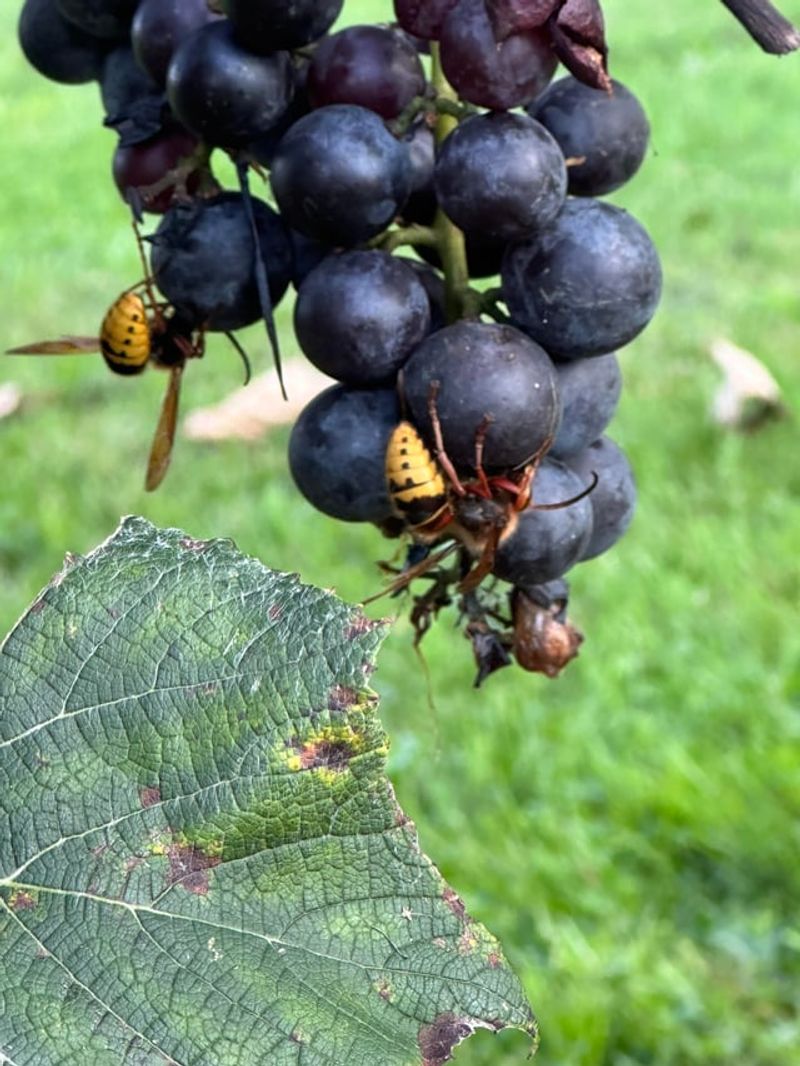
Hungry visitors love your muscadines almost as much as you do. Birds, insects, and even weather events like hail can wound the fruit, and those little injuries open the door to bigger problems.
Every peck, bite, or bruise breaks the grape’s protective skin. Microorganisms waiting nearby take advantage of the opening, slipping inside where they cause decay.
Before long, the damaged berry softens and drops. Birds are often the boldest culprits. They can strip a cluster quickly, and the leftover torn fruit becomes a magnet for rot that spreads to nearby berries.
Insects work in smaller ways but add up over time. Their feeding creates tiny holes that seem harmless until fungus or bacteria find them and take hold.
Hail brings its own kind of trouble. A short storm can leave dozens of bruises across a vine, and each spot becomes a weak point where rot can start.
Netting is a simple and popular fix for birds. Draping lightweight netting over your vines keeps feathered visitors away while letting sunlight and air pass through.
Keeping an eye out for insect activity helps too. Removing damaged fruit right away stops decay from jumping to healthy grapes around it.
Cleaning up fallen or wounded berries lowers the number of rot organisms hanging around your vines. A tidy vineyard is simply a healthier one.
With a few smart guards in place, you can protect your fruit from these open doorways. Fewer wounds mean less rot, and less rot means more delicious muscadines making it into your basket.
8. Harvest Timing Matters
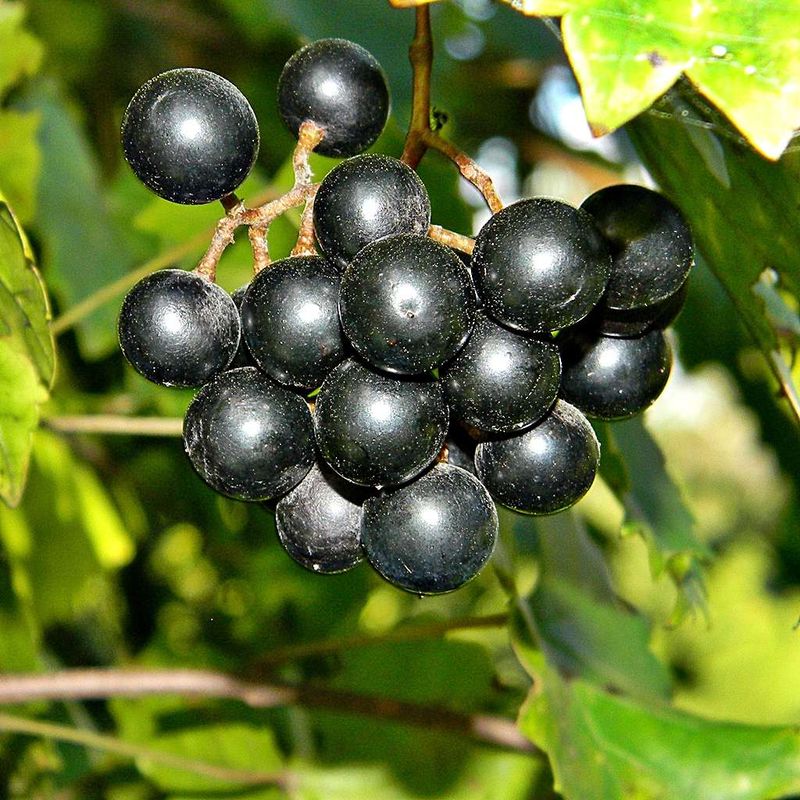
Timing can make or break your muscadine harvest. Since fully mature grapes naturally let go of the vine, waiting too long means watching your fruit tumble into the grass instead of your basket.
Checking your clusters often is the secret to success. During peak season, a quick daily walk through your vines helps you catch berries at their sweetest before they fall.
Muscadines do not all ripen at once, which is actually helpful. You can pick the ready ones and come back in a day or two for the rest, spreading your harvest over a couple of weeks.
Taste is one of the best guides. A ripe muscadine feels slightly soft and bursts with sweet flavor, telling you it is time to gather that cluster.
How you store the fruit depends on the type you grow. Grapes with a wet stem scar leak juice where they detach, so they need to be eaten or used fairly soon.
Dry-scar cultivars are a different story. Because they seal off cleanly at the stem, they hold up much better in storage and last longer in the refrigerator.
Knowing which kind you have helps you plan. If your grapes have wet scars, turn them into juice, jelly, or snacks quickly, while dry-scar types give you more breathing room.
Staying involved through the final weeks is what really counts. Regular checks, gentle picking, and smart storage let you enjoy the reward of a season’s worth of care, one sweet muscadine at a time.