Why Nothing Grows Under Black Walnut Trees in Ohio
A tomato plant can wilt and collapse in July while standing 50 feet from the nearest tree trunk. No bug bites, no fungus, no dry soil. Just a quiet chemical seeping from roots you cannot even see.
I learned the hard way that this mystery has a name. My first Ohio veggie patch looked perfect in May and sad by August. I blamed the weather, my watering, and even the seed packet.
Funny thing is, the tree behind it all is a beloved native. Squirrels adore it, woodworkers pay big money for it, and old farm fields are dotted with it. Its nuts stain your hands for days.
Yet plenty of plants shrug off its chemistry and grow happily right beneath its branches. The trick is knowing who belongs there. So let’s sort out which plants make the cut and which ones need a new home before next spring.
That Bare Ground Under Your Walnut Tree Has a Hidden Chemical Story
Most people blame shade first, and honestly, that guess is only half wrong. Black walnut trees cast a fairly light shade, yet the ground beneath them often looks thin, patchy, and tired.
Plants in that zone face a triple challenge. Thirsty walnut roots soak up water and nutrients, the canopy cuts down on sunlight, and a natural chemical in the soil makes life harder for sensitive species. Gardeners often mistake the symptoms for drought or poor fertilizer.
Fair warning, though. The popular claim that nothing grows under these trees is a stretch. Walk through a wooded lot in southern or central Ohio and you will spot wildflowers, grasses, and shrubs growing right under big walnuts.
What really happens is a sorting process. Some plants handle the chemistry with no trouble, while others wilt, yellow, and fade within weeks. That is why one corner of your yard can look lush while another, only a few steps away, struggles.
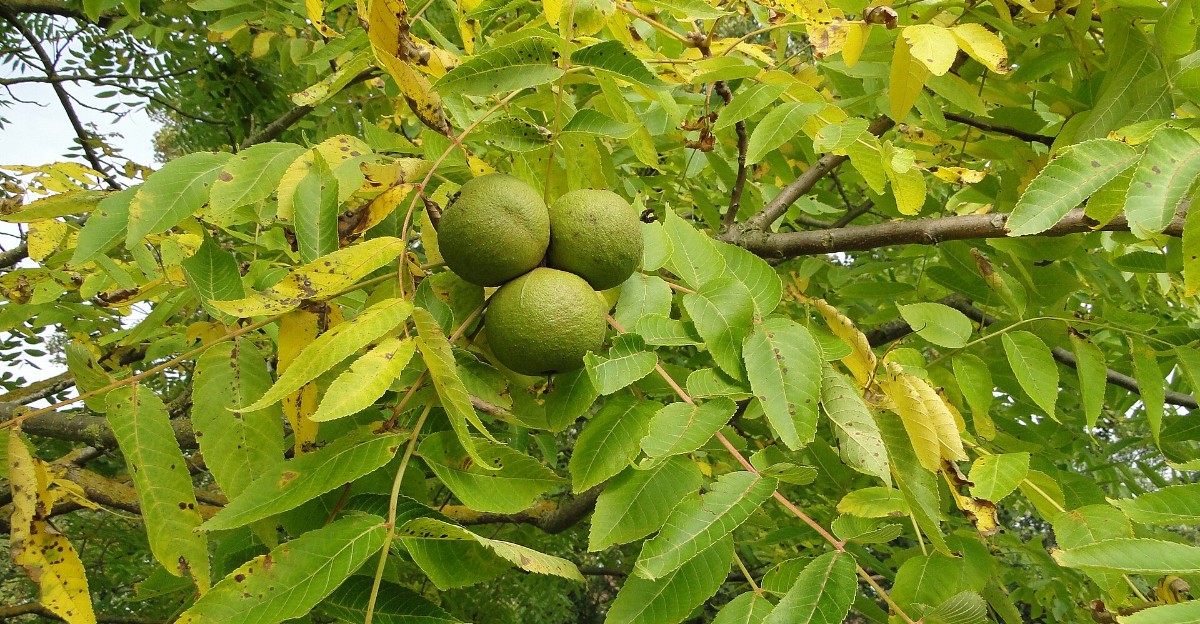
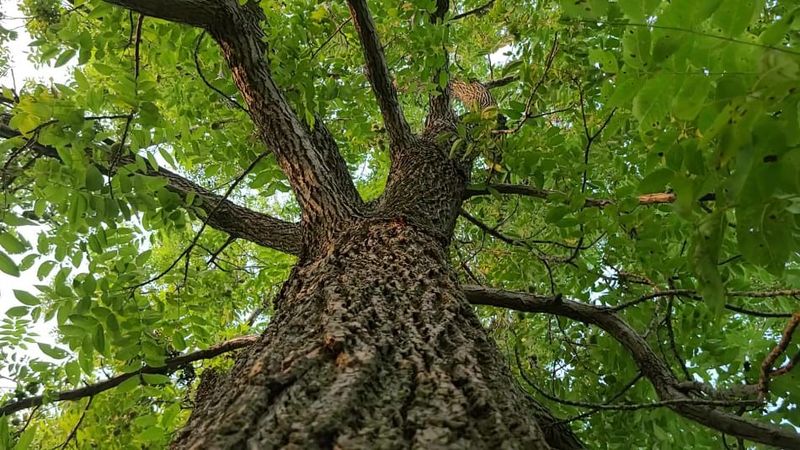
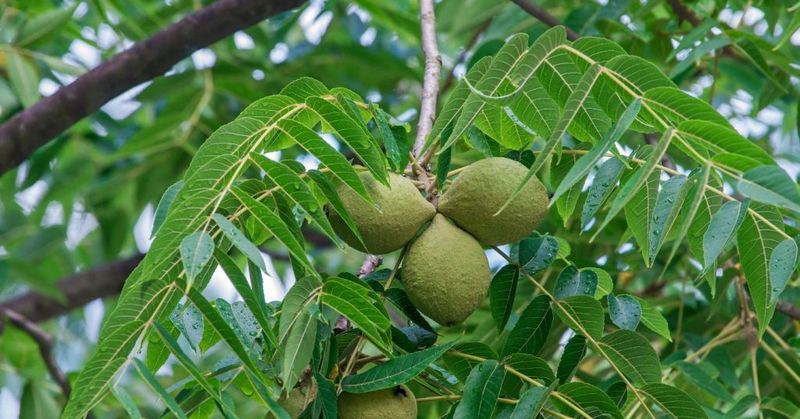
So before you rip out a bed or blame your green thumb, take a look up. If you see long compound leaves with many leaflets and round green nuts about the size of a golf ball, you may have found your answer.
Juglone Seeps From Black Walnut Roots, Hulls, and Leaves
Juglone is the star of this story. Scientists call it an allelopathic chemical, which simply means one plant releases something that affects the growth of plants nearby.
The sneaky part? Walnut roots, buds, and nut hulls hold a colorless form called hydrojuglone. Once it meets air or soil, it changes into juglone, the active form.
Leaves and stems carry it too, though roots and hulls tend to hold the most. As roots grow and shed tiny bits into the soil, the chemical slowly builds up around them.
Inside sensitive plants, juglone interferes with respiration, the process plants use to turn stored food into energy. Without that energy, leaves droop, turn yellow, and growth stalls. It can look like the plant is thirsty even when the soil is damp.
One handy detail: juglone does not dissolve well in water, so it tends to stay close to the roots instead of washing far across your yard. That keeps the trouble fairly local.
Fun fact: butternut, a close walnut cousin, makes juglone too, and hickories and pecans produce smaller amounts. Black walnut makes the most, which is why it gets nearly all the blame. Pioneers even used those dark hulls to dye cloth brown.
Tomatoes and Other Garden Favorites Wilt Fast Near Walnut Roots
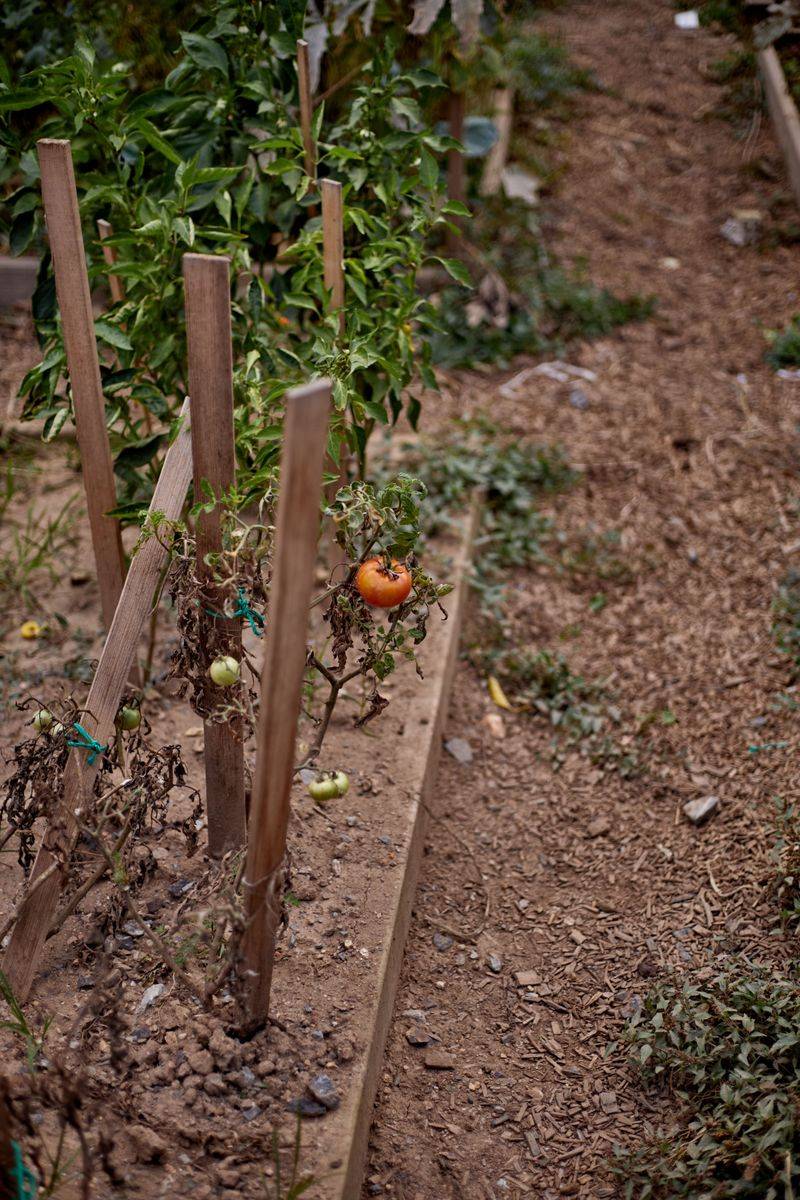
Not going to lie, this list stings for vegetable lovers. Tomatoes top it, and they can wilt within a short time once their roots reach walnut territory.
Their relatives struggle as well. Potatoes, peppers, and eggplant belong to the same nightshade family and react in a similar way. Asparagus and cabbage also show up on many extension lists of sensitive crops.
Fruit growers should take note too. Apples, pears, and blueberries often decline near walnuts, and blackberries can sulk as well.
Ornamentals are not safe either. Azaleas, rhododendrons, mountain laurel, lilacs, and many hydrangeas tend to struggle, and white pine and red pine are known to be sensitive.
The symptoms usually follow a pattern. Leaves yellow and wilt, sometimes suddenly in midsummer, and the plant fails to bounce back after watering. Tomato plants may droop from the top down, then turn brown along the stems.
A quick test helps. Measure from the walnut trunk to the struggling plant. If it sits within the root zone and keeps wilting despite moist soil, juglone is a likely suspect.
Move sensitive crops next season, and keep a notebook so you remember which spots gave you trouble.
Hostas, Daylilies, and Native Ferns Shrug Off Walnut Chemistry
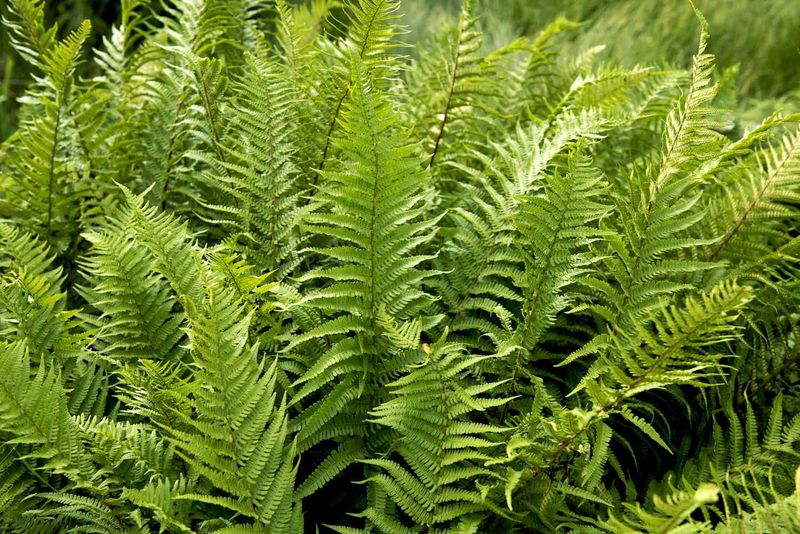
Trust me on this one, the shady spot under a walnut can still look gorgeous. Plenty of tough plants simply ignore juglone.
Hostas and daylilies are reliable picks for beginners. Bee balm, wild ginger, Virginia bluebells, and Jack-in-the-pulpit handle walnut soil well, and many ferns settle in happily. Spring bulbs such as daffodils and crocus bloom before the walnut even leafs out.
Need shrubs or small trees? Eastern redbud, serviceberry, witch hazel, and arrowwood viburnum are often listed as tolerant. Black raspberries and elderberries add fruit to the mix, and they fit right into an Ohio woodland edge.
Vegetable gardeners are not out of luck either. Onions, beets, carrots, squash, beans, corn, and melons usually grow fine near walnuts, as long as they get enough sun.
Lawn grass can work too. Kentucky bluegrass is considered tolerant, though shade and root competition may still thin it out.
Tolerance lists come from field observations, so results can vary from yard to yard. Start with a few plants, watch how they do through one summer, and then fill in the space with the winners. Your shady corner will slowly turn into a tested, happy little woodland.
The Walnut Root Zone Reaches Way Past the Canopy Edge
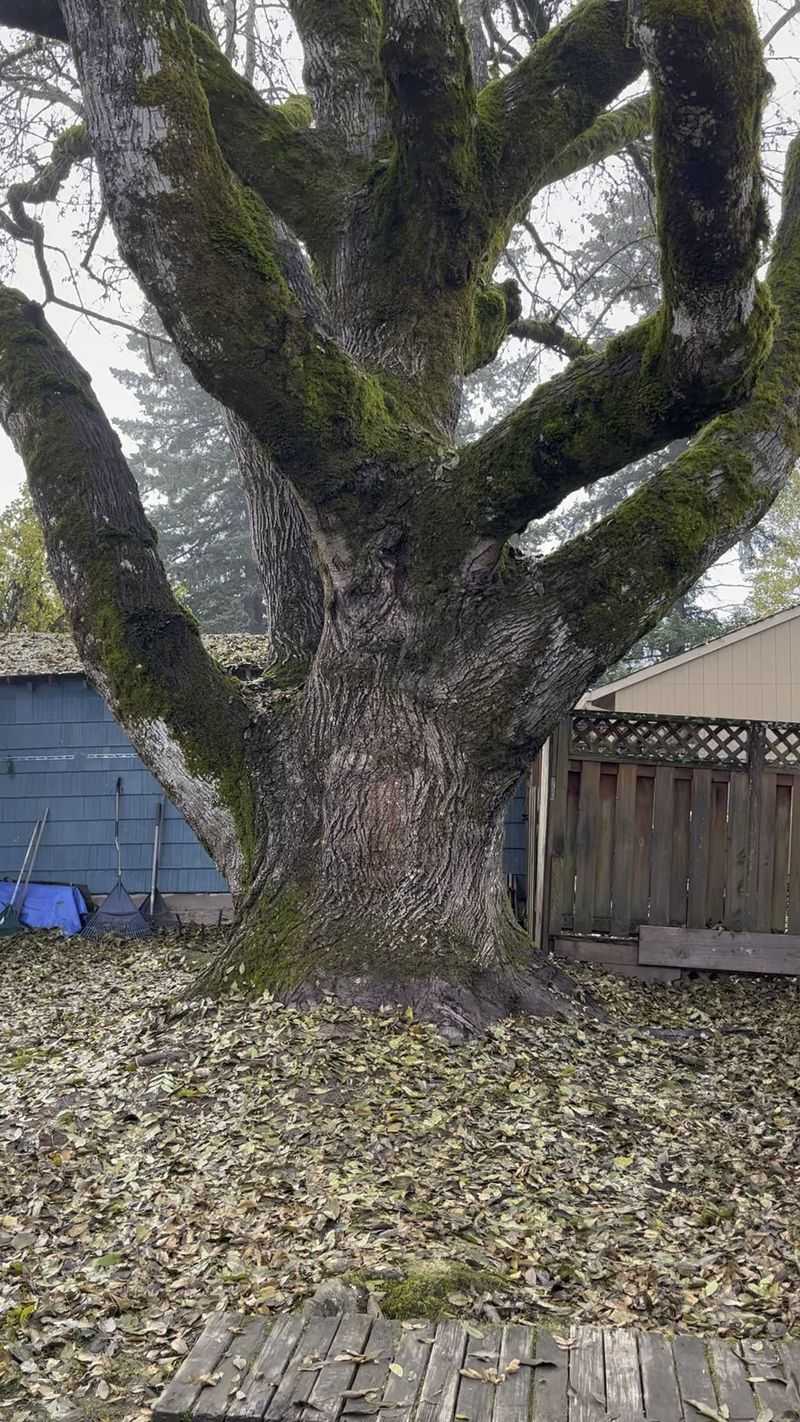
I used to think the trouble stopped at the drip line, but walnut roots have bigger plans. On a mature tree, roots commonly spread 50 to 80 feet from the trunk, sometimes more.
The strongest effects show up directly under the canopy, where roots are thickest. Farther out, the chemical becomes less concentrated, though sensitive crops can still react.
A simple rule from many extension services is to keep tomatoes and other sensitive plants at least 50 feet from a large walnut. Young trees have smaller root systems, so the zone expands as the tree grows. A walnut that caused no issues ten years ago might reach your garden today.
Soil matters too. Juglone tends to linger longer in heavy, poorly drained clay, which is common across much of the state. Well-drained soil with plenty of organic matter and active microbes helps break it down faster.
Removing the tree does not offer a quick fix. Leftover roots can keep releasing juglone for several years as they slowly decay.
Grab a long tape measure and map the distance from each walnut to your beds. A tree next door counts as well, since roots ignore property lines.
Raised Beds Give Sensitive Veggies a Fresh Start Near Walnuts
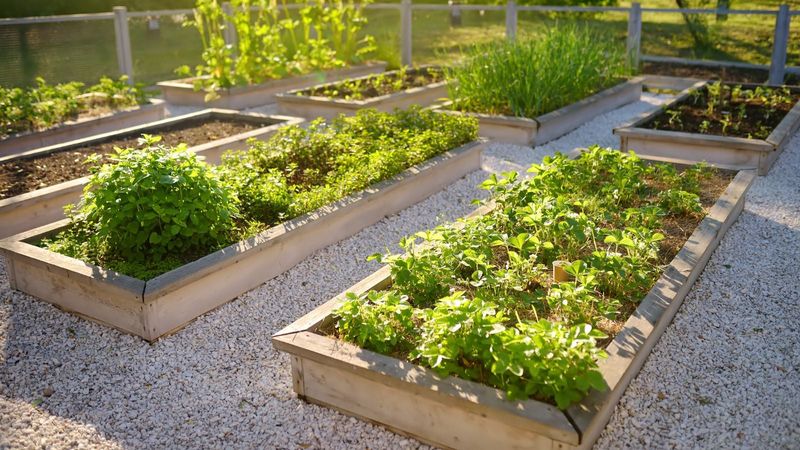
Call me stubborn, but I was not ready to give up tomatoes. Raised beds turned out to be the workaround that saved my summer harvest.
The idea is simple. Build beds at least 12 to 18 inches deep, then fill them with fresh soil and compost brought in from outside the walnut zone. Sensitive roots stay up in clean soil instead of reaching into walnut territory.
A barrier underneath adds insurance. Heavy landscape fabric or a sturdy liner at the bottom slows walnut roots from creeping up into the bed. Check the edges each year, since roots can find gaps.
Placement still counts. Try to keep raised beds outside the canopy so leaves and husks do not drop inside, and so your vegetables get the six to eight hours of sun they want.
Containers work well too. A large pot on a patio can hold a tomato, pepper, or blueberry bush in potting mix that carries no juglone at all.
Refresh bed soil with compost each spring. If plants start wilting in year three or four, roots may have found their way in, and it might be time to rebuild with a fresh liner and new soil.
Fallen Walnut Leaves and Husks Need a Smarter Cleanup Plan
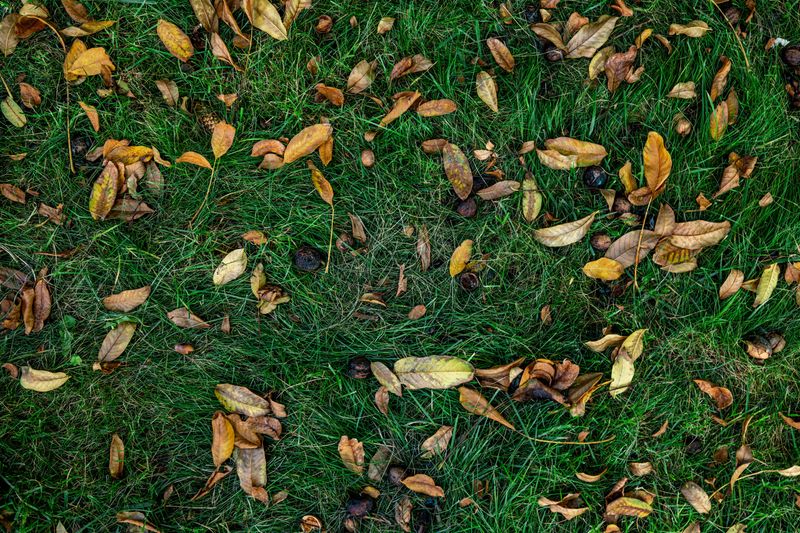
Every fall, I end up raking a mountain of walnut leaves and squishy green husks. That chore matters more than it seems, since leaves, hulls, and twigs all carry juglone.
Left on garden beds, that debris can leach juglone into the soil as it breaks down. Rake it up promptly, especially near vegetables and sensitive shrubs.
Skip fresh walnut wood chips, bark, or hulls as mulch around sensitive plants. Walnut wood shavings are also unsafe as horse bedding, since they can trigger a painful hoof condition called laminitis.
Composting is a smart option. Juglone breaks down when exposed to air, water, and soil bacteria, and leaves typically lose most of their effect within two to four weeks of active composting. Bark and wood take much longer, often months.
Many gardeners keep a separate pile for walnut material. Turn it often, keep it moist, and let it age well before spreading it near tomatoes or azaleas.
Got squirrels burying nuts in your beds? Pull any walnut seedlings while they are small. They grow deep taproots quickly and become a real chore to remove later.
A Black Walnut Tree Is Worth Keeping in Your Ohio Yard
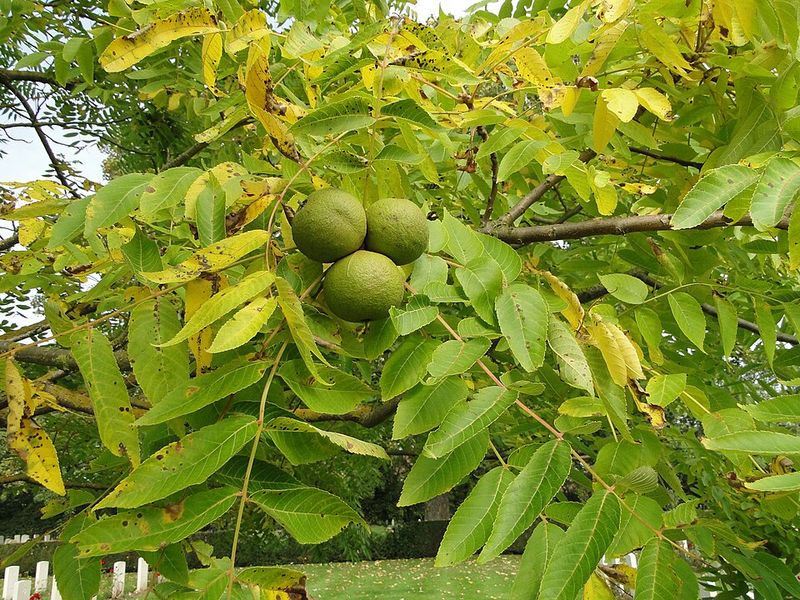
Guilty as charged, I once wished my walnut would simply disappear. Then I learned how much it gives back.
Black walnut is native across Ohio and supports a surprising amount of wildlife. Squirrels and chipmunks feast on the nuts, and the leaves host caterpillars of the luna moth and the regal moth, which in turn feed many songbirds.
The nuts are edible for people too, with a bold, earthy flavor that shines in ice cream, cookies, and fudge. Wear gloves when hulling them, because the juice stains skin brown for days.
The wood is prized for furniture, cabinets, and flooring, which is why mature trees can be valuable. A healthy specimen also offers shade, structure, and decades of character.
Instead of removing a healthy tree, design around it. Plant a woodland garden of tolerant natives under the canopy, move vegetables to sunny beds well away, and use raised beds or containers for the fussy crops.
Walnuts reward patience. Watch which plants thrive near yours this season, write it down, and build on those successes. That bare patch could become the most interesting shady garden on your street.