Why Ocotillo Is A Smart Native Plant Choice For Arizona In 2026
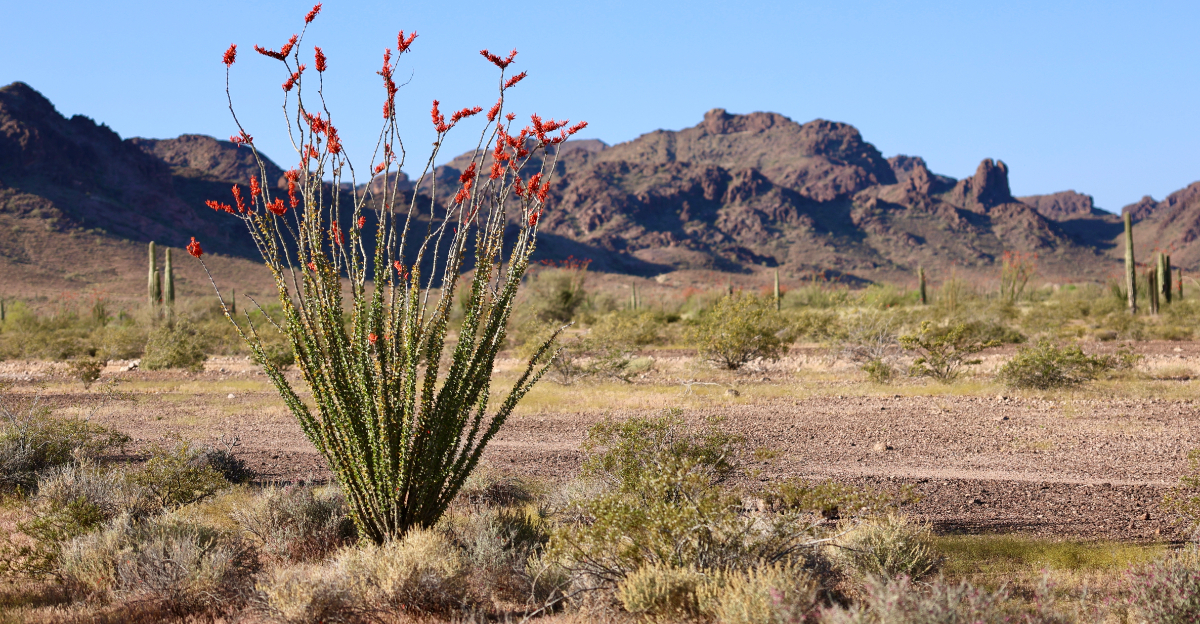
Ocotillo has a way of surprising people, especially if you’re used to plants that need constant attention to look good. One season it feels quiet and understated, then a little rain comes through and suddenly it becomes the most interesting plant in the yard.
That unpredictability is exactly what draws Arizona gardeners to it.
Unlike plants that struggle against the climate, ocotillo works with it. It responds when moisture is available, slows down when conditions are harsh, and never wastes energy trying to be something it’s not.
That rhythm makes it easier to live with over time, especially in landscapes where water and maintenance matter.
Ocotillo in Arizona provides long-term reliability without constant input, making it a top native choice for 2026. It delivers structure, character, and seasonal change while asking very little in return, which is exactly what many Arizona gardens need moving forward.
1. Extreme Heat Tolerance Makes Long Summers Easier To Manage
Ocotillo plants handle Arizona’s brutal summer temperatures without breaking a sweat, making them perfect for homeowners who want beautiful landscaping without constant worry. When thermometers regularly climb past 110 degrees across Phoenix, Tucson, and other Arizona cities, many garden plants struggle or require extra care to survive.
The ocotillo simply keeps standing tall, its woody stems designed by nature to withstand extreme heat that would damage less adapted species.
Desert plants like ocotillo have developed specialized tissues that protect them from sun damage and heat stress. Their gray-brown stems reflect sunlight rather than absorbing it, keeping internal temperatures manageable even during the hottest afternoons.
This natural cooling system means you won’t need to provide shade cloth or extra watering during heat waves that send other plants into distress.
Arizona summers seem to grow longer each year, with intense heat starting earlier in spring and lasting well into fall. Choosing plants that naturally tolerate these extended hot periods saves time, money, and frustration.
Ocotillo thrives in full sun exposure, actually preferring the bright, intense light that characterizes Arizona’s desert environment.
Homeowners across the state appreciate how ocotillo maintains its structural integrity regardless of temperature extremes. The plant doesn’t wilt, doesn’t require misting, and doesn’t need special fertilizers to cope with heat.
This reliability makes landscape planning simpler and reduces the ongoing maintenance burden that comes with less adapted plant choices for Arizona yards.
2. Natural Drought Adaptation Reduces Ongoing Water Demand
Water conservation matters more than ever in Arizona, where every drop counts and drought conditions have become the new normal. Ocotillo plants evolved specifically to thrive with minimal moisture, making them champions of water-wise landscaping throughout the state.
Their root systems spread wide rather than deep, quickly capturing any available moisture from brief desert rains before it evaporates in the intense heat.
Most homeowners find that established ocotillo plants need supplemental watering only once or twice monthly during the hottest months. Compare that to typical ornamental plants requiring daily or every-other-day watering, and the savings become obvious.
Lower water usage translates directly to reduced utility bills, an important consideration as water rates continue rising across Arizona communities.
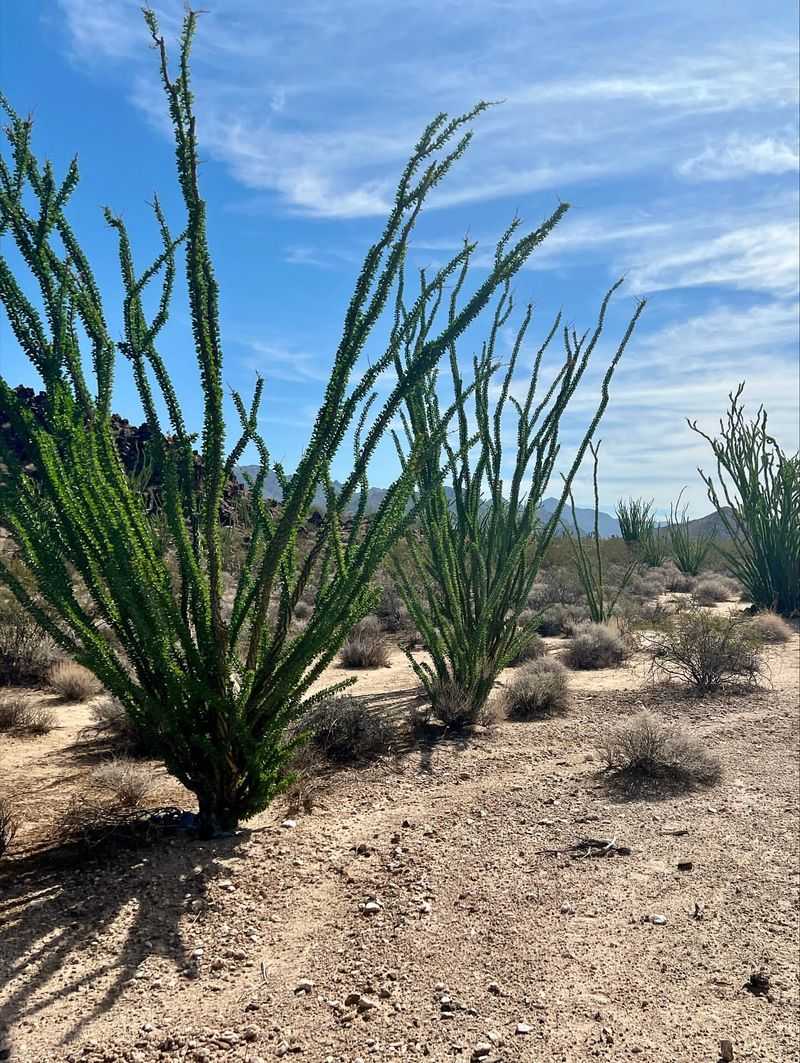
The ocotillo’s drought adaptation includes a clever strategy of dropping leaves during dry periods to conserve moisture. This natural response might seem concerning at first, but it’s actually a sign of the plant’s remarkable efficiency.
When monsoon rains arrive, bright green leaves quickly emerge along the stems, creating a lush appearance that belies the plant’s minimal water requirements.
Arizona municipalities increasingly encourage xeriscaping and native plant use through rebate programs and landscaping guidelines. Installing ocotillo fits perfectly with these water conservation initiatives while creating attractive outdoor spaces.
The plant proves that reducing water consumption doesn’t mean sacrificing beauty or visual interest in residential landscapes across Phoenix, Scottsdale, Mesa, and other desert cities.
3. Seasonal Leaf Cycles Match Arizona Rain Patterns
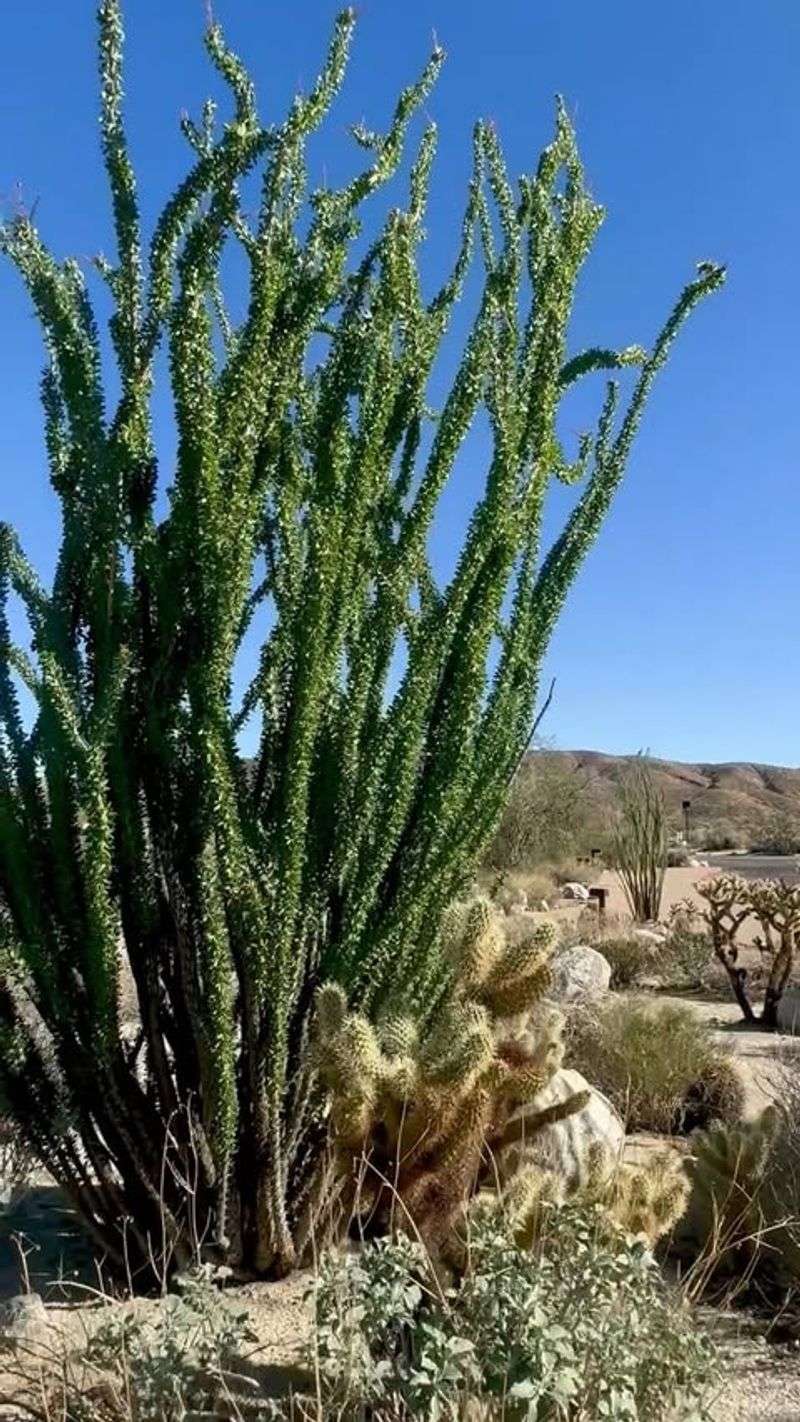
The ocotillo’s growth pattern syncs perfectly with Arizona’s distinctive rainfall cycles, demonstrating remarkable adaptation to regional weather patterns. Rather than maintaining foliage year-round like many plants, ocotillo responds directly to moisture availability by growing leaves after rains and dropping them during dry spells.
This efficient approach conserves energy and water while still providing visual interest throughout the year.
Arizona receives most precipitation during two distinct seasons: winter storms from December through March and summer monsoons from July through September. Ocotillo plants leaf out beautifully during these wetter periods, covering their spiny stems with small, bright green leaves that create a softer appearance.
Homeowners enjoy watching this natural transformation that signals changing seasons better than any calendar.
Between rainy periods, the leafless ocotillo stems maintain architectural interest without looking unhealthy or neglected. Many Arizona gardeners actually appreciate the plant’s bare appearance, which showcases the distinctive form and allows the spectacular red-orange flower clusters to really stand out.
This natural cycle means the plant always looks appropriate for current conditions rather than struggling to maintain an appearance unsuited to the season.
Understanding the ocotillo’s leaf cycles helps new owners avoid unnecessary concern when leaves drop during dry months. The plant isn’t experiencing problems; it’s simply doing what desert plants do best by adapting to available resources.
This seasonal rhythm connects Arizona landscapes to natural desert patterns, creating yards that feel authentic and regionally appropriate rather than trying to imitate gardens from wetter climates.
4. Striking Form Adds Structure Without Heavy Maintenance
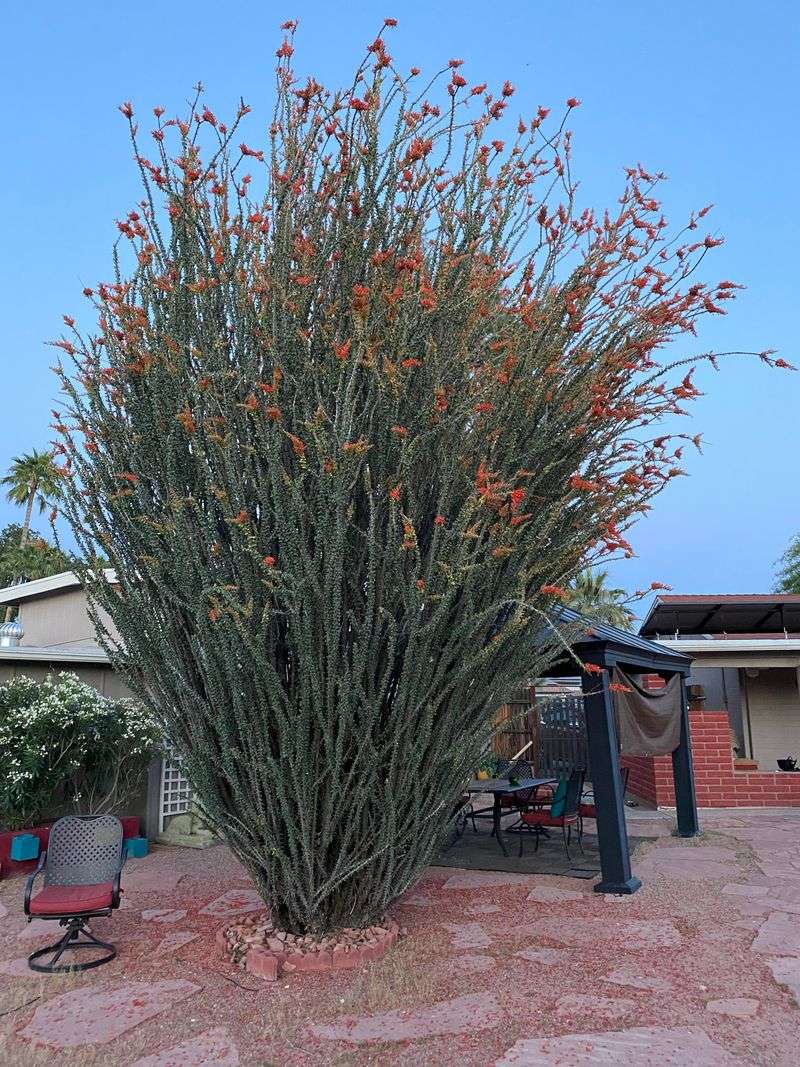
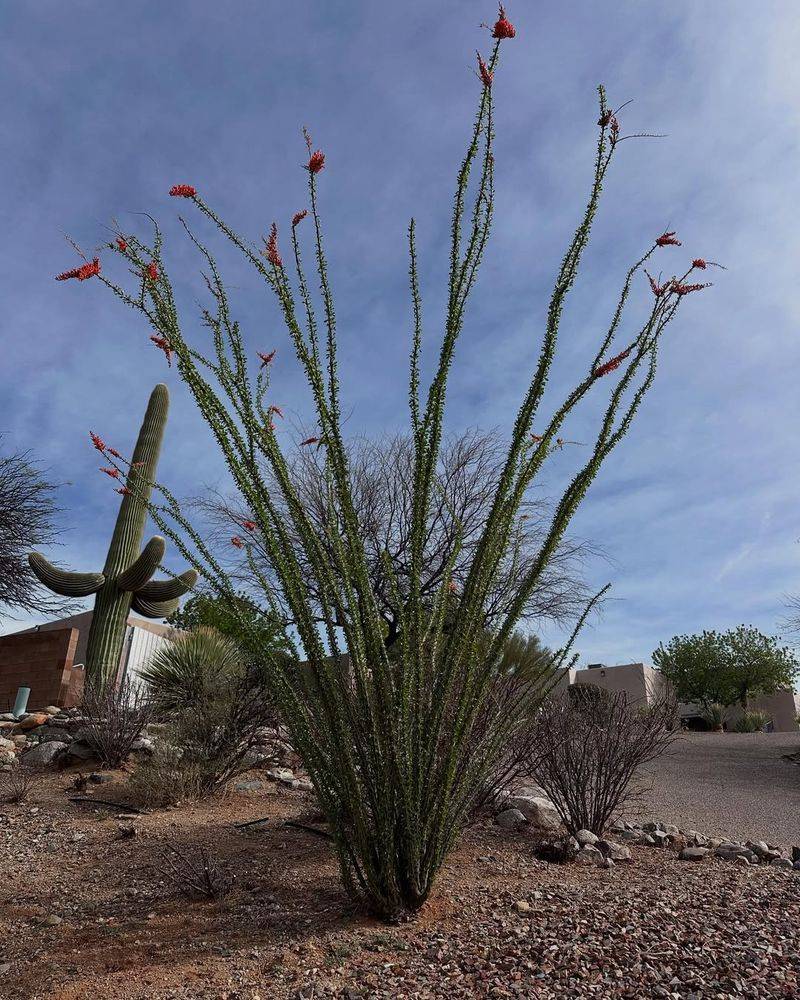
Landscape designers across Arizona value ocotillo for its dramatic architectural presence that creates instant focal points without requiring constant pruning or shaping. The plant’s natural growth habit produces multiple tall, slender stems that arch gracefully upward, reaching heights of 15 to 20 feet in mature specimens.
This vertical element adds important dimension to flat desert yards, breaking up horizontal lines and creating visual movement.
Unlike many ornamental plants that need regular trimming to maintain their shape, ocotillo grows naturally into an attractive form that requires virtually no maintenance.
The distinctive silhouette of ocotillo stems creates interesting shadows and patterns throughout the day as sunlight shifts position. This changing visual effect adds dynamic interest to Arizona landscapes without any effort from the property owner.
When topped with clusters of bright red tubular flowers in spring and after summer rains, the plant becomes even more spectacular, attracting attention from neighbors and passersby.
Ocotillo works beautifully in various landscape styles, from naturalistic desert gardens to more formal contemporary designs. The plant’s strong vertical lines complement low-growing succulents and cacti while providing contrast to rounded boulders and horizontal hardscaping elements.
This versatility makes ocotillo valuable for Arizona homeowners seeking distinctive landscaping that stands out from typical residential plantings while requiring far less ongoing care than traditional garden plants.
5. Native Growth Supports Local Pollinators And Wildlife
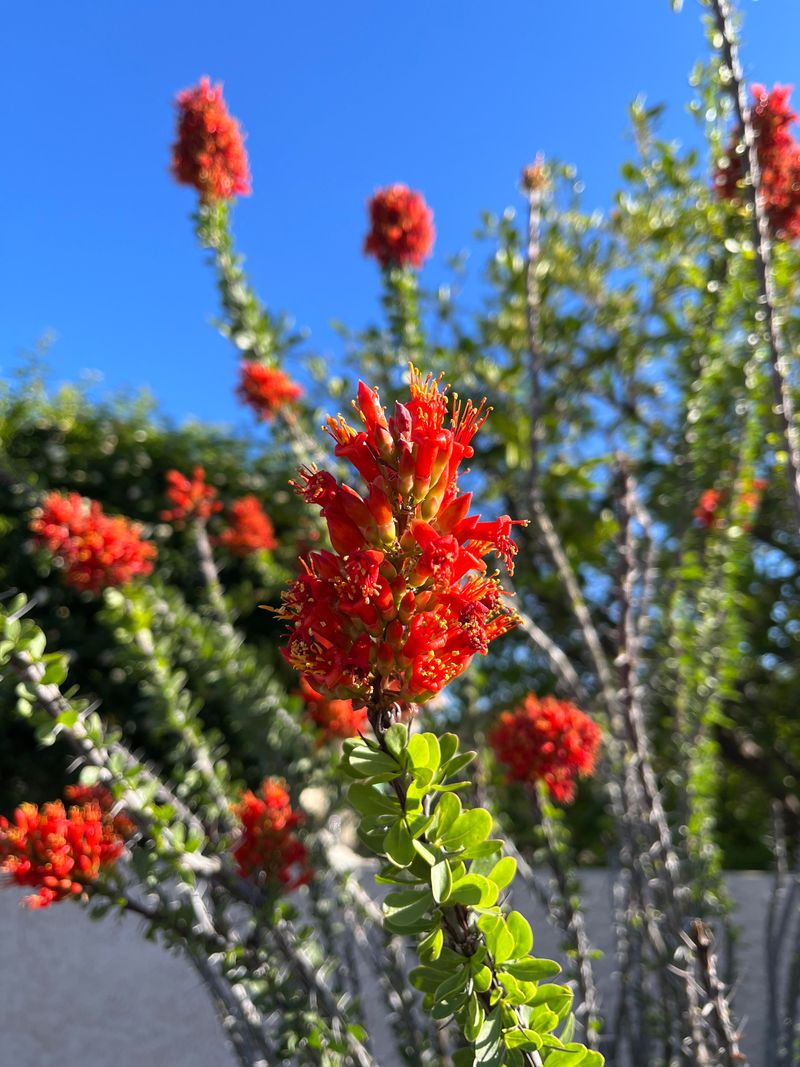
Arizona’s native pollinators and wildlife depend on plants like ocotillo that evolved alongside them, creating important ecological relationships that benefit entire ecosystems. When ocotillo produces its spectacular red tubular flowers, hummingbirds arrive in numbers to feed on the nectar-rich blooms.
These tiny birds time their migration and breeding cycles partly around the availability of native flowering plants, making ocotillo an important food source throughout Arizona’s desert regions.
Beyond hummingbirds, various native bee species and other pollinators visit ocotillo flowers, helping maintain healthy pollinator populations that also benefit vegetable gardens and fruit trees. Supporting these beneficial insects becomes increasingly important as pollinator numbers decline nationwide.
Choosing native plants like ocotillo represents a simple but meaningful action Arizona homeowners can take to help local wildlife thrive.
The ocotillo’s structure also provides shelter and nesting sites for small desert birds and beneficial insects. The spiny stems offer protection from predators, creating safe spaces within residential landscapes that might otherwise lack suitable habitat.
This ecological value adds another dimension to the plant’s appeal, allowing homeowners to contribute to conservation efforts right in their own yards.
Landscaping with native plants creates corridors of appropriate habitat through urban and suburban areas of Phoenix, Tucson, and other Arizona cities. These green connections help wildlife move between larger natural areas, maintaining genetic diversity and population health.
Ocotillo’s widespread use in residential landscapes across the state contributes to these important ecological networks while requiring no extra effort from property owners beyond the initial planting decision.
6. Poor Soil Conditions Don’t Limit Healthy Establishment
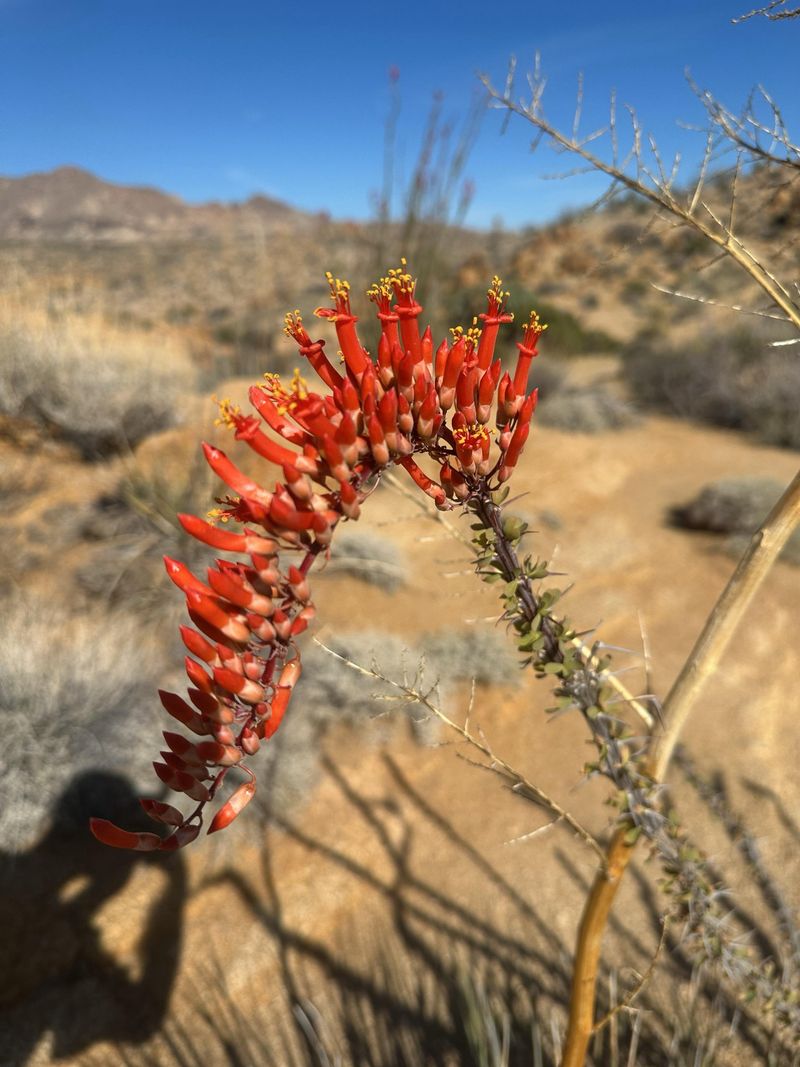
Arizona soils present challenges for many garden plants, with rocky, alkaline conditions and poor nutrient content characterizing much of the state’s desert regions. Ocotillo thrives in exactly these difficult soil types, having evolved to extract necessary nutrients from seemingly inhospitable ground.
This adaptation eliminates the need for extensive soil amendments, saving homeowners both money and labor during installation.
Most residential properties across Arizona feature native soil that would require significant modification to support traditional landscape plants. Adding organic matter, adjusting pH levels, and improving drainage can become expensive and time-consuming projects.
Ocotillo simply doesn’t need these interventions, growing successfully in whatever soil exists on site, whether sandy, rocky, clayey, or some combination of these challenging types.
The plant’s root system efficiently navigates through rocky soil and caliche layers that stop other plants cold. Ocotillo roots spread horizontally near the surface rather than trying to penetrate deep into difficult substrates.
This growth pattern allows the plant to establish quickly without requiring deep soil preparation or removal of rocks and hardpan layers that characterize many Arizona properties.
Homeowners appreciate that ocotillo doesn’t need fertilizer applications to maintain healthy growth and flowering. The plant obtains sufficient nutrients from decomposing organic matter and mineral content in native soils.
This self-sufficiency further reduces maintenance requirements and ongoing costs associated with keeping landscapes attractive.
For Arizona properties with particularly challenging soil conditions, ocotillo represents one of the most reliable planting choices available, virtually guaranteeing successful establishment without expensive soil improvement projects.
7. Long Lifespan Delivers Value Well Beyond Initial Planting
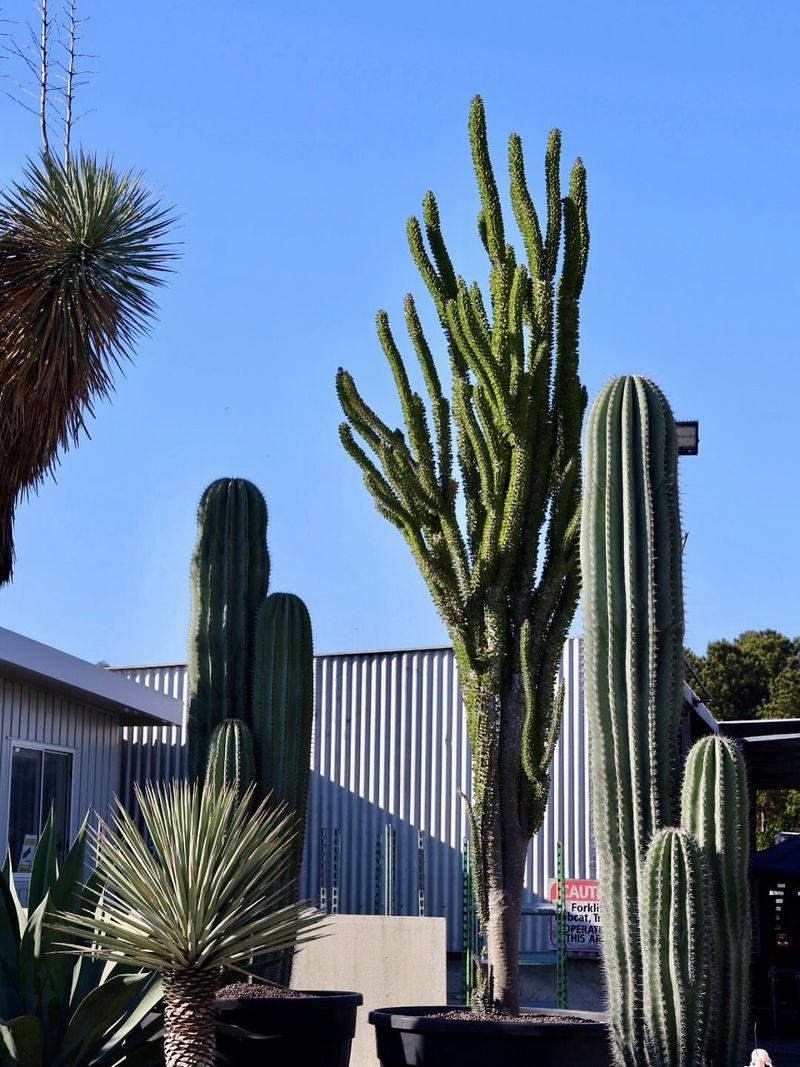
Investment value matters when selecting landscape plants, and ocotillo delivers exceptional returns through its remarkably long lifespan. Mature ocotillo plants can live for 60 years or more when established in appropriate Arizona locations, providing decades of beauty and function from a single planting.
This longevity means homeowners won’t face repeated replacement costs that come with shorter-lived ornamental plants requiring renewal every few years.
The plant’s durability stems from its woody structure and desert adaptations that protect against environmental stresses. Ocotillo doesn’t succumb easily to pests, diseases, or weather extremes that shorten the lives of less adapted species.
Arizona’s intense sun, temperature swings, and periodic freezes don’t faze established ocotillo plants, which simply continue growing year after year with minimal care.
Property values benefit from mature, well-established native landscaping that demonstrates water conservation and regional appropriateness. Potential buyers increasingly seek homes with sustainable landscape features that reduce utility costs and maintenance demands.
Ocotillo plants contribute to curb appeal while signaling that the property embraces smart desert gardening principles valued by environmentally conscious Arizona homebuyers.
Long-term cost analysis strongly favors plants like ocotillo that require minimal inputs over their extended lifespans. Calculate the total expense of watering, fertilizing, replacing, and maintaining typical landscape plants over 20 or 30 years, and the savings from choosing ocotillo become substantial.
Arizona homeowners looking for landscaping that makes both aesthetic and financial sense find that native plants like ocotillo represent truly smart investments that continue paying dividends for decades after the initial planting.