Why Ohio Families Save Seeds From The Same Plants For Generations

Across Ohio, quiet shelves in barns and basements hold rows of glass jars filled with seeds saved by steady hands long gone. Inside each jar rests more than a future garden.
Families protect flavors from childhood suppers, flowers from front porches, and vegetables that fed loved ones through hard winters and good years alike. Grandparents once tucked these seeds into envelopes, wrote names in fading ink, and trusted the next generation to carry them forward.
Today, many Ohio gardeners still plant beans, tomatoes, and corn from the same family lines grown decades ago in the same soil. Each spring, those seeds rise again, linking past harvests to present tables.
This tradition keeps stories alive, saves money, and builds resilience rooted deep in Ohio ground. Some call it gardening.
Others call it heritage. Across small towns and backyards, seed saving remains a quiet promise between generations.
1. A Tradition Passed From One Generation To The Next
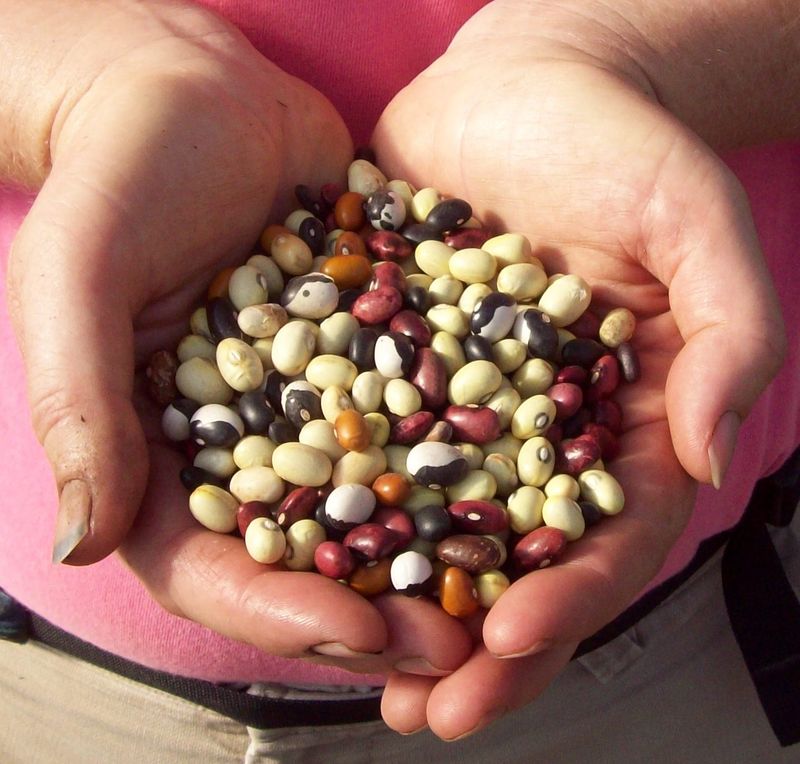
Grandparents in Ohio have been teaching their grandchildren how to save seeds for as long as anyone can remember. This isn’t something you learn from a book or a video.
It happens in the garden on warm summer afternoons when experienced hands show younger ones which pods to pick and when to harvest. The knowledge flows naturally from one person to another, creating bonds that last a lifetime.
These teaching moments become some of the most treasured memories families hold. A child who learns to shell beans alongside a grandparent carries that experience into adulthood.
Years later, they find themselves showing their own children the same techniques, using seeds from the very same plants. The cycle continues, unbroken.
Seed saving becomes more than just a gardening task. It transforms into a ritual that brings families together each season.
Parents and children work side by side, selecting the best tomatoes or the healthiest bean plants. They talk about the weather, share stories about past gardens, and make plans for next year.
Through these simple acts, families strengthen their connections while keeping their gardening heritage alive for future generations to enjoy and continue.
2. Seeds That Carry Family History
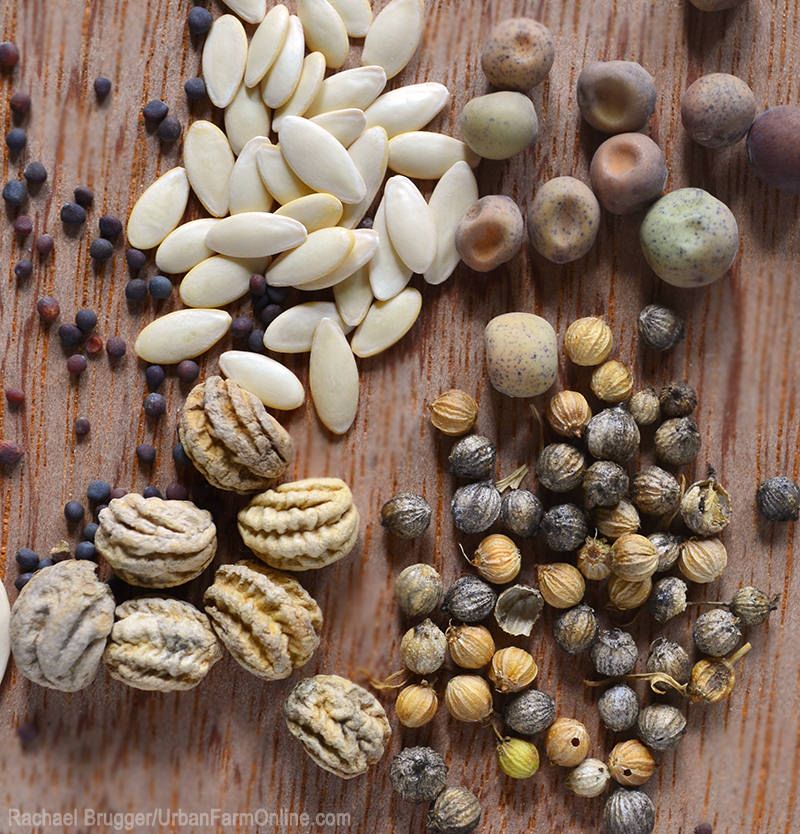
Every seed jar tells a story that reaches back through time. Some families in Ohio grow tomatoes from seeds their ancestors brought over from Europe in the 1800s.
Others cultivate beans that survived the Great Depression or flowers that bloomed in victory gardens during wartime. Each seed carries genetic information and also memories of the people who saved them before.
These seeds become treasured family heirlooms, just as valuable as old photographs or quilts. When someone plants seeds saved by their grandmother, they’re literally growing the same plants she tended decades ago.
The connection feels powerful and real. Gardens filled with these plants become living museums where family history grows alongside vegetables and flowers.
Many Ohio families can trace specific varieties back through multiple generations. They know which uncle first grew a particular squash or which aunt always saved seeds from her favorite sunflowers.
This knowledge gets written down, shared at family gatherings, and carefully preserved. When new gardeners in the family plant these historic seeds, they’re not just starting a garden.
They’re continuing a legacy that connects them to relatives they may have never met but whose work they honor every growing season.
3. Plants Perfectly Adapted To Ohio Soil
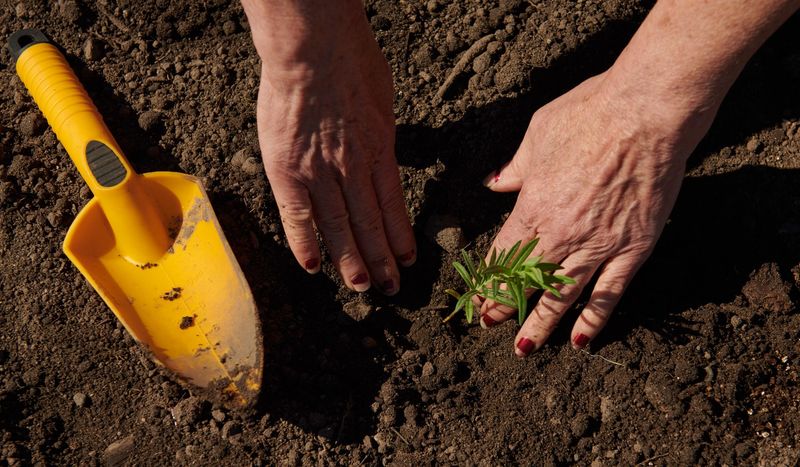
Seeds saved year after year develop special characteristics that help them thrive in local conditions. Plants grown from these seeds have adapted to Ohio’s clay soil, unpredictable spring weather, and humid summers over many generations.
They know this place because their ancestors grew here. This adaptation makes them stronger and more reliable than seeds bred for general conditions across the entire country.
Ohio’s climate can challenge gardeners with late frosts, sudden temperature swings, and variable rainfall. Plants that have grown in the same area for decades learn to handle these challenges.
Their seeds carry information about surviving local conditions. When you plant these adapted seeds, you’re starting with plants that already understand Ohio weather patterns and soil chemistry.
Commercial seeds come from breeding programs that focus on shipping durability and uniform appearance. They might grow well in California or Florida but struggle in Ohio gardens.
Locally adapted seeds don’t have this problem. They’ve been selected by Ohio gardeners for Ohio conditions.
The result is plants that germinate better, resist local pests more effectively, and produce more reliably. This practical advantage keeps many families returning to their saved seeds year after year rather than buying new ones from distant sources.
4. Saving Seeds Means Saving Money
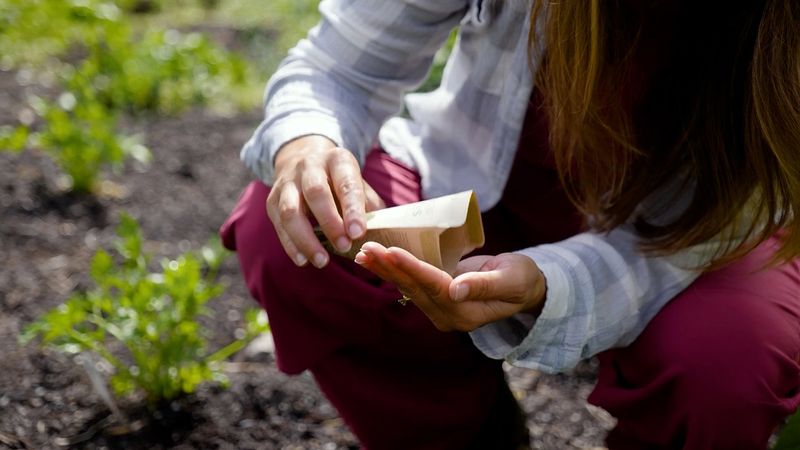
Buying seeds every spring adds up quickly, especially for families who grow large gardens. A single packet of hybrid tomato seeds might cost five or six dollars, and serious gardeners need multiple varieties.
When you multiply that across all the different vegetables a family wants to grow, the expense becomes significant. Seed saving eliminates this annual cost completely.
One tomato plant can produce enough seeds for several years of planting. A single squash provides seeds for an entire row.
Beans naturally create next year’s planting stock as they mature. Families who save seeds essentially get free plants every season after their initial investment.
This financial benefit matters especially for larger families or those living on tight budgets.
The savings extend beyond just seed costs. Plants grown from saved seeds often perform better in local conditions, producing larger harvests with less trouble.
This means families get more food from their gardens without spending extra money on fertilizers or treatments. Over the years, these savings accumulate substantially.
Some Ohio families estimate they’ve saved thousands of dollars by maintaining their own seed stock rather than purchasing new seeds annually. This economic reality makes seed saving not just a tradition but a practical financial strategy that helps families stretch their budgets further.
5. Stronger Plants Year After Year
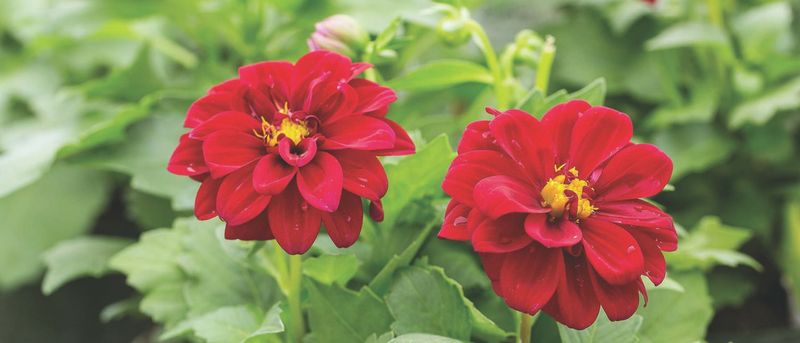
Something remarkable happens when you save seeds from your best plants season after season. You’re essentially breeding vegetables specifically for your garden conditions.
By choosing seeds only from the healthiest, most productive plants, you create stronger varieties over time. This natural selection process improves your garden stock with each passing year.
Smart seed savers in Ohio pick seeds from plants that show desirable traits. They choose tomatoes from vines that resisted blight, beans from plants that produced heavily, and squash from specimens that stored well through winter.
These selected seeds grow into plants that inherit their parents’ strengths. After several generations of this careful selection, families develop their own unique strains that outperform generic varieties.
This gradual improvement creates plants perfectly suited to each family’s specific garden spot. A variety saved for twenty years in a backyard in Cleveland will perform differently than the same original variety saved in Cincinnati.
Each has adapted to its microclimate, soil type, and the selection preferences of its caretaker. This customization produces gardens where plants thrive with less intervention.
They resist local diseases better, handle neighborhood pests more effectively, and produce more abundantly because they’ve been shaped by the very conditions they now face.
6. Keeping Rare And Heirloom Varieties Alive
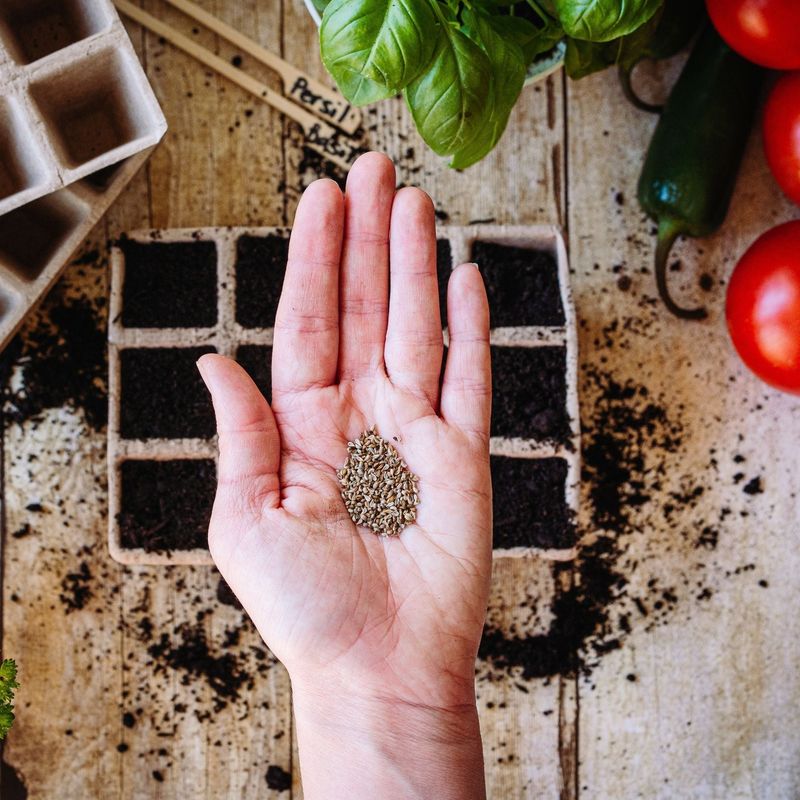
Many vegetable varieties have vanished from commercial catalogs over the past century. Large seed companies focus on varieties that ship well and look uniform on store shelves.
This leaves behind countless heirloom varieties that taste better but don’t meet commercial standards. Without home gardeners saving seeds, these unique plants would disappear completely from existence.
Ohio families preserve varieties you simply cannot buy anywhere. Some grow tomatoes with names like Aunt Ruby’s German Green or beans called Great Grandma’s Purple Pod.
These aren’t marketing names but actual family references. The plants exist only because someone kept saving their seeds.
Each variety represents unique flavors, colors, and growing characteristics that took decades or centuries to develop.
Seed libraries and exchange networks across Ohio help spread these rare varieties while keeping them alive. Gardeners share seeds at community events, through local clubs, and among neighbors.
This sharing ensures that even if one family stops gardening, their special varieties survive through others. The work of seed savers protects agricultural biodiversity in a very real way.
They maintain living genetic libraries that future generations might need. As climate changes and growing conditions shift, these preserved varieties might contain traits that become increasingly valuable for successful gardening.
7. A Simple Way To Stay Self Sufficient
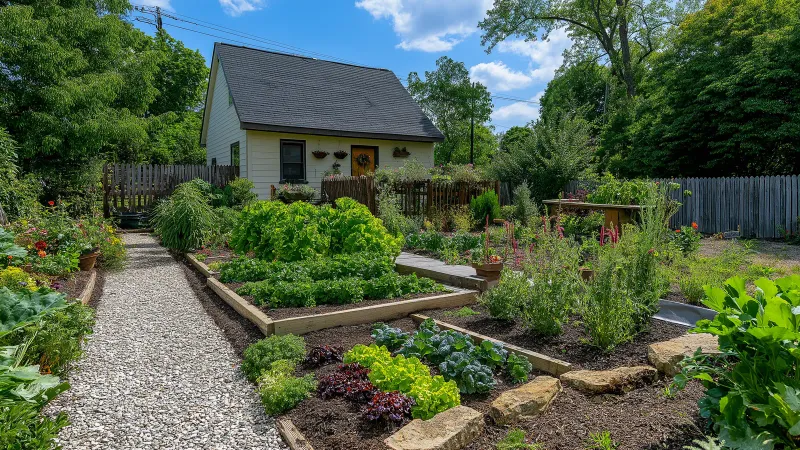
Families who save seeds control their own food production in a fundamental way. They don’t depend on stores staying stocked or seed companies staying in business.
This independence provides real security. If supply chains get disrupted or economic troubles arise, these families can still plant gardens and grow food.
Their saved seeds represent a form of insurance against uncertainty.
Self-sufficiency appeals to many Ohio families for practical reasons. Rural communities sometimes sit far from large stores.
Ordering seeds online requires planning ahead and paying shipping costs. Having your own seed supply means you can garden on your own schedule without depending on deliveries or store hours.
This convenience matters when spring weather arrives unpredictably and planting windows open suddenly.
The skills involved in seed saving build broader self-reliance. People who save seeds typically also preserve food, maintain their gardens organically, and solve problems without buying solutions.
These interconnected skills create households that function more independently. Children growing up in seed-saving families learn that they can produce what they need rather than always purchasing it.
This mindset encourages creativity and resourcefulness. It teaches that with knowledge and effort, families can provide for themselves in meaningful ways that reduce their dependence on external systems.
8. Gardening That Connects Past And Present
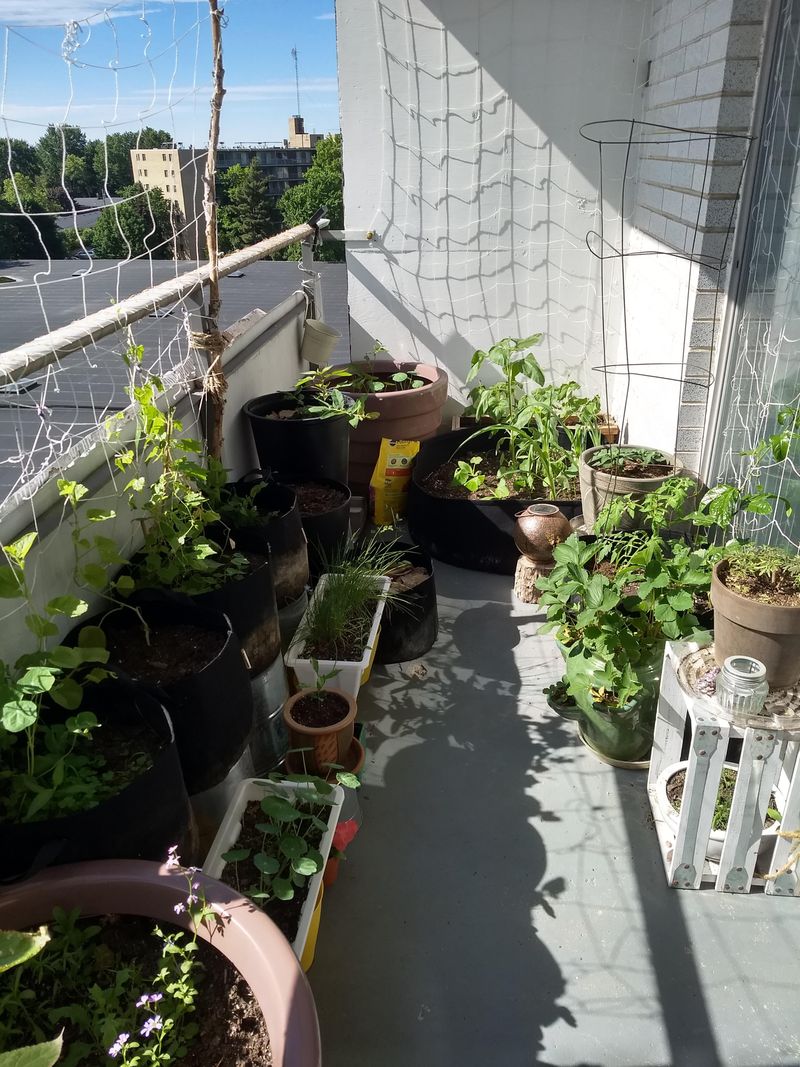
When you plant seeds your grandmother saved, you create a living link between her time and yours. The plants growing in your garden are genetically identical to those she tended decades ago.
This connection transcends words and photographs. You experience the same plants she knew, see the same flowers she admired, and taste the same vegetables she served at her table.
The garden becomes a place where past and present meet.
This connection carries special meaning in our fast-changing world. Technology, culture, and daily life transform constantly, but these plants remain essentially unchanged.
They provide continuity and stability. Working with seeds that previous generations saved grounds people in something larger than themselves.
It reminds them they’re part of an ongoing story that extends backward and forward through time.
Many Ohio families find that seed saving opens conversations about the past. Older relatives share memories triggered by familiar plants.
They remember how their parents grew the same tomatoes or recall meals made with particular beans. Younger family members hear stories they might otherwise never learn.
The garden becomes a space where generations communicate across time. Seeds serve as tangible links that help families understand where they came from while they literally plant the future, continuing traditions that give meaning and purpose to their gardening efforts.
9. Teaching Patience And Observation Skills
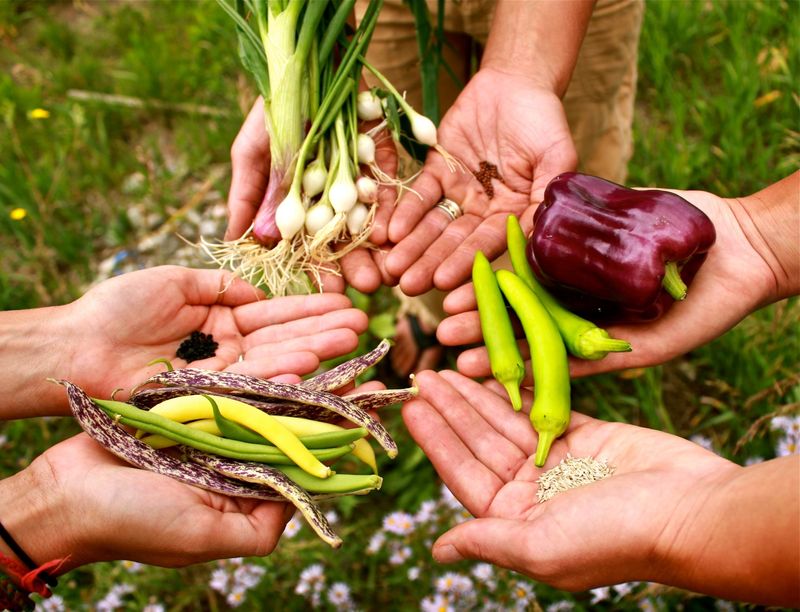
Seed saving requires attention and timing that modern life rarely demands. You must watch plants carefully to know when seeds reach perfect ripeness.
Harvest too early and seeds won’t germinate. Wait too long and they scatter or spoil.
This careful observation teaches patience and awareness. Gardeners learn to notice subtle changes in color, texture, and plant behavior that signal the right moment to collect seeds.
These skills transfer beyond the garden. Children who learn seed saving develop better observation abilities generally.
They practice waiting for the right time rather than expecting instant results. They learn that some things cannot be rushed, that natural processes follow their own schedule.
This understanding becomes increasingly valuable in a world that emphasizes speed and immediate gratification.
Families who save seeds together practice focused attention as a group. They discuss what they observe, share insights about plant development, and make decisions based on careful watching rather than impulse.
Parents model patience while children learn to slow down and notice details. The seeds themselves teach lessons about cycles, timing, and the rewards of careful attention.
These lessons extend far beyond gardening. They shape how people approach problems, make decisions, and interact with the natural world around them throughout their entire lives.