Why Ohio Grandparents Planted Marigolds Near Doors
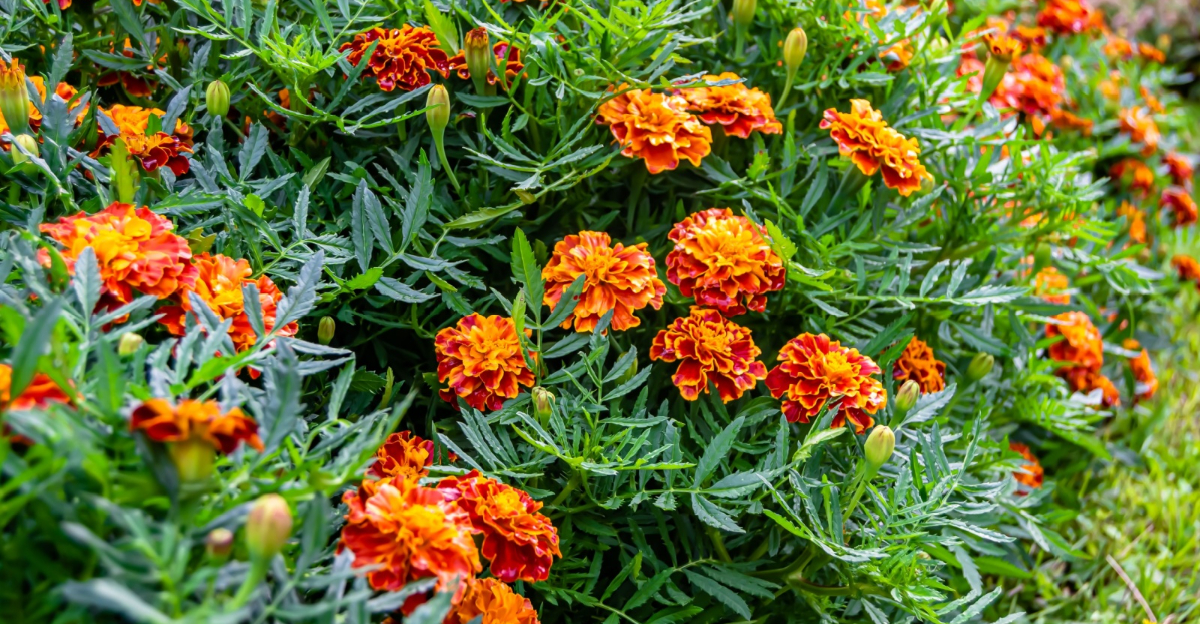
Marigolds have been a beloved fixture in Ohio gardens for generations, appearing year after year near doors and walkways. Their bright, golden blooms catch the eye, adding instant warmth to any yard.
But their appeal isn’t just about color. Ohio gardeners have long valued marigolds for practical reasons, for the way they help keep pests at bay, and for the sense of care and attention they bring to a home.
These hardy flowers have earned a place in both formal and casual gardens, linking the traditions of past generations with the gardens of today.
They serve as a reminder that a simple flower can carry meaning, charm, and purpose, creating welcoming spaces that feel alive even before the first visitor steps onto the porch.
1. Marigolds Add A Burst Of Sunny Cheer
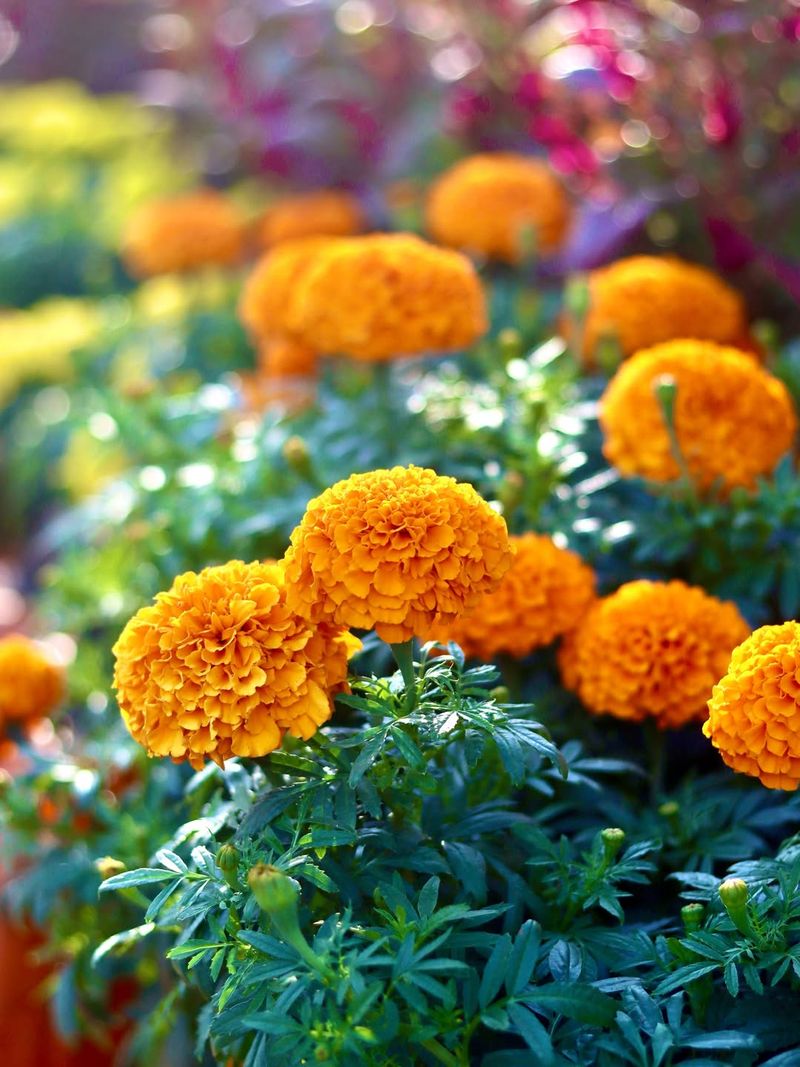
Golden petals catch the morning light and lift spirits the moment you step outside. Marigolds bloom in shades ranging from soft lemon yellow to deep burnt orange, creating a visual warmth that transforms any entrance into an inviting space.
Ohio gardeners have relied on these cheerful flowers for decades, knowing their vibrant color holds up well even during the hot stretches of summer.
Planting marigolds near the door offers an instant mood boost for everyone who passes by. The bold blooms stand out against green foliage and neutral siding, drawing the eye and making your home feel cared for and welcoming.
Visitors notice the effort, and family members enjoy the splash of color each time they come home.
In Ohio, marigolds thrive in full sun and well-drained soil, making them ideal for the sunny spots near most front entrances. March is a good time to start seeds indoors in Central and Northern Ohio, while Southern Ohio gardeners can sometimes direct sow by late April.
Once established, marigolds bloom steadily from early summer until the first frost, providing months of reliable color.
Their cheerful presence reminds us of simpler times when a well-tended doorway garden was a source of pride and a reflection of the care given to home and family.
2. Bright Blooms Welcome Guests Warmly
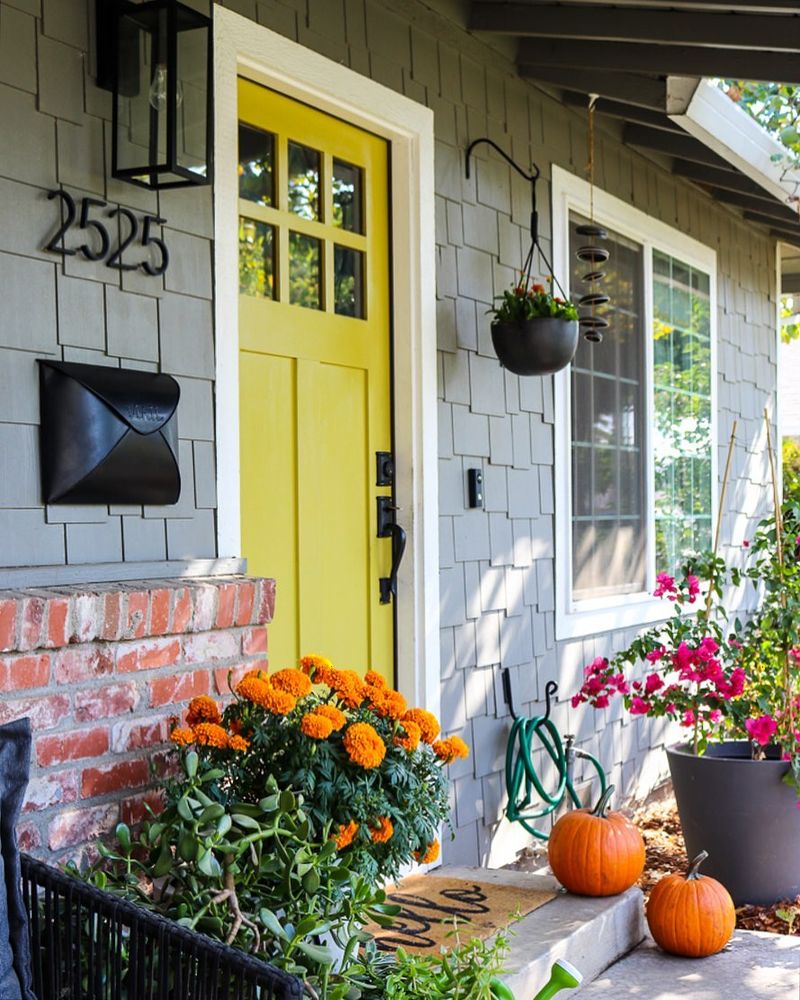
Rows of marigolds lining a walkway create a natural welcome mat that guests remember long after their visit. The bright blooms signal hospitality and care, setting a friendly tone before anyone even knocks.
Ohio grandparents understood that first impressions matter, and a well-planted entrance spoke volumes about the warmth waiting inside.
Marigolds work beautifully as edging plants along sidewalks and steps, guiding visitors toward the door with a ribbon of color. Their compact growth habit keeps pathways neat while adding visual interest at ground level.
Planting them in clusters or continuous rows amplifies their impact, creating a cohesive look that feels intentional and inviting.
These flowers also hold up well in containers, making them versatile for porches, stoops, and entryways with limited planting space. In Ohio, container-grown marigolds need regular watering during dry spells, but they tolerate heat better than many other annuals.
Choose varieties that stay compact for smaller spaces, or opt for taller types to frame a doorway with height and drama.
The tradition of planting marigolds near entrances connects us to generations who took pride in creating a welcoming home. Their bright faces greet everyone who arrives, making visitors feel expected and valued from the moment they set foot on your property.
3. Natural Pest Deterrent For Doorway Gardens
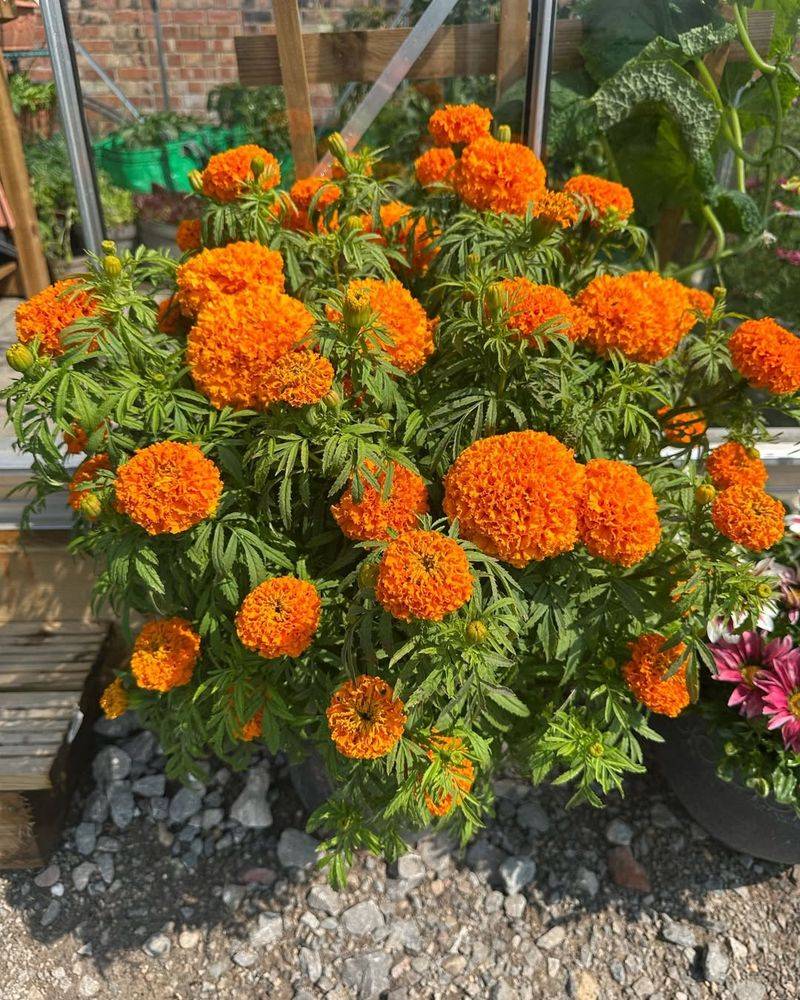
Strong-scented marigolds have earned their reputation as natural companions in the garden, helping to discourage certain pests from settling near your entrance. The distinctive aroma that humans find pleasant can be off-putting to aphids, mosquitoes, and some other common garden insects.
Ohio gardeners have long valued this practical benefit, especially in areas where bugs tend to gather near porch lights and doorways.
Planting marigolds alongside other flowers and herbs creates a more balanced garden environment. While they are not a complete solution for pest management, they contribute to a healthier outdoor space when combined with proper garden care and good growing conditions.
The flowers work best when planted in sunny locations with good air circulation, conditions that also help reduce moisture-loving pests.
French marigolds and Mexican marigolds tend to have the strongest scent, making them popular choices for doorway plantings where pest deterrence is a priority. In Ohio, these varieties perform well in both garden beds and containers, adapting to different soil types as long as drainage is adequate.
Starting seeds indoors in March gives plants a head start, ensuring robust growth by the time warm weather arrives.
Results vary depending on your specific location, soil quality, and the pest pressures in your neighborhood, but many Ohio gardeners find that marigolds help create a more pleasant outdoor environment around entryways.
4. Easy-Care Flowers That Return Year After Year
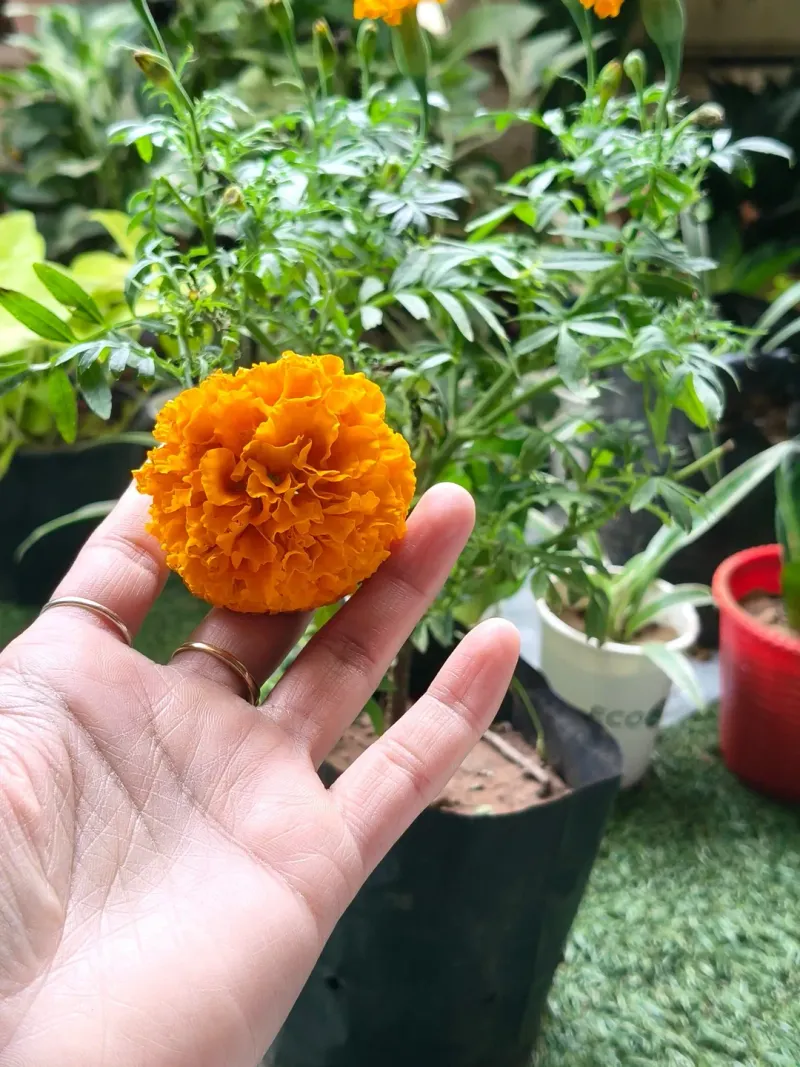
Marigolds have a reputation for being low-maintenance, making them a practical choice for busy households and gardeners of all experience levels. Once established, they need little more than occasional watering during dry periods and a bit of deadheading to encourage continuous blooming.
Ohio grandparents appreciated flowers that did not demand constant attention, yet still delivered reliable beauty throughout the growing season.
While marigolds are technically annuals in Ohio, they readily self-seed when conditions are right. Allowing some flowers to mature and drop seeds near the end of the season often results in volunteer plants the following spring.
These self-sown marigolds pop up on their own, sometimes in slightly different spots than where you originally planted them, adding an element of surprise and continuity to your doorway garden.
For more controlled planting, collecting seeds in late summer or early fall gives you a free supply for the next year. Store dried seeds in a cool, dry place over winter, then start them indoors in March or direct sow after the last frost date.
In Central Ohio, this is typically mid-May, while Northern Ohio gardeners wait until late May, and Southern Ohio can often plant earlier.
This cycle of planting, blooming, and reseeding connects us to the rhythms of the garden and the traditions passed down through generations of Ohio families.
5. Traditional Garden Symbol Of Protection
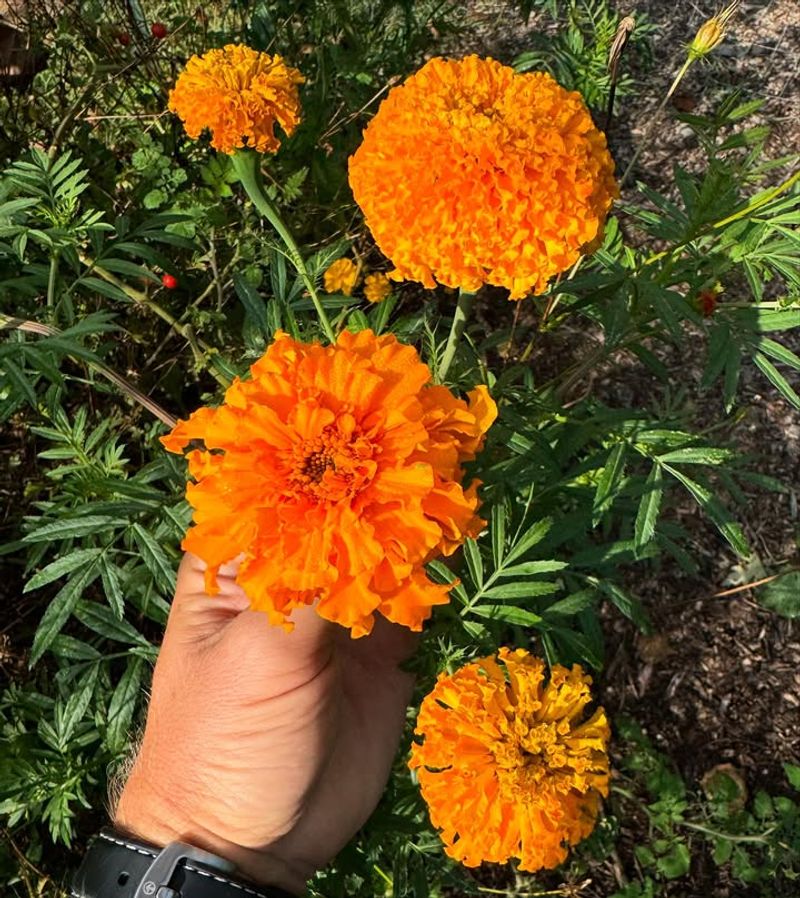
Marigolds carry symbolic meaning that stretches back through centuries of gardening tradition. In many cultures, these flowers represent protection, warmth, and positive energy, making them a natural choice for planting near doorways where families enter and exit daily.
Ohio grandparents often chose marigolds not just for their practical benefits, but because they felt these flowers added an extra layer of care and intention to the home.
The tradition of planting protective flowers near entrances has roots in folk wisdom and agricultural practices that valued harmony between people and their gardens. Marigolds fit this role perfectly, combining beauty with usefulness in a way that resonated with practical-minded gardeners.
Their bright color and strong presence created a sense of boundary and welcome, marking the threshold between public and private space.
Today, planting marigolds near your door honors this tradition while adding your own touch to a timeless practice. The flowers thrive in Ohio’s climate, adapting to different soil types and handling summer heat with resilience.
Whether you plant them in formal rows or scatter them informally along a pathway, they bring a sense of continuity and connection to the past.
This symbolic aspect adds depth to the simple act of gardening, reminding us that flowers can carry meaning beyond their physical beauty and that tending a garden connects us to generations of wisdom and care.
6. Fragrant Flowers Bring Nostalgic Memories
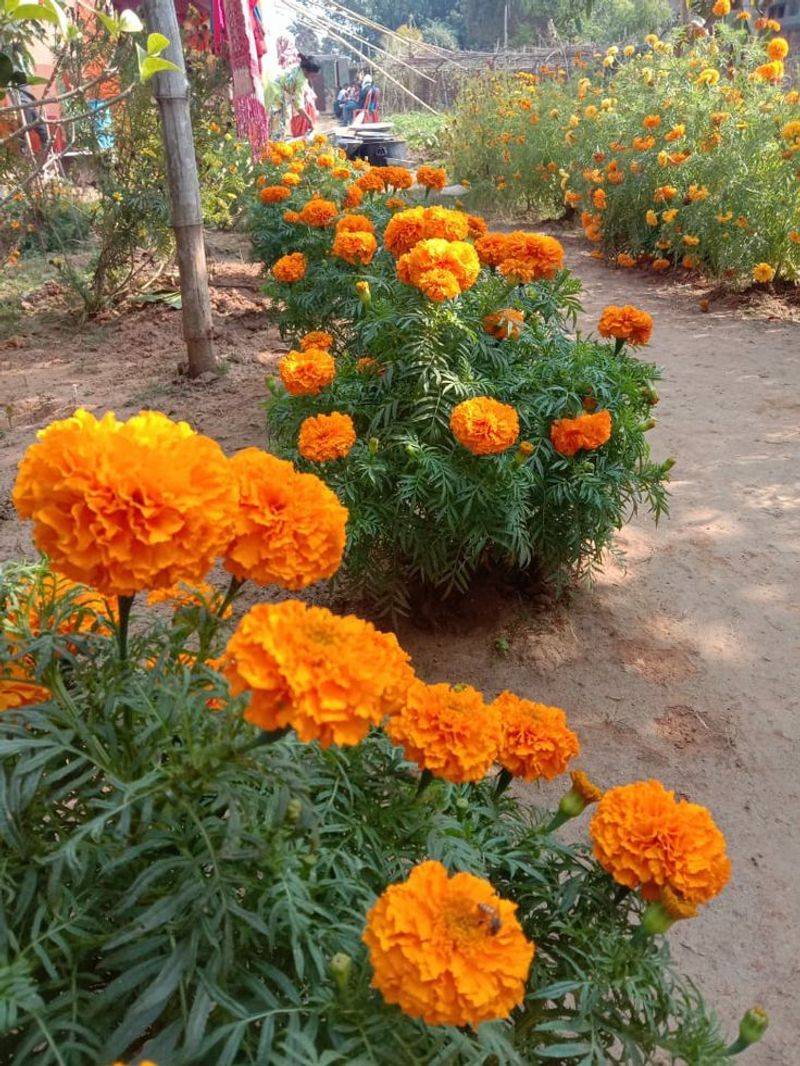
The distinctive scent of marigolds triggers memories for many people, calling to mind childhood summers spent helping grandparents in the garden. That sharp, earthy fragrance is unmistakable, and it has a way of transporting us back to simpler times when tending flowers was part of the daily routine.
Ohio gardeners who grew up with marigolds near the door often continue the tradition in their own homes, passing along the practice to younger generations.
Scent is a powerful connector to the past, and marigolds offer a sensory experience that goes beyond visual appeal. Brushing past the plants as you enter or leave the house releases their fragrance, creating a small moment of connection each time.
This everyday interaction builds associations between home, family, and the natural world, grounding us in place and tradition.
For those new to gardening, planting marigolds near your entrance can start a tradition that future generations will remember. The flowers are forgiving and easy to grow, making them ideal for involving children in garden tasks.
In Ohio, March is a good time to start seeds indoors together, teaching patience and care as seedlings develop and grow strong enough for transplanting outdoors.
These shared experiences create lasting memories, and the fragrance of marigolds becomes a thread connecting past, present, and future in your family’s story.
7. Colorful Edging Guides Visitors To The Home
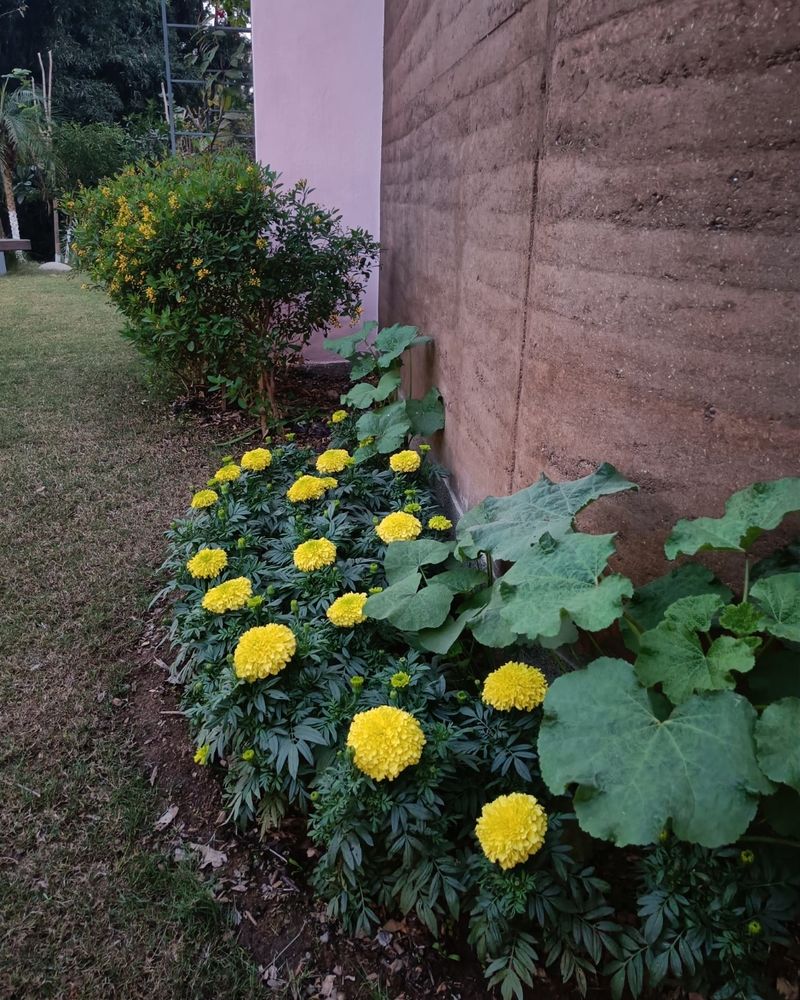
Marigolds serve a practical design function by creating clear visual lines that guide visitors toward your entrance. Their bright color naturally draws the eye, making pathways and walkways easy to follow even from a distance.
Ohio grandparents knew that a well-defined entrance made guests feel more comfortable and helped orient visitors who might be arriving for the first time.
Using marigolds as edging plants gives structure to garden beds and pathways without requiring complex landscaping skills. Their uniform height and consistent blooming habit create clean lines that look intentional and well-maintained.
Planting them in a single row along a walkway or in a double row for more impact transforms a simple path into an attractive garden feature.
In Ohio, marigolds adapt well to various planting situations, from formal beds with straight edges to casual cottage-style gardens with curving paths. They pair nicely with other common doorway plants like petunias, zinnias, and salvia, allowing you to create layered color combinations that suit your taste.
The key is ensuring they receive at least six hours of sunlight daily and have soil that drains well after rain.
This functional beauty makes marigolds a smart choice for anyone wanting to improve their home’s curb appeal while maintaining a connection to traditional Ohio gardening practices that emphasized both practicality and charm.
8. A Timeless Choice That Connects Generations
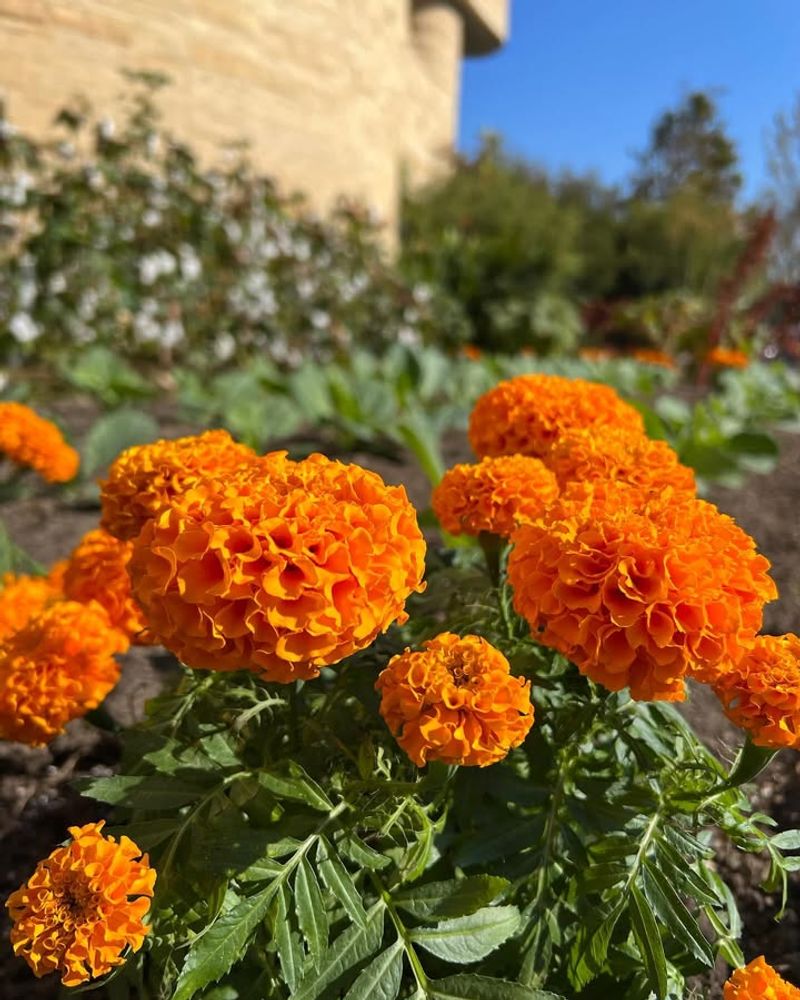
Planting marigolds near your door creates a living link to the gardeners who came before you. This simple act honors the wisdom of Ohio grandparents who understood that beauty and practicality could coexist in a garden.
When you choose marigolds for your entrance, you participate in a tradition that has shaped Ohio landscapes for generations, connecting your garden to a larger story of family, place, and care.
Gardening traditions matter because they ground us in practices that have proven their worth over time. Marigolds have remained popular precisely because they deliver on their promises, blooming reliably and requiring minimal fuss while providing maximum impact.
Teaching children and grandchildren to plant and care for these flowers passes along valuable skills and creates shared experiences that strengthen family bonds.
In Ohio, where seasons change dramatically and gardening requires adapting to variable weather, marigolds offer consistency and reassurance. They tolerate heat, handle occasional dry spells, and bloom steadily from early summer until frost.
Starting them from seed in March, whether indoors or in a cold frame, begins the growing cycle that connects us to the rhythms of the natural world.
This continuity matters in a fast-changing world. Marigolds near the door remind us that some traditions endure because they serve us well, offering beauty, function, and meaning in equal measure across the generations.