Why Ohio Homeowners Are Planting Lavender By Their Front Doors
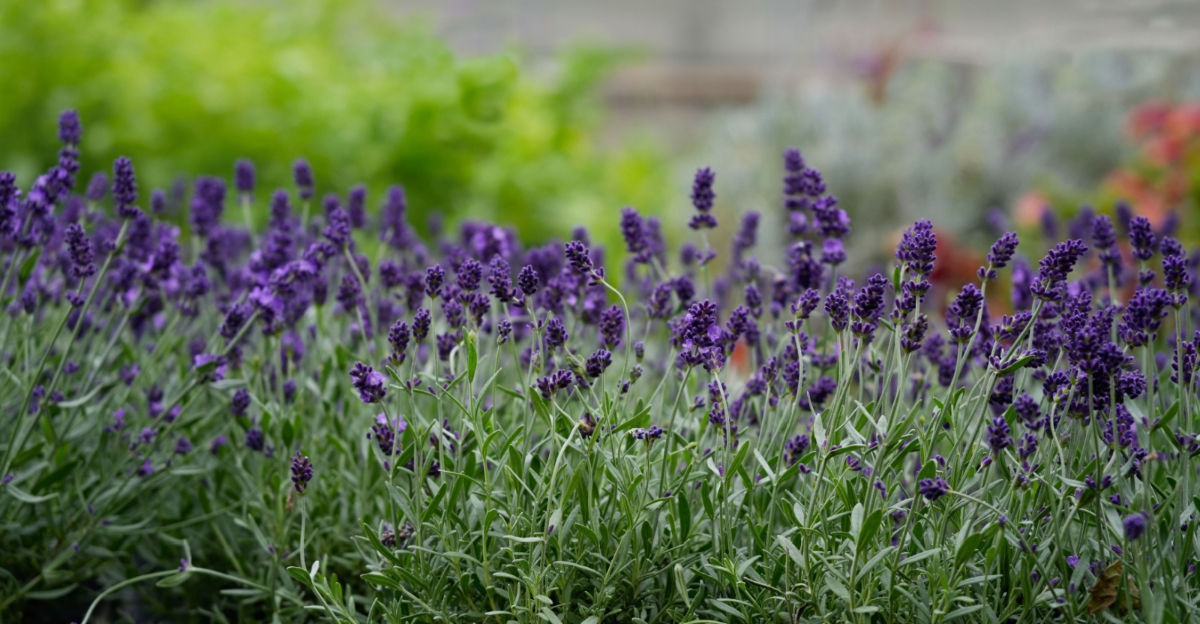
Across Ohio, a quiet front yard trend has started turning heads and changing first impressions. More homeowners now plant lavender by their front doors, and neighbors keep asking why.
The answer goes far beyond pretty purple flowers. Lavender has quickly become one of the most talked about front yard additions, drawing attention for reasons many people do not expect.
Homeowners across the state keep sharing their own experiences, and curiosity continues to grow as more neighbors start noticing the change. This hardy plant handles Ohio heat, asks for little care, and rewards homeowners with beauty year after year.
From small town streets to busy suburban neighborhoods, lavender has become a simple upgrade that makes any home feel warmer and more inviting.
One small row of plants can turn an ordinary entrance into a space that feels peaceful, welcoming, and full of charm the moment someone walks up to the door.
1. A Calming Scent Right At The Entrance
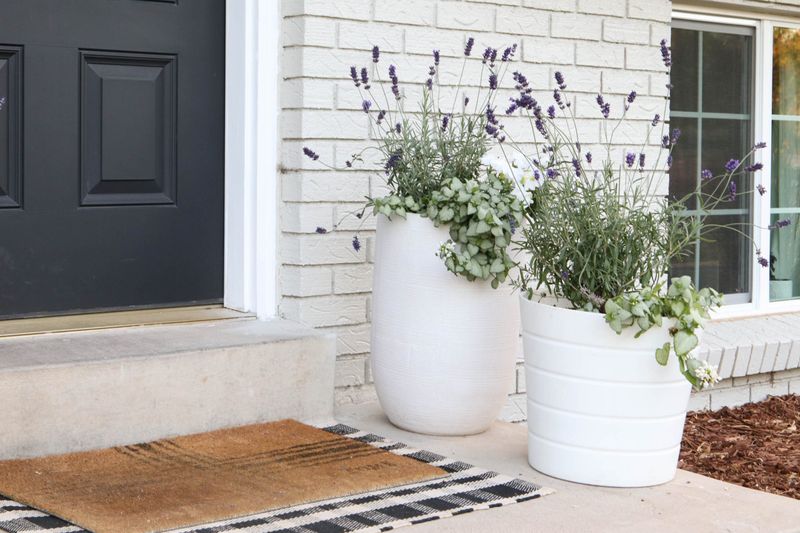
Walking up to a home surrounded by the gentle fragrance of lavender creates an instant sense of calm. The natural oils in lavender release a soothing aroma that greets visitors before they even knock.
Many people find this scent helps them relax after a long day, making the transition from the outside world to home feel more peaceful.
In Ohio, where summer evenings are perfect for sitting on the porch, having lavender nearby adds an extra layer of enjoyment. The scent becomes stronger in warm weather when the sun heats the plant’s essential oils.
You might notice butterflies and bees drawn to the flowers, adding gentle movement and life to your entrance.
Planting lavender by your front door means you can brush against the stems as you pass, releasing even more fragrance. Some homeowners like to snip a few stems to bring indoors for fresh bouquets.
The calming effect of lavender has been appreciated for centuries, and having it right at your doorstep brings that timeless benefit to your daily routine.
This natural aromatherapy works without any effort on your part once the plants are established. Unlike candles or air fresheners, lavender provides a pure, authentic scent that changes slightly with the seasons and weather conditions.
2. Natural Beauty That Instantly Welcomes Guests
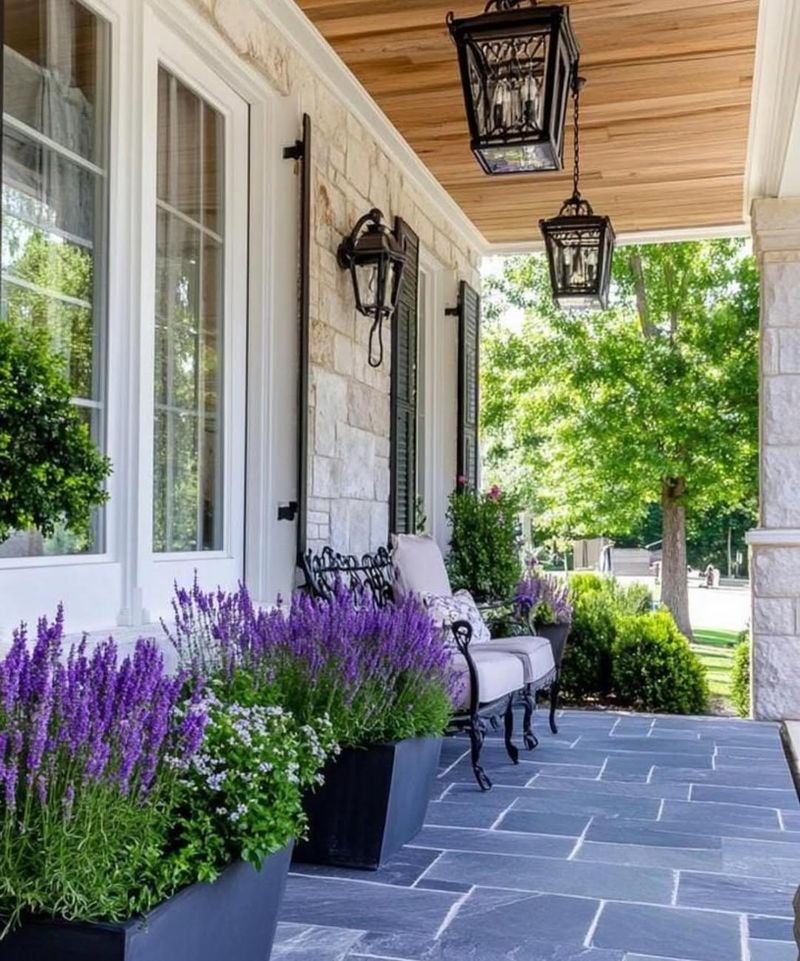
First impressions matter, and lavender creates a stunning visual welcome that few other plants can match. The soft purple blooms stand out beautifully against most home exteriors, whether your house features brick, siding, or stone.
These cheerful flowers add a pop of color without overwhelming the space or clashing with your existing design choices.
Many Ohio homeowners appreciate how lavender provides structure and form even when not in bloom. The silvery-green foliage looks tidy and intentional, giving your entrance a well-maintained appearance throughout the growing season.
Unlike some plants that become scraggly or messy, lavender keeps its compact, mounded shape with minimal pruning.
The vertical flower spikes create visual interest and draw the eye upward toward your front door. This natural framing effect makes your entrance feel more defined and special.
Guests often comment on how inviting and thoughtful the landscaping looks, even if they can’t quite put their finger on why.
Lavender works beautifully in various planting arrangements, whether you prefer symmetrical pairs flanking your door or a casual grouping to one side. The plants look equally at home in the ground or in decorative containers, giving you flexibility to match your personal style and space limitations.
3. Lavender Thrives In Ohio Summers
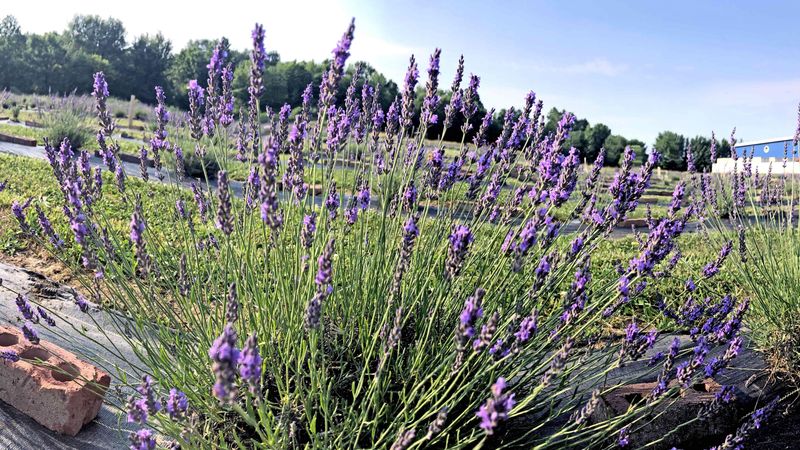
Ohio’s warm summers provide ideal growing conditions for lavender, which loves plenty of sunshine and moderate heat. Once established, these plants handle the typical summer temperatures beautifully, blooming reliably from June through August.
The long daylight hours give lavender exactly what it needs to produce those gorgeous flower spikes that everyone admires.
Most varieties suited for Ohio gardens are surprisingly tough and adaptable. They can handle occasional summer storms and brief dry spells without missing a beat.
The key is choosing varieties like English lavender that are bred to tolerate the Midwest climate, including our occasional humidity and temperature swings.
During peak growing season, lavender requires very little attention beyond occasional watering if rainfall is scarce. The plants actually prefer slightly dry conditions over soggy soil, making them perfect for busy homeowners who want beauty without constant maintenance.
Your lavender will reward you with the most abundant blooms when planted in a spot that receives at least six hours of direct sunlight daily.
Many gardeners in Ohio find that lavender performs best when planted in spring, giving roots time to establish before summer heat arrives. By the second year, your plants will be even more robust and produce even more flowers.
4. A Simple Way To Attract Pollinators
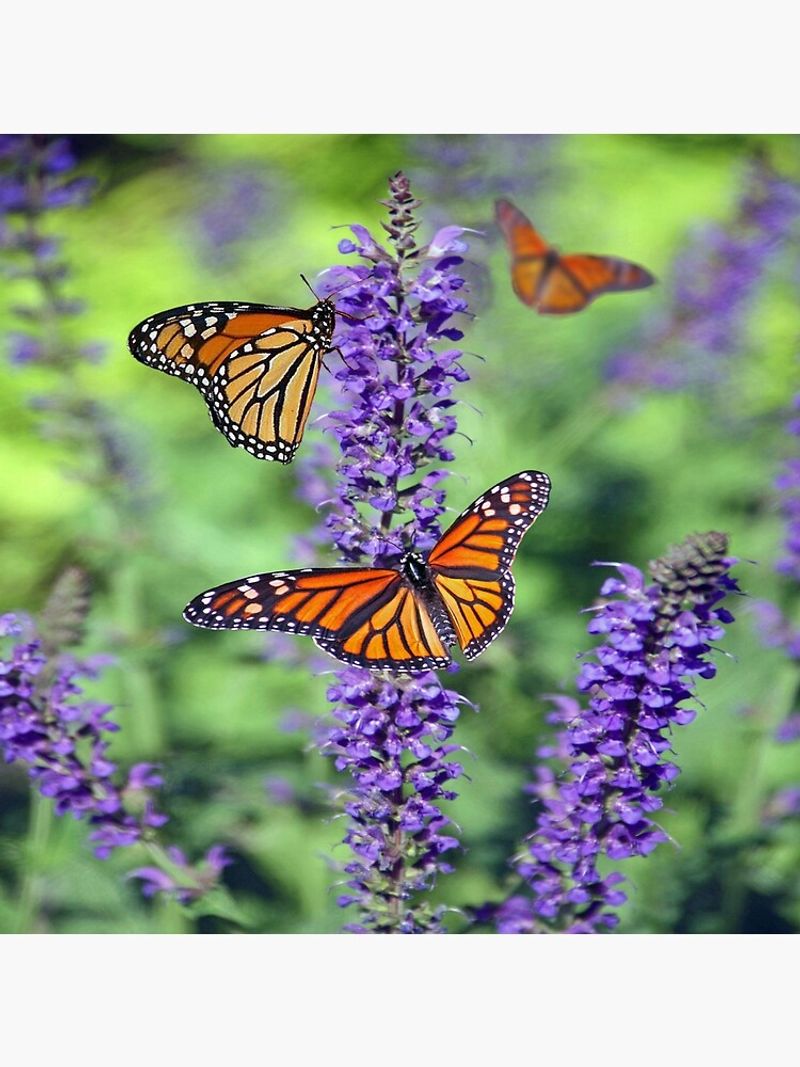
Pollinators are essential for healthy gardens and local ecosystems, and lavender acts like a magnet for these helpful creatures. Bees, butterflies, and hummingbirds all find lavender flowers irresistible, visiting throughout the day to gather nectar.
Watching this natural activity from your front porch or through a window adds unexpected entertainment and connects you to nature.
Ohio gardeners often worry about declining pollinator populations, but planting lavender by your front door creates a small sanctuary that supports these important insects. Each flower spike contains dozens of tiny blooms packed with nectar, providing an abundant food source when many other plants have finished flowering.
The extended bloom period means pollinators can rely on your lavender for weeks.
Having pollinators visit your entrance doesn’t mean dealing with aggressive insects. Bees working lavender flowers are focused on gathering food and rarely show interest in people passing by.
Most visitors won’t even notice the busy activity happening just a few feet away. The presence of these creatures actually indicates a healthy, balanced environment around your home.
If you have other flowering plants or a vegetable garden nearby, the pollinators attracted to your front door lavender will help those plants too, improving fruit and vegetable production throughout your yard.
5. Low Maintenance And Easy To Grow
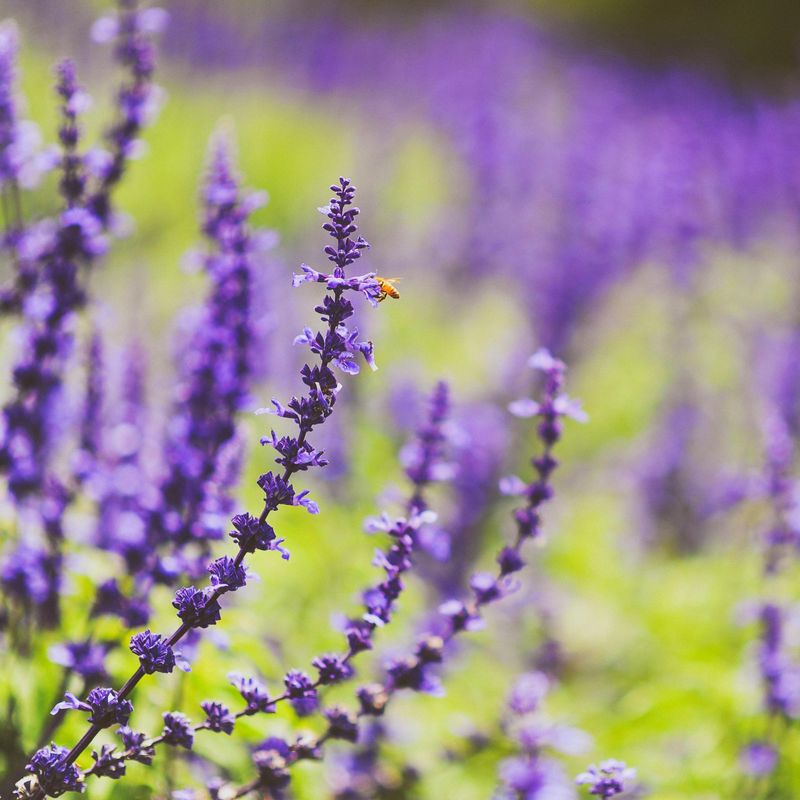
Busy homeowners love lavender because it practically takes care of itself once the roots take hold. Unlike high-maintenance flowers that demand constant deadheading, fertilizing, and fussing, lavender simply grows and blooms with minimal intervention.
This makes it perfect for anyone who wants a beautiful entrance without spending every weekend gardening.
After the initial planting, your main tasks involve occasional watering during very dry periods and a light pruning after the flowers fade. That’s essentially it.
Lavender doesn’t require special fertilizers or soil amendments in most Ohio locations. In fact, feeding it too much can actually reduce the intensity of its fragrance and make the plants floppy rather than compact.
The plants are naturally resistant to many common garden problems, which means you won’t spend time treating diseases or battling pests. This hardy nature comes from lavender’s Mediterranean origins, where plants must survive with little water and poor soil.
Those tough genetics work in your favor when you plant it by your front door.
Even gardeners who claim they lack a green thumb find success with lavender. The plant forgives minor mistakes and bounces back quickly from neglect.
As long as you provide good drainage and plenty of sun, your lavender will reward you with years of beauty and fragrance.
6. A Fresh Touch For Any Front Door Style
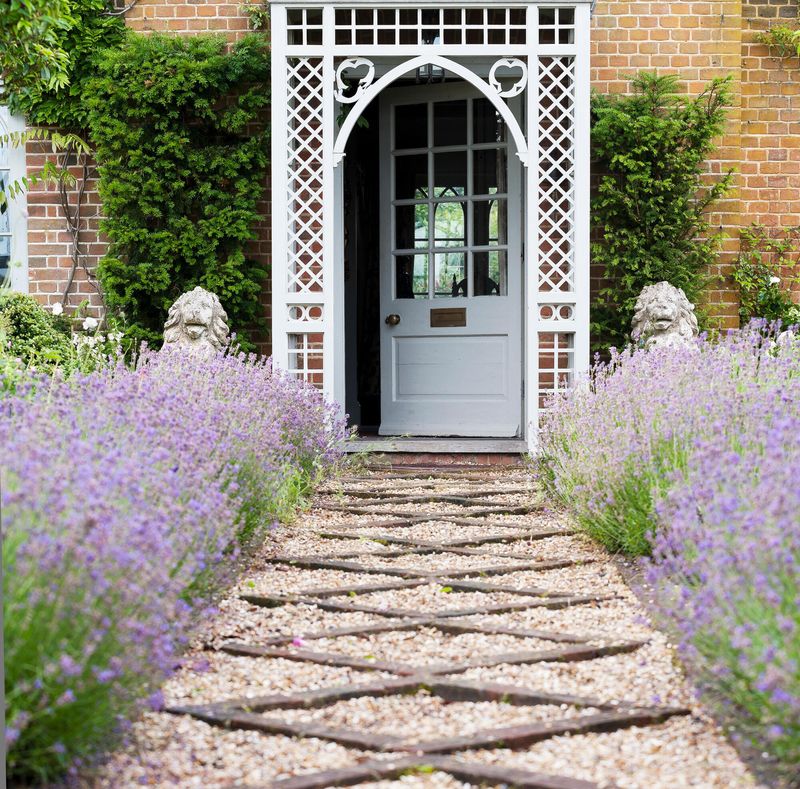
Whether your home features a bold contemporary design or classic traditional architecture, lavender adapts beautifully to any style. The plant’s simple elegance works as a neutral element that enhances rather than competes with your home’s character.
This versatility explains why you see lavender at entrances ranging from Victorian cottages to sleek modern townhomes across Ohio neighborhoods.
For farmhouse-style homes, lavender provides that perfect cottage garden feel that looks both intentional and effortlessly charming. The soft purple blooms complement painted shutters and wooden doors beautifully.
If your home leans more contemporary, the clean lines and structured form of lavender plants offer a sophisticated, minimalist aesthetic that feels current and fresh.
The color palette of lavender works with virtually any exterior paint color or material. Purple blooms look stunning against white, gray, brick red, navy, and even bold accent colors.
The silvery foliage provides a neutral backdrop that ties everything together without creating visual chaos or competing for attention.
You can plant lavender in matching containers for a formal, symmetrical look or create a more casual arrangement with varied groupings. Either approach works beautifully, allowing you to express your personal style while enjoying all the practical benefits these wonderful plants provide at your entrance.
7. Naturally Helps Keep Pests Away
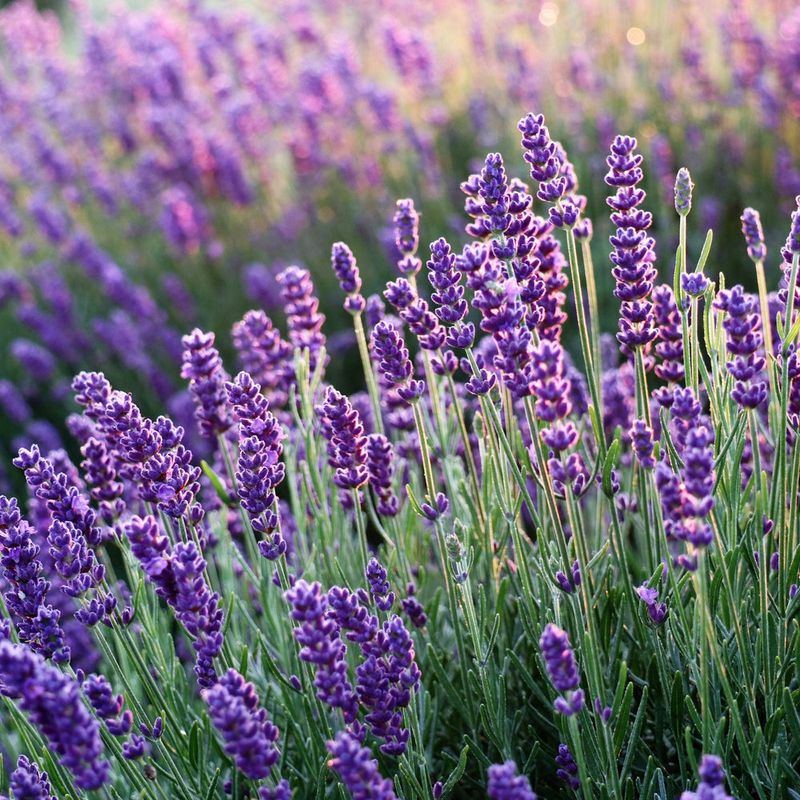
One of lavender’s lesser-known benefits is its natural ability to discourage certain pests from hanging around your entrance. The same aromatic oils that smell wonderful to humans are actually off-putting to mosquitoes, flies, and other nuisance insects.
While not a complete solution, having lavender by your front door can reduce the number of unwanted bugs near your main entry point.
Many Ohio homeowners notice fewer mosquitoes hovering around their porch lights after planting lavender nearby. The scent creates a subtle barrier that these pests prefer to avoid.
This means more comfortable evenings sitting outside and fewer insects slipping into your home when you open the door. The effect is gentle and natural, without harsh chemicals or artificial repellents.
Deer and rabbits, which can be problematic in some Ohio neighborhoods, typically leave lavender alone. The strong scent and taste don’t appeal to these garden visitors, so your plants remain intact and beautiful while other flowers might get nibbled.
This makes lavender a smart choice if you’ve struggled with wildlife browsing on your landscaping.
The pest-deterring properties work passively without any effort from you. Simply having the plants in place provides this benefit automatically.
Combined with all the other advantages lavender offers, this natural protection makes it an even smarter choice for front door plantings.
8. Adds Year Round Charm To Your Entry
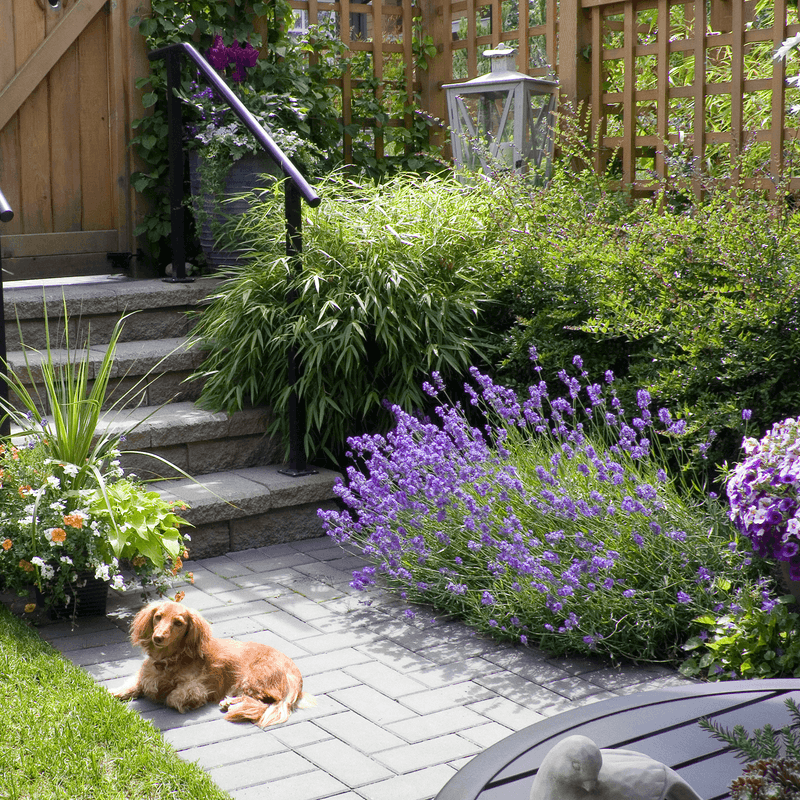
While lavender’s purple blooms steal the show in summer, the plant offers visual interest throughout much of the year. The silvery-green foliage remains attractive well into fall, providing color and texture when many other plants have faded.
This extended season of beauty means your entrance looks intentional and cared-for long after summer flowers have finished.
In Ohio, lavender typically keeps its foliage through most of the fall season, only going dormant when consistent cold weather arrives. During this time, the compact mounded form still provides structure to your entrance landscaping.
Some varieties show hints of purple or bronze in their foliage as temperatures drop, adding unexpected seasonal color.
Come spring, lavender is one of the first plants to show fresh green growth, signaling the start of a new growing season. This early emergence gives your entrance an immediate lift after winter, well before most flowering plants begin their show.
The anticipation of seeing those first flower buds form becomes something to look forward to each year.
Even during winter, the dried stems and seed heads can provide subtle interest and structure, especially when frosted or dusted with snow. Many gardeners choose to leave their lavender unpruned until spring specifically to enjoy this quiet winter presence at their front door.