Why Ohio Homeowners Plant Hostas Near Their Front Doors
Walk through an Ohio neighborhood in late spring and you will notice a quiet pattern near many front doors. Lush mounds of green seem to anchor entryways, soften hard lines, and create a calm first impression without demanding attention.
It is not a random choice, and it is not just about filling empty space. Homeowners return to this plant again and again for reasons that go deeper than simple curb appeal.
There is a practical logic behind the placement, one that reveals itself over time. These leafy clusters offer more than a welcoming look, and their popularity has grown steadily across the state for good reason.
Something about them simply works near an entrance, season after season. If you have ever wondered why so many Ohio homeowners plant hostas near their front doors, the answer may surprise you.
1. Hostas Thrive In Ohio Shade Without Fuss
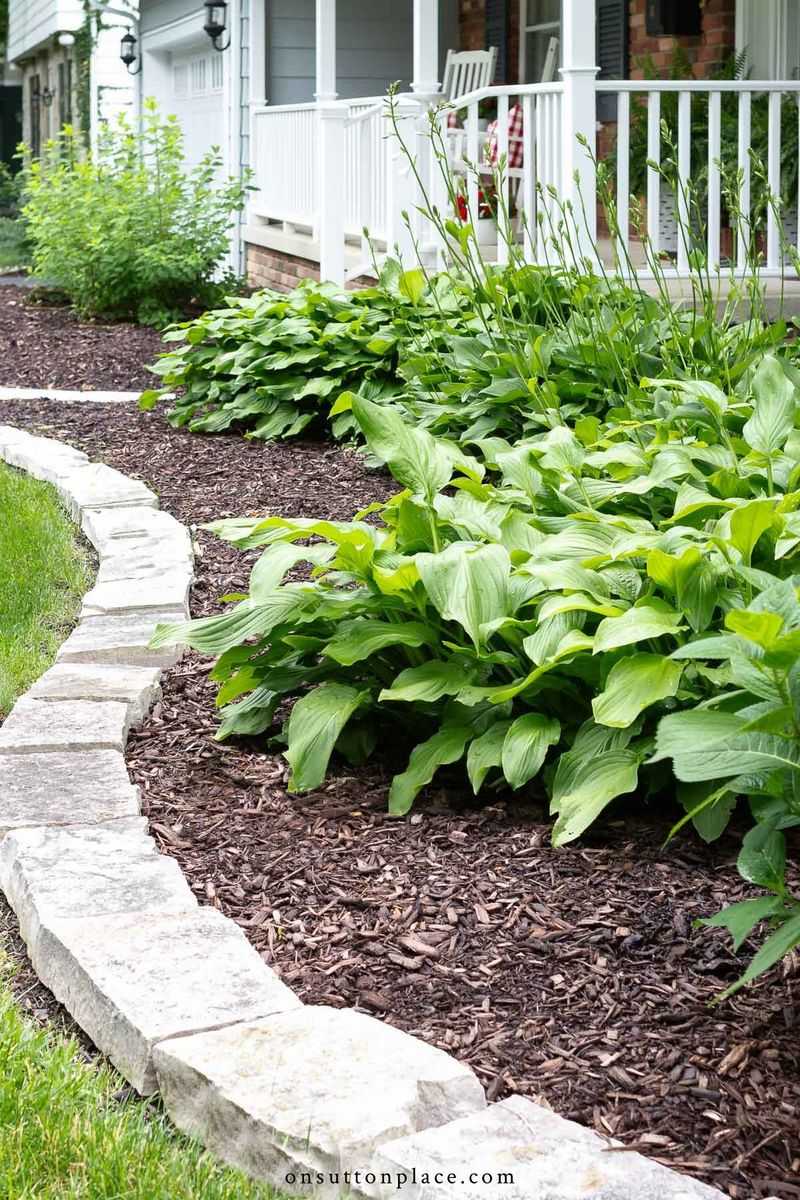
Most front doors in Ohio don’t get full sun all day long. North-facing entryways stay shaded most of the time, and even east or west-facing doors often sit under roof overhangs or porch covers that block direct sunlight.
Many homeowners struggle to find plants that actually look good in these darker spots.
Hostas evolved as woodland plants, which means they’re built for shade. They don’t just tolerate low light conditions; they actually prefer them.
In Ohio’s climate, hostas planted near shaded entryways develop their best leaf color and texture without the stress that sun-loving plants would experience in the same location.
Ohio State University Extension research confirms that hostas perform exceptionally well in partial to full shade throughout the state. Their root systems establish quickly in Ohio’s clay-heavy soils, and once settled, they fill in reliably each spring.
Unlike impatiens or other shade annuals that need replanting every year, hostas return on their own.
The practical advantage becomes clear when you consider maintenance time. Homeowners can plant hostas once and enjoy consistent greenery year after year without worrying about whether their entryway gets enough sun.
That reliability makes them ideal for the often-shaded spaces right next to front doors where curb appeal matters most.
2. Large Leaves Instantly Soften Entryways
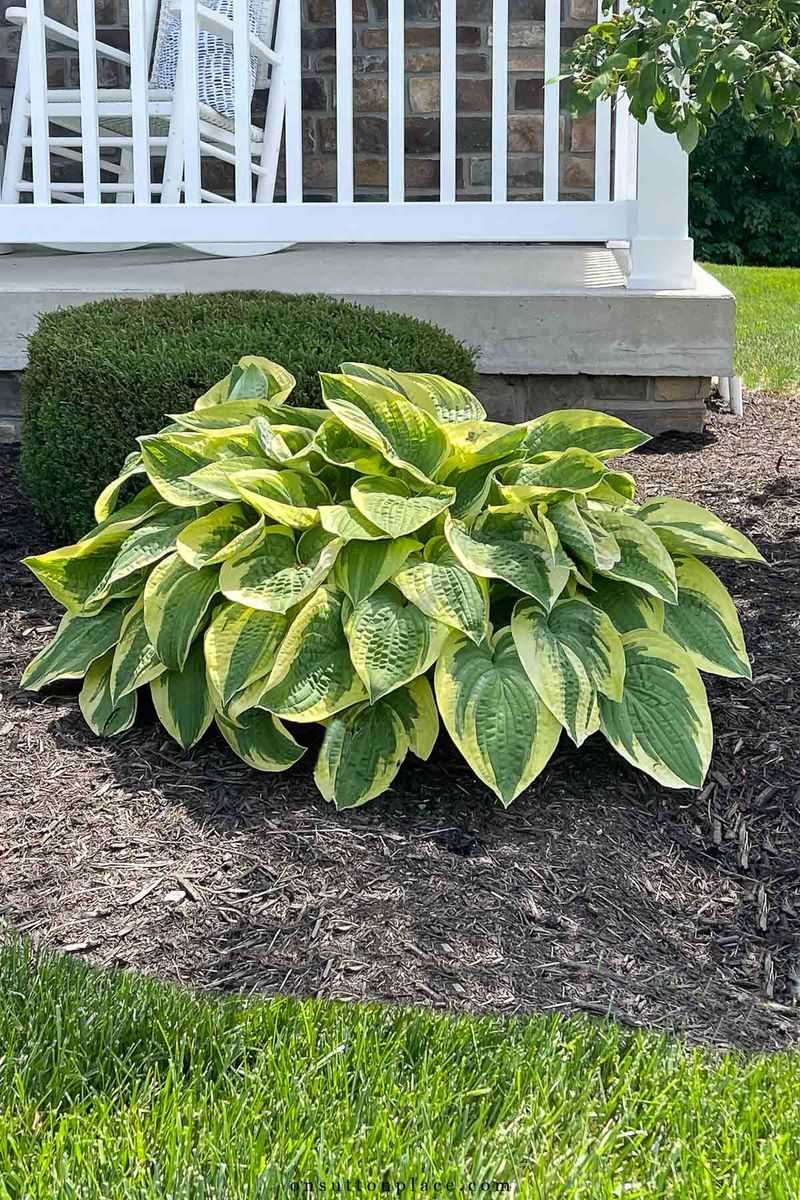
Front doors surrounded by nothing but siding or brick can look harsh and uninviting. The architectural lines need something organic to balance them out.
Hosta foliage does exactly that with broad leaves that create immediate visual softness.
Different hosta varieties offer leaves ranging from six inches to over a foot across. When planted in clusters near an entryway, these large leaves form substantial masses of foliage that draw the eye and create a sense of abundance.
The effect makes even modest homes look more established and thoughtfully designed.
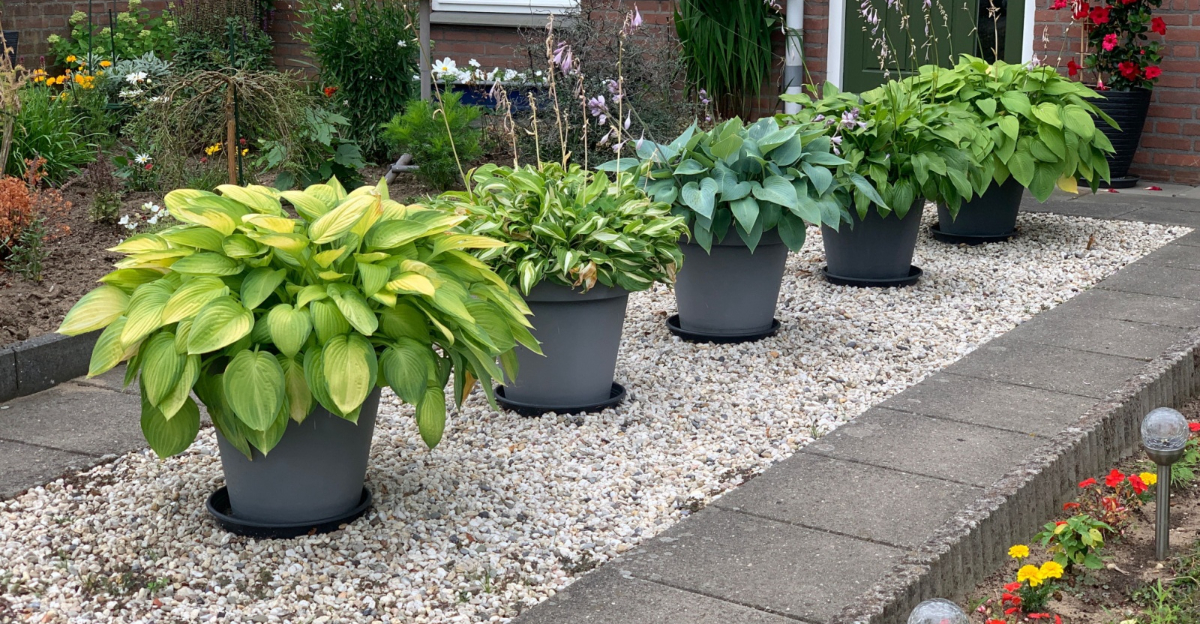
Color variation adds another layer of visual interest. Blue-green hostas provide cool, calming tones, while chartreuse varieties brighten darker areas.
Variegated hostas with white or yellow edges create natural highlights that enhance curb appeal without requiring flowers. Ohio homeowners appreciate this because the foliage impact lasts from spring through fall, much longer than any flowering plant could maintain.
Professional landscapers working in Ohio consistently use hostas for foundation plantings precisely because of this softening effect. The plants create a transition between the hard surfaces of walkways and house exteriors and the surrounding lawn or garden beds.
That visual bridge makes entrances feel more welcoming and complete, which is exactly what homeowners want visitors to experience when approaching their front doors.
3. They Handle Ohio Humid Summers With Ease
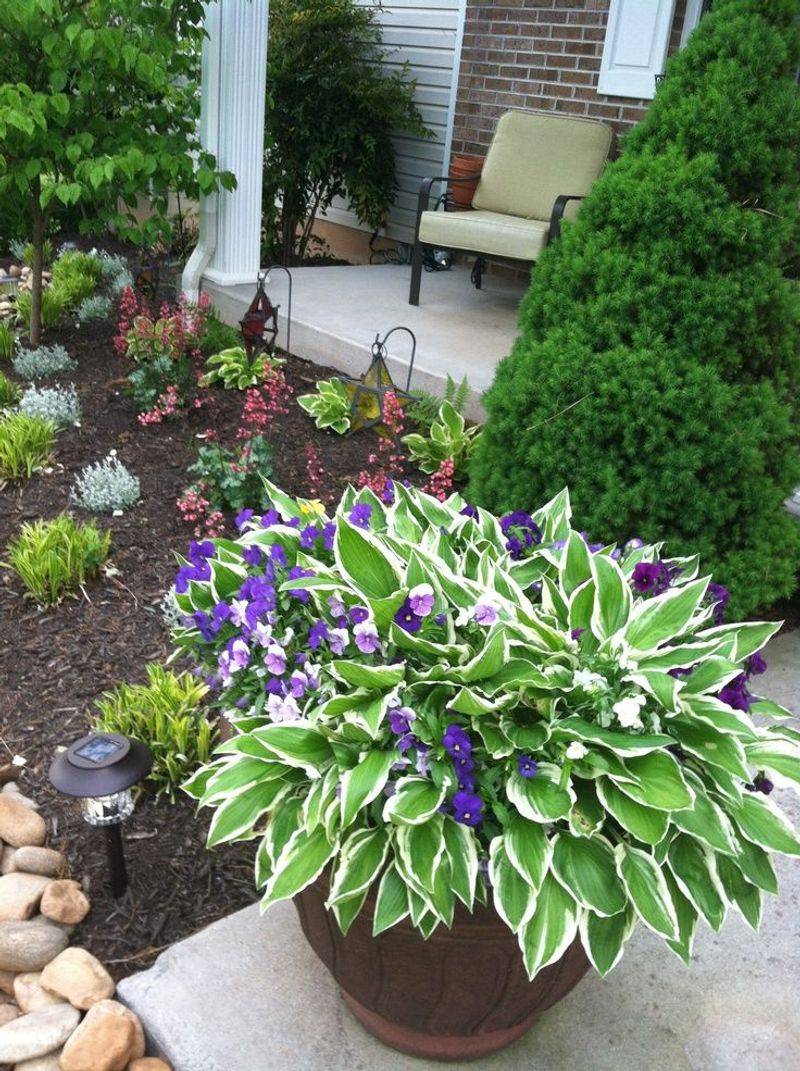
Ohio summers bring heat and humidity that stress many landscape plants. The combination creates conditions where fungal diseases spread quickly and leaf tissue burns or browns.
Plants near front doors face additional challenges from reflected heat off walkways and house foundations.
Hostas handle these conditions remarkably well. Their leaves are naturally thick and somewhat waxy, which helps them retain moisture during hot spells.
Unlike thinner-leaved perennials that wilt by afternoon, hostas maintain their structure and appearance through typical Ohio summer weather. The humidity that causes problems for roses and other ornamentals doesn’t faze hostas at all.
Research from Ohio State shows that hostas experience fewer disease issues when planted in appropriate shade compared to many alternative perennials. Their natural resistance to common fungal problems means homeowners spend less time treating plants and more time enjoying them.
When occasional leaf spot does appear, it rarely affects the overall health or appearance of the plant.
For busy homeowners, this durability matters tremendously. Front door plantings need to look good consistently because they’re the first thing guests see.
Hostas deliver that reliable performance throughout Ohio’s challenging summer months without requiring constant attention, special treatments, or emergency watering sessions that other plants might demand in the same location.
4. Low Maintenance Plants For Busy Homeowners
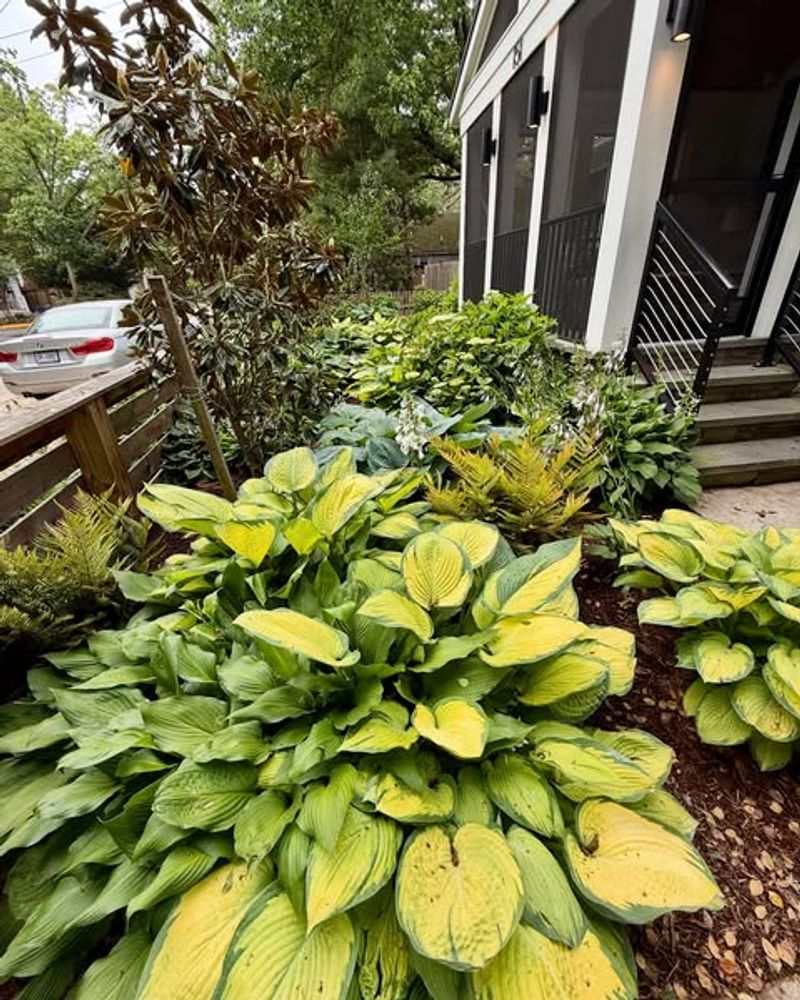
Between work schedules, family activities, and home upkeep, many Ohio homeowners have limited time for garden maintenance. Front door plantings need to look presentable without demanding hours of weekly care.
Hostas fit that requirement better than almost any other perennial option.
Watering needs stay manageable once hostas establish their root systems. During typical Ohio rainfall patterns, mature hostas near entryways often get by with natural precipitation alone.
Even during drier periods, a weekly deep watering usually suffices. Their root systems grow deep enough to access soil moisture that surface-rooted annuals can’t reach.
Fertilizer requirements remain minimal. A single spring application of balanced slow-release fertilizer provides enough nutrition for the entire growing season.
Some Ohio homeowners skip fertilizing altogether and still get perfectly acceptable results. Hostas aren’t heavy feeders, which means less expense and less work.
Pruning needs are virtually nonexistent during the growing season. Unlike shrubs that need shaping or flowers that need deadheading, hostas simply grow and fill out on their own.
The only maintenance comes in fall when frost destroys the foliage. Cutting back withered leaves takes maybe fifteen minutes per planting area and only happens once per year.
That minimal time investment delivers months of attractive foliage that frames your entrance beautifully without constant fussing or intervention.
5. Layered Foliage Adds Depth And Texture Fast
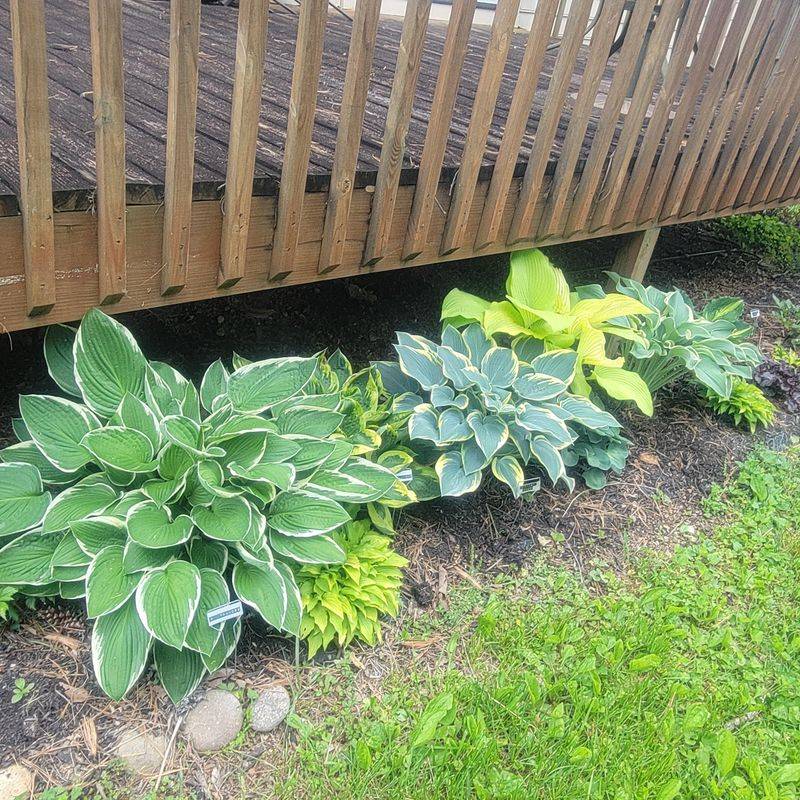
Flat, single-layer plantings look amateurish and don’t make the most of limited space near entryways. Professional landscape design relies on layering plants at different heights and textures to create visual depth.
Hostas make this technique accessible to homeowners without design training.
The variety selection available allows for easy layering. Compact hostas like ‘Blue Mouse Ears’ grow only six to eight inches tall and work perfectly as front-edge plants.
Mid-sized varieties reach eighteen to twenty-four inches and fill the middle layer. Large hostas like ‘Sum and Substance’ can grow three feet tall and provide backdrop height.
Planting all three sizes together creates instant dimension.
Texture variation happens naturally with hostas. Some varieties have smooth, glossy leaves while others show heavy ribbing and puckering.
Leaf shapes range from narrow and pointed to round and cupped. Mixing these textures in a single planting area creates visual interest that holds attention even without flowers.
Ohio homeowners working with small entryway spaces appreciate how much impact they can achieve in just a few square feet.
The layered effect develops quickly too. Unlike shrubs that take years to reach mature size, hostas fill out substantially in their second season.
Within three years, a well-planned hosta planting looks completely established and professionally designed, giving your front entrance the polished appearance that increases home value and neighborhood appeal.
6. They Return Reliably Year After Year
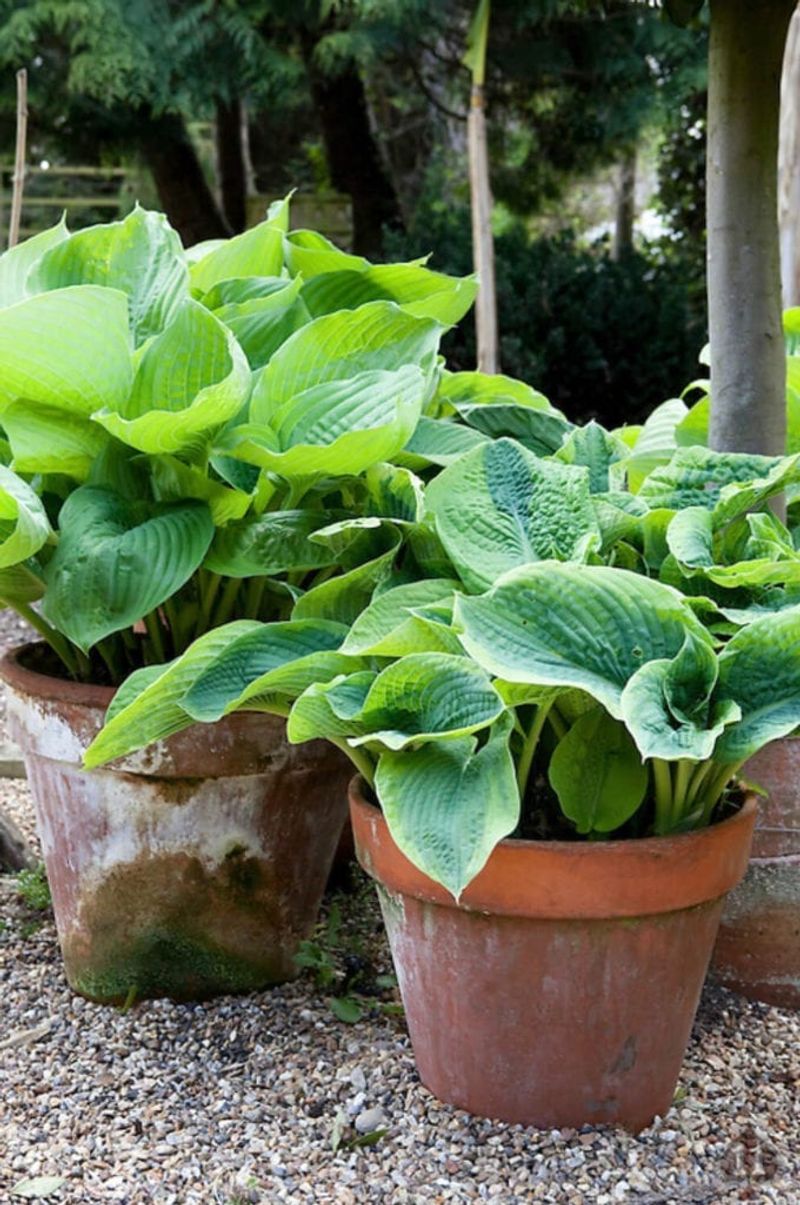
Investing time and money into front yard landscaping only makes sense if the plants stick around. Annuals require complete replacement each year, which gets expensive and time-consuming.
Shrubs offer permanence but take years to look established. Hostas provide the best of both approaches.
As true perennials, hostas go dormant in winter but return faithfully each spring. Their root systems survive Ohio winters without any protection or special care.
Even during harsh winters with temperature swings and freeze-thaw cycles, established hostas come back strong. Ohio State Extension data shows hostas thriving throughout all of Ohio’s hardiness zones without winter damage.
The reliability extends beyond simple survival. Hostas actually get better with age.
Each year, the plants grow larger and produce more shoots, creating fuller, more impressive clumps. A single hosta planted near your front door will gradually expand into a substantial presence that looks increasingly established.
This natural growth means your landscaping investment appreciates over time rather than requiring constant replacement.
Long-term value matters to homeowners planning to stay in their homes. Hostas can thrive for decades in the same location without needing division or replacement.
Some Ohio gardeners have hosta plantings that are twenty or thirty years old and still performing beautifully. That kind of reliability near your front entrance means you can plant once and enjoy the results for years without worrying about replanting or redesigning.
7. Perfect Partners For Porches And Walkways
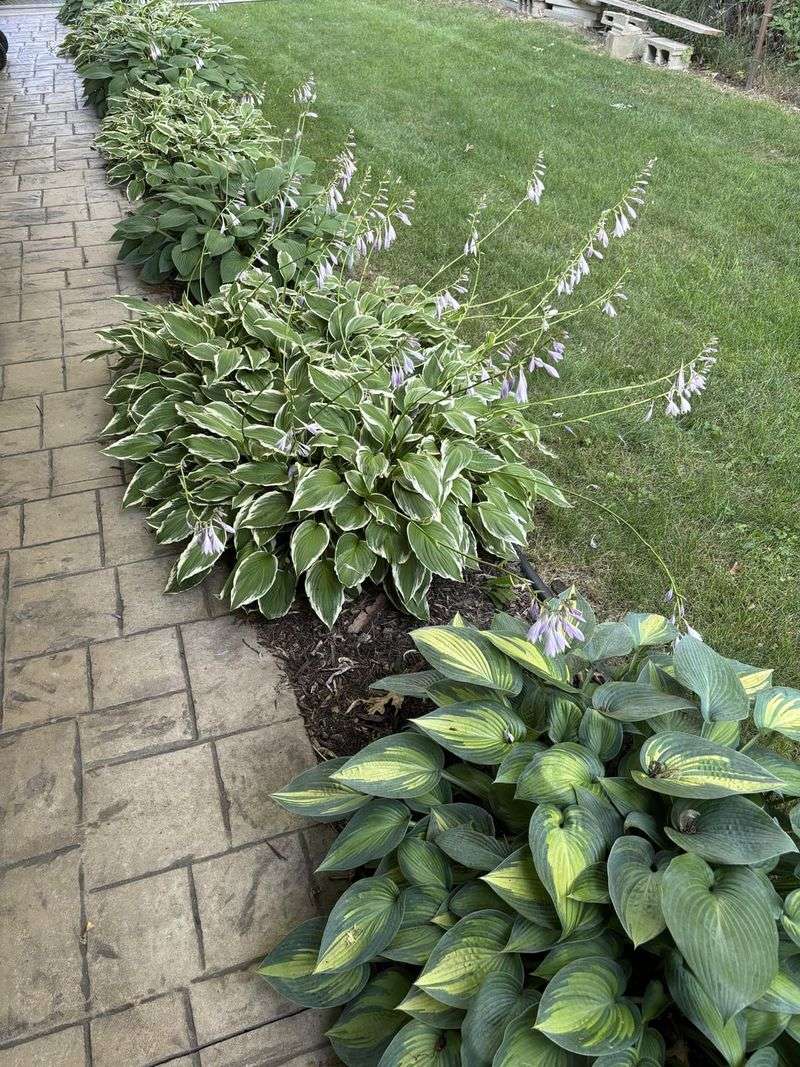
The space between walkways and house foundations presents specific landscaping challenges. Plants need to stay contained without spreading onto paths, handle foot traffic nearby, and work within narrow planting strips.
Hostas excel in these confined spaces that many other perennials can’t handle well.
Their clumping growth habit makes hostas ideal for edging. Unlike spreading groundcovers that creep onto walkways and require constant trimming, hostas stay where you plant them.
They form distinct mounds that create clean lines along paths and steps. This contained growth means less maintenance and neater appearance throughout the season.
Ohio homeowners appreciate not having to edge around their front door plantings every few weeks.
Foundation plantings benefit from hostas too. The area right against house walls often stays quite shaded and can have challenging soil conditions from construction debris and poor drainage.
Hostas adapt to these tough spots better than most alternatives. Their roots don’t damage foundations, and their foliage hides the transition between ground and structure without growing tall enough to block windows or architectural details.
Scale matters near entryways, and hostas come in sizes that fit any space. Narrow strips between sidewalks and porches work with compact varieties, while wider beds can accommodate larger specimens.
This flexibility lets homeowners create proportional plantings that enhance rather than overwhelm their front entrance architecture and hardscaping.
8. Varieties Fit Both Small And Spacious Entry Areas
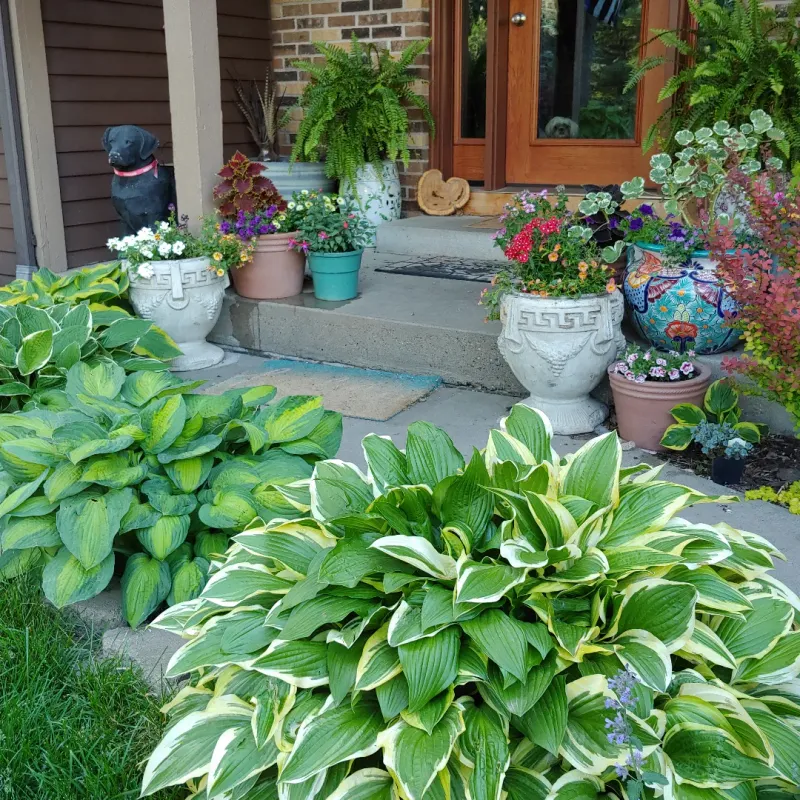
Not every Ohio home has the same amount of space near the front door. Older city homes might have tiny entry gardens only two feet deep, while suburban properties could offer generous planting beds.
Hostas work in both situations because of their incredible size range.
Miniature varieties like ‘Blue Mouse Ears’ or ‘Mighty Mouse’ mature at just six to ten inches across. These tiny hostas pack full plant impact into spaces barely larger than a dinner plate.
Homeowners with minimal room can still enjoy the benefits of hosta foliage without plants overwhelming their small entryways. Several miniatures grouped together create charming displays in confined quarters.
Mid-sized hostas ranging from twelve to twenty-four inches suit most standard residential landscapes. Varieties like ‘Patriot’ or ‘June’ provide substantial presence without dominating the space.
These work well for typical foundation beds and walkway borders where moderate scale feels appropriate. Most Ohio front door plantings fall into this size category.
Giant hostas offer dramatic impact for larger properties. ‘Sum and Substance’ can spread four feet across with leaves over a foot long. ‘Empress Wu’ grows even larger, creating bold architectural statements. Spacious entryways on larger homes benefit from these substantial plants that provide presence proportional to the home’s scale.
The variety range means every Ohio homeowner can find hostas sized appropriately for their specific front entrance, ensuring the plants enhance rather than fight against the existing architecture and landscape.