Why Ohio Homeowners Prefer Shredded Mulch Over Bark Chips
Have you ever wondered why some yards in Ohio always look clean, fresh, and weed free, even after a heavy storm? You might be doing everything right, yet your mulch keeps shifting, fading, or never quite giving you the look you want.
You are not alone. Across Ohio, many homeowners who once relied on traditional bark chips are quietly trying something different, and the change is starting to show in neighborhoods everywhere.
At first, it seems like a small switch from loose bark to a more finely textured shredded mulch. Then you begin to notice your beds holding their shape, your landscape looking more natural, and your yard staying neat even when the weather turns rough.
It is not a dramatic change overnight, but season by season the difference becomes clear.
Once you see how your yard responds, you may start to understand why more Ohio homeowners are slowly moving away from bark chips.
1. Better Weed Control With Finer Coverage
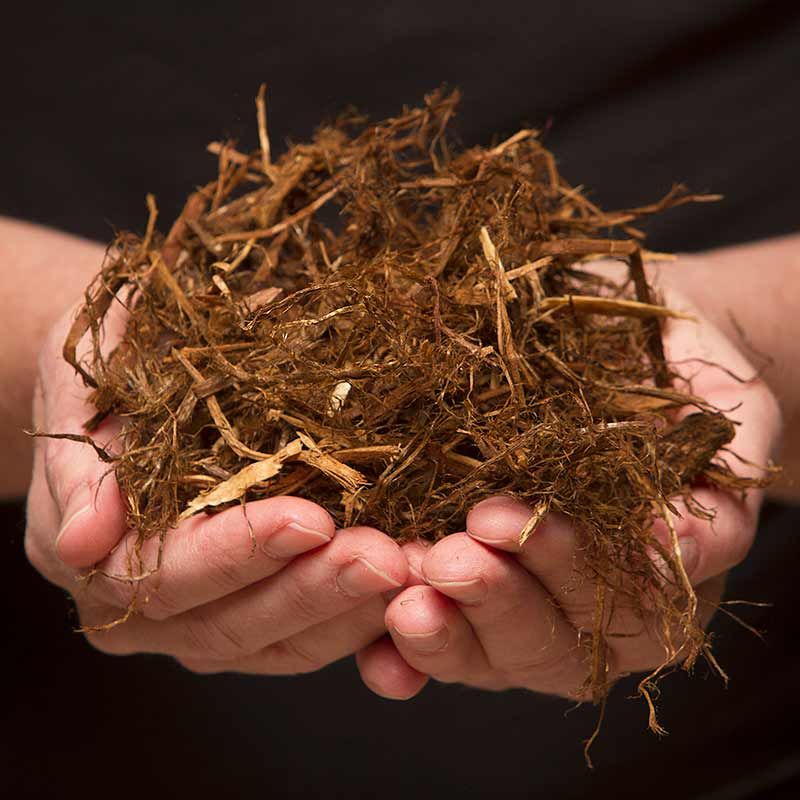
Weeds are every gardener’s worst enemy, and shredded mulch offers one of the best defenses you can find. The finely shredded texture creates a dense, tightly packed layer that blocks sunlight from reaching dormant weed seeds hiding in your soil.
Without light, those seeds simply can’t germinate and grow.
Bark chips, on the other hand, leave gaps and spaces between the larger pieces. Sunlight sneaks through these openings, giving weeds the green light to sprout.
Shredded mulch fills these spaces completely, forming a continuous barrier that’s far more effective.
For Ohio landscapes, experts recommend applying shredded mulch to a depth of two to four inches. This thickness provides optimal coverage without suffocating plant roots or preventing water from reaching the soil.
Too thin, and weeds will push through. Too thick, and you risk creating moisture problems.
The long-term benefits are impressive. Over the growing season, you’ll spend far less time pulling weeds from your flower beds and garden areas.
This means more time enjoying your outdoor space and less time on your hands and knees fighting unwanted plants.
Ohio homeowners appreciate how shredded mulch maintains its weed-blocking power throughout the season. As it settles and compacts slightly, it actually becomes even more effective at preventing weed growth.
This natural compaction doesn’t happen with bark chips, which tend to shift and separate, leaving your garden vulnerable to invasive weeds that can quickly take over.
2. Superior Moisture Retention During Ohio Summers
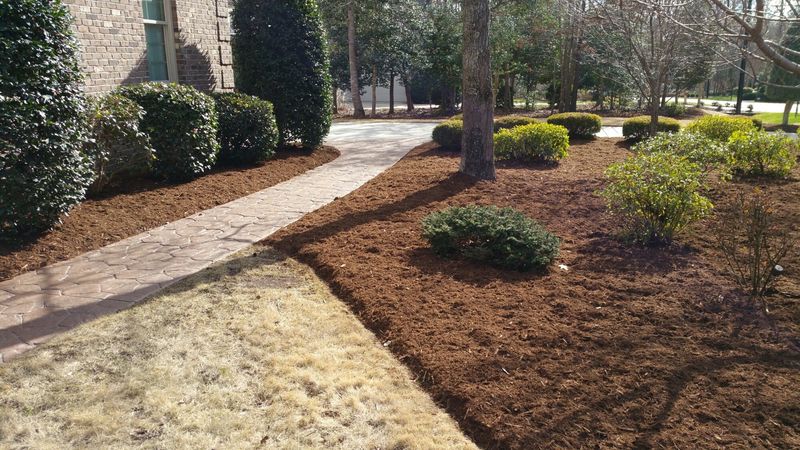
Summer heat can be brutal on Ohio gardens, especially during those stretches of dry weather that seem to last forever. Shredded mulch acts like a protective blanket over your soil, holding moisture right where your plants need it most.
The fine texture allows water to penetrate easily while preventing rapid evaporation.
Bark chips don’t hold water nearly as well. Their larger, chunkier pieces create air pockets that allow moisture to escape quickly.
Water runs off bark chips more easily too, meaning less actually reaches your plant roots.
With shredded mulch, you’ll notice a dramatic reduction in how often you need to drag out the hose or sprinkler. The mulch layer traps humidity near the soil surface, creating a microclimate that keeps roots consistently moist.
This is especially valuable during July and August when Ohio temperatures soar.
Your plants will thank you with stronger growth and healthier appearance. Consistent moisture means less stress on root systems, which translates to better flowering, fuller foliage, and improved disease resistance.
Stressed plants are more vulnerable to pests and problems.
Ohio gardeners who switch to shredded mulch often report cutting their watering schedule in half. This saves time, reduces water bills, and helps the environment.
During drought conditions or water restrictions, shredded mulch becomes even more valuable. It helps your landscape survive and thrive even when rainfall is scarce, keeping your investment protected through the toughest summer conditions.
3. Breaks Down Faster To Improve Soil Health
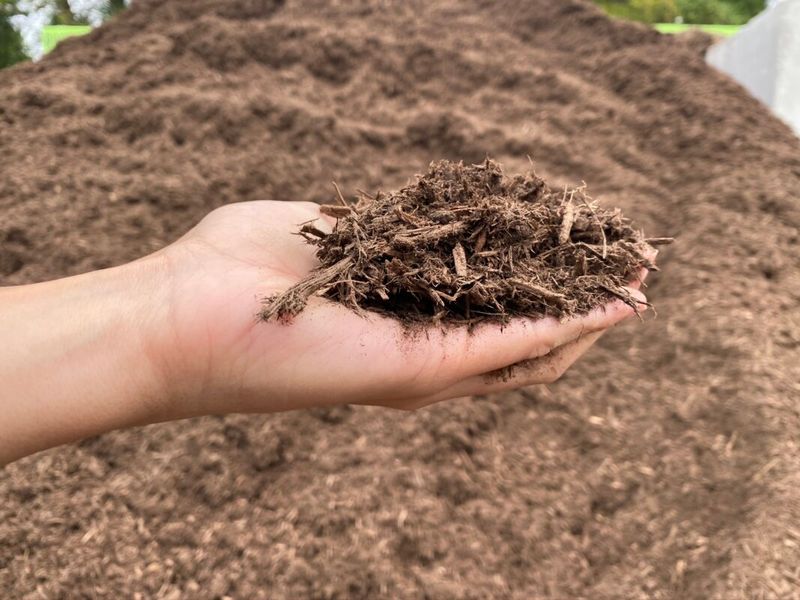
Shredded mulch doesn’t just sit on top of your soil doing nothing. Over time, it gradually breaks down into rich organic matter that feeds beneficial soil organisms.
Earthworms, beneficial bacteria, and helpful fungi all feast on decomposing mulch, creating a thriving underground ecosystem.
This decomposition process is actually a major advantage, not a drawback. As shredded mulch breaks down, it releases nutrients back into the soil.
These nutrients become available for plant roots to absorb, essentially creating free fertilizer right in your garden beds.
Bark chips take much longer to decompose because of their larger size and denser structure. While this might seem like a benefit since they last longer, it actually means your soil misses out on those valuable organic amendments.
Ohio gardens benefit greatly from the steady input of organic matter that shredded mulch provides.
The soil improvement happens gradually and naturally. Each season, as you add fresh shredded mulch on top, the older layer continues breaking down underneath.
This creates layers of organic material at different stages of decomposition, which is exactly what happens on a forest floor.
Long-term benefits include improved soil structure, better drainage in heavy clay soils, and increased water retention in sandy soils. Ohio’s diverse soil types all benefit from regular organic matter additions.
Your plants develop stronger, more extensive root systems in this enriched soil. The result is a healthier, more resilient landscape that requires less fertilizer and fewer soil amendments over time.
4. Stays In Place Better During Heavy Rain And Wind
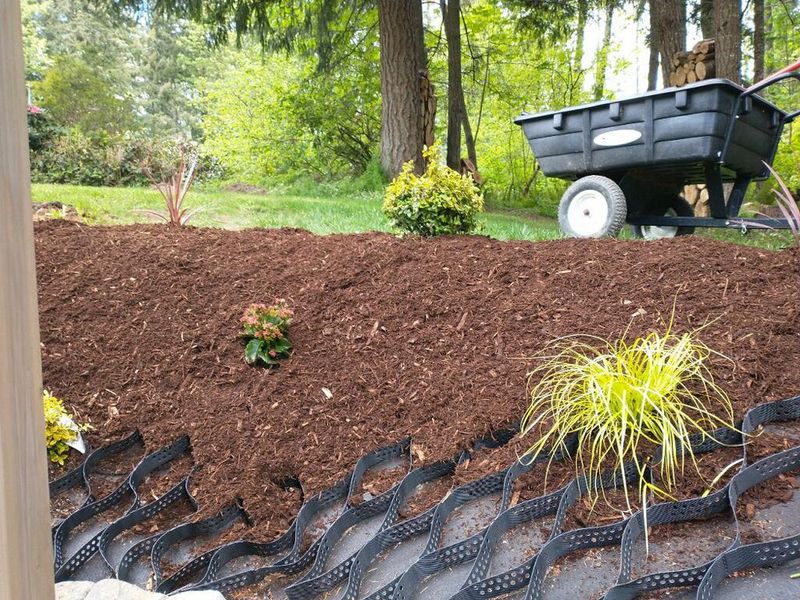
Ohio weather can be unpredictable and sometimes downright violent. Spring storms roll through with heavy rain and strong winds that can wreak havoc on landscapes.
Shredded mulch has a secret weapon against these conditions: the pieces naturally interlock with each other, creating a stable mat that resists washing away.
Bark chips are notorious for floating away during heavy rains. You’ve probably seen them scattered across driveways, clogging storm drains, or piled up in corners of your yard after a good downpour.
This means constant cleanup and the expense of replacing mulch that’s migrated to places you never intended.
The interlocking quality of shredded mulch comes from its fibrous texture and varied particle sizes. Smaller pieces nestle between larger ones, creating a cohesive layer that holds together even when water rushes over it.
Wind has a hard time grabbing individual pieces too, since they’re tangled together.
Erosion prevention is a huge advantage on slopes and hillsides. Ohio homeowners dealing with uneven terrain find that shredded mulch stays where they put it, protecting soil from washing away during storms.
This stability means your carefully prepared garden beds maintain their shape and appearance season after season.
Reduced maintenance is the practical payoff. You won’t spend weekends after every storm redistributing mulch or sweeping bark chips off walkways.
Your landscape keeps its neat, professional appearance with minimal effort. The money you save by not constantly replacing displaced mulch adds up quickly, making shredded mulch a smart economic choice for Ohio homeowners.
5. Provides A More Natural Forest-Floor Look
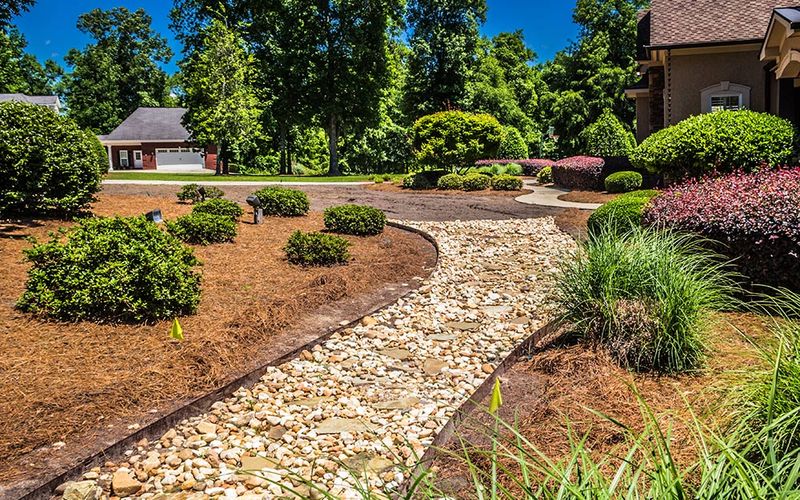
Walk through any Ohio woodland and you’ll notice the ground is covered with a layer of decomposing leaves, twigs, and organic debris. Shredded mulch recreates this natural appearance in your home landscape.
The varied texture and natural color blend seamlessly with plants, creating an organic look that feels like it belongs.
Bark chips, by contrast, often look artificial and chunky. Their uniform size and obvious texture can make garden beds appear more industrial than natural.
Many homeowners find this less appealing, especially when trying to create landscapes that complement Ohio’s beautiful natural surroundings.
Landscape designers throughout Ohio increasingly recommend shredded mulch for its aesthetic versatility. It works equally well in formal gardens and casual cottage-style landscapes.
The fine texture doesn’t compete visually with flowers and foliage, instead providing a neutral backdrop that makes plants stand out.
Color options in shredded mulch range from natural brown to reddish tones, all of which fade gradually to a pleasant gray-brown that mimics aged forest litter. This weathered appearance actually becomes more attractive over time, unlike bark chips that can look increasingly shabby as they age.
Homeowners appreciate how shredded mulch creates visual continuity across their property. The uniform texture ties different garden areas together while still looking natural and unforced.
This professional appearance increases curb appeal and property value. Neighbors and visitors notice the polished look of landscapes using shredded mulch, and many Ohio homeowners report receiving compliments on their garden’s appearance after making the switch.
6. Easier To Spread And Maintain In Landscape Beds
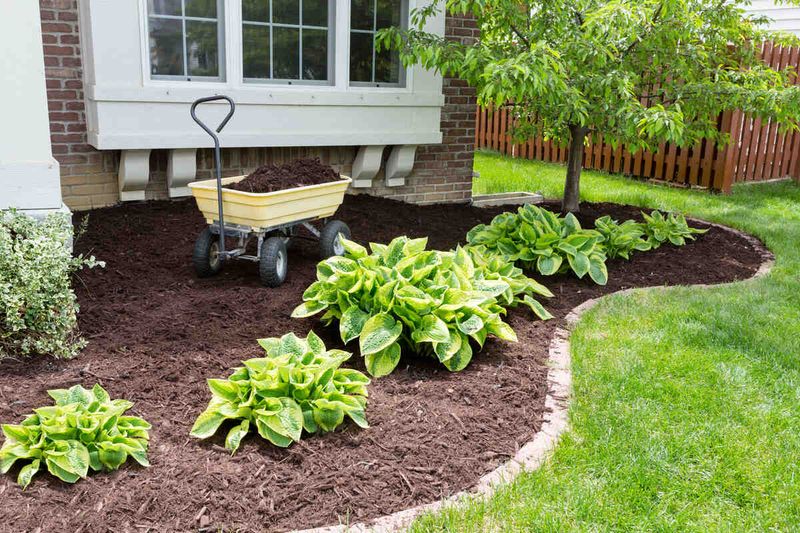
Anyone who’s struggled with dumping and spreading bark chips knows it can be frustrating work. The chunks roll away, leave gaps, and never seem to settle evenly.
Shredded mulch makes the job so much easier that many Ohio homeowners wonder why they didn’t switch sooner.
The finer texture flows smoothly from bags or wheelbarrows, spreading evenly with minimal effort. A simple rake is all you need to distribute shredded mulch into a uniform layer.
It naturally fills in around plant stems and landscape features without leaving the annoying gaps that bark chips create.
Getting into tight spaces is another area where shredded mulch excels. Around perennials, between closely spaced shrubs, and near foundation plantings, shredded mulch tucks in neatly.
Bark chips tend to pile up awkwardly in these areas or leave bare spots that look unfinished.
For Ohio homeowners doing their own landscaping, application tips make the job even easier. Spread shredded mulch when it’s slightly damp for the best results.
It won’t blow around as you work, and it settles more quickly into place. Keep it a few inches away from plant stems and tree trunks to prevent moisture problems.
Maintenance throughout the season is minimal. Unlike bark chips that need constant rearranging after rain or wind, shredded mulch stays relatively undisturbed.
When it’s time to refresh your mulch, simply add a new layer on top. The old mulch continues decomposing underneath, feeding your soil while the fresh layer maintains that neat appearance your landscape deserves.
7. Improves Soil Structure And Organic Matter Over Time
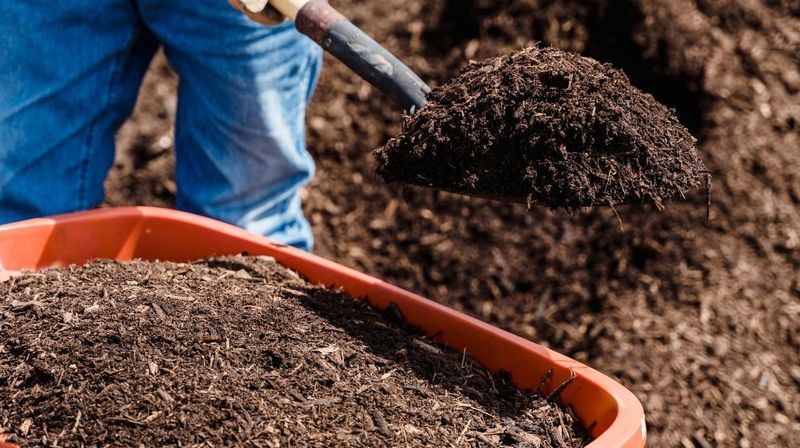
Soil quality makes all the difference between struggling plants and thriving gardens. Shredded mulch acts as a long-term soil conditioner, gradually improving texture and structure as it breaks down.
Ohio’s heavy clay soils and sandy areas both benefit tremendously from regular applications of organic mulch.
Clay soils become less compacted and drain better when organic matter is incorporated. As shredded mulch decomposes and works its way into the soil, it creates spaces between clay particles.
Water moves through more easily, and roots can penetrate deeper without struggling against rock-hard soil.
Sandy soils gain the opposite benefit: improved water retention. The organic matter from decomposed mulch acts like a sponge, holding moisture and nutrients that would otherwise wash straight through sandy soil.
Plants growing in amended sandy soil develop stronger root systems and need less frequent watering.
Root growth improves dramatically in soil enriched with organic matter. Roots spread more easily, access nutrients more effectively, and support healthier top growth.
The difference becomes obvious when you compare plants growing in mulched beds versus those in bare soil.
Long-term soil conditioning advantages compound over years. Each season’s mulch application adds another layer of organic material.
Ohio homeowners who consistently use shredded mulch notice their soil becomes darker, richer, and easier to work with. Earthworm populations increase, which further improves soil structure.
The investment in shredded mulch pays dividends for years, creating healthier landscapes that support more vigorous plant growth and require fewer inputs of fertilizer and water.