Why Old Homes In Michigan Almost Always Have This Plant
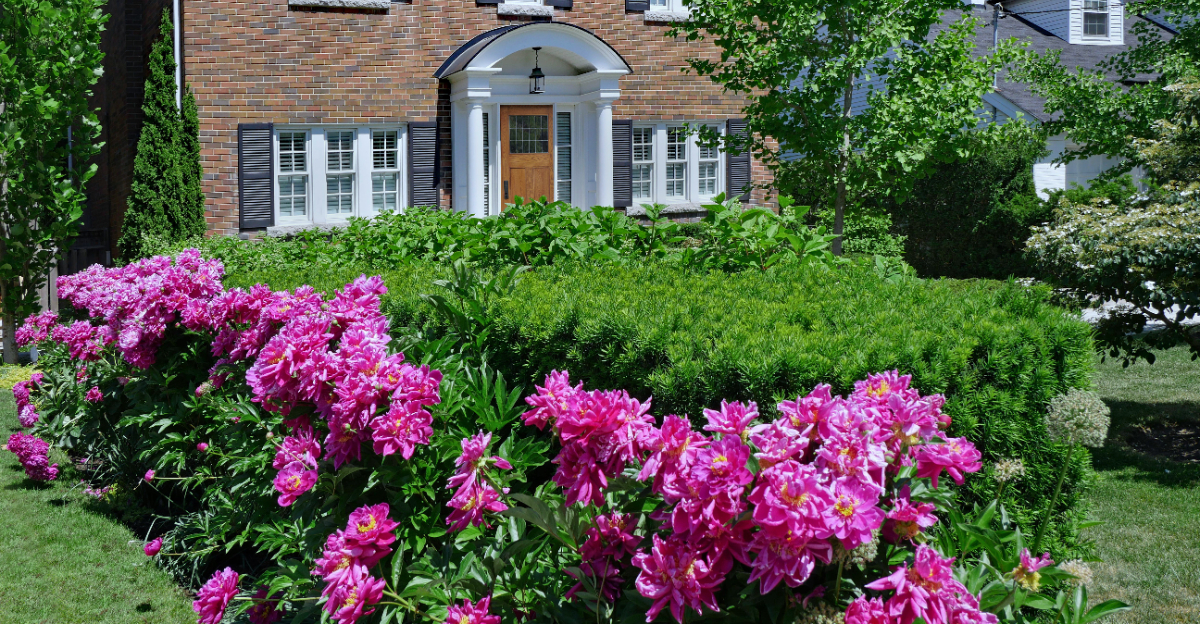
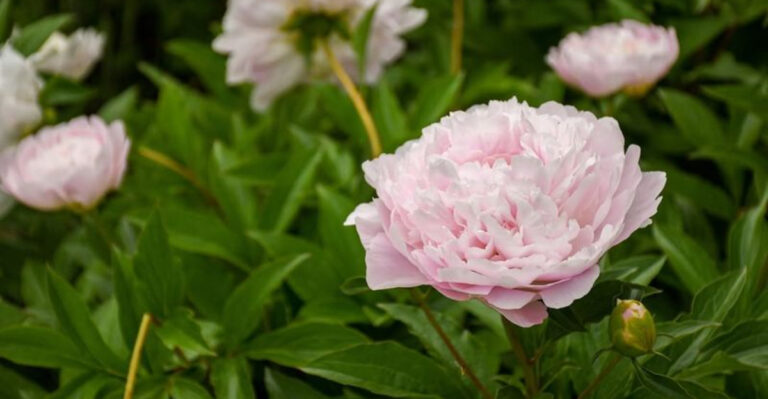
Take a stroll past older Michigan homes in late spring and you will notice a familiar, heartwarming sight. Large, lush blooms spilling over garden edges, full of color and fragrance, almost always belong to peonies.
These classic flowers have been part of Michigan landscapes for generations, growing beside front porches, lining walkways, and softening the edges of historic homes. Their presence feels timeless, as if each plant carries stories from seasons long past.
Peonies are not just beautiful. They are tough, reliable, and built to thrive through cold winters and changing weather, which is why they return year after year with little fuss.
When they bloom, they bring a sense of tradition, charm, and quiet pride that few flowers can match. In many ways, peonies are more than garden plants.
They are living pieces of history rooted deep in Michigan soil.
1. Built For Michigan Winters
Michigan winters can be brutal. Temperatures plunge well below freezing, snow piles high, and ice clings stubbornly through March.
Most flowering plants struggle to survive these harsh conditions year after year. Peonies laugh in the face of winter cold. They actually need those freezing temperatures to bloom properly each spring.
The chilling period triggers their growth cycle, ensuring spectacular flowers when warm weather finally arrives.
Older homeowners knew this secret well. They planted peonies knowing these perennials would return faithfully every season without fuss or worry. No need to replant annually or protect them with elaborate coverings.
The roots burrow deep into Michigan soil, insulated naturally by earth and snow. When spring sunshine warms the ground, those underground structures awaken with renewed vigor.
Green shoots push through soil that was frozen solid just weeks before. This remarkable cold tolerance made peonies the obvious choice for practical gardeners. They wanted beauty without constant replacement costs or effort.
Peonies delivered exactly that, surviving decades of Michigan winters while less hardy plants came and went.
Today’s gardeners still benefit from plantings made fifty or even a hundred years ago. Those original peonies continue blooming, proof of their incredible hardiness and the wisdom of earlier generations who chose them.
2. They Last For Generations
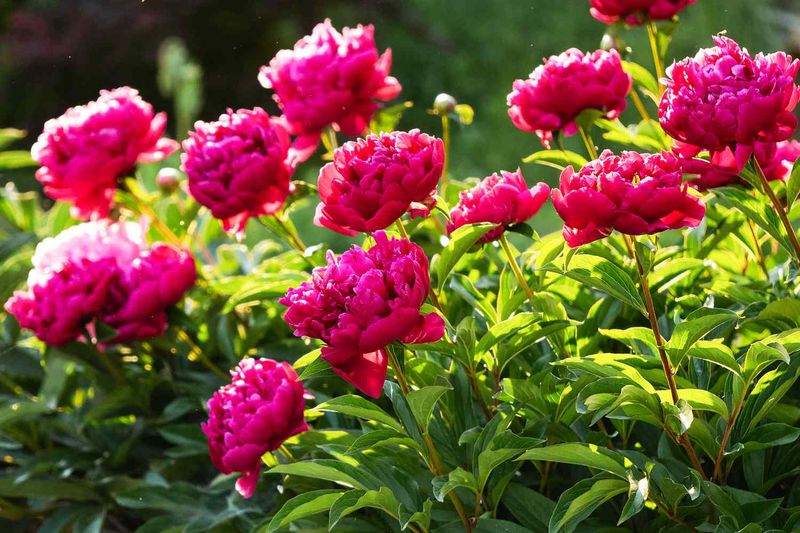
Imagine planting something once and enjoying it for your entire lifetime. Peonies offer exactly this remarkable longevity.
Some peony plants in Michigan have been blooming continuously for over fifty years, outlasting the people who originally planted them.
This extraordinary lifespan explains their prevalence around historic homes. When families settled into houses during the early 1900s, they planted peonies that still flourish today.
The plants witnessed generations of children playing nearby, seasonal changes, and neighborhood transformations.
Unlike modern landscaping plants that need replacing every few years, peonies just keep going. Their woody root systems grow stronger and more productive with age.
Mature plants produce more blooms each passing season, rewarding patience with increasing beauty.
Homeowners appreciated this permanence tremendously. Gardening required significant labor in earlier times, so plants that thrived independently were treasured.
Peonies became living heirlooms, passed down when properties changed hands.
Many current Michigan residents inherit established peony beds when purchasing older homes. These plants represent continuity with the past, connecting present owners to families who lived there decades earlier.
The flowers bloom in the same spots, following patterns established generations ago.
This longevity also meant excellent value. A small investment in peony roots provided decades of spectacular spring displays.
Practical-minded homeowners recognized this wisdom, ensuring peonies became standard features in established Michigan landscapes.
3. Thrive With Almost No Effort
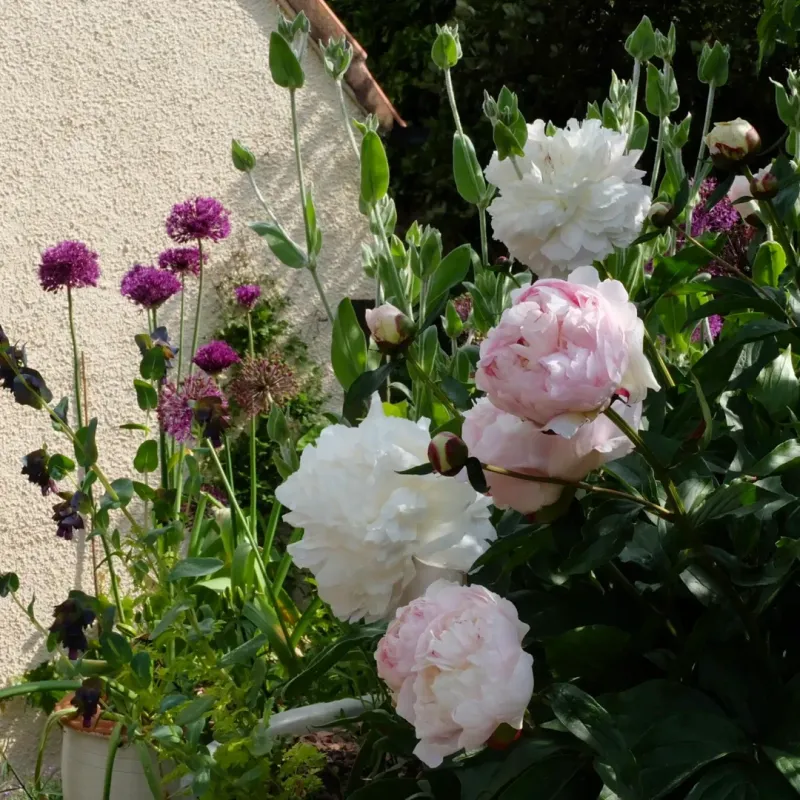
Busy families needed gardens that practically took care of themselves. Peonies fit this requirement perfectly.
Once established in good soil, they demand remarkably little attention from gardeners.
Water them during extreme drought, and they’ll manage fine otherwise. Michigan’s natural rainfall patterns usually provide adequate moisture.
The deep root systems access water far below the surface, sustaining plants through dry spells.
Pruning needs are minimal too. Cut back foliage after frost turns it brown in fall.
That’s essentially the entire annual maintenance routine for these dependable perennials.
Fertilizing isn’t particularly necessary either. A light application of compost every few years keeps them happy, but many peonies thrive for decades without any supplemental feeding.
They adapt to existing soil conditions remarkably well.
Compare this to roses, which require constant deadheading, spraying, pruning, and fussing. Or annual flowers that need replanting every single spring.
Peonies just grow, bloom magnificently, then rest until next season.
Older homeowners often lacked time for elaborate garden maintenance. They worked long hours, raised large families, and managed household responsibilities without modern conveniences.
Gardens needed to be beautiful but not demanding.
Peonies delivered exactly this balance. Their spectacular blooms suggested careful cultivation, yet they achieved this beauty through their own natural vigor.
Neighbors admired the flowers without realizing how little work they actually required, making them perfect for practical Michigan gardeners.
4. One Of Spring’s Most Beautiful Bloomers
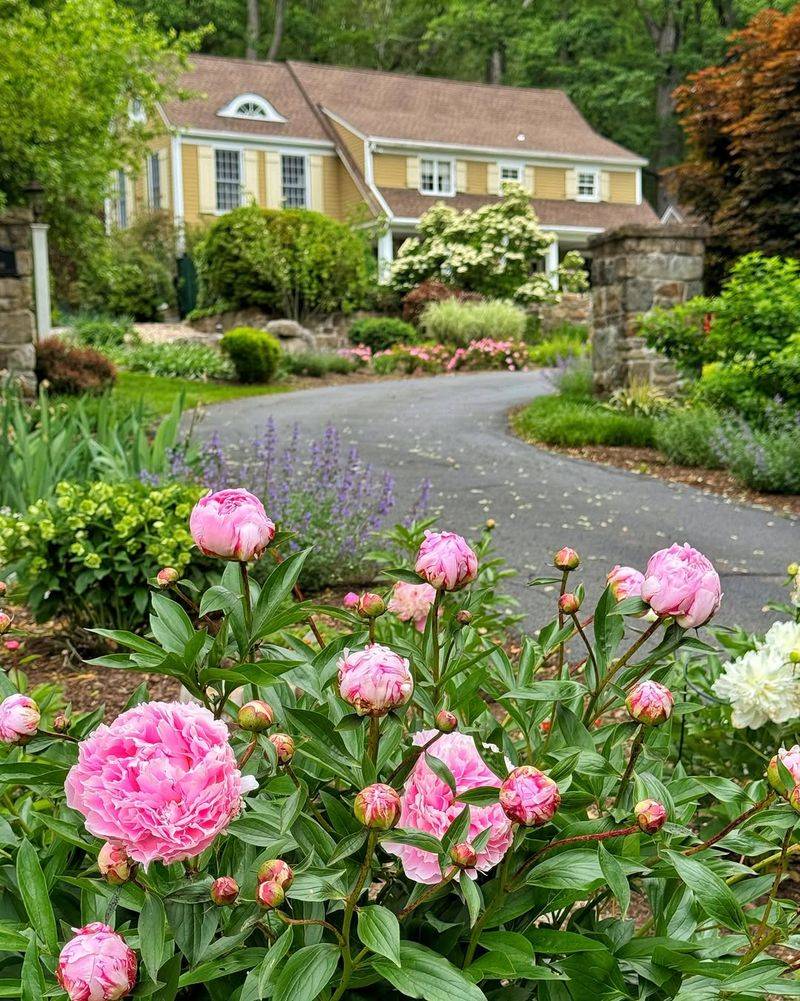
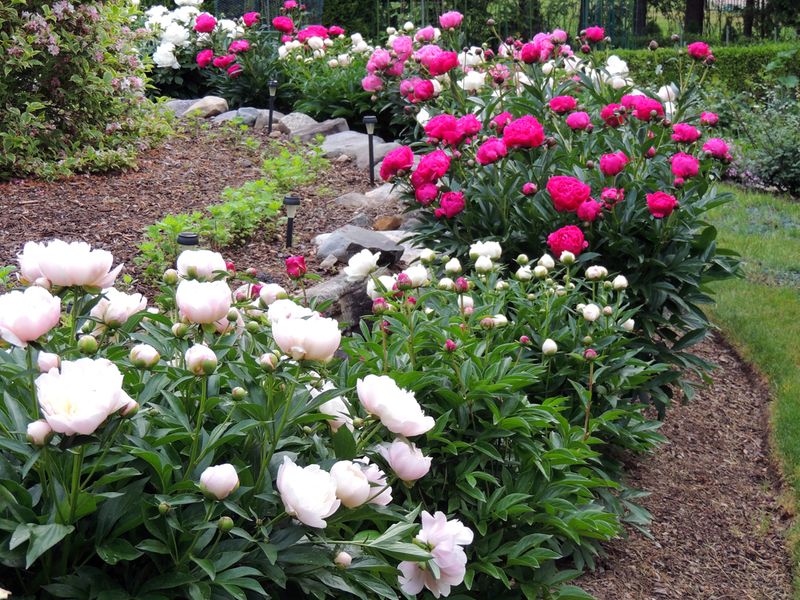
Few flowers can match the sheer drama of peony blooms. When they open in late spring, these blossoms command attention across entire yards.
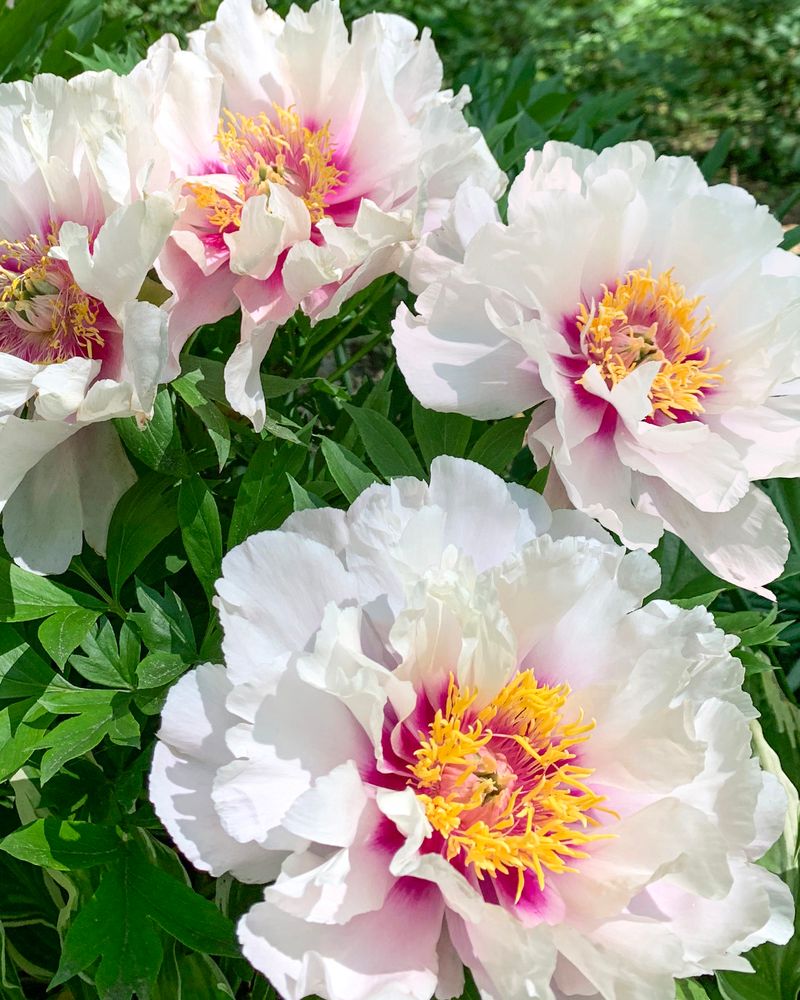
Each flower measures four to six inches across, with layer upon layer of delicate petals.
Colors range from pure white to deep burgundy, with countless pink shades in between. Some varieties feature subtle color gradations, starting pale at petal edges and deepening toward the center.
Others display bold, uniform hues that pop against green foliage.
The blooming period creates neighborhood spectacles. Entire bushes become covered with flowers, transforming ordinary yards into stunning displays.
Passersby slow down to admire the show, and neighbors often comment on the beautiful blooms.
This ornamental value made peonies status symbols for historic homes. Well-maintained peony beds suggested prosperity, good taste, and gardening knowledge.
They enhanced curb appeal significantly, making properties look established and cared for.
The flowers also provided cutting material for indoor arrangements. Homeowners could create gorgeous bouquets without purchasing flowers from shops.
A single mature plant produces enough blooms to fill multiple vases throughout the house.
Many varieties offer wonderful fragrance too. Sweet, heady scents drift across yards on warm spring breezes.
This sensory appeal added another dimension to their popularity among earlier generations.
Modern homeowners still treasure these spring displays. The blooms represent seasonal renewal and natural beauty, connecting us to simpler times when gardens provided primary entertainment and decoration.
5. Grows Well In Almost Any Michigan Soil
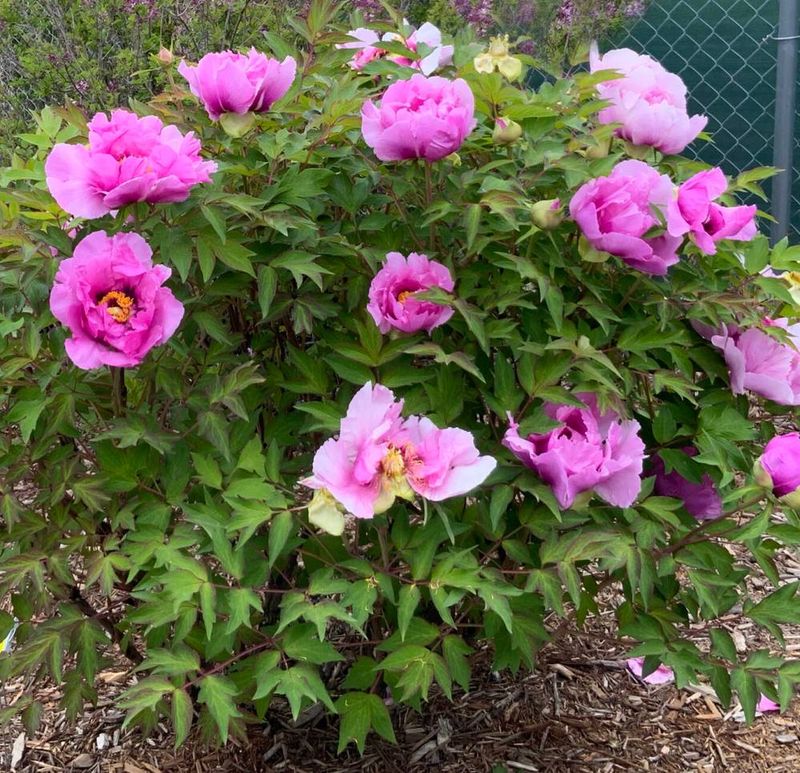
Michigan soil varies considerably across the state. Some areas feature heavy clay that drains poorly and compacts easily.
Other regions have sandy loam that dries out quickly. Successful plants needed to tolerate this diversity.
Peonies prove remarkably flexible regarding soil conditions. They grow well in clay, loam, or anything in between.
This adaptability meant they thrived throughout Michigan regardless of local soil characteristics.
Clay soil, common around Detroit and southeastern Michigan, poses challenges for many plants. It holds moisture too long, suffocating roots and promoting rot.
Peonies handle it beautifully, their robust root systems managing excess water without problems.
Sandy soils in western Michigan drain quickly, sometimes too quickly for moisture-loving plants. Peonies adapt here too, sending roots deeper to find consistent moisture.
They tolerate brief dry periods without wilting or suffering damage.
This soil tolerance eliminated the need for extensive amendments. Earlier gardeners lacked access to commercial soil products and relied on what nature provided.
Plants that demanded specific soil types simply weren’t practical.
Peonies asked only for reasonable drainage and decent sunlight. They didn’t require pH adjustments, special fertilizers, or imported topsoil.
Dig a hole, plant the roots, and they’d grow.
This practical advantage made them accessible to all homeowners regardless of budget or gardening expertise. Anyone could successfully grow peonies, contributing to their widespread presence around older Michigan properties.
The plants worked with existing conditions rather than demanding expensive modifications.
6. Symbol Of Tradition And Heritage
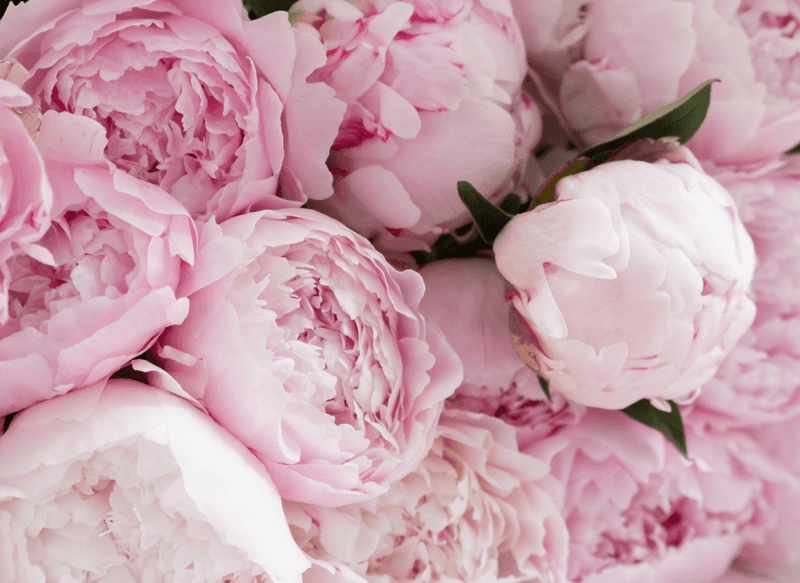
Peonies carried deep cultural significance for families settling Michigan. Many immigrants brought peony roots from their homelands, planting them as living connections to distant places.
These flowers represented continuity, memory, and family bonds.
European settlers particularly valued peonies. The flowers had graced gardens in Germany, Poland, Ireland, and Scandinavia for centuries.
Bringing them to Michigan maintained traditions in unfamiliar territory.
Mothers often gifted peony divisions to daughters establishing their own households. This practice created botanical family trees, with related plants growing in yards across neighborhoods.
The flowers literally connected family members through shared roots.
Wedding traditions sometimes involved peonies too. Brides carried them in bouquets or planted them at new homes to symbolize prosperity and happy marriage.
These ceremonial plantings often survived long after the couples who planted them.
The flowers also marked significant family events. Some families planted peonies when children were born, creating living memorials that bloomed each spring.
Watching these plants mature paralleled watching children grow.
This symbolic importance ensured careful maintenance across generations. Families protected inherited peony beds, recognizing their connection to ancestors and family history.
The plants became treasured heirlooms, valued beyond their ornamental beauty.
Today’s homeowners sometimes discover this heritage when researching property history. Learning that their peonies date back decades adds emotional value.
The flowers become more than landscaping; they’re historical artifacts connecting past and present through continuous blooming cycles.
7. Naturally Resists Deer And Common Pests
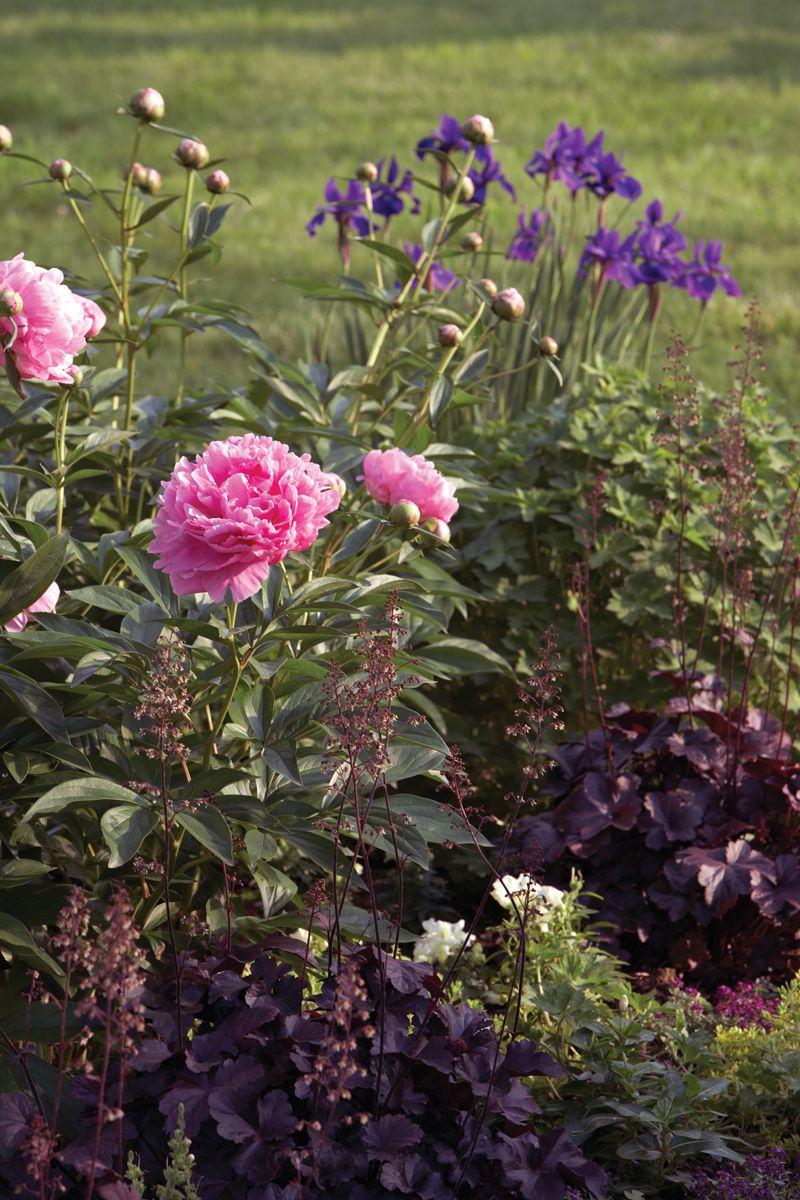
Rural and suburban Michigan properties face constant pressure from hungry wildlife. Deer browse through gardens, sampling everything within reach.
Rabbits nibble tender shoots in spring. Various insects attack vulnerable plants throughout growing seasons.
Peonies possess natural defenses that discourage most pests. Deer generally avoid them, finding the foliage unpalatable.
While they’ll eat almost anything when desperate, peonies remain low on their preference list.
This resistance proved invaluable for older homeowners. Fencing was expensive and labor-intensive to install.
Chemical repellents didn’t exist in earlier times. Plants needed to defend themselves naturally or suffer constant damage.
Rabbits also leave peonies alone most of the time. The sturdy stems and slightly bitter foliage don’t appeal to them.
They’ll choose tastier options like tulips or hostas before bothering with peonies.
Common garden insects rarely cause serious peony problems either. Occasional aphids might appear on buds, but they rarely damage plants significantly.
The robust constitution of peonies lets them shrug off minor pest issues.
This durability meant plantings lasted without constant replacement. Gardeners didn’t lose entire beds to deer browsing or insect infestations.
Their peonies persisted year after year, blooming reliably despite wildlife pressures.
Modern homeowners still benefit from this pest resistance. Organic gardeners particularly appreciate plants that thrive without chemical interventions.
Peonies deliver beautiful blooms while requiring no spraying, trapping, or other pest management efforts, making them ideal for environmentally conscious gardening approaches.
8. Looks Perfect At Both Historic And Modern Homes
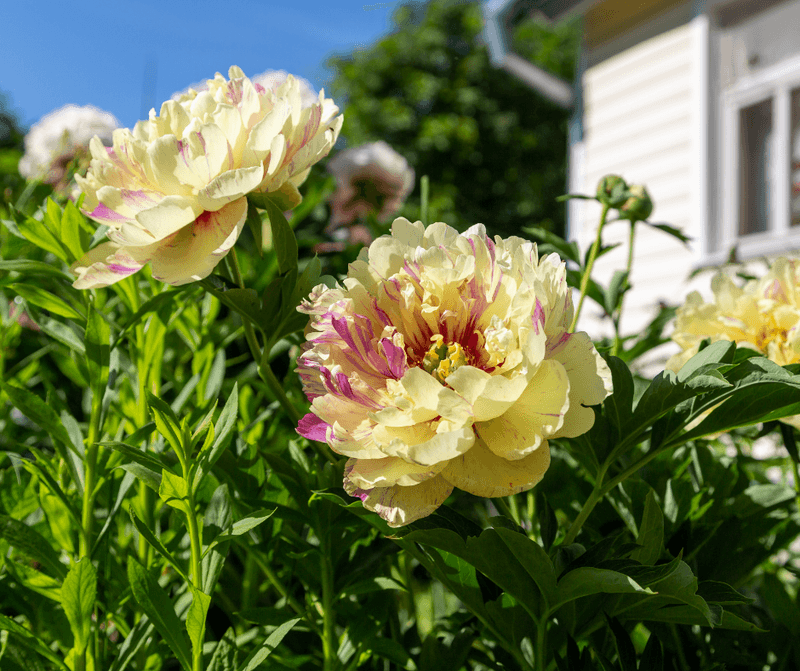
Architectural styles vary widely among older Michigan homes. Victorian mansions feature ornate details and formal layouts.
Craftsman bungalows emphasize natural materials and horizontal lines. Colonial revivals showcase symmetry and classical proportions.
Peonies somehow harmonize with all these different styles. Their substantial presence and structured growth habit suit formal Victorian gardens perfectly.
The lush blooms match the ornamental character of elaborate architectural details.
Yet they also complement simpler Craftsman aesthetics beautifully. The natural, organic form of peony bushes aligns with Arts and Crafts movement principles.
Their seasonal cycle reflects the connection to nature that Craftsman design celebrates.
Colonial and Greek Revival homes benefit from peonies too. The flowers provide appropriate scale for these often larger structures.
Symmetrical plantings flanking entrances or walkways enhance classical architectural balance.
Even modest farmhouses and cottages look better with established peony beds. The flowers add refinement without pretension, elevating simple structures through natural beauty.
They suggest care and permanence regardless of a home’s size or grandeur.
This architectural versatility made peonies universally appropriate. Homeowners didn’t need to match plants to specific architectural styles.
Peonies simply worked everywhere, enhancing rather than clashing with existing structures.
Landscape designers recognized this flexibility too. When creating plans for historic properties, they confidently included peonies knowing the plants would complement rather than compete with architectural features.
This reliability contributed to their widespread use across diverse Michigan neighborhoods and housing types.
9. Spreads Gently And Comes Back Every Year
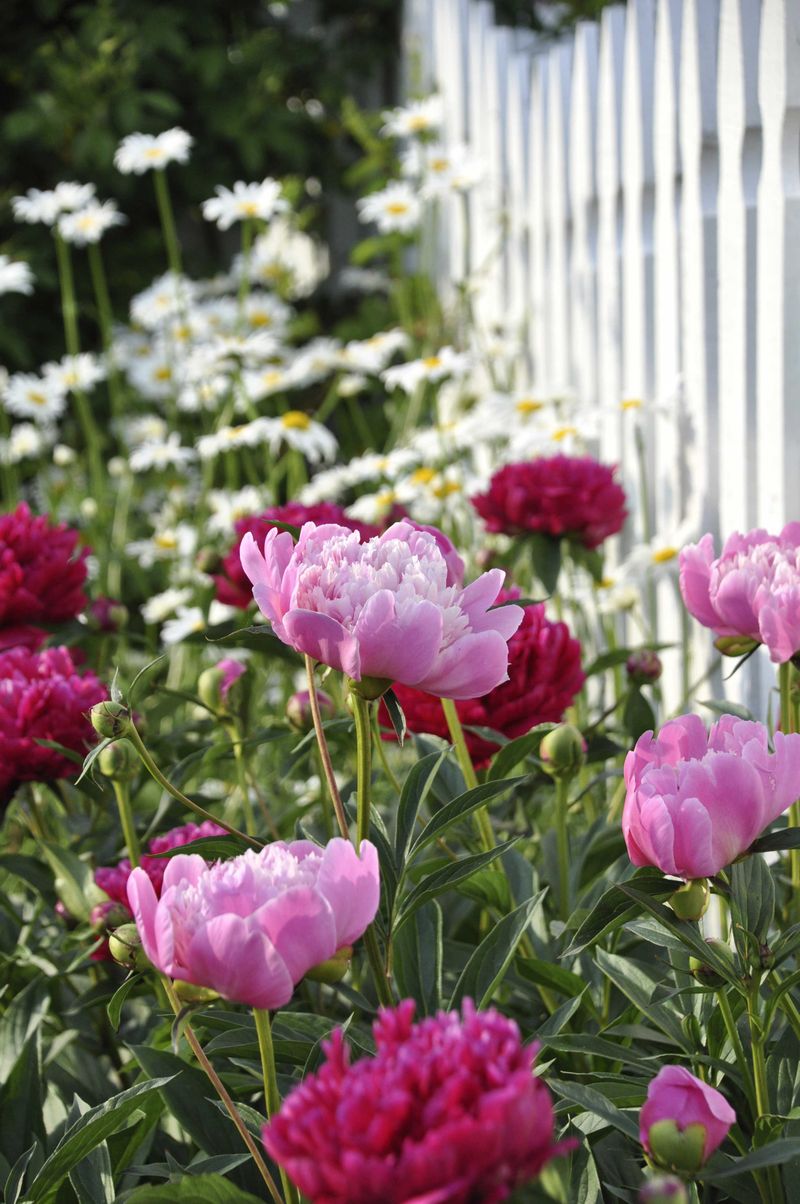
Peonies possess a quiet talent for gradual expansion. While they don’t spread aggressively like some perennials, established plants slowly increase in size over decades.
This naturalizing tendency created increasingly impressive displays as years passed.
Each year, the root crown grows slightly larger. More eyes develop, producing additional stems and blooms.
A plant that started with three stems might eventually support twenty or more flowering stalks.
This growth pattern meant gardens improved with age rather than declining. Young plantings looked modest, but patience yielded spectacular results.
Thirty-year-old peony clumps created dramatic focal points that newer gardens couldn’t match.
Some varieties naturally produce offset crowns that can be separated and replanted. Gardeners occasionally divided large clumps, spreading peonies to new locations around their properties.
This self-propagation capability helped peonies colonize entire yards gradually.
The expanding plants filled space between other perennials, creating layered garden beds with depth and complexity. Mixed with spring bulbs, summer bloomers, and fall flowers, peonies anchored gardens through changing seasons.
This naturalizing ability meant gardens required less ongoing planning and planting. The peonies essentially designed themselves over time, filling appropriate spaces and creating balanced compositions.
Gardeners could focus on maintenance rather than constant redesign.
Modern homeowners inheriting these naturalized plantings often discover extensive peony colonies. What began as a few plants decades ago has become signature landscape features.
These established beds represent accumulated time and growth impossible to recreate quickly, adding unique character to historic properties.
10. Easy To Propagate
Sharing plants strengthened neighborhood bonds in earlier times. Gardeners regularly exchanged divisions, seeds, and cuttings.
This generosity spread desirable plants throughout communities while fostering social connections.
Peonies proved ideal for this sharing tradition. Dividing established clumps in fall created multiple new plants from one parent.
Each division, containing several eyes and healthy roots, would grow into a full-sized plant within a few years.
The process required only basic tools and knowledge. Dig up the plant after foliage dies back.
Wash soil from roots to see natural divisions. Use a sharp knife to separate sections.
Replant immediately or store briefly in cool conditions.
This simplicity meant even novice gardeners could successfully propagate peonies. No special equipment, hormones, or techniques were necessary.
Just careful division and proper replanting ensured success.
Families divided peonies when children married and established their own homes. Neighbors shared divisions over back fences. Garden clubs organized plant exchanges where peonies featured prominently.
This sharing practice spread superior varieties throughout neighborhoods. When someone acquired an exceptional peony, divisions gradually appeared in surrounding yards. Communities developed signature colors and varieties that characterized entire streets.
The ease of propagation also meant peonies could be moved when families relocated. Divisions traveled to new properties, maintaining connections to former homes.
These transplanted peonies carried memories and established themselves in unfamiliar yards, eventually becoming fixtures in new neighborhoods and continuing the cycle of sharing and propagation.