Why Old Ohio Homes Almost Always Have Lilac Bushes
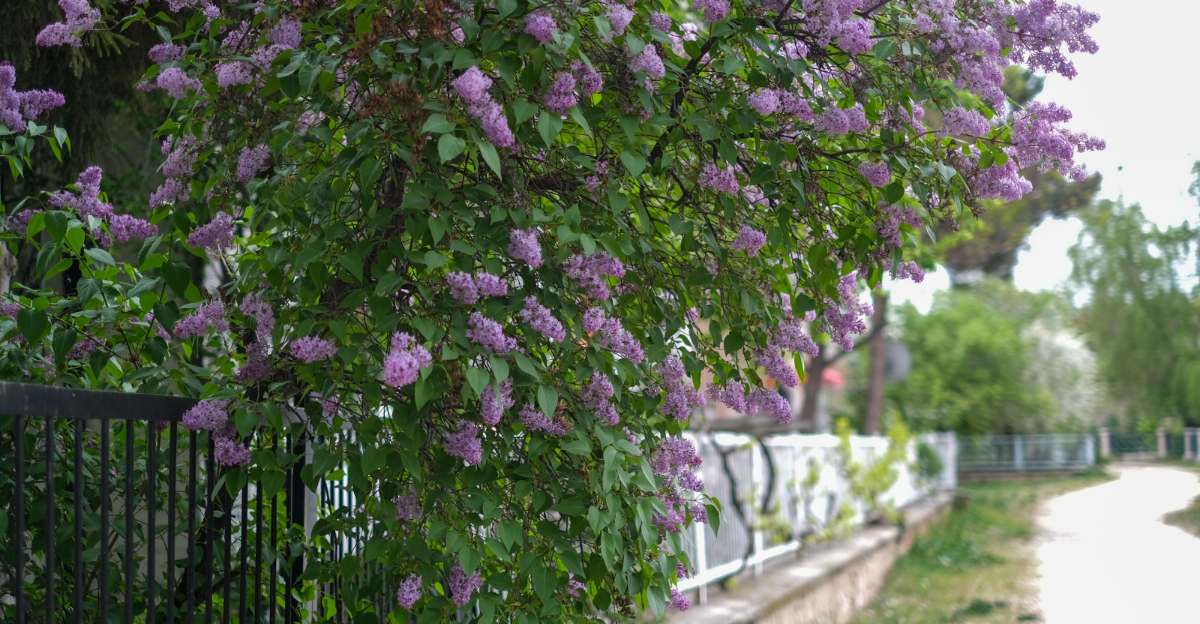
Take a slow drive through older Ohio neighborhoods and you will notice the same plant popping up again and again. Tall, fragrant lilac bushes tucked beside porches, fences, and old foundations.
This is not a coincidence. Long before modern landscaping trends, homeowners planted lilacs for reasons that went far beyond looks.
These tough shrubs handled Ohio winters, poor soil, and minimal care while delivering incredible spring blooms and unforgettable scent. Over decades, they became living landmarks tied to family homes and local history.
Some of the lilacs still blooming today were planted generations ago. If you have ever wondered why they show up so reliably around historic houses and farmsteads, the answer reveals a fascinating mix of practicality, tradition, and smart gardening choices that still matter today.
1. Lilacs Were The Go-To Fence Line Shrub For Early Homeowners
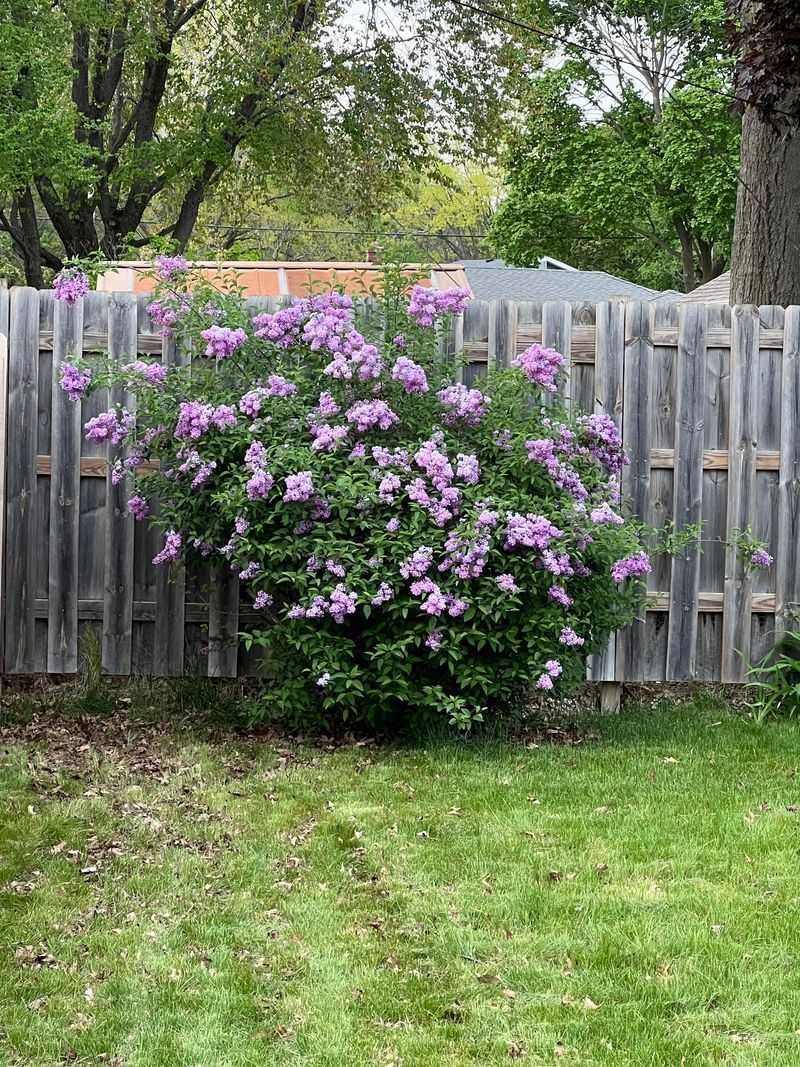
Property boundaries mattered enormously to Ohio’s early settlers, who needed clear markers showing where one family’s land ended and another’s began. Wooden fences required constant repair and replacement, rotting away after harsh winters and humid summers took their toll.
Lilac bushes offered a living alternative that actually got stronger with age.
Planting lilacs along property lines created natural fences that never needed painting or board replacement. The dense, multi-stemmed growth pattern created clear visual boundaries that neighbors recognized and remembered.
Within a few years, a row of lilacs established a long-lasting boundary marker that often outlived the people who planted it.
Ohio homesteaders appreciated plants that served multiple purposes, and fence-line lilacs delivered practical benefits beyond simple markers. The thick growth provided privacy from neighboring properties and helped define outdoor space.
Spring blooms announced property lines with spectacular color visible from considerable distances.
These living fences required no lumber, nails, or ongoing maintenance costs that strained tight pioneer budgets. A single mature lilac could produce dozens of shoots, giving families free material for extending their living boundaries each year.
Neighbors often traded lilac starts, creating consistent property markers throughout entire communities. The practice became so widespread across rural Ohio that lilac-lined boundaries became the expected standard rather than an exception.
2. Hardy Lilacs Survived Ohio Winters Year After Year

Ohio winters test every plant’s endurance with temperatures plunging below zero and ice storms coating branches for weeks. Many flowering shrubs popular in milder climates simply couldn’t handle the brutal freeze-thaw cycles that define Midwestern winters.
Lilacs, however, evolved in cold regions and actually require winter chilling to bloom properly.
Early Ohio families couldn’t afford replacing plants that failed after one harsh season. They needed shrubs guaranteed to return each spring without special protection or winter care.
Lilacs delivered that reliability, sprouting fresh growth even after the coldest winters on record.
The deep root systems lilacs develop anchor them against winter winds and ice accumulation that snap weaker shrubs. Those same roots access moisture deep underground, helping lilacs survive both winter cold and summer droughts common throughout Ohio.
Established bushes become nearly indestructible, weathering decades of extreme conditions.
Settlers noticed that neglected lilacs at abandoned homesteads continued blooming years after families moved away. This remarkable toughness made lilacs the obvious choice for permanent plantings around Ohio homes.
Unlike delicate ornamentals requiring constant attention, lilacs thrived through benign neglect. Families could focus energy on crops and livestock, confident their lilacs would flourish without help.
This dependability cemented lilacs as the default choice for Ohio homesteads throughout the 1800s and early 1900s.
3. Fast Growth Made Lilacs Perfect Property Markers
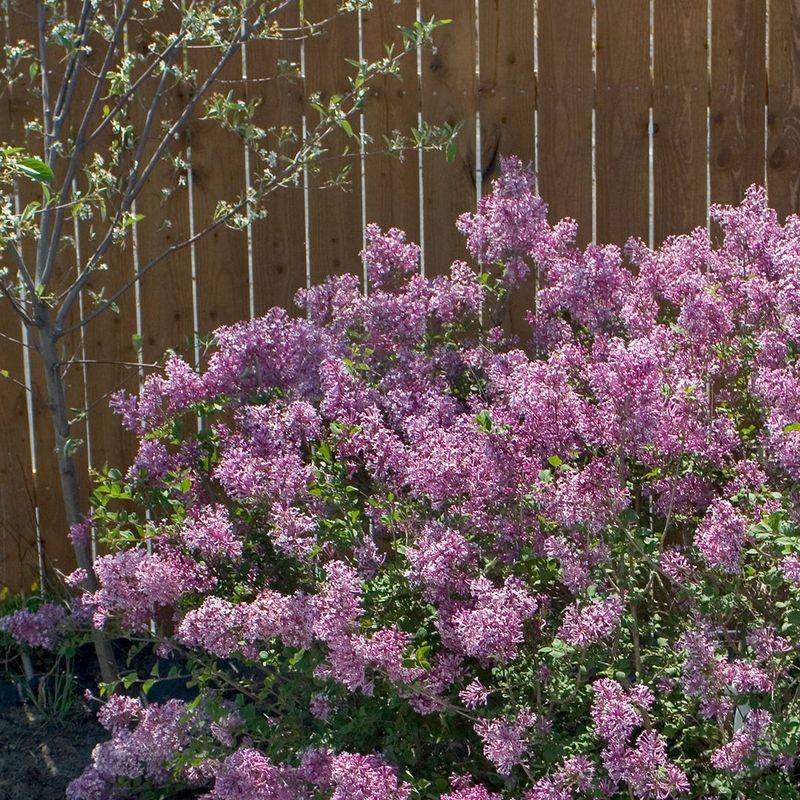
Patience wasn’t abundant among Ohio pioneers who needed functional landscapes quickly after clearing land and building homes. Slow-growing trees and shrubs meant waiting decades for mature plantings, time that early settlers simply didn’t have.
Lilacs grew remarkably fast compared to most woody plants, reaching substantial size within just a few seasons.
A lilac cutting planted in spring could grow over a foot tall by fall under decent conditions.
Within three years, those same plants formed dense, multi-stemmed clumps tall enough to mark boundaries clearly. This rapid establishment meant families enjoyed mature-looking landscapes much sooner than with slower alternatives.
The vigorous growth habit also meant mistakes or changes came with minimal consequences. If a lilac ended up in the wrong spot, its fast growth meant a replacement would catch up quickly.
Families could experiment with placement, knowing their lilacs would fill in rapidly regardless of initial decisions.
Ohio homesteaders valued plants that delivered visible results matching their own hard work transforming raw land into productive farms. Lilacs kept pace with that transformation, growing from small starts into substantial shrubs as families built barns, planted orchards, and established their homesteads.
The synchronicity between human effort and plant growth created emotional connections that lasted generations. Watching lilacs expand year after year provided tangible proof of progress and permanence in an uncertain frontier environment.
4. Fragrance Turned Lilacs Into Front-Yard Showpieces
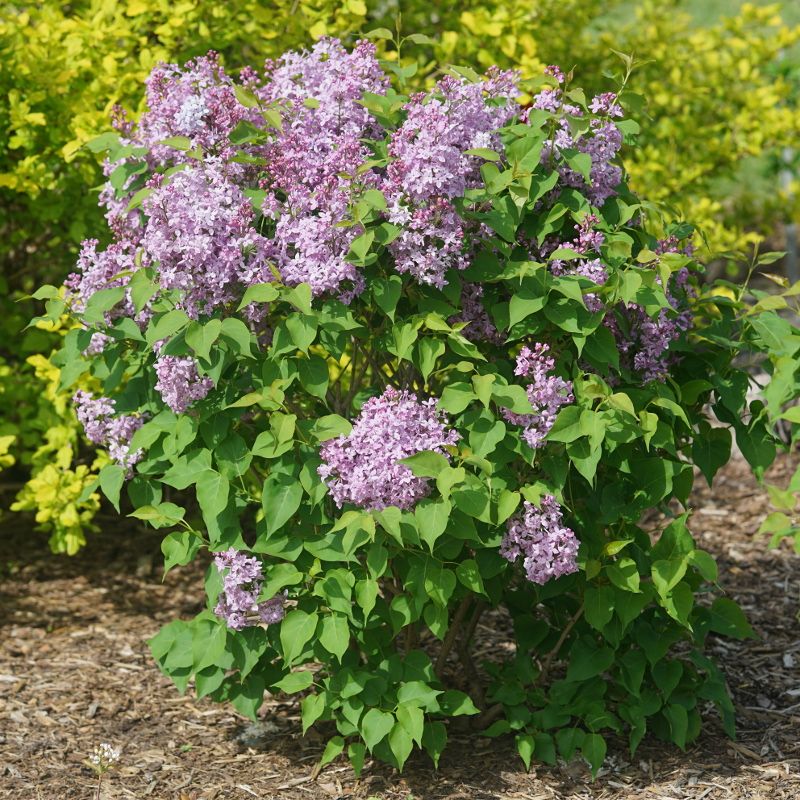
May evenings in Ohio carry a distinctive perfume when lilacs reach peak bloom, a sweet fragrance so powerful it drifts through open windows and across entire yards. Early homeowners recognized this sensory appeal and deliberately positioned lilacs where their scent would enhance daily life.
Front yards became prime lilac territory, placing beauty and fragrance where visitors would encounter them immediately.
The intense fragrance added comfort and freshness to daily life in an era before modern air conditioning and indoor amenities. Lilac blooms provided welcome natural perfume that made homes feel fresher and more inviting.
Families cut armloads of blooms to fill indoor vases, bringing that fresh scent inside.
Social status considerations influenced planting decisions too, and flowering shrubs demonstrated that families had progressed beyond mere survival to creating beauty. Lilacs offered impressive floral displays without the fussiness of rose gardens or perennial beds requiring constant attention.
A single mature lilac bush produced thousands of blooms, creating spectacular spring shows that announced prosperity and permanence.
Neighbors compared bloom times, colors, and fragrances, turning lilacs into friendly competition and community connection points. The shared experience of lilac season became woven into Ohio’s cultural fabric, marking time and creating memories across generations.
Children remembered playing under fragrant lilac canopies, and adults associated the scent with home and stability, reinforcing lilacs’ emotional importance beyond mere landscaping choices.
5. Low Maintenance Kept Lilacs Popular For Generations
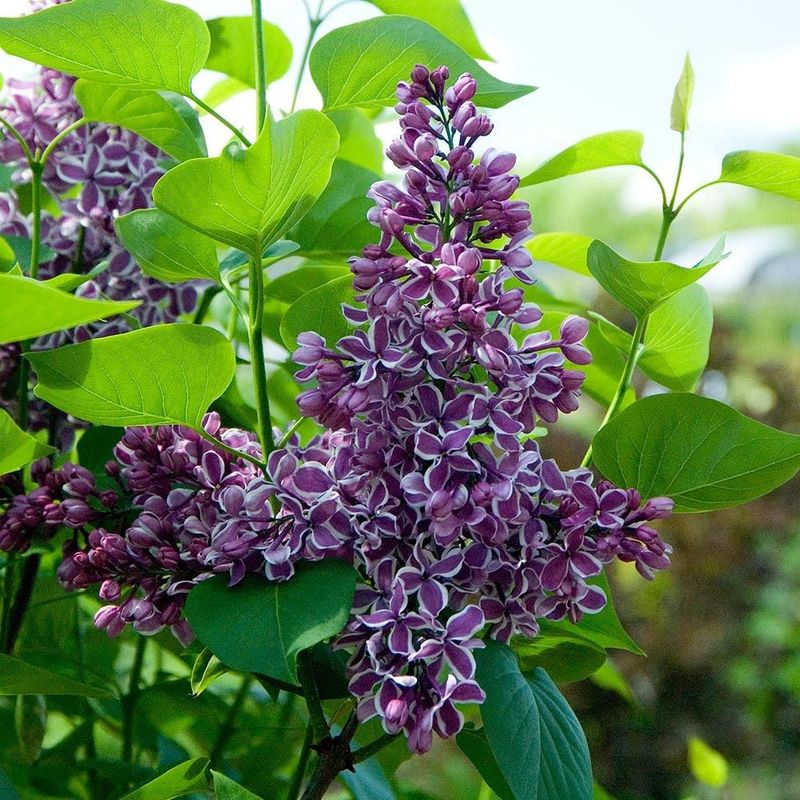
Ohio farm families juggled endless responsibilities from dawn until dark, leaving little time for finicky plants demanding regular attention. Gardens required weeding, crops needed tending, and livestock consumed hours daily.
Ornamental plants that survived only with constant pruning, fertilizing, and pest control simply didn’t fit into realistic schedules. Lilacs asked almost nothing in return for their spectacular displays.
Once established, lilacs thrived on neglect that would eliminate most flowering shrubs. They required little fertilizer, tolerated average soil, and handled both drought and excess moisture reasonably well.
Pruning remained optional for casual growers, with many unpruned bushes still blooming reliably year after year.
Pest and disease problems that plagued other ornamentals rarely bothered lilacs significantly. Ohio homeowners didn’t need to spray chemicals, pick off insects, or worry about fungal issues destroying their plantings.
The bushes simply grew and bloomed year after year without intervention.
This remarkable self-sufficiency meant lilacs suited both active homesteads and properties where elderly owners could no longer maintain demanding landscapes. The bushes adapted to whatever attention they received, from intensive care to complete abandonment.
Families appreciated plants that didn’t add to their workload, and lilacs delivered beauty without burden. As generations passed and children inherited family homes, those original lilacs continued flourishing, requiring no more care than they had decades earlier.
This longevity without maintenance created the enduring lilac landscapes still visible around old Ohio homes today.
6. Old Farmsteads Used Lilacs As Living Windbreaks
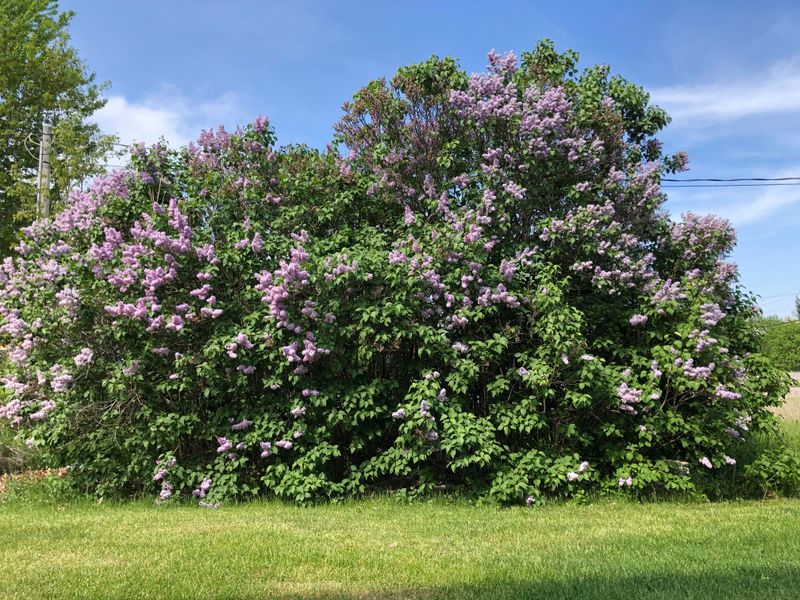
Wind sweeps across Ohio’s flat agricultural regions with little natural resistance, battering farmhouses and making outdoor work miserable during cold months. Early settlers needed windbreaks to protect homes, but fast-growing trees took years to provide meaningful shelter.
Lilacs helped soften wind exposure near homes while offering seasonal beauty as a bonus.
The multi-stemmed growth pattern of lilacs created thick barriers even when individual stems remained relatively thin. Planted on the north and west sides of homes, lilacs helped reduce direct wind exposure and made outdoor areas more comfortable.
The dense branching pattern remained effective even after leaves dropped in autumn.
Unlike single-trunk trees that could blow over in severe storms, lilac clumps flexed and bent without breaking or uprooting. Their flexibility actually increased effectiveness, with branches channeling wind up and over structures rather than creating turbulent downdrafts.
Ohio farmers valued this reliable protection that improved with age as bushes expanded.
The windbreak function extended beyond human comfort to protecting kitchen gardens, chicken coops, and other vulnerable areas around farmsteads. Lilacs created microclimates where tender plants survived cold snaps that would otherwise damage them.
This practical benefit combined with beauty and fragrance made lilacs indispensable elements of functional Ohio farm design. Homesteaders recognized value in plants serving multiple purposes, and lilacs delivered protection, boundaries, beauty, and fragrance all from a single planting, explaining their widespread presence around historic Ohio properties.
7. Heirloom Varieties Passed From Neighbor To Neighbor
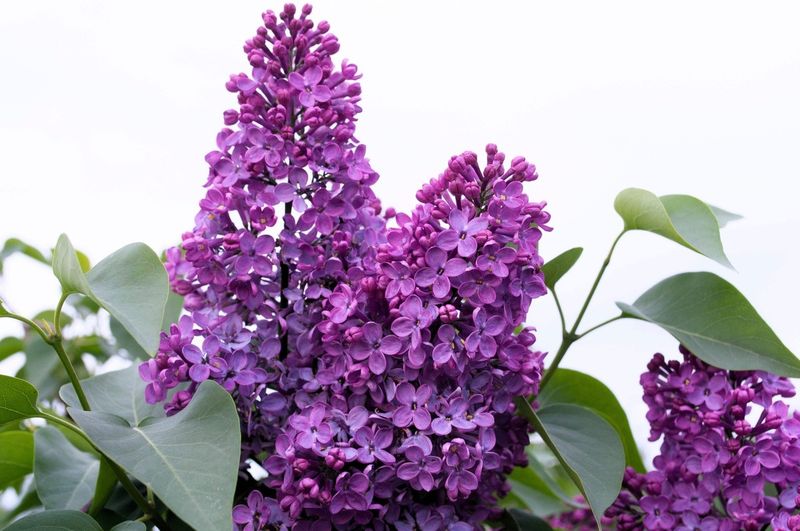
Garden centers and mail-order nurseries remained luxuries beyond most pioneer budgets, making plant acquisition a challenge for early Ohio settlers. Families relied on sharing and trading to build their landscapes, creating informal networks where successful plants spread through entire communities.
Lilacs propagated easily from cuttings or suckers, making them ideal candidates for this neighborly exchange system.
A single mature lilac produced numerous shoots around its base each year, providing abundant material for starting new plants. Neighbors simply dug these suckers and transplanted them, sharing varieties that had proven successful in local conditions.
This practice cost nothing and created community bonds as families literally shared pieces of their landscapes.
Certain lilac varieties became associated with specific families or neighborhoods as distinctive colors and bloom times spread through local networks. People referred to plants by their origin, mentioning “Mrs. Johnson’s white lilac” or “the Schmidt farm purple.” These informal names created living connections to community history that persisted long after original families moved or passed away.
The sharing tradition meant Ohio communities developed consistent landscapes featuring the same proven varieties rather than random assortments of plants. This uniformity created visual cohesion and shared seasonal experiences as neighborhoods bloomed simultaneously each May.
Modern Ohio residents still find historic lilac varieties thriving around old homes, often the exact genetic individuals that grew there a century ago, passed from neighbor to neighbor across generations in an unbroken chain of community gardening tradition.
8. Historic Planting Trends Shaped Today’s Landscapes

Landscape fashion changes constantly, with each generation embracing new plants and design styles that replace previous trends. Hostas, ornamental grasses, and knockout roses dominate contemporary Ohio yards, looking nothing like Victorian gardens or mid-century landscapes.
Yet lilacs persist despite changing tastes, their presence around old homes so consistent it seems almost mandatory rather than optional.
The sheer number of lilacs planted between 1850 and 1950 created a critical mass that continues influencing Ohio landscapes today. A huge number of homesteads established during that century-long period included lilacs, resulting in thousands upon thousands of bushes scattered across the state.
Even as original homes were renovated or replaced, those lilacs remained, too established and valuable to remove.
Modern homeowners inheriting properties with mature lilacs generally choose to keep them despite contemporary landscaping trends favoring different plants. The emotional connections, childhood memories, and simple beauty of established lilacs outweigh desires for fashionable alternatives.
Removing a century-old lilac feels almost sacrilegious, like erasing tangible history.
New research into heirloom plants and historical gardening has actually increased appreciation for these vintage landscapes rather than diminishing their relevance.
People recognize lilacs as living links to Ohio’s settlement history, making them more valuable than merely decorative shrubs.
The planting decisions made by long-gone homesteaders continue shaping what visitors see driving through Ohio communities today, creating distinctive regional character that separates historic neighborhoods from modern developments lacking these fragrant spring landmarks that define traditional Ohio homes.