Why Oregon Gardeners Should Grow This Native Wildflower Along Their Garden Fences
Oregon gardens shift quickly from rain-soaked winters to dry, sunbaked summers, and those changes tend to show up first along fence lines.
These narrow edges often get compacted, dry out faster, and end up overlooked, even though they can be some of the most useful planting spaces in the yard.
More Oregon gardeners are starting to rethink those spots and fill them with plants that can handle the conditions without constant attention.
Oregon Sunshine, also called woolly sunflower, fits that role beautifully, bringing bright color and resilience to areas that once felt difficult to manage.
1. Oregon Sunshine Thrives In Dry, Well-Drained Soils
Walk along almost any rocky hillside in western Oregon and you will likely spot Oregon Sunshine doing exactly what it was built to do – growing happily in soil that most other plants would refuse.
Eriophyllum lanatum, the plant’s botanical name, has evolved over thousands of years in the Pacific Northwest, developing a root system that actively seeks moisture deep in well-drained ground rather than depending on surface water.
Along fence lines, drainage is often a real challenge. Soil near fences tends to stay compacted, and water moves through quickly after Oregon’s winter rains stop.
Oregon Sunshine handles this without complaint. Its roots anchor well in sandy or gravelly soil, and the plant rarely shows signs of stress even when surrounding garden beds begin to look parched.
Gardeners who have struggled to find something that survives those dry, sun-baked fence edges without constant watering often find that Oregon Sunshine fills the role naturally.
Starting with well-drained soil, or even loosening compacted areas with some gravel mixed in, gives this wildflower the best possible start.
Once settled in, it tends to look after itself remarkably well throughout Oregon’s long dry season.
2. Bright Yellow Blooms Add Long-Lasting Color To Fence Lines
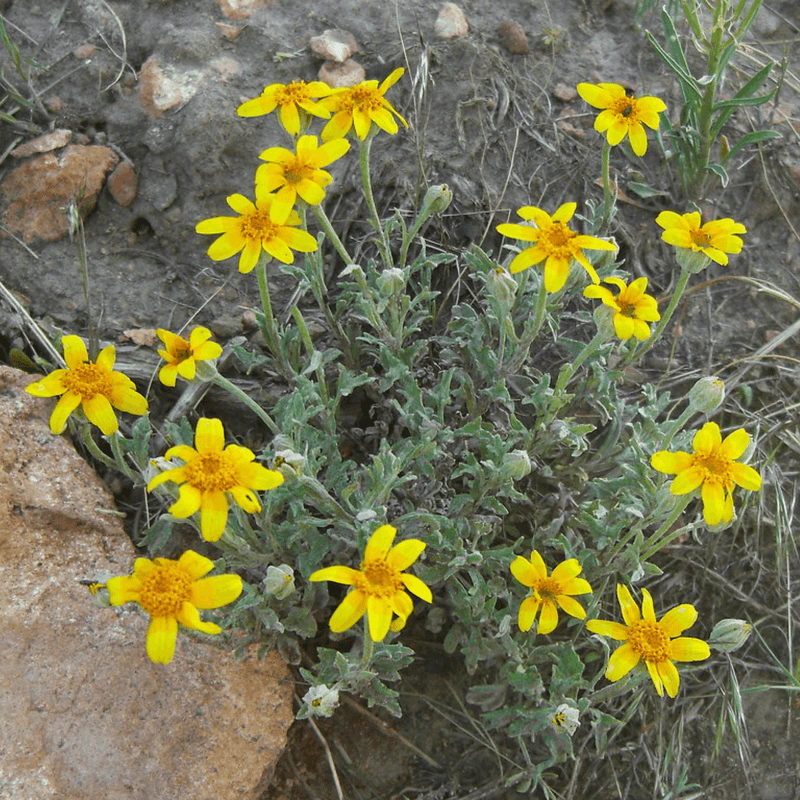
Few colors catch the eye along a fence line quite like the golden yellow of Oregon Sunshine in full bloom.
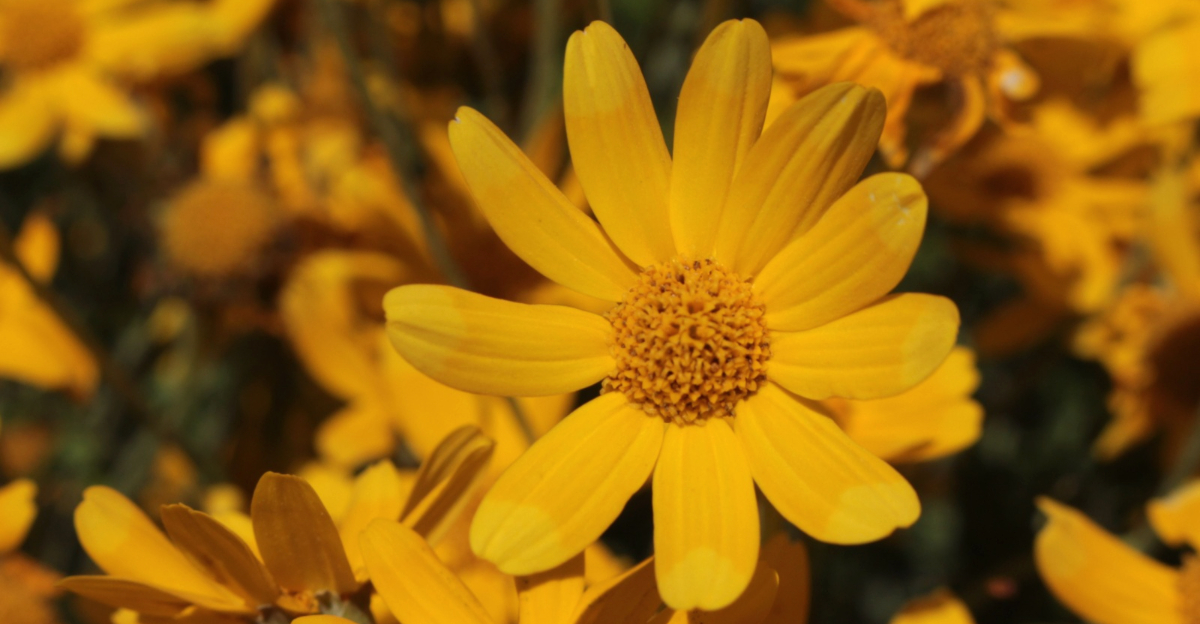
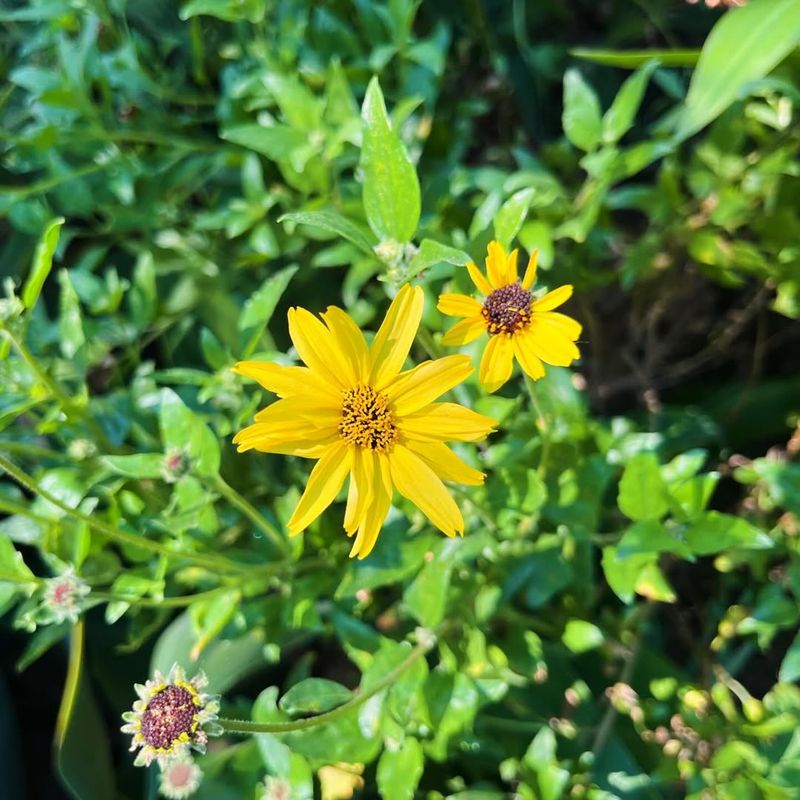
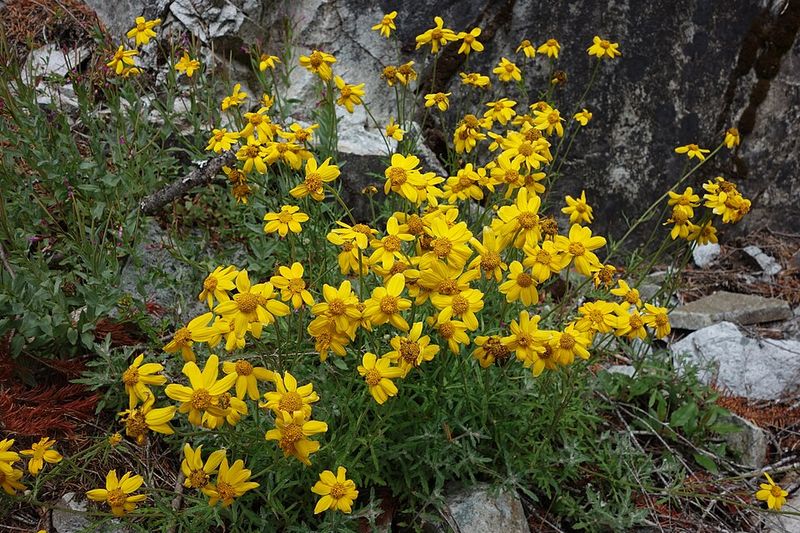
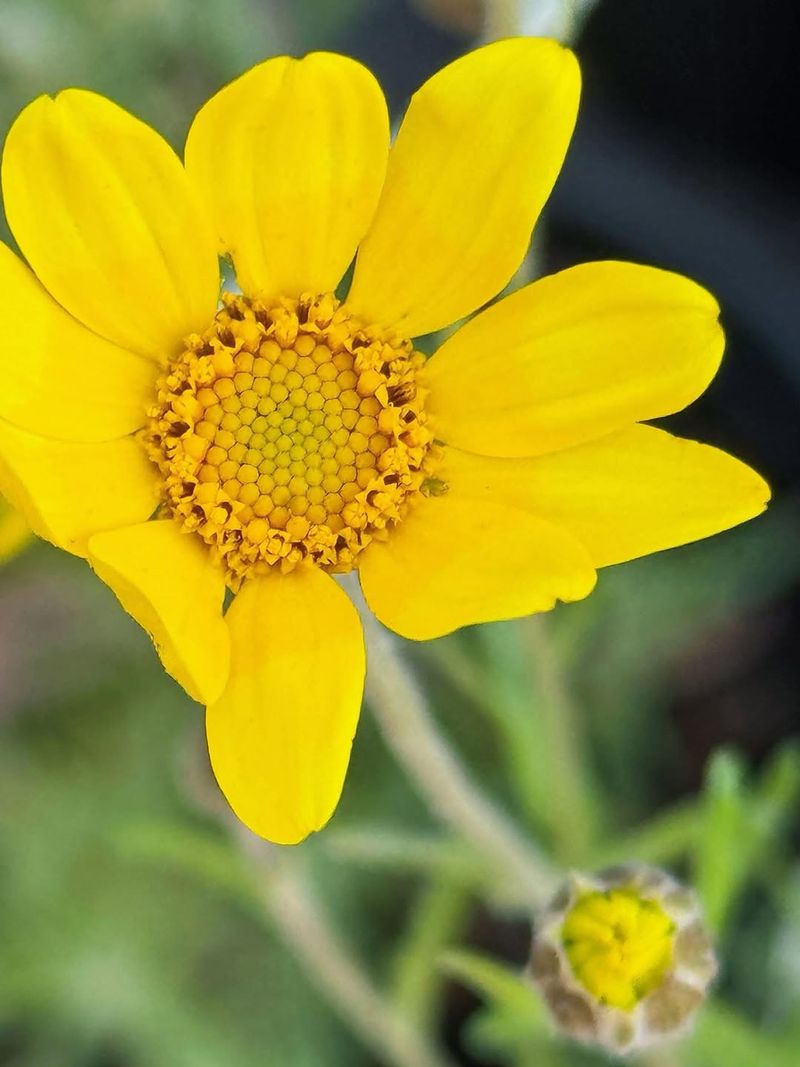
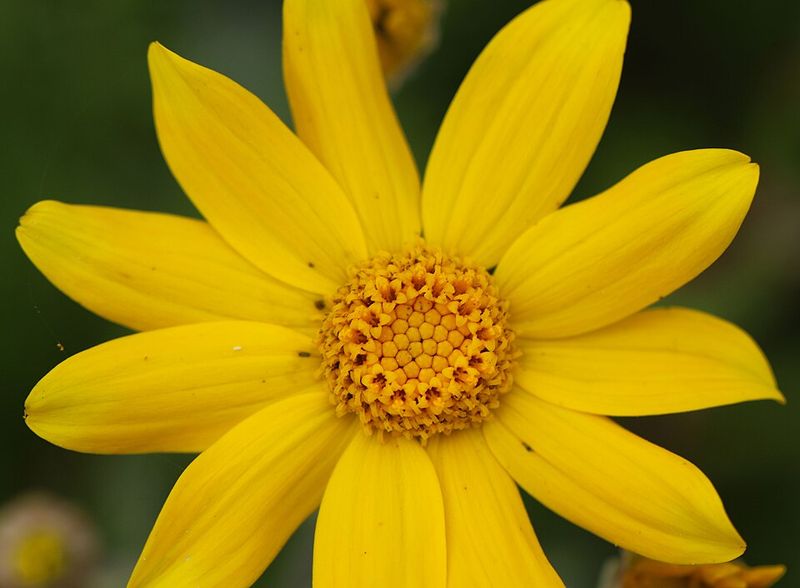
The flowers are daisy-like, with bright ray petals surrounding a cheerful yellow center, and they appear in generous clusters that can light up even the most ordinary fence edge from late spring well into summer.
What sets this wildflower apart from many ornamental plants is the staying power of its blooms.
Rather than putting on a brief show and disappearing, Oregon Sunshine tends to produce flowers over several weeks, giving gardeners a long window of color during a season when many other native plants have already finished blooming.
In Oregon’s coastal and valley regions, that bloom period can stretch from May into July depending on conditions.
Fence lines that once looked bare and uninviting can take on a completely different character when Oregon Sunshine settles in along the base.
The compact, low mounding habit keeps the display neat without requiring trimming or staking.
Pairing it with other low-growing natives can extend the color season even further, but Oregon Sunshine holds its own beautifully when planted in a single drifting mass along an open fence.
3. Native Roots Support Local Pollinators And Wildlife
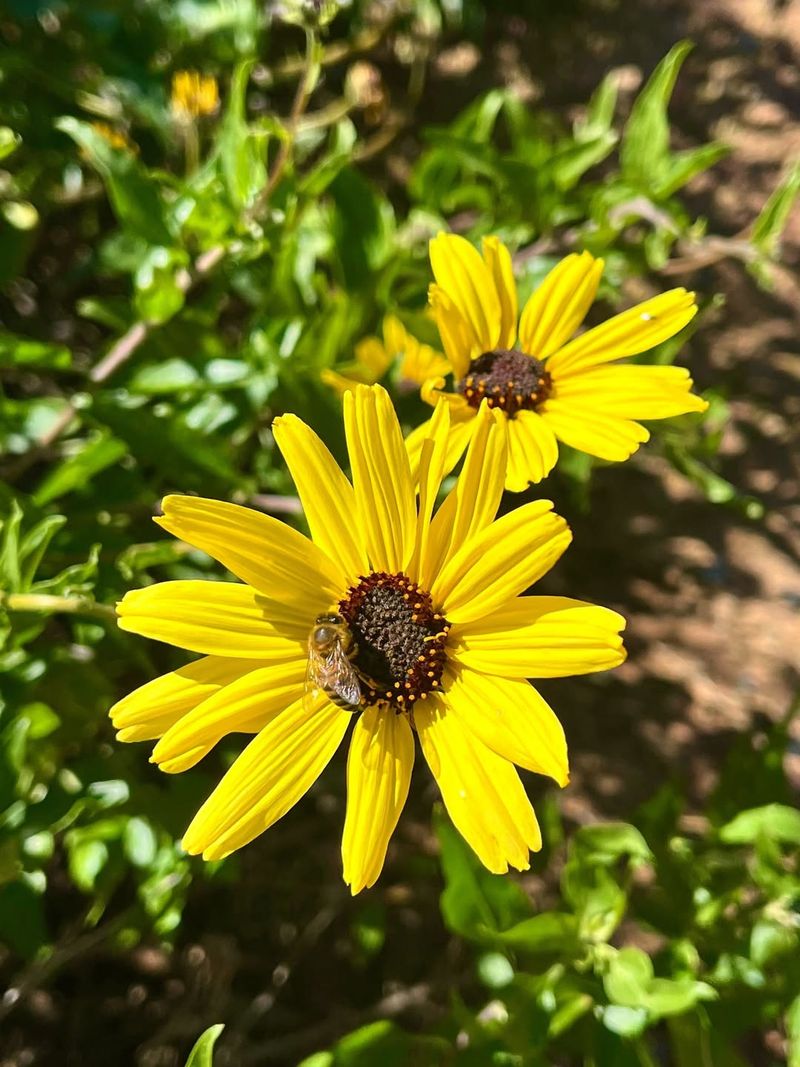
Bees, butterflies, and other native insects have spent thousands of years building relationships with the plants that grow naturally in Oregon.
Oregon Sunshine is one of those plants, and the connection is easy to see on any warm spring afternoon when the flowers are open and buzzing with activity.
Native bees, including several species of solitary bees that are less commonly recognized than honeybees, are especially drawn to the open, accessible blooms of Oregon Sunshine.
The flower structure makes it easy for smaller pollinators to reach nectar and pollen, which is not always the case with exotic ornamental plants bred for appearance rather than ecological function.
Supporting a wider range of pollinators along fence lines helps strengthen the overall health of an Oregon garden.
Beyond pollinators, the plant’s silvery foliage and dense low growth can provide modest shelter for ground-dwelling insects and small wildlife.
Gardeners who are working to make their yards more ecologically connected will find that adding even a short stretch of Oregon Sunshine along a fence contributes meaningfully to that goal.
Native plants like this one work quietly in the background, building habitat one blooming season at a time.
4. This Plant Handles Oregon’s Summer Drought With Ease
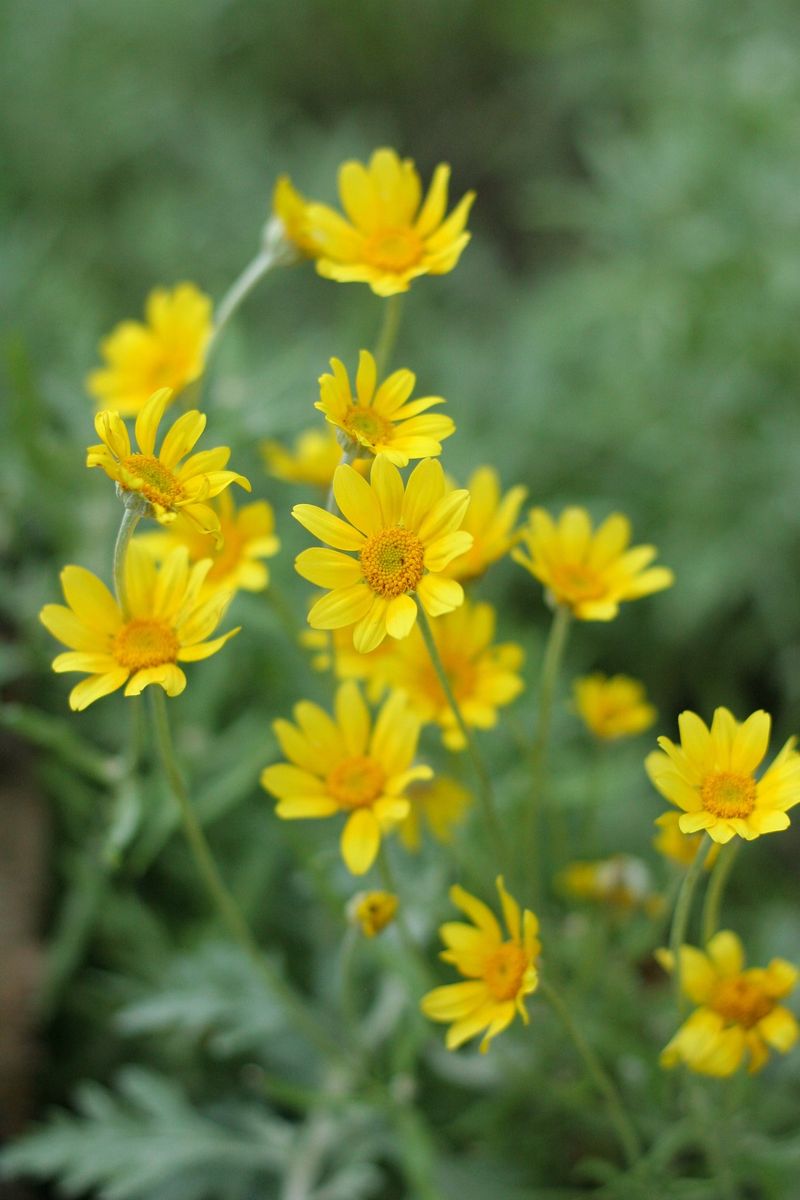
Oregon summers can be surprisingly harsh, especially for gardeners used to the mild, rainy winters.
Rainfall drops sharply from June onward, and fence-line soil – already prone to drying out faster than open garden beds – can become almost desert-like by August.
Most ornamental plants installed without irrigation will struggle visibly in these conditions.
Oregon Sunshine takes a different approach. The plant’s woolly, silver-gray leaves are covered in fine hairs that reduce moisture loss and reflect intense summer sunlight, acting almost like a built-in sunscreen.
This adaptation, developed through centuries of growing on dry Oregon slopes and rocky outcrops, makes the plant genuinely well-suited to surviving without supplemental water once it is established.
Gardeners who are trying to reduce irrigation costs or transition away from water-hungry plants along their fence lines will find Oregon Sunshine a reliable option.
The first season may require some occasional watering while roots develop, but after that, most Oregon gardeners report that the plant manages well on rainfall alone.
Keeping the area free of heavy mulch directly around the crown – which can trap moisture – helps the plant stay healthy through Oregon’s wet winter season as well.
5. Low-Growing Habit Works Well Along Open Fence Edges
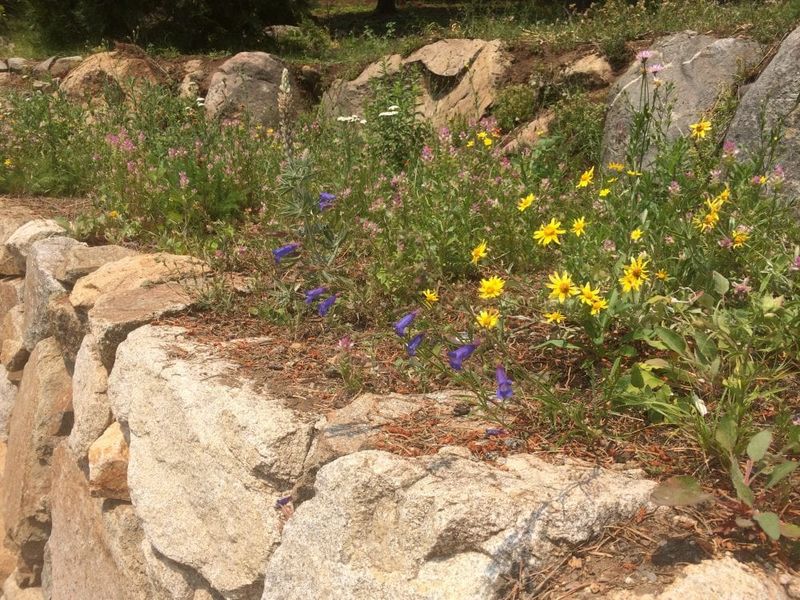
One of the most practical things about Oregon Sunshine is its size.
Unlike some native plants that can quickly grow tall and shaggy, this wildflower stays relatively low and mounding, typically reaching somewhere between six inches and about eighteen inches in height depending on growing conditions.
That compact form makes it genuinely useful along fence lines where tall plants might block sightlines or crowd out neighbors.
The low, spreading habit also means the plant fills in horizontal space naturally, creating a soft, flowing edge along the base of a fence without requiring the kind of regular shaping that many ornamental shrubs demand.
In Oregon gardens where fence lines run along sidewalks, driveways, or property edges, that self-contained growth pattern is a real advantage.
Gardeners who have tried to establish ground-level plantings along fences often run into problems with plants that either stay too small to make an impact or grow too large and become a maintenance burden.
Oregon Sunshine tends to find a middle ground, spreading gradually and filling its space without overwhelming it.
Planting in small clusters spaced about twelve to eighteen inches apart gives the plants room to develop their natural mounding shape while creating a cohesive, attractive display along the fence.
6. Silvery Foliage Adds Texture Even When Not In Bloom
Most flowering plants have a relatively short window when they look their best, and once the blooms fade, they can blend into the background or even look a little ragged.
Oregon Sunshine handles the off-season differently, and that comes down almost entirely to its foliage.
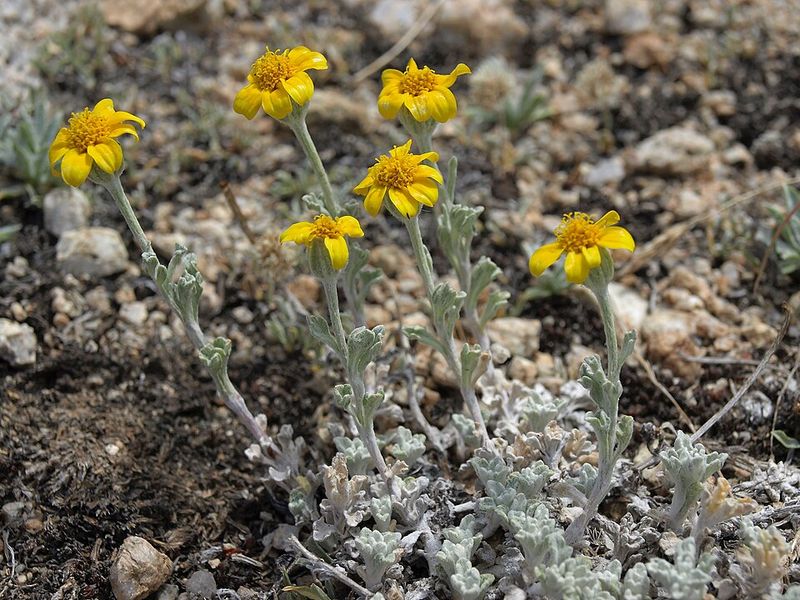
The leaves of Oregon Sunshine are covered in soft, woolly hairs that give them a silvery, almost frosted appearance.
That texture catches light in an interesting way throughout the growing season, creating a subtle visual contrast when planted next to green-leafed plants along a fence.
Even after flowering ends, the silvery mounds remain attractive and can serve as a low-maintenance backdrop for later-blooming neighbors.
In Oregon gardens where winter interest matters – and the long rainy season means the garden is visible for many months without much color – the persistent foliage of Oregon Sunshine provides something to look at when not much else is going on.
The woolly texture also gives the planting a slightly different feel than typical green groundcovers, adding a layer of visual interest that feels intentional without requiring any extra effort.
Gardeners who appreciate year-round garden structure often find this foliage quality to be one of Oregon Sunshine’s most underrated features.
7. Poor Soil And Gravel Areas Do Not Hold It Back
Gardeners who have inherited a yard with thin, nutrient-poor soil near fence lines know how discouraging it can be to watch plant after plant fail in those spots.
Enriching the soil with compost helps for some species, but it does not solve every problem – and the ongoing effort can feel exhausting.
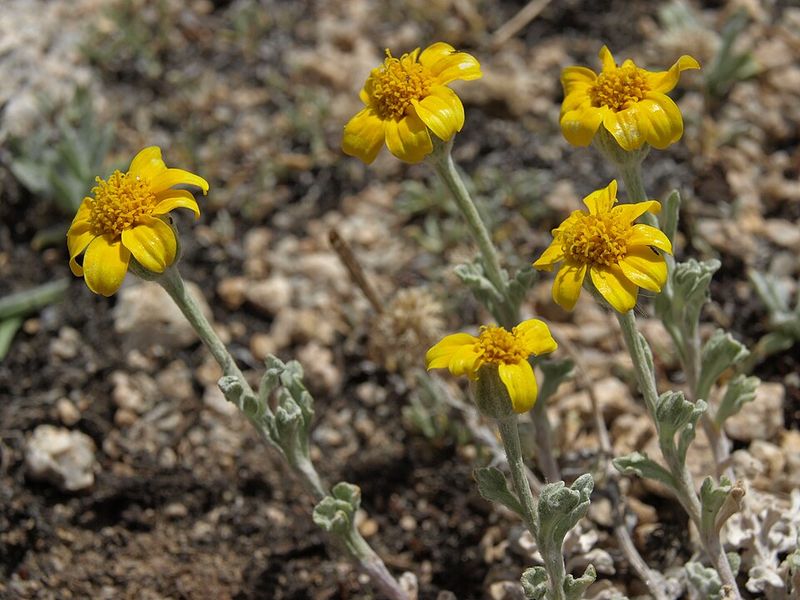
Oregon Sunshine actually performs better in lean, low-fertility soil than in rich, amended garden beds. Rich soil tends to produce lush, floppy growth that is more prone to flopping over or developing crown rot, particularly in Oregon’s wet winters.
The plant evolved in conditions where nutrients are limited, and it responds to that kind of environment with the compact, sturdy growth habit that makes it so appealing along fence lines.
Gravel mulches, rocky pathways, and even areas where fill soil was used during construction – the kinds of spots that defeat most ornamental plants – are exactly where Oregon Sunshine can step in and succeed.
Gardeners dealing with stripped subsoil near new fences or along newly constructed edges will find this wildflower one of the most forgiving options available.
Adding a light layer of gravel rather than organic mulch around the plants actually mimics their natural habitat and can encourage stronger, more resilient growth over time.
8. Minimal Water Needs Once Established In The Landscape
Water bills during Oregon’s dry summers can climb quickly when gardeners rely on irrigation-dependent plants along fence lines and other exposed areas.
Switching to plants that genuinely need less water is one of the most practical steps any Oregon gardener can take, and Oregon Sunshine is one of the clearest examples of how well that strategy can work.
After the first growing season, which typically requires some supplemental watering to help roots establish, Oregon Sunshine generally gets by on whatever rainfall Oregon provides.
In most western Oregon valleys, that means the plant may go without additional water from late spring through early fall – a span of several months that would stress most conventional landscape plants significantly.
Drip irrigation or a soaker hose during the establishment phase makes a real difference in how quickly the plant settles in and begins developing the deep root system that supports its drought tolerance.
After that initial period, stepping back and letting the plant manage on its own is usually the right call.
Overwatering established plants, especially in clay-heavy Oregon soils that drain slowly, can cause more harm than good.
Trusting the plant’s natural adaptations and observing how it responds in your specific fence-line conditions leads to the best long-term results.
9. Full Sun Exposure Encourages Stronger Growth And Flowering
South-facing and west-facing fence lines in Oregon can be some of the hottest, brightest spots in the entire yard during summer. Many plants wilt, bleach, or simply give up under that kind of relentless sun exposure.
Oregon Sunshine, by contrast, responds to full sun with stronger stems, more abundant flowering, and a denser, more attractive growth habit.
The woolly coating on the leaves plays a key role here, reflecting excess light and helping the plant regulate temperature without losing too much moisture.
In shaded conditions, Oregon Sunshine tends to produce fewer flowers and can develop a looser, less appealing form.
Planting it along the sunniest stretches of a fence is the most reliable way to get the full visual impact the plant is capable of delivering.
Oregon gardeners who are working with fence lines that receive at least six hours of direct sun daily will find Oregon Sunshine particularly rewarding.
Even in areas where the soil has been baked hard by years of summer heat and reflected warmth from wooden or metal fencing, this wildflower tends to settle in and produce a surprisingly generous display.
Choosing the sunniest sections of the fence for Oregon Sunshine, and saving shadier spots for other natives, helps match plants to conditions in a way that reduces effort and improves results.
10. Reseeding Helps It Return In Favorable Conditions
One of the quieter rewards of growing Oregon Sunshine is watching what happens after the flowers finish.
The plant produces small seeds that can scatter naturally around the base of the parent plants, and in the right conditions – well-drained soil, good sun exposure, and minimal competition from aggressive weeds – those seeds can germinate and produce new plants the following season.
This self-seeding tendency is not aggressive or invasive in the way that some garden plants can be. Oregon Sunshine tends to fill in gradually around established plants rather than spreading rapidly into unwanted areas.
For gardeners hoping to extend a planting along a fence line without purchasing additional plants every year, this natural reseeding can be a welcome development that adds to the colony over time.
Leaving a few spent flower heads on the plants at the end of the season, rather than removing everything, gives the seeds a chance to ripen and drop.
Bare patches of gravelly or sandy soil near existing plants provide the best germination conditions.
In Oregon gardens where fence-line soil stays open and relatively weed-free, the reseeding habit of Oregon Sunshine can slowly build a more established, naturalistic planting that looks increasingly at home with each passing year.