Why Oregon Lawns Struggle In Shade (And What To Plant Instead)
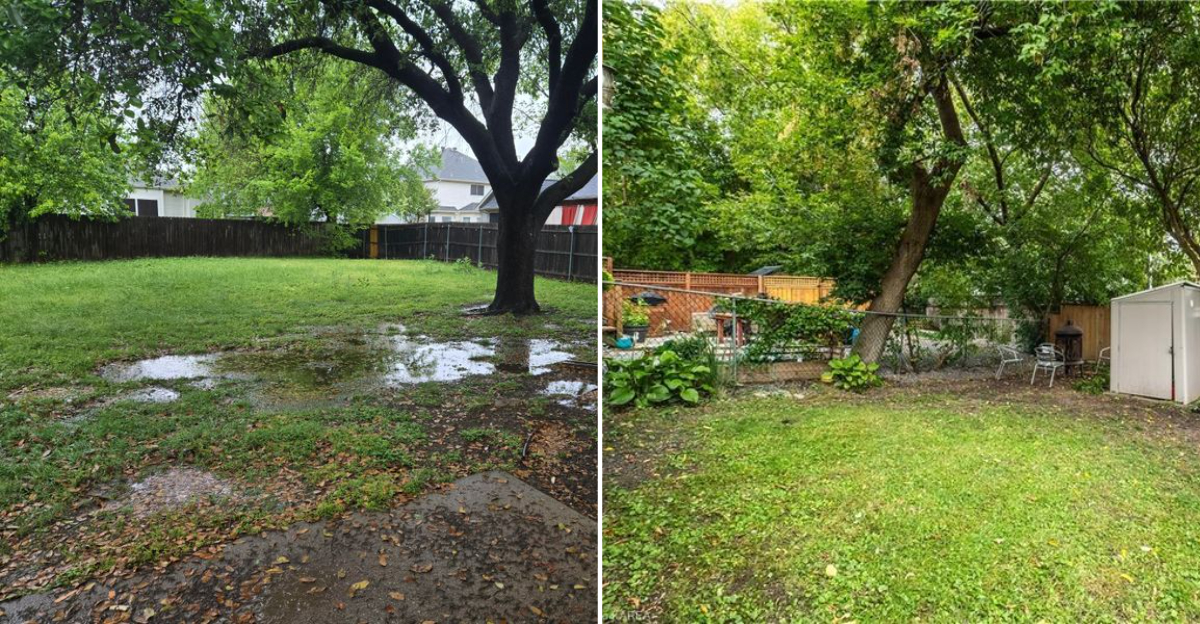
Many Oregon gardeners know the problem: a once-green lawn looks patchy, thin, or lifeless under trees or along north-facing walls.
Grass does not thrive in shade, and trying to force a traditional lawn in low-light areas often leads to frustration, wasted water, and extra work.
The good news is that shady spots do not have to stay empty. Choosing plants that tolerate low light can turn tricky areas into lush, attractive, and low-maintenance spaces.
Shade-tolerant groundcovers, ferns, and ornamental grasses handle moisture and dappled light while adding texture, color, and even habitat for pollinators.
Knowing why lawns fail in shade and which plants perform better helps Oregon gardeners make smart choices that save time, water, and stress.
With the right approach, even the shadiest corners of a yard can transform from bare patches into green, vibrant, and inviting areas.
Grass Needs More Sunlight Than Shade Provides
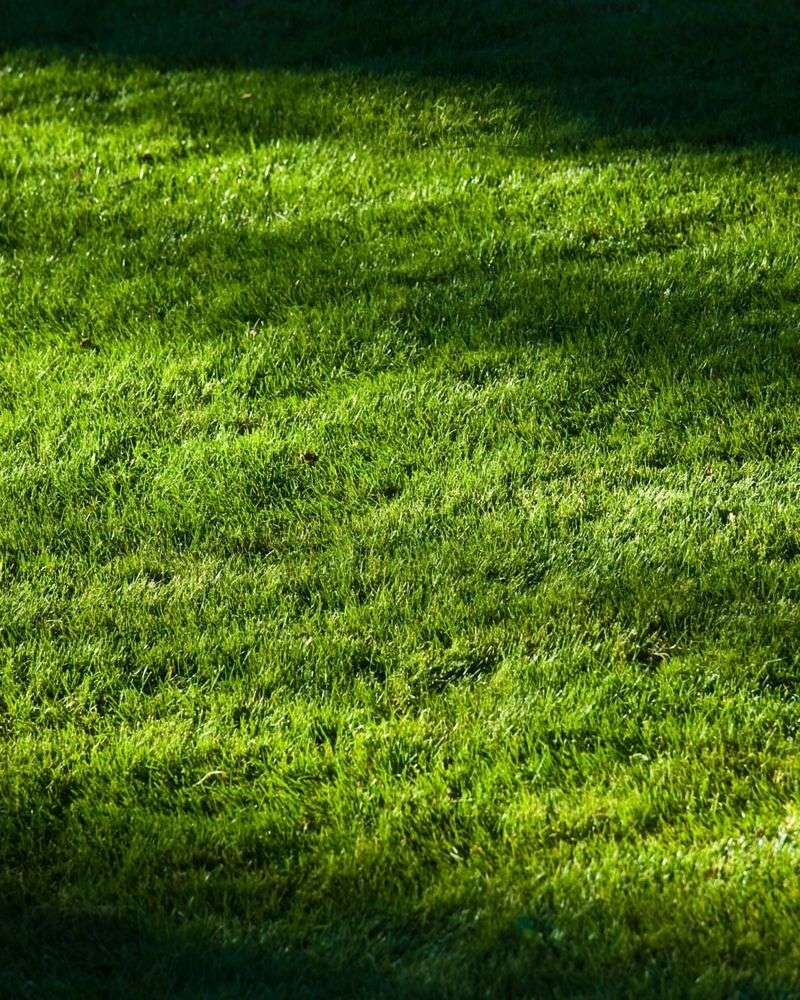
Most lawn grasses require at least four to six hours of direct sunlight each day to stay healthy and green. When trees or buildings block the sun, grass simply cannot make enough food through photosynthesis.
This shortage of energy weakens the grass, making it grow slowly and look pale.
Oregon’s cloudy weather already reduces available sunlight during much of the year. Add shade from trees or structures, and your grass receives even less light than it needs.
The result? Thin, struggling turf that never quite fills in no matter how much you water or fertilize.
Instead of forcing grass to survive in dim conditions, consider shade-loving ground covers. Hostas, ferns, and wild ginger thrive in Oregon’s shaded areas.
These plants evolved to grow under forest canopies, so they actually prefer less light.
Sweet woodruff makes an excellent lawn replacement in full shade. It spreads to form a dense, fragrant carpet that stays green all season.
Ajuga is another great option, offering colorful foliage and pretty spring flowers while requiring almost no maintenance once established in shady spots.
Tree Roots Compete For Water And Nutrients
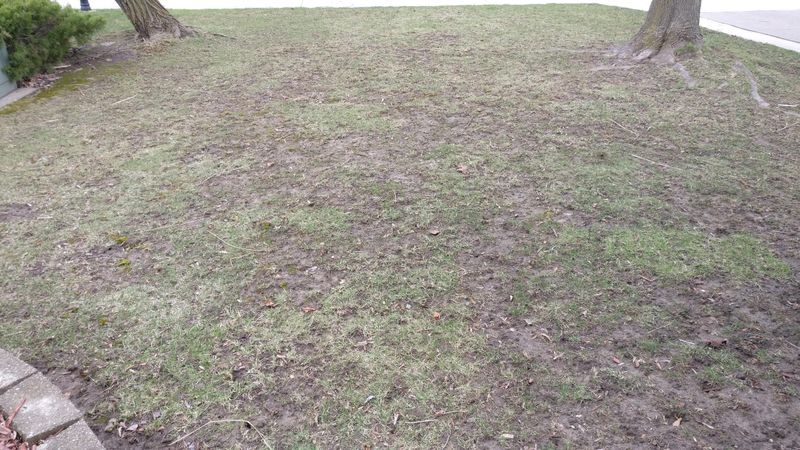
Tree roots spread far beyond what you see above ground, creating an underground network that sucks up moisture and nutrients. Grass roots are shallow and weak compared to tree roots, so they lose this competition every single time.
Even with regular watering, the grass stays thirsty because tree roots grab most of the water first.
Mature trees in Oregon, like Douglas firs and maples, have incredibly efficient root systems. They can pull water from deep in the soil and from wide areas around their trunks.
Your lawn grass simply cannot compete with this powerful system, especially during our dry summer months.
Fertilizing does not solve this problem either. Tree roots absorb the nutrients you add, leaving little for the grass.
You end up feeding the tree instead of your lawn, which explains why the grass under trees looks worse despite your efforts.
Plant shade-tolerant perennials that can coexist with tree roots instead. Coral bells, bleeding heart, and Solomon’s seal have adapted to share space with trees.
These plants need less water and nutrients than grass, making them perfect companions for established trees in your yard.
Moss Takes Over Where Grass Weakens
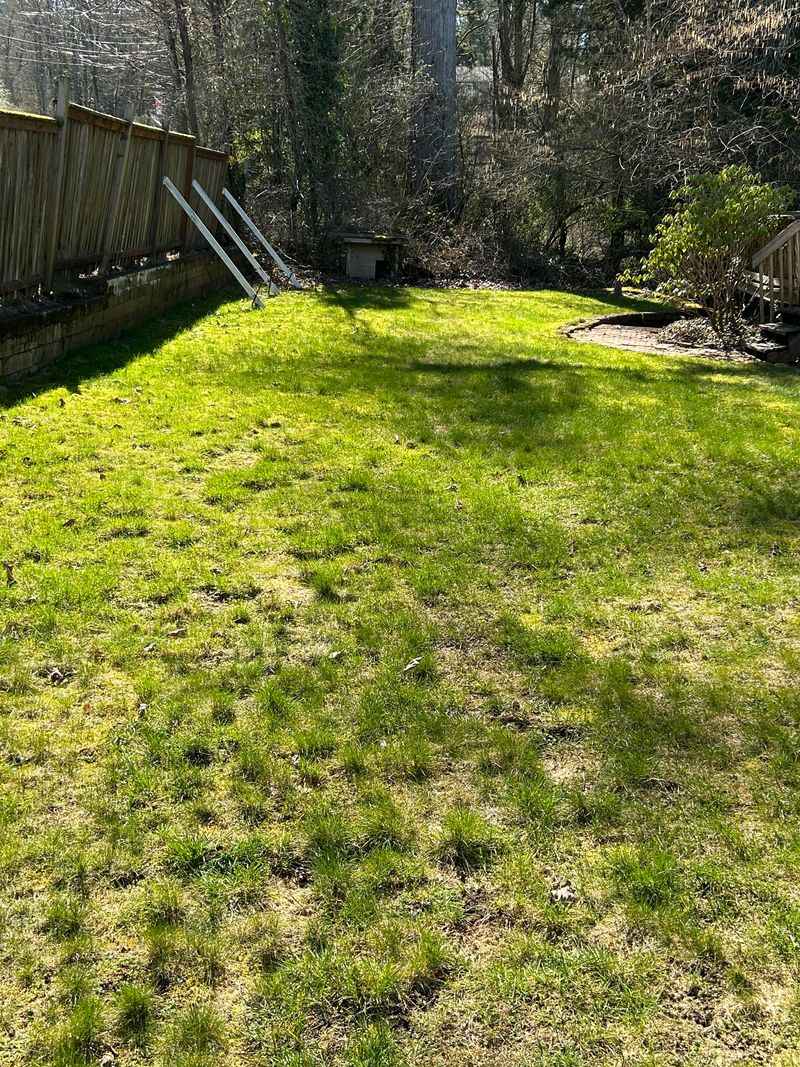
Oregon’s wet climate creates perfect conditions for moss growth, especially in shaded areas. When grass struggles from lack of light and loses its density, moss quickly moves in to fill the empty spaces.
Moss loves shade, moisture, and the acidic soil common in many Oregon yards.
Many homeowners view moss as an enemy, but fighting it in shady areas feels like an endless battle. Moss actually indicates that conditions favor it over grass.
You can remove moss temporarily, but it returns quickly because the underlying problems remain unchanged.
Rather than constantly battling moss, embrace it as a natural ground cover. Moss lawns require no mowing, need minimal water once established, and stay green year-round.
They feel soft underfoot and create a peaceful, woodland atmosphere in shaded areas.
Try planting Irish moss or Scotch moss! Despite their names, these are actually flowering plants that look similar to true moss.
They form dense, cushiony mats that tolerate light foot traffic and work beautifully between stepping stones or as lawn replacements in shady spots throughout your Oregon landscape.
Poor Air Circulation Encourages Disease
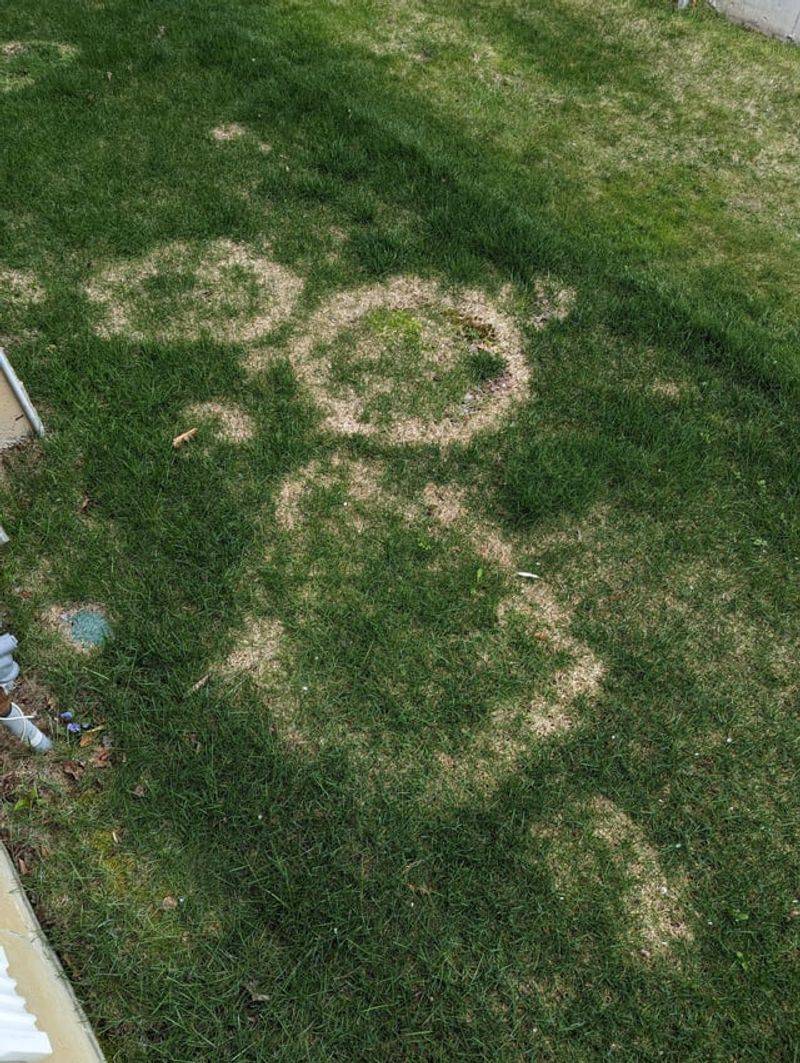
Shaded areas typically have less air movement than open, sunny spots. Stagnant air combined with moisture creates an ideal environment for fungal diseases that attack grass.
Red thread, dollar spot, and other lawn diseases spread rapidly when grass stays damp without good airflow to dry it out.
Dense tree canopies and nearby structures block breezes that would normally dry morning dew and rain. Oregon’s naturally humid climate makes this problem even worse.
Grass blades remain wet for extended periods, allowing disease spores to germinate and infect the weakened turf.
Treating lawn diseases with fungicides becomes expensive and time-consuming. The diseases often return because the environmental conditions that caused them have not changed.
Your grass remains vulnerable as long as it grows in poorly ventilated shade.
Ground covers adapted to shade handle these conditions much better than grass. Pachysandra and vinca minor naturally resist common fungal problems.
Their leaves shed water more efficiently, and they grow vigorously even in still air. Oregon grape, a native shrub, also thrives in shade with poor air circulation while providing beautiful foliage and edible berries for wildlife throughout the year.
Foot Traffic Damages Weak Shade Grass
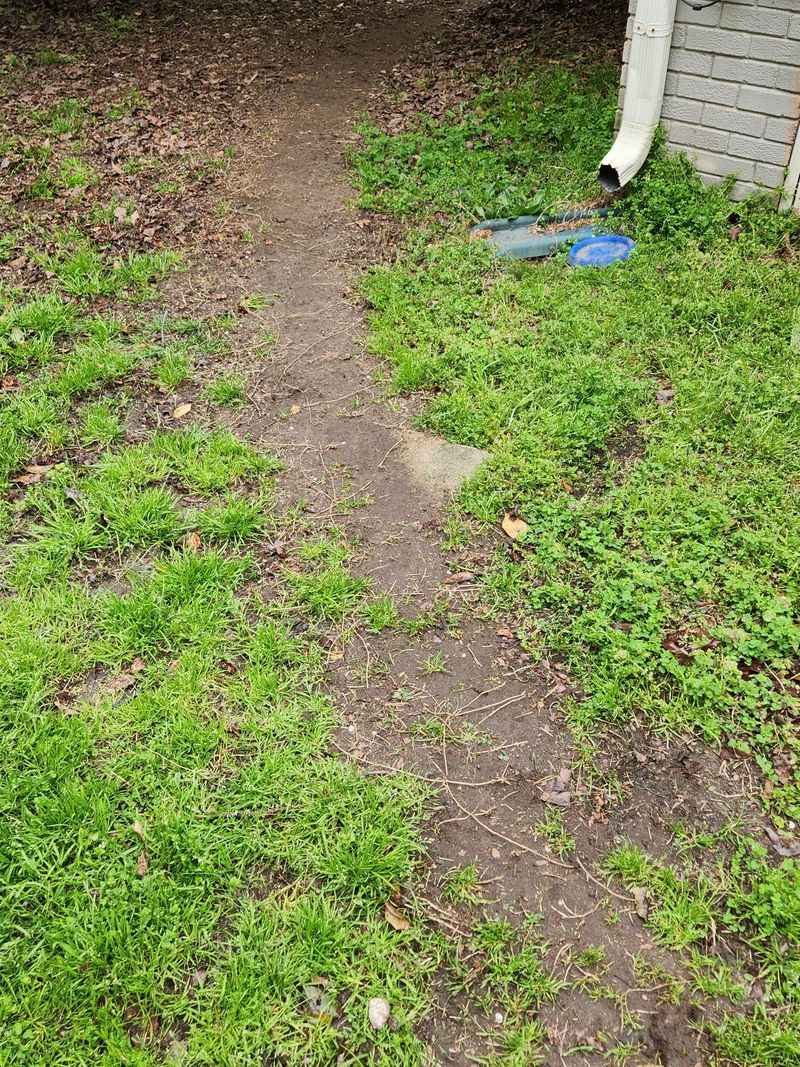
Grass growing in shade already struggles to survive, making it extra sensitive to foot traffic. Even light walking can damage the thin, weak blades and compact the soil beneath.
Compacted soil prevents oxygen from reaching grass roots, which weakens the turf even more and creates a downward spiral.
Sunny lawns recover quickly from wear because healthy grass grows vigorously and repairs damage naturally. Shade grass lacks the energy to bounce back, so bare paths develop where people walk regularly.
These worn areas expand over time as the surrounding weak grass cannot spread to fill them in.
Children playing, pets running, or simply walking the same route to your back door can destroy shade grass. The more you try to use your shaded lawn, the worse it looks.
This frustrates homeowners who want functional outdoor spaces, not just decorative areas they cannot enjoy.
Install pathways or plant tougher ground covers in high-traffic shaded areas. Creeping thyme tolerates moderate foot traffic and releases a pleasant scent when stepped on.
For heavier use, consider mulched paths bordered by hardy ferns or hostas. These solutions create usable outdoor spaces that look attractive while working with your yard’s natural conditions instead of against them.
Fallen Leaves Smother Grass Below
Oregon’s beautiful trees drop countless leaves each fall, creating thick blankets over shaded lawns. Grass already struggling for sunlight gets completely smothered under this layer of debris.
Without light reaching the grass blades, photosynthesis stops entirely, and the grass begins to suffer within days.
Wet leaves mat together and stick to the ground, making them harder to remove. They trap moisture against the grass, promoting rot and disease.
Even after you rake, more leaves fall, creating an exhausting cycle throughout autumn and into winter when grass should be storing energy for spring growth.
Mulching leaves with a mower works well in sunny areas but fails in shade. The grass underneath is too weak to push through the mulched material.
The decomposing leaves also increase soil acidity, which further stresses grass while encouraging more moss growth.
Plant shade ground covers that benefit from fallen leaves instead. Native Oregon plants like inside-out flower and wild ginger actually thrive under leaf litter, using it as natural mulch and fertilizer.
These plants evolved in forests where leaves fall naturally, so they handle this situation perfectly while creating beautiful, low-maintenance landscapes beneath your trees.
Shade Grass Grows Thin And Leggy
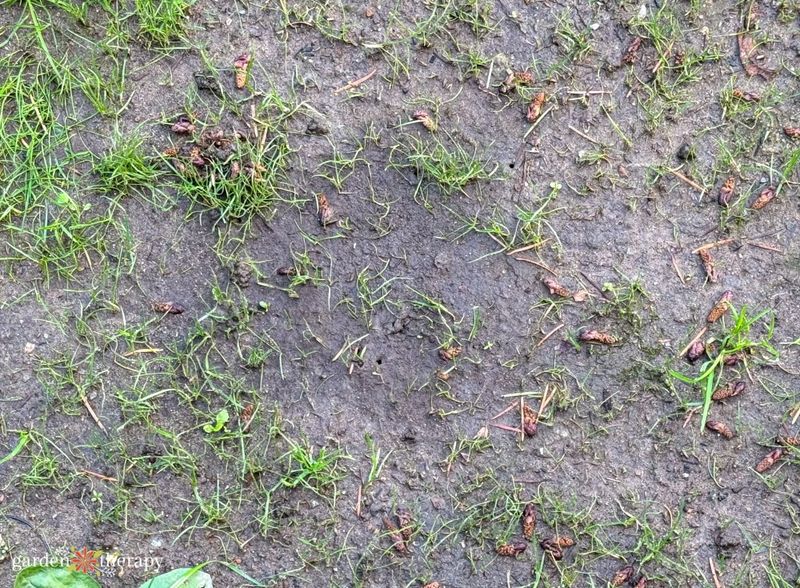
When grass receives insufficient light, it stretches upward trying to reach more sun. This creates thin, weak blades that flop over easily.
The grass looks sparse and pale, never achieving the thick, lush appearance of grass growing in full sun. Each blade grows longer but weaker, unable to stand upright properly.
This leggy growth pattern makes the lawn look unkempt even right after mowing. The thin blades cannot support themselves, so they bend and tangle together.
Walking on this weak grass crushes it flat, and it stays matted down instead of springing back up.
Homeowners often mow shade grass too short, hoping to encourage denser growth. This actually makes the problem worse by removing what little leaf surface the grass has for photosynthesis.
The grass becomes even weaker and more vulnerable to weeds, disease, and environmental stress.
Replace struggling grass with plants that naturally grow well in low light. Lamium offers colorful variegated foliage and pretty flowers while forming dense mats that look intentional and attractive.
Epimedium produces delicate spring blooms and interesting foliage that stays neat throughout the growing season. Both plants thrive in Oregon’s shaded conditions without the leggy, weak appearance that makes shade grass look so unappealing and poorly maintained.
Watering Shaded Grass Creates Problems
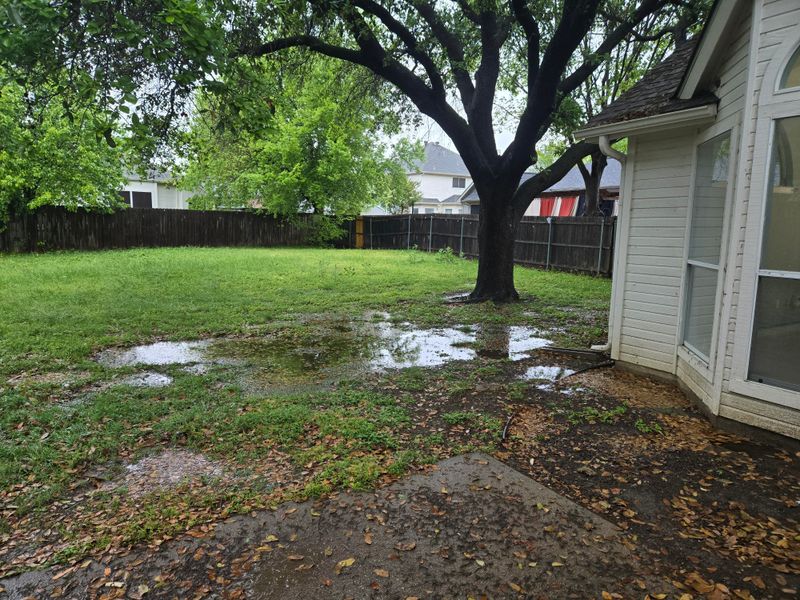
Shade keeps soil moist much longer than sunny areas, so grass in shade needs less water. However, many homeowners water their entire lawn on the same schedule, which overwaters shaded sections.
Too much moisture in shade encourages fungal diseases, promotes moss growth, and can actually damage grass roots by reducing soil oxygen.
Figuring out the right watering schedule for mixed sun and shade becomes complicated. Your sunny lawn needs more water, but your shaded areas need less.
Most irrigation systems water everything equally, creating either dry sunny spots or waterlogged shaded areas. Neither situation produces a healthy, attractive lawn.
Overwatered shade grass develops shallow roots because moisture stays near the surface. These shallow roots make the grass even more vulnerable to stress and competition from tree roots.
The grass becomes dependent on frequent watering and cannot survive even brief dry periods.
Shade-loving plants naturally require less water than grass, making them much easier to manage. Heuchera, astilbe, and Japanese forest grass all thrive with minimal irrigation once established.
These plants work well with Oregon’s natural rainfall patterns and need little supplemental water. You save time, reduce water bills, and create healthier landscapes by choosing plants matched to your yard’s actual conditions.
Shade Changes Throughout The Seasons
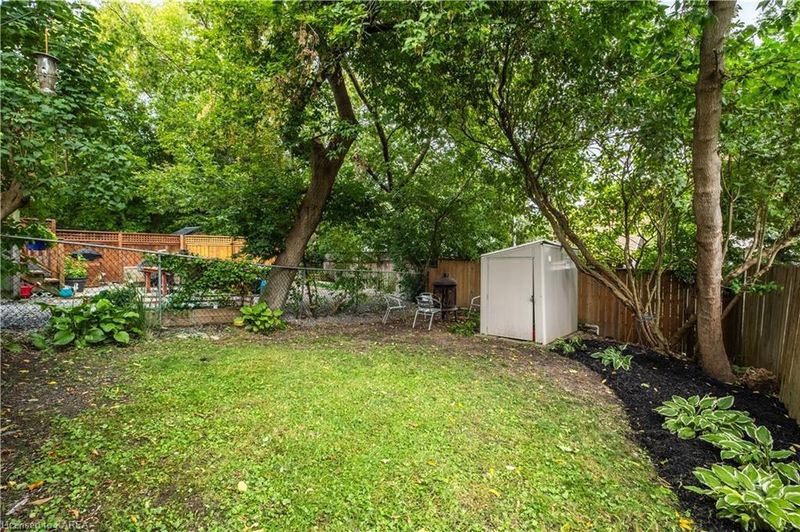
Deciduous trees create shifting shade patterns as seasons change. Your lawn might receive decent sunlight in early spring before trees leaf out, then become deeply shaded all summer and fall.
This inconsistent light confuses grass and prevents it from adapting properly to either sun or shade conditions.
Grass that grows reasonably well in spring often declines rapidly once tree leaves fully develop. By late summer, the grass looks terrible despite starting the season with promise.
Come fall, when leaves drop and light returns, the grass has become too weak to recover before winter arrives.
Sun-loving grass varieties suffer most from these seasonal shade changes. Shade-tolerant grass varieties handle the deep summer shade better but may not thrive during the brighter spring period.
Finding grass that adapts well to both conditions proves nearly impossible, leaving homeowners frustrated with disappointing results year after year.
Perennials adapted to woodland conditions handle seasonal light changes naturally. Spring ephemerals like trillium and bleeding heart bloom during the bright early season, then go dormant as shade deepens.
Hostas and ferns emerge later and thrive in summer shade. This layered approach creates interest throughout the year while working with natural seasonal patterns rather than fighting against them in your Oregon landscape.