Why Oregon Moss Isn’t Always A Problem (And When It Is)
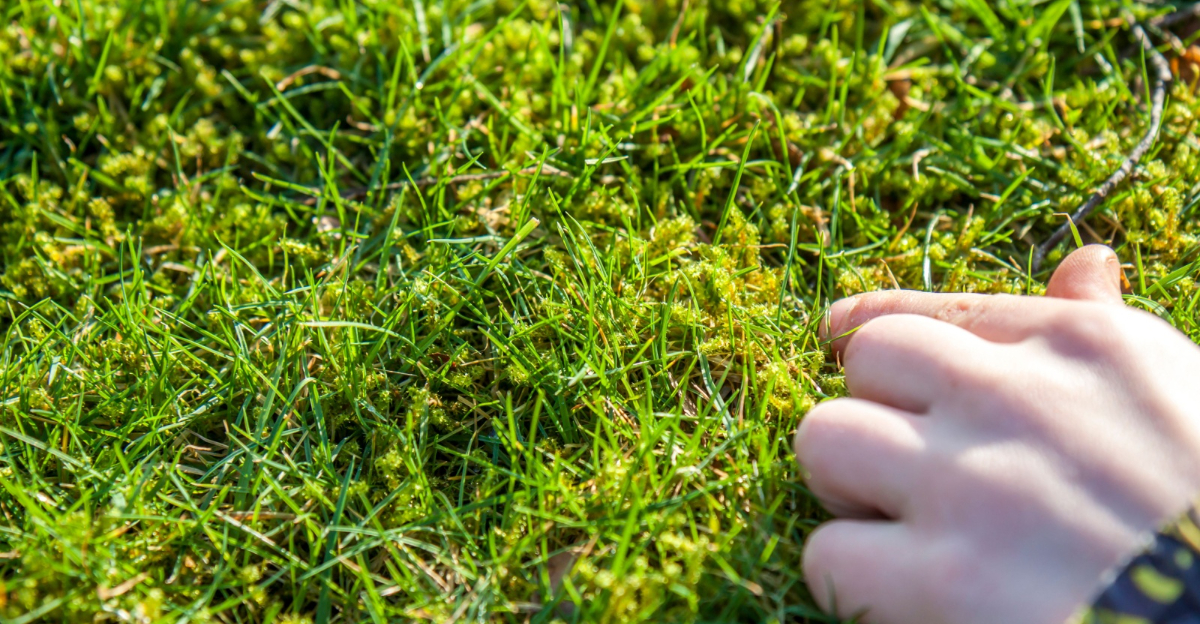
In Oregon, moss rarely arrives by accident. After months of rain, mild temperatures, and low winter light, it starts spreading across lawns as if it was invited.
That can be frustrating if you want a thick patch of grass, but moss is usually telling you something useful.
It tends to show up where turf is already struggling with shade, drainage, compaction, or soil conditions that favor moss more than grass.
Before treating it like the enemy, it helps to look at why it is there in the first place. In some parts of an Oregon yard, moss is not a problem to fight.
It may actually be the better, lower-maintenance fit for the site.
1. Moss Often Shows Up Where Grass Is Already Struggling
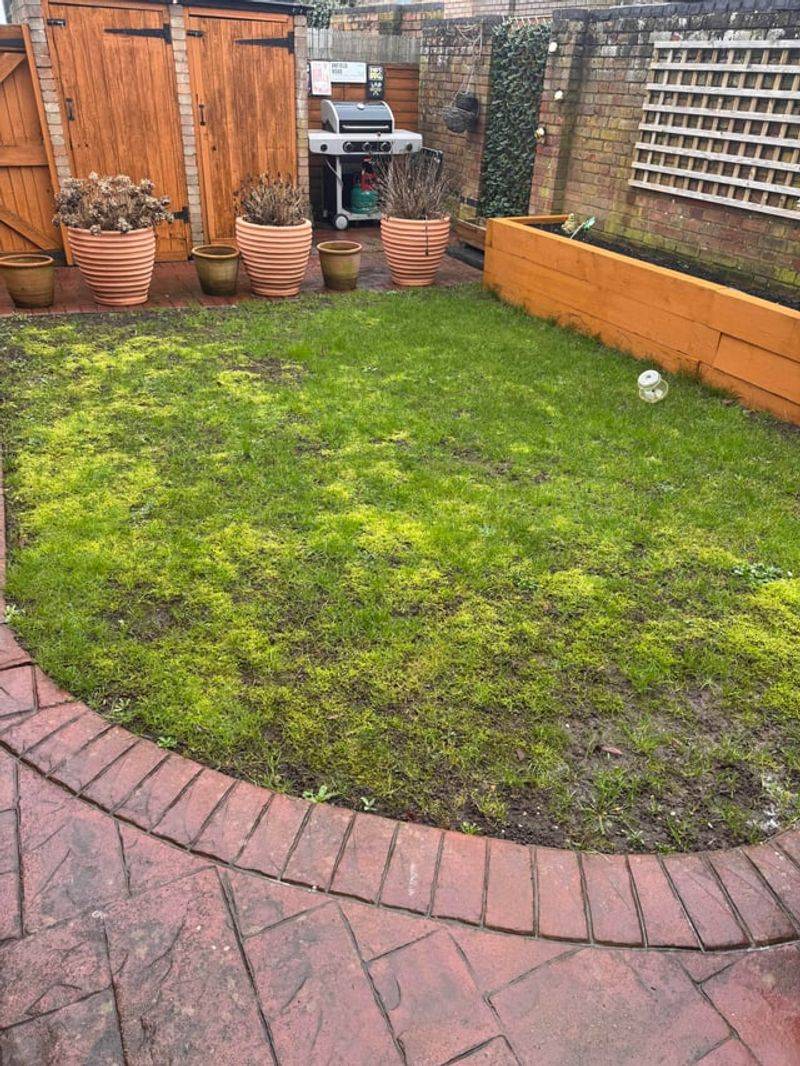
Walk across a mossy Oregon lawn in February and you will notice something pretty quickly: the moss is not randomly scattered. It tends to settle in the same spots where your grass already looked thin, pale, or patchy going into fall.
Moss does not push healthy turf out of the way. Instead, it moves into the gaps that struggling grass has already left behind.
Grass needs sunlight, good soil contact, adequate nutrition, and enough moisture without becoming waterlogged. When any of those things fall short, turf thins out and bare patches open up.
Moss, which needs very little to get started, fills those openings quickly. Oregon winters give it plenty of moisture and enough cool light to spread steadily.
The real issue is not the moss itself but what made the grass weak in the first place. Compacted soil, low fertility, poor drainage, too much shade, and acidic pH are all common in Oregon yards.
Removing moss without addressing those root causes just leaves the same bare patches ready for moss to return. Identifying why the grass struggled is the more useful first step.
2. Shade And Damp Soil Give Moss An Easy Opening
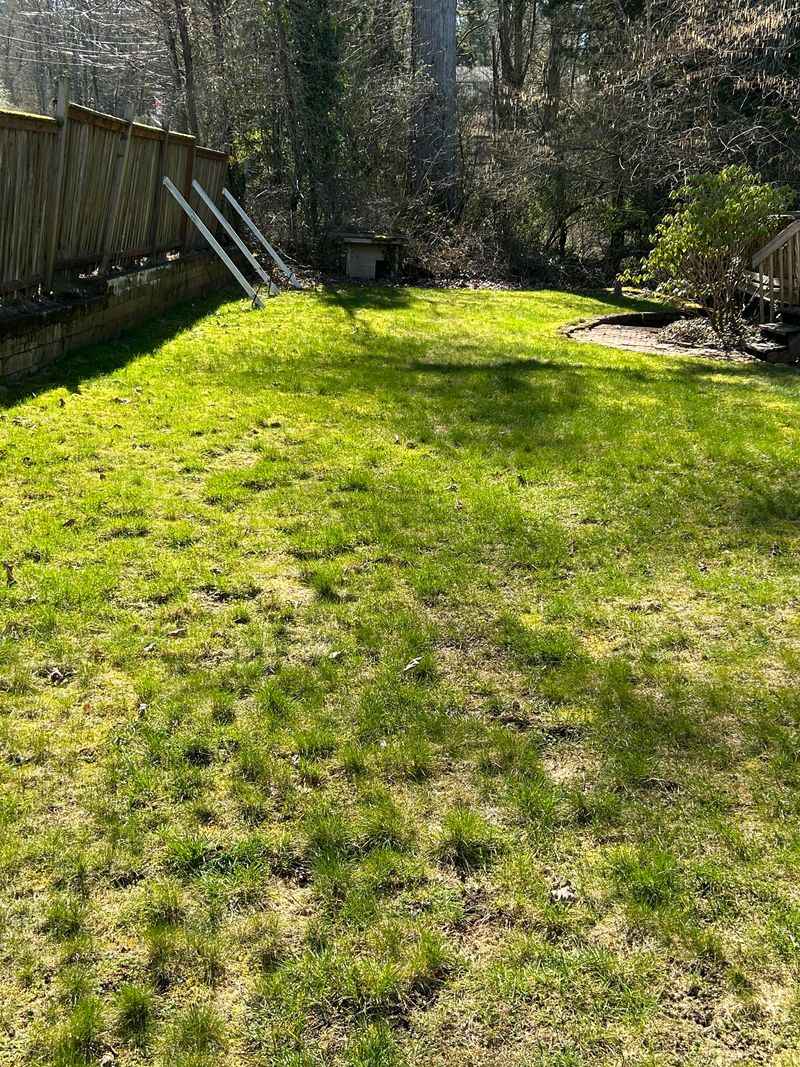
Oregon’s winters bring weeks of overcast skies, dripping trees, and soil that stays saturated for months.
That combination creates near-ideal conditions for moss, which thrives in cool, low-light environments where the ground never fully dries out between rain events.
Shaded areas under large conifers or along north-facing fences are especially vulnerable.
Grass, on the other hand, needs meaningful sunlight to photosynthesize and build the dense root system that helps it compete.
In spots that receive fewer than four hours of direct light daily, most standard turfgrass varieties simply cannot keep up.
They grow thin, their roots stay shallow, and they become easy to displace. Moss, which has no roots and draws moisture directly through its leaves, faces none of those limitations.
Improving light by selectively trimming lower branches can help in some yards, but it will not solve everything. If the shade is coming from a neighbor’s mature trees or a structure, you may have limited options.
Understanding that shade and consistent moisture are working together to favor moss helps you decide whether to fight those conditions or work with them more creatively.
3. In Some Oregon Yards, Moss Fits The Site Better Than Turf
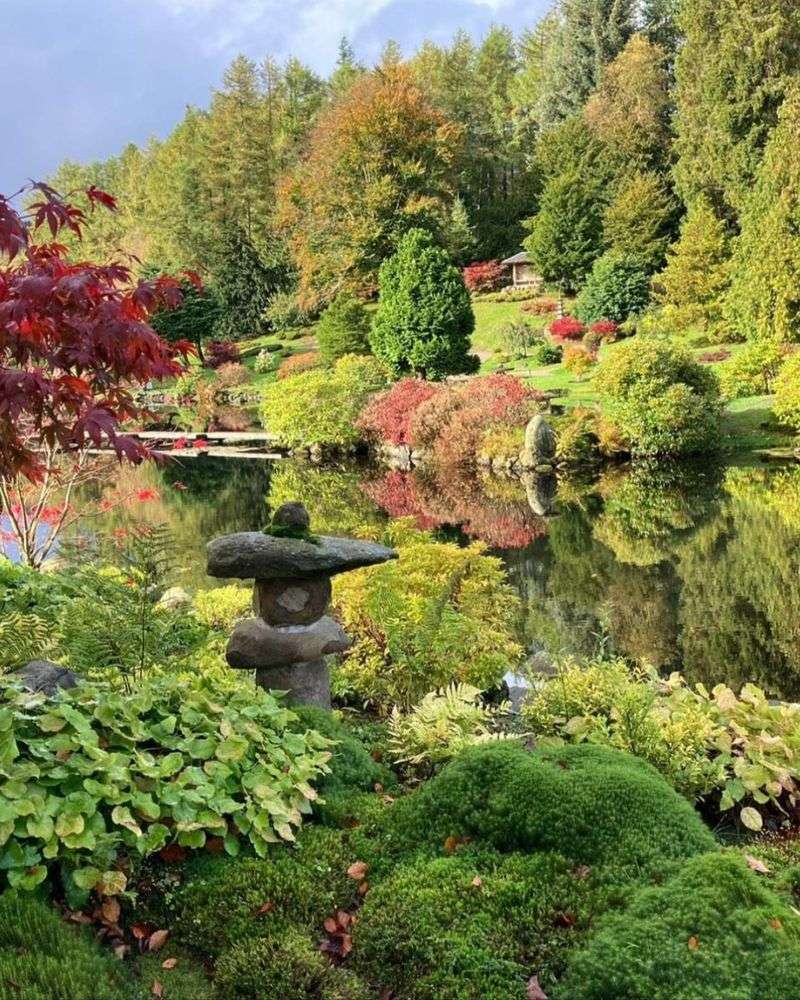
Not every Oregon yard needs to have a grass lawn. That might sound surprising, but some sites are genuinely better suited to moss or other low-growing groundcovers than to turfgrass.
Deeply shaded slopes, narrow side yards, and areas beneath established conifers are classic examples where grass has a hard time getting established and an even harder time staying healthy year after year.
Moss in these spots is not failing to be grass. It is simply doing what it does well in the conditions available.
Some Oregon homeowners have leaned into this and intentionally cultivated moss as a low-maintenance groundcover that stays green through the wet season, requires no mowing, and holds soil on slopes without needing fertilizer or irrigation during summer dry spells.
Native mosses common throughout western Oregon can create a soft, quiet aesthetic that actually suits Pacific Northwest landscapes quite naturally.
If you have spent several seasons fighting moss in the same shaded corner and the grass keeps thinning back out, it may be worth asking whether you are working against your site rather than with it.
Embracing moss where it fits can save time, water, and ongoing frustration.
4. A Mossy Lawn Can Point To Drainage Or Compaction Issues
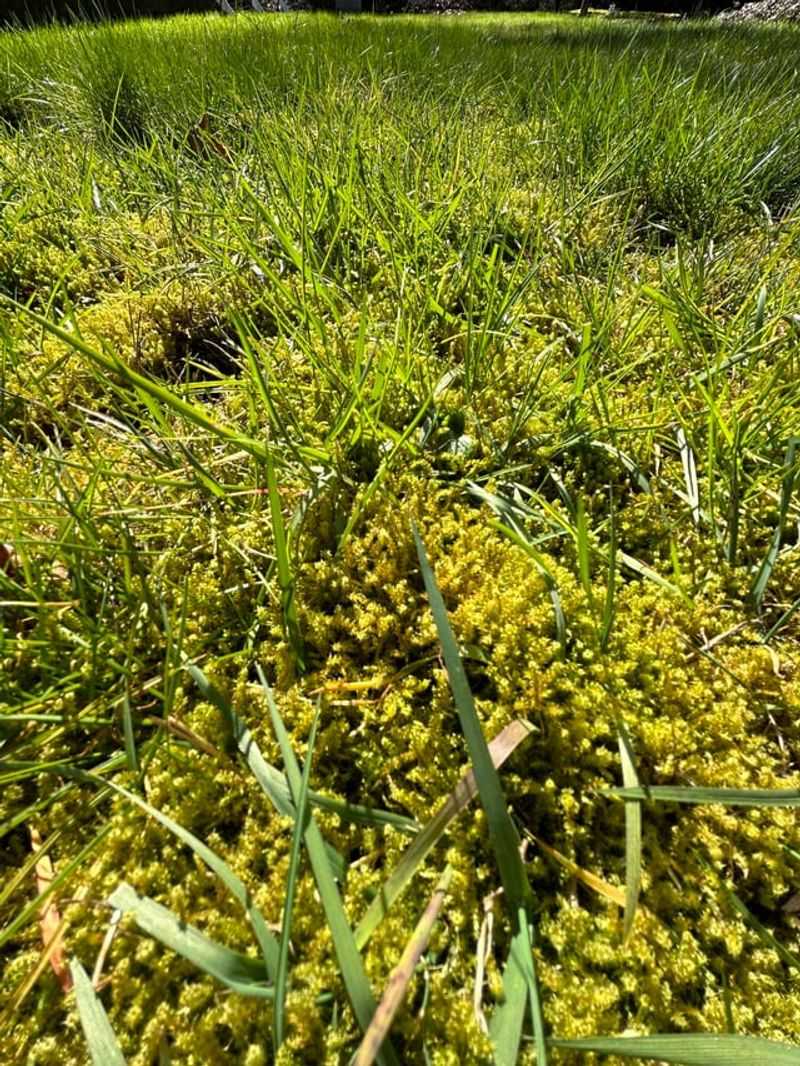
Soggy ground is one of the clearest invitations moss receives. When Oregon’s winter rains arrive and water has nowhere to go, soil stays saturated for extended periods.
Grass roots sitting in waterlogged soil have trouble accessing oxygen, and over time the turf weakens and opens up. Moss, which can absorb and hold moisture like a sponge without needing air around its roots, moves in comfortably.
Compaction makes this worse. Foot traffic, heavy clay soils, and years without aeration can pack soil so tightly that water pools on the surface rather than draining down.
Oregon’s Willamette Valley soils, in particular, tend toward heavier clay content that drains slowly.
A lawn that stays wet well into spring and shows persistent moss patches is often trying to tell you that water is not moving through the soil the way it should.
Core aeration in fall or early spring can open up compacted soil and improve drainage meaningfully. Adding organic matter over time also helps.
Addressing these issues will not remove existing moss overnight, but it does change the conditions that allowed moss to take hold. Grass given better drainage and looser soil has a much stronger chance of recovering.
5. Low Soil pH Can Make Moss More Likely To Spread
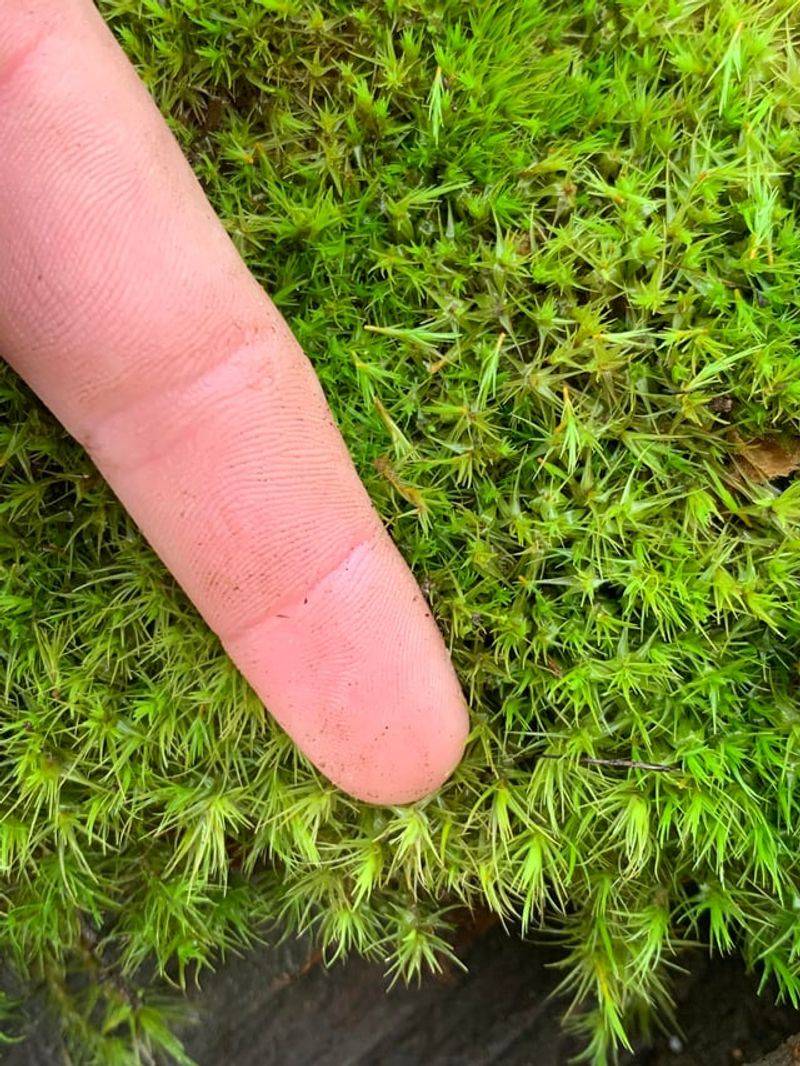
Oregon soils naturally tend to run on the acidic side, partly because of the region’s heavy rainfall, which leaches calcium and other base minerals out of the soil over time.
Most turfgrass varieties prefer a soil pH somewhere between 5.8 and 7.0, and when pH drops well below that range, grass has a harder time absorbing key nutrients even when they are present.
The result is weak, thin turf that competes poorly.
Moss, by contrast, tolerates a wide range of pH conditions and actually grows comfortably in more acidic soils.
So when Oregon lawns have not been limed regularly, the soil often drifts acidic enough to favor moss over grass without the homeowner realizing soil chemistry is part of the picture.
A basic soil test, available through many Oregon extension offices and garden centers, can tell you your current pH and whether lime is needed.
Applying agricultural lime according to test results raises pH gradually and creates a more favorable environment for grass over several seasons.
Lime alone will not erase moss, but correcting soil pH is one of the more straightforward steps toward making conditions less inviting for moss and more supportive of healthy turf.
6. Raking Moss Out Will Not Help Much If The Site Stays The Same
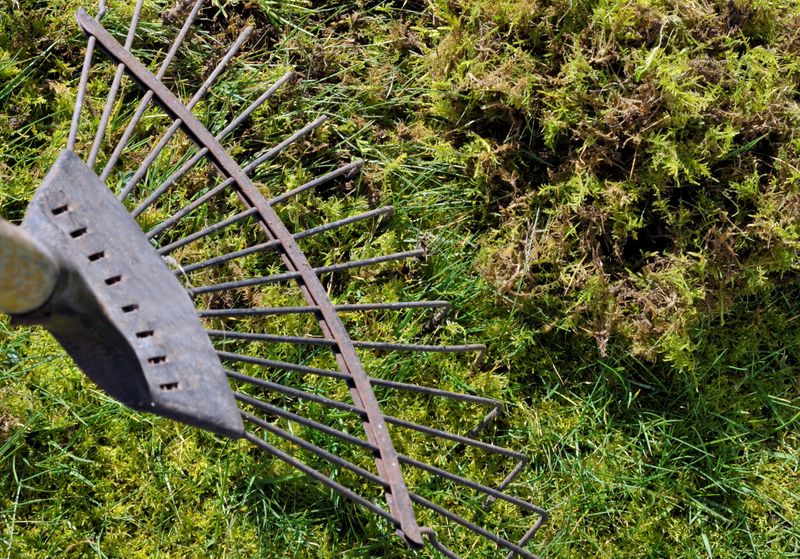
Raking moss out of a lawn on a dry spring day feels productive, and it does remove the visible layer.
But if the shade, the compaction, the poor drainage, or the acidic soil that encouraged moss in the first place have not changed, the same spots will green back up with moss before the following winter is over.
Physical removal is a short-term fix at best without the site work to back it up.
Moss does not anchor itself with roots the way grass does, so it comes out fairly easily with a stiff rake or dethatching tool. The problem is what gets left behind: bare, often compacted, acidic soil with low fertility and inadequate light.
That is exactly the kind of surface moss colonizes quickly. Without overseeding, improving drainage, adjusting pH, or addressing shade, you are essentially resetting the cycle.
If you do rake moss out, follow it up immediately with soil amendments, overseeding with a shade-tolerant grass mix appropriate for Oregon conditions, and any drainage or compaction work the area needs.
Raking paired with real site improvement gives the grass a fighting chance. Raking alone just clears the board for moss to return on its own schedule.
7. Deep Shade May Be A Sign To Rethink The Lawn Completely
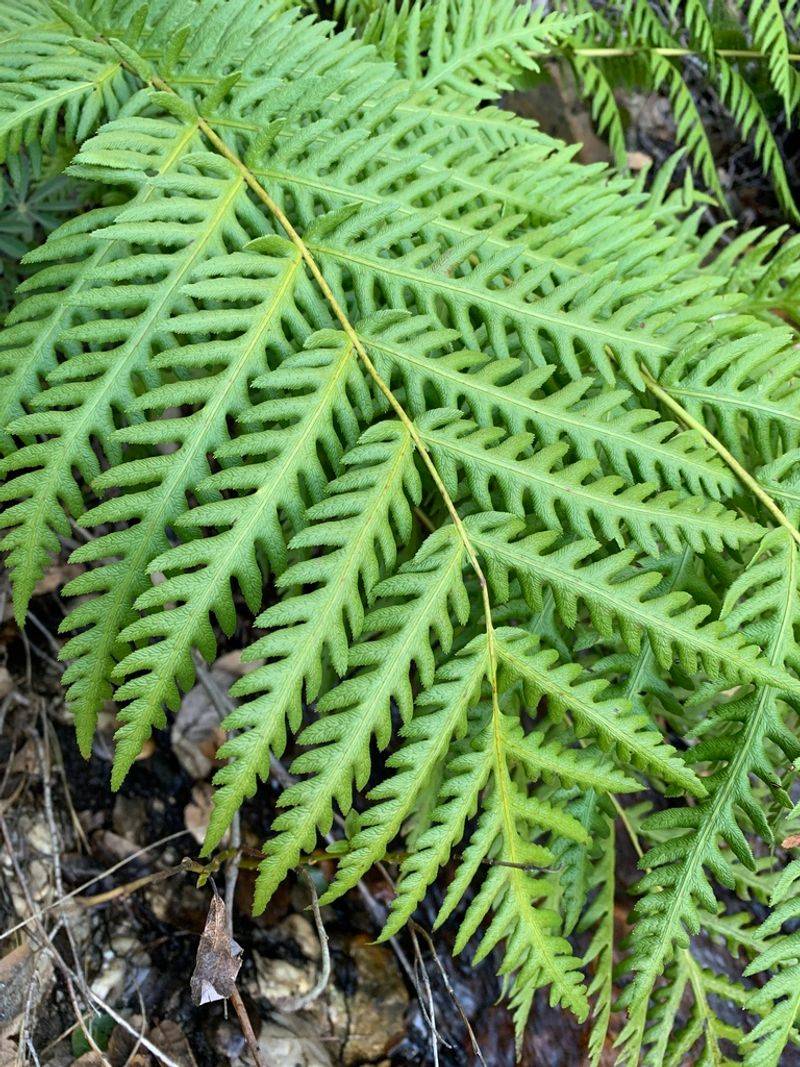
Some spots in Oregon yards receive so little sunlight that no turfgrass variety will thrive there long-term, no matter how much you fertilize, lime, or overseed.
If a section of your lawn sits under a dense canopy of Douglas firs or big-leaf maples and stays dark through most of the day, the honest answer is that grass may not be the right plant for that space.
Repeated attempts to grow lawn in deep shade often lead to frustrating cycles: seed germinates poorly, thin grass struggles through summer, and moss returns each fall. Each season costs time, money, and effort with little lasting improvement.
At some point it becomes worth stepping back and asking whether the lawn is the right goal for that particular area.
Alternatives that work well in shaded Oregon yards include native ferns, low-growing groundcovers like Oregon oxalis or sweet woodruff, mulched beds with shade-tolerant shrubs, or simply allowing moss to serve as the groundcover intentionally.
These options require far less ongoing maintenance than fighting a losing battle with turf.
Redesigning a deeply shaded area is not giving up. It is making a practical decision that works with the site rather than against it season after season.
8. Healthy Grass Usually Pushes Back When Conditions Improve
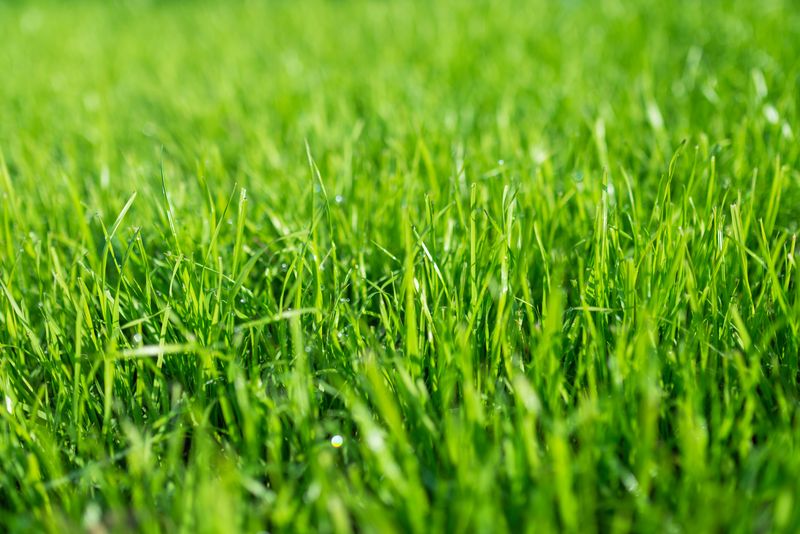
Here is something encouraging for Oregon homeowners who do want to reclaim their lawn: grass is fairly resilient when it gets the support it needs. Moss rarely takes over a genuinely healthy, dense lawn.
When turf is thick and well-rooted, it shades the soil surface itself and outcompetes low-growing plants like moss for moisture and nutrients. The challenge is getting the grass to that point in a challenging Oregon microclimate.
Improving conditions does not have to happen all at once.
Aerating compacted soil, applying lime to correct pH, adding a slow-release fertilizer in fall, and overseeding with a quality shade-tolerant blend appropriate for western Oregon are all steps that build on each other over one or two seasons.
Consistent fall fertilization is especially important in Oregon because it helps grass build root strength going into the wet, low-light winter months.
Progress takes patience. You may not see dramatic results after the first season, but with each improvement to drainage, fertility, and soil structure, the grass gets a better foothold.
Moss tends to retreat naturally as turf thickens and the soil conditions that favored it begin to change. The goal is shifting the balance rather than expecting an overnight transformation.
9. Sometimes Moss Is A Warning, And Sometimes It Is The Better Choice
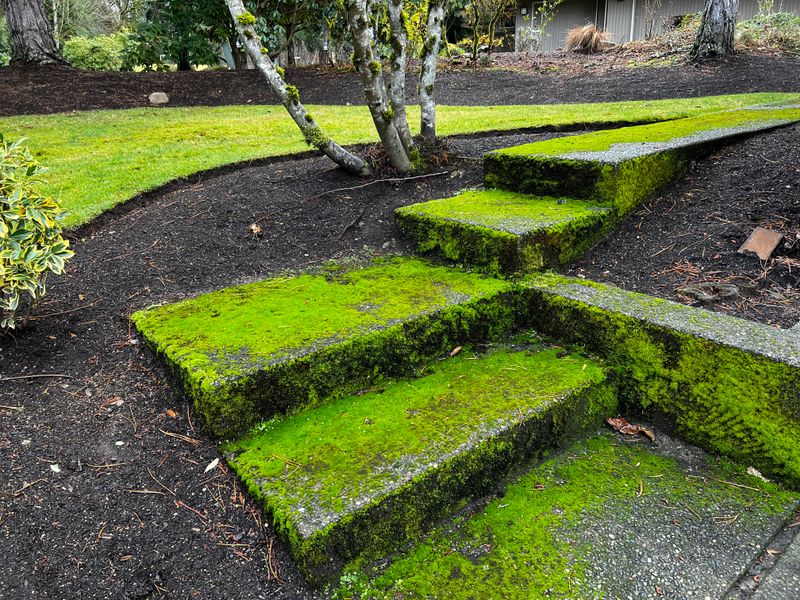
Moss in an Oregon yard sends two very different messages depending on where it shows up and why. In a lawn that used to be healthy and is now showing patches of moss alongside thinning grass, it is worth reading that as a signal.
Something has changed or deteriorated, whether that is soil compaction, a drainage problem, increasing shade from maturing trees, or fertility that has been neglected for a few seasons.
In those cases, moss is pointing at a fixable problem. Addressing the underlying cause gives the grass a real opportunity to recover, and that effort is usually worthwhile if you genuinely want a functional lawn in that space.
But in areas where the site has always been challenging, where shade is deep and drainage is naturally poor, moss may simply be the plant that belongs there.
Oregon’s landscapes include plenty of both situations. The most practical approach is to read your yard honestly rather than defaulting to the same response everywhere.
Fight for the lawn where the conditions are correctable and the effort makes sense. In the corners where grass has never really worked, consider whether moss or another low-maintenance alternative might serve the space better in the long run.
Both answers can be right, depending on the spot.