Why Oregon Soil Is Often Low In Calcium And How To Fix It Naturally
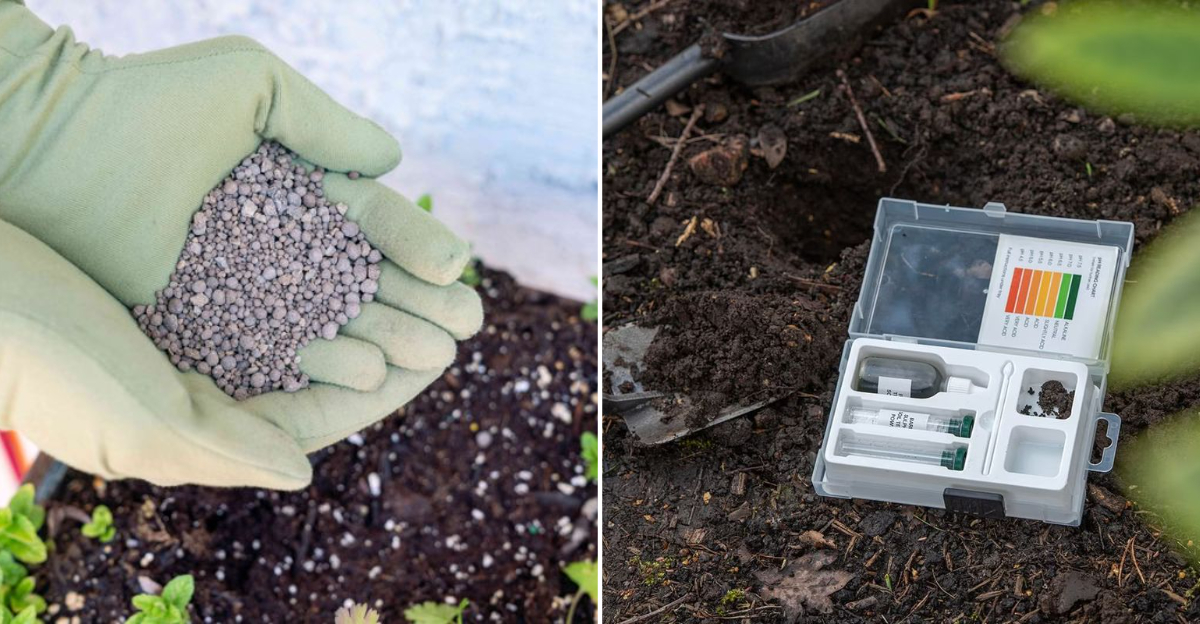
Oregon gardeners often hear about nitrogen, compost, and soil drainage, but calcium rarely gets the spotlight. That’s surprising, because this quiet nutrient plays a huge role in plant health.
Calcium helps build strong cell walls, supports root development, and keeps many common garden problems in check.
When soil runs low, plants can struggle with weak growth, poor fruit quality, and frustrating issues like blossom end rot. In many parts of Oregon, low calcium levels are more common than people realize.
Heavy winter rain slowly washes nutrients deeper into the soil, while naturally acidic soil conditions can make calcium harder for plants to access. Over time, even well cared for garden beds can start to run short.
The good news is that fixing calcium levels doesn’t require harsh chemicals or complicated treatments.
A few simple, natural soil amendments can restore balance, improve plant health, and help your garden grow stronger throughout the season.
Understanding Oregon’s Soil Profile
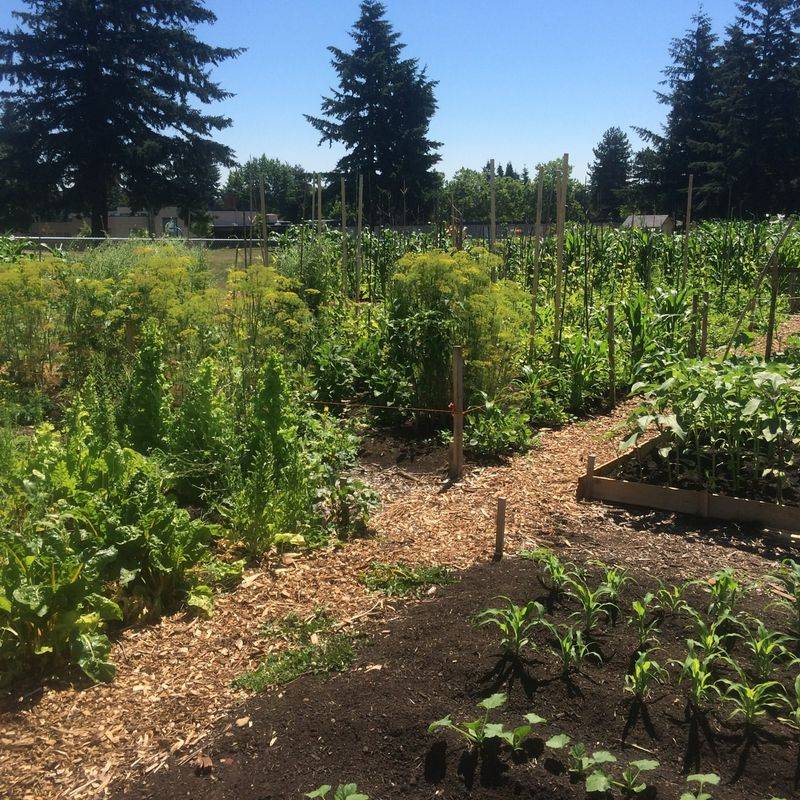
Oregon’s soil has a fascinating story to tell, and most of it starts with rain. The western side of the state gets a lot of precipitation, especially during fall and winter.
All that rainfall gradually washes calcium out of the topsoil in a process called leaching. Over many years, this leaves the soil with much less calcium than plants actually need.
In certain regions like the Siskiyou Mountains, the soil is naturally derived from serpentine rock. Serpentine soils are high in magnesium but very low in calcium.
This creates an imbalance that makes it hard for plants to absorb the calcium that is available. Even if some calcium is present, the excess magnesium blocks its uptake.
Oregon’s forests have also shaped the soil’s chemistry over centuries. Decomposing pine needles and other organic matter tend to make soil more acidic.
Acidic soil holds onto calcium less effectively, so it slips away before plant roots can grab it. Knowing what kind of soil you are working with in your part of Oregon is the very first step toward making real, lasting improvements in your garden.
Signs Your Garden Needs Calcium
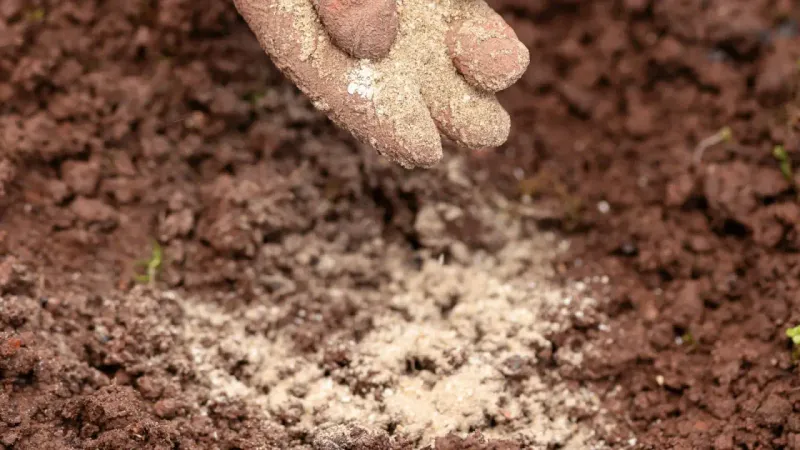
Your garden often tells you exactly what it needs, if you know how to listen. One of the most common signs of low calcium in Oregon gardens is blossom end rot.
You might notice a dark, sunken spot forming on the bottom of tomatoes, peppers, or squash. That ugly patch is not caused by a bug or a disease.
It is your plant’s way of saying it ran out of calcium before it could finish building its fruit.
Leaf problems are another big clue. New leaves may look curled, distorted, or unusually small.
The tips might turn brown even when the plant is getting enough water. Calcium is responsible for building strong cell walls, so without it, the newest growth tends to suffer first.
Older leaves usually look fine, which is a helpful way to tell calcium deficiency apart from other nutrient problems.
Root development also suffers when calcium is low. Plants may seem slow to establish or appear stunted compared to others growing nearby.
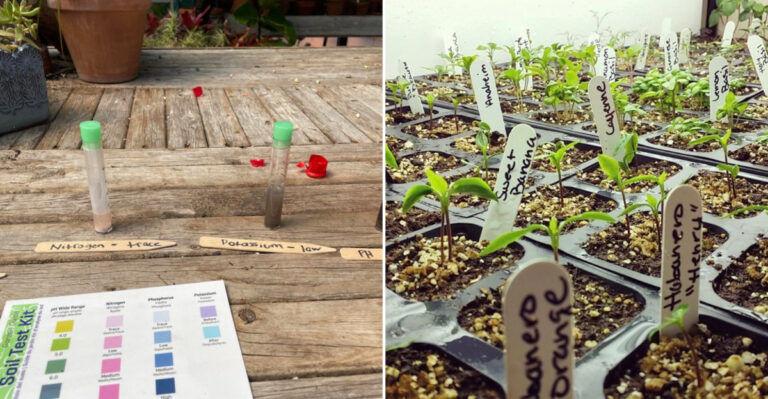
If your Oregon garden keeps producing weak plants despite regular watering and fertilizing, it is a good idea to test your soil. A simple soil test can confirm whether calcium is truly the missing piece.
Common Crops Affected By Low Calcium
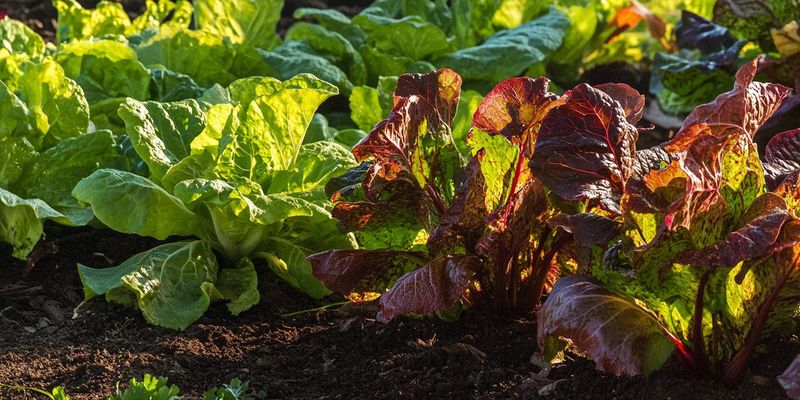
Not every plant reacts the same way to low calcium, but some crops are especially sensitive. Tomatoes are probably the most well-known example in Oregon home gardens.
Blossom end rot shows up frequently in tomato patches where calcium is lacking. Even with consistent watering and good compost, tomatoes can struggle if the calcium level in the soil is off.
Brassicas like broccoli, cabbage, and kale are also calcium-hungry crops. Oregon’s cool, wet climate makes these vegetables popular choices for local gardeners.
But that same wet climate contributes to calcium leaching, which means brassicas often grow in soil that is already short on what they need most. You may notice brown edges on inner leaves or a condition called tipburn, where leaf tips turn brown and papery.
Apples, pears, and other fruit trees grown across Oregon’s farming regions also depend heavily on calcium for firm, healthy fruit. Low calcium in orchard soils can lead to a problem called bitter pit, where small brown spots appear inside the apple.
Lettuce and spinach can develop similar tipburn issues as well. Knowing which crops are most vulnerable helps you prioritize where to add calcium first in your Oregon garden.
The Role Of pH In Calcium Availability
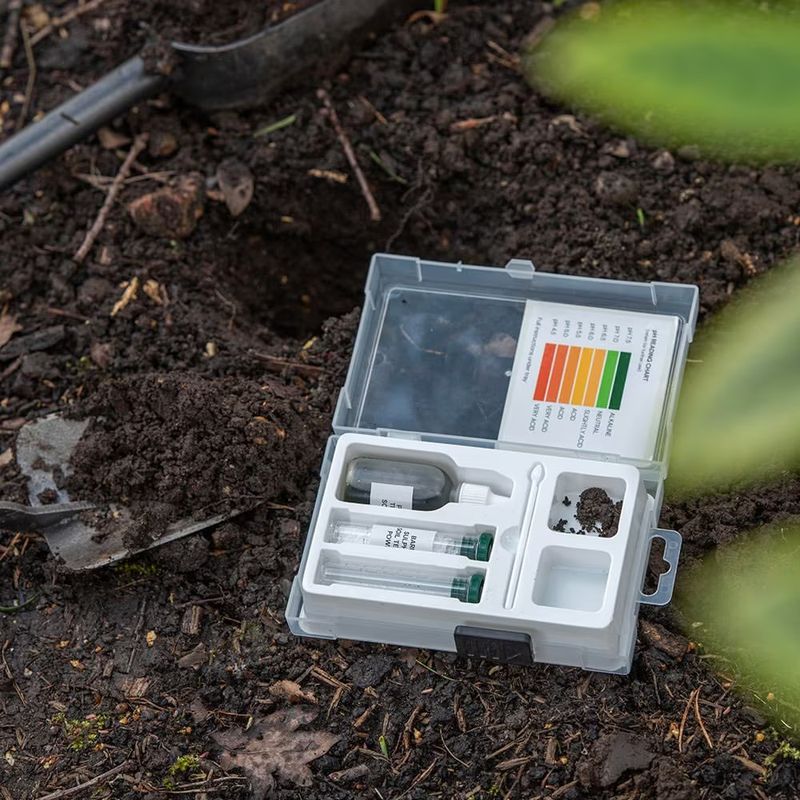
Soil pH might sound like a science class topic, but it has a very real effect on what your plants can actually absorb. pH is measured on a scale from 0 to 14. A pH of 7 is neutral.
Below 7 is acidic, and above 7 is alkaline. Most Oregon soils, especially in western parts of the state, lean toward the acidic side.
When soil pH drops below 5.5, calcium becomes much harder for plant roots to absorb, even if it is physically present in the ground.
Think of it like this: calcium is sitting right there in the soil, but the acidic conditions lock the door so roots cannot get in. Raising the pH even a little, say from 5.2 to 6.2, can make a dramatic difference in how much calcium your plants can access.
Most vegetables and fruits prefer a pH between 6.0 and 7.0, which is the sweet spot for calcium availability.
Oregon State University Extension recommends regular soil testing to track your pH over time. You can pick up a simple test kit at a garden center or send a sample to a lab for more detailed results.
Once you know your pH, you can choose the right natural amendment to bring it into the ideal range for your crops.
Natural Calcium Sources For Gardens
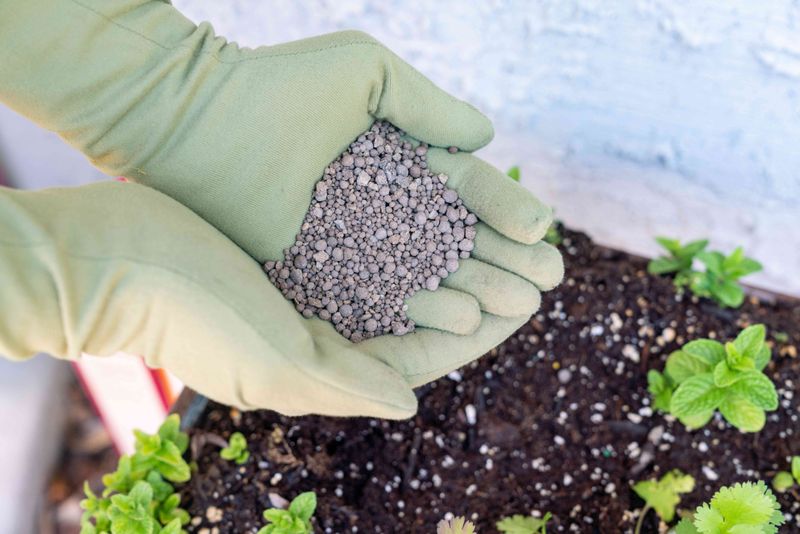
Nature has quietly stocked the pantry with calcium-rich materials that work beautifully in Oregon gardens. Bone meal is one of the most popular organic options.
Made from ground animal bones, it releases calcium and phosphorus slowly into the soil as it breaks down. It is especially helpful for root crops and fruit trees that need a steady, long-term supply of calcium rather than a quick burst.
Wood ash from a fireplace or wood stove is another useful amendment. It contains calcium carbonate, the same compound found in agricultural lime.
Wood ash works quickly and can raise soil pH at the same time. However, because Oregon soils can vary quite a bit, it is smart to test your pH first before adding ash.
Too much can push the pH too high, which creates a different set of problems.
Gypsum, also known as calcium sulfate, is a great choice when your soil already has a decent pH but still tests low on calcium. Unlike lime, gypsum does not change pH, so it gives you calcium without tipping the balance.
Compost is another underrated source. Good quality compost adds a slow, steady trickle of calcium along with many other beneficial nutrients that support overall soil health in Oregon gardens.
Using Crushed Eggshells Effectively
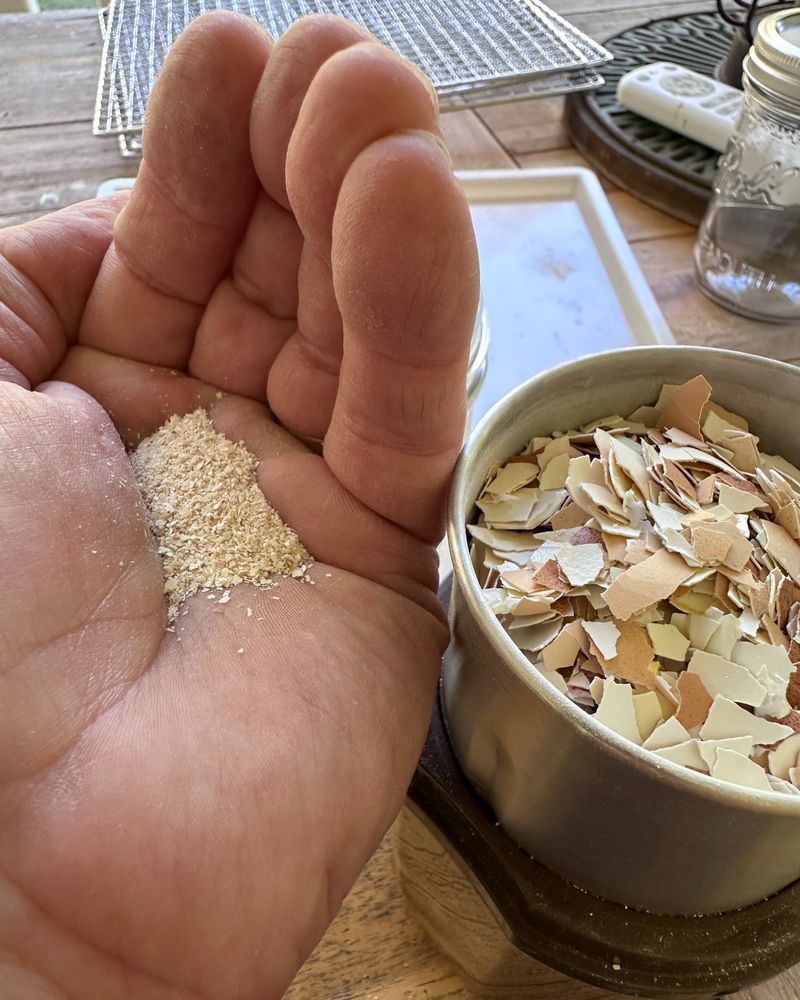
Eggshells are one of those brilliant, zero-cost solutions hiding right in your kitchen. Each shell is made mostly of calcium carbonate, which is the same mineral found in agricultural lime.
Saving and crushing your eggshells is a simple habit that can make a real difference in Oregon garden soil over time. It takes very little effort, and you are recycling something that would otherwise end up in the trash.
The key to getting results from eggshells is preparation. Rinse them out first to avoid attracting pests.
Then let them dry completely before crushing. The finer you crush them, the faster they break down in the soil.
Whole or chunky shells can take years to decompose and will not deliver calcium quickly enough to help struggling plants. A blender or a rolling pin works well for getting them to a fine, powdery consistency.
Sprinkle the crushed shells directly into your planting holes or mix them into your compost pile. Eggshells work best as a long-term soil builder rather than a quick fix.
For faster results in Oregon gardens where calcium is urgently needed, pair eggshells with a faster-acting amendment like lime or gypsum. Together, they cover both the short-term and long-term calcium needs of your plants beautifully.
Applying Agricultural Lime Safely
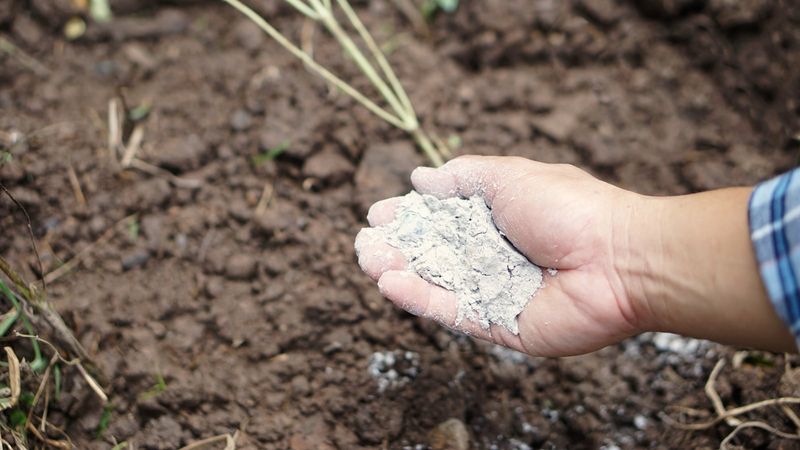
Agricultural lime has been helping farmers and gardeners fix acidic, calcium-poor soil for hundreds of years. It is made from ground limestone, which is mostly calcium carbonate.
When you spread it across your garden and work it into the soil, it does two important things at once: it raises the soil pH and adds calcium. For Oregon gardeners dealing with both acidic soil and low calcium, lime is one of the most efficient natural solutions available.
Applying lime safely starts with a soil test. Without knowing your current pH, you risk adding too much and pushing your soil into an alkaline range where other nutrients become unavailable.
Most vegetable gardens in Oregon benefit from a pH between 6.0 and 6.8. If your test shows a pH of 5.5 or lower, lime is a strong candidate for correction.
Follow the application rates on the product label, and always start with less than you think you need.
Fall is actually the best time to apply lime in Oregon. The winter rains help work it into the soil before spring planting season begins.
Wear gloves and a dust mask when spreading it, since the fine powder can irritate your skin and lungs. With proper timing and careful application, agricultural lime can transform a struggling Oregon garden into a productive, calcium-rich growing space.
Maintaining Long-Term Soil Health
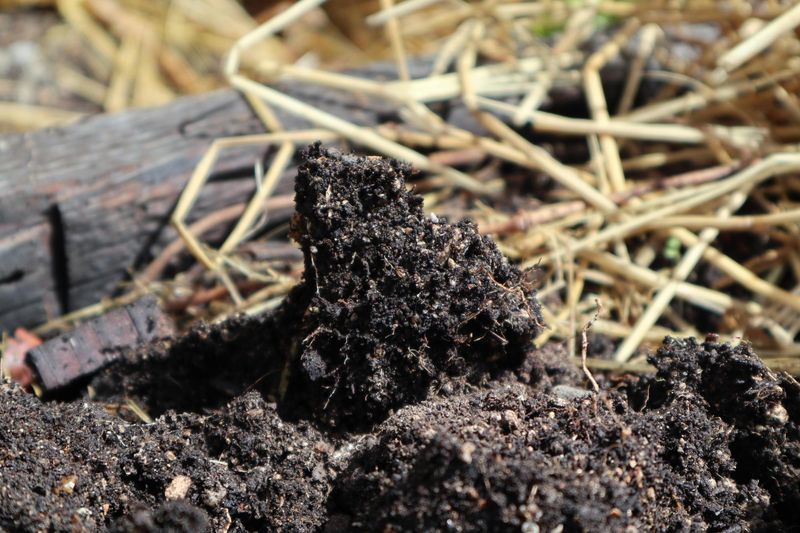
Fixing calcium in your Oregon garden is not a one-time job. Soil health is an ongoing relationship between you, your plants, and the living ecosystem beneath your feet.
The heavy rainfall that makes Oregon so green also keeps washing nutrients away season after season. Building habits that replenish the soil regularly is the smartest long-term strategy you can adopt.
Adding compost every year is one of the best things you can do. Compost improves soil structure, feeds beneficial microbes, and slowly releases calcium and other nutrients.
Cover crops like clover are another powerful tool. Clover’s deep roots pull nutrients from lower soil layers and bring them closer to the surface.
When you turn the cover crop under in spring, all those nutrients get released into the growing zone where your vegetables can reach them.
Rotating your crops each season also helps prevent calcium from being depleted in one spot. Heavy feeders like tomatoes and brassicas should not grow in the same bed year after year.
Mulching with straw or wood chips slows down nutrient leaching by reducing how fast rainwater moves through the soil.
Pair these practices with regular soil testing every two to three years, and your Oregon garden will keep getting stronger, healthier, and more productive with every passing season.