Why Oregon Weeds Keep Coming Back After You Remove Them
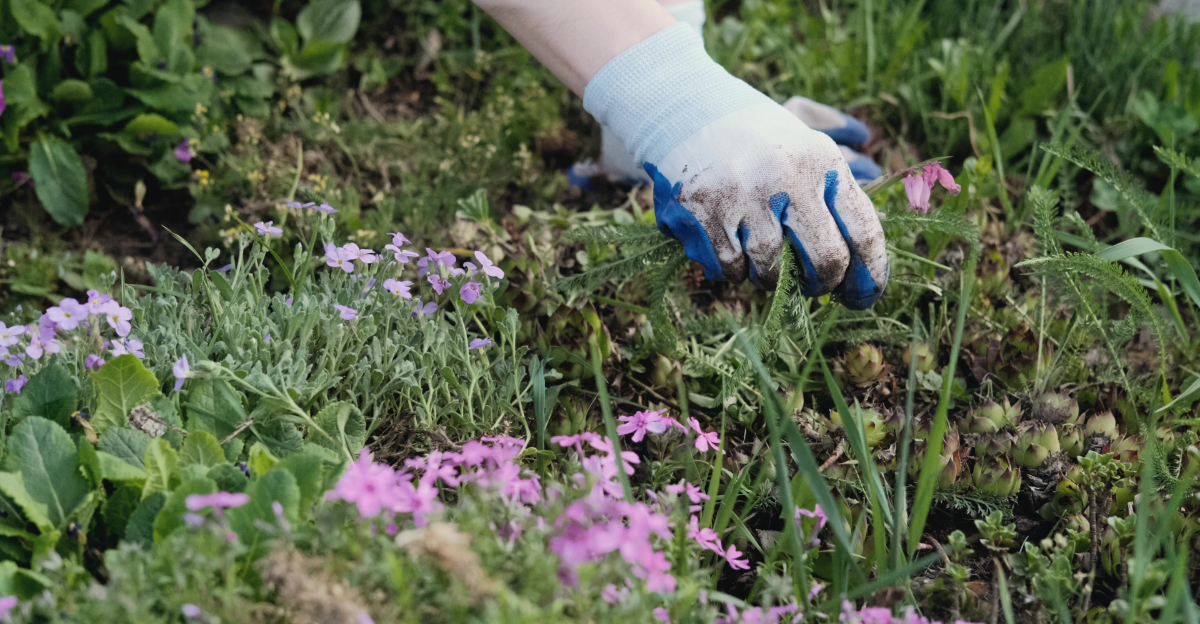
You pull a weed. Victory, right? The root is out, the garden looks clean, and you walk away feeling like a yard-taming champion. Then a week later… boom.
The same weed pops back up like it never left. Rude. If you garden in Oregon, this probably feels very familiar. One minute you are enjoying your yard, the next minute dandelions, crabgrass, or some mystery plant are staging a full comeback tour.
Seriously, do these things have nine lives? The truth is Oregon’s climate is basically a five-star resort for weeds.
Mild winters, plenty of rain, and rich soil make it incredibly easy for them to bounce back after you think you removed them. Some even spread underground or drop seeds you never notice.
So if you have ever stared at a freshly pulled weed and thought, “Please stay gone this time,” you are definitely not alone. Let’s talk about why these stubborn plants keep returning.
1. Why Weeds Keep Returning
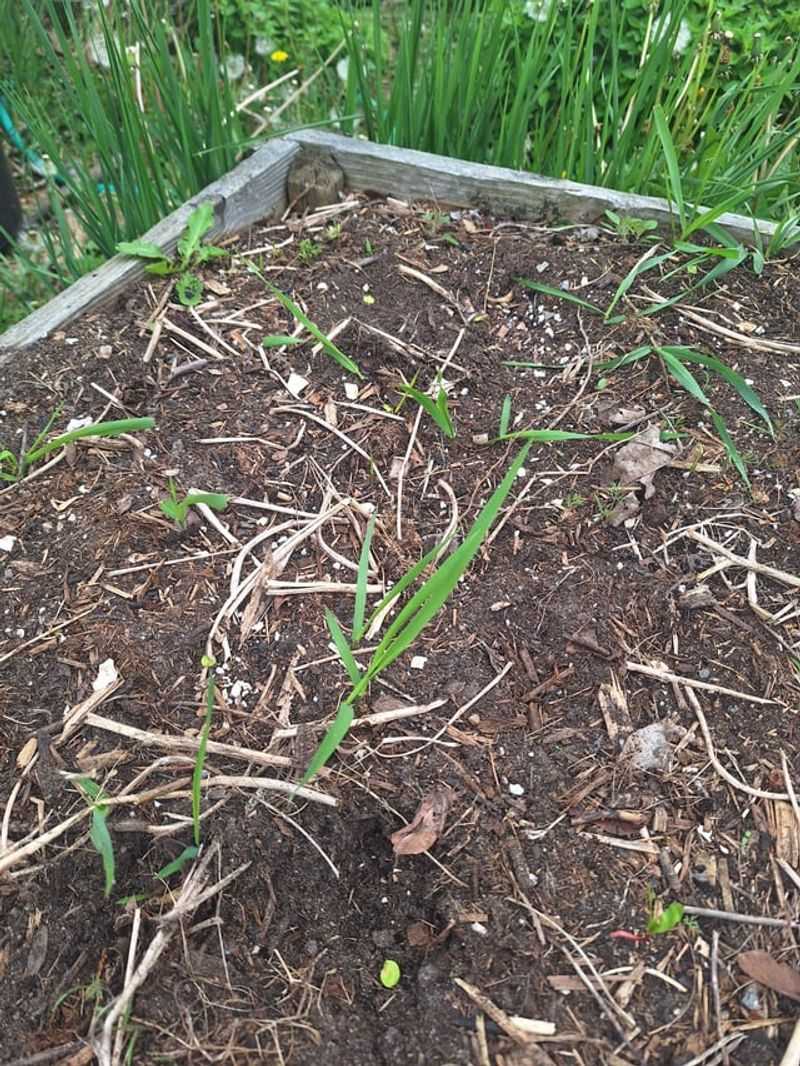
Weeds in Oregon seem like they have a superpower. No matter how many times you pull them out, they show up again like nothing happened.
So what’s really going on?
The truth is, most weeds are incredibly tough survivors. They’ve adapted over thousands of years to grow fast, spread seeds quickly, and bounce back from almost anything.
Oregon’s climate makes this even worse. The rainy season keeps the soil moist, which is exactly what weed seeds need to sprout.
Weeds also have deep or spreading root systems that are hard to fully remove. Even a tiny piece of root left in the ground can grow into a whole new plant.
That’s not a coincidence. It’s survival.
On top of that, Oregon’s soil is often full of dormant weed seeds just waiting for the right moment. Every time you dig or disturb the soil, you bring those seeds closer to the surface where sunlight can wake them up.
Knowing these reasons helps you fight back smarter. Instead of just pulling weeds over and over, you can take steps that actually prevent them from coming back in the first place.
2. Roots Left In The Soil
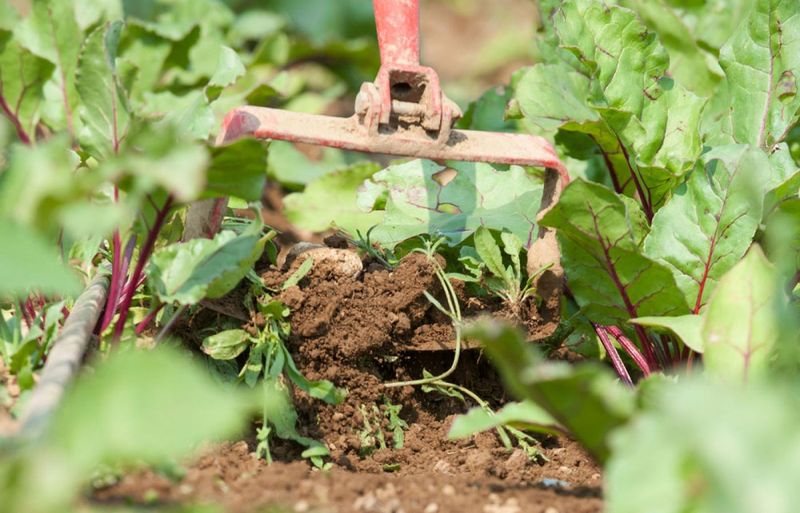
One of the biggest reasons weeds return is that their roots never fully left. Pulling the top of a weed off might look like a win, but underground, the root is still very much alive.
Plants like bindweed, dandelion, and thistle have roots that go several inches or even feet deep into the soil.
Oregon’s soft, moist soil can actually make this worse. The ground is easy to dig in, but roots often break apart when you pull them.
Each broken piece left behind has the energy to grow a brand-new plant. That’s why some weeds seem to multiply after you try to remove them.
The best approach is to use a weeding tool that gets under the root instead of just grabbing the top. A narrow hand trowel or a dandelion digger works great for getting the whole root out in one piece.
After a good rain is actually the best time to weed in Oregon, because the soil is loose enough to let the root slide out cleanly.
Always check the hole you leave behind. If you see any root pieces still in the ground, dig them out too.
Taking a few extra seconds now saves you a lot of work later.
3. Hidden Weed Seeds
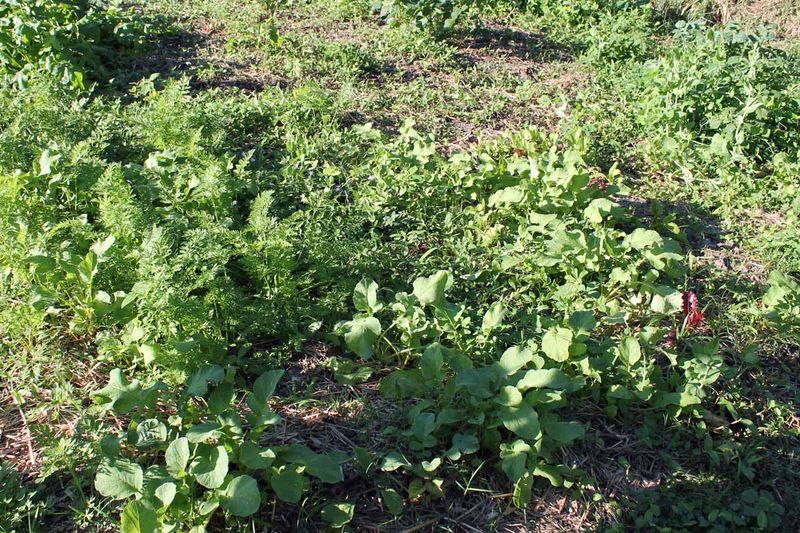
Your garden soil is hiding a secret. Buried just beneath the surface are thousands of weed seeds waiting for their chance to grow.
Scientists call this the soil seed bank. In Oregon, where the soil stays moist and rich, this seed bank can be enormous.
Some weed seeds can stay dormant in the soil for decades. That means even if you’ve never seen a certain weed in your yard before, the seeds for it might already be there.
All they need is a little light and moisture to wake up and start growing.
Every time you dig, till, or even walk on your garden, you stir the soil and bring buried seeds closer to the surface. Once they’re near the top, sunlight does the rest.
This is one reason why tilling your garden every year can actually make your weed problem worse over time.
To reduce this effect, try not to disturb the soil more than necessary. When you do need to dig, try to move the soil as little as possible.
Covering bare soil with mulch or ground cover plants also blocks the light that seeds need to sprout. Keeping the soil covered is one of the most effective long-term strategies for Oregon gardeners.
4. Spring Rain Boosts Weeds
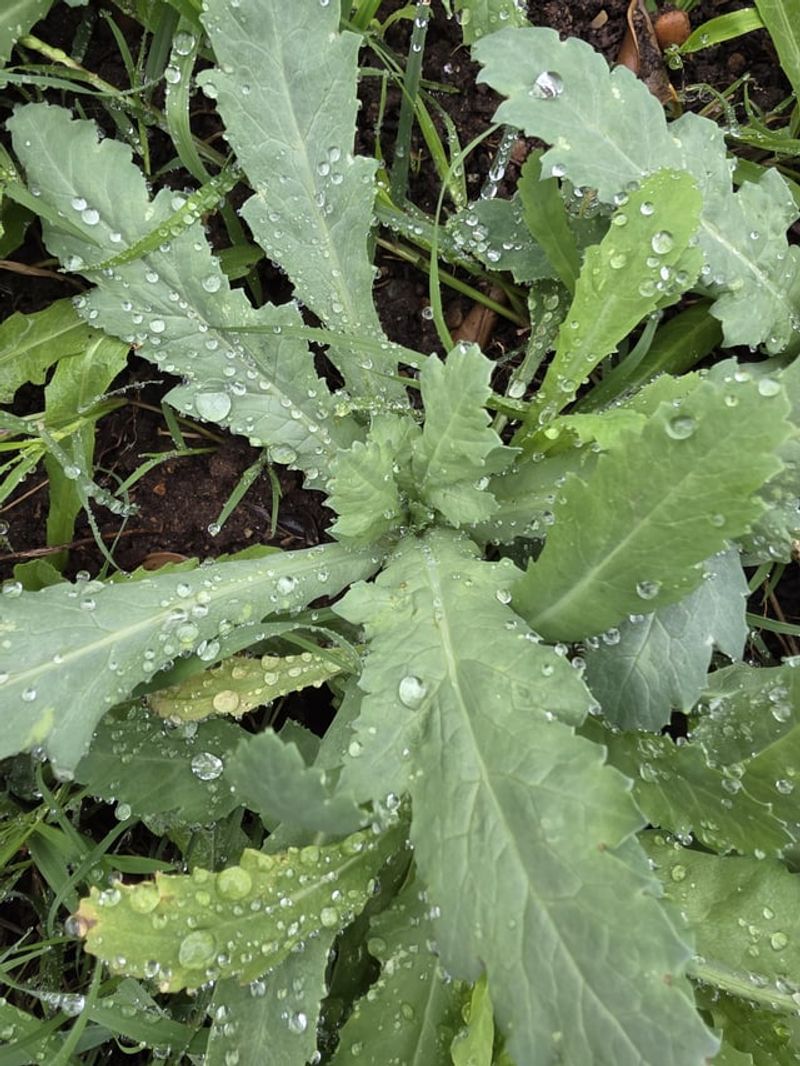
Spring in Oregon is beautiful, but it’s also prime time for weeds. The combination of warming temperatures and heavy rainfall creates conditions that weeds absolutely love.
Many common Oregon weeds, like chickweed and hairy bittercress, are perfectly designed to take advantage of exactly this kind of weather.
Rain softens the soil and delivers moisture directly to seeds sitting near the surface. Warmer days give those seeds the signal to start growing.
Before you know it, a garden that looked clean just a week ago is covered in tiny green sprouts.
What makes spring especially tricky is that weeds often grow faster than the plants you actually want. They grab nutrients, water, and sunlight before your flowers or vegetables even have a chance.
This gives weeds a serious head start that can be hard to overcome later in the season.
The best strategy is to get outside early. Start checking your garden as soon as the weather warms up in late winter or early spring.
Catching weeds when they’re still tiny is much easier than dealing with them after they’ve grown large and started producing seeds. A quick weekly walk through your Oregon garden in March and April can save you hours of work by summer.
Early action really does make a huge difference.
5. Disturbed Soil Problems
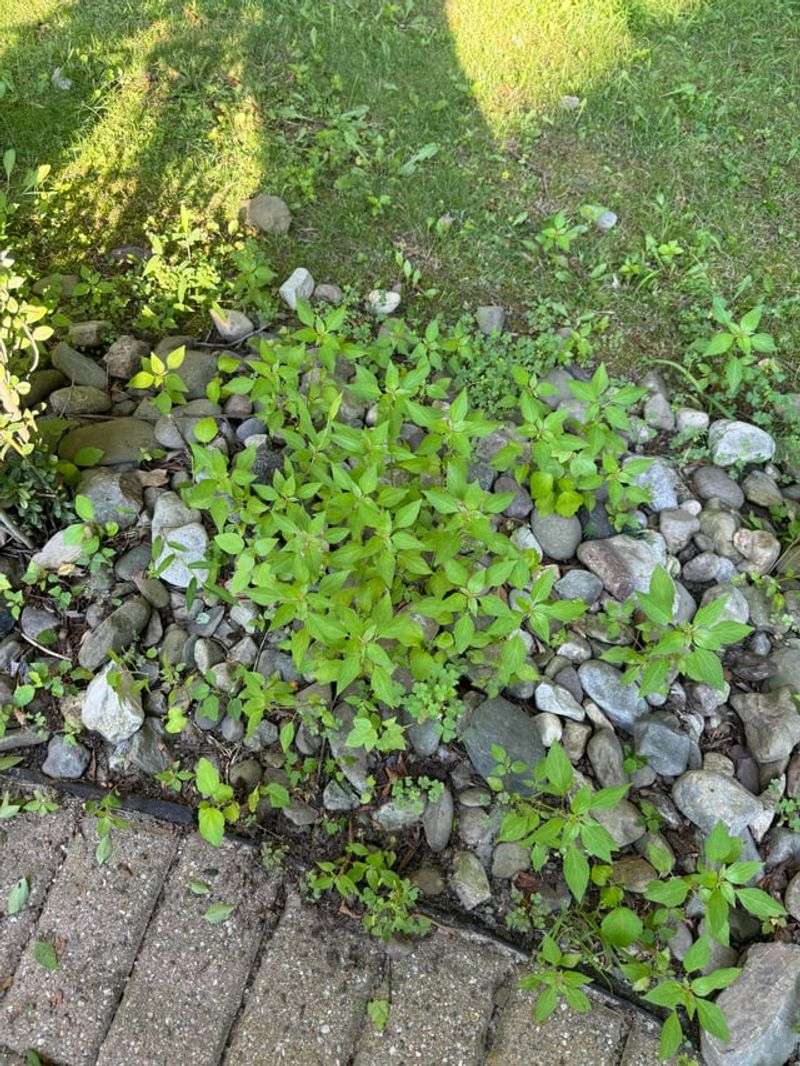
Every time you dig in your garden, you’re doing more than just moving dirt. You’re also stirring up the weed seeds that have been sitting quietly underground.
Disturbed soil is basically an open invitation for weeds to grow. This is one of the most overlooked reasons why Oregon gardeners keep seeing weeds return after removal.
Tilling, digging planting holes, or even raking can all bring buried seeds up to where they can get sunlight. Once those seeds are exposed, they sprout quickly.
The more you disturb the soil, the more opportunities you create for new weeds to take hold.
Compacted soil is another issue. When soil gets packed down from foot traffic or heavy rain, it becomes harder for your garden plants to grow but easier for tough weeds.
Many weeds have strong, aggressive roots that push through compact soil with ease.
One helpful approach is called the no-dig or low-till method. Instead of turning the soil every season, you add compost or mulch on top and let it work its way down naturally.
This keeps weed seeds buried where they can’t get light. Oregon gardeners who switch to low-till methods often notice a big drop in the number of weeds they deal with each year.
Fewer disturbances mean fewer weeds.
6. Pulling Weeds Too Late
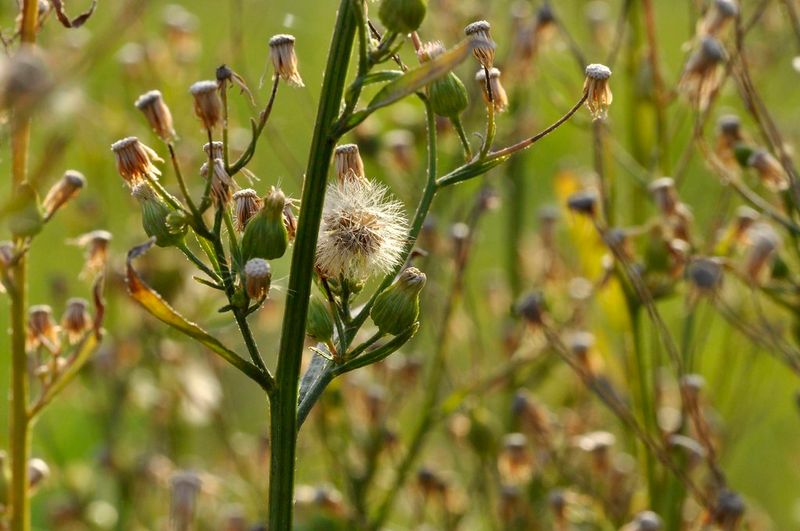
Timing matters more than most people realize when it comes to weeding. Pulling weeds after they’ve already gone to seed is one of the most common mistakes Oregon gardeners make.
By the time a weed looks big and obvious, it may have already dropped hundreds of seeds into your soil.
Most weeds move through their life cycle surprisingly fast. A tiny seedling can grow, flower, and produce seeds in just a few weeks during Oregon’s warm spring and summer months.
If you wait until the weed is fully grown before removing it, you’ve likely already lost the battle for that season.
Even worse, pulling a mature weed can actually scatter its seeds. When you grab a weed that’s already flowered and shake it loose from the ground, those seeds go flying in every direction.
Now instead of one weed, you might have dozens of new ones sprouting nearby within weeks.
The golden rule of weeding is simple: pull them young. Make it a habit to walk through your Oregon garden every week and remove any weeds you see while they’re still small.
Young weeds come out easily, haven’t seeded yet, and take only a second to remove. Staying consistent with early removal is far more effective than doing a big cleanup once a month.
7. Mulch Helps Stop Weeds
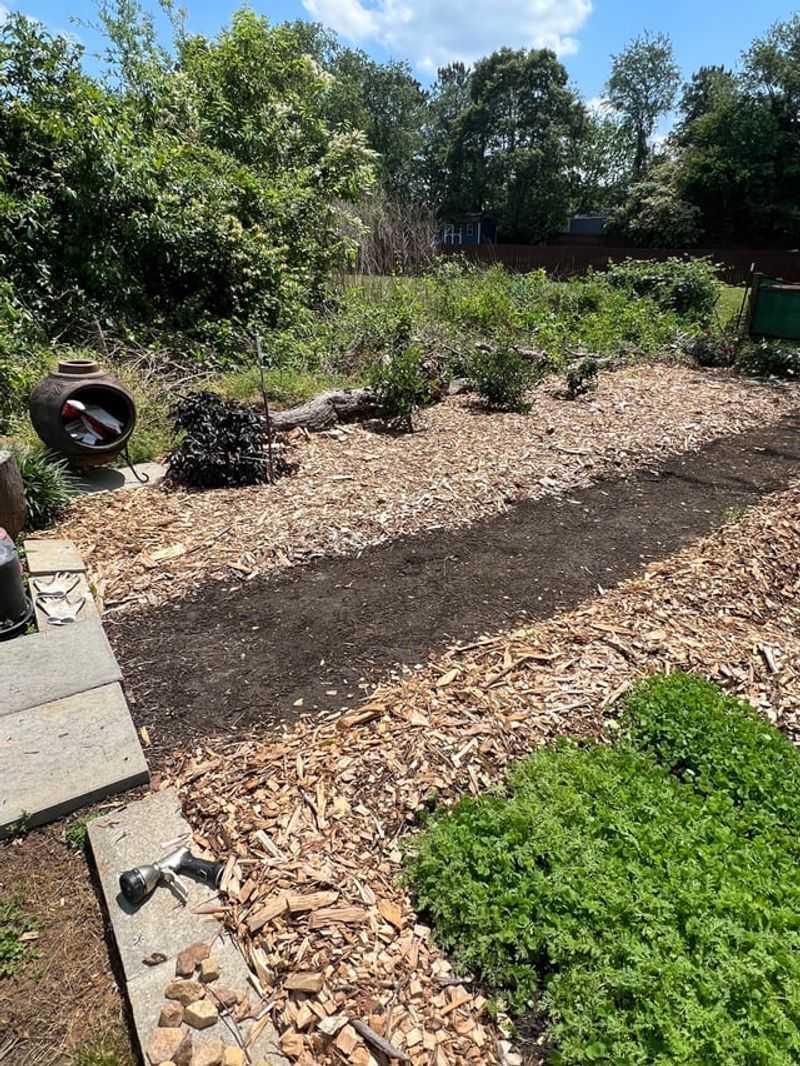
Mulch might be the most underrated tool in an Oregon gardener’s toolkit. A thick layer of mulch on top of your soil blocks sunlight from reaching weed seeds, which stops them from sprouting in the first place.
It’s a simple strategy, but it works incredibly well.
Wood chips, straw, bark, and shredded leaves are all popular mulch options in Oregon. Aim for a layer that’s at least two to three inches thick.
Anything thinner and determined weeds can still push through. A good layer of mulch also holds moisture in the soil, which helps your garden plants grow stronger.
One thing to watch for is mulch that contains weed seeds itself. Some straw or compost products can introduce new weeds if they weren’t processed properly.
Always buy mulch from a trusted source, and check that it’s weed-free before spreading it across your garden beds.
Mulch also breaks down over time and adds organic matter back into the soil, which is a bonus for Oregon’s already productive growing environment. Refresh your mulch layer each spring to keep it effective.
Pairing mulch with regular weeding creates a powerful one-two punch that can dramatically cut down the number of weeds you deal with throughout the growing season. It’s one of the best long-term investments you can make in your garden.
8. Keeping Weeds From Returning
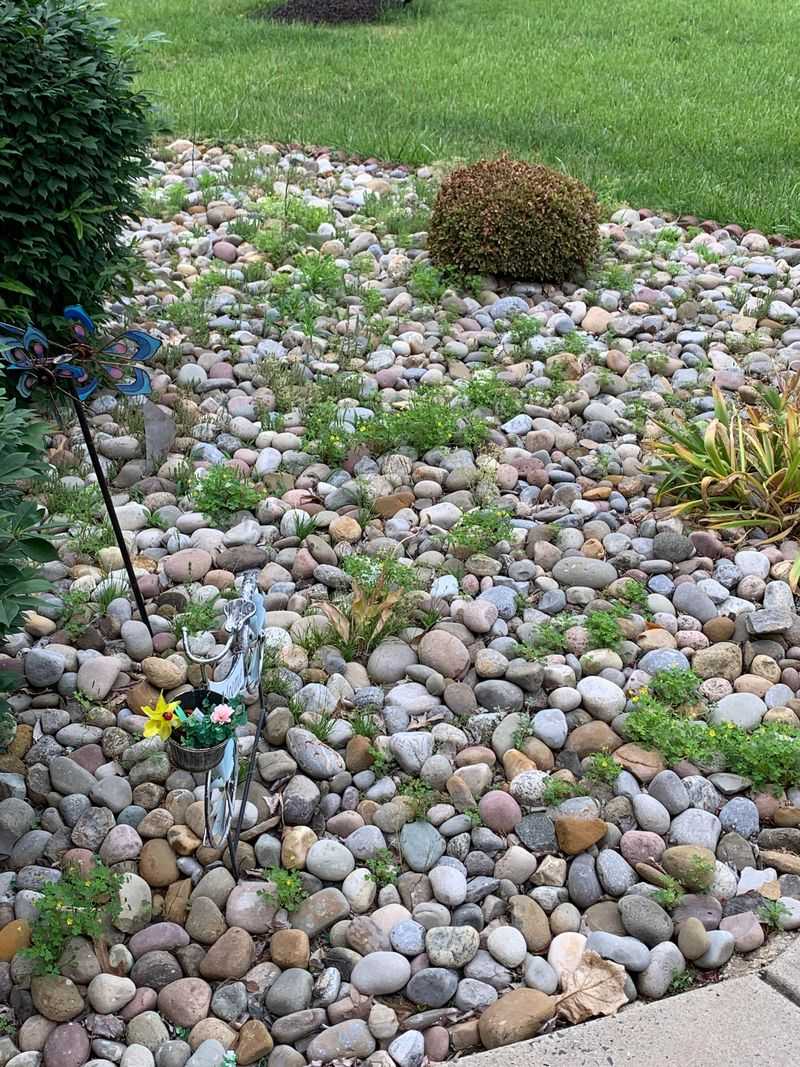
Getting weeds under control takes more than a one-time effort. Keeping them away for good requires a consistent routine and a few smart habits.
The good news is that once you set up the right system, maintaining a weed-free Oregon garden gets easier every season.
Start by making sure you remove weeds completely, roots and all. Then cover your soil with mulch to block new seeds from sprouting.
Check your garden weekly so you can catch any new weeds while they’re still tiny and easy to handle. These three steps alone can make a massive difference.
Healthy, dense plantings also help. When your garden plants grow thick and close together, they shade the soil and leave little room for weeds to take hold.
Ground cover plants work especially well for this in Oregon’s climate, filling in gaps where weeds would otherwise move in.
Dispose of pulled weeds properly. Don’t toss them into a compost pile unless you’re sure it gets hot enough to destroy seeds.
Bagging them and putting them in yard waste is the safer choice. Staying on top of weeds throughout the season, rather than waiting for a big problem to build up, is the key to long-term success.
Oregon gardeners who stick to a regular routine enjoy cleaner, healthier gardens year after year.