Why Outdoor Pots In Kentucky Keep Cracking This December And How To Stop It
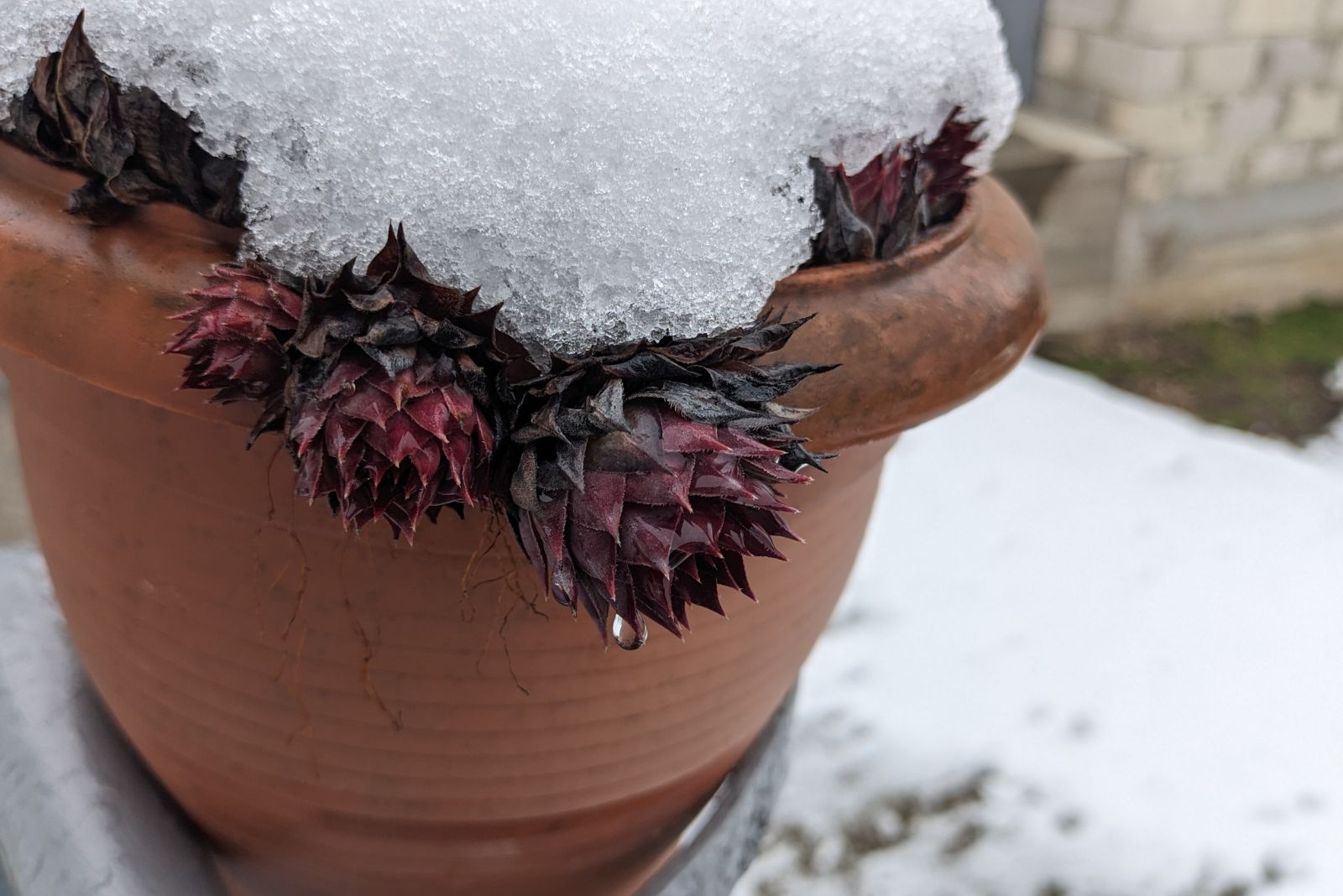
December in Kentucky brings frosty mornings and icy nights that can turn even the sturdiest outdoor pots into cracked casualties.
Cold temperatures creep into clay and ceramic containers, freezing any residual water inside and expanding it until pots split like overstuffed stockings.
Gardeners often find favorite planters shattered along porches, patios, and entryways, leaving a mess of broken pottery and soil.
The combination of freezing nights, fluctuating daytime warmth, and lingering moisture makes outdoor pots especially vulnerable this time of year.
Preventing cracks requires attention to pot material, placement, and proper winter care.
Elevating pots off the cold ground, insulating them with burlap or straw, and draining water before the freeze creates a buffer against harsh winter elements.
Taking simple precautions transforms outdoor containers from fragile liabilities into hardy seasonal accents, keeping plants safe and yards looking festive throughout Kentucky’s chilly December.
Freezing And Thawing Cycles Wreak Havoc
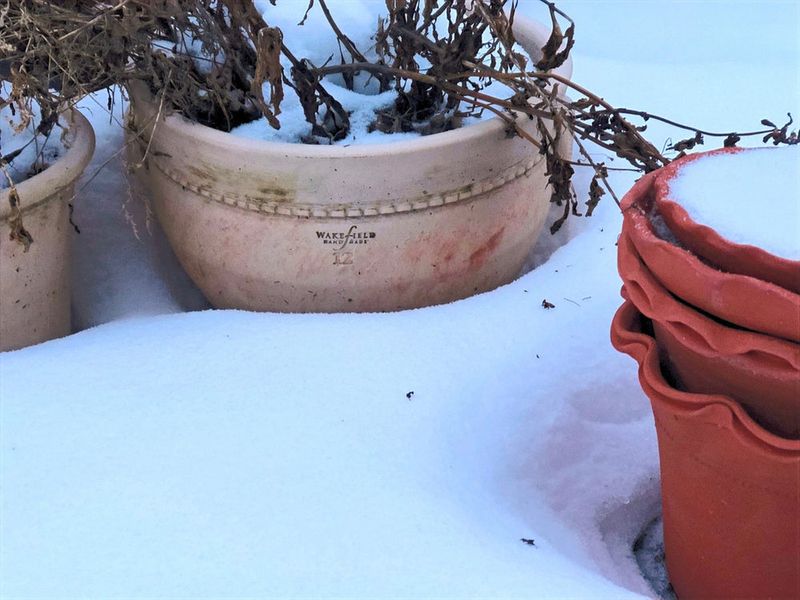
Kentucky winters are unpredictable, with temperatures bouncing up and down like a yo-yo.
One day it might be 50 degrees and sunny, the next it drops to 20 degrees with freezing rain.
When water gets inside the tiny pores of your ceramic or terracotta pots, it expands as it freezes.
That expansion creates pressure from the inside out, pushing against the pot walls.
When temperatures warm up again, the ice melts and contracts.
Repeat this process several times throughout December, and your pot doesn’t stand a chance.
Clay and ceramic materials are especially vulnerable because they’re porous and absorb moisture easily.
Even if you think your pot is dry, it probably has water hiding in those microscopic spaces.
Each freeze-thaw cycle weakens the structure bit by bit.
Eventually, cracks start forming, usually around the rim or base where the pot is thinnest.
Kentucky’s variable winter weather makes this cycle particularly brutal compared to states with consistently cold temperatures.
Pots don’t get a break to stay frozen solid, which would actually cause less damage than constant temperature swings.
Poor Drainage Traps Water Inside
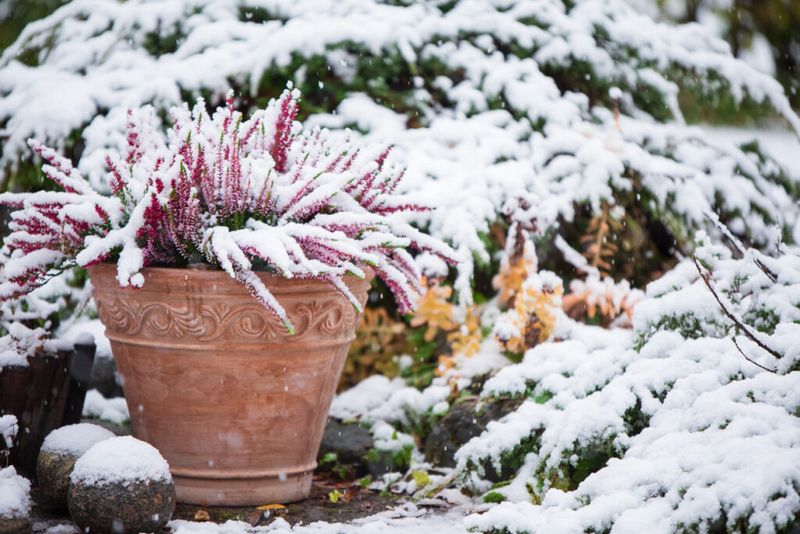
Drainage holes are supposed to let excess water escape, but sometimes they don’t work as well as they should.
Leaves, dirt, and debris can clog these holes throughout fall, creating a dam that traps water inside your pots.
When December rolls around with its freezing temperatures, that trapped water becomes a ticking time bomb.
Standing water has nowhere to go, so it just sits there waiting to freeze.
Once it turns to ice, it expands with incredible force.
Even the strongest pots can crack under this pressure.
Some gardeners accidentally block drainage holes when they add saucers underneath pots to protect deck surfaces.
Water collects in the saucer and gets reabsorbed into the pot bottom.
Others use pot feet or elevators incorrectly, which can actually trap moisture rather than promote drainage.
Heavy clay soil in pots also prevents proper drainage because it holds water like a sponge.
Even if your drainage holes are clear, clay-heavy soil keeps moisture trapped near the pot walls.
Kentucky’s winter rains add to the problem, constantly refilling pots with more water that can’t escape quickly enough before the next freeze arrives.
Low-Quality Materials Can’t Handle The Cold

Not all pots are created equal when it comes to surviving Kentucky winters.
Bargain pots from discount stores might look pretty in spring, but they often use cheaper materials that crack easily in freezing weather.
Manufacturers sometimes skip important firing processes that make ceramics stronger and less porous.
Terracotta pots are particularly risky unless they’re specifically labeled as frost-resistant.
Standard terracotta is baked at lower temperatures, leaving it soft and absorbent.
When water soaks in and freezes, these pots crack like eggshells.
Thin-walled pots also fail faster than thick ones because they have less material to withstand expansion pressure.
Some decorative pots prioritize appearance over durability, using glazes that look beautiful but actually trap moisture between the glaze and clay body.
When that trapped moisture freezes, it separates the glaze from the pot, causing both to crack.
Plastic pots aren’t immune either, especially cheaper varieties that become brittle in cold weather.
The polymer chains in low-quality plastic break down when exposed to UV light all summer, then shatter easily when temperatures drop.
Spending a bit more on high-quality, frost-rated pots saves money in the long run because they last for many winters.
Pots Left Sitting Directly On Frozen Ground

Where you place your pots matters just as much as what they’re made from.
Setting pots directly on concrete patios, stone walkways, or frozen soil creates a cold trap that accelerates cracking.
Cold surfaces pull heat away from the pot bottom, making that area freeze faster and harder than the rest of the container.
Concrete is especially problematic because it absorbs and holds moisture, then transfers that cold directly to your pot.
The bottom of the pot stays frozen longer while the sides might thaw during sunny afternoons.
This uneven freezing creates stress points that lead to cracks, usually starting at the base and working upward.
Pots sitting in low spots where water pools are doubly at risk.
Not only does the ground freeze solid underneath them, but water collects around the base and freezes there too.
Ice surrounding a pot acts like a vise, squeezing from the outside while frozen soil inside pushes outward.
Kentucky’s winter mix of rain, sleet, and snow means ground surfaces stay wet and frozen for extended periods.
Elevating pots even slightly breaks this direct contact with frozen surfaces.
It allows air circulation underneath, which helps regulate temperature and prevents the pot bottom from staying frozen solid for days at a time.
Moisture From Snow And Rain Accumulation
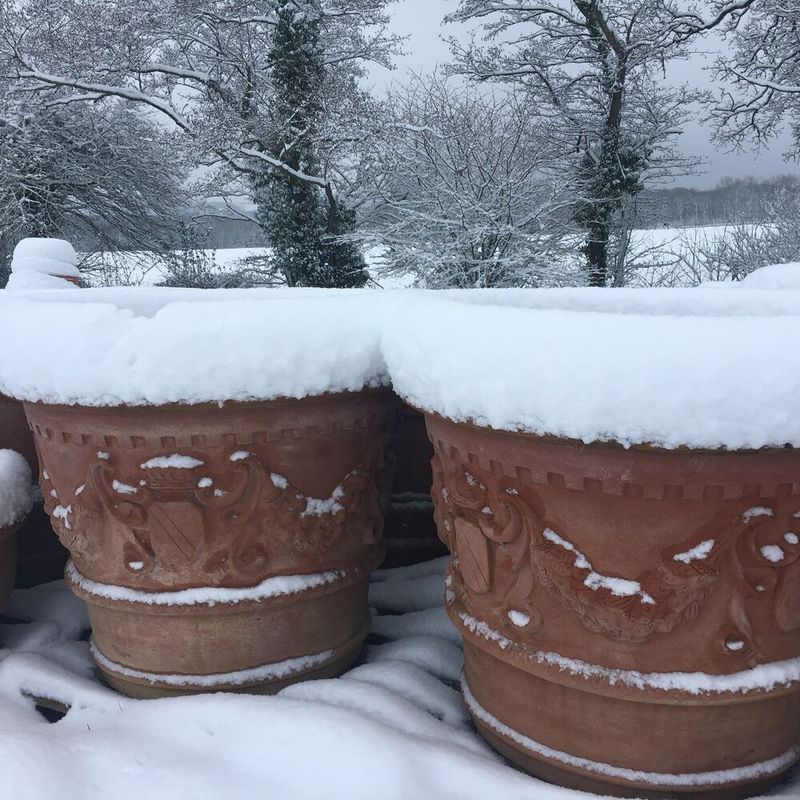
December in Kentucky brings plenty of precipitation, whether it’s rain, sleet, or snow.
Empty pots might seem safe, but they still collect moisture from winter weather.
Snow piles up inside, then melts during warmer spells, filling the pot with water that has nowhere to drain quickly enough.
Rain showers are even worse because water immediately soaks into porous pot materials.
Even if drainage holes work perfectly, the pot walls themselves absorb moisture.
Clay and unglazed ceramic act like sponges, sucking up water that later freezes inside the material itself.
Pots stored under roof overhangs or covered porches aren’t completely protected either.
Wind-driven rain and snow still reach them, and condensation forms on cold pot surfaces.
Morning dew and frost add even more moisture that seeps into cracks and pores.
Ice storms coat everything with a layer of frozen water that takes days to melt.
During that time, pots are essentially encased in ice, with moisture working its way into every tiny opening.
Kentucky’s humid climate means even on dry days, pots can absorb moisture from the air itself.
This constant exposure to moisture, combined with freezing temperatures, creates the perfect conditions for cracks to form and spread throughout December and into the new year.
Bring Vulnerable Pots Indoors Or To Shelter
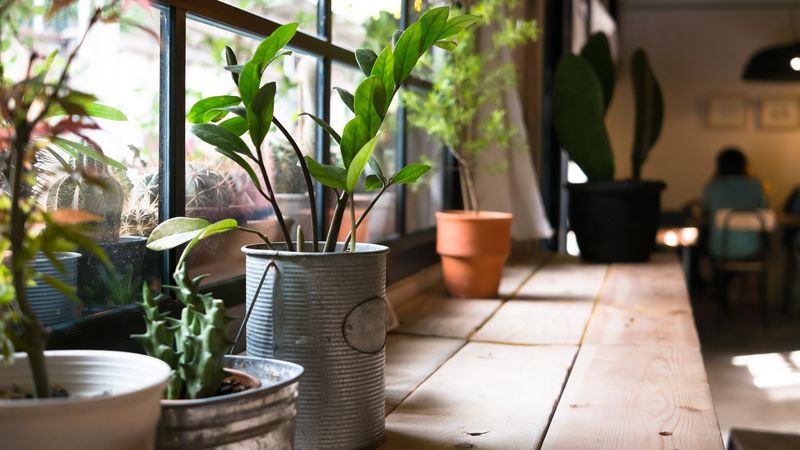
Moving your pots to protected areas is hands-down the most effective way to prevent cracking.
Garages, sheds, basements, and covered porches shield pots from the worst of Kentucky’s winter weather.
Even an unheated garage stays warmer than outside because it blocks wind and precipitation.
You don’t need to bring every pot inside, just the ones most at risk.
Terracotta, ceramic, and decorative glazed pots should definitely come in.
Expensive or sentimental containers deserve protection too.
Before moving pots, empty out soil and plants if possible.
Lighter pots are easier to carry and won’t harbor moisture that could still cause problems.
If you want to keep soil in them for spring, make sure it’s completely dry first.
Store pots upside down or on their sides so water can’t collect inside.
Stack smaller pots inside larger ones to save space, but put newspaper or bubble wrap between them to prevent scratching.
Keep them off cold concrete floors by setting them on wooden pallets or shelves.
Even a corner of your enclosed porch works better than leaving pots exposed to December’s harsh weather.
Taking an hour to move vulnerable pots now saves you from buying replacements come spring when you discover them cracked and ruined.
Wrap Pots With Insulating Materials

Can’t move all your pots inside?
Wrapping them with insulation creates a protective barrier against freezing temperatures.
Burlap is a classic choice that looks rustic and natural while providing decent protection.
Wrap it several layers thick around the pot and secure it with twine or rope.
Bubble wrap works even better because those air pockets trap heat and block cold.
Wrap it around the outside of your pot, covering sides and bottom.
You can cover the bubble wrap with burlap or fabric to hide the plastic and make it look nicer.
Old blankets, towels, or moving blankets provide thick insulation, especially when wrapped in multiple layers.
Frost blankets designed for plants also work well for pots.
Some gardeners use foam pipe insulation cut to fit around pot rims and sides, securing it with duct tape.
The goal is to slow down temperature changes so your pots don’t experience rapid freezing and thawing.
Insulation won’t keep pots completely warm, but it moderates temperature swings enough to prevent most cracking.
Pay special attention to the pot rim, which is often the thinnest and most vulnerable part.
Secure wrapping materials tightly so Kentucky’s winter winds don’t blow them away, and check periodically throughout December to make sure everything stays in place and dry underneath.
Ensure Proper Drainage Before Winter Arrives
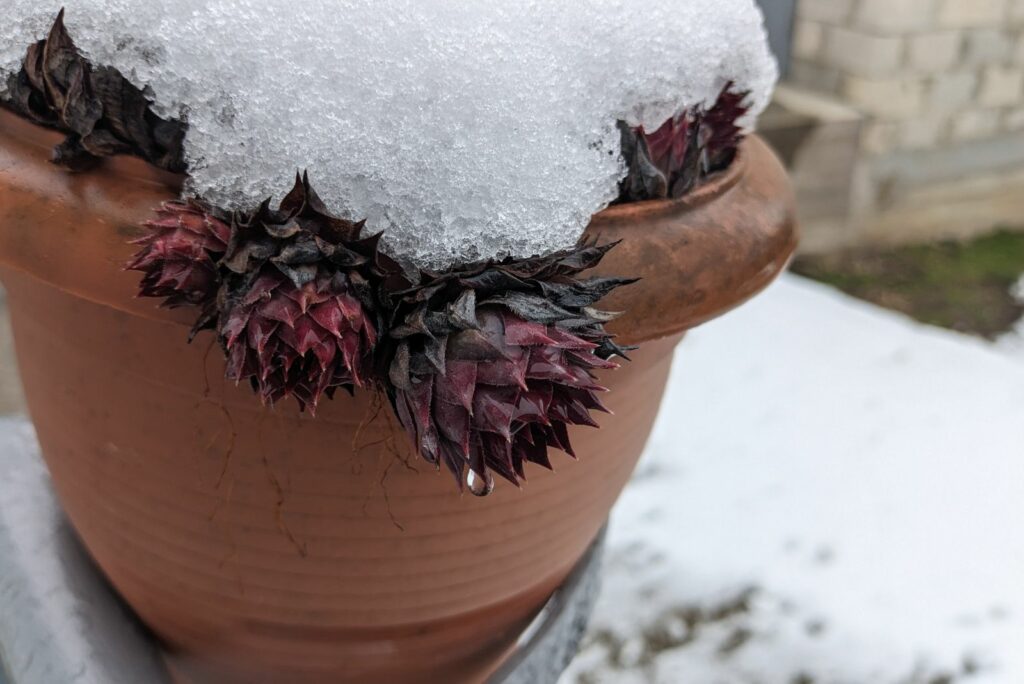
Prevention starts before the first freeze hits.
Check every pot in November to make sure drainage holes are clear and working properly.
Flip pots over and poke a stick or screwdriver through holes to remove any clogs.
Rinse them out with a hose to flush away debris.
Add a layer of gravel or broken pottery pieces at the bottom of pots to keep soil from blocking drainage holes.
This creates a reservoir where water can collect and escape rather than sitting against pot walls.
Some gardeners drill additional drainage holes in pots that don’t have enough.
Remove saucers from underneath pots or flip them over so they can’t collect water.
If you need saucers to protect surfaces, fill them with gravel so pots sit above any collected water.
Elevate pots on pot feet, bricks, or wooden blocks to lift them off the ground and improve drainage.
Tilt large pots slightly to one side so water runs toward drainage holes instead of pooling.
Replace heavy clay soil with lighter potting mix that drains faster.
Consider removing soil entirely from pots you’re not using during winter, then storing them upside down.
Taking these drainage steps in late fall, before December’s freezing weather arrives, gives your pots the best chance of surviving winter without cracking.
Choose Frost-Resistant Pot Materials
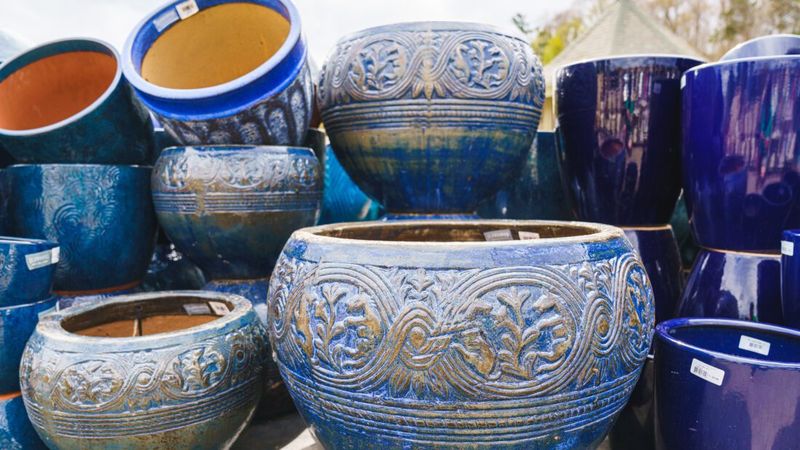
Investing in the right pots from the start eliminates winter cracking problems.
Frost-resistant or frost-proof pots are specifically manufactured to withstand freezing temperatures.
Look for labels that say “frost-proof,” “frost-resistant,” or “winter-hardy” when shopping for new containers.
Fiberglass and resin pots handle Kentucky winters beautifully because they’re non-porous and flexible.
They won’t absorb water, and they can expand slightly without cracking.
High-fired stoneware and porcelain are ceramic options that survive freezing because they’re fired at extremely high temperatures, making them dense and less absorbent.
Cast stone and concrete pots work well if they’re properly sealed.
Look for thick-walled designs rather than thin decorative ones.
Metal pots like steel or cast iron handle cold well, though they can rust if not treated properly.
Wood containers are naturally insulating and handle temperature changes without cracking.
Avoid standard terracotta unless it’s specifically rated for frost.
Even then, choose thicker pots over thin ones.
Glazed ceramic can work if the glaze is applied inside and out, creating a waterproof barrier.
When buying pots in spring, think ahead to winter.
Spending extra money on quality, frost-resistant materials means your pots will last for many years through Kentucky’s unpredictable December weather without cracking or breaking.
Empty And Dry Pots Completely
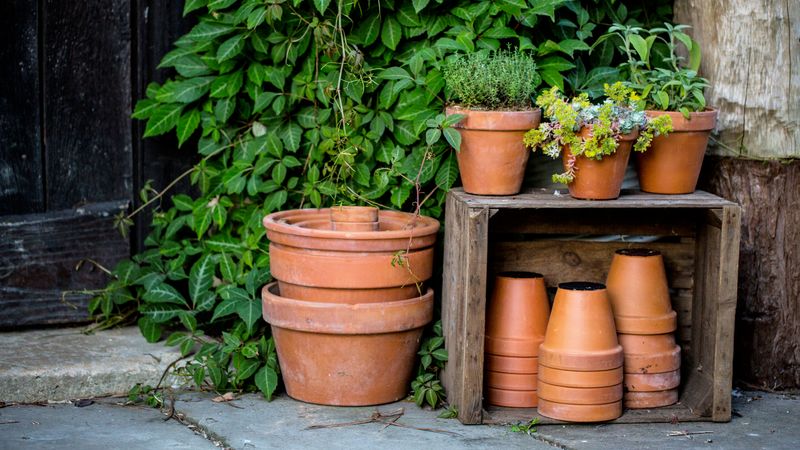
Sometimes the simplest solution is the best one.
Completely emptying and drying your pots eliminates the moisture that causes cracking.
Remove all soil, plants, and debris, then rinse pots thoroughly with water.
Let them air dry for several days in a protected area before winter weather arrives.
Turn pots upside down during drying so any remaining water drains out instead of pooling inside.
Wipe down the inside with old towels to speed up drying.
Pay attention to ridges, decorative details, and the area around drainage holes where water likes to hide.
Once pots are bone dry, store them upside down or tilted on their sides so rain and snow can’t collect inside.
Stack them in a shed, garage, or under a covered area.
If you must leave them outside, group them together in a sheltered spot against your house, preferably under an overhang.
Cover stored pots loosely with a tarp, making sure air can still circulate to prevent condensation.
Weight down the tarp corners so Kentucky winds don’t blow it away.
Check pots mid-winter during warm spells to make sure they’re still dry and properly positioned.
Empty, dry pots simply can’t crack from freezing water because there’s no water present to freeze and expand, making this method nearly foolproof for protecting your containers through December and beyond.