Why Peas Are The First Crop Many Ohio Gardeners Plant
There’s always that one day when the air feels just a little softer and you start thinking about getting your hands back in the soil.
In Ohio, peas tend to lead the way. While most crops wait for warmer weather, peas don’t mind the chill and often go in the ground while winter is still lingering.
Gardeners who’ve been at it for years rarely skip this step, and there’s a good reason behind it.
Peas fit neatly into that early window when the soil is workable but not yet warm enough for much else. They’re simple, dependable, and give the season a strong start without a lot of fuss.
The timing, though, matters more than most people think, and getting it right changes everything.
1. Peas Are One Of Ohio’s Classic Cool-Season Crops
Long before tomatoes and peppers ever make it into an Ohio garden, peas are already doing their thing. These cool-season crops have been a staple of Ohio gardens for generations, and there is a very good reason why they keep earning that spot every spring.
Peas actually prefer cooler temperatures, ideally between 55 and 75 degrees Fahrenheit, which makes Ohio’s early spring weather just about perfect for them.
Unlike warm-season vegetables that sulk and struggle when temperatures drop, peas genuinely thrive in the kind of cool, damp conditions Ohio delivers from late March through April. They are not just tolerating the cold; they are making the most of it.
Gardeners in Ohio have passed down the tradition of planting peas early for decades, and modern gardening advice backs up that old-school wisdom completely.
Peas also fix nitrogen into the soil as they grow, which is a fancy way of saying they naturally fertilize the ground for whatever crop comes next. That makes them a smart first choice not just for flavor, but for overall garden health.
Starting the season with peas sets a productive tone for everything that follows in your Ohio garden throughout the rest of the growing year.
2. Peas Can Go In Early Because They Handle Cool Soil
Most vegetables will sit in cold soil and do absolutely nothing until temperatures warm up significantly. Peas are a completely different story.
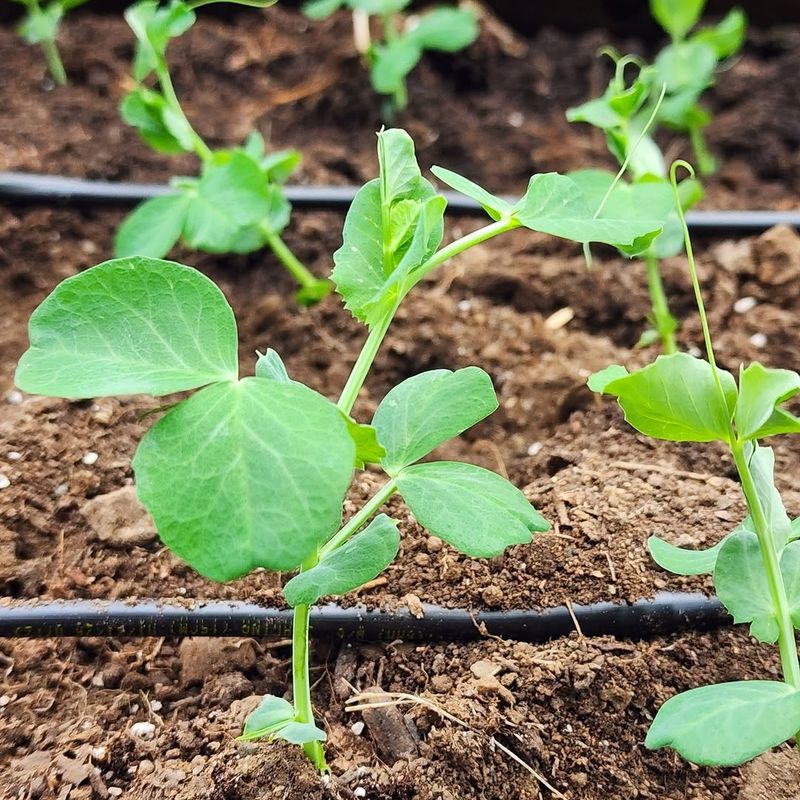
They can germinate in soil temperatures as low as 40 degrees Fahrenheit, which means Ohio gardeners can get them in the ground weeks before other crops even become an option. That early start is one of the biggest advantages peas offer.
Planting too early with most vegetables means wasted seeds and frustration. With peas, planting early is actually the strategy.
Ohio’s soil in late March and early April is often cool and workable, and peas take full advantage of those conditions. The seeds absorb moisture from the cool earth and begin sprouting reliably without needing warm temperatures to push them along.
A helpful trick many Ohio gardeners use is soaking pea seeds overnight before planting. This softens the seed coat and encourages faster sprouting even in chilly soil.
Spacing seeds about two inches apart and planting them roughly one inch deep gives each plant enough room to establish strong roots. Because peas can handle a light frost after sprouting, even a surprise cold snap in April will not set back your garden’s progress.
That resilience makes peas a stress-free and rewarding early-season crop for Ohio gardeners of all experience levels.
3. Why Direct Sowing Peas Works So Well In Ohio Gardens
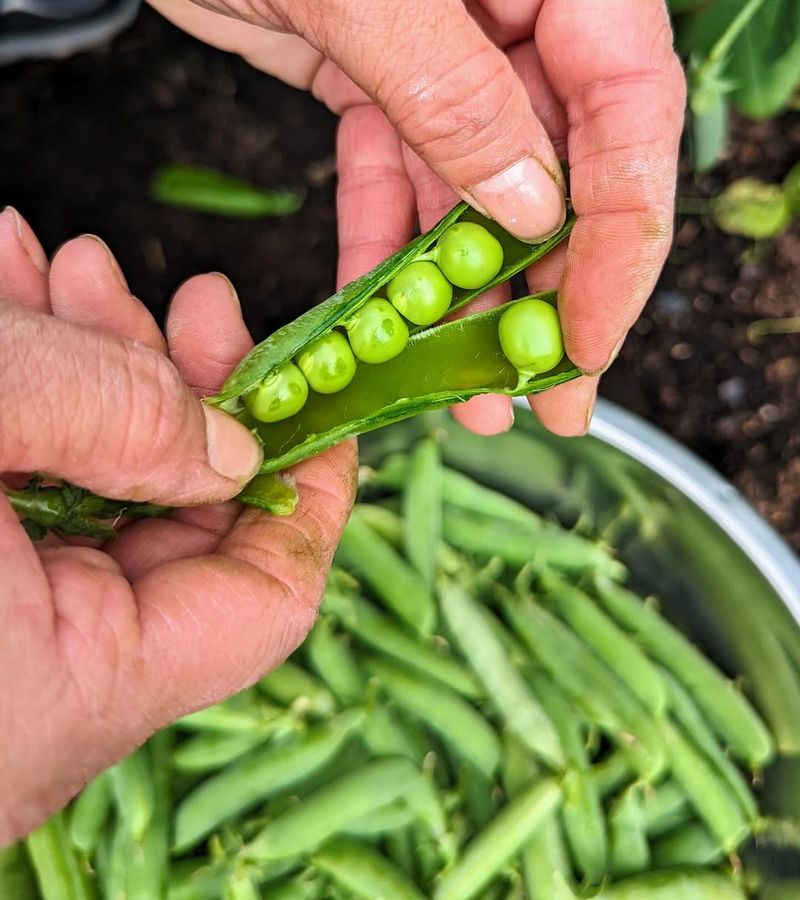
Some vegetables need to be started indoors weeks before transplanting outside. Peas are refreshingly simple because they actually prefer to be planted directly in the ground where they will grow.
Peas do not transplant well at all since their roots are sensitive and do not enjoy being disturbed. Direct sowing, meaning dropping seeds straight into prepared garden soil, is the best and easiest way to grow them in Ohio.
Direct sowing also saves Ohio gardeners time, space, and money. There is no need for seed trays, grow lights, or indoor setup.
You simply prepare your garden bed, push the seeds into the soil, water them in, and let Ohio’s early spring weather do the rest. It is one of the most beginner-friendly planting methods in the vegetable garden world.
Ohio’s soil, once thawed and workable, holds moisture well in spring, which peas love during germination. Adding a bit of compost to your planting area before sowing can improve drainage and give the seeds a nutrient boost right from the start.
Many experienced Ohio gardeners mark their rows with stakes and string to keep things organized and make it easier to add support structures later. Direct sowing peas is one of gardening’s most satisfying experiences because results come quickly and the effort required is genuinely minimal from start to finish.
4. How To Know When Ohio Soil Is Ready For Pea Seeds
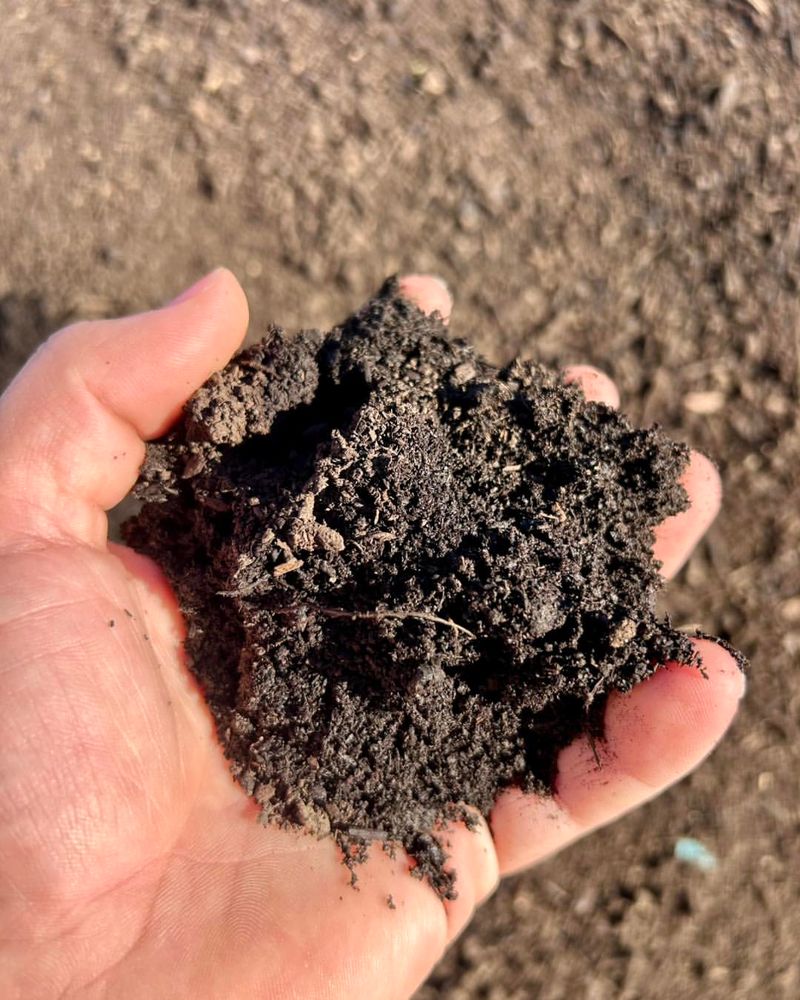
Knowing when to plant is just as important as knowing what to plant. Ohio gardeners often ask how they can tell if the soil is truly ready for pea seeds.
The answer is simpler than most people expect. Grab a handful of soil and squeeze it firmly.
If it crumbles apart when you open your hand, the soil is ready. If it stays in a soggy clump, it needs more time to dry out before planting begins.
Soil that is too wet can actually suffocate seeds and lead to rot before they ever get a chance to sprout. Ohio springs can be rainy and unpredictable, so patience is important.
Most years, Ohio gardeners find their soil workable somewhere between mid-March and early April, depending on the region of the state and the specific weather patterns of that year.
A soil thermometer is a smart investment for any Ohio gardener who wants to be precise. Peas germinate best when soil temperatures sit at 40 degrees Fahrenheit or above.
Checking the temperature a few inches below the surface gives you a reliable reading. Beyond temperature and texture, look for signs of life in your garden, like earthworms moving near the surface, which signals that the soil is biologically active and ready for seeds to thrive throughout the growing season ahead.
5. Why Ohio Gardeners Should Add Support Early
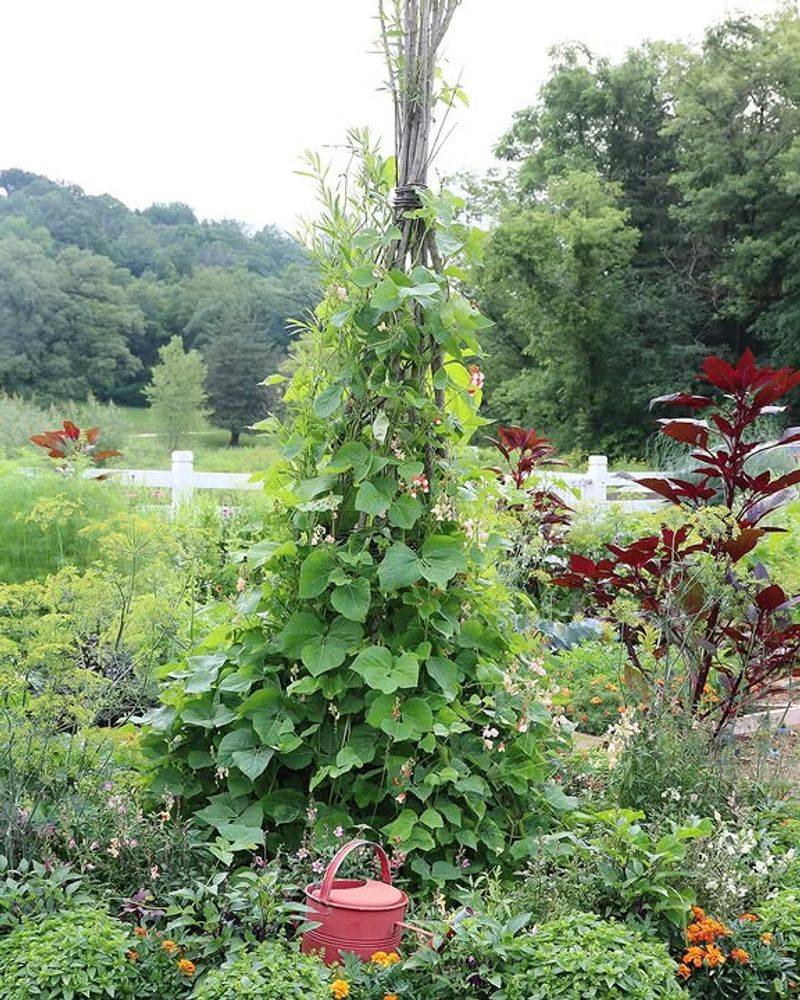
Here is something many first-time Ohio gardeners learn the hard way: pea plants grow fast, and they start reaching for something to grab onto almost immediately. Setting up supports before or right after planting saves a lot of frustration later.
Trying to push stakes and string into the ground around established pea plants often damages the roots and disrupts growth at a critical stage.
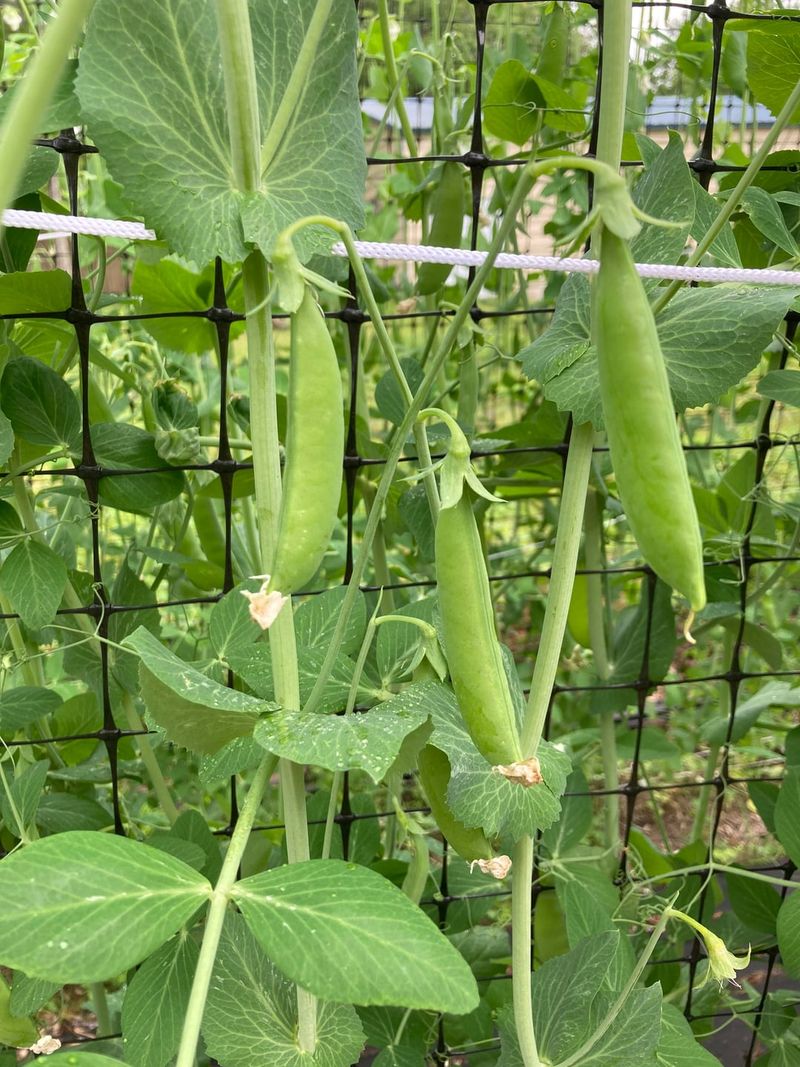
Most pea varieties grown in Ohio gardens will reach somewhere between two and six feet tall, depending on the type. Bush peas tend to stay shorter and can sometimes support themselves, but climbing varieties absolutely need something to hold onto as they reach upward.
Without support, pea vines sprawl across the ground, which reduces airflow, invites fungal problems, and makes harvesting much harder than it needs to be.
Simple support options work perfectly well and do not require a big investment. Bamboo stakes with garden twine stretched between them, wire mesh panels, or even brushy sticks pushed into the soil all give pea tendrils something to grab.
Ohio gardeners who set up supports on planting day find the whole growing process much smoother. The plants naturally find the structure and climb on their own, which means less hands-on management as the season progresses and more time to enjoy watching the garden grow steadily upward.
6. How Trellising Helps Peas Produce More Pods
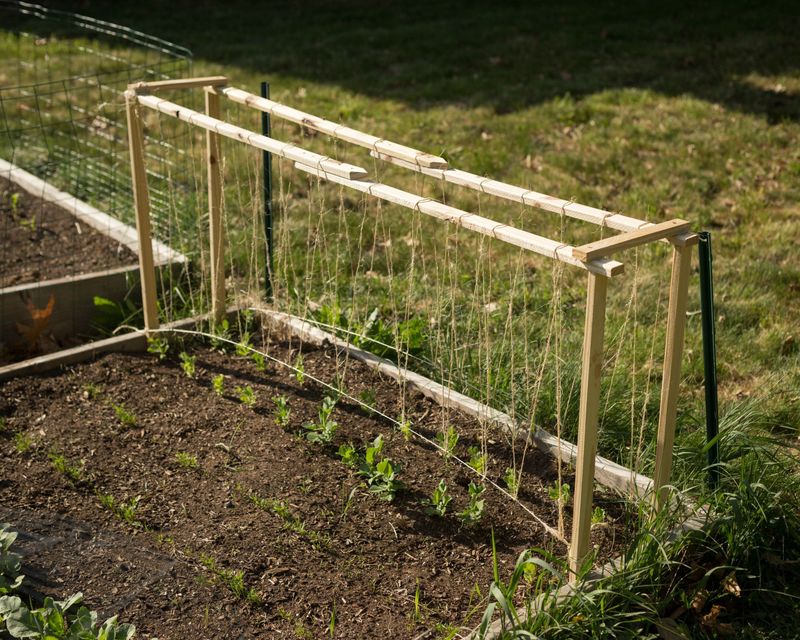
A well-trellised pea plant is a productive pea plant, full stop. When pea vines have proper vertical support, they can spread their leaves more effectively to capture sunlight.
More sunlight means more energy for the plant, and more plant energy translates directly into more pods for Ohio gardeners to harvest and enjoy. The connection between good trellising and a bigger harvest is very real and well worth the small effort of setting it up.
Trellising also dramatically improves airflow around pea plants. When vines are spread out vertically rather than tangled on the ground, air moves freely between the leaves and stems.
Good airflow is one of the best natural defenses against powdery mildew, a common fungal issue that can affect pea plants in Ohio as spring temperatures start climbing toward summer. Keeping the foliage dry and well-ventilated reduces the risk significantly.
Ohio gardeners who grow trellised peas also find harvesting much easier and more enjoyable. Pods are visible and accessible when plants grow upright, which means fewer missed pods hiding under leaves at ground level.
Harvesting regularly is important because leaving mature pods on the vine signals the plant to slow pod production. Trellising makes it easy to spot ripe pods quickly, encouraging more frequent picking and keeping the plant focused on producing fresh new pods all season long.
7. The Harvest Trick That Helps Protect Pea Vines
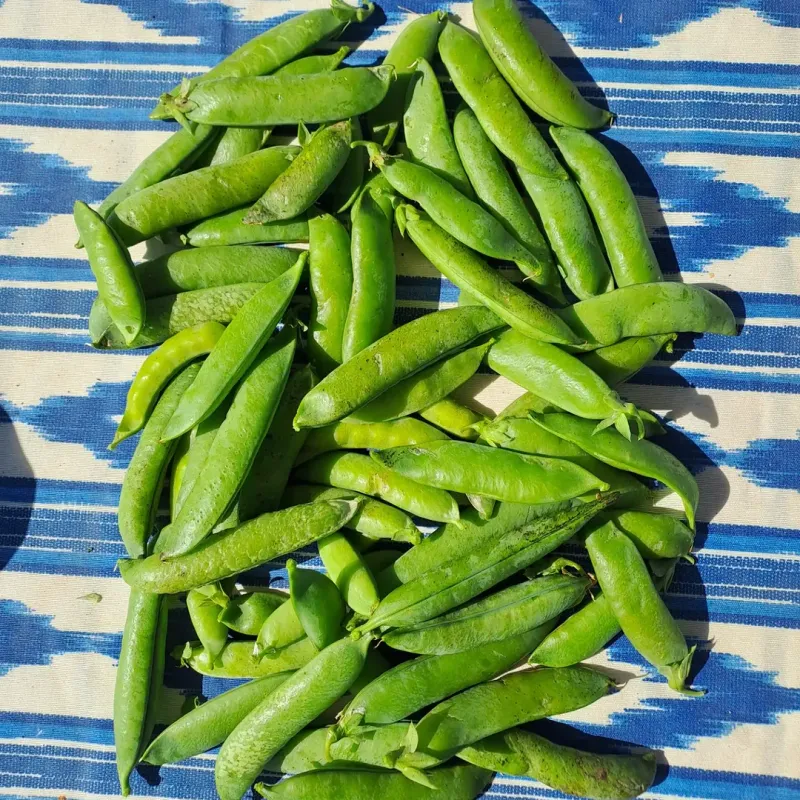
Picking peas sounds simple enough, but there is a right way and a less-helpful way to do it. Many Ohio gardeners unknowingly damage their pea vines by yanking pods off with one hand.
That pulling motion tugs on the entire vine, which can loosen roots, break stems, and stress the plant at a time when it should be focusing all its energy on producing more pods. A small technique adjustment makes a big difference in overall plant health.
The trick is to use two hands when harvesting. Hold the vine steady with one hand, then use the other hand to gently twist and pull the pod free.
This protects the vine from stress and keeps it anchored in the soil where its roots are doing important work. Ohio gardeners who adopt this habit consistently report healthier vines that keep producing longer into the spring season.
Timing your harvest correctly matters just as much as technique. For shelling peas, wait until the pods look plump and rounded but before they start to yellow.
Snow peas and snap peas should be harvested while the pods are still flat or just beginning to fill out. Picking at the right moment also ensures the best flavor, since homegrown peas are sweetest right off the vine.
Checking your Ohio pea plants every day or two during peak season keeps production going strong all the way to the end of spring.
8. Why Spring Heat Makes Early Planting So Important
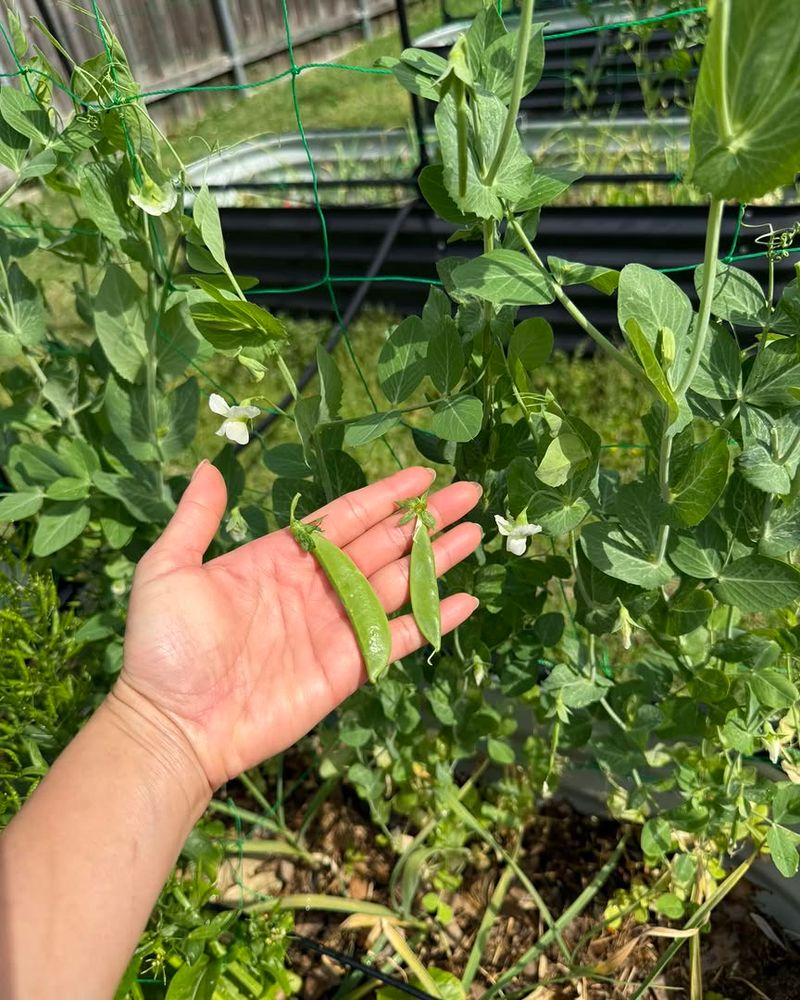
Peas and heat simply do not get along. Once Ohio temperatures consistently climb above 80 degrees Fahrenheit, pea plants begin to struggle.
Flowering slows, pod production drops off, and the overall quality of the harvest declines quickly. That is exactly why getting peas into the ground as early as possible in Ohio is such a smart move for any gardener who wants a real harvest before summer takes over.
Most pea varieties mature in 60 to 70 days from planting. If Ohio gardeners aim to plant in late March or early April, that puts the main harvest window somewhere in late May or early June, right before the heat of summer settles in for good.
Waiting even two or three weeks to plant can cost you a significant portion of your harvest window and leave you with fewer pods before conditions turn unfavorable for the crop.
There is also a wonderful bonus to finishing up your pea harvest on the earlier side. Once the pea vines are done producing, that garden space opens up perfectly for warm-season crops like beans, cucumbers, or squash.
Ohio gardeners call this succession planting, and it is one of the most efficient ways to use every inch of garden space throughout the entire growing season. Peas set the stage beautifully for everything that comes after them in the Ohio garden.