Why Pennsylvania Gardeners Grow Winterberry Bushes For Birds And Winter Beauty
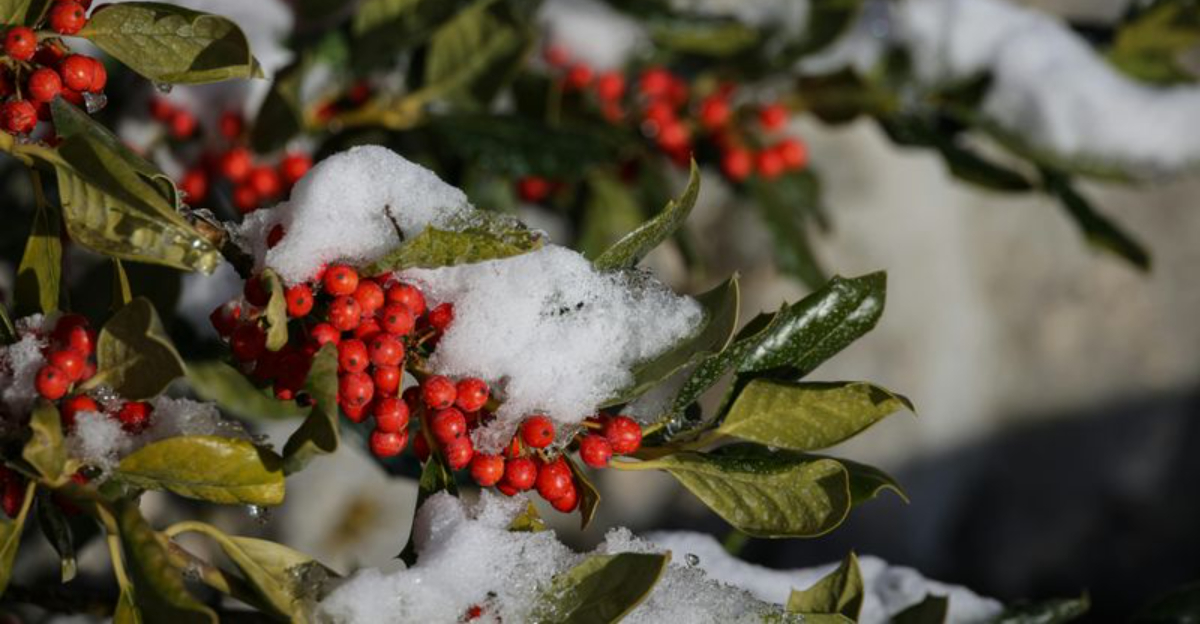
When winter settles over Pennsylvania and most gardens fade into shades of brown and gray, some landscapes still manage to stand out with bright pops of color and life. One plant in particular keeps drawing attention long after fall leaves are gone: the winterberry bush.
Known for its vivid red berries and ability to thrive in cold climates, winterberry has become a favorite among Pennsylvania gardeners who want beauty that lasts through the harshest months. Even better, it provides an important food source for birds when little else is available.
Winterberry bushes bring color when the garden needs it most. Those bright berries aren’t just decorative; they attract birds that rely on them for survival during winter.
A winter garden doesn’t have to look empty or dull. Winterberry proves that cold-season landscapes can still be full of life.
When everything else fades, winterberry shines. Gardeners across Pennsylvania appreciate winterberry for its reliability and low maintenance.
It fits naturally into native landscapes, supports local wildlife, and creates visual interest when snow begins to fall. Whether planted along borders, near woodlines, or as a focal point, winterberry adds purpose and beauty at the same time.
Understanding why so many gardeners choose this shrub helps explain its growing popularity and lasting appeal in Pennsylvania gardens year after year.
1. Native Plant Perfectly Suited To Pennsylvania’s Climate
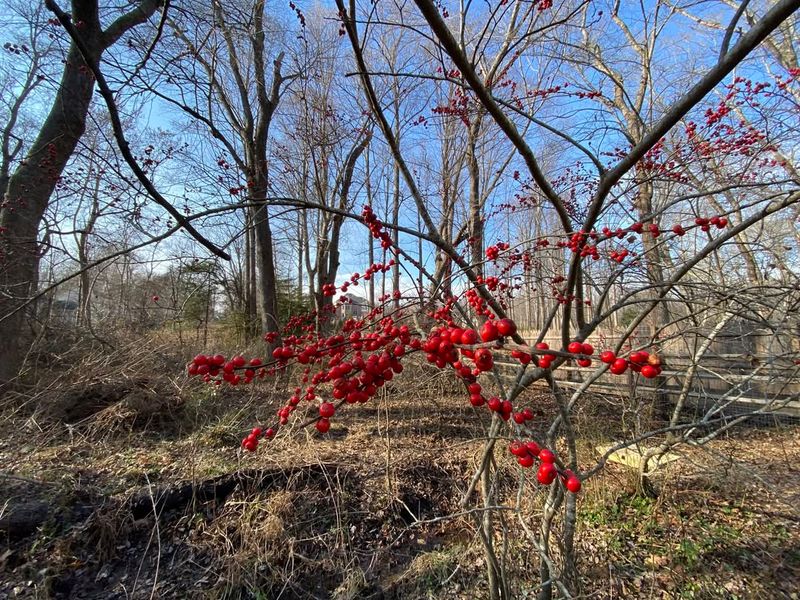
Winterberry bushes thrive naturally in Pennsylvania’s weather conditions because they originally evolved right here in the eastern United States.
Unlike exotic plants that struggle with our cold winters and humid summers, winterberries handle everything the Keystone State throws at them without complaint.
From the Pocono Mountains to the farmlands of York County, these tough shrubs endure temperature swings, ice storms, and heavy snowfall with remarkable resilience.
Gardeners appreciate that winterberries don’t need special winter protection or fussy care routines. Once established in your yard, they simply do what comes naturally, going dormant when temperatures drop and bursting back to life each spring.
Pennsylvania’s typical precipitation patterns provide exactly what winterberries need, meaning you won’t spend hours dragging hoses around during summer months.
The adaptability of native plants matters more than many people realize. When you choose species that belong in your region, you’re working with nature instead of fighting against it.
Winterberries have spent thousands of years adapting to conditions just like those in your backyard, developing root systems that handle our clay-heavy soils and growth patterns that match our seasonal rhythms.
Supporting native plants also helps preserve Pennsylvania’s natural heritage and biodiversity. Every winterberry you plant strengthens the local ecosystem by providing familiar food sources and habitat for creatures that evolved alongside these shrubs.
Gardeners in Pittsburgh, Harrisburg, and small towns throughout the state are rediscovering what works best in Pennsylvania gardens, and winterberries consistently top the list for reliable, low-maintenance beauty that belongs here.
2. Brilliant Red Berries Create Stunning Winter Displays
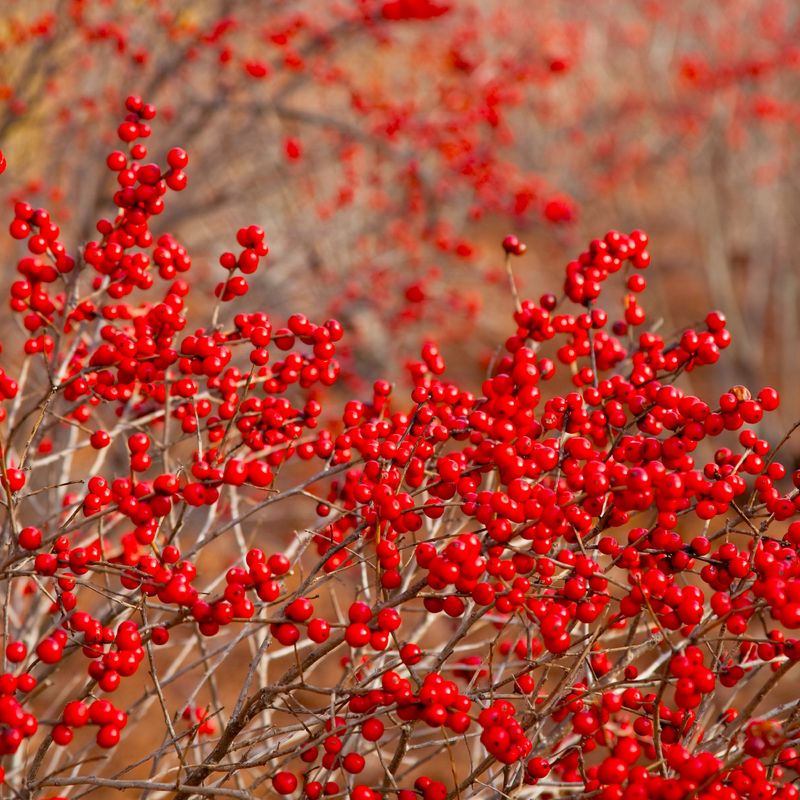
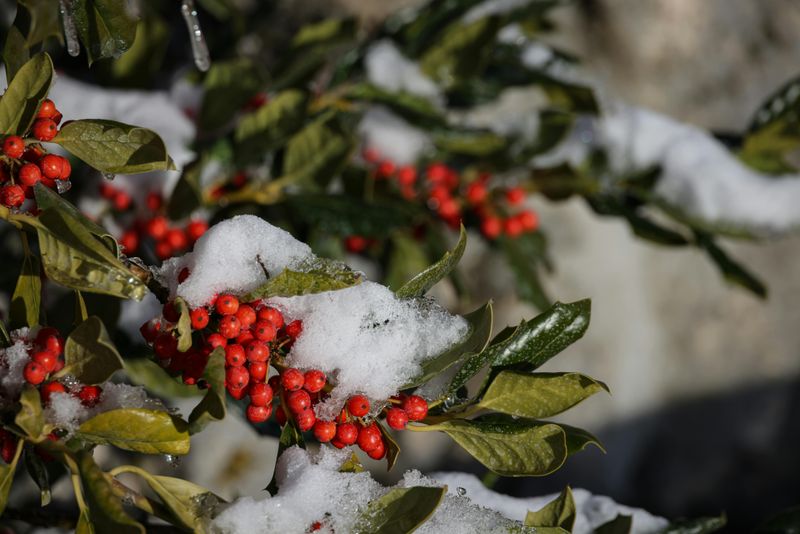
Nothing brightens a Pennsylvania winter landscape quite like the electric red berries of a winterberry bush glowing against fresh snow.
After the leaves fall in autumn, these shrubs reveal their true glory with branches absolutely loaded with brilliant scarlet fruits that persist throughout the coldest months.
Homeowners driving past yards in Bucks County or Chester County can’t help but notice these vibrant splashes of color standing out against the otherwise monochrome winter scenery.
The visual impact intensifies after snowstorms when white powder clings to branches, creating a natural Christmas card scene right in your yard.
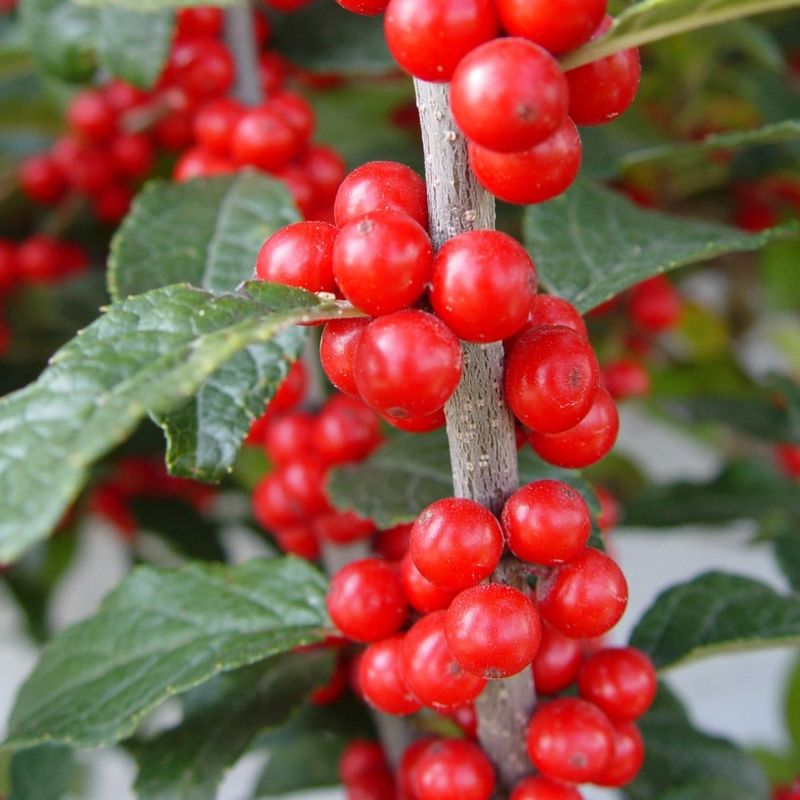
Winterberries don’t just provide a little color; they deliver dramatic, showstopping displays that make neighbors stop and ask what you’re growing. The berries cluster densely along stems, creating solid bands of red that look almost too perfect to be real.
Professional landscapers throughout Pennsylvania increasingly incorporate winterberries into their designs specifically for this four-season interest.
While most flowering shrubs look bare and uninspiring from November through March, winterberries hit their peak beauty precisely when everything else fades away. This reverse seasonality makes them invaluable for gardeners who refuse to accept boring winter yards.
The color intensity varies slightly between cultivars, ranging from orange-red to deep crimson, allowing you to customize your winter palette. Some Pennsylvania gardeners plant multiple varieties together to create subtle color variations within their displays.
Whether you have one specimen plant or a whole hedge, winterberries guarantee your property won’t disappear into winter drabness like every other house on the block.
3. Essential Food Source For Overwintering Birds
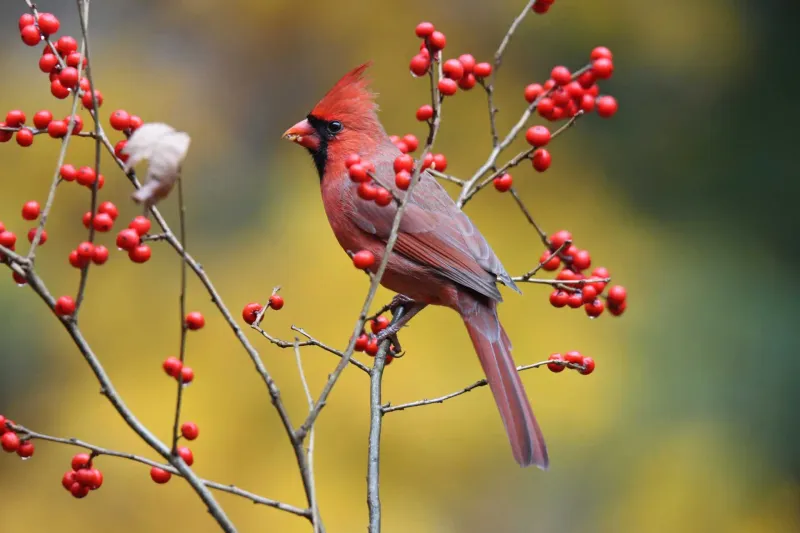
Birds throughout Pennsylvania depend on winterberry bushes when other food sources become buried under snow or simply aren’t available.
Robins, cedar waxwings, bluebirds, and thrushes flock to these berry-laden shrubs during the harshest months, finding nutrition that helps them survive until spring returns.
Watching these colorful visitors feast on your winterberries brings life and movement to your yard when most gardens sit silent and empty.
The timing works out perfectly because winterberry fruits don’t become truly palatable to birds until they’ve gone through several freeze-thaw cycles.
This natural ripening process means the berries remain on branches well into winter, available exactly when birds need them most desperately.
Early winter usually sees the berries hanging untouched, but by January and February, Pennsylvania birds strip them clean in feeding frenzies.
Gardeners who value wildlife appreciate that winterberries attract species you might not otherwise see in your yard. Flocks of cedar waxwings descend suddenly, stripping a bush in hours before moving on to the next food source.
Bluebirds, struggling to find insects during frozen months, gratefully switch to these nutritious fruits. Even mockingbirds and catbirds benefit from this reliable winter pantry.
Creating bird-friendly habitats matters more as natural areas shrink across Pennsylvania. Your winterberry bushes might seem like just pretty landscaping, but they’re actually providing critical survival resources for wild creatures facing increasingly challenging conditions.
Watching birds thrive in your garden while snow covers the ground connects you to nature’s cycles in meaningful ways that make gardening truly rewarding beyond just aesthetics.
4. Low Maintenance Requirements For Busy Gardeners
Pennsylvania gardeners juggling work, family, and other commitments love that winterberries basically take care of themselves once planted. These undemanding shrubs don’t require constant pruning, fertilizing, spraying, or fussing to look great and produce abundant berries.
After spending a few minutes getting them properly situated in your yard, you can mostly forget about them except to enjoy their beauty.
Winterberries resist most common diseases and pests that plague other landscape plants, meaning you won’t spend weekends diagnosing problems or applying treatments.
Deer occasionally nibble young growth, but mature bushes generally escape serious damage even in areas with high deer populations throughout central Pennsylvania.
Unlike roses or fruit trees that demand regular care schedules, winterberries simply grow and thrive without drama.
The pruning requirements stay minimal because winterberries naturally develop attractive shapes without constant trimming. You can remove dry or crossing branches every few years if you want, but many gardeners never prune at all and still get beautiful results.
This hands-off approach appeals to people who want gorgeous landscapes without dedicating every weekend to maintenance tasks.
Fertilizing needs remain equally simple since winterberries evolved to thrive in average soils without rich amendments. A layer of mulch around the base helps retain moisture and suppress weeds, but even that’s optional once plants establish strong root systems.
Pennsylvania gardeners in Allentown, Reading, and smaller communities appreciate shrubs that deliver maximum impact with minimum input, and winterberries perfectly fit that description for anyone seeking stress-free landscaping solutions.
5. Thrives In Wet Areas Where Other Plants Struggle
Many Pennsylvania properties have those frustrating soggy spots where most shrubs and trees simply won’t grow well. Winterberries actually prefer moist to wet soil conditions, making them perfect solutions for poorly drained areas that leave other gardeners scratching their heads.
Low-lying sections of yards, areas near downspouts, or naturally wet ground that stays damp even during dry spells become ideal planting locations for these water-loving shrubs.
Gardeners dealing with clay soils common throughout much of Pennsylvania find winterberries far more forgiving than plants requiring perfect drainage.
While azaleas and roses sulk in heavy, wet ground, winterberries settle in happily and reward you with vigorous growth. This adaptability transforms problem areas into landscape assets instead of perpetual headaches.
Properties near streams, ponds, or wetlands throughout the Keystone State provide natural habitats where winterberries absolutely thrive. Planting them along water edges creates beautiful transitions between aquatic and upland areas while stabilizing soil and preventing erosion.
The extensive root systems handle saturated conditions that would rot out most other woody plants within a single season.
Even gardeners without obvious wet spots benefit from this moisture tolerance during Pennsylvania’s occasionally rainy springs and summers. You won’t worry about overwatering or drainage issues that plague more finicky species.
The versatility means you can tuck winterberries into various locations around your property, knowing they’ll adapt to conditions ranging from average garden soil to genuinely boggy ground.
This flexibility makes planning and planting easier, especially when you’re working with less-than-ideal site conditions that limit your options with other shrubs.
6. Perfect For Fresh-Cut Winter Arrangements
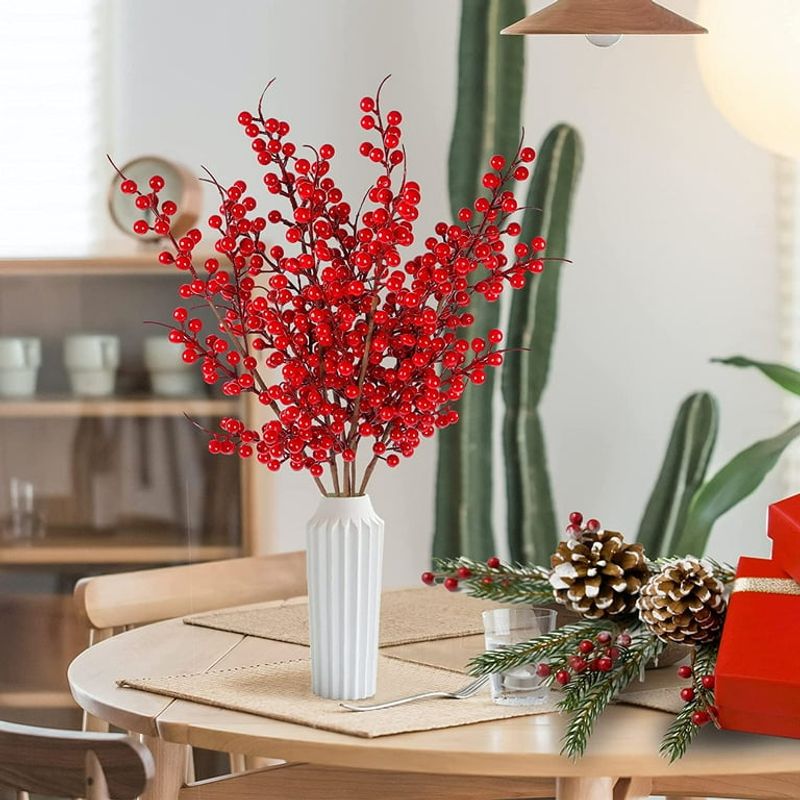
Bringing the outdoors inside becomes easy and beautiful when you have winterberry bushes in your Pennsylvania yard. The berry-covered branches make stunning additions to holiday decorations, winter flower arrangements, and seasonal centerpieces that last for weeks.
Simply snip a few stems and place them in vases or incorporate them into wreaths for instant natural elegance that beats anything you’d buy at a florist.
The branches hold their berries remarkably well once cut, maintaining their vibrant appearance throughout the holiday season and beyond.
Unlike fresh flowers that wilt within days, winterberry stems stay attractive for several weeks indoors, giving you lasting value from each cutting.
Gardeners across Pennsylvania harvest branches in late November and early December, using them for Thanksgiving tables and Christmas decorations that carry through New Year celebrations.
Crafters appreciate winterberries for wreath-making, swag construction, and other seasonal projects that require colorful natural materials. The pliable young branches bend easily into shapes while older stems provide sturdy structure for larger arrangements.
Pairing winterberry stems with evergreen boughs, pine cones, and other winter elements creates classic Pennsylvania holiday style that connects your indoor spaces with the landscape outside.
Having your own cutting source saves money compared to purchasing decorative branches from garden centers or craft stores, where winterberry stems command premium prices.
A single established bush provides enough material for multiple arrangements while still leaving plenty of berries for the birds.
This dual-purpose benefit appeals to practical Pennsylvania gardeners who appreciate plants that serve multiple functions, delivering both outdoor landscape beauty and indoor decorating possibilities from the same low-maintenance shrub.
7. Supports Pollinators During Summer Growing Season
Before winterberries earn their name with spectacular cold-weather displays, they quietly support Pennsylvania’s pollinator populations during summer months.
The small white flowers that appear in late spring and early summer attract native bees, beneficial insects, and other pollinators searching for nectar and pollen.
While these blooms aren’t showy like roses or lilacs, they provide important food resources during critical breeding seasons for many beneficial creatures.
Female and male winterberry plants both produce flowers, though you need both types in your landscape to get the berry production that creates winter displays.
The pollination process itself brings activity and life to your garden as bees move between plants, inadvertently ensuring your winter berry crop while gathering food for their own needs. This ecological relationship demonstrates how native plants fit seamlessly into local food webs.
Supporting pollinators matters more than ever as bee populations face challenges from habitat loss and environmental pressures throughout Pennsylvania and beyond. Every plant that provides pollen and nectar contributes to healthier, more diverse pollinator communities.
Winterberries won’t single-handedly save the bees, but they’re part of the solution when combined with other pollinator-friendly choices in your landscape.
Gardeners building complete ecosystems rather than just pretty yards recognize that year-round value includes both winter bird food and summer pollinator support.
The same shrubs that make your property gorgeous in January were equally valuable in June, just in less obvious ways.
This multi-season ecological contribution makes winterberries smart choices for Pennsylvania gardeners who understand that beautiful landscapes and healthy local ecosystems aren’t separate goals but complementary aspects of responsible, rewarding gardening practices.