Why Pennsylvania Homeowners Are Concerned About This Shrub And What Experts Advise
Pennsylvania homeowners have been scratching their heads lately over a certain shrub that seems harmless on the surface but hides more trouble than a fox in the henhouse.
Attractive, adaptable, and all too eager to spread, this landscape favorite has slipped from garden darling to ecological nuisance.
Its dense growth and persistent berries may look like a win for curb appeal, but experts warn that it’s quietly elbowing out native plants, inviting pests, and reshaping local habitats in ways most folks never imagined.
Before you know it, one innocent plant turns into a backyard takeover.
But don’t toss in the towel just yet—there are smart steps you can take to protect your property and still keep your landscape thriving.
From identifying the warning signs to choosing better alternatives, this guide breaks down what every Pennsylvania homeowner should know.
Sometimes the prettiest plants cause the biggest headaches, and this shrub is no exception.
When Pretty Turns Problematic: The Barberry Issue
Gardeners across Pennsylvania planted Japanese Barberry for decades without realizing the consequences waiting down the road.
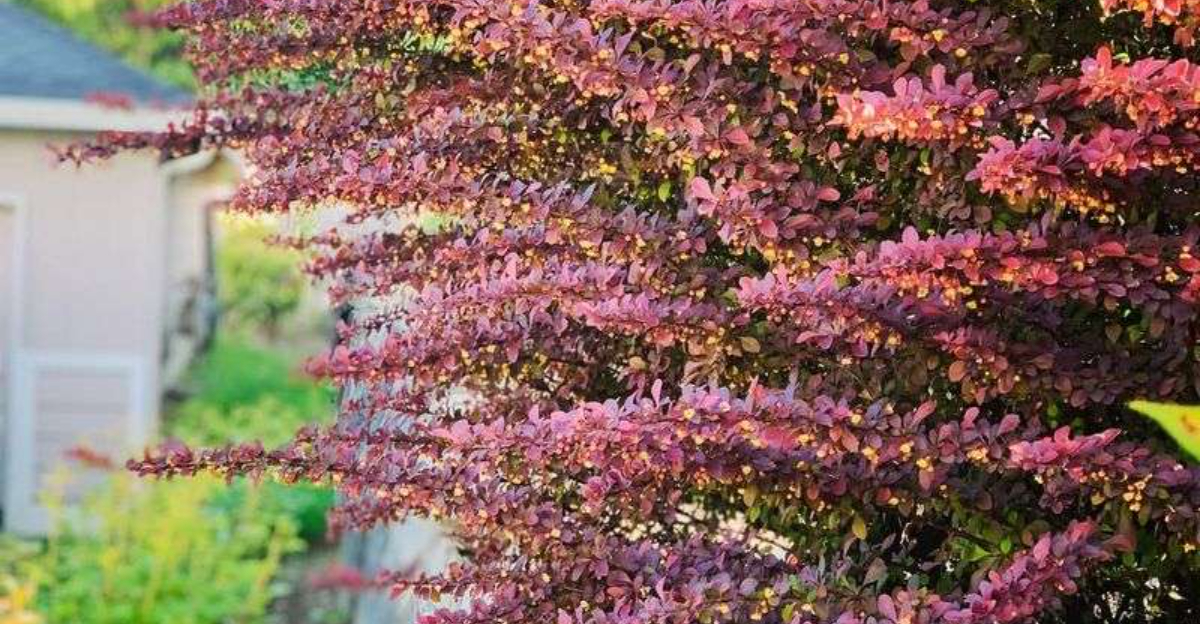
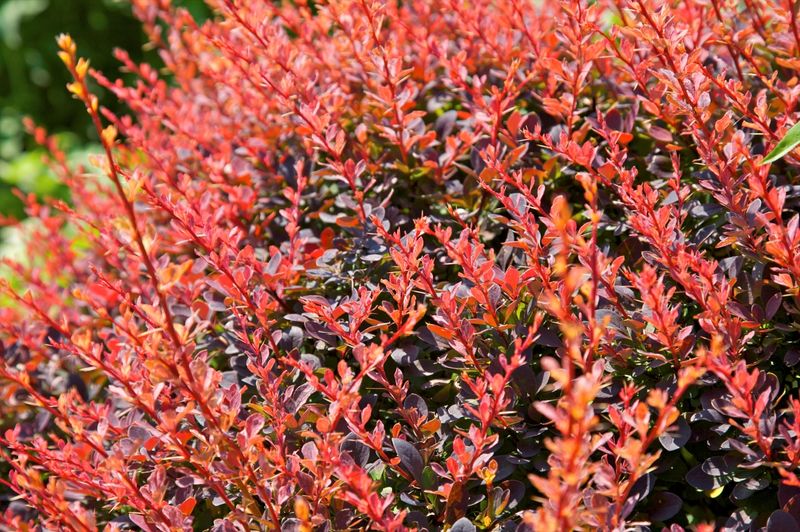
This compact shrub with its vibrant red or purple leaves seemed like the perfect low-maintenance addition to foundation plantings and garden borders.
Nurseries sold thousands of these plants, and landscape designers recommended them for their deer resistance and year-round color.
The problem started quietly as the shrub began spreading beyond garden beds into natural areas.
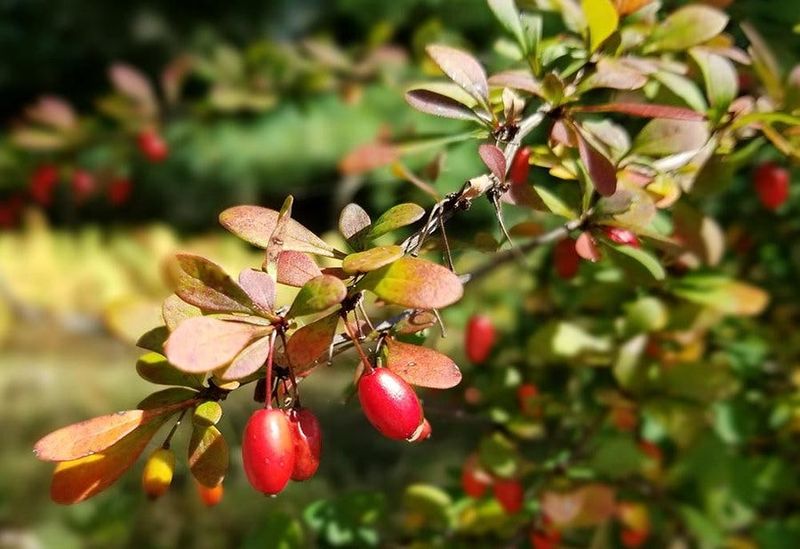
Japanese Barberry produces berries that birds love to eat, carrying seeds far from the original planting site.
Those seeds germinate easily in forests, fields, and parks where the shrub quickly establishes itself.
Native plants that once thrived in Pennsylvania woodlands can’t compete with Barberry’s aggressive growth.
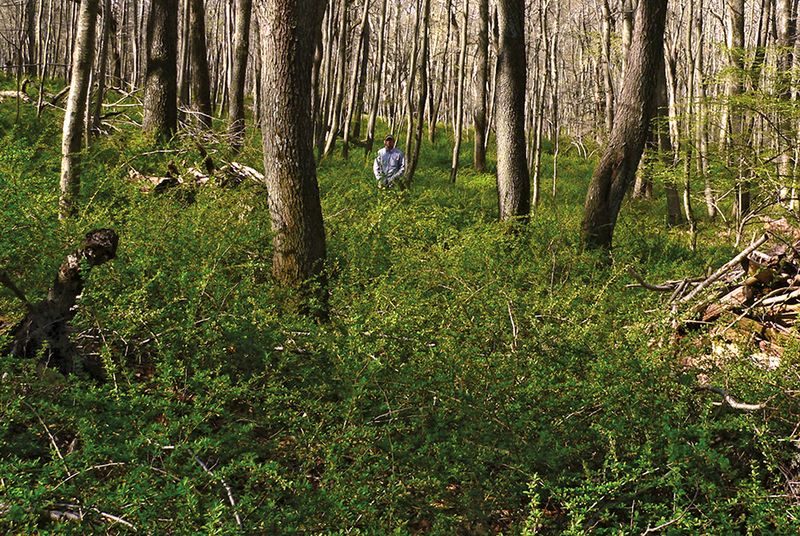
The shrub forms dense thickets that block sunlight and change soil conditions, making it nearly impossible for wildflowers and native shrubs to survive.
What homeowners thought was a harmless ornamental choice has become an ecological concern that requires immediate attention and action from property owners statewide.
Tick Trouble Starts Here
Research conducted by environmental scientists has revealed a disturbing connection between Japanese Barberry and tick populations.
Areas where this shrub grows densely show significantly higher numbers of blacklegged ticks, the primary carriers of Lyme disease.
The shrub’s low-growing, thorny branches create a humid, protected environment that ticks find irresistible for survival and reproduction.
Families with children and pets face increased exposure risks when Barberry grows in their yards or nearby natural areas.
Kids playing outdoors and dogs exploring the yard can brush against these shrubs and pick up ticks without anyone noticing.
The warm, moist conditions under Barberry thickets allow ticks to survive longer and reproduce more successfully than in areas with native vegetation.
Studies from Connecticut and other northeastern states have documented tick populations up to twelve times higher in Barberry-infested areas compared to locations with native plants.
Pennsylvania homeowners living near wooded areas or parks should pay special attention to whether this shrub is present on or near their property.
Removing Japanese Barberry and replacing it with native alternatives can meaningfully reduce tick habitat and lower the risk of tick-borne illnesses for your entire family.
The Shrub That Escapes The Garden

Japanese Barberry doesn’t respect property boundaries or stay where you plant it.
Birds feast on the bright red berries throughout fall and winter, then fly to nearby forests and natural areas where they deposit seeds in their droppings.
Each berry contains multiple seeds, and a single mature shrub can produce thousands of berries in a season.
Once seeds land in forests or fields, they germinate readily in various soil types and light conditions.
Young Barberry plants establish quickly and begin competing with native wildflowers, ferns, and shrubs that have grown in Pennsylvania ecosystems for thousands of years.
The invasive shrub’s dense growth pattern and thorny branches make it difficult for wildlife to navigate through affected areas.
Japanese Barberry also changes the soil chemistry where it grows by altering nutrient cycles and pH levels.
These changes make it harder for native plants to recover even after the Barberry is removed.
Forest understories that once supported diverse plant communities become monocultures dominated by this single invasive species, reducing habitat quality for insects, birds, and mammals that depend on native vegetation for food and shelter throughout the year.
Why Experts Warn Against Planting It
Conservation organizations throughout Pennsylvania have added Japanese Barberry to their lists of plants that should not be used in landscaping.
Penn State Extension, the Pennsylvania Department of Conservation and Natural Resources, and numerous county conservation districts actively discourage homeowners from planting this species.
Some municipalities have even enacted regulations restricting or prohibiting the sale and planting of Japanese Barberry varieties.
Experts emphasize that once established, removing Barberry requires significantly more effort, time, and money than most homeowners anticipate.
The shrub’s extensive root system and ability to resprout from small root fragments make eradication challenging.
Professional removal services can cost hundreds or thousands of dollars depending on the size and extent of the infestation on your property.
Environmental specialists point out that continuing to plant Japanese Barberry contributes to ongoing ecological problems across the state.
Even cultivated varieties marketed as sterile or less invasive have proven capable of spreading and hybridizing with wild populations.
Homeowners who planted Barberry years ago are now facing the consequences as the shrubs have matured, spread, and created management challenges that could have been avoided by choosing native alternatives from the start of their landscaping projects.
Removal Is Harder Than You Think
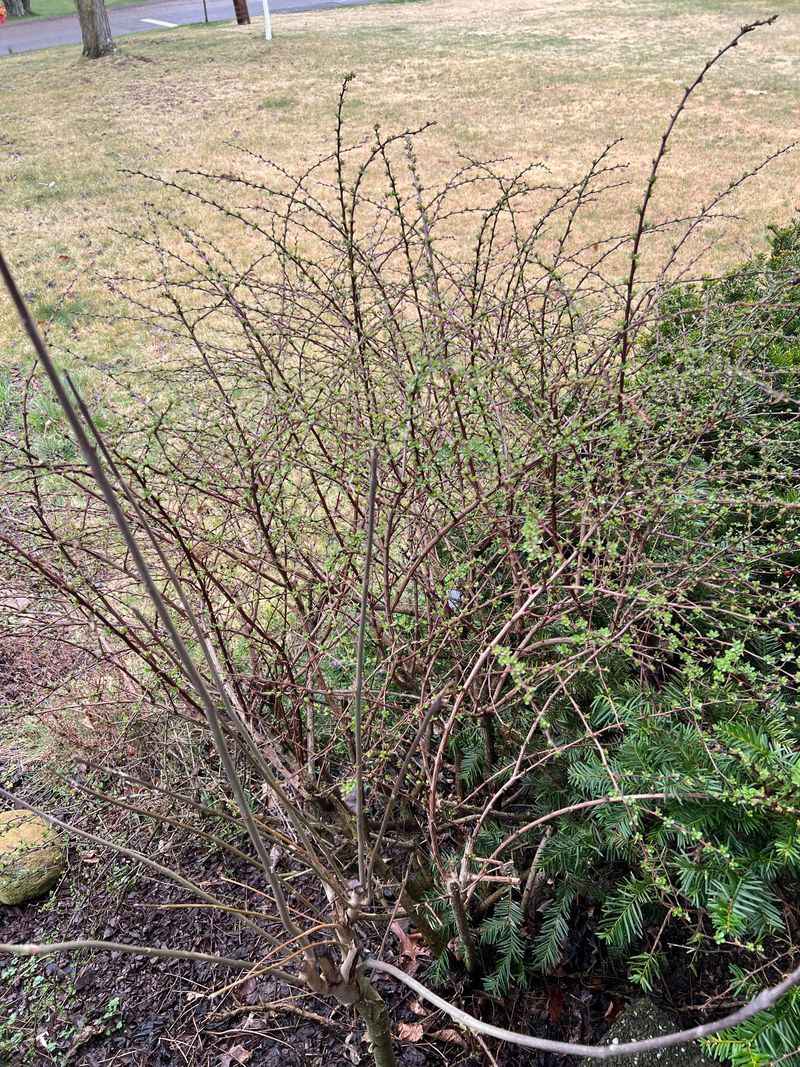
Many Pennsylvania homeowners discover too late that simply cutting down Japanese Barberry won’t solve their problem.
The shrub possesses remarkable regenerative abilities, resprouting vigorously from roots and stumps left in the ground.
Within weeks of cutting, new shoots emerge from the root system, sometimes producing even denser growth than before.
Effective removal requires digging out the entire root system, which can extend surprisingly far underground and outward from the main stem.
The shrub’s thorny branches make the work uncomfortable and potentially hazardous without proper protective clothing and gloves.
Small plants might seem manageable, but mature specimens with established root systems often require specialized tools or professional equipment to extract completely.
Some homeowners attempt chemical control methods, but these require careful application, proper timing, and often multiple treatments to achieve success.
Improper disposal of removed plants can actually spread the problem if berries or root fragments are left where they can establish new growth.
Removed material should be bagged and disposed of in regular trash, not composted or dumped in natural areas where it might regenerate and continue spreading across Pennsylvania landscapes and natural habitats.
Better Choices For A Healthy Yard
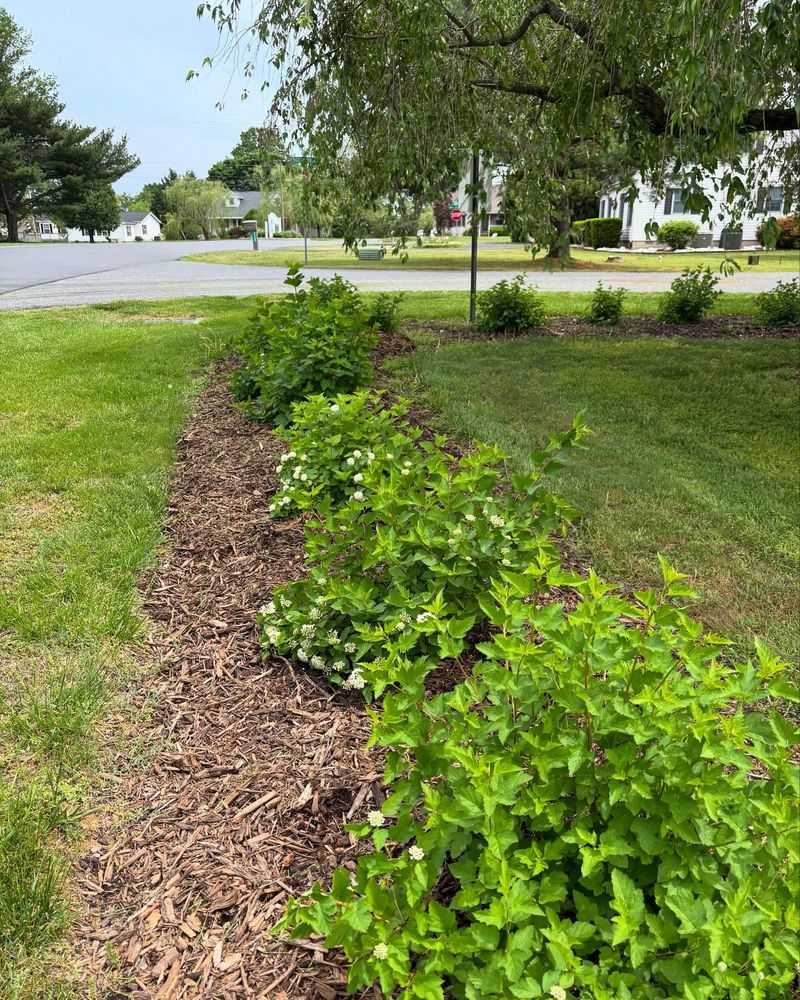
Fortunately, Pennsylvania homeowners have numerous attractive native shrub options that provide beauty without the ecological problems associated with Japanese Barberry.
Winterberry holly offers brilliant red berries that persist through winter, providing stunning color and food for birds without invasive tendencies.
Arrowwood Viburnum produces white flowers in spring, blue-black berries in fall, and gorgeous reddish-purple autumn foliage that rivals any ornamental shrub.
Ninebark comes in several cultivars with foliage ranging from green to deep purple, offering the color variation many homeowners seek.
This native shrub features attractive exfoliating bark, clusters of white or pink flowers, and interesting seed pods that add winter interest.
All these alternatives thrive in Pennsylvania growing conditions and require minimal maintenance once established in appropriate locations.
Native shrubs support local ecosystems by providing food and habitat for pollinators, songbirds, and beneficial insects that have evolved alongside these plants for millennia.
Butterflies, native bees, and other important pollinators depend on native plants for survival and reproduction.
Choosing natives also means less long-term maintenance since these plants are naturally adapted to Pennsylvania’s climate, soil conditions, and seasonal patterns, ultimately saving homeowners time, money, and effort while supporting environmental health.
How To Spot This Problem Shrub
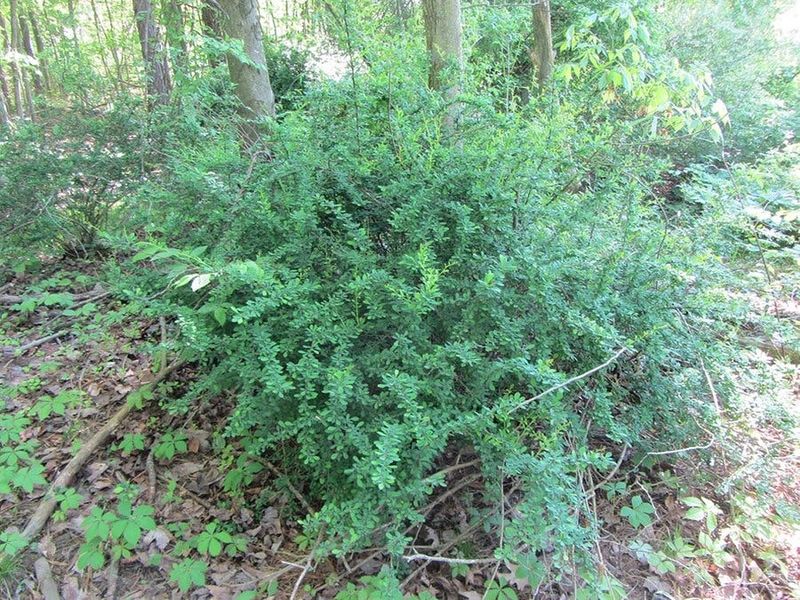
Identifying Japanese Barberry helps homeowners determine whether they have this problematic plant on their property.
The shrub typically grows three to six feet tall with a rounded, dense growth habit that makes it popular for foundation plantings and hedges.
Small, oval leaves grow in clusters along the stems, and sharp thorns emerge from the branches at regular intervals.
Foliage color varies by cultivar, ranging from bright green to deep red or purple throughout the growing season.
In autumn, green-leaved varieties often turn brilliant red or orange before dropping their leaves for winter.
Bright red, oblong berries appear in late summer and persist through winter, providing the most distinctive identification feature.
The shrub’s branching pattern creates an extremely dense structure that’s difficult to see through even when deciduous leaves have fallen.
When you push branches aside, you’ll notice the thorny stems and the dark, humid environment created underneath the canopy.
Japanese Barberry often grows in areas that receive partial shade to full sun, making it adaptable to various landscape positions from woodland edges to open yards, which unfortunately contributes to its successful spread across diverse Pennsylvania habitats and property types.
Your Yard May Be Encouraging Its Spread
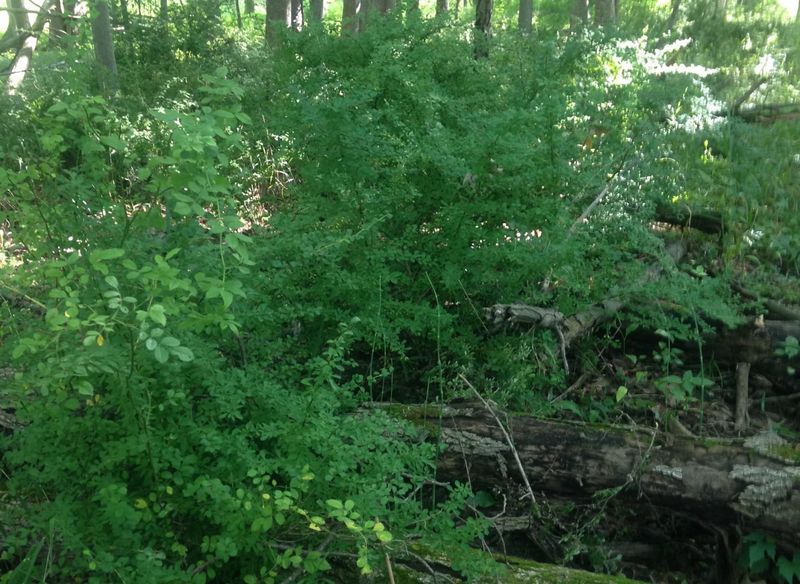
Homeowners sometimes unknowingly help Japanese Barberry spread across their property and into surrounding natural areas.
Piles of yard waste containing Barberry branches with berries or root fragments can serve as new sources of infestation if left near garden beds or woodland edges.
Berries remaining on discarded branches stay viable and can germinate if conditions are favorable.
Birds visiting your yard for feeders, birdbaths, or natural food sources will readily consume Barberry berries throughout fall and winter months.
After eating, these birds fly to trees, fences, and natural areas where they deposit seeds in their droppings.
Each seed represents a potential new Barberry plant that could establish and spread further across your property or neighboring lands.
The edges of your property where maintained lawn meets natural woodland create ideal conditions for Barberry establishment and spread.
These transition zones typically receive adequate sunlight and have disturbed soil conditions that allow seeds to germinate easily.
If you already have Japanese Barberry growing anywhere on your property, you’re likely experiencing ongoing spread into these edge areas and beyond, making early detection and removal increasingly important for preventing larger infestations that become exponentially more difficult and expensive to manage over time.
Don’t Let One Shrub Become A Colony
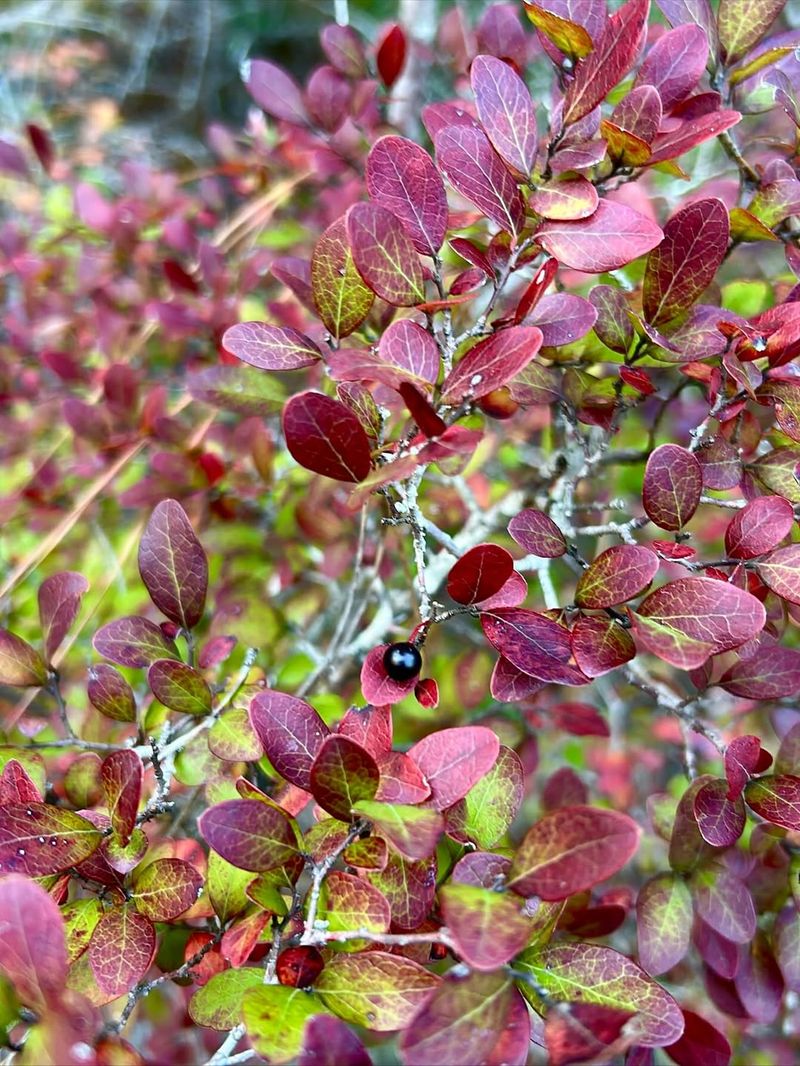
A single Japanese Barberry plant might seem like a minor concern, but these shrubs multiply rapidly through both seed production and vegetative growth.
One mature shrub can produce thousands of berries annually, with each berry containing multiple viable seeds that birds distribute across wide areas.
Within just a few years, that single plant can spawn dozens of offspring scattered throughout your property and beyond.
The shrub also spreads through its root system, sending up new shoots around the parent plant to form increasingly dense thickets.
These expanding colonies become progressively harder to manage as they mature and interconnect underground.
What started as one ornamental shrub can transform an entire area into an impenetrable mass of thorny vegetation that crowds out everything else.
Early intervention makes an enormous difference in management success and cost.
Removing a single young Barberry plant takes minutes and requires only basic tools and minimal effort.
Waiting until that plant has spread into a colony covering hundreds of square feet requires professional equipment, significant time investment, and potentially thousands of dollars in removal costs, not to mention the environmental restoration needed to reestablish native plants in areas where Barberry has dominated for years.
What Pennsylvania Experts Advise Homeowners To Do

Conservation professionals across Pennsylvania recommend a proactive approach to managing Japanese Barberry on residential properties.
First, homeowners should walk their entire property to identify any existing Barberry plants, paying special attention to areas near woods, along property lines, and in neglected corners where seedlings might have established.
Early detection makes removal significantly easier and prevents small problems from becoming major infestations.
Once identified, removal should happen as soon as possible, preferably before berries mature and spread seeds to new locations.
Complete root removal gives the best results, though some situations may require professional assistance with chemical treatments applied according to label directions.
Removed plants must be disposed of properly in regular trash, never composted or dumped in natural areas where they could regenerate.
After clearing Barberry, experts strongly recommend replanting with native shrubs appropriate for your site conditions and landscape goals.
Native plants establish quickly and help prevent Barberry seeds from germinating in the cleared area.
Resources from Penn State Extension, the Pennsylvania Department of Conservation and Natural Resources, and local conservation districts provide detailed guidance on identification, removal techniques, and native alternatives suitable for Pennsylvania landscapes, helping homeowners make informed decisions that benefit both their properties and the broader environment.